Category Archives: Writing & Life

Writing goals and knowing your own brain

Happy almost Halloween & Samhain!

Guess who is writing to a deadline and thus doing a lot of what this headline says!

So let’s start with a writing update: last time I posted an update was mid September in my sneaky preview to a secret thing post. At that point, I’d finished and temporarily shelved my draft of Quiet Walkers and had just embarked on a new work in progress. That secret wip is now at 65k of a predicted 150-160k.

Oh crap, I just realised there’s another update. A BOOK-SHAPED one! This is that I have a new novella – my hopepunk with bloody fingernails A Lake of Small Fires – coming out in February with the lovely Luna Press, who were the first wee indie press to open the door to publishing for me. I owe Francesca Barbini at Luna so much, and it’s a joy to be able to return to her again with this strange wee book. I have previously alluded to A Lake of Small Fires on this blog (newsletter? idek what I’m meant to call it) but here’s the official announcement and I’ll follow up with a fuller ‘the story of…’ soon too.


Today though I wanted to talk about writing goals – how I approach them, stick to them, and sometimes abandon them. This has been on my mind recently given the considerable task I am in the middle of – drafting a chonker of a book in a brand new (to me) genre in about four months. In early September, as I was finishing up Quiet Walkers and preparing to launch into Secret Book, I was feeling incredibly daunted by the entire affair, if I’m honest. This is my first time selling ‘on proposal’ i.e. with just a pitch rather than a fully written book, so my first time needing to draft a book from a standing start whilst under a contracted deadline (The Salt Oracle, the second book on my previous contract, was already drafted by the time Ghosts entered the publishing cycle so I was ahead of the game there).

This is also my first time writing in this particular genre space (man, it’s hard avoiding spoilers. The sooner this thing is announced, the better!), and my first time intentionally setting out to write a hefty chonk of a book. I have been striving to aim for the 100k threshold for years, so the instruction to aim larger in scope is bizarre!

SO, lots of new things. And by the time I was ready to leap into this book, it was all looking rather terrifyingly unachievable. Fortunately, I’ve faced tasks that look insurmountable before, often when faced with a big developmental edit letter and the burning desire to yeet my book into the sea.
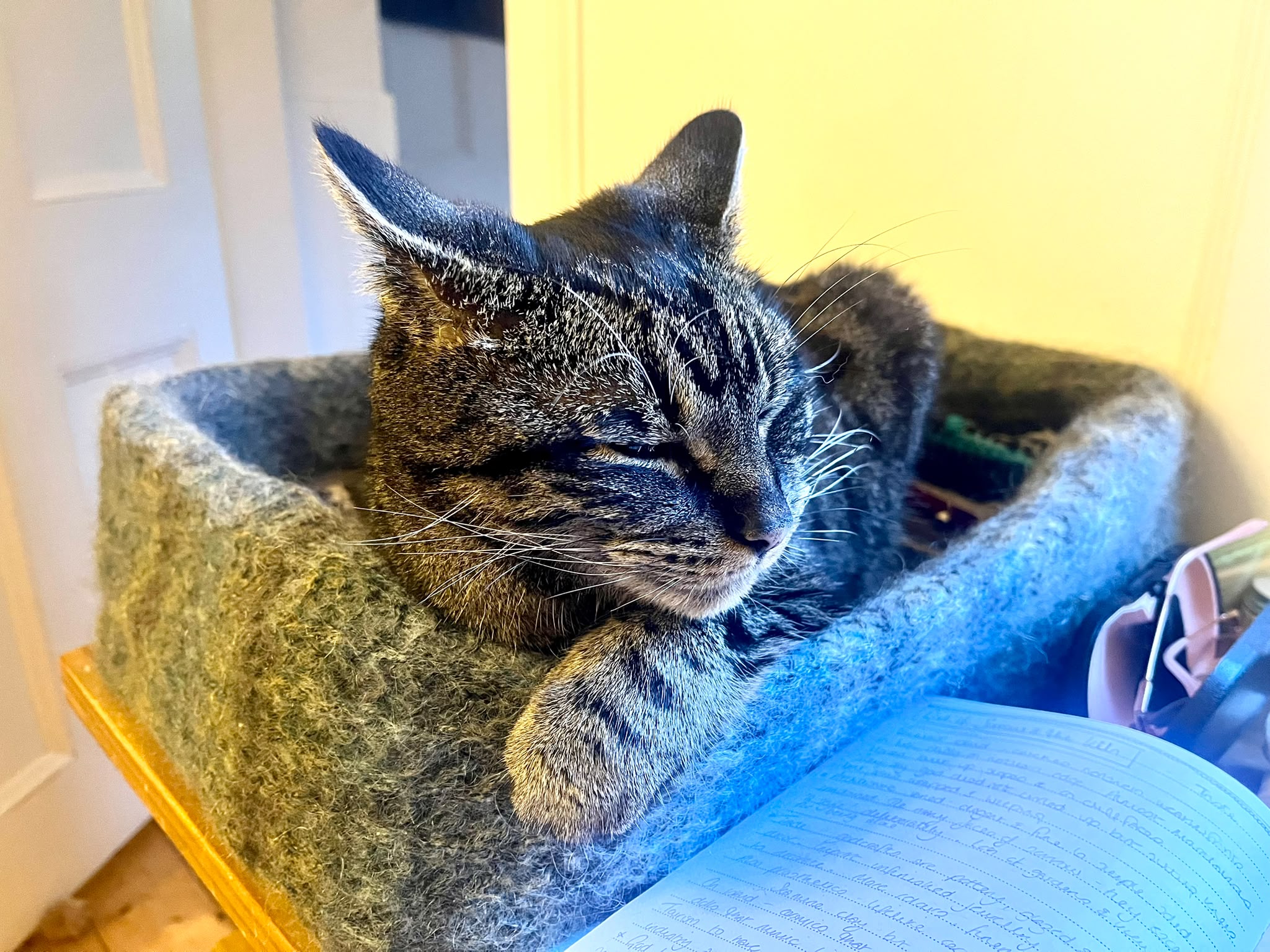
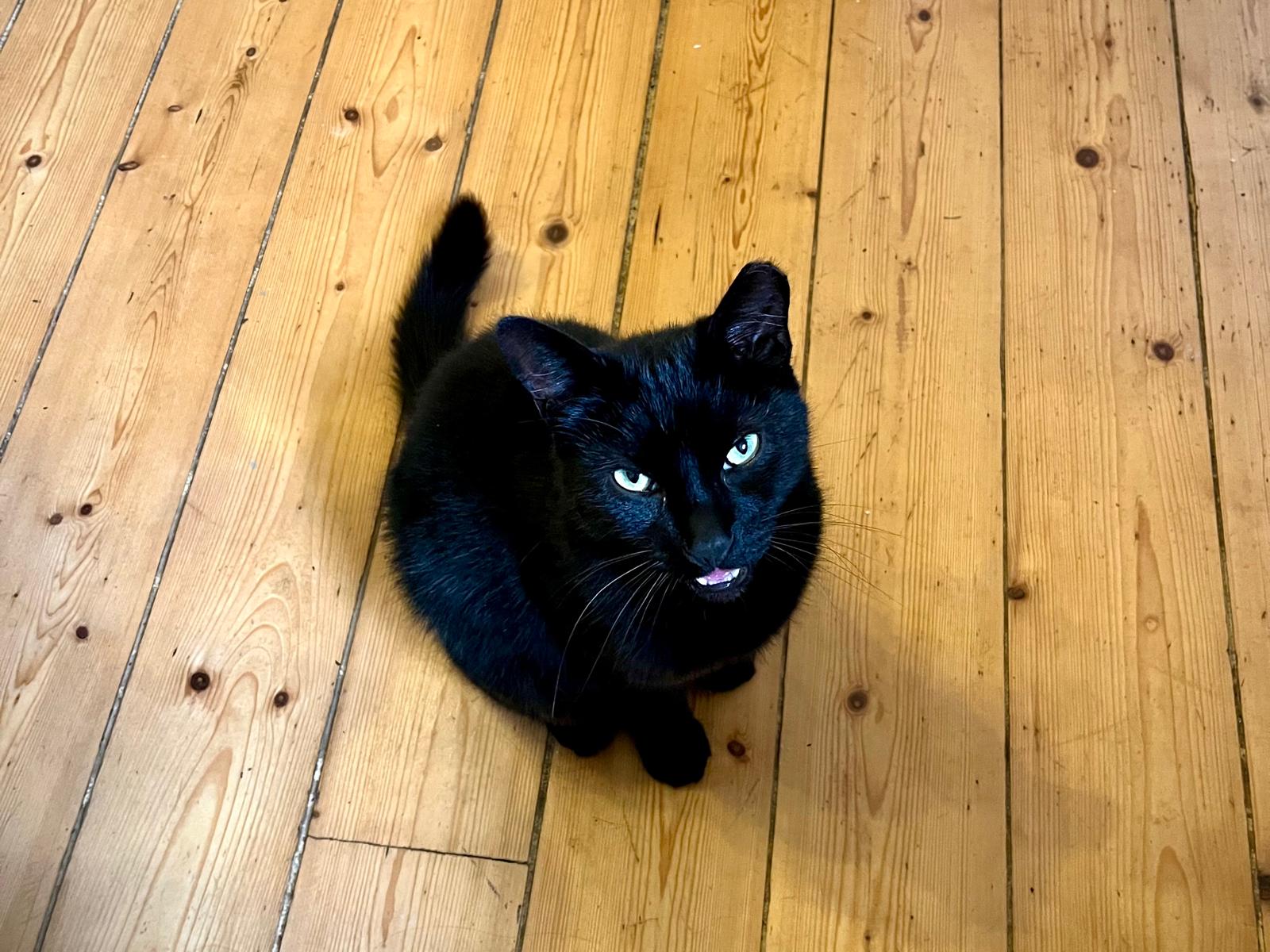
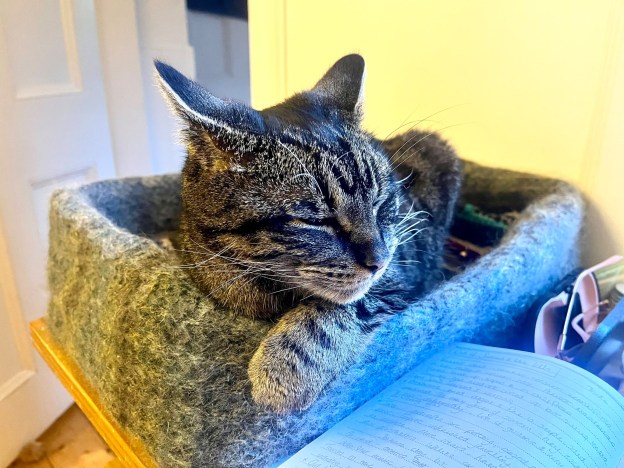
Cat unimpressed with me trying to hit my daily goal

The strategy…

Just as I did when tackling the big edit of The Salt Oracle then, my first instinct with this book was to break the challenge down into less-scary chunks.

  • It’s not a 160k word book, it’s four 40k novellas (for each of the point of view characters).
  • It’s not a 160k in four months timeline, it’s 40k a month, which is 10k a week, which is an average of 2k a day.

Not quite so terrifying when it’s put that way, is it? Though 2k a day is still a tall order for me – my norm is around 1-1.5k a day, so consistently delivering more is a steady strain on my health.

Next step was to lower the intimidation levels a bit:

  • That four month deadline isn’t fixed, it allows for a 6 week edit pass before the actual deadline. So you’ve room to overshoot.
  • And actually, ha, let’s factor that in, to lower those weekly/daily targets to non-scary levels. Now I only really absolutely have to average 1,700 words a day, with 2k as a stretch goal. MUCH less scary.
  • Hey, guess what? If I need longer, I can ask. No one’s going to condemn me for it.

Step three was to clear the decks.

  • Plan no more events for the year. I also pulled out of one that was going to cost me several days and a lot of money for no real tangible benefit.
  • Minimise life stuff*, and schedule time off for Xmas so I don’t panic about needing it.
  • Pause beta/blurb reads for now.
  • Shift other writing admin work (e.g. pre-pub work on A Lake of Small Fires) to the weekend (I normally keep weekends pretty writing-free to give myself rest/recovery/family time).

*I’m actually heading off on a week’s solo writing retreat tomorrow, to immerse myself in nothing but words. It will be divine!

And lastly, I tentpoled the book, so I don’t have to headlight it.

What? I hear you say. Honestly, this is the fun bit. Bear with me, we’re getting writing crafty…

My normal approach to plotting a book is to ‘headlight’ as I’m writing. Which means I roughly plan about three chapters ahead, write those chapters, plan the next three, write those, etc. It means I’m never staring at the page lost for what happens next, but also that I don’t have to know specifics about the book’s climax and ending before I get there. It’s a system that suits my desire for a balance between plan and flexibility.

The downsides of headlighting is that I do have to pause every few days to plan next steps, and that the plot of my first drafts can get a little more meandering than intended. I can’t really afford either of those things in this case – I don’t have time to pause every few days, and I need this beastie to have a fairly healthy plot structure. It needs to be pretty presentable after the single edit pass I’ve got time for.

So I tentpoled instead. (is this a verb? idk, but it is now). Tentpoling is where you identify the main plot points that the story hangs on, and then write towards each of those points as you draft organically. For example, you might know what event is going to kick everything off, a fun turning point or two, what the midpoint of your book is, the action climax, or the resolution. Knowing a few of those simple points can be enough to keep a draft moving in the right direction.

I don’t tend to do this because it feels a little too tied to traditional screenwriting story beats, which I don’t love. BUT I realised it could be a useful method in this case, to ensure I was never lost for what to write next & could keep my drafting momentum (and plot momentum) up.

Luckily for me, I’d written a fairly detailed synopsis as part of the proposal for this book, so with the help of that, this is what I did:

  • For each point of view character, what are their start and end points (at ~5k and 160k)
  • Where do they need to be at the midpoint (at 80k)
  • Given those three plot beats, where do they need to be halfway between beginning and middle, and middle and end (at 40k and 120k)
  • And given those, where does each character need to be between each of those plot events (at 20k, 60k, 100k, and 140k)

Obviously these are vague numbers and the events are incredibly scantily outlined. A plot beat isn’t going to happen exactly on 40k for each character, that’s impossible and weird. It’s also not all detailed, only the main bones are in place. But I now know, for roughly every 20k words of drafting, what should be happening with each character.

And given that I have four point of view characters, that’s actually every 5k words spent with each character. Which is roughly two chapters (I’m leaning short chapters in this book).

So for a very vague tentpole plan that is sketched across one page of my notebook, I now know what events need to be unfolding every time I sit at the laptop. It has taken a huge amount of pressure off and enabled me to maintain my planned drafting speed despite a bunch of Stuff requiring time away from writing.

There’s an important aside here, about health, sustained efforts and protecting yourself.

I cannot write every day. Sometimes I manage an hour before the pain levels get too high, sometimes I don’t manage anything. Other days I feel like I’m on a roll, but if I don’t stop at a reasonable time the next day will be a wash out, and maybe the day after. Maintaining this level of higher-than-normal effort depends very very much on me regulating my health as much as possible. That means not forcing myself to write when I can’t. It means stopping even when the words are flowing. It means, most importantly, forgiving myself those bad days and not turning them into a source of stress.
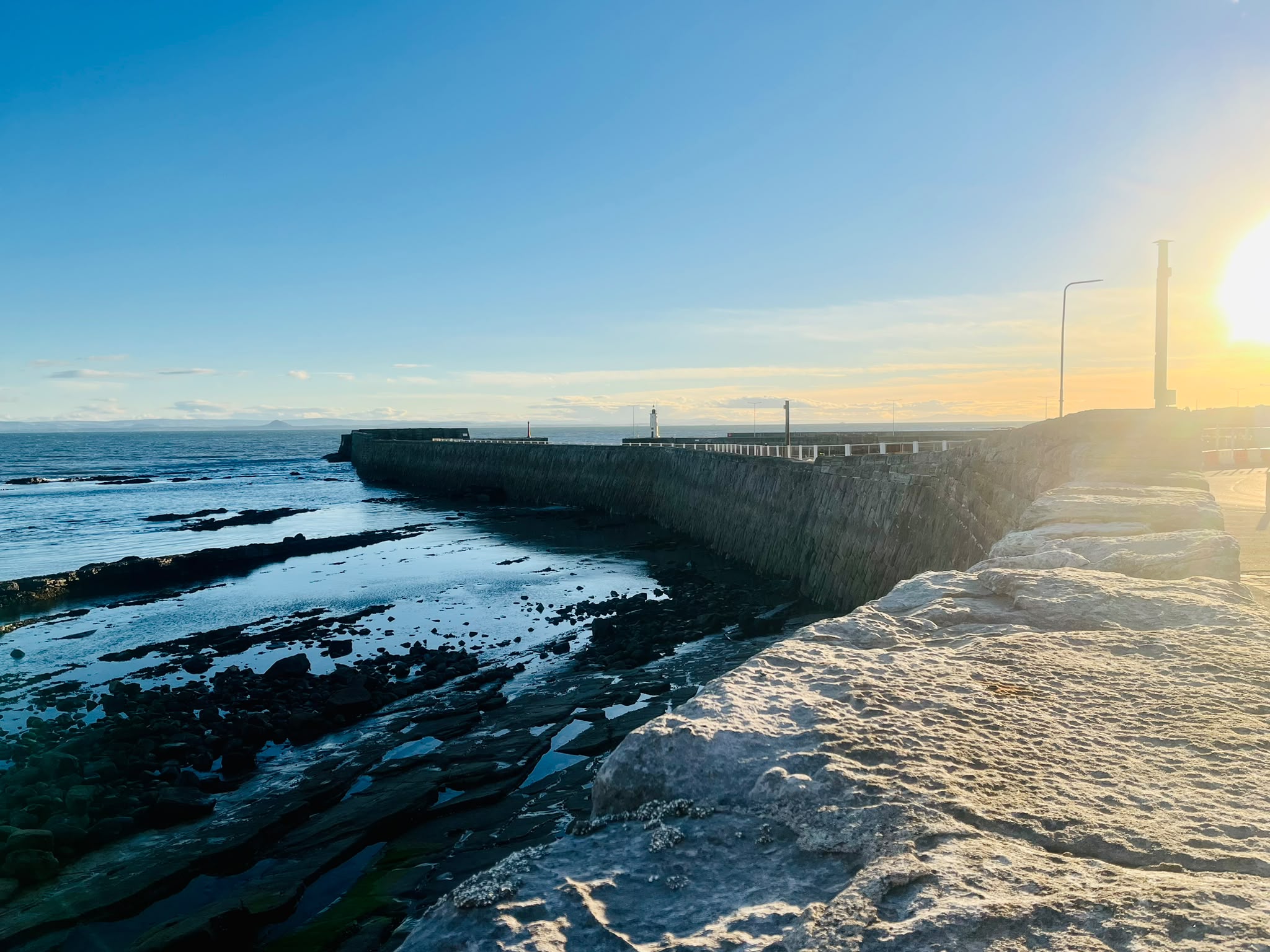
a bit of golden hour down the shore

So that’s my process (for this book), what are more general suggestions?

Some people’s brains need the adrenaline of a deadline to kick into gear, some freeze, some are like me – I love a structure, and a plan, but it has to be gentle enough that the stress of the deadline does not make my health crash. A lot of setting writing goals for yourself starts with understanding your own brain and circumstances, and finding the structure that works for you. But a few strategies I’ve seen other people benefit from are:

  • Don’t break the chain – for 50 or 100 days, try not to break the writing chain, whether you write one word or fifty or 3,000, put something down each day. The simple act of beginning generally means more than one word will materialise, and the practice of finding ten minutes a day can build into a habit.
  • 100 x 100 – like the above, but aiming for 100 words a day.
  • Time not words – rather than focus on word count, perhaps focusing on time spent writing is more useful for you. Whether that’s 20mins before work, an hour after the kids are in bed, three hours every Saturday… the amount matters less than the decision to demarcate that time off from other responsibilities & activities, and devote it to words.
  • Accountabilibuddies – whether you have a formal critique group, a friend willing to nag you if you don’t email, or anything in between, having someone waiting on your next instalment of words can be a really good motivator for some people.
  • Prompt challenges – these are less for getting a big project done, more for just getting the words flowing. Various places online offer regular writing prompts (or you could generate your own as I did here), which you can use to set yourself a challenge of, for example, writing a short story a month, or a flash a day.
  • Not-NaNoWriMo – the month long writing challenge that was NaNoWriMo is no more, officially. But you and your writer friends can run your own. My writing community does this a couple of times a year, and people join in with their own targets – not everyone aims for the 50k words in a month original challenge. But by sharing daily progress, taking part in group sprints and cheering each other on, the communal push to write can be highly motivating and fun.
  • No goals, just vibes. This article has been about setting goals because that’s what I need to do right now. But it’s absolutely okay not to set yourself goals. We all have a lot of other things going on, and unless you’re extremely lucky, writing has to fit around the margins so it doesn’t always help to make it yet another thing to do on the endless list of tasks. Sometimes you just need to let the words come when they come, and that’s okay. Unless you’re under deadline…

Whatever your goals with your creativity, good luck and may the inspiration be with you. And when I next return, I hope to report that I’m over the hill of Secret Book and well into the second half. Maybe I’ll even get to talk properly about Secret Book too!!


Thank you as always for reading. Because accessibility in publishing is important to me, I keep all my craft and publishing posts free, so any shares or tips are greatly appreciated. And if you want to help me continue writing these things, please do also check out my paid subscriber tier, where I share behind the scenes book diaries. Wishing you a fabulous weekend.
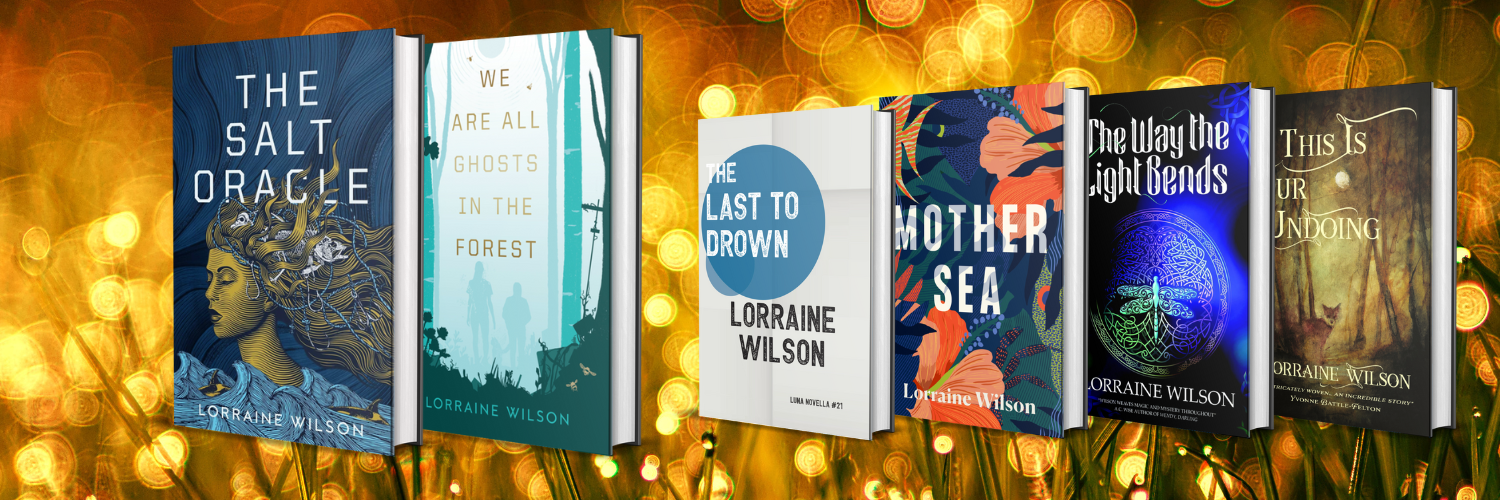
check out my books here

leave a tip here

The hustle

I mentioned this post in my last good vibes one, and am returning to it now as I feel like we always need reminders to be kinder to ourselves. I have been feeling frazzled and frayed the last wee while, and was prompted recently to do a wee tally of what projects I have on the go… at which point I realised why I’m feeling so frayed. Honeys, beloveds, I am hustling as hard as a spoonie can hustle. And that’s not ideal.

First though, a writing update: Still beavering away at Quiet Walkers – it’s currently just over 90k words, with perhaps another 8k to go. But I have also been writing pitches & synopses (shudder), and might in the near future be able to announce something lovely. It’s true! Friends I am back in my vague era – there have been positive things happening chez moi! I don’t know when I’ll be able to share more, and I’ve also got a lot of balls still in the air. But here’s a small and irritatingly secretive YAY!

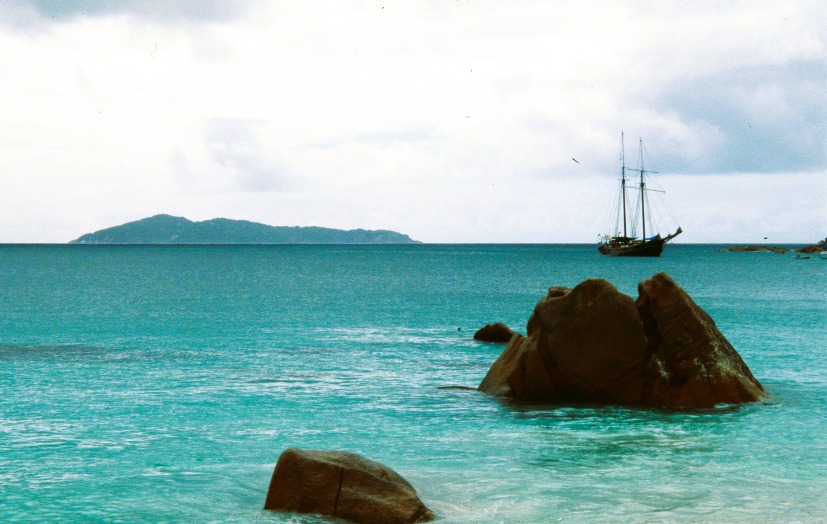
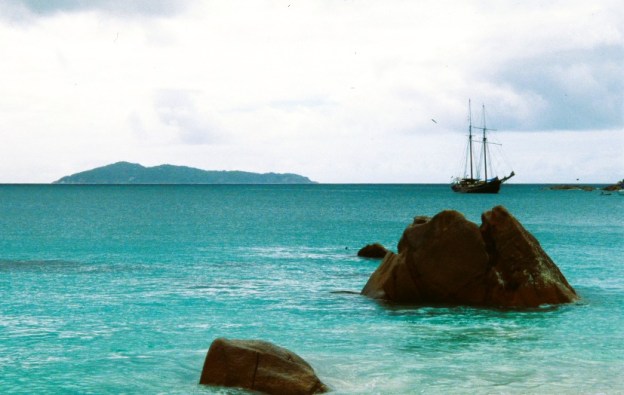
An old photo from the Seychelles, as an extremely cryptic clue…

I’ve been really happy with my writing progress recently, given constraints from semi-regular events and other Life Things. And while Quiet Walkers is very much A Draft, it’ll be great to get it completed in the next few weeks.

But as I said, this last year has contained a lot of not waving but drowning. As you may have detected from my subtle hints over the last 84 years, I’ve been really struggling with this whole publishing malarkey, but this article isn’t another moan about uncertainty and timelines, I promise. Instead I wanted to talk about what ‘trying hard’ and ‘doing everything you can’ and ‘hustling’ looks like outwith the perception that hustling has to equate to posting short form videos every day, or thrusting business cards on innocent bystanders at conventions.

(I’m talking about the hustle to build a career here, not the hustle to market a book.)

I’ve talked previously about book marketing and why authors need to give themselves space to only do as much as is sustainable, and a recent thread on Bluesky by the extremely experienced Delilah Dawson said similar. But we often focus on this kind of reader-facing work when we think of the hustle – events, social media, newsletters. And while that’s a part of it, the work to build a career looks a little different.

For a lucky (very) few authors, publishing support, zeitgeist, (talent,) and luck have given them a fairly stable career platform from which they can keep working with only the level of hustle they wish to commit to.

For most of us, striving to create a viable career as an author takes a lot of shapes. It definitely includes feeling pressured to perform online in ways that aren’t necessarily enjoyable or comfortable, for the sake of building a platform. But it can also include building community connections, e.g. by volunteering for organisations, chairing events, mentoring etc. Because a) community is amazing but also b) you never know when that community might open a door for you. Or perhaps it looks like creating secondary income streams around writing, both for the CV entry and so you have a little more financial resilience, or can even afford to make it your part time or full time occupation. Freelance writing or editing are common additions for a lot of writers, though they are competitive and time consuming. Or perhaps you might write IP work – whether that’s within big franchises or stand alone book packaging projects, IP can be a solid income stream for many authors, and a way of building your credentials alongside your original work. The hustle might also take the form of working hard at keeping your name in circulation by pursuing short fiction publications.

I’ve friends who are variously brilliant at all these things, and whatever route they’re following it’s all going to be helping strengthen the foundations of their career. Whether by giving them financial security from which to write, strong community support, or an expanding list of author credits – it will help them stay the course in this ridiculous industry.

I am not in a position to do most of those things. I don’t have the financial freedom to attend many events, not even my own lol. I don’t have the health capacity to commit to sitting on committees or delivering on long term mentoring support. And my health also means the extremely tight timelines prevalent in IP work, or the high turnover-high resilience needed for the short fic market would break me into tiny pieces. (I’m also profoundly allergic to video format social media, so I’m not becoming an influencer any time this millenium).

I’m not special for having these restrictions. Many writers are working with fewer freedoms than I have, and in fact I have one thing that’s in short supply for almost everyone – time. My writing time is severely curtailed by my health, but I don’t have a ‘real’ job so what healthy time I have is all my own (and my cats’, apparently) (Snicket has just appeared to shout at me).

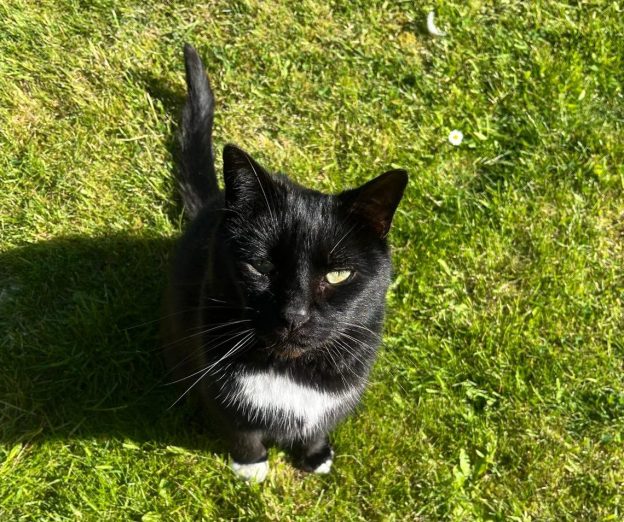
Lemony Snicket, with complaints

So what else can hustling look like?

Well, as I have recently realised, for me, it looks like what can only be described as ‘how many projects can one person put out into the world before she combusts?‘

I have at present, a novella, two novels, some samples, some pitches, and several short stories all out under consideration in one form or another. I’ve also had a couple of short stories commissioned, and some others awaiting edits before they are yeeted at magazines. I don’t know which, or how many, of these projects will pan out, which is why I’m pursuing all avenues.

But that is a lot of projects in editors’ hands at the same time. We talk about working on the next thing, but as a friend said, this is a little like sticking your hand in a patch of nettles hoping to distract from a bee sting.

It’s definitely draining, having that many things murmuring away in the back of my mind, and I’m really glad I finally stopped to take notice of it so I can be a little more forgiving of myself for dropping various balls (to the authors who’s blurbs are/were late… sorry! I love your books!). But I’m also kind of proud of myself.

I don’t have much flexibility for how I hustle. But within the limitations I have, I am putting myself out there. I am chasing possibilities as hard as I can and in the face of fairly relentless uncertainty, I’m finding new things to hope for rather than just throwing up my hands and giving in. Which is no small thing.

It’s also a lot of fun developing different projects, of course. I love all the ideas and stories I have been working on and will be delighted if/when any of them move forward. Despite the Everything, my brain is forever thinking up new shiny worlds, and it’s always going to be a delight to get to explore them.

BUT. (Because there’s always a but, right?)

I, and my friends pursuing IP work or editing gigs or short fiction acclaim, or volunteering for every board or networking at every event possible… We need to be careful. This career is so riddled with uncertainty and instability and poor pay for the work involved, it feels like if we aren’t hustling we’ll drop off the map instantly. If we aren’t doing the thing all the time, all those doors we’ve wrestled open are going to close.

And maybe they will.

But is an open door worth it if we’ve burned out so badly we can’t write?

I talk endlessly about resilience in publishing. That isn’t just about managing your marketing efforts, or learning to process rejection and comparanoia. It’s about this too. Treading the line between doing everything you can to build a viable career as an author, whilst doing only what you can sustain without harm.

I’ve had good news this week, which has bolstered my flagging reserves no end. And I am lucky to be in a position where I get to strategise between projects. But I also have to ensure that part of the strategising is ‘having hustled a million projects into life, how much can I commit myself to without breaking?‘. My agent, bless her, is having to be the sane voice of reason as my year of uncertainty is making me a little unhinged over-optimistic.

Yes, this entire post is a letter to myself. FutureRaine is gonna be so damn mad if I overcommit now. Someone please take my pitches list away from me.


Thank you as always for reading. Because accessibility in publishing is important to me, I keep all my craft and publishing posts free, so any shares or tips are greatly appreciated. Wishing you a fabulous weekend.
check out my books here

leave a tip here

Good vibes only, for once

Yesterday I wrote a draft of a post about hustling to build an author career – what that looks like depending on your skillsets and capacity, and what it looks like for me, your resident spoonie. I’ll still post it as I think it’s a useful conversation about the work that goes into trying to claw a career from this industry. BUT I also got a wee bit frustrated with myself for the element of ‘ugh publishing sucks’ creeping into my posts yet again. I mean, I’m not wrong, but also sometimes Eeyore needs to look at flowers, you know?

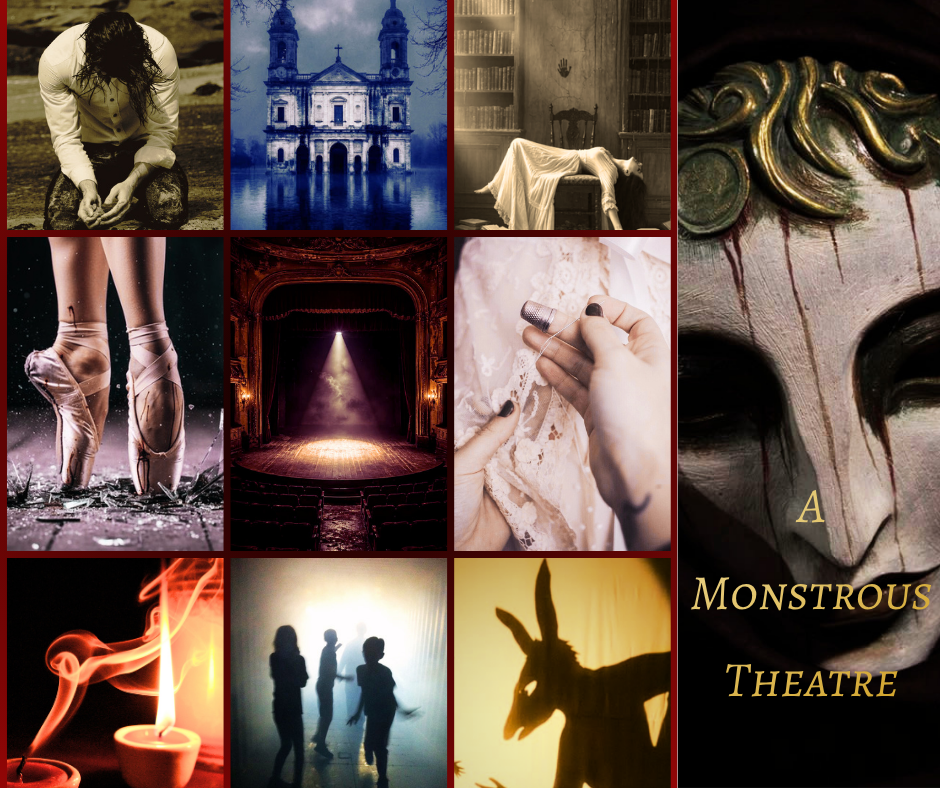
First though, writing update time: It’s been almost two months (oops!) since my last free post, and two weeks since my last paid one. In that time I’ve been beavering away at Quiet Walkers, which I talked about a wee bit here. It’s currently sitting at about 3/4 done, but had to be set aside for me to do a (hopefully) final pre-sub edit pass for Monstrous Theatre. Cue moodboard. And I’ve also just finished drafting a commissioned short story that I’ll hopefully be able to talk more about soon.

This isn’t really going to be a post with a specific premise about publishing or writing, it’s just going to be me looking for some nice things going on right now in my writerly bubble. And maybe some cat pics.

Good thing number 1: I’ve been really happy with my writing progress recently, given constraints from semi-regular events and my energy levels. Sometimes, when you’re jumping between writing and other things, or when the writing is a little bit of a strugglebus, it’s really easy to feel like you aren’t making much progress. But whether you tally your writing by time spent at the keyboard, or word counts, it can be really reassuring to look back at that scattered period of time and say huh, despite ALL THAT I wrote nearly 60k in two months, that’s not nothing.

Perhaps for you that might look more like – huh, I managed to sit at the keyboard 4 days a week all this month. Or – I wrote at least one sentence every day. Or – I finally figured out this goddamn plot. Or whatever. Actual volume is less important than remembering that cumulative work matters more than one-off good days, and you’re probably doing more, and working harder, than you give yourself credit for.

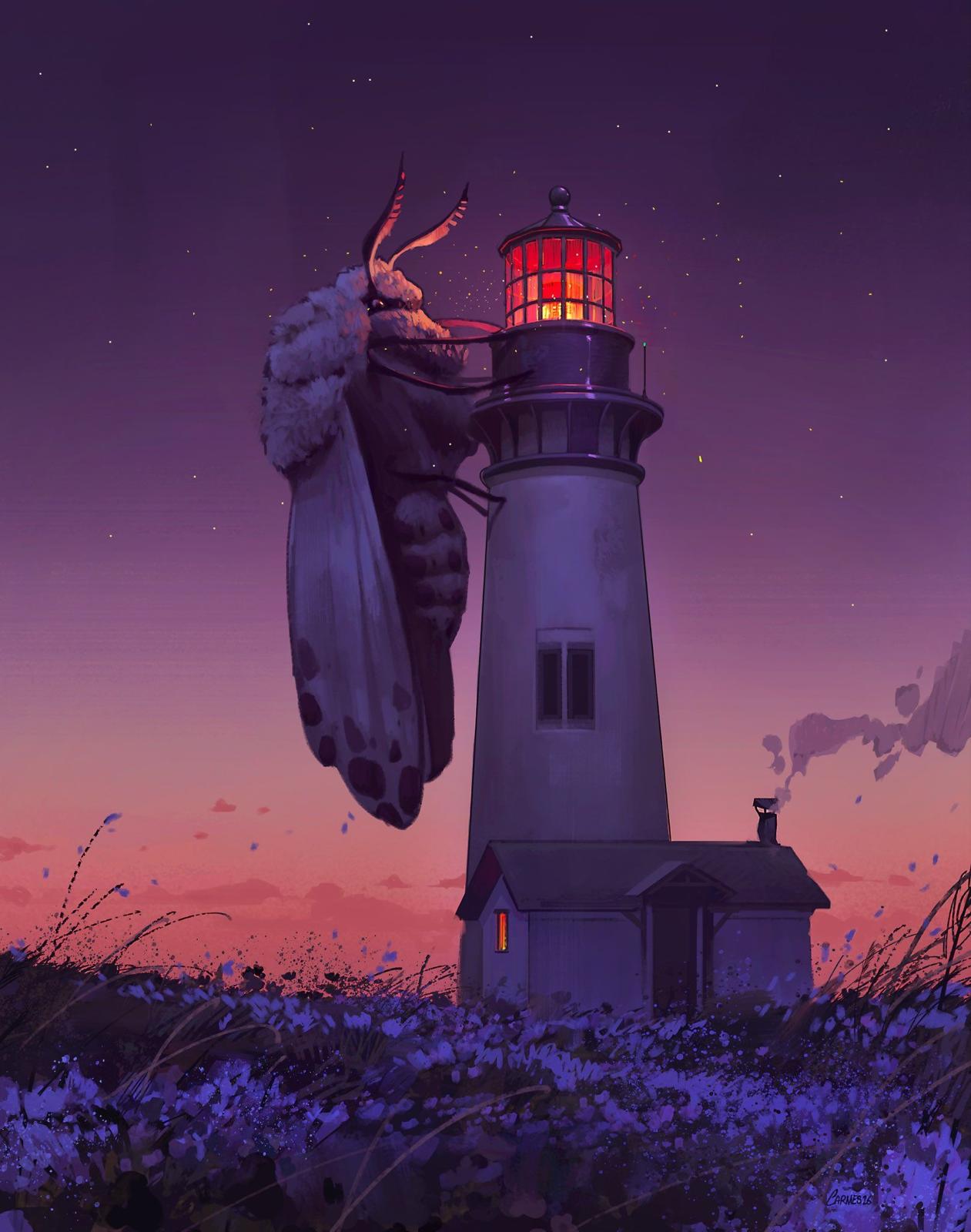
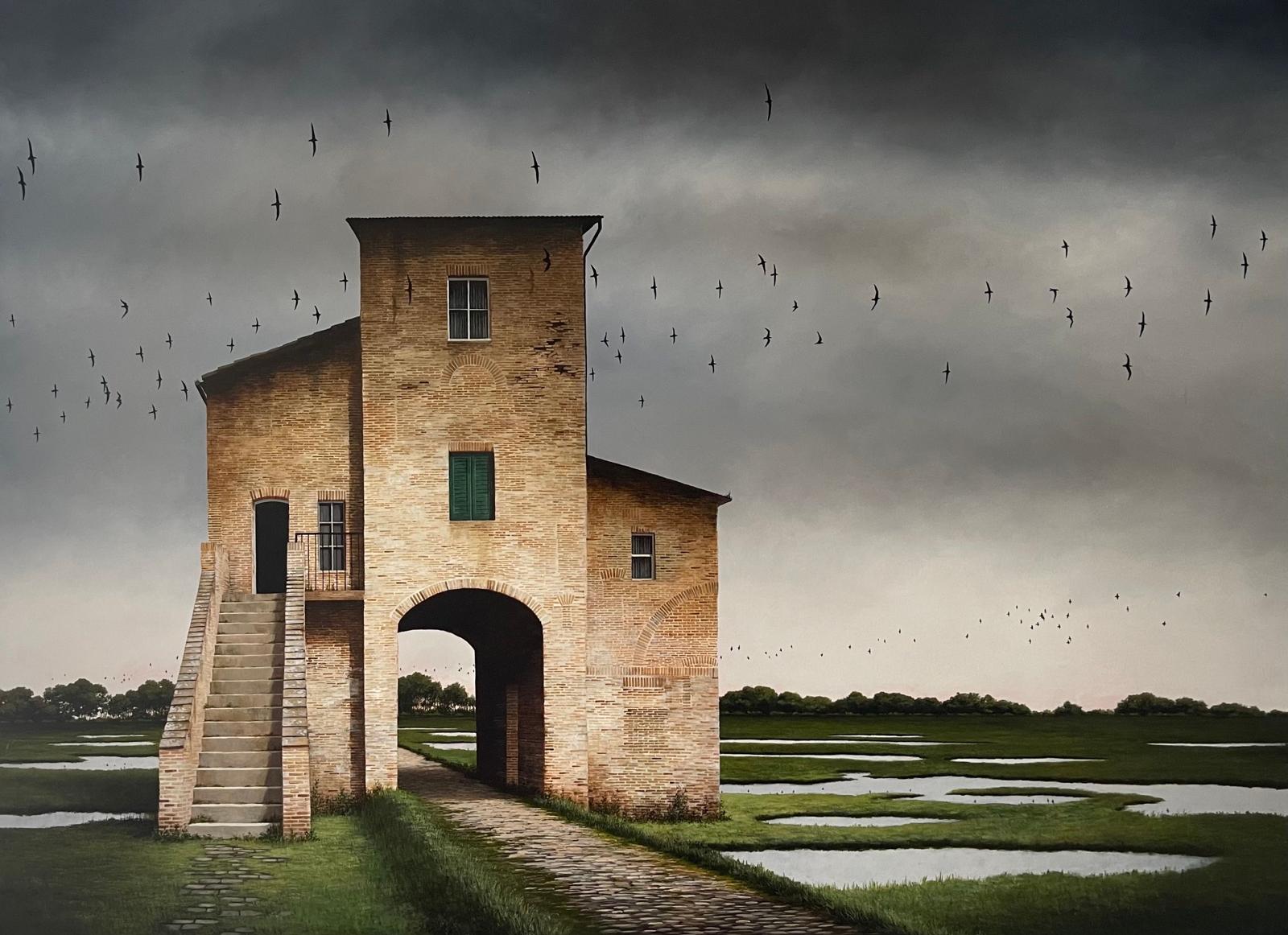
Good thing number 2: I keep seeing beautiful art online, like Lee Madgwick’s stuff , and Jocelin Carmes‘ too, whose pictures feel like story prompts each time. I mean look at these two:

[The Forbidden Lamp, Jocelin Carmes; The Marsh Gate, Lee Madgwick]

I keep reading beautiful books too, like The Shape Of Monsters by CL Hellisen, The Unicorn Hunters, by Katherine Arden, Nightshade and Oak by Molly O’Neill, Scratch Moss by David Barnett or The Women by Kristen Hannah. And music – I’ve been mainlining Kingfishr and Noah Kahan, First Aid Kit and Kate Rusby while I write this latest book and ugh they’re just delicious.

Having beautiful art at our fingertips is a precious thing. That sounds a bit obvious, and I feel like we do a lot of defending the need for art in These Times. But this isn’t about humanity’s intrinsic dependence on art, it’s about the fact that there are wonderful, talented people everywhere I look, bringing their creativity into my life and sparking my own creativity, feeding that part of me where my stories grow. No book is written in isolation, they are all a conversation with the art and the world around us, and I’m so glad I can nurture my stories on this Very Good Shit. I have an art images folder on my phone that I just scroll through sometimes and sigh happily.

Good thing number 3: Now then. Bear with me. There’s been A LOT (omg so much) discussion about The Odyssey film, and Emily Wilson’s critique of it. Some of that discussion has been frankly unhinged, but fortunately my wee online bubble has hung onto rationality for the most part! But it feels a little like the similarly, umm, energetic conversations around the Clarke Award shortlist this year when it was announced. I’m not going to express an opinion on that, as I’m on the list and it would be weird. BUT what that and the Nolan thing have reminded me, is that it is bloody marvellous actually to be in a community that cares this damn much about stories and storytelling.

One of the great things about the Clarke Award is that each year it generates conversation – about what it’s saying on the state of science fiction, what it’s getting wrong, what it’s getting right, and so on. It makes people read books they might otherwise not pick up, and explore their own reactions in new ways. Likewise, Nolan’s film has got people reading the book, thinking about changing societal standards, the borderlines of retelling and reinterpretation and failures of both.

We are surrounded by structures of media that want us not to care too much about anything. Not to engage too deeply with anything, because that will slow how much content we absorb. Doomscroll rather than read, multiscreen our tv viewing rather than focus, buy new fancy editions so we can make content about owning them, whilst never planning to read them. There’s a deeper corrosion to that, to do with political passivity, inaction and ease of manipulation. But this is a positive post goddamnit. So let’s just say, with a lot of engines trying to stop us caring, I love that I get to share a community with people who persist in caring deeply. About books and creators, storytelling and its future, and society and its future.

Good thing number 4: I still have not touched genAI in any form whatsoever. No, not even there. Or there. It’s not that hard, I promise. And although our politicians are woefully behind the curve on this one, it does feel like the societal tide has turned. No one wants it in schools, no one wants datacentres, and the publishing industry has the lowest sectoral uptake which is both not surprising, and nice to hear.

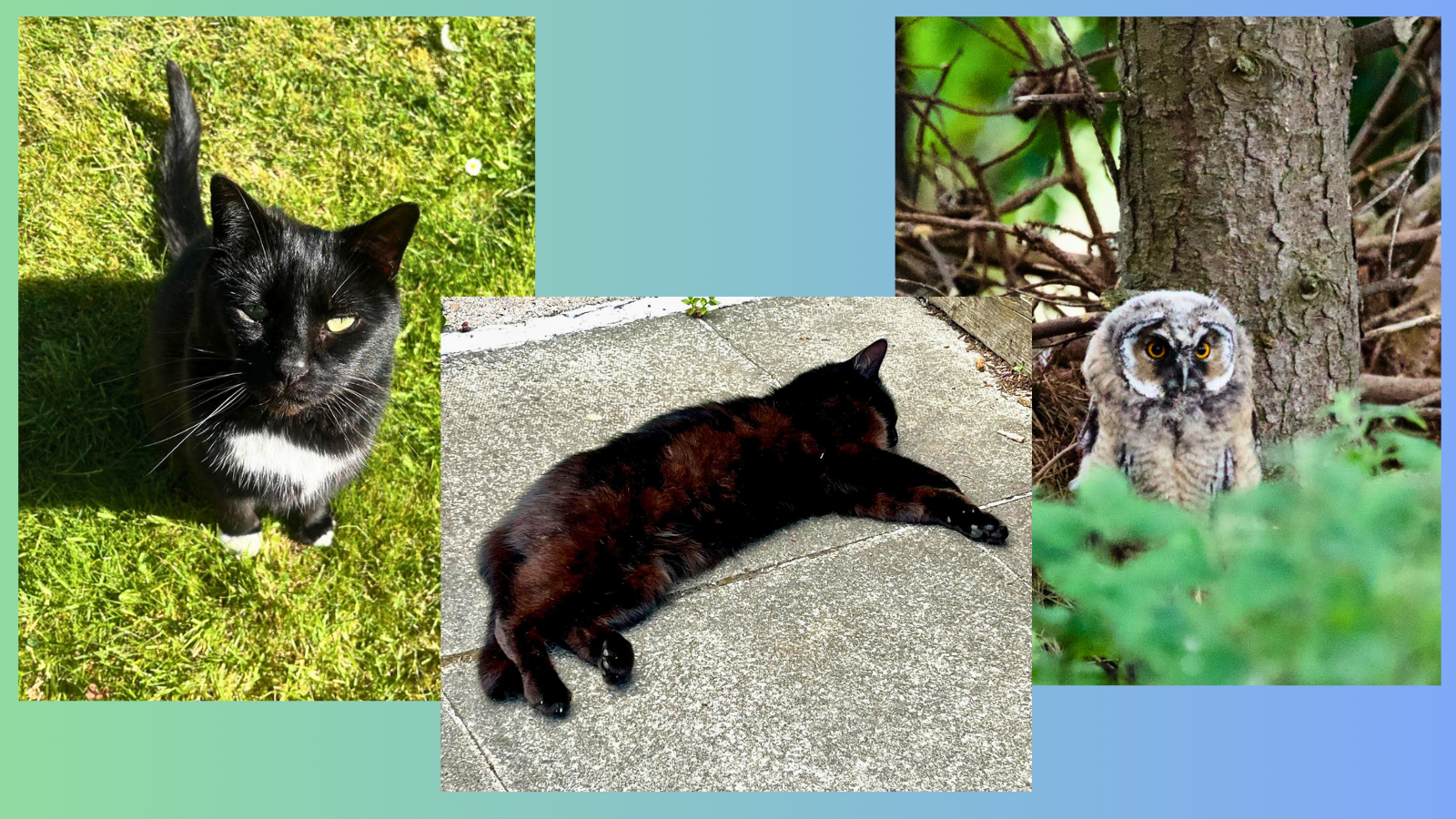
Good thing number 5: I promised cat pics. Have two cats and what is basically an aerial cat.

Lila, Lemony Snicket, and a baby wol

Good thing number 6: I have been writing now for 12 years, publishing short fiction for 11, and longer fiction for 5. I’ve drafted… (counts frantically)… 12 (nearly 13) novels & 2 novellas. And guess the hell what? I’ve got better in that time. I’ve learned so much and become so much braver with my writing. AND I have people in my corner who believe in me and are hustling the hustle on my behalf like absolute champions. Yes, as you’re all well aware (I apologise), I’ve been struggling through some publishing doldrums this last year, but my agent has remained impressively optimistic and determined throughout and editors have consistently wanted to work with me again. The again means a lot.

It is so hard to get a book written, harder again to edit it, a whole feat of superhuman endurance to sign with an agent, and just endless minefields and cliff edges to get, and keep being, published. If you’ve hit any one of those stages, you’re amazing. Whatever you’re doing, if you’ve hit failure and got back up again, you’re amazing. If you’ve honed your spite and stubbornness to a fine edge and refused to quit, I salute you. I have so many friends who are struggling with heavy challenges both in life and in writing, and their perseverance, skill and tenacious love of the work is genuinely inspiring to me. So here’s to all of you who are doing the thing, even when it feels hard.

Hark at that! I managed a whole post without getting sidetracked by publishing rants! I know many of you prefer the salty posts and I’m not going to lie, they’re cathartic for me too. So never fear, the Opinions shall return. But today we’re taking a moment to look for the good things, for our stupid mental health or whatever.


Thank you as always for your support. Because accessibility in publishing is important to me, I keep all my craft and publishing posts free, so any shares or tips are greatly appreciated. Wishing you a fabulous weekend.
check out my books here

leave a tip here

Reviews, authors and minding our own business

Folks! I am back from holiday and writing this on a post-hospital rest day but I promise, as per my last post, that by the time this goes out in a couple of weeks I will be firmly back into drafting. Or you have my permission to come kick my arse.

A wee subscriber update: I have reduced my patreon paid tier to £3 a month, because of exchange rates, cost of living crappiness and my baseline guilt levels at offering a paid tier at all! Thank you so much to those of you who have joined Team Orlando over there, your support means a huge amount to me & keeps me motivated writing these things.

Another last minute update: A couple of days ago, the news was announced that The Salt Oracle is a finalist for this year’s Arthur C. Clarke Award! This is HUGE for me, a real aspirational goal and I am so, so delighted (and disbelieving – you’ve no idea how many times I have re-read the email to check). The winner is announced in August, which gives me just enough time to panic about what to wear and plan how to hide in a box under my table for the evening.


Now then, onto this blog’s topic. There was chatter on the interwebs a while back, about the relationship between reviewers and authors, prompted by this interesting and slightly polarising episode of Critical Friends – Strange Horizon’s brilliant podcast on book reviewing. The guests on the show were both debut authors as well as book reviewers, and made a lot of great points about reviews as a form of storytelling in that they are an interpretation of a book, not a concrete and absolute judgement; using reviews to celebrate less visible authors; and also about how good reviews seek to assess what a book is doing, rather than what the reviewer would have done.

But the point they made that triggered a welter of conversation was encapsulated in this statement by Alex Kingsley: ‘I do think that the point of reviews should partially be … a service to the author.’ Thus that reviewers owed it to authors to be aware of the potential career and emotional impact of a bad review, and ought to take the author’s career position into account when reviewing.

This sentiment, reflected on a few times through the episode, got some push back from other reviewers, such as this Bluesky thread & related conversation from Hugo Award winning reviewer Abigail Nussbaum. The general point being that reviews were in service to the reader, and perhaps the reviewer’s own journey of critical thinking within the genre. That leniency was not owed to authors who were debuts or colleagues, but also nor was a negative review a personal attack on the author.

As an outsider to the reviewer space, I agree. But I wanted to talk about it from the perspective of a non-reviewing author who also, perhaps crucially, isn’t a debut.

I say this with absolute love, and with the knowledge that this applied to me too back in 2021 when This Is Our Undoing came out…. I think debut authors are rarely best placed to judge what makes a healthy relationship with reviews and critics. I have not yet met a debut author who was able to resist the toxic siren call of reading Goodreads reviews, or trawling for mentions on social media, and then withering into an insecure husk at any shadow of criticism. Debut authors, almost universally in my experience, feel far more strongly invested in every flicker of reader reaction than they will once their second, third, etc, books are out. Because they feel 100% invested in that book alone, in a way that’s simply not possible once you have a backlist & 6 ongoing projects in the mix. Also because they’re still learning how to navigate publishing as an author, and how to conserve their emotional energy for the things that can be controlled. It’s entirely understandable to cleave tightly to reader feedback, we all do it, but it continues to be a profoundly terrible idea.

The debut:reviewers on the podcast were insightful and interesting to listen to, and the episode was focused on debut authors so their particular perspective was valuable. But being debuts, I feel like the professed belief that critics owe a duty of care to authors is perhaps not a belief representative of authors as a whole.

So as a non-debut husk of an author, who read all her reviews for her debut (some of them bad) & now doesn’t read any reviews unless maybe if they’re flagged as positive… what do I think the relationship is between reviewers and authors?

First some things what I ‘ave learnt:

  • Reviews are not personal.
  • The odd 1 or 2 star rating on Goodreads is not worth crying over.*
  • No single review – even in the big newspapers – is enough to make or break a book. (Even the Bigolas Dickolas phenomenon built on an already successful and beloved book, and was anyway one of those stochastic and therefore irrepeatable sychronicities which will never happen again, much to every marketing departments’ chagrin.)
  • Not reading your reviews is blissful actually.
  • But also, there is nothing so lovely as reading a review that thoughtfully analyses your book, gets what you were trying to do, and teases out hidden threads you hoped someone would spot/didn’t realise you’d put in there at all. Reviewers rock.

[*Talking about reviews in this article, I actually don’t mean Goodreads reviews which are too varied in depth to count (look at me being polite about the ‘it has gay/brown/disabled people in, 1 star’ eejits). I mean instead book critics for media outlets like Locus, Reactor, New Scientist, and newspapers, or individual book bloggers.]

Traditional trade reviews are hard to come by now, and have less impact on sales, but they’re still nice

I have become friends with several of the amazing folk who’ve reviewed my books, and I feel incredibly lucky to have such interesting and interested people in my community. I love that people wish to share their thoughtful dissections of the books they read, and I hugely respect the work involved in doing so.

HOWMSOEVER, not even these reviewer-friends owe me a good review. I admit I live in fear of the day I disappoint some of the reviewers who’ve championed me for so long, but still they don’t owe me. I admit too that my career is looking fragile right now, my books haven’t had big publicity spends, and I’m not the kind of face that publishing likes to pedestal, so I desperately hope for good reviews to grant me a little word of mouth traction… but I am not owed those reviews.

In fact, a misleadingly positive review, written out of kindness or loyalty, might even backfire on both myself and the reviewer if readers pick the book up expecting something it doesn’t deliver. A healthy reviewing landscape is good for authors because it is a vital part of the magic word of mouth engine, but that very healthiness depends on reviewers being honest to their particular tastes. It’s that honesty that makes reviews a trustworthy avenue for readers to discover new-to-them books. I need reviewers to serve their readers and their own exploratory thinking, because that is what builds a network of conversations where word of mouth can happen. I hope for reviewers who read beyond the hyped-up headliners, are aware of their own lenses, willing to engage thoughtfully, and unwilling to fall into the clickbait trash-talk online discourse trap.

In my opinion then, the review ecosystem as a whole serves two functions – as a word of mouth engine that helps readers discover books and expand their reading, and as part of wider conversations about trends, issues and collective thinking within the genre space. The former is beneficial to me the author in supporting a healthy reading community, the latter in enriching the cultural dialogue I get to be part of. Neither of those benefits are dependent on my books getting inflatedly positive reviews because the reviewer didn’t want to hurt my feelings or damage my career.

Reviews specifically about my books benefit me by boosting the visibility of that book & bringing it into the community conversation. It’s a vital thing, and reviewers are a godsend particularly for smaller authors. And yes, positive reviews will surely boost our books more. (Although negative or so-so reviews can still point a book to its target readers very successfully.) But the reviewer’s duty of care towards me extends only to the limit of common decency – not being an arse, and actually reading the book before judging it (and, because these are the times we live in, not using chatgpt to barf out some glossy drivel and calling that a ‘review’).

This was my first ever 1 star review. I’m quite proud of it.

…This is the bit where my inner crone shows herself…

Because the thing is, we authors are grown adults. Negative reviews are inevitable, nay even healthy because no book is for everyone and that’s exactly as it should be. Does that make them fun to read? No, not usually. But we are responsible for our own feelings, and we are responsible for learning the blocking-Goodreads-coping-mechanisms that allow us to keep our creativity alive. When (not if, because we’re eejits) we seek out reviews and end up reading a negative one, that is wholly on us. So it is also on us to remind ourselves some less-than-stellar reviews are an inevitable part of the healthy reviewing ecosystem we depend on.

(I am refusing to discuss reviewers who tag us in negative reviews, which yes has happened to me – it’s incredibly bad manners, and thus their opinions don’t matter.)

If in our own minds, we grant critics the power not just to upset us, but to actually harm our creativity, we are giving someone a knife and asking them to poke us with it. We are giving them a power over us that we should instead hold onto. Yes, book reviews matter. They are absolutely important, but my career is better served by letting reviewers do their thing to their best ability, while I leave them to it and get on with doing my thing to the best of my ability.

The podcast conversation that sparked the ensuing debates online was interesting and the concerns of the debut authors on it entirely understandable. But I just wanted to put another perspective out there – that in fact reviewers feeling beholden to authors is detrimental to the genre community and to the readership, and thus in turn harmful to us authors. So we need honesty, thoughtfulness and a diversity of perspectives from our reviews, because that way all of us get to be part of a stronger bookish landscape.


Thank you as always for your support. Because accessibility in publishing is important to me, I keep all my craft and publishing posts free, so any shares or tips are greatly appreciated. Wishing you a fabulous weekend.
check out my books here

leave a tip here

Research, and other forms of procrastination

Today’s procrastination comes in the form of this post! But what is good non-writing craft work/thinking time/well refilling, and what is procrastination? The difference feels blurry at the moment.

First a writing update: Well, this section feels redundant given the post subject, but for what it’s worth – I finished another short story last week, on new gods, eco-justice and a trade road Guardian searching for a missing friend. It has something good to it, but I lost my grip on it a bit so it needs a solid & solidifying edit. That makes roughly 26k words of 6 short stories, plus a fairly substantiative novel edit pass done in the 3.5 months of 2026. Not too shabby considering how much I’ve been struggling with motivation.

And a June events update: I am at Cymera Festival in Edinburgh from the 5-7th June, talking post-apocalyses with EJ Swift, author of When There Are Wolves Again. In Dundee Waterstones on 11th June with Raffael Torrubia, author of The Shipwright and the Shroudweaver. And in Edinburgh again at Waterstones Princes St on 25th June to chat Dark Academia with Naomi Gibson, author of Man, Muse, Monster.

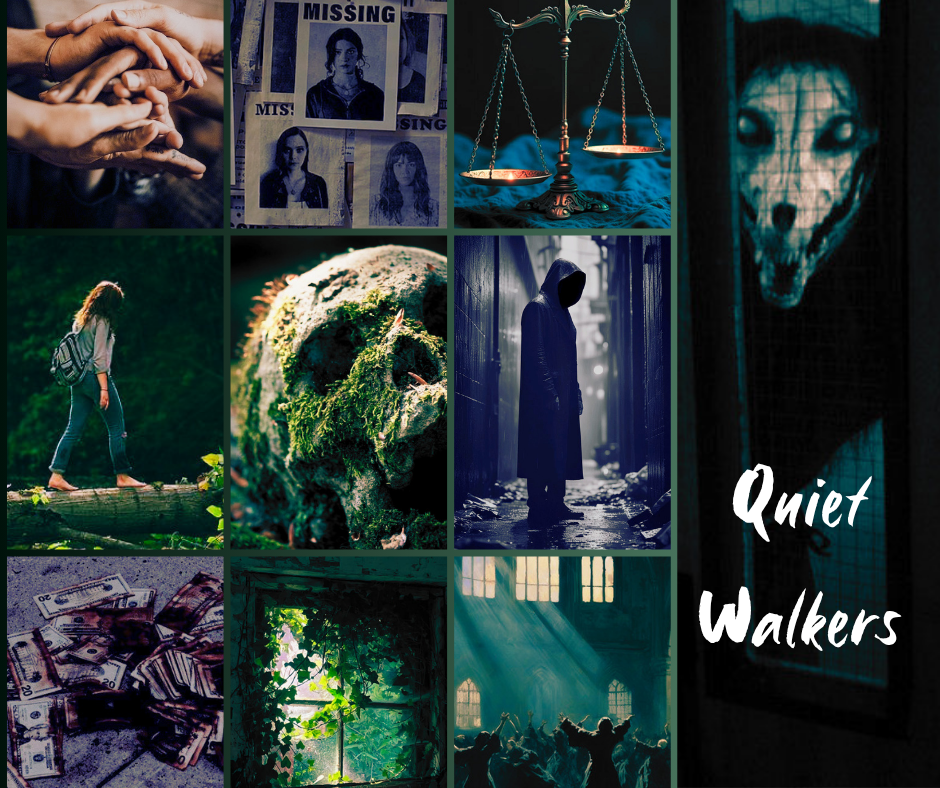
The new wip (here, have a quick mood board!) is a speculative eco-horrorish thing that I threw 10k words down for before Christmas for an opportunity that has since dissipated for ugh publishing reasons unrelated to me. Those 10k were very much seat of my pants writing, but the world of the story is quite sociopolitically demanding and I don’t currently feel informed enough to do it justice. So I am Doing Research.

Doing research is good! I enjoy it! And for this book in particular, questions of what a post-capitalist society could look like feel increasingly vital, questions about non-human communication – well, that’s what my PhD was in, so we know reading about that is no hardship. It is interesting research to be doing, and already I can feel the shape of my book growing more cohesive in my hind-brain.

Solid worldbuilding – whether we do that in advance, as we’re drafting, or retrospectively when editing – is what makes a story three dimensional. So it is worth dedicating time to. Fantastical settings like second worlds or spaceships require obvious ground-up worldbuilding, but so do real world stories like this one. What does my society look like, what are its rules and mores and capabilities, its superstitions and power structures? I am changing more of the world in more unexpected ways in this book than in any previous one I’ve written, so these questions require considerably more thought. And thus more research.

But, and this is the tricky bit, at what point do I need to put the textbooks down and start writing again? I am not about to become a world expert in the economics of anarchical societies, nor in the molecular ecology of plant-insect signalling so somewhere between outright ignorance and expertise, there’s a line that needs drawing.

We all know that, of course. And where that line is depends on each of our processes and craft strengths.

Previously, the temptation for me has been to dive into writing fairly early. The book idea has been shiny and delicious, the joy of discovery has been upon me, and I’ve leapt from moderately-informed ideas into drafting with the confidence that I can figure the rest out as I go. This time however, the temptation is just to keep reading, keep mulling, keep turning over concepts and ideas and opening the next book rather than open the laptop.

Procrastination has several different faces, doesn’t it? Spontaneous housework, extra long dog walks, social media, fiddling with moodboards (hmm) or playlists. It’s harder to diagnose a case of procrastination when the face it wears looks superficially like productive work though. Is this reading I’m doing really a delaying tactic, or actually vital prep? How much worldbuilding is too much when we’ve all seen that iceberg metaphor? At the end of a project, it could be just one more wee edit pass, just one more tweak of the furniture. And then, we insist, we’ll be ready, guv.

So how do we diagnose a case of procrastination-disguised-as-work?

A crucial question, I think, is whether you have a clear aim in mind with this work – is there a clear worldbuilding unknown you need to clarify, is there a plot hole as identified by a beta reader you need to go back and fix? What is the specific function of this thing you are doing & is it necessary before moving onto whatever the next stage is?

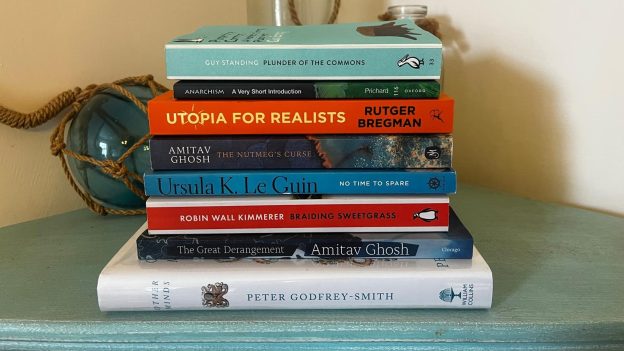
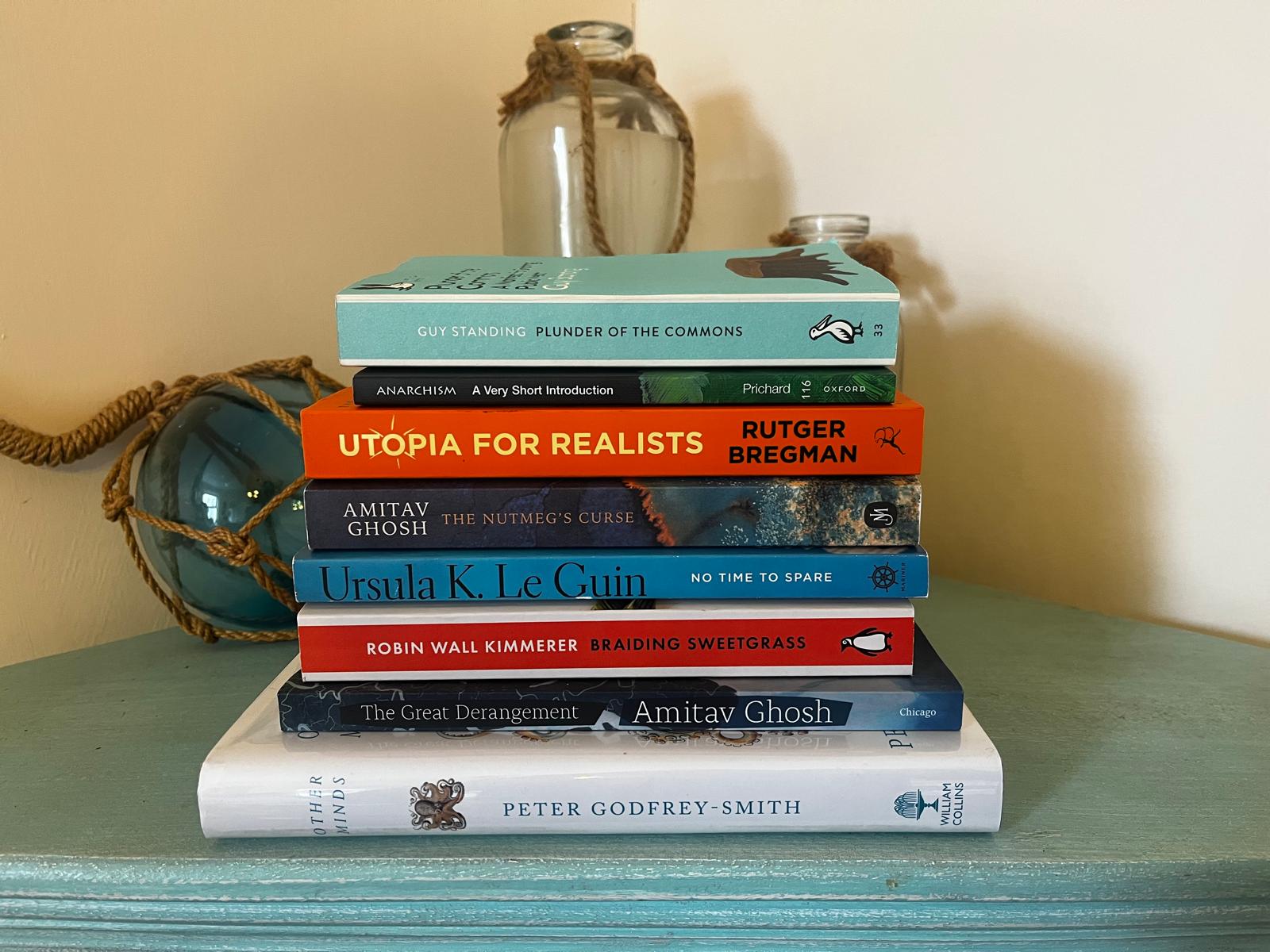
A month back, I could hand on heart say I needed to understand the functioning of anarchism and commons wealth better than my then-minimal comprehension. So yes, that was necessary work. Now? Not so much. Now, the reading I’m doing, whilst interesting and useful and all of those good things, is not directly addressing worldbuilding unknowns. It is, if you like, colouring in around the edges.

some recent reading

A follow up question then, is to ask what it is you’re scared of about the next step, and what you can do to mitigate that fear. Perhaps it’s that the next step is letting someone else read your precious/trash baby. Or writing a scene you’ve been dreading. In the former case, there’s very little you can do other than choose first readers you trust to be thoughtful &/or bribing yourself with chocolate cake. In the latter, the chocolate cake will still work, as will perhaps mapping out the scene a little so you have stepping stones to get you through it. The solution will depend very much on the context and your individual needs.

But to get back to me! I know why I am dragging my feet.

And so, if you’ve been reading my blogs for a while, do you. I am feeling rather chewed up and spat out by publishing at the moment, this project in particular was part of a very hopeful moment that fizzled to nothing because of things entirely outwith my influence. It is hard, therefore, to hold onto the buzz and energy required to leap back into drafting when I don’t have the confidence that things will work out okay.

It’s also hard, and I know I’m not alone here, to remember the love of writing when so much of what I’m writing about taps into massive fears and grief at what is happening in the real world every day. To write about political violence and ecological mourning is never a light thing to do but it feels harder than ever just now.

BUT I wrote a whole damn article for Fantasy Café’s Women in SFF month about writing in the dark times, and I stand by that. Yes, it’s hard, but it’s also one of the best tools I have to hand, so it remains worth doing.

ALSO, I bloody love this book. I love the concept and the characters, I’m excited by the catharsis of writing about millionaires getting their comeuppance, and tangling up emerging communal societies with religious cults, murder mysteries and scientific research. I’m really hopeful that it’ll be both a fun read and have something powerful to say. Namely eat the rich. (But also slightly more useful explorations of societal rebuilding when we finally break the walls capitalism has built around us)

So I am torn between the lure of interesting research versus the excitement of the story; the exhausting weight of publishing expectations versus my will to keeping going despite that. Diagnosis – definite procrastination.

Generally at this point I give myself a stern talking to, print out some calendar pages to stick on my wall, and set myself (achievable) word targets & deadlines to kick myself into gear. In the last five years, I’ve had external deadlines that imposed a time-scarcity which made it easier to quit havering. I don’t have that external structure or pressure just now, so I’m having to relearn how to work without it. Whilst also knowing things might change at any moment.

So what’s my solution?

By the time this comes out, I will be on holiday (involving many trains & four countries), so I think I’m going to take that as a watershed. I will carry on reading and thinking while I’m away, and dive into drafting once I am back (and recovered). I am hoping that the serotonin boost and enforced break from publishing will mean I can come back a little more motivated and hopeful.

For what it’s worth, other solutions I’ve considered are: shelving this book and working on something entirely new (downside – a whole new research rabbit hole to fall in), or continuing to work on short fiction (downside – I want them to stay fun, not become something I’m hiding behind). If (when?) there is better news on the publishing front, things will be far easier for me if I have already got myself out of this rut and back into drafting. And I desperately want to give myself the grace to love this work again, separate from all the nonsense.

So – come May 13th ish, please feel free to kick my arse if I am not drafting! And whenever the procrastination bug gets its claws in you, I hope you know you are not alone… because I am right behind you ready to kick your arse too if you need me to!

Thank you as always for your support. Because accessibility in publishing is important to me, I keep all my craft and publishing posts free, so any shares or tips are greatly appreciated. Wishing you a fabulous weekend.
check out my books here

leave a tip here

Book launches – survival, celebration and chocolate

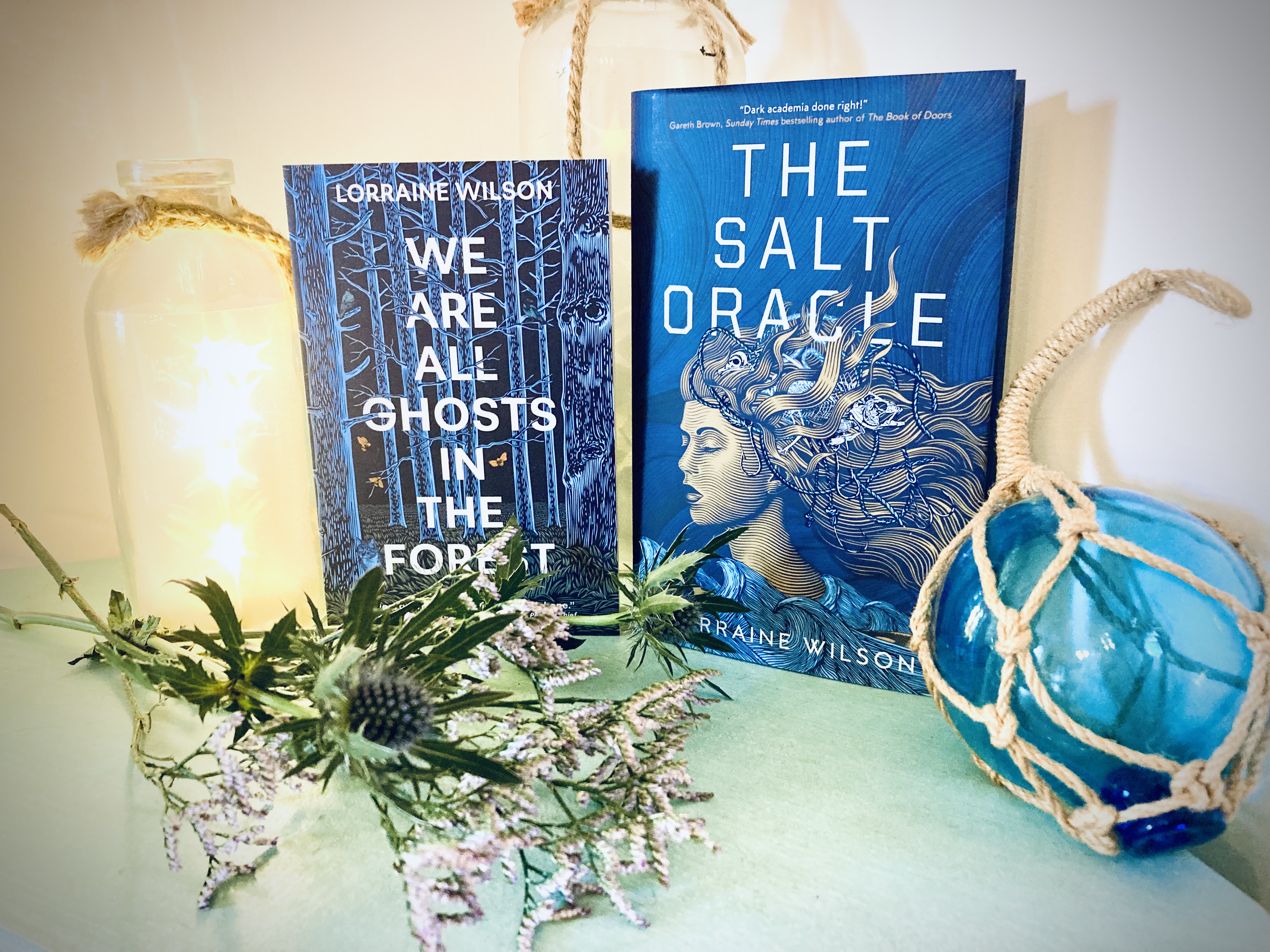
Hello fellow creatures. I usually write a ‘the story behind the book’ post around publication day, but I feel like I’ve chatted a lot about The Salt Oracle over the last year either here or on my mothballed Substack, both in free and in paid posts. So what else around book publication time might be interesting to you, my splendid readers?

How about the odd emotional complexity of book release?

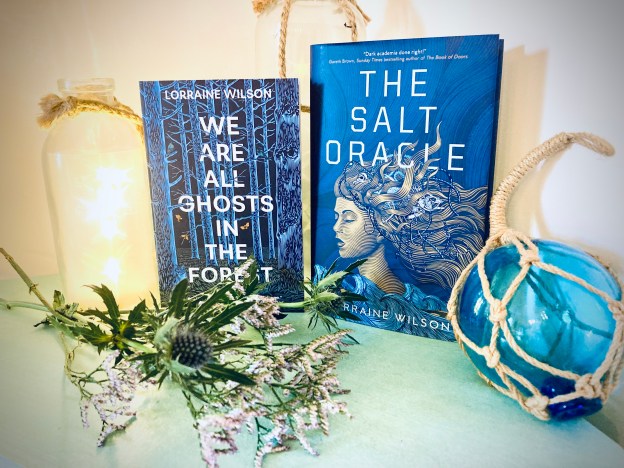
Last Thursday, We Are All Ghosts In The Forest was released in paperback, and The Salt Oracle was released in hardback/ebook/audio. Which is Lovely and An Achievement! Publication day is generally seen as an unconditionally joyous moment. In my experience though, having your books unleashed into the world is not as emotionally straightforward as a lot of people assume. Yes, it’s wonderful, no doubting that but there’s more to it than unbridled enthusiasm.

To be fair I am six books in now, which flavours this, but while there are some things that have stayed the same, others feel very different to when I was debuting. I am, for example, far better now at not looking at reviews! And far more resigned/unworried by the inevitable tagging into ‘meh’ reviews or hearing that some readers don’t like a thing you did deliberately. I am much more relaxed at and about events, and more aware of what to expect from the next few weeks both practically and personally.

However many books you’ve published though, and however big or small your publisher/deal/reach, there is excitement and tension around pub day – the sudden visibility, vulnerability and achievement of it all never goes away (or at least is hasn’t yet). But in my experience there’s also a touch of non-event-ness to publication day – not deflation per se but maybe a kind of suspension.

The excitement is understandable – this book you have loved, hated, fought with, loved again, fought for, built hopes around and yet still fear for, is finally fully out of your hands. It is going to be read by people you will never meet, and people you will meet because of it, it’s going to be adored and ignored, recommended and wildly misinterpreted, it’s going to fulfill some of your hopes and fail others but it will almost certainly fulfill all of the dreams you had when you first stepped into publishing. (Which is worth remembering, no?)

The suspension is a little more opaque. Why wouldn’t you be high on adrenaline and love on this day more than any other? Well, you are. And maybe it’s just me showing my inner zen master/energetically flatlined beastie, but the thing about publication day is that… well, let me see:

The day itself can feel a little focusless…

  • Your books have been arriving in shops/on people’s doorsteps for the last week or so, unless there was a sales embargo (in which case you’re huge and definitely not reading this post!). So the ‘released’ thing is a formality on the actual day. OR there’s the inverse – delivery issues which have left many authors wandering shops on pub day forlornly searching for books that haven’t arrived yet!
  • Your book has been read, reviewed and blurbed for the last several months, so while you will continue to cross your fingers for good reader interest, good reviews and the elusive trade review uptake, those events or statistics are spread over some time, not arriving suddenly on pub day.

So even though you’re excited, you can also feel at a bit of a loose end on the day itself. Fortunately this is where launch day events and social media come in. I always spend much of publication day keeping up with all the lovely comments I get on social media, thanking everyone and generally basking in the glow of belonging to a lovely community of supportive friends. It’s really nice.

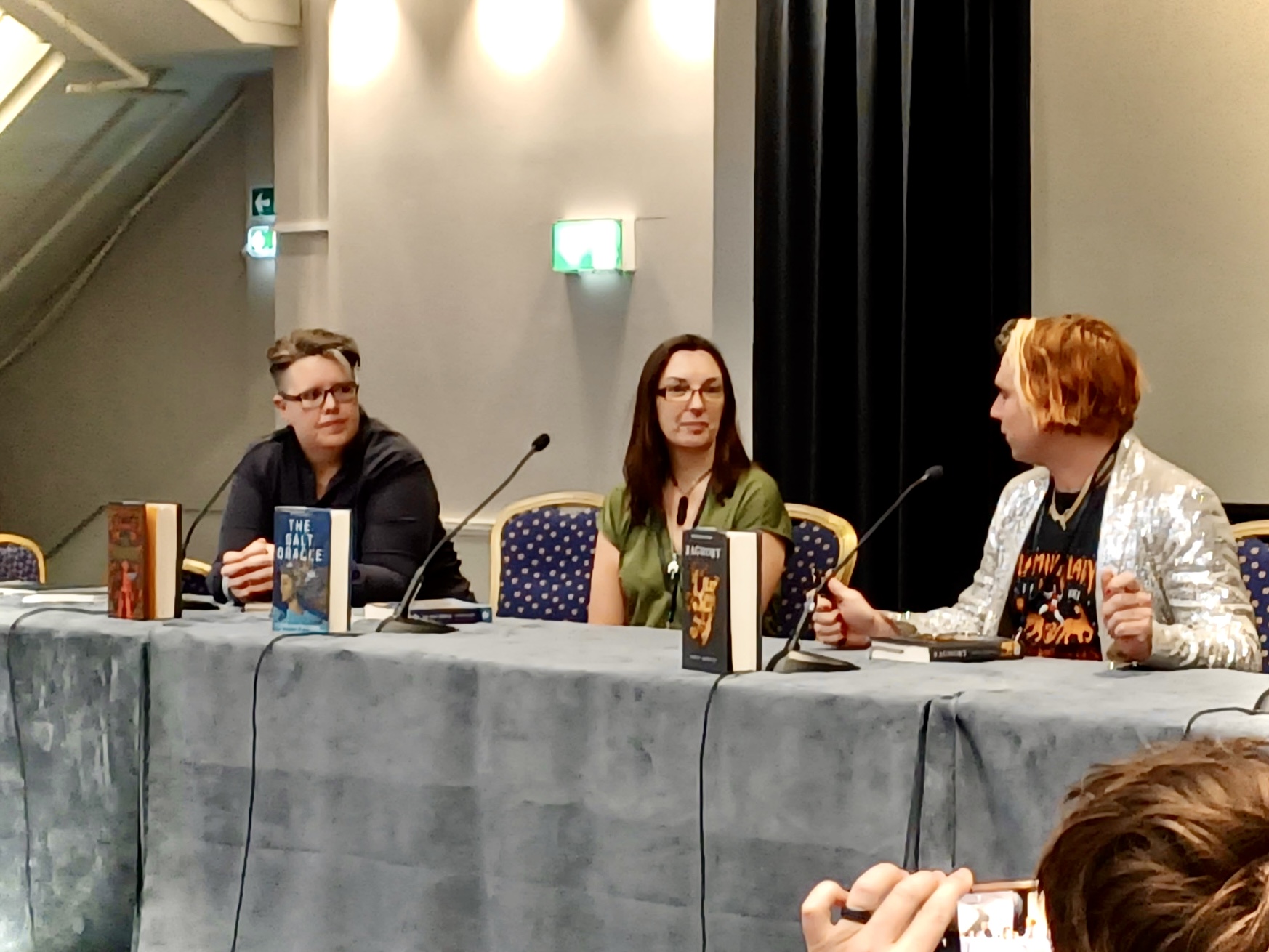
And on that note – launch events are a great way to mark the day. Emotional complexity comes in here too though – not just because it can be hard to get a launch event organised. Booksellers might not have space or interest, publishers might not have the budget to help you organise your own, etc. But if you are lucky enough to have something organised… events on the day are generally best framed as an opportunity to celebrate with friends. You may get attendees who were curious about your book, or who just wandered in, but almost no one at the event has read your book. I’m at the truly amazing point now where people come to new book launches having loved my previous books, which never fails to make me a bit fuzzy and emotional. But they haven’t read this book.

Later events, in the months after launch are where you’ll start meeting readers who’ve read the thing and loved it enough to show up and meet you. Which means that Q&As can take on a much richer life, and reader interactions shift into a new form. That is such a joyous moment which comes some time after your launch day event.

Whether you have an event on the day or not (I did for the last book, for this one I just went and signed a tonne of stock in my local Waterstones which was still quietly lovely), it’s often a strange day full of joy and community, but also perhaps a sense of unreality or, as I said earlier, suspension.

The thing is…

(I always have to bring it back to ugh publishing don’t I?) ……There’s a lot of quiet pressure on a book around publication. We get told repeatedly that pre-orders and early sales predict the overall success of a book. I don’t know if that’s true, or just indicative of the marketing around publication. But when those early numbers will dictate recontracting decisions, it’s an odd period of time – you are doing a lot of public facing work, aware of how much is riding on it, but oblivious to whether any of it is working. I love celebrating my new books, I truly do, but the background tension around whether they are Doing Okay definitely feels more intense around launch than the rest of the book’s life (for this book more than any previous one perhaps). Some authors are told that their book is being targeted at a bestseller list – a rare privilege, but definitely a heavy expectation to add to publication week!

Do I sound like I don’t love publication day? I hope not, because I do. It’s the culmination of so much work and love, and with every book, I have reached publication day proud of what I and my publishers have achieved. It’s a waypoint that unreservedly deserves all the celebration.

But I’m six books in, and without diminishing the joy around this publication day, I am more aware now than ever that one book alone does not a publishing career make. Or one week does not… Or one event or one win.

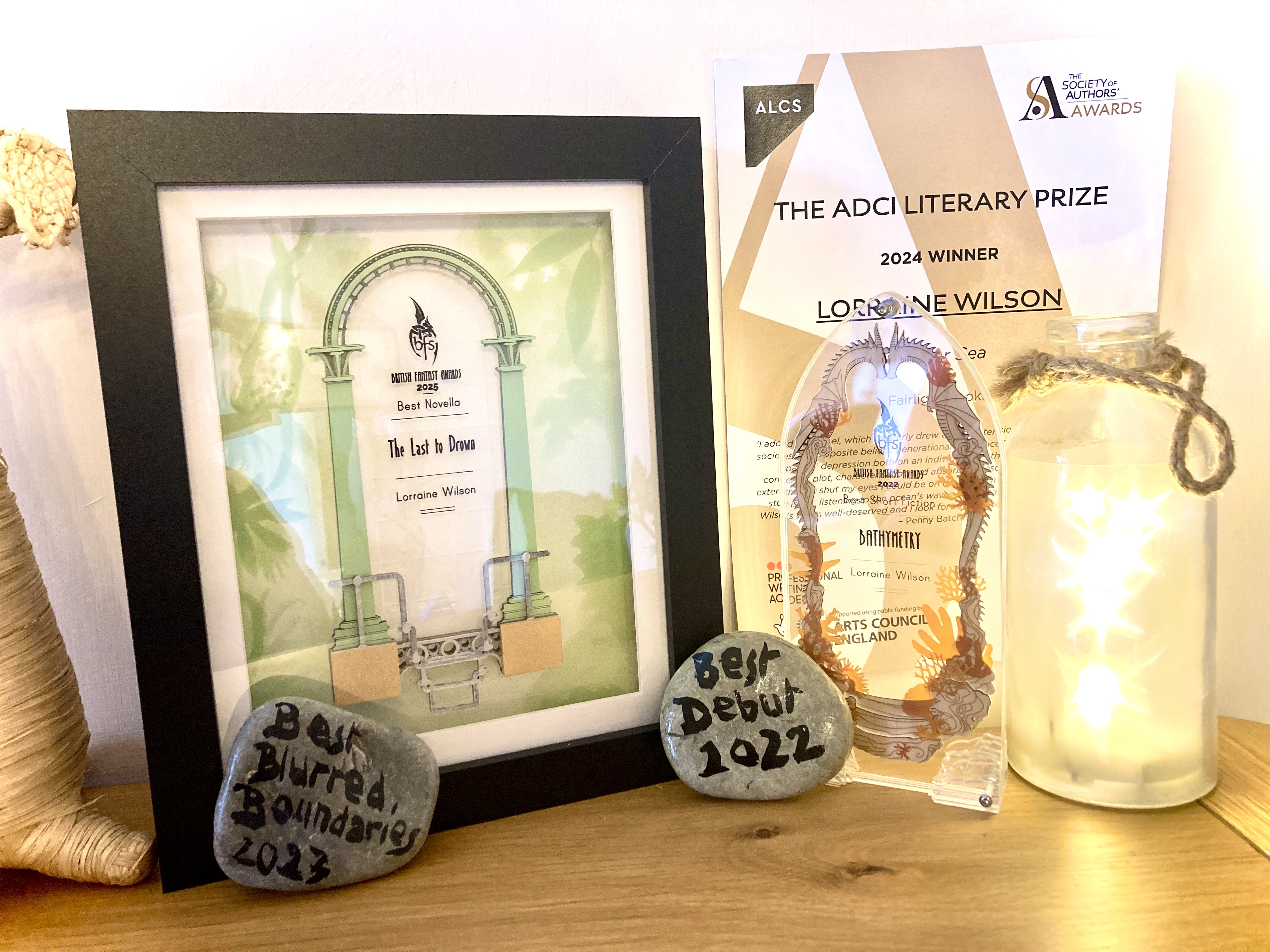
Talking of which, I won an award at WFC! My novella The Last To Drown – a dark Icelandic ghost story about family secrets, chronic pain, the sea and recovering from trauma – won the British Fantasy Award for Best Novella. That’s extremely bloody awesome, and I couldn’t be prouder of this book and of Luna Press who are such a special small press doing amazing work within SFFH.

New award joining its friends

[An aside – Over the last 15 years of chronic migraine, I have learned to temper my emotions because any emotional extreme – good or bad – is a trigger for hours or days of extreme pain, nausea, muscle weakness etc etc. This is a bit of a superpower in publishing, in that while I will have a solid moan to friends sometimes, I can generally roll with the punches with some equanimity. The downside is that I am not very good at just celebrating, because that emotional even keel is so ingrained in me now. Hoo boy am I throwing metaphors around today, I apologise]

In the last week (at time of writing), I have won this fabulous award, met a lot of lovely readers, launched both Ghosts paperback and The Salt Oracle with a fun event at World Fantasy Con and a friendly signing at my local bookshop, and had a splendid time at WFC besides.

It’s a wonderful, gratitude-inducing position to be in. But whether it’s post-con fatigue, that emotional even keel, or the point in my career, I am finding my overall mental state to be ‘Okay, this is great, but let’s just wait to see whether it means anything‘. Will the early sales mean my editor can (or wants to) open recontracting talks? Will the award provoke interest from submission-list editors? Will early apparent enthusiasm, and mine & my publisher’s hard work mean these books get the momentum to exceed my prior reach?

I really truly hope these books – one for its first flight, and one in this 2nd format – do well, for their own sakes. Because I believe in them, and feel like I did something interesting with both of them. I also hope they do well to reward my editor and marketing team’s championing of them. We’re allowed to say that, aren’t we? Those are acceptable reasons to publicly want your books to succeed.

A little less acceptable, but no less true, is the hope that they do well because I need them to if I’m going to continue to publish. But there is little point dwelling on that hope when it’s 95% out of my hands. So as always, my question to myself when staring publishing in the face is ‘what can I actually do?’

  • I can keep working to organise events & publicity, and be as open as possible to my publicist’s suggestions and opportunities.
  • I can manage my spoons and my outlook so I am well enough to treasure all the positive things coming my way, and keep the negatives in perspective.
  • I can eat some emergency chocolate.
  • And, of course, I can work on something new. Aside from winning an award or selling lots, I can’t influence the success of books currently out on submission to editors, so the only thing I can do right now to maximise my chances of selling more books is to write another one. Write a better one, or a more pitchable one, or just a luckier one.
Launching alongside splendid authors Sam K Horton & (half of) MK Hardy

Technically, the point in the publication process where your book is fully out of your hands (editorially) is the page proofs checking stage. After that, you can’t change anything and it’s entirely up to readers to either connect with it or not. You get no further say on how your words land. But between proofs and publication you have a window of relative calm where a small number of reviewers and authors are reading the book but the wider public are yet to join the conversation. So publication day, for all that other things diffuse the singularity of the day itself, is still a huge shift in the life of a book.

That’s scary, but also freeing. I believe a book is unique to every reader who finds it, because a book is a conversation with that reader – their experiences and imagination and heart. That’s why the same book lands so differently with different people, because it is different. So finding out what your book became in different readers’ minds is a marvel, and stands apart from what your book is to you.

In my opinion, and as with so many things in publishing, it’s important to separate out your relationship with your craft, from your relationship with the publishing industry. A book release is worthy of celebrating because you should be proud of your own craft, and excited for that story to find the readers who will love it. It’s worth holding a little bit in perspective because you need to maintain your publicity momentum beyond this week, or even this month; and you need to maintain your writing momentum entirely beyond this book.

I am guilty of pinning all my hopes on this book sometimes, of focusing on how much is riding on this one doing better than the previous ones according to one measure or another. And there’s enough truth in that to overwhelm the joy of publication day, or award wins, if I’m not careful. So perspective, even keels and focusing on what I can do is good, but taking a wee moment to feel proud of myself independent of publishing’s shenanigans is just as important.

So please wish these books luck on their maiden flights, and meanwhile I will be diving into the edits and pretending that my next article will not be a Christmas reading recommendations post (scream).

Thank you as always for your support. Because accessibility in publishing is important to me, I keep all my craft and publishing posts free, so any shares or tips are greatly appreciated. Wishing you a fabulous weekend.
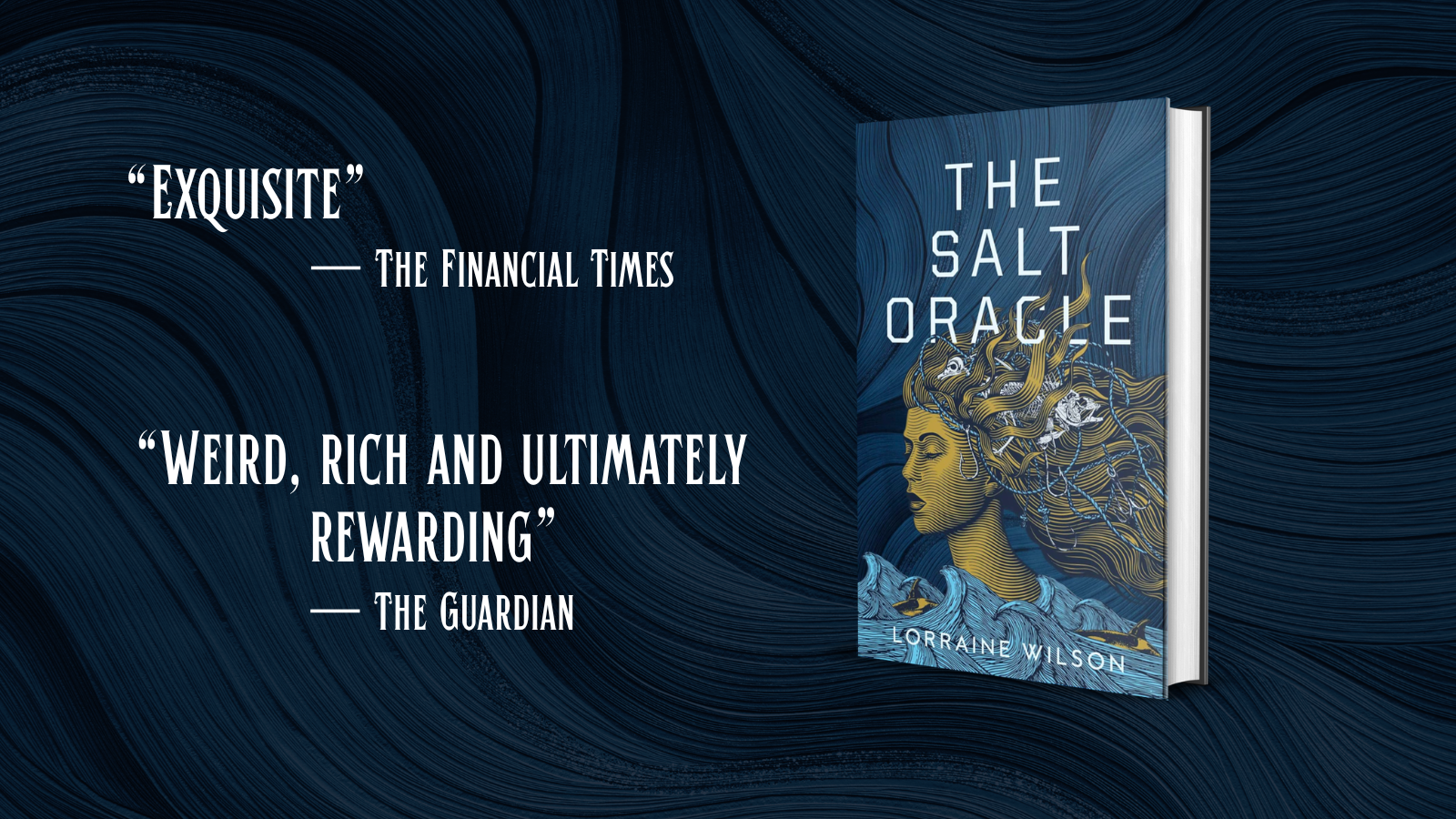
The books behind the book – diving into the stories & history that inspired The Salt Oracle

Updates from the writing cave: Since I last posted here, I have finished the first draft of the strange and challenging parallel world book that I began over the summer. I’ve done a quick first pass tidy up of it and have now shelved it to work on other things while it thinks about what it’s done. I’m really pleased to have completed such an unusually structured draft, but there’s some substantial decisions to make about what it needs next, so I’m hoping a few months of marinading will let me come back to it with fresh eyes.

Now. If you follow me on Bluesky or Instagram, you will know that I am firmly into pre-publication promo season for The Salt Oracle (and the paperback release of We Are All Ghosts In The Forest). It’s the point in time when most authors exist in the greatest dichotomy of externally doing the chirpy promo, whilst internally dying of embarrassment, awkwardness and cringe. It’s simultaneously lovely to share your excitement with your community and uncomfortable to feel like you’re hustling. But pre-orders and early sales really do matter. And I want to give these books what small boost is within my power, so I am trying to make it as fun as possible (for me, heaven knows what’s ‘fun’ to the IG algorithm!).

These two books are out on Thurs 6th Nov – two weeks yesterday – and next Sunday I get to launch them a little early at World Fantasy Con in Brighton, alongside some splendid and talented friends, Sam K Horton and MK Hardy, celebrating their books Ragwort and The Needfire. It’ll be a fun event, with cake and arty freebies and hot-off-the-press books, so if you are in Brighton please do come find us!

For today though, I figured I’d talk about other books!

As a bit of a ‘where do your ideas come from’ post, I have gone through my shelves and notebook to give you a small sample of the many stories and scraps of science, folklore and natural history that were part of the landscape from which I developed The Salt Oracle. If you’ve been with me a while, you might remember me talking about the Dark Academia elements of this book, but it’s also fairly apparent that beyond general academia vibes, my specific experiences with marine and conservation science also fed into this story.

Though I’ve never lived on a floating college fortress, I have lived in research stations or field camps in Scotland, Eastern Europe, the Indian Ocean islands, and Central America. It’s a strange microcosm of an environment, living closely with a small, often very isolated team made up of people who might be thrown together with no prior connections, and who are working long hours in often hazardous environments. There is a strange, often fleeting but always quite intense companionship that springs up in those settings, partly out of proximity and shared interests, but partly out of a need to get along for everyone’s safety and comfort. I definitely drew on my memories of such relationships in my writing the close but occasionally downright incompatible crew in this book.

Likewise I was able to draw on the marine conservation research I’ve been a part of, that includes things like whale communication, marine mammal fisheries bycatch, coral reef health, sea turtle breeding, sea bird population modelling and conservation, etc. That research wasn’t a huge part of my academic time, but I’m lucky enough to know people who work in all walks of marine research, so I had a way in to reading up on buoy and satellite tag technology, fisheries policy, renewables deployment and so on. (My work also took me to a hotel in Stromness, Orkney, which has on the wall a radar image of the Pentland Firth showing all the German submarines sunk at the end of WWII – the tangled poignancy and hidden threat of that image stuck with me, and got a tangential reference in The Salt Oracle)

As a seven year old, I decided that I was going to ‘save the whales’. I don’t know what exactly I thought I was going to do, especially once I declared that I would do so by becoming a vet! But while I never got to save a whale, perhaps this book is my inner 7 year old channelling all her undiluted rage at what we are doing to the oceans, and wishing vengeance upon us all!

Other than an undertow of eco-rage, what else fed into the making of this book?

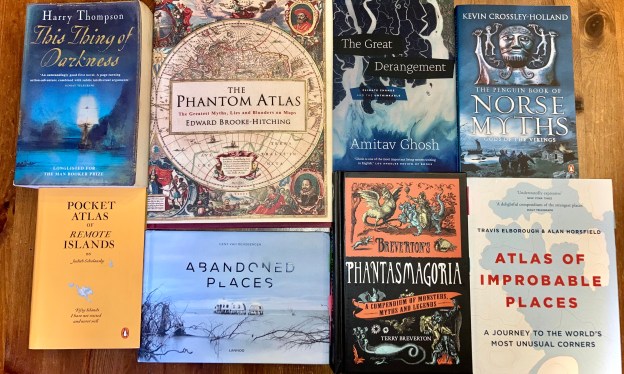
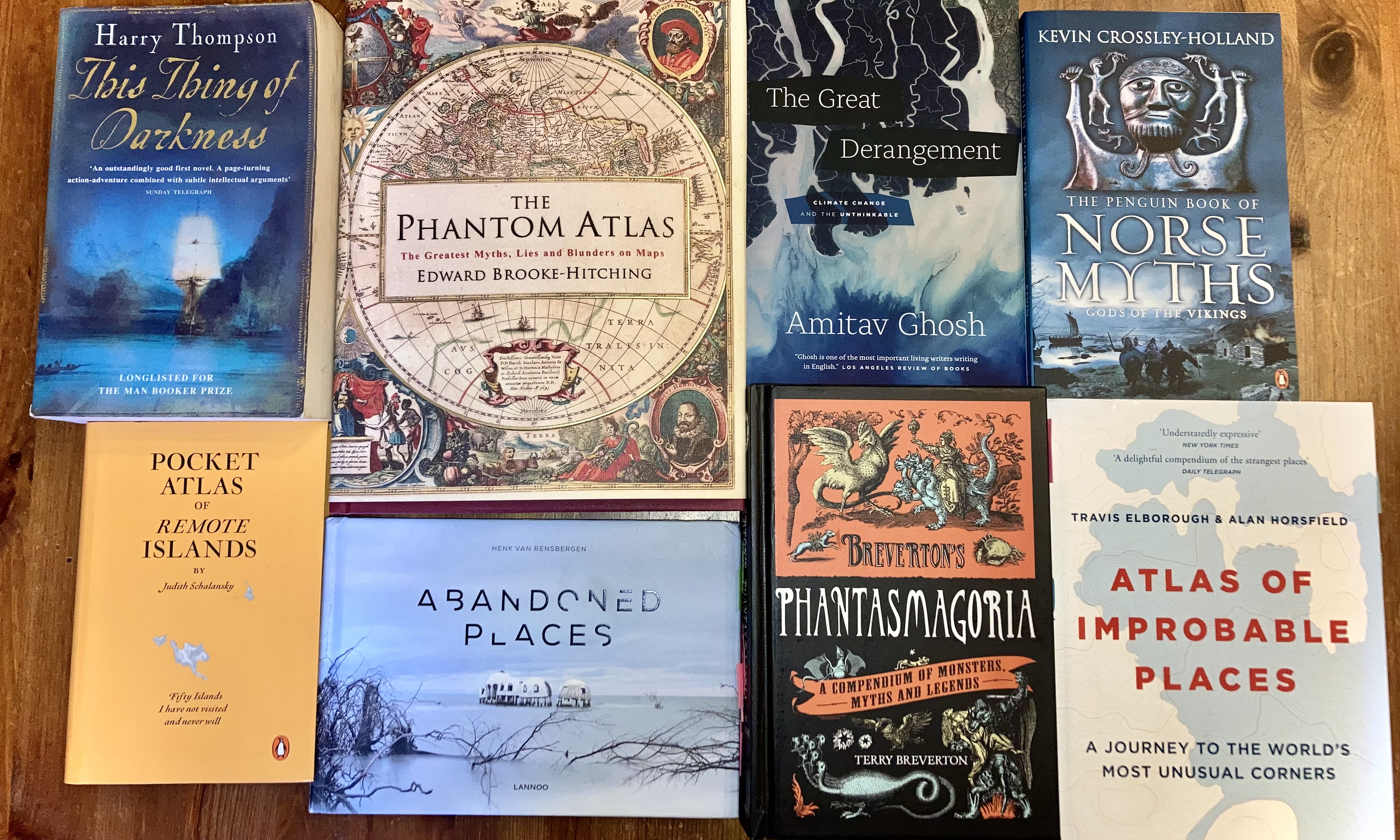
A lot of folklore, obviously. Can I write a book without it? And would I even want to? (No, and no). (If you don’t possess a copy of Breverton’s Phantasmagoria, please correct that terrible tragedy forthwith.) As you might gather from the image below, I do a lot of happy browsing through books of lost and abandoned places like I’m shopping for my retirement home/island. This is only about half the ones I own, and I highly recommend them if you are seeking inspirations for settings or mysteries or strange scraps of history. It is, incidentally, from that wee orange one in the bottom left that I read the fragment of history which gave me my setting in Mother Sea (the godawful history of the island of Tromélin).

As well as plaguing my sailing-obsessed sister for technical details, I also adore historic maritime explorer books and their wealth of perspectives on the ocean in an era when it was still so unknown and dangerous. In the picture below is the exquisite fictionalised story of Darwin’s voyages in This Thing Of Darkness – a beautiful, oddly sad and uplifting story.

Lastly for the non-fic, there are so many vital books out there now that explore climate change and our society’s responses to it. At the time of drafting The Salt Oracle, perhaps most recent read for me was this first beautiful and heartbreaking essay collection by the wonderful Amitav Ghosh.

How about fiction?

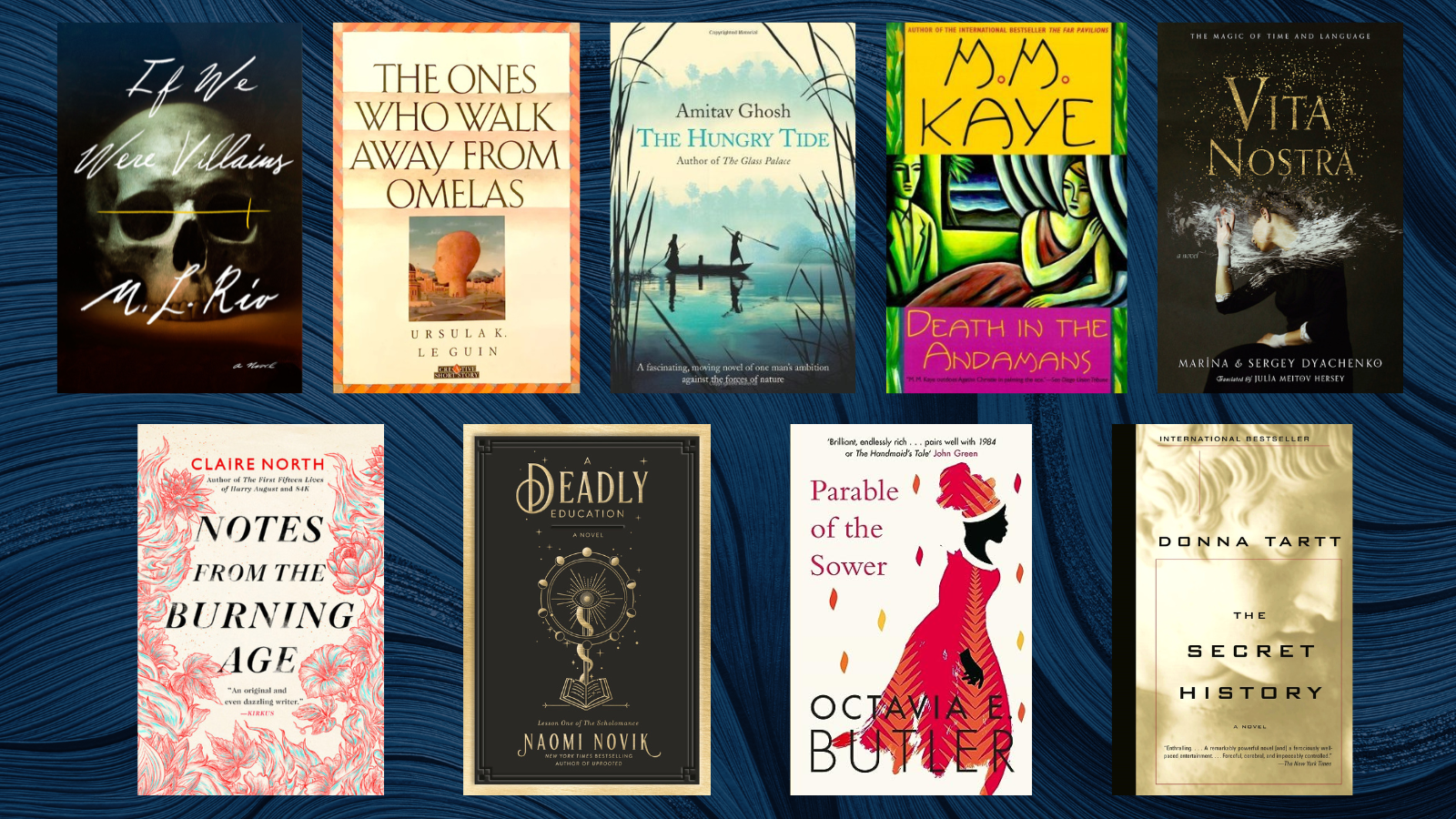
As you might expect, I am an unapologetic sucker for anything remotely Dark Academia shaped! There are issues I struggle with in this genre, and sometimes those flaws outweigh the joys of libraries! research! existential crises! but I will never not be tempted by books which centre the corrosive seduction of learnéd institutions. If We Were Villains and The Secret History are both rightly famous and need little explanation from me other than to say that while I prefer the former over the latter, I appreciate what the latter means to the whole genre. Likewise something that I really adoredabout Vita Nostra and the Scholomance series by Naomi Novik was how they both broke so entirely away from the dreaming spires, gothic architecture vibes of most DA. It’s probably fair to say those books gave me a lot more confidence when I came to writing my creaky, rusty hulk of a college!

Just as with non-fic, I am of course a fan of the many beautiful books that tackle climate change themes in interesting and nuanced ways within fiction. There are too many to list but at the time when I was formulating this book, Claire North and the great Octavia E Butler were probably top of my mental reference piles! I loved particularly how these books fold the climate themes into other forms of plot, as this was something I wanted to do (why write 1 genre when you can write 4, anyway) in The Salt Oracle.

There’s been a bit of a madcap trend in the short fiction world recently, of writing retellings or sequels to Ursula K le Guin’s famous The Ones Who Walk Away From Omelas – a short story that explores the brutal cost of utopia and who is willing to pay it. Some of these recent reimaginings have… rather missed the point of the original, in my mind, so I did my usual recalcitrant teenager act of refusing to say that Omelas was one of the core inspirations behind my book. But a wonderful author friend noted it, unprompted, in their blurb, so the (not really) secret is out, and I hope readers are intrigued and satisfied with this rather tangential take on le Guin’s posed question.

Two books in the image above that perhaps aren’t so obviously connected to The Salt Oracle are Amitav Ghosh’s The Hungry Tide, and MM Kaye’s Death In The Andamans. The former is there because of the sheer beauty of his descriptions of the ocean’s liminal edge wreaking wonder and devastation in equal measure. It’s a heartbreaking book, but one climactic passage describing a terrible storm tide haunts me even now years after reading it. That vibe of awe and horror, of both the power and the powerlessness of the sea, is something that hopefully echoes in the pages of my book.

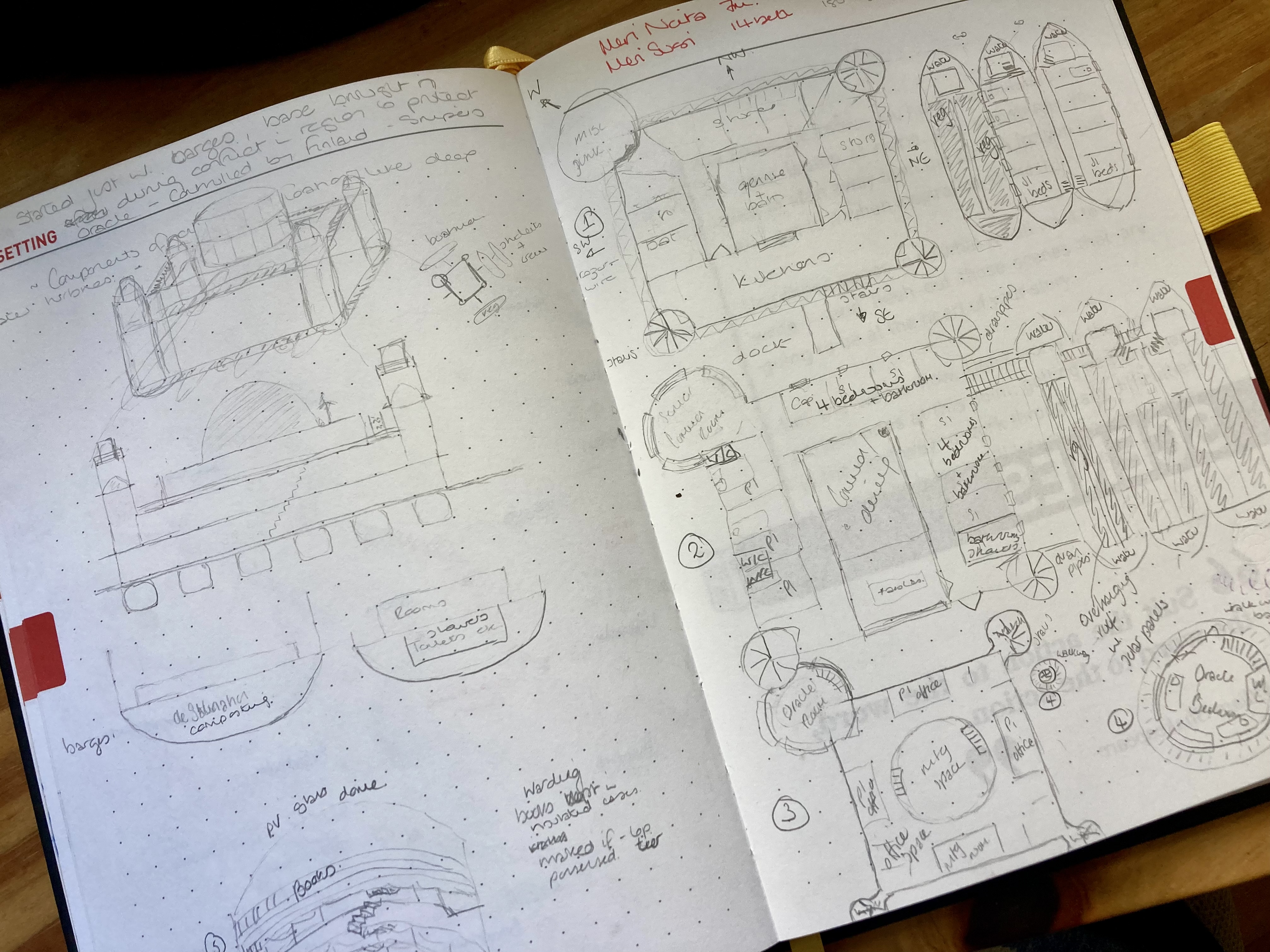
MM Kaye’s 6 murder mystery books are not the ones she’s famous for, and are definitely books ‘of their time’. But I adore them for her masterful ability to create rich, captivating settings that just ooze atmosphere and tension. In this book in particular, the key mystery events take place largely in one house, and the book includes (drumroll)… a floorplan. I am not a big fan of maps in books, but for reasons known only to the mice that occupy my brain, I adore a floorplan. Just. Perfection. Perhaps because that way I know where the library is. Anyway, as well as being a constant inspiration to me in writing atmospheric settings, MM Kaye gifted me the initial idea for the layout of the Bellwether – the college in The Salt Oracle.

And so, in case hustling on social media wasn’t mortifying enough, I’m sharing the floorplan sketches I did in my notebook for your delectation!

I am, as you are now sadly aware, not a natural artist! (also some of this changed, so don’t use it as a reference!) But this was a surprisingly essential part of my drafting process, because ooft the number of times I had to check back to see where characters ended up after running down some stairs…

A slightly random post from me today, fuelled by the dual horns of ‘I don’t want to just promo the book’ and ‘I can’t ignore the fact that it’s nearly release day’. I hope there’s some temptations in here for you, and if you pick up any of these books, or have your own strange and fascinating sources of inspiration please do let me know.

Thank you, as always for your support. Because accessibility in publishing is important to me, I keep all my craft and publishing posts free, so any shares or tips are greatly appreciated. Wishing you a fabulous weekend.
Check out my books here

Leave a tip here

This is a new low (publishing version)

[Edit: I wrote this post a few weeks back but delayed publishing because of the move from Substack to Patreon. A few things have changed, namely going on sub with Birds and feeling hopeful about that. But I think it’s still important to share this article as it was when I wrote it, so… ta da!]

I am writing to you though from a publishing doldrums. It’s not something that’s especially original, but this particular one is new to me so I am having to feel my way through it as best I can. As always though, if something to do with publishing is hard to talk about, it’s probably also useful to talk about on the off chance it resonates with someone else out there.

I’m probably not meant to talk about this stuff in case it’s seen as a lack of faith in my writing (it isn’t) or a criticism of my agent or editor (it definitely isn’t, they’re both fabulous), or just that it doesn’t emanate sufficient chirpy optimism. But we all face these moments, so if we can’t face them together then what even is community? Everyone in publishing, including the editors who have my books in their inbox, know it’s tough sometimes. Me pretending I never have hard days or doubts might be comfortable but it’s not true and we all know that. I could wait until I have happy news so this becomes a narrative of ‘if you just hang in there, magic will happen’, and yes, those stories are reassuring and hopeful and I love them. But I want to speak about the hard stuff without always having to wrap it up in a bow, because life, and publishing, is not an Instagram filtered thing. So this is an uncomfortably honest post, and there is no pep talk nor happy ending, just a domino chain of worries and then maybe a little stoicism…

So why the doldrum?

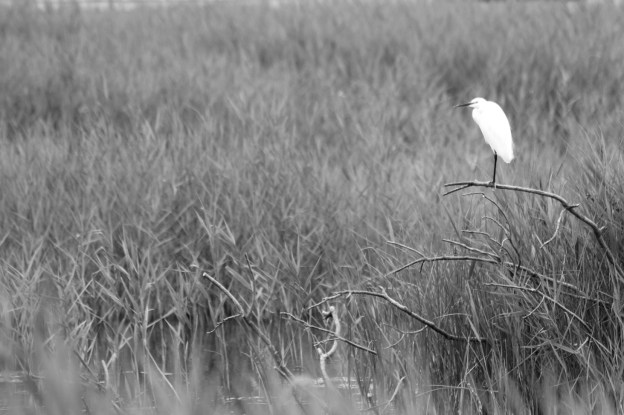
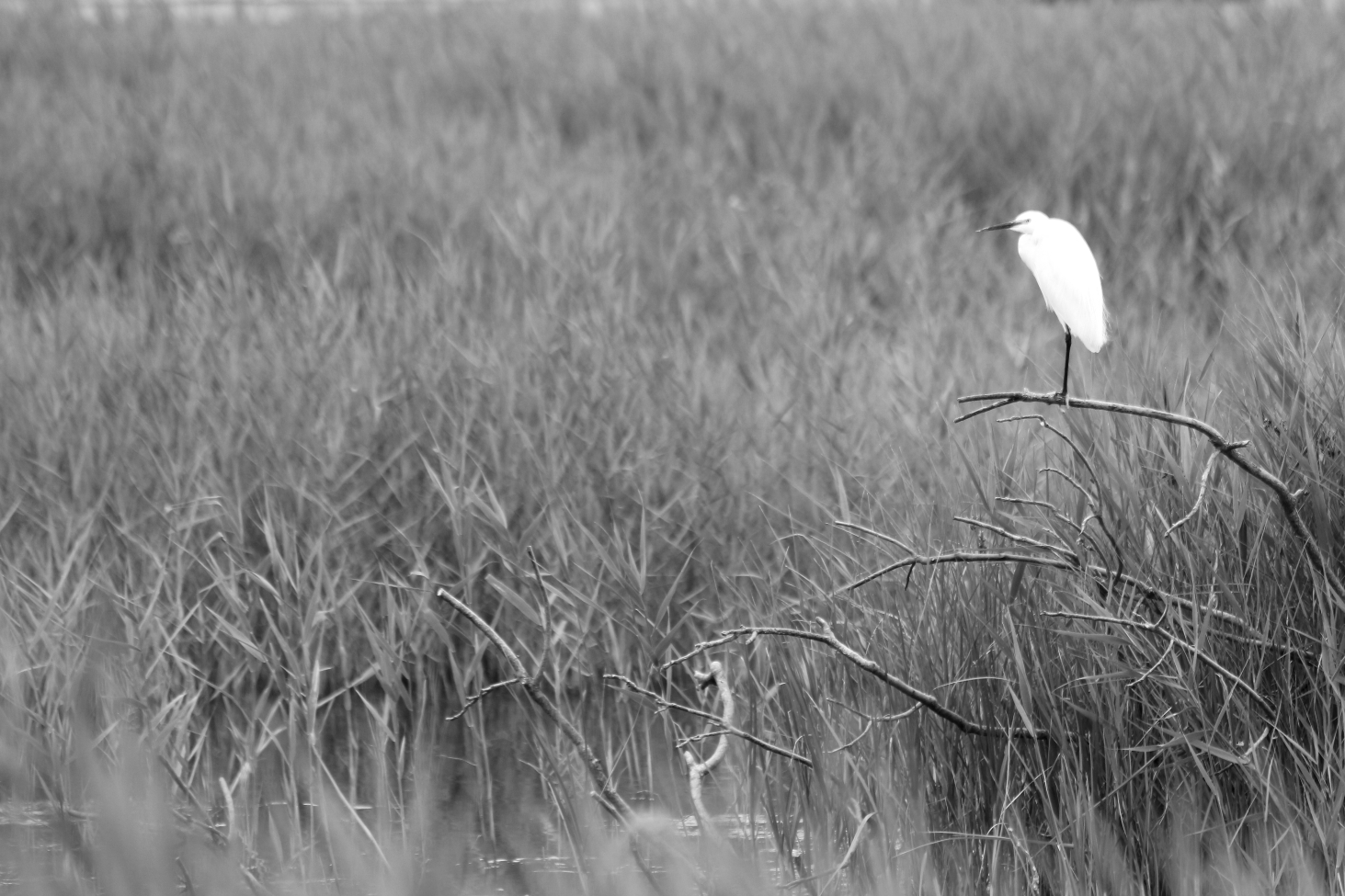
forlorn looking egret

Timelines and publication gaps.

I wrote recently about the challenges of fitting in with publishing timelines – and mentioned my odd position of having a backlog of manuscripts and facing a publication gap. At the start of this year, my agent and I had bold plans of getting two books out on submission by May, hopefully selling one or both by the end of the year and thus having publications racked up for 2027 and beyond.

Sitting now with 2/3rds of the year gone, one of those books not out on sub yet, and the other as yet unsold, that plan looks unlikely to come to fruition. If I am lucky enough to get a deal signed in the next 4 months, that book would most likely get a 2028 publication slot at the earliest. So that’s a 2+ year publication gap. Which is both a problem for my career momentum and for my (lol) bank balance.

The market

I have read a fair few articles in the last couple of months from which it looks like the market, particularly in the US but also in the UK and translation, is tightening its purse strings and getting more conservative about what it’s acquiring. With the uncertainties around tariffs, living costs, book bans and printing costs, it makes a horrible kind of logic that publishers might look for guaranteed hits in the shape of celebrities, successful self-published authors, booktok trope-led books, and already-well established authors.

I’ve also been having a lot of conversations with author friends that add up to consistent anecdata of some US (genre) publishers, faced with the current political climate, shying away from the marginalised, the strange or different or complicated. Even with already-acquired books, it looks anecdotally like some publishing houses are feeling the pressure to shape their upcoming lists towards more mainstream markets and ‘safer’ tastes.

(Which inspires a whole other conversation about what diversity looks like when it’s a gesture not a foundation. But I’m not getting into that today.)

What does this mean for my on-sub book – a strange, tangled, sad solar-punk-ish story full of marginalised identities? Bluntly: that while I think it might be the bravest, best thing I’ve written so far, it’s quite possibly not what (particularly US) editors are looking for. My awaiting-sub book might land better – it’s folk Gothic, which is popular right now. But it’s still genre-blending, full of marginalised identities, and very Welsh, so… I don’t know. I really don’t.

Track records.

I am not a shiny debut author brimming with potential. I am also not a bestselling or major-award-winning author. And god knows I am neither celebrity nor social media queenlet. What I am is a small author with some reputable (but not big league) award wins to my name and a sales record that was growing steadily as I moved from tiny to small to medium publishers, but remains in the grand scale of things unimpressive.

We Are All Ghosts In The Forest has, I believe, sold okay for the publisher’s moderate expectations. It did unfortunately kind of bomb out of the awards this year – gaining only the one long-listing for the BSFAs – still extremely wonderful, but not something that can alter the trajectory of a book.

The problem with this is that it doesn’t give an editor hoping to acquire my books much weaponry with which to convince an acquisitions meeting. Strong sales or a high profile award listing would help this hypothetical editor fight for my book despite the hesitancy of the market and my writing’s non-conformity. The absence of both means that even if an editor loves my books, there’s a good chance they won’t be able to offer, because my track record doesn’t scream bestseller. I suspect this may have happened already with the on-sub book, which is frustrating.

That I have a wonderful loyal readership, that I (think I) am easy to work with (aka deliver on time and am not a dick), that I have been growing my reach steadily with each book and hope to continue to do so with The Salt Oracle… This is great, but it doesn’t hold as much water on a Profit and Loss spreadsheet as hard sales numbers.

forlorn looking skipper

The view from here

So from where I’m sitting, on a blowsy late August day in 2025, five years after my debut novel released and about 2 months before the release of my 6th, I am worried.

I’m worried that I won’t land another publishing deal at all.

I’m (more realistically) worried that I won’t land an equivalent or better deal, and so my reach and sales record will shrink and my hard earned momentum will dissipate.

I’m worried that by the time another deal happens, the publication gap and the deal size/publisher’s reach will mean I will effectively be starting from scratch rebuilding my visibility.

I’m worried that I am facing years of earning only a few hundred pounds from prior royalties, as I approach my 50th birthday with barely any pension and a body that still won’t let me do anything that would earn me an actual living.

I’m worried that the loss of faith in myself and my writing, combined with the permanent strain of chronic illness, will erode my creativity and my mental and physical health.

I’m worried that right now, publishing simply doesn’t want my voice. That my writing is too odd, too quiet, too ‘diverse’, too literary (whilst I the author don’t fit the Literary mould) and perhaps 6 books is all I get. Perhaps it was a good run for someone the wheels of publishing are not designed to turn for.

Depressing innit?

So what do I do?

make a wish?

Worries never unspilled the milk, as someone once said to me. There’s a whole lot of this scenario that I’m powerless to influence, but what can I do to weather this period long enough to see how many of my worries materialise and how many were foundless?

The obvious first one is work on something new. Concentrate on loving the craft and celebrating the craft, and try not to look further down the road than this page right here, and then the next one, and then the next. I’m trying. I am loving the new project and I’m trying not to tangle myself up in questions of its marketability.

Contrarily, maybe think a little strategically about which of my planned projects to focus on next. This is something I’ll talk through with my agent, and possibly my editor, soonish. I have a long list of book ideas, and I delight in being told by savvier people than me ‘this one will be easier to sell now’, or conversely, ‘this one’s for the backburner, now is not the time’. It’s a perspective I very much appreciate.

Consider a bit of reinvention. The industry loves a debut, and it also loves to disguise published authors as debuts however it can, whether that’s by heralding a move into a different genre/age category as their debut, or by playing that familiar card – the pen name. I cannot picture myself writing children’s books, or radically switching genres (no billionaire romances for me #eattherich) but I am very amenable to being repositioned and renamed if that means my books stand a better chance.

Perhaps most importantly, be patient. If my agent or editor are reading this, they’re probably thinking ‘Holy crap, woman, give it time!’ and they’d have a point. My current contract sold after ~7 months on sub, where-as this new book has been on sub less than 5 months & my other book isn’t even out there yet. I have a great agent and supportive editor. So chances are still high that both books will find brilliant homes, and that when they do, reader memory will not prove quite so short-lived as I fear. In which case all of this might smell a little of catastrophising. But hey, I like to be prepared/overthink everything, to avoid being knocked as flat if the bad thing does happen. I think it’s realistic to take stock at this point, but also I do need to not panic.

However things turn out eventually, facing this kind of set back is hard so I will need to refill the well, or erect some fences around the well. I need to feed my creativity to counter the drain on it from all this crap, and we all know how to do that by now right? Read, immerse myself in good communities, go for walks, read some more, take my medicines, rest, create in other ways. It sounds facile but this is the stuff that nurtures emotional resilience, and I’m gonna be needing that to get me through.

And lastly, celebrate the good stuff. I have The Salt Oracle coming out soon and want to be in a place to fully support and enjoy this book – I’m very proud of it and it deserves as good a shot as I can grant it. I’m also excited to get All The Birds Will Be Hostile out on submission.The Last To Drown is up for a British Fantasy Award in November, so I am looking forward to enjoying that whole shebang with my friends. And hey, look how far I’ve come in 5 years – 6 books, a handful of awards and some truly amazing readers is bloody awesome. I’ve learned so much and met so many kind, passionate, talented, fascinating people; whatever happens next, there’s no taking any of that away from me.

So things are looking daunting and uncertain, but we have many cards left to play and all I can do is play them, and hope. Thank you for reading this horribly personal, slightly maudlin update.

I know I am not alone with these worries and these doldrums, so to anyone out there who’s reading this thinking ‘omg same’, consider yourself hugged. Publishing is a sharp-toothed and tidal beast, but all tides turn, we just need to stick around long enough to see it. And if you have any tips on weathering these times, do let me know in the comments.

Thank you, as always for your support. Because accessibility in publishing is important to me, I keep all my craft and publishing posts free, so any shares or tips are greatly appreciated. Wishing you a fabulous weekend.
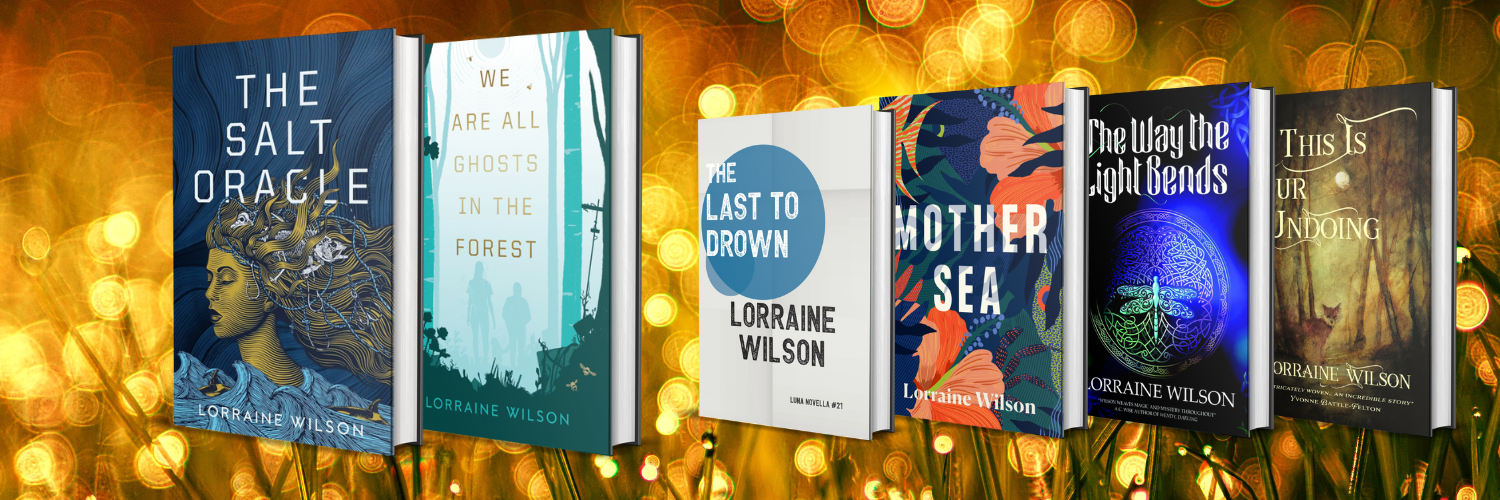
Check out my books here

Leave a tip here

Dystopias, reality, and getting crabbit about labels

So a wee while ago I was asked a question at an event that very nearly launched me into a TED talk of an answer. We were out of time so I had to restrain myself, but I figured it would make a good article in which no-one is waving frantically at me from the sidelines begging me to shut up!

The question was something like this: You said you don’t call We Are All Ghosts In The Forest a dystopia, but several of your books have dystopic themes so why don’t you call them that?

Which is a fair question. I had said earlier in the event that although Ghosts is often marketed and reviewed as a dystopia, I personally resist that label. And yes, the questionner was right that several of my books – Ghosts, The Salt Oracle, This Is Our Undoing, even Mother Sea (although we’ll come back to that) – have elements of socio-political or environmental settings that are pretty dark and dystopic.

Possibly a dystopic gas cloud wasteland, possibly Iceland

Dystopian fiction

First off, for the sake of clarity – what is dystopian fiction?

It’s generally framed as a story that takes place in a society that is in some way repressive, cruel, unjust or otherwise plain ol’ nasty – a kind of worst case scenario of humanity as a society. It’s often worked in combination with environmental extremes that the system is a reaction to, and it’s often, but not always, propagandised as utopian. Or it is presented in contrast to some utopian other – the past, another country, another planet etc.

‘Dystopia’ is a genre label that’s had some pretty impressive waves in popularity, isn’t it? There have been times, around the Hunger Games era for example, when it was riding pretty high. Going back further, I remember reading A LOT of post-nuclear apocalyptic dystopias when I was a young kid growing up in the tail end of the cold war. They’ve been around for a long time, and range from commercial to the more literary examples like A Handmaid’s Tale or The Road. It’s one of those genres that never entirely drops off the popularity lists at all, but it’s … taking a wee bit of a back seat at the moment, from what I can gather. People, I think, are largely either looking for pure comfort, or for more ‘working through the disaster’ than ‘living in the aftermath of the disaster’ narratives, for very understandable reasons.

However, that slight popularity downturn is not why I avoid the label. I mean, I write quiet, genre-blending books, I clearly am no good at writing to market so I don’t worry about the trendiness of labels either.

Why I love but (kind of) avoid the label

My resistance to ‘Dystopia’ as a label is that for most (not all, but most) fiction in this genre, while it is generally accepted that the dystopia will hold echoes of the real world, it is framed very much as a fictional futuristic, often apocalyptic world. An omg can you imagine? How terrible that would be. And yet the elements of worldbuilding that make it dystopic are actually real things that exist today in the real world for many people individually and as societies.

  • Oppressive totalitarian government? tick (check, if you’re weird)
  • Violent persecution based on your identity? tick
  • Profound injustice through corporate exploitation and corruption? tick
  • Vast wealth hoarding built on a brutalised underclass? tick
  • Even – An underclass struggling in a devastated landscape while the powerful buffer themselves from the disaster they unleashed? tick.

None of these are fiction. We all know that. And yet put them into a book and it gets labelled ‘Science fiction’. It gets labelled ‘Dystopia’. As if it is some entirely imaginary horror. When it isn’t. It is the daily lived experience of fellow humans right now today as you are reading this.

Can you tell I Feel A Way about this by the way my sentences have. got. very. short??

I do get it. I do. We explore the things that upset us by fictionalising them, because fiction allows us to parameterise and navigate our fears or horrors or heartbreak in a safe way. And exploring the very real brutalities of the world in fictionalised ways is a powerful tool for enabling us as a society to process our emotions enough to act on them.

So yes, Dystopia as a genre is one I vehemently think we need – I think it deals with big topics in accessible, captivating, mind-opening ways, and that’s amazing. I love this genre. And too, many Dystopia books are so distantly connected to real world issues that they lose that uncomfortable overlap. The Hunger Games, for example. Yes, you can trace elements back to real things from the Roman Games to Communist Russia and beyond, and Collins herself lays inspiration at the feet of the social media distraction engine burying genocide beneath cosmetics ads and clickbait. But the overall concept of the society and games themselves are disconnected enough, in my mind, to not raise quite the same adjacency discomfort in me.*

*Edited to add that yes, I read that news article from the US (in May, fortunately that madcap idea seems to have vanished), about an unhinged proposition to run ‘challenges’ for asylum seekers to win asylum. Yes, that might make this point no longer true.

The dystopic elements in my books, however, are nothing original. They are dystopias that are sadly, horribly real. I mean, Mother Sea isn’t even speculative – it’s straight up contemporary fiction (albeit on an imagined island). This Is Our Undoing simply extrapolated out from fragments of history and current news in Europe around the time of the Brexit vote. Ghosts … well, it’s fascinating to me that living without advanced technology is enough to earn the label Dystopia, to be honest. Its wider regional unrest and climate instability are both very real things, but those aside, I see the more egalitarian, community-based, slower life in Ghosts as less dystopic than the late-stage capitalism we’re currently living in in the west, modern healthcare (and digital ghosts!) notwithstanding.

One of the greatest wonders of SFFH as a genre space has always been its ability (not always utilised, but sometimes) to challenge the status quo and cast light on things the powers that be would like us to ignore. To ask the questions we should be asking of where we are headed and whether that’s what we actually want. Dystopias are a rich vein to draw from in that pursuit, and alongside the fully imaginary scenarios, real world injustices absolutely deserve to be visible and interrogated on the page – whether directly or in more fantastical or futuristic analogies.

But if we use the Dystopia label as a way to catharsise our discomfort and reframe reality as a safe make-believe, then we are letting ourselves and our readers down. We are inserting a safe deniability into the reading experience. And what could be about creating empathy and connection then instead buffers the reader from having to have uncomfortable thoughts about the systems they exist within.

So no, I don’t consider my books dystopian fiction. Because those very elements that people point at in applying that label are among the least fictional bits of my books. Digital ghosts are very fictional (sadly), communities living off the land without technology, modern healthcare or political stability? Not exactly a wild leap into the imaginary. I don’t think readers have to see the resonance between imaged and real world when they read dystopias, and I don’t think that resonance has to be central to the story. I personally know it’s there though, so I personally shy away from framing it as entirely futuristic worst-case fiction.

Possibly a dystopic arid wasteland, possibly Madagascar

But…

But labels aren’t really about the meaning of a book, in most instances. They’re about the cogs within marketing that let a book sell.

I sound crabbit as all hell about this, don’t I? Honestly in real life, I have almost certainly used #dystopia to help market my books, and I am just shrugging and rolling with it when other people call them that. I promise I am not roaming the publishing world battering people with this rant. Books need to find their readers, and that involves playing the marketing game in whatever way helps, so labels are gonna label. And there’s very little to be gained by getting het up about it.

Dystopia as a marketing label tells readers instantly that a book is going to be set in some futuristic society that carries dark echoes of a recognisably contemporary one. And that’s all it needs to do at that level.

Do I think we should treat it with the same caution we use when calling things ‘Utopias’? Yeah, I kinda do. Because just like utopias, dystopias are not a simple thing to unpick. But the marketing engine needs simple labels more than it needs authorly caveats and squickiness, and honestly it’s not the job of marketing teams to make sure the real world resonance is there. That’s my job as a writer.

More than that, it’s our jobs as readers. To read with compassion not just for the fictional characters on the page but for the real world roots that the story world might contain. To resist the urge to comfortably shelve dystopic injustices under ‘make believe’ in our minds. To read just a little bit deeper.

I might grimace faintly when someone calls my books Dystopias, but if that label helps people pick them up, then I hope I’ve done my job well enough that those readers (as well as simply enjoying the story) connect to the real world echoes in my imagined darkness.


Thank you for coming to my TED talk. 😀 I feel much better for having got that off my chest!

A year in review, a year in anticipation

A year of writing – the numbers and why they don’t matter.

Welcome to 2025! (late but don’t judge, we have approximately 16 milliseconds of daylight this time of year, I’m 90% dozy bear)

Being as I talk the talk about resilience and not falling into the traps of comparanoia or shifting goalposts, I figure I ought to walk the walk with a wee review post about where I am and how I feel about that.

First though, a lil book sale treat – my publishers for We Are All Ghosts In The Forest are running a 99p ebook sale for firsts-in-series from now until the 18th Jan. Which means you can snag a copy of Ghosts for a bargain price if you’re quick (and maybe some other excellent books too?). Click here to shop!

Now then. Down to business.

The year in review

What are the stats for 2024?

I published 1 novella – The Last To Drown, 1 novel – We Are All Ghosts In The Forest, and 1 short story – Mhairi Aird in the Nova Scotia 2 anthology.

I was longlisted for 2 awards (BSFA and Kavya Prize for Mother Sea), shortlisted for 1 award (Kavya Prize for The Last To Drown) and won 1 award (the Society of Authors ADCI Prize for Mother Sea).

I left one agent and signed with another.

I attended two festivals/conventions, took part in oh god I don’t know … a whole bunch of events.

I wrote & revised 1 novella, fully revised 2 novels, and got a 3rd novel through copyedits & proofs. And I wrote 85k of a 4th novel. Totaling about 120k written, 340k edited.

I signed no new publishing contracts, got no new books out on submission, and (lol) received no further parts of my advance because of delays to edits. So my writing income last year was solely from royalties on my previous books, the short story sale, and writing-adjacent work like workshops and this Substack (thank you!).


The year in anticipation

What’s on the programme for 2025?

I will be publishing 1 novel (The Salt Oracle).

I will finish & revise the current wip. Edit/copyedit/proof The Salt Oracle, and edit 1 further novel & 1 novella.

I should be going on submission with that 1 novel and 1 novella.

I will be at two festivals/conventions (Cymera Festival & World Fantasy Con), plus a bunch of other events & podcasts tbc.

How’s about the wishlist for 2025?

That I sell both submissions to good people for good deals.

That I maybe get some foreign rights sold.

That I get all or most of another book drafted.

That The Last To Drown and We Are All Ghosts In The Forest maybe get an award listing or two.


What does it all even mean though?

So how do these stats look to you? Busy? Easy? Perhaps wildly ambitious, perhaps laughably unambitious? It will depend on your viewpoint, right? Your own current ‘normals’. And that’s sort of why I have listed them all out – to say that they don’t really matter.

The number of words I write, the number of events I do, the number of awards listings (especially those omg) or trade reviews or sales … those make for some nice neat numbers but do they mean anything to me, the writer alone (plus cats) at my laptop? They’re all to varying degrees out of my control after all – even how much I get to write is influenced by other people’s editorial timelines, the amount of publicity interest in my newest book, and my health. So when I look back at 2024 or look forward to 2025, what can I take from these lists that really truly intrinsically reflects on me and my writing?

I’ve been mulling over this because as I saw everyone posting their ‘my writing year’ type posts I got increasingly squinty eyed about how good that sort of framing actually is. It’s nice to look at concrete things and pat yourself on the pat, or set a particular aim and work towards it. It can also be really helpful to track these things so you can appraise your relationship with writing/publishing and make any necessary changes. So no shade on tracking these stats at all – I do it all myself, hence being able to reel off the lists above without much thought. And my god, we should celebrate our wins at any opportunity, shouldn’t we? Smell the roses every time, because publishing is a hell of a briar patch.

I came up with two reasons though, why I think these particular roses – these lists of achievements – can sometimes be … maybe not unhelpful, but an incomplete picture.

Reason one is simply the comparanoia of it all. Have you looked at other people’s statistics and Had Sads because yours don’t match up? Or looked at your own previous years and Had Sads because you’ve dropped off in some area or another? Yeah, me too. But if we measure our success or productivity or writerly brownie points by fixed metrics – words written or events held or contracts signed – we are holding ourself to metrics that are (at least partly) out of our control. Which aint all that healthy, folks.

The second reason is that I want to think my creativity matters more to me than my output. I mean yes, I need the output to, you know, have books to sell and hence a hope of a career. So of course words written/books sold/awards won matters. If I look back at 2024 though, while I am extremely proud of the high points on that list, I am perhaps most proud of something that’s not on the list at all – the way in which I’ve pushed my craft.

As I think I’ve talked about a few times, I like to feel that I am trying something new-to-me with everything I write – challenging myself to always be growing as a writer. And honestly, I am really excited by the things I’ve done in Novella2 (which I wrote about here) and the current wip. They are both in their own way taking risks I’ve not been brave enough to take until now, and I think I’m pulling it off. Which is so incredibly cool, I can’t even tell you.

Everything else I did last year, from the simple number of hours I got to write to the joy of winning an award, was connected to other people & other factors. My craft though? That win is wholly and entirely my own.

Which means that whatever those other people & other factors are doing in 2025, I can hold one ambition entirely independent of all that uncertainty – challenging my craft in a new way. If I can succeed in that one thing, then that’s something to be proud of and excited by even if some of my statistics look worse compared to 2024. (They will – I’m not going to get two books out in 2025, let alone a bonus short story, so from the get-go I’m a man down, so to speak).

Depending on other things (lol, see?), my next projects may be pushing me in really, really structural ways, or in attempting a new subgenre, or maybe something that’s going to be so tricksy narratively… I am excited by all these ideas, but I’ve honestly no idea which one will be next on the drafting board.

So do I have a point? Yes!

It is that listing your achievements and ambitions can be really fun, a useful gauge, and an opportunity to take stock and celebrate your awesomeness. But that the most important metric of you as a writer, far more than the subjective whimsy of publishing successes, is whether you are finding joy in your art. (Or catharsis. Or hope. Or freedom.) (Or revenge)


So my gorgeous creatures, may 2025 bring you publishing joys but may it also bring you wonder and courage in your writing. If you want to stay up to date with my blog posts please consider subscribing to my Substack as that’s where I’m most active.