Author Archives: Lorraine Wilson

How To Be A Debut Author – The Basics

So I have a book deal. This is a truly wonderful thing. But now what?

Now I have to become an author. Not in terms of writing a series of words that someone wants to print (and other someones hopefully want to read), but in making connections both within the publishing industry and with potential readers. Half of the publishing world will tell you that having an online presence makes no difference; the other half will tell you that you will get as much out of publishing as you put in. *Shrug* Perhaps if you are publishing with one of the big five houses, and if they have chosen your book as one of the ones they exert particular marketing effort on, then you can rest easy that your tiny Twitter platform is the least effective part of that marketing process.

… But most of us are not in that fortunate situation. And frankly that is not necessarily a bad thing – there are advantages to indie publishing. Perhaps I’ll write a blog about that some day.

So what have I been doing this last month? Learned friends have shared their wisdom on what helps you reach the right readers (ooh alliteration), and although there’s a whole discussion around whether they work, I’m going to focus on the what here rather than the why. First thing to mention is that this is proving to be an ENORMOUS learning curve, and more time consuming than one might wish. But I am hopeful that this learning/establishing period will soon stabilise and require less time and less flailing around in the dark.

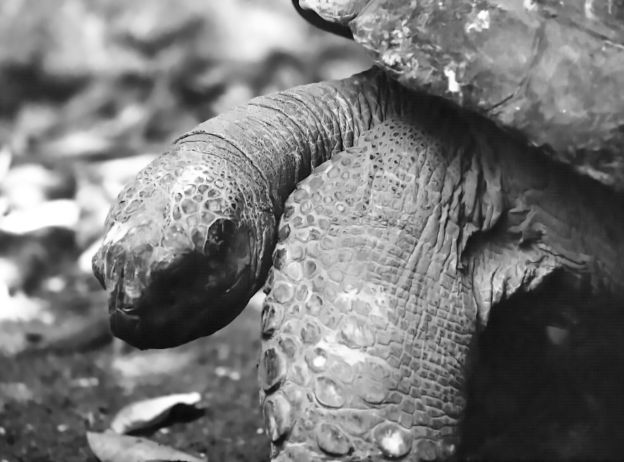
…tortoise interlude, because that’s about my speed…

…back to it. What have I been doing/learning/panicking about?

  • Author events. These are a thing I need to get used to. They’ll build up as I get closer to, and after, book publication. But the first one might be in the spring and I need to think about two key issues:

How personal I am willing to be in public. And,

Whether to buy a ring light so I am not plunged into gloom.

  • Early Reviews. This frankly is terrifying. Not just the prospect of people I admire (and don’t really know) reading my book, but also APPROACHING PEOPLE TO ASK A FAVOUR. Terrifying. There are two stages to this – one is asking for cover quotes, which has to happen super early, and I did last week. Aren’t I brave. The second is in the build-up to publication for which my approach so far is to draw up a list of people I at least vaguely know & who write/read in roughly overlapping genres … and that’s it. For now. There will probably be begging…

Did you know it’s really important that your first few Amazon reviews are by readers who read in your genre normally, so that the Amazon algorithm shelves you in the right place & recommends you to the right readership? I did not know this.

  • Instagram. (I’m here) I had resisted joining this, despite being a photographer, because I felt I really did not need another online procrastination tool. However, it is a great way to find book reviews and book reviewers, and perhaps more importantly, to learn what makes good visuals for a book. Which cover reveals, prettily arranged book photos, shelfie photos etc catch the eye and which ones do you skim past. I am mostly using it at the moment to share some of my gazillions of nature photographs, but I am also following and learning and (hopefully) storing away lots of information on how bookish IG works. Once I have a cover, I can really start to do more authory things on this. And that cover is coming soon…
  • Twitter. (I’m here) I have been on Twitter for a while now. Initially to stalk agents and publishers, and to follow authors I admire. At the time I had barely published a thing so my own twittering mainly involved science, folklore and sharing writerly friend’s successes. Over time I have become more engaged with another key subject that I am particularly passionate about: Diversity in publishing. As a spoonie, mixed race, ex-working class writer, this is personal; but it’s also just plain common sense. Now though, I have a book to promote too & the question of how much of that to do. A very helpful friend told me to get good at hashtags, and to find quotes, moodboards etc from your book to share. I’m working on both those things… But my feed is mainly nature, science, boosting writerly friends and boosting diversity opportunities. And actually I think that’s ok.
  • This website. I’ve been doing A LOT of work on this. Which is a stark contrast to years of sad neglect. I’ve been learning how to add social media widgets, static/feed pages, add contact forms, add links within pages (!) … and how to present myself. I am still working out that last. I see websites as only really meaningful if you have a book(s) for readers to find out about…

… AND if you have something to offer…

  • …Be that book reviews, free content or author services. As I said above, I want to do something to support diversity in publishing and am currently thinking about what I can offer to other writers from under-represented backgrounds. Keep an eye on this site and my Twitter for more of that.

There is more (isn’t there always). There are Booktubers to get to know, YouTube videos to record, book shops to write to, launches to plan, conventions to book myself into and volunteer sessions for … but for now, website, social media and reviewers are about all I can handle. And now I can tick write a new blog post off my list. Make a list of possible blog subjects is next…

… This statue eloquently expresses how I feel …
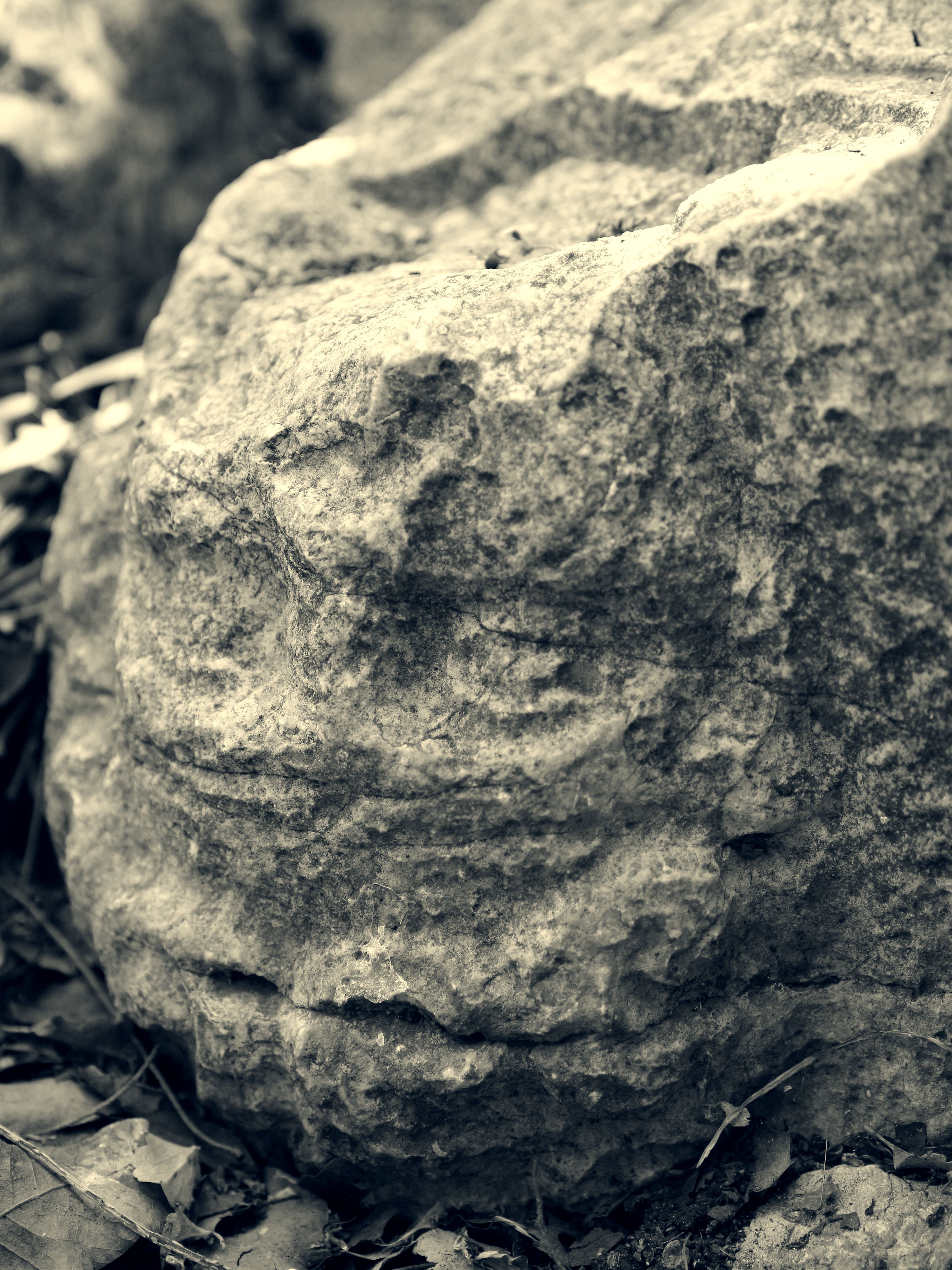
Upside down and severed statue head from greco-roman ruins in Turkey.

This Is Our Undoing

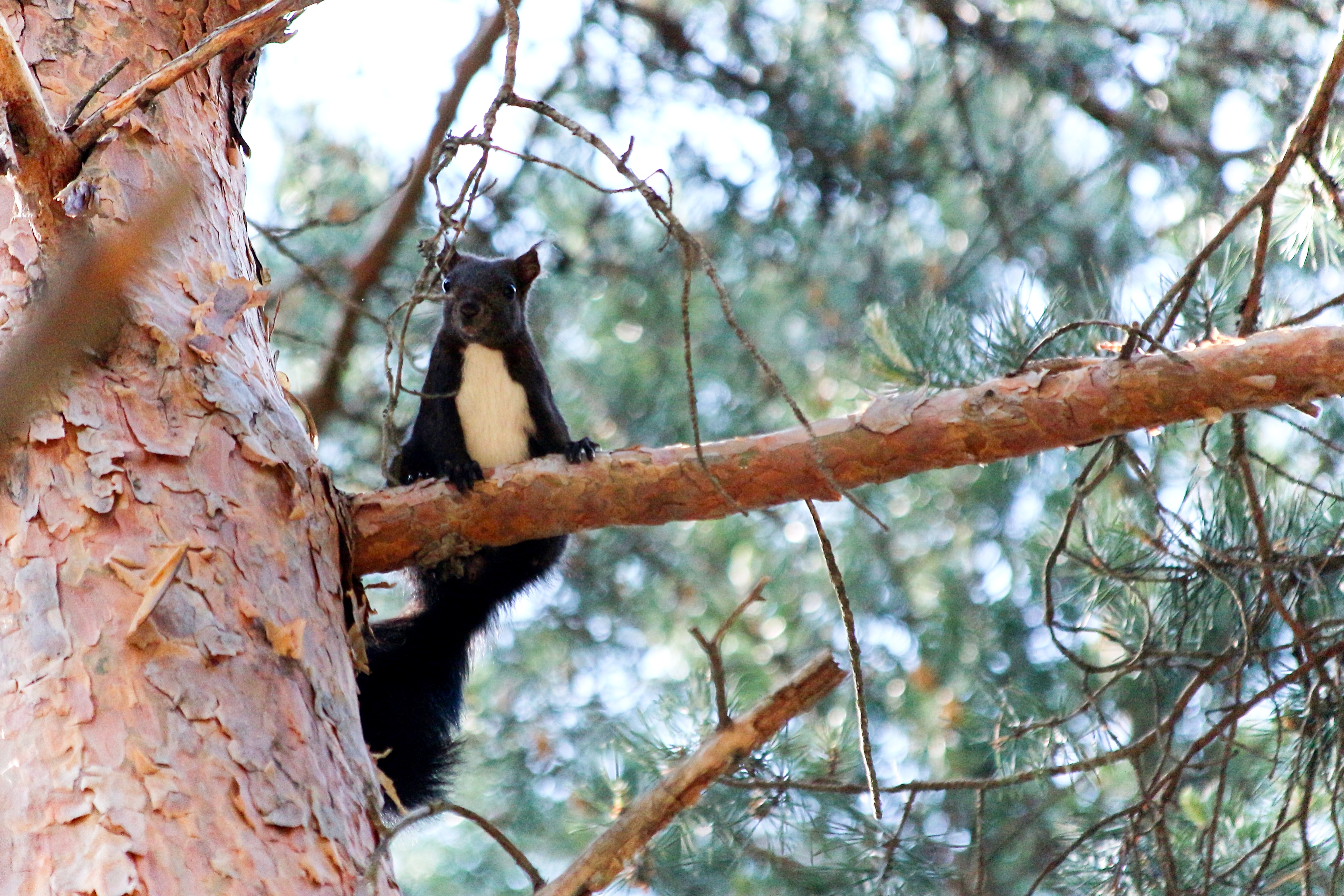
black red squirrel

My first novel, This Is Our Undoing, is going to be published by Luna Press Publishing sometime in 2022. As you might imagine, I am pretty excited about this. It’s not been easy getting to this point – lots of illness, near misses, more illness, some really near misses – but I’m so glad I found Luna as they are thoroughly lovely people and my book definitely feels happy in their hands. Sometime I might do the obligatory blog about my ‘journey’ to publishing, but not yet because there is still so much of the journey to go.

This is what I say about the book on Luna’s announcement blog post (here):

When I started writing This Is Our Undoing, the UK had recently voted for Brexit and the US had elected Trump, Asia was enduring a devastating heatwave and the Arctic ocean was warmer than it had ever been. I found myself attempting to process my own powerlessness in the face of events that were breaking my heart, and from there, trying to define what power I did have. Can I alone do anything that will make a difference? It’s an important question I think, today even more than it was then. It was this that became the central theme of this story – how do you hold onto the light when the world is growing dark?

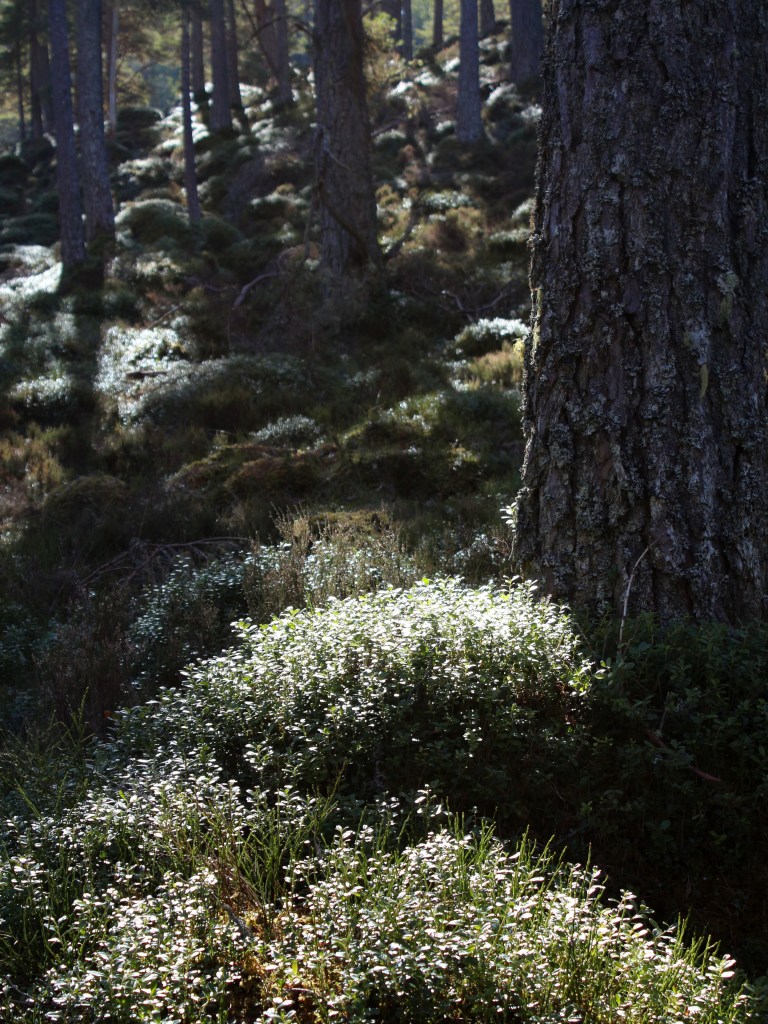
The setting of the book felt perfectly suited to this theme. I wanted to explore a potential future but in the claustrophobia of complete isolation, and I wanted the wilderness. In folklore worldwide, forests and mountains are the unknown at the edge of civilisation, the home of Little Red Ridinghood’s wolf and Scotland’s bean sidhe, Slavic leshy and dragons. I’ve lived and worked in the boreal forests of Eastern Europe and Russia, and they are Forests with a capital F – entities that have a presence and resonance beyond the ordinary. I wanted that in this story, but I also see them as standing in contrast to the world beyond, a reminder of wonder and beauty.

This Is Our Undoing is my attempt to discover the power of love and hope in a world where both are increasingly hard to find. In the face of disempowerment, power is in the small things; the choice made, the lone voice, the comforted child. To go into the forest and breathe. To be kind to the lost.

Go back to Blog homepage

Do stories about dragons matter?

IMG_1383

So…I live in Scotland, and I was brought up by hippies. These are two fairly relevant things in explaining my love of celtic myths. Unrelated to those two things, it is also worth noting that I’m averse to happy endings (I love Thomas Hardy), and the old tales are neither forgiving nor saccharine. After all, sugar was a rare commodity then 😉  … actually I bet you can correlate the availability of sugar in Britain with the ‘lightness’ of current storytelling. We have too much sugar in our diets, and too much perfection in our literature, whether that is the happy ending to the love story, or the world being saved by a rugged hero/intelligent heroine. Pah. I want endless war, I want love stories that end in betrayal and misery, I want fate (or clever gods) to twist the world-saving moment so that the hero has actually condemned us all to darkness. Now that is something I can get my teeth into. You could argue that the YA literature comes closest to this…you could argue that ‘A Seeming Glass‘ does pretty well too.

I’m generalising, and I’m off on a tangent. I’m back now.

Celtic myths, and whether they are still relevant. That was what I was supposed to be talking about.

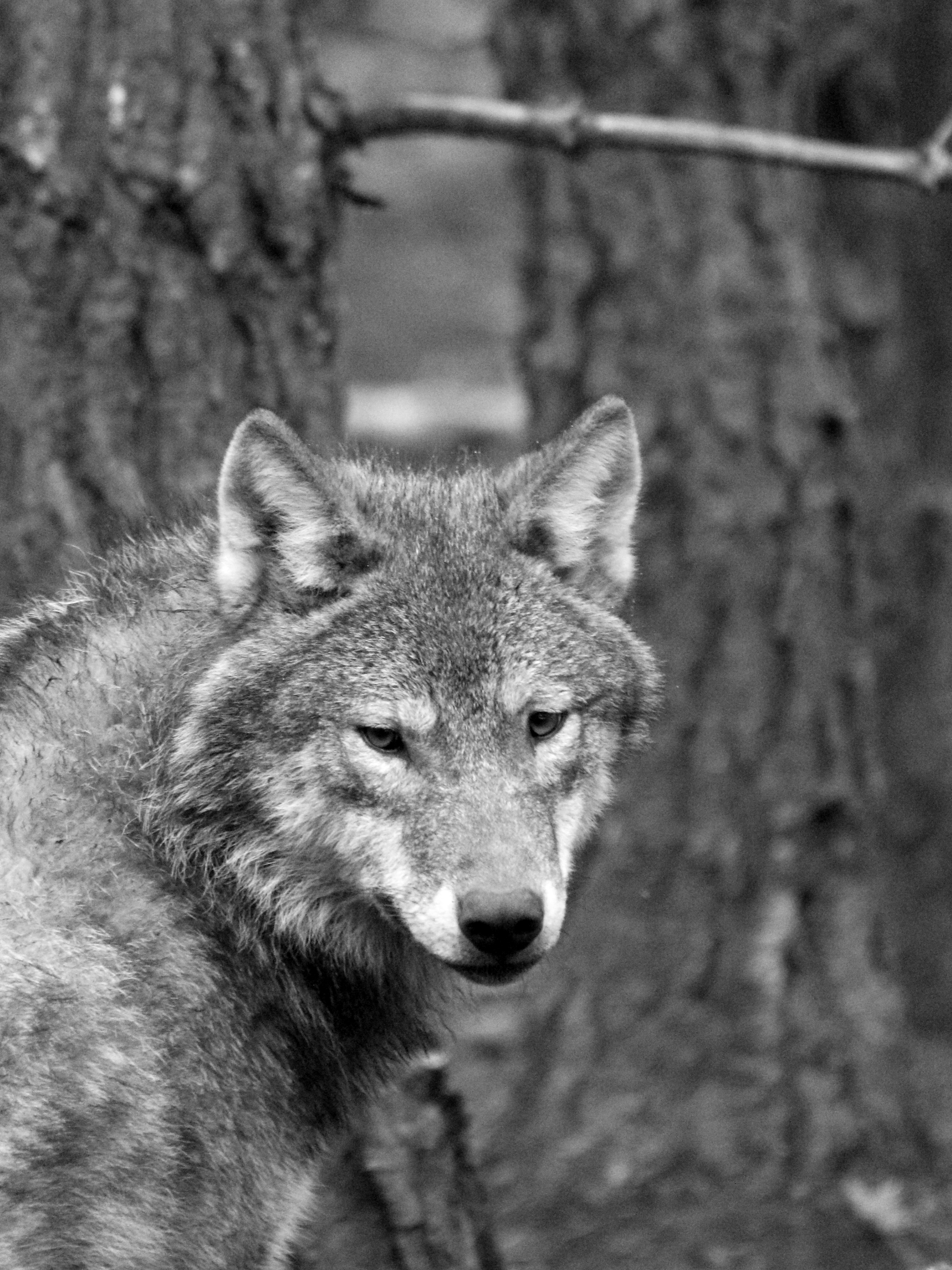
Who's afraid of the big bad wolf?

Who’s afraid of the big bad wolf?

There has actually been oodles of research done on this very subject by people far more knowledgeable than me, so I’m going to keep it personal (mostly). But I just wanted to fill you in on some background…the earliest written myths include wonders such as the Welsh Mabinogion (yes, I know that’s not the proper name, but it’s the recognisable one), and the Irish Táin Bó Chuailgné. These were both probably transcribed in the 12th Century, but if you trace back the events they mention (and those that they don’t), the Mabinogion in particular stems from pre-Christian roots. So it is all moderately old.

Psychologists have taken a liking to myths, and Carl Jung linked myths to his theory of a society’s ‘collective unconscious’, saying that myths fitted internal archetypes (the Trickster, the Shadow etc), allowing people to explore the hidden parts of their psyche without risk or recrimination.

Others, particularly André Favat, saw fairy tales as allowing children a non-real method of processing the changes they undergo, and the increasing intrusion of outside forces into the child’s world. He said, and I like this quote, that children “… believe in the magical relationship between thought and things, regard inanimate objects as animate, respect authority in the form of retributive justice and expiatory punishment, see causality as paratactic, do not distinguish the self from the external world, and believe that objects can be moved in continual response to their desires.”

That makes sense to me. I have seen experiments where children readily accepted the animation of supposedly inanimate objects, I have read studies showing that a child’s innate sense of morality is profound, and anyone who is a parent knows that children are essentially egocentric (in a good way).

It also makes sense to me to think of myths, and fairy tales, as a form of teaching. Providing explanations of the unknown (a god did it), and moral/life instruction to children (if you betray someone, you’ll get turned into an owl; don’t wander off into the bog, you’ll drown). They were also history lessons, the oral tradition, passing down memory of war or famine or heroes.

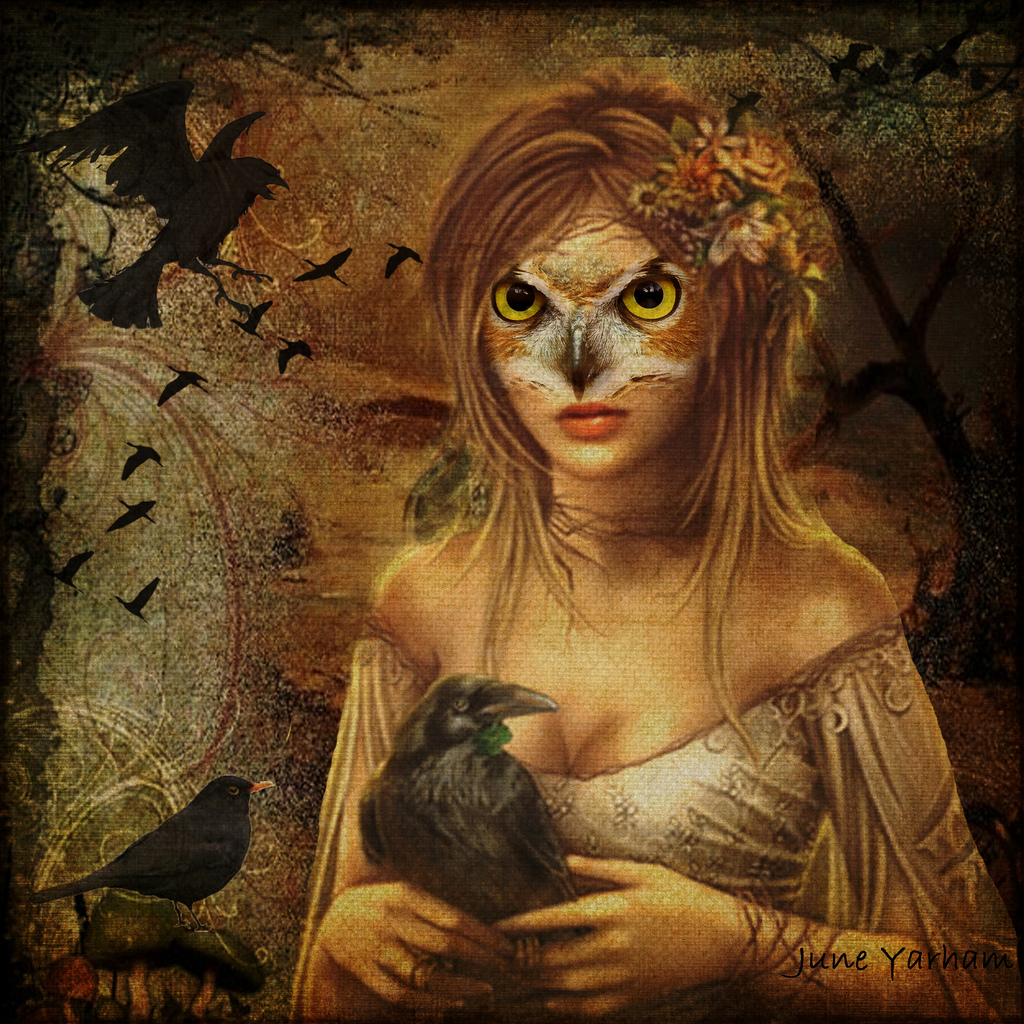
Blodeuwedd, made from flowers and turned into an owl. 'The Bird Woman' by June Yarham

Blodeuwedd, made from flowers and turned into an owl. ‘The Bird Woman’ by June Yarham

All well and good, but why do we (I) love them so much now, and love all the modern retellings of them (however much I might crave a little less sugar)?

Favat may be right – the world is still a big and scary place for a small child to make sense of. And the monsters and heroes (who invariably die, btw) (and then come back later, if they feel like it) are still good constructs for children to use to make sense of that world. As an adult, reading these tales, I am merrily reverting to my inner child. Which is very good for me, so there.

Jung, I’m not so sure about, although that might be because I don’t quite understand him. A collective unconscious, perhaps – we are a social species and we have a demonstrable cultural inheritance – like the ‘memes’ of Richard Dawkins et al. But does that mean that I read mythical tales because I need to vent my inner bad guy? If I didn’t read at all, would that mean those hidden inner unacceptable characters would become repressed (á la Freud), or pop out? I’d definitely be sad, but become violent, or unfaithful? Not likely.

A phooka, the more sinister celtic origin of Shakespeare's Puck.

A phooka, the more sinister celtic origin of Shakespeare’s Puck. By Alan Lee.

However, it is kind of fun to explore all that darkness in books, isn’t it? I mean, who actually wants to be the cop in charge of a murder investigation? Not me, thanks. But I love Ann Cleeves. Perhaps Freud has a point…

So, this is what I think, and please let me know whether you agree. Fantasy in general, and mythological tales in particular, give me this: (I like lists)

  • Space for my inner child to restructure her world, and make sense of the things that she still finds scary.
  • Sight of an older moral society, which actually does not compare too badly with the global society we find ourselves in today.
  • Stories to fill my child’s life with magic. Kelpies and selkies and dryads and (kinder than the original) fairies. They make her smile, which makes me smile.
  • Hope. Many myths are cyclical. The hero fails, the gods change their minds, a new hero (or the mysteriously re-alive old hero) tries again, and succeeds at something entirely different etc. etc. So there is always hope. Even in the dark places, even after complete and utter failure. Second chances and your own small place in the scheme of things. I’ll take that.
  • And, occasionally, dragons.

Dragon-HD-Wallpaper-2014-For-Galaxy

Write a blog, they said.

Just a little sinister, aren't they? From a trip to Argentina a while ago. Just a little sinister, aren’t they? From a trip to Argentina a while ago.

At the risk of sounding recalcitrant, I was not planning on starting a blog. Not out of a superiority complex, or, really, out of lack of time. More because the sheer volume of blogging on the web daunts me. As does the very particular skill required to write a good blog. I read a couple of rather excellent blogs, and whilst I am glad that I do so, they do make for rather humbling bedfellows. If another piece of writing can count as a bedfellow to this piece of writing, it depends on the shape (and furnishings) of the great Cloud, doesn’t it?

Anyway, so, the thing that brought me here, and made me waste oodles of time faffing about with background pictures (but that’s the best bit!), was my wish to contribute to something that I am lucky enough to be a part of. (Excuse me while I maintain the mystery a little longer.) Is that not often the way it happens – you resist something through insecurity, perhaps, or just plain old inertia, and then suddenly you fall into it because it has become about others, for others, rather than just for yourself.

Now that I am here, and you are here (thank-you), I can tell you what it was that launched me into the blogosphere. However tiny and discretely-lit my corner of it is. Well, I am part of a writer’s group, known both individually and collectively as The Randoms. And this splendid group of writers is publishing an anthology of twisted and dark tales, reflections of fairy tales or myths, where the shadowy roots beneath the modern saccharine surface have been brought up into the light.

Do you look into mirrors and wonder what else they show? Do you tread lightly through the edges of the sea? Do you ever wonder how you would shape revenge? Do you, in fact, have a pulse? Then you will love this.