Author Archives: Lorraine Wilson

The Dreaded Cover Letter

Covid has found the household and I can see my productivity slipping away, so to make myself feel like I’ve achieved something, I’m posting this! That counts as work, right?

Anyway … I’ve been looking at a fair amount of submission packages over the last few months, and have noticed some common patterns. So, on the offchance that you’re struggling with yours and are looking for a few pointers, here they are. (Please note, the internet is full of people offering advice on cover letters and synopses, and none of us are omniscient. But most of us have some useful tips & hopefully I do too). I’ll cover synopses if I’m ever feeling brave but today is all about The Cover Letter. Oh we agonise over this, don’t we? And the moment we press send, we spot a spelling mistake anyway. Sigh. But here goes…

The first thing to remember is that this is, effectively, a job application.

I know the relationship goes the other way in the end, but at the point of submission you are trying to persuade the agent/editor that they want to work with you. So it’s a job application. Treat it like one. By that I mean:

  • Be professional in all correspondence. But most of all…
  • BE CLEAR.

This is the fundamental point, I think. Just as you would with a CV or application form, you want to make the relevant information absolutely easy to spot. You want it right there, all in one neat package for the agent/editor to locate and understand quickly. They don’t have a lot of time, and you are up against people whose letters are clear, so don’t bury the key information in random places or beneath non-essential details.

So what is this key information and where is it meant to be?

As with all things, annoyingly, there is a degree of variance here – US cover letters often lead with the pitch, for example, and some agents/editors will ask for a different format or content to the standard. But I’m going to go with what appears to be the industry standard in the UK, interspersed with calming pictures.

So herewith lies my model cover letter structure:

  • Dear [Get their name right, goddammit. Double check. Triple check.]
  • Opening Paragraph. 2-3 short sentences containing:
    1. If you’re submitting to a specific call (e.g. BIPOC writers or a Twitter pitch event request) then open with that. Otherwise…
    2. Title and word count (standard phrase is ‘complete at n words’.
    3. Genre. Don’t get bogged down with ‘but my books straddles 27 genres’. Pick one, add a second term if you have to, e.g. ‘Thriller with speculative elements’, ‘Literary mystery’, ‘Romantic space-opera’. They need to know where your book will sit in a bookshop, they also need to know you understand your book enough to know where it will sit in a bookshop.
    4. Why you’re submitting to that person in particular. Don’t wax lyrical about 14 of the authors on their list, or cite an interview they did 15 years ago. Do say that you saw their recent MSWL (manuscript wish list) and think your book might interest them because of X, or that your book shares themes of Y with their author Englebert Humperdink. If you’ve met them, this is where to remind them of that.
    5. If this particular book has been listed for any awards, mention that here.
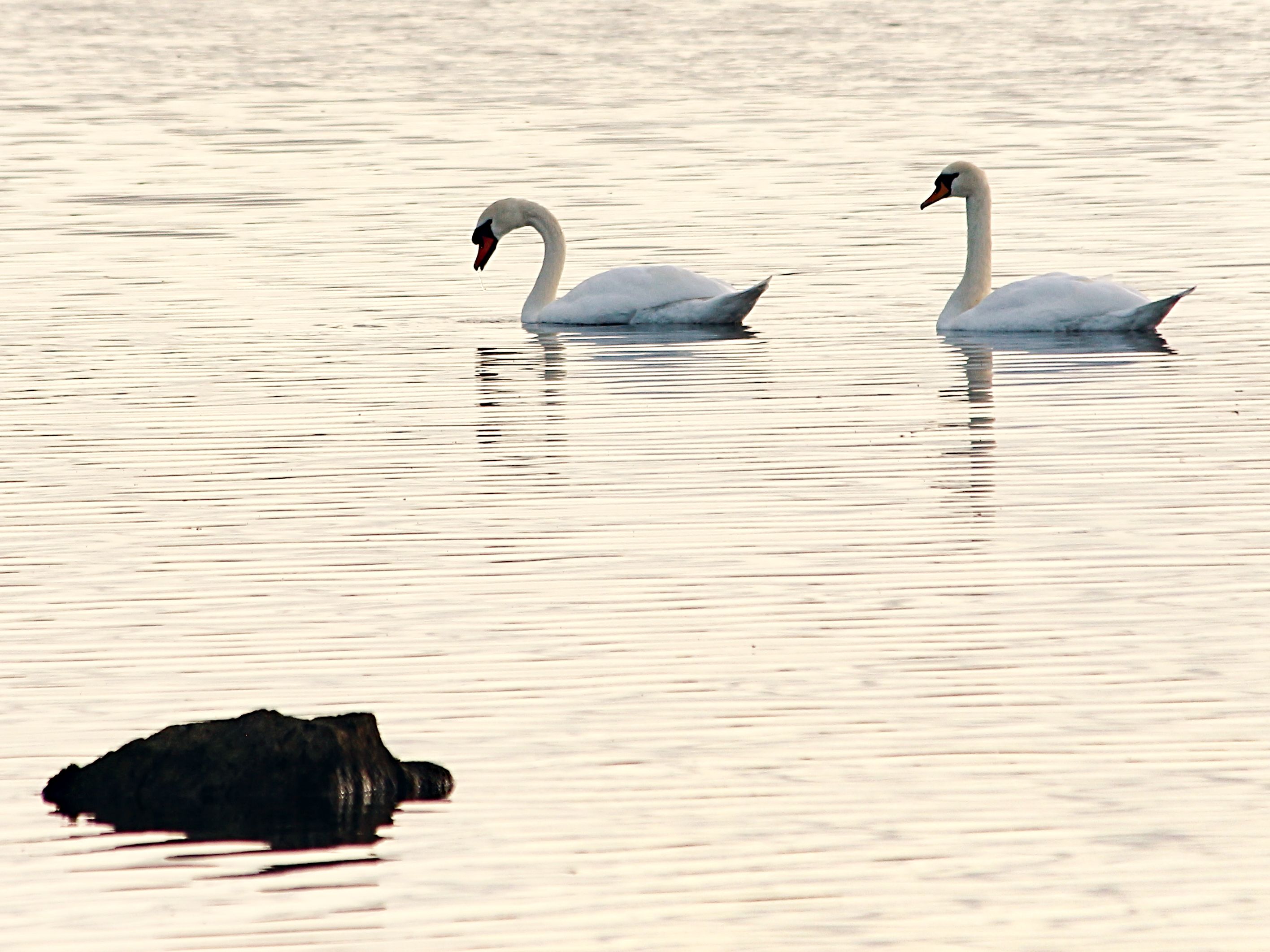
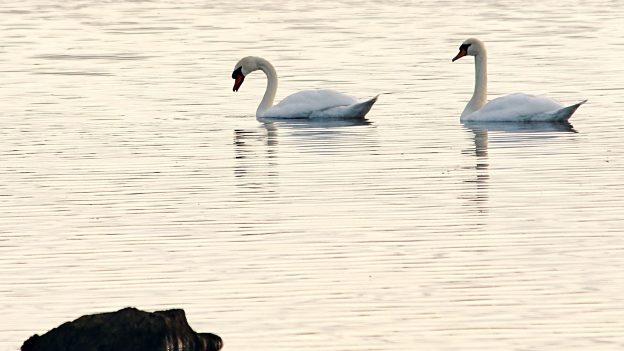
Photo of two mute swans on silvery water. There are lots of small ripples and a broken reflection of each swan. It's all pale and calming.
Have some swans. Take a deep breath.
  • Background Paragraph. 3 sentences containing:
    1. Your personal connection to this story – whether a life experience, professional expertise, cultural identity, spotted a news article that prompted it. What was it that made you write it; and if it’s potentially sensitive, what makes you the right person to write it.
    2. Comparative titles. Yes, we all hate them. No, your book isn’t unique and incomparable. Yes, it’s important. Again, this is about showing the agent that you understand who your readers are, and that you have some awareness of the market you want them to launch your book into. Markets change, so keep the comps <5yrs old and try to strike a balance between utterly niche and the obvious big names. JKR is not a good comp, and neither is Aristotle, probably.
  • It’s worth noting here that your comps don’t have to be perfect plot/setting matches. Yes, a little similarity is good – comping your space opera to a romcom in Dagenham is probably stretching it. But think about the themes of your story, the tone of it. It’s okay to compare, say, a historical story with a contemporary one if the feel of the story is similar.
  • Also worth noting, you aren’t being egotistical & claiming you’re as good as Margaret Atwood (although naturally you are), you’re saying ‘my book may appeal to readers of…’ and that’s okay.
photo of my thumb & finger holding an eroded scallop shell up to a pale winter sun. The light through the shell is kind of a mosaic, it's weird and pretty.
You’re getting there. Here’s some sunshine through a gnarly shell.
  • The Pitch. 3 sentences. Oh isn’t it hell? Some pointers:
    1. First off, some people swop this with the Background Paragraph. That’s fine. I think it flows better this way around but it’s not a life or death decision. Do what feels right.
    2. This (otherwise known as your elevator pitch) is essentially a back-cover blurb. The pithy, dramatic hook that presents: 1. the main character(s), 2. the thing they need to achieve, 3. why they need to achieve it, and 4. why that’s so bloody hard. (Note the ending isn’t included here). Read lots of back covers to get a feel for them.
    3. It’s nice, but not essential to have a ‘tag line’ – one short sentence/line that tells us the unique concept of your book. Again, check out a few books – the tag line is often on the front cover, or at the top of the back cover blurb. Mine for This Is Our Undoing is ‘Could you condemn one child to save another?’ Some people don’t like questions but hey, I couldn’t resist – it summarises an absolute moral dilemma in the book that’s both a little unusual and dramatic.
    4. It’s ridiculously hard to summarise your intricate 90,000 words into 3 sentences isn’t it? So don’t. Think about the heart of your book, the feel of it (I’m fond of that image), and write down 10 words that come to mind. Then pick the most emotive of those, grab your four facts from point 2. above and see what you can come up with. Remember to use a few deliberate specifics to show us what’s unique about this story. ‘A woman’ is less engaging than ‘A Victorian adventurer’ for example. ‘To prevent disaster’ is less interesting than ‘To save the world’s last stiltwalkers’.
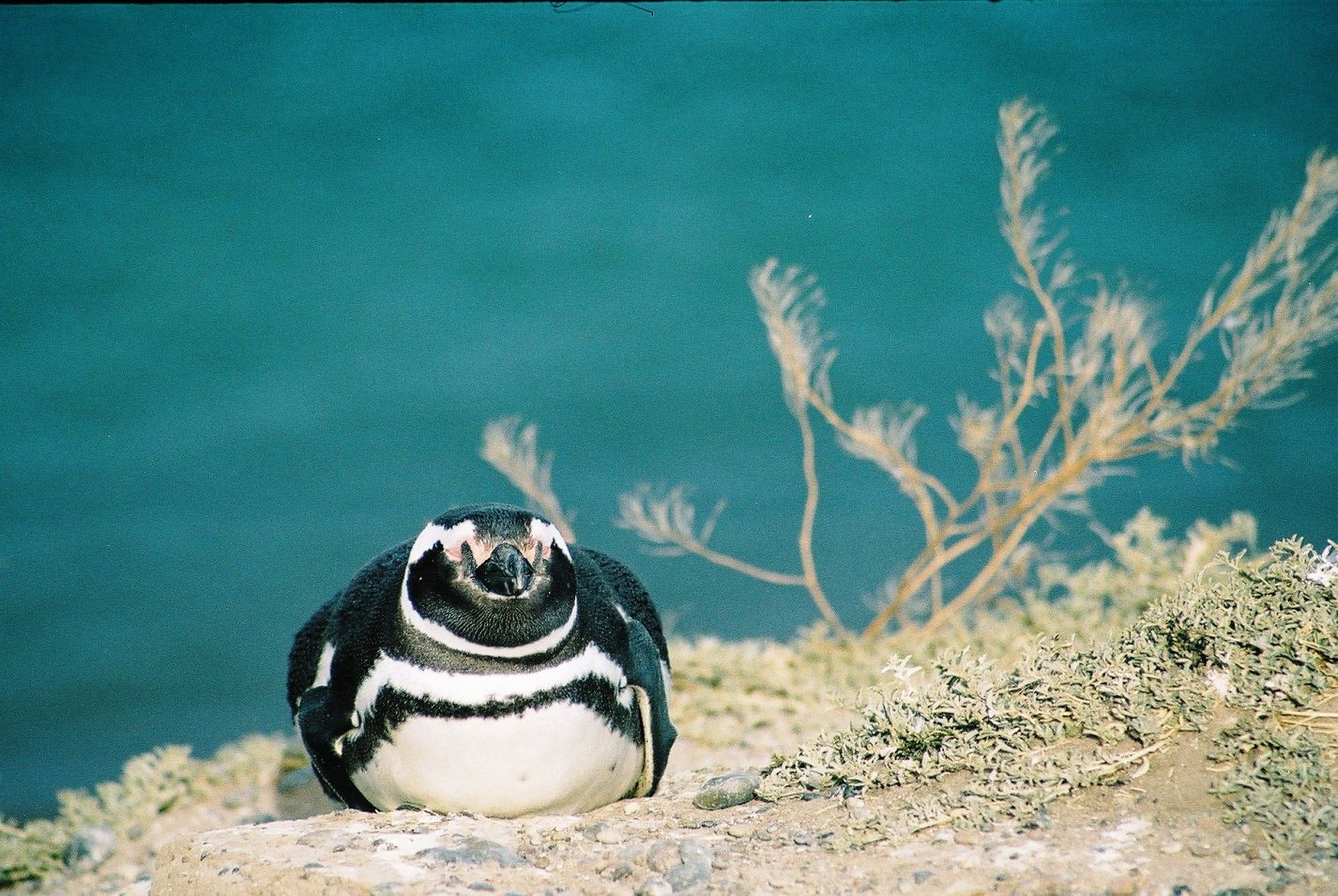
Photo of a sleeping penguin lying on it's belly facing the camera. Against a backdrop of distant sea.
The penguin says you’re doing great. Nearly there.
  • Your writing credentials. 2-4 sentences. Yes really, we don’t need to know much here. This is where a lot of early-career writers get nervous, but don’t. It’s the least important paragraph to be honest. If you have credentials then that’s fabulous and eye-catching, but if you don’t, then remember that everyone loves to discover a hidden talent, so trust your story to stand up without props. Some things you might include are:
    1. Previous novel/novella publications. Say what they are, who published them and when. If you self-published, you can mention it, but some folk say they’re only interested if it comes with a measure of success – lots of reader reviews, an Amazon bestseller flag, a trade review etc.
    2. Short fiction. Say where they were published. You don’t need to put story titles or dates, and if you’ve got quite a few, just pick the biggest publications (e.g. the ones that pay pro- or semi-pro rates, or the ones with the largest social media accounts).
    3. Prizes & prize listings, scholarships, awards, creative writing courses. Say what the prize/course/award was, and it’s probably good to say which year, although if you’ve quite a few, don’t bother. Again if you’ve a few, pick the most prestigious & recent.
    4. Any other important information. You might want to mention your profession, your location or identity. You don’t need to tell us about your cats, your non-writing hobbies, or that you love reading. You can tell us about the cats if you really want to, I guess. Regarding disclosing marginalised identities – the jury is out on whether to do that or not and honestly, I think it’s entirely up to you. If it’s relevant to the story then you’ll already have mentioned it in the Background Paragraph. If it’s not relevant but you’re submitting in response to a specific call, then you’ll have covered that in the Opening Paragraph. Disclosing it isn’t going to put a good agent off. Anyone it does put off is clearly not someone you want to work with anyway, so perhaps it’s useful as a filter if nothing else. Do what you feel comfortable with.
  • Sign off. ‘Please find attached…’, ‘Thank you for your time…’, whatever your personal approach. And ta da. That’s it. Well done you. Have some chocolate.

That was quite a long blog! If you’ve made it to the end then a) well done, b) hope it was useful and c) I love lists.

To repeat what I said at the start, this is all subjective … to a degree. Make it your own, but the essential point of clarity and succinctness stand regardless of the structure you prefer. Good luck! Let me know what you think. But don’t come at me with your ‘I got 6 offers of representation and my cover letter was an acrostic poem’ – we’re not all called Tarquin. Sit down.  
Go back to Blog homepage

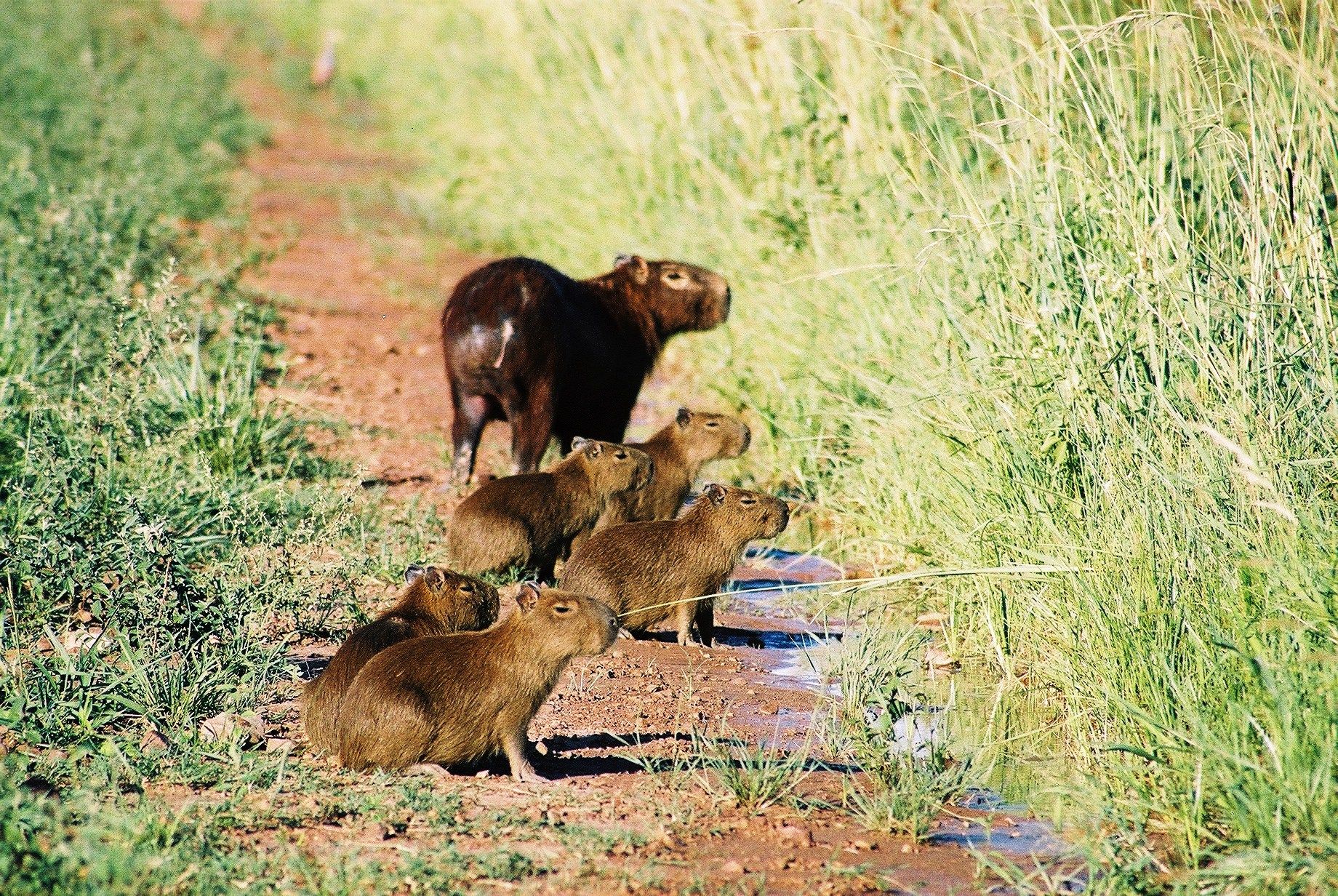
Photo of a mum and five baby capybaras sitting on a narrow dirt track, looking, like they do, rather sleepy and smug.
Here’s some baby capybaras, you deserve it.

Joy In A Time Of Darkness

When I drafted this blog, it was in celebration of the cover reveal of my second book, The Way The Light Bends, and aggravation at yet another sodding storm. But now as I revise it, there are much bigger things happening in the world than British weather or book covers. Hard, heart-breaking, scary, overwhelming things. I don’t know what to say about Ukraine, or the tory government, or the new IPCC report other than that I wish I could do more than I am. I wish the world was doing more. What I am going to talk about instead is something that’s been on my mind –

Should we celebrate things when doing so feels like a travesty?

I think I am not alone in struggling with this. People are dying because of evil men. We are worn thin by heartbreak and fear that are both so large they are almost incomprehensible. It feels wrong, narcissistic, or simply too much of an emotional effort to be joyous as well.

Going back to storms, did you know we find wind stressful because it makes it harder to detect predators approaching (all that noise & moving vegetation)? It’s a fear response stemming directly from our inner rabbits.

The pandemic, the increasingly inhumane government, Putin, climate breakdown, they are all like the wind – a background (if we’re lucky) presence that creates stress, raised vigilance (hello, doomscrolling), a sense of vulnerability and powerlessness. And even when there is very little we can actually do to control those things, the stress lingers. It embeds itself in our minds and muscles, and wears us down.
So should we celebrate things like book cover reveals, nice reviews, publications? How about birthdays, World Book Day, seeing your friend for the first time in two years? Those things all deserve celebration, but doing so feels so bloody wrong doesn’t it?

Dealing with these crises with strength and empathy, though, requires endurance. And that comes from resilience. If we who are on the sidelines are too drained, too paralysed by powerlessness, we will inure ourselves to the bad news because that’s the only way to cope. Sound familiar? So how do we build resilience in ourselves that allows us to fight for change, to do what is within our power, to care about people beyond our own small circles?

I think we build resilience through joy and hope, just as much as through grit and determination. I think we stave off apathy through reminders that there’s an alternative to despair. There’s endocrinological evidence to back that up, but I’m too low on spoons to be specific. Basically, good things give us bursts of ‘feel good’ hormones, which energise and stabilise us.
So here’s my thinking:

  • First we do what we can to help create change – we donate, we vote & petition, we lift up voices.
  • Second we find a reason to smile, because if nothing else, nolite te bastardes carborundorum.
  • And third we create art because we need beauty, and we need stories that speak to a better world.

It doesn’t feel like much, does it? And in the grand scheme of things, it isn’t. Plus it definitely doesn’t remove the taint of heartlessness to the idea of celebrating something lovely. But we are not built for despair so maybe sharing joy means helping each other stay the course.

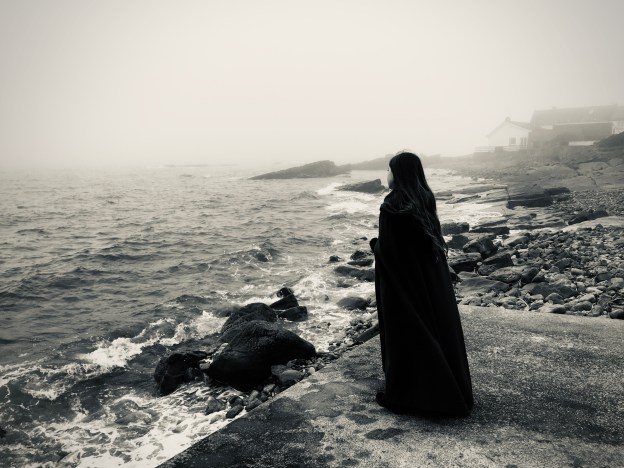
Black and white photo of a figure in a black cloak looking out to sea.

We revealed the cover of my next novel, The Way The Light Bends on Tuesday. I am so damn proud of where I am and so honoured at the support I’ve been shown by readers and publishing folk. I love this cover enormously and am so excited about All The Good Things I have happening.

I am also in quite a lot of pain, and deeply heartsore, worried and exhausted. I know I’m not alone. I also know I’d love to see your good news, I’d love to be happy for you.

Is that okay, if we do it on top of direct action? Or does it detract from the seriousness of everything else? Maybe, but do we need a little bit of … not distraction but brightness? I think so. It gives me the energy for hope, which is no small achievement.

I don’t really have an answer to the question I started with. It feels wrong to celebrate things right now. But it feels bleak to refuse to do so in the belief that somehow silence is preferable to a little shared beauty. What do you think?

Go back to Blog homepage

a photograph of a sunflower.

The Way The Light Bends

Black and white photograph of a girl kneeling in the surf, her back to the camera.

I am not entirely sure what has happened to the last few weeks. I’ve had this blog post on my list of things to do for … quite a while, and now suddenly it’s three weeks since a Very Exciting Announcement was made on the Luna Press website: the news that I have A SECOND BOOK coming out! *Cue pom-poms* It is called The Way The Light Bends, and you can read the Luna blogpost here, then read on for some more behind the scenes details…

As I say on the Luna blog, The Way The Light Bends is a very different creature to This Is Our Undoing. If Undoing started from despairing at the brokenness of the world, then Light started from marvelling at how many broken edges people can carry and yet still appear whole. It’s a quieter novel in some ways – it’s not a dystopian, there’s no spy-thriller-murder-politics edge to it. What there is instead is the dark side of Scottish folklore, a disappearance, two very different journeys through grief and the way that family can both hold us together and tear us apart.

Drops of blood and silver, the haar, the sea, moonlight and hope. The bones of a bird, and a very beautiful, dangerous man.

Photo looking back at St. Andrews along West Sands beach with white surf and wet sand, and a lone figure in the distance.
West sands, St. Andrews

Sound interesting? I hope so. It was a hard book to write because grief is not comfortable or neat, but I love the shifting, evanescent mood of the story, and I really loved writing about two sisters, Tamsin and Freya, trying to find their own ways home. Fortunately (!) my relationship with my sister is not remotely like theirs, but there are elements of the family dynamics that come from my own experiences, which was profoundly weird to put onto paper. Not sure how anyone writes a memoir – that stuff’s tricksy!

Weirdly, I wrote this book before I wrote Undoing. It very nearly got published TWICE would you believe, and when it fell through the second time (I won’t go into that, so don’t ask), I completely lost faith in it and set it aside to focus on Undoing. And I’m so glad I did.

If I had stuck with The Way The Light Bends at that (frankly quite low) point, I’d have just continued to bash my head against my own failing self-confidence. Where-as by turning to Undoing, I rediscovered some belief in my writing, and found Luna Press, who are the absolute bestest.

Photo of a burn in flood, flowing around the bases of silver birches. The trees are dark against the silvery water.

The journey that this book (and my confidence) has been on makes this step all the more precious. I am honestly so delighted to be able to continue working with Luna Press, and am convinced those other near-misses were meant to be, because I couldn’t ask for a better home for this book full of dark water, lost sisters and the power of hope.

Have a look at the photos below – I feel like they catch something of the book’s mood.

Next stop, cover design. *silent cheering* I love this stage…

Go back to Blog homepage

Brave New World

Last weekend I attended FantasyCon in Birmingham (see pics), The British Fantasy Society’s annual event. It felt like a brave new world for several reasons – the first in-person event now that we are in the (hopefully) latter stages of the pandemic, my first con, my first appearance on panels, hell, my first time meeting more than three people at once in 18 months. We were all venturing out of our caves into a new world that felt both daunting and hopeful, and I personally couldn’t have asked for a better place to venture into.

Between the hotel and the organisers, and with numbers lower than normal & masks compliance higher than I’d feared, I felt far more comfortable than I might otherwise have done. So thank you, everyone, who made that happen.

I’m not going to do a report on the Con itself because others have done that already & some of the sessions are on the Youtube channel here too.  Instead I want to chat about what it feels like as a newbie author, and spoonie, doing these things.

First off, launches are great.

I am glad I did my This Is Our Undoing belated launch alongside three other authors (Allen Stroud & Cheryl Morgan, contributors to Worlds Apart, and John Dodd author of novella Just Add Water). Having all of us reading and talking made it feel like a community celebration rather than a Look At Me. There’s nothing wrong with Look At Me events, we kind of rely on them after all, but I prefer a Yay Us feel instead, personally. So anyway we all talked about and/or read from our work then signed books and ate biscuits. It was lovely, people said nice things, admired Daniele Serra’s amazing artwork, and I realised a) there is nothing I can do to make my writing look neat, and b) I often add too many ‘r’s to my name when I’m in a rush.

Second, panels are more fun than I expected.

Honestly, I had a blast on both of mine (Beginning to Write, and History of Representation in SFF). I’d never done anything like it before either as a scientist or a writer, so I was expecting nerves and overwhelming social awkwardness (especially given the emerging-from-cave situation). BUT I felt relaxed and able to contribute more or less coherently, and I wasn’t even slightly a shaky mess. I mean, I was shivering like mad in one of them as I was sitting right under the aircon vent, but Covid, etc – probably the safest place in the room to be, hypothermia notwithstanding.

Third, being with other writers is so utterly lovely, isn’t it?

I’ve missed that. I started the weekend knowing two people and ended up with a whole gaggle of new friends; interesting, enthusiastic, supportive and fun new friends. I know Zoom is useful, I find remote access invaluable, but I’d missed meeting in person. I’m so glad I went.

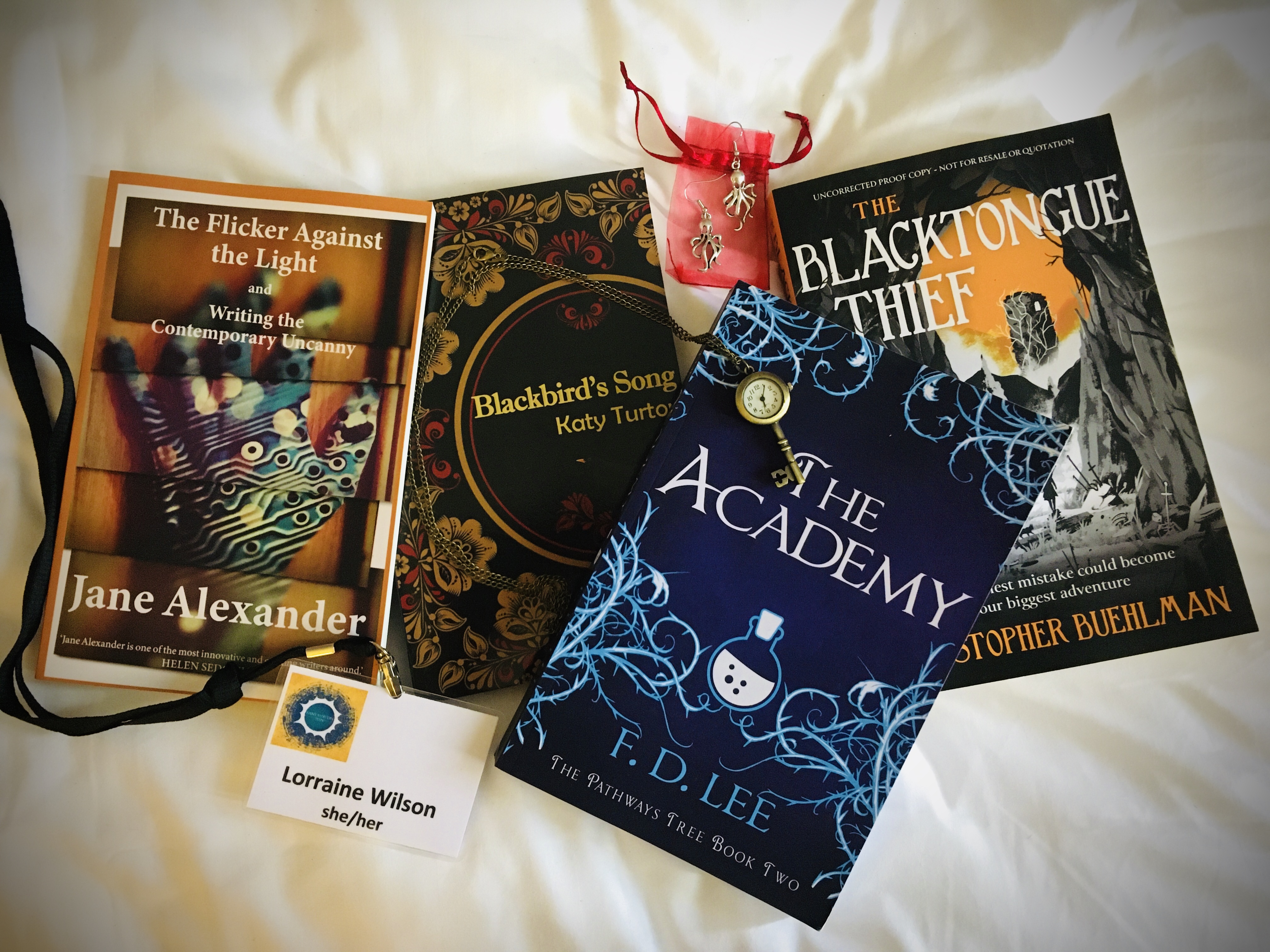
A photo showing four books, a necklace with clock pendant and a pair of octopus earrings. Books are The Blacktoungue Thief, Christopher Buehlman; The Academy, FD Lee; Blackbird's Song, Katy Turton, & The Flicker Against The Light, Jane Alexander.
Bookish & treasure haul (cruelly restricted by bag+train combo)

I’m so glad I went, despite the cost.

Because ooh boy, the cost. As you already know if you follow me anywhere online or have read previous blogposts, I’m a spoonie. I live with disabling illnesses that DO NOT LIKE me doing anything beyond the bare minimum. So train journeys, ‘performing’, being intensely social, late nights, changed eating routines, even carrying a bag around all day … all of these are MAHOOSIVE triggers. Which means the weekend was incredibly hard on me physically, both during and now – five days later I’m still struggling. I’m hoping to be a little more stable by next week.

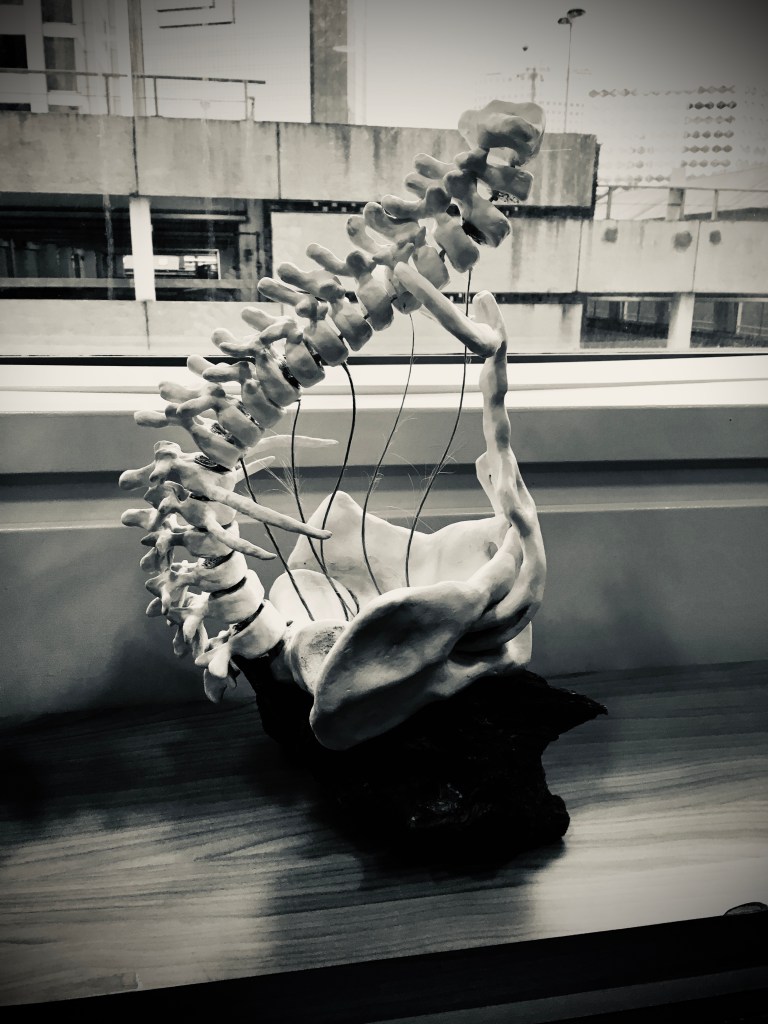
Black & white photo of a 'bone harp' model, brought by Lucy Hounsom & relating to the folktale in her book 'Sistersong'.

Fortunately, I was able each day to go back to my room, dose up on a pharmacy’s worth of drugs and crash for a few hours before re-emerging frazzled but more or less human. It wasn’t perfect, and to be able to do that meant going without drugs the 10 days leading up to the event (otherwise overdose feedback bleurgh stuff), but it allowed me to carry on functioning. Even more fortunately, my publisher knew I would need to take it easy & made sure I felt able to do so.

PS: look at this ridiculously creepy/fabulous bone harp brought by Lucy Hounsom!

One of the highlights of the weekend, as I struggled with spoons, was the panel on disability representation, and the discussion around driving change in the industry. Ironically, it wasn’t one of the events streamed or recorded (no blame intended, could have been due to a number of things e.g. consent/tech issues) BUT it sounds like the British Fantasy Society have both the awareness and the will to continue to improve access for disabled writers at future events. I hope so. One of the panel members said that change depended on more disabled people writing. I pointed out that we were, we just weren’t being published, and access is a huge part of that disconnect. I would love to see fully hybrid events, subsidised tickets, comprehensive access information and provision of BSL interpreters. How about a buddy system for newbies or people who’d find a companion helpful?

The pandemic has demonstrated what the disabled community have been saying for yonks – that overhauling access is actually perfectly possible. Now let’s see that awakening lead to permanent changes (see these guides), and not let the comfort of the ‘old normal’ return to excluding so many.

Here’s to the crips. And the people who are listening to us.

So, with my spoons depleted and my soul revived, here endeth my blog. FantasyCon was wonderful, hopeful and welcoming … I cannot wait for next year.

Go back to Blog homepage

Photograph of the sea, some rocks & a distant Isle of May. The clouds are gloomy but sunlight is turning the sea silvery.
Returned home to a very Autumnal Scotland!

Diversity in Publishing, Mentoring, and Imposter Syndrome.

I was half way through writing a very different blog post last week when UK publishing had a rather drastic explosion on social media. I won’t go into the details but it started with someone commodifying the work of vulnerable children whilst writing about those children in terms that were racist, ableist, weirdly appearance-obsessed and basically pretty cruel; and ended with a very, very high profile white male author calling women of colour Taliban/ISIS terrorists for expressing (politely, courageously) their discomfort with the book.

Photo of a wolf watching the camera.

It’s not been a fun few days to be a ‘minority’ author, watching the great and the good of the world you are trying to navigate throw people like you to the wolves to protect those they see as righteous (hello white saviours) from the slightest slight. And no, ‘throw to the wolves’ isn’t melodramatic, the bigot bots were out in force against the women of colour at the centre of the backlash, which made the deliberate comparison to terrorists even more despicable.

The thing is, this isn’t the first time this kind of thing has happened. And although this incident is the industry playing its cards very openly, we know that even when the black squares and the rainbow logos etc are up, the cards don’t necessarily change. You don’t have to look very far to find statistics which prove that. We know that such a damaging book made it through countless hands on its road to publication & award, so what proportion of those people were from marginalised groups? What proportion were uncomfortable with the text but felt unable to speak up, or were ignored when they did? What proportion didn’t see anything wrong with treating vulnerable children that way at all? Will any of that systemic bias actually be changed by the publisher’s talk of ‘revising the book for re-issue’? These are not encouraging thoughts to have if you’re marginalised, or comfortable ones if you’re a decent person from a majority identity, and so it’s very easy to feel powerless to do anything. And, incidentally, afraid of doing anything. These are powerful people, they can shape your publishing prospects, and it’s frightening raising your head above the parapet. Other than express my views in a Twitter post then, what can I, a newbie and fairly insignificant author, do?

Black and white photo of lone child silhoutte against a backdrop of bay and mountains. The atmosphere is a bit bleak and lonely. Taken in Iceland.

Not an awful lot, really. Buy books from marginalised authors? Well, that’s the majority of my books already. Not buy books from those authors who’ve shown their bigot card? Yes, I’ve got a new name to add to that list, sadly.

The one thing I can do is this: try to help other marginalised writers. The only way books like this will get dealt with before they do harm, the only way better, more positive books will make it through the system is if more marginalised voices are in the room – both the literal editorial meeting room, and the figurative UK publishing community space. I can’t do anything about the former, but perhaps I can do something about the latter.

I’ve been wanting to provide some sort of service to other under-represented writers for a long time, but not done anything because … well, the Big & Recalcitrant Imposter Syndrome, basically. But I decided when I signed my publishing deal for This Is Our Undoing that once the book was out and I was officially A Published Author, imposter syndrome could go jump in the sea & I’d Do Something…

…The book came out last week, UK publishing did a giant racism/ableism and I guess there’s no better time than the present.

So, I’m going to start out small, partly because I have no idea whether there’ll be any demand, and partly because I have to manage my own health and there’s only so many extra commitments I can take on. But here’s the page outlining what I can offer, and how it will work. Let me know what you think.

Go back to Blog homepage

Photo of a granite rock & its reflection in a tide pool in pale sand.

The Faith & The Fear

I’m not entirely sure about this blog. I mean, basically it’s me crying ‘what if you don’t like me!’ into the void. Which is both slightly unattractive and plain daft. However, I think it’s a feeling a lot (all?) writers experience to some degree as launch day approaches (and after, but I’m living in a universe where ‘after’ isn’t allowed to exist yet). So let’s talk about it, shall we?

You see, this is all just a little bit scary. I wrote this book, you may have heard me talking about it. And I thought it was pretty good; in fact I still do. I had enough faith in it to send it to publishers, after all, which takes guts. Only … now it’s up to you guys whether you think it’s any good, and apparently I’m not allowed (by my bank manager and by privacy laws) to send you all bribes to make you say nice things?  

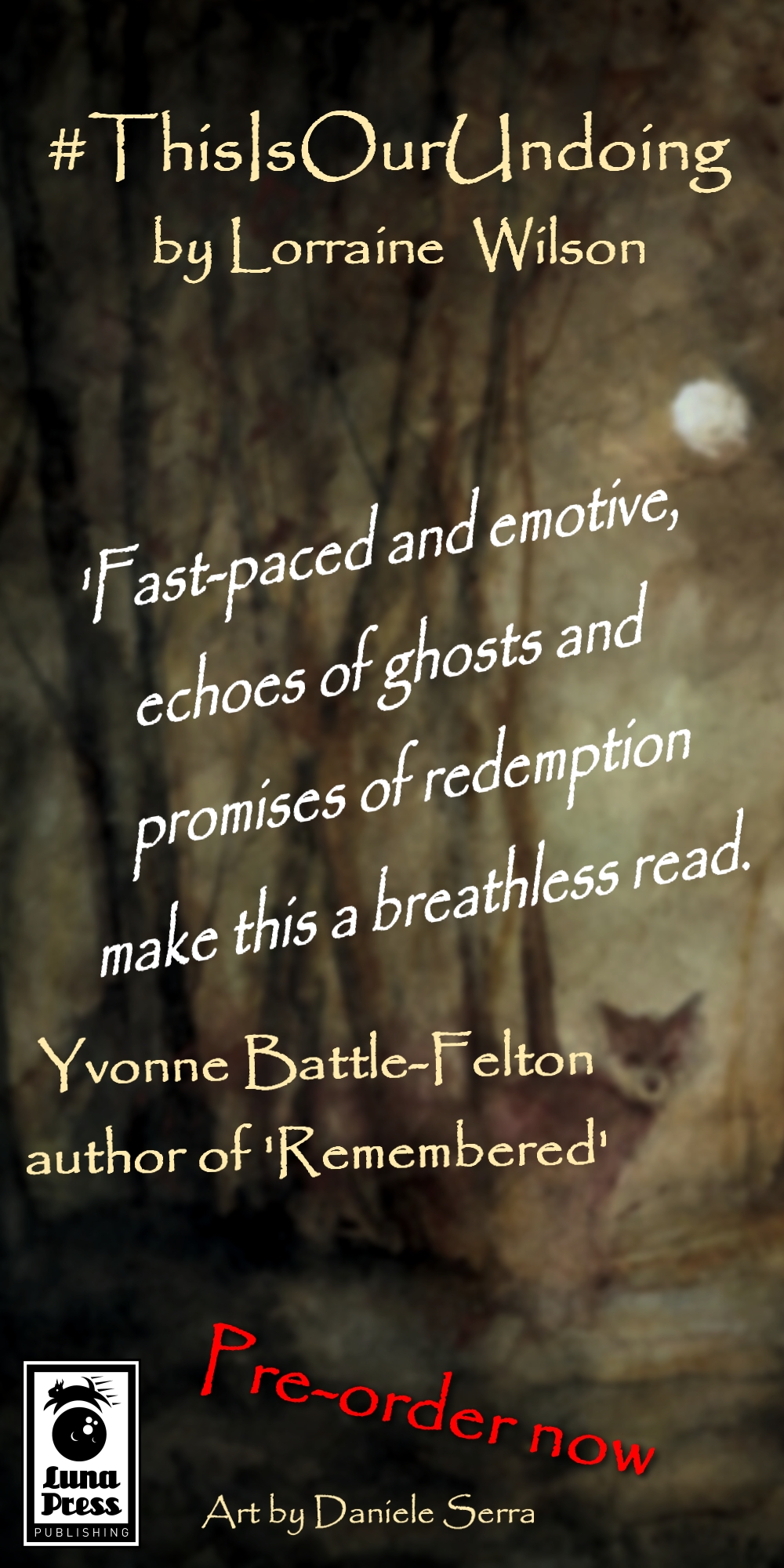
At present, I have had two amazing cover quotes from two wonderful authors, Yvonne Battle-Felton and Will Dean… and ARCs of the beast are out with gazillions (almost) of reviewers, including a blog tour’s worth of book bloggers. How fabulous is that? All those people willing to give up their time to read and review my own words. *melts*

ALSO, as if that wasn’t enough, my fabulous publishers have taken a huge leap of faith on the book, and produced a Limited Collector’s Edition hardback. This is truly fantastic. It moves me deeply that they see such potential in my story, and I feel deeply honoured and very, very excited to see it. Each copy is going to be unique, with an individual quote from the book, personalised messages to the buyer and my very own name (HALP – I need to decide how to sign it… Raine? Lorraine? Lorraine Wilson?). Check it out here. Isn’t that something quite special to happen to your book?

Painting of fox and forests overlaid with text saying 'Fast-paced and emotive, echoes of ghosts and promises of redemption make this a breathless read' Yvonne Battle-Felton, author of 'Remembered'
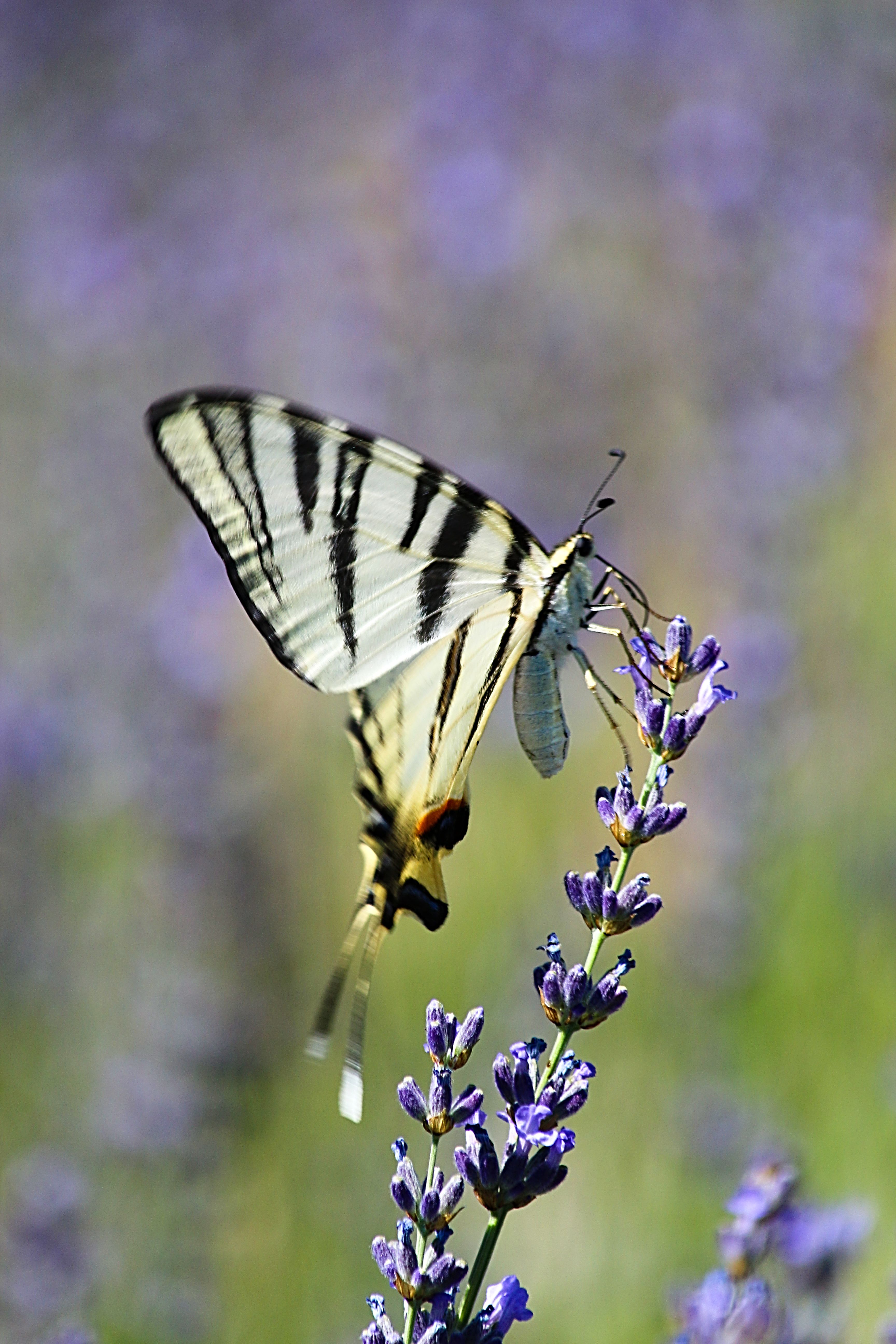
Photo of a scarce swallowtail butterfly feeding on a lavender flower stalk.
A lucky bug (Scarce swallowtail)

And honestly, I can’t wait to see what other people make of my book – how they interpret the characters and the themes, who they love, what they connected with. In the author panel I did with Yvonne Battle-Felton a while ago, Yvonne said that she loved Kai, and wanted to know more about him, and that was … wow, someone loved a person who used to exist only in my head … how fabulous is that? What a strange and magical thing to happen. I am a lucky bug.

…so anyway, that’s the FAITH. People willing to volunteer reviews of my book. A publisher gambling on special editions of my book…

And HERE’S THE FEAR:

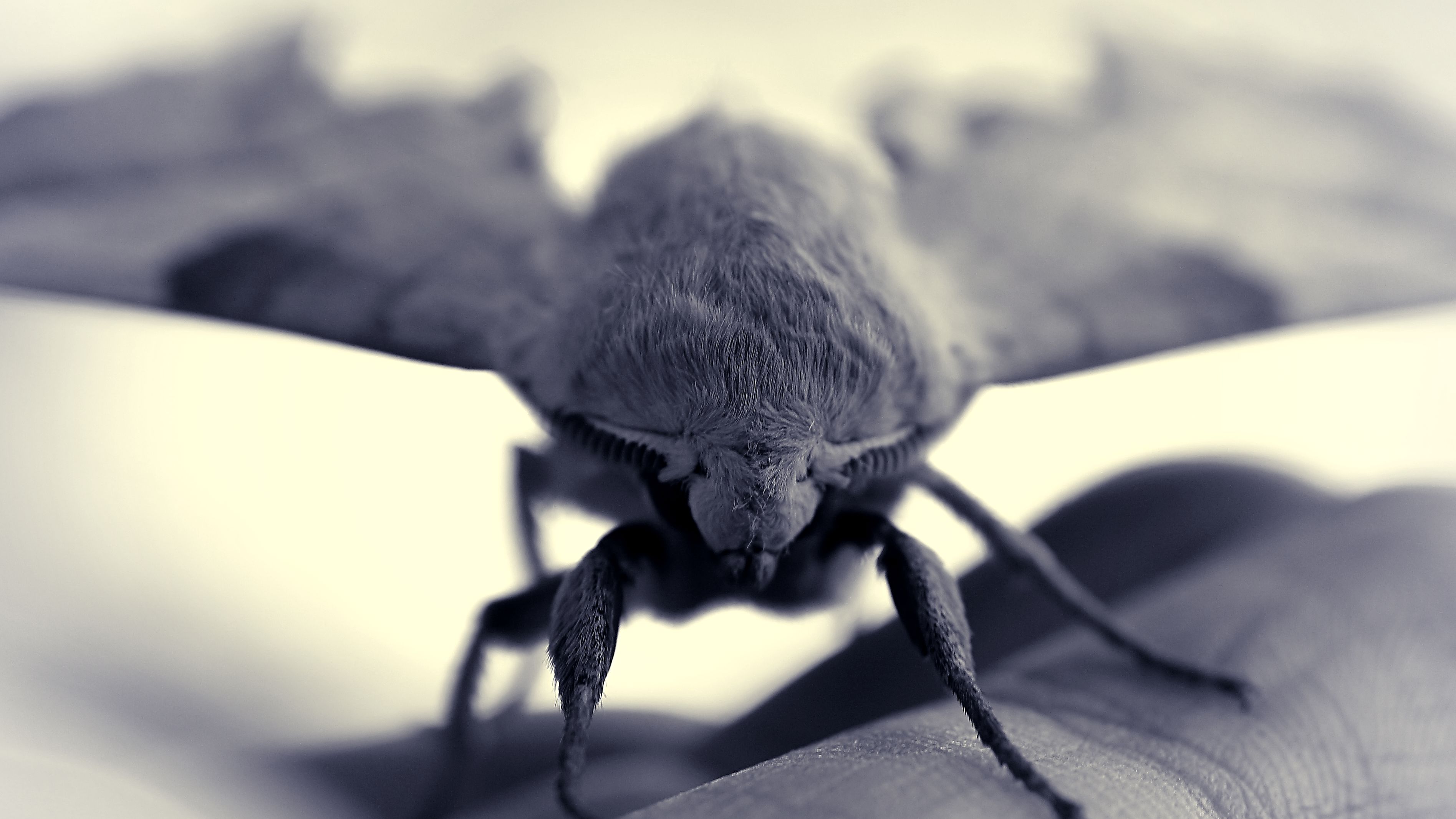
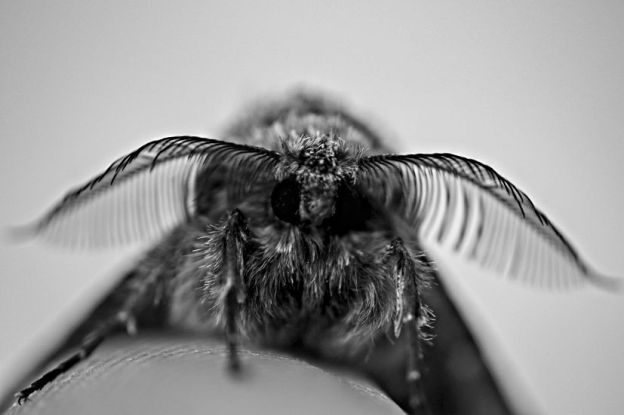
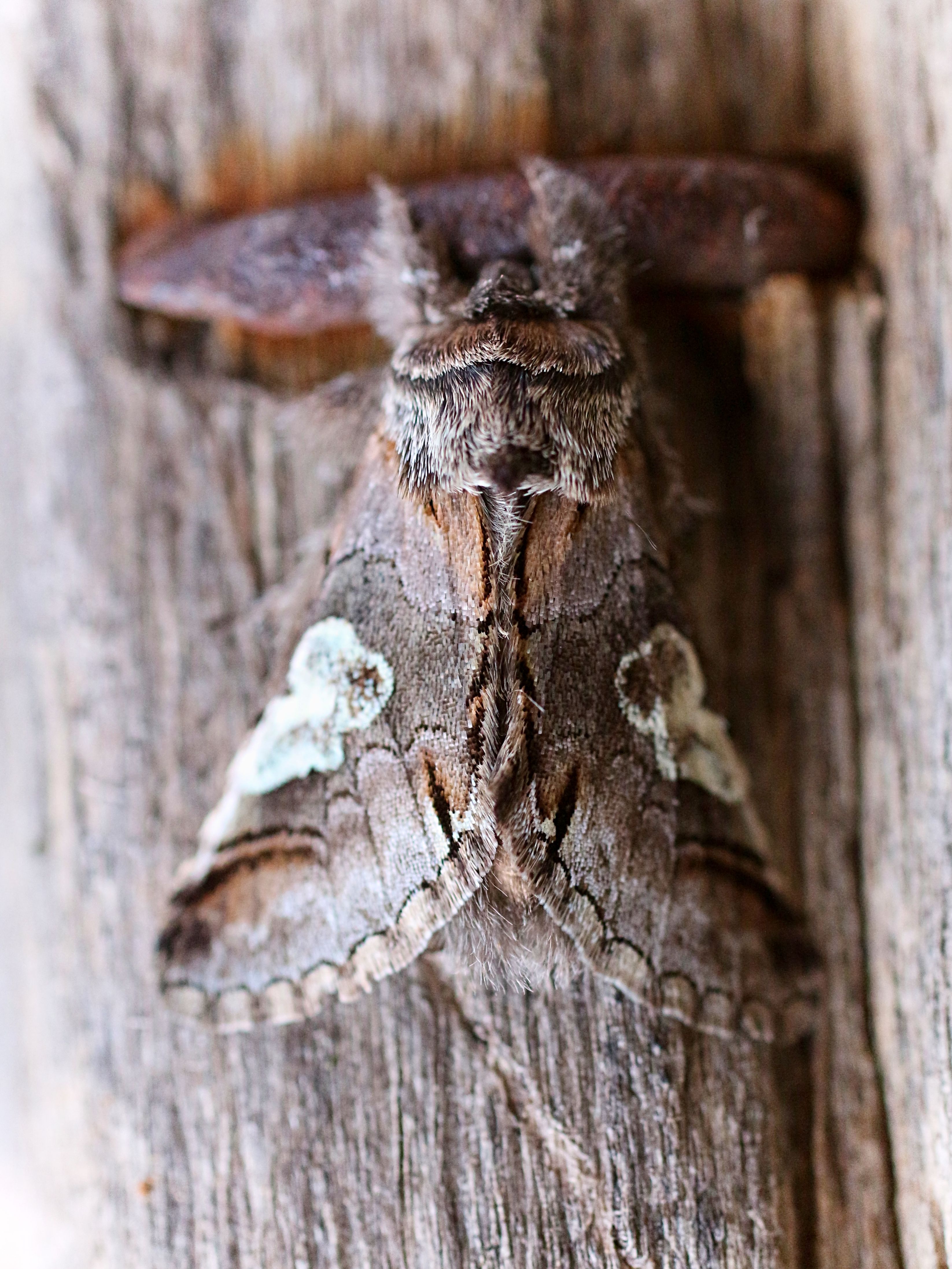
Black and white close up & head-on photo of an Oak hawkmoth.
Oak hawkmoth looking, I think you’ll agree, fearsome

What if all those reviewers hate it? What if no-one (other than my mum) buys the special edition, or the hardback for that matter, or – hell, paperback or ebook? What if my lovely editor is in actual fact the ONLY OTHER PERSON IN THE WORLD who likes my book? It is statistically unlikely, I’ll grant you, but not impossible.

Now, in my more rational moments I know that a) these fears are understandable but equally b) shut up, you fool.

But my rational brain seems to have decided that the lead up to release is a really good time to hibernate. (It’s called aestivating in the summer, did you know? It’s a good word)

It feels weird to talk about this. I feel like I’m meant to emanate a kind of confident, enthusiastic expectation of success, or something. But isn’t it more normal to talk about being nervous before an important event? Isn’t it okay – and more honest – to say ‘hey, I’m feeling the fear, but I’m also really looking forward to hearing what other people think’ because the fear doesn’t stop that other bit being true. In fact it makes it more true. If I truly wasn’t nervous, it would be because I didn’t care what you thought of This Is Our Undoing, and I do care. Very much.

close of up a figure of eight moth on wood, looking very well camouflaged.
Me (or a Figure of eight moth) pretending I’m invisible.

So wish me luck in the weeks ahead, would you? And please, if you read This Is Our Undoing and like it, let me know?

Go back to Blog homepage

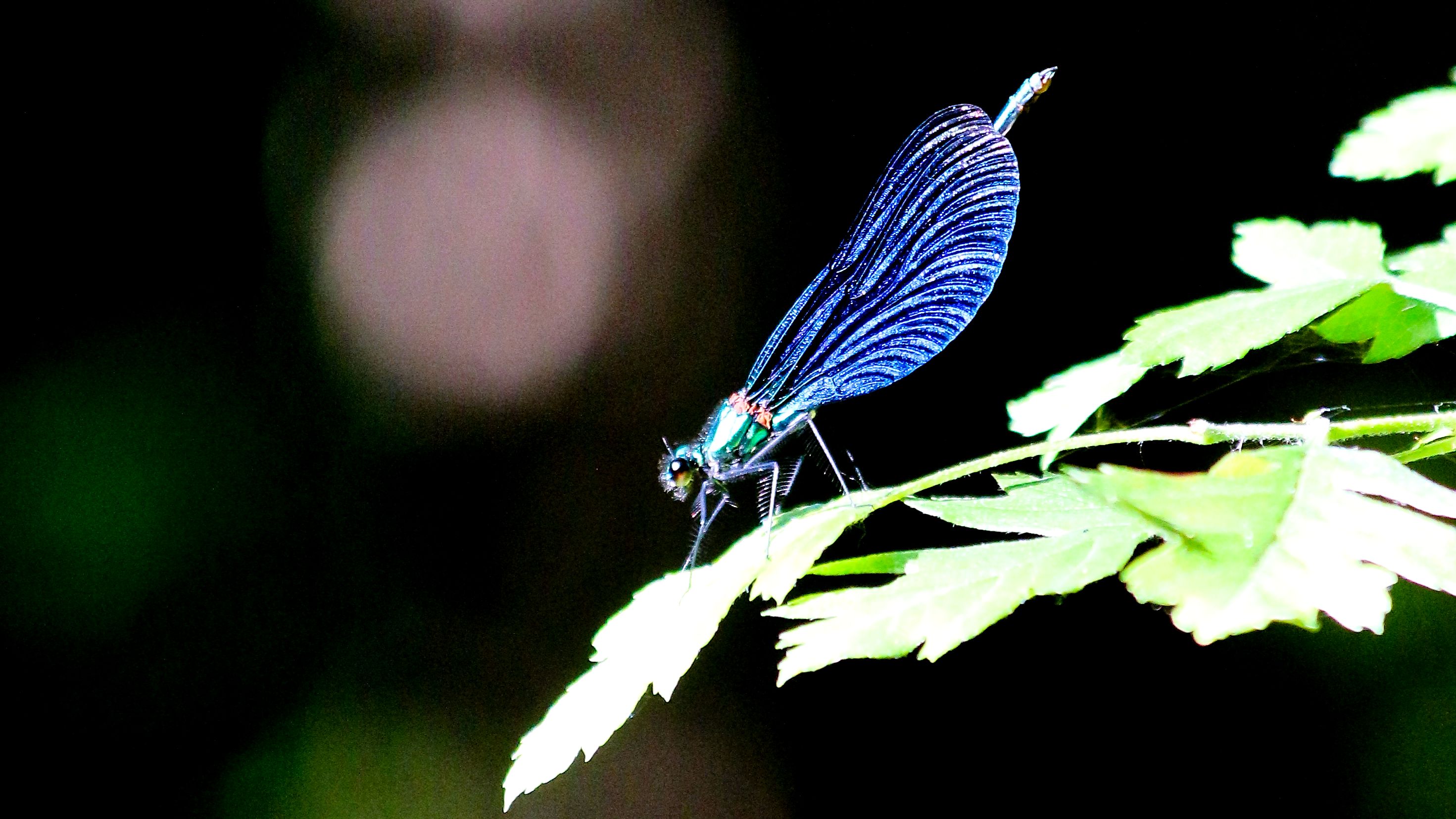
Photograph of a male Beautiful Demoiselle damselfly on a leaf. The sun is catching the vivid metallic blue of the wings.
Me (or a Beautiful Demoiselle) emanating confidence and success.

Real Author Stuff & Spoons

May seems to have filled up with what my mind insists on calling Real Author Stuff. Namely, interview blogposts, a newsletter highlight, live & recorded reading events, and a book club visit. I’ll give you the details in a moment, first I’d like to squeal quietly at you, if that’s ok.

*me squealing*

I am loving it, in case you were wondering. Each one of these things is a shiny brass weight in the ‘Yes, you are an author’ half of the scales and a pigeon feather in the ‘haha, good joke, yes?’ half. Which is nice. I’ve mentioned in passing before that getting to this point involved a few set-backs. In summary, they included having and then losing an agent (book1), having two publishing offers (for book2), one of which I accepted but that then fell through, dozens and dozens of full requests (books 1-4), several phonecalls and similar near misses (books 2-4), some blatant prejudice, some amazing encouragement… and then This Is Our Undoing (book3 btw) found its true home with Luna. Add in the chronic illness palaver and it’s been an occasionally challenging process.

So being asked to take part in Real Author Stuff is … it’s magical frankly. I am stopping to smell the roses.

Photograph of wild rose bush covered in pink blossoms.

Sadly, aforementioned chronic illness doesn’t entirely agree.

This is one of the things with living with disabling illnesses – that everything, and I mean really, literally everything has a health cost. Gardening for half an hour? That’s a spoon or two please (for an explanation of the concept of spoons and being a spoonie, read this). Walking down to the chemist to get prescriptions? Worrying about a poorly cat? Cooking tea? A few spoons should cover it. Doing a live reading/author chat in the evening? SO MANY SPOONS.

black and white close-up photo of a moth with droopy antennae - it looks sad.
brindled beauty pulling a sad face

Spoonie life is a juggling act, a walking on eggshells existence.

It is a constant bartering of ‘I really want to do that on Thursday, so I can’t risk doing this today’, or ‘I’m doing this on Wednesday, so Thursday and Friday are written off.’ And that’s fine. I’m lucky that with planning and recovery time, I can generally do things. (I mean, it’s not really fine, but *shrug* that’s life, you get on with it.) However, it’s been brought into sharp relief with the advent of Real Author Stuff, because I love being asked to do things, and I love doing them, and want to do more (please) so I am … undergoing a shift, I guess. Which includes taking writerly things more seriously. It has always been effectively a ‘hobby’, so in the spoons bartering it’s been hard to justify paying too much for it, when my ‘payments’ (days of ill health while I recover) affects my family as well as me. But writing isn’t a hobby now. I’m an author, I’m allowed to give Real Author Stuff value. Which is both a very complicated equation still, and also contrarily incredibly liberating.

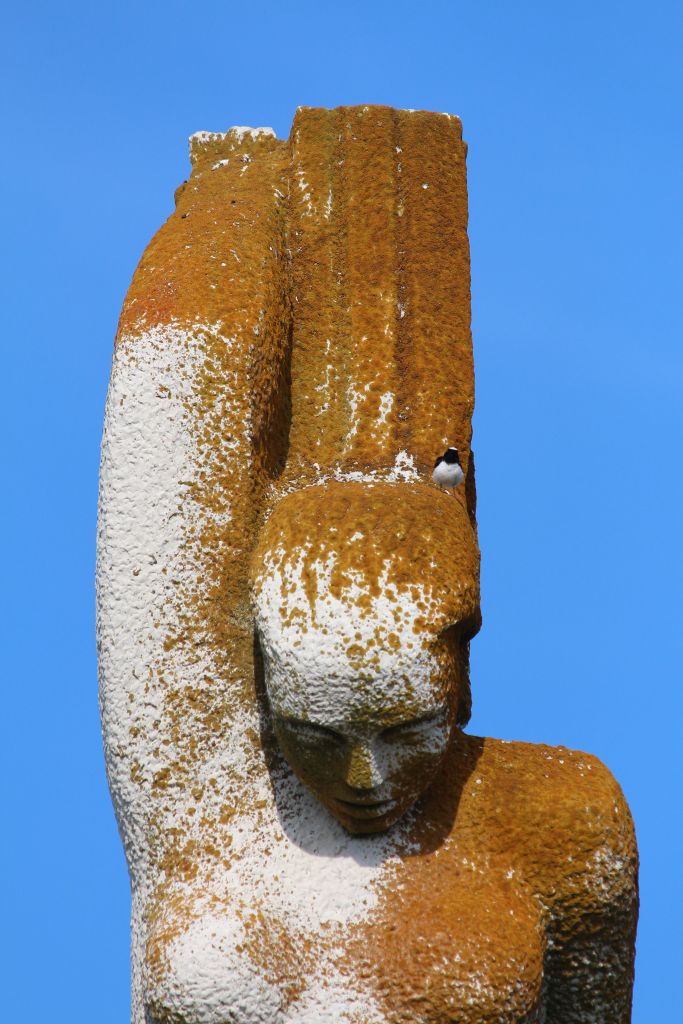
Statue of a woman with head bent, holding something on her shoulders with one hand. It's very soviet and very striking. There is also a pied flycatcher sitting on her head.

On the other hand, I’m still allowed to protect my health, even with Real Author Stuff. And one of the absolute greatest things about publishing with Luna Press is how unconditionally supportive Francesca has been. Honestly, I cannot put into words how bolstering it is to know that my publisher has my back and that in my health bartering, I do not have to add in the stress (goodbye spoons) of worrying about annoying my publisher if I cannot do something.

This blog has turned into … something more complicated than a ‘YAY LOOK AT ALL THESE EVENTS I’M DOING’ blog. But then, living with disability is complicated, and I don’t want to smooth over the nuances and difficulties of that. Yes, it makes for a messier ‘YAY’, but also it makes the good stuff that much more precious. I am smelling the roses, gently.

…And here are some of said roses…

Publishing Scotland’s newsletter Books From Scotland includes an extract from This Is Our Undoing … it contains bears and the very beginnings of All The Trouble. Read it here.

The book blogger Janet Emson – From First Page To Last – published a wee Q&A where I talk about why I wrote This Is Our Undoing, why I love graphs and what I owe Oscar Wilde. Read it here.

I did my first ever live reading & chat with Yvonne Battle-Felton and an eclectic, fascinating mix of other debut authors. My reading is around the 1:20 mark, watch it here, admire my fairy lights & see if you can spot the cat.

…More to come soon, thank you for reading. Wishing you all the spoons you need. This is a slightly psychedelic photo of me (not me) smelling (drinking from) the roses (geraniums).

Go back to Blog homepage

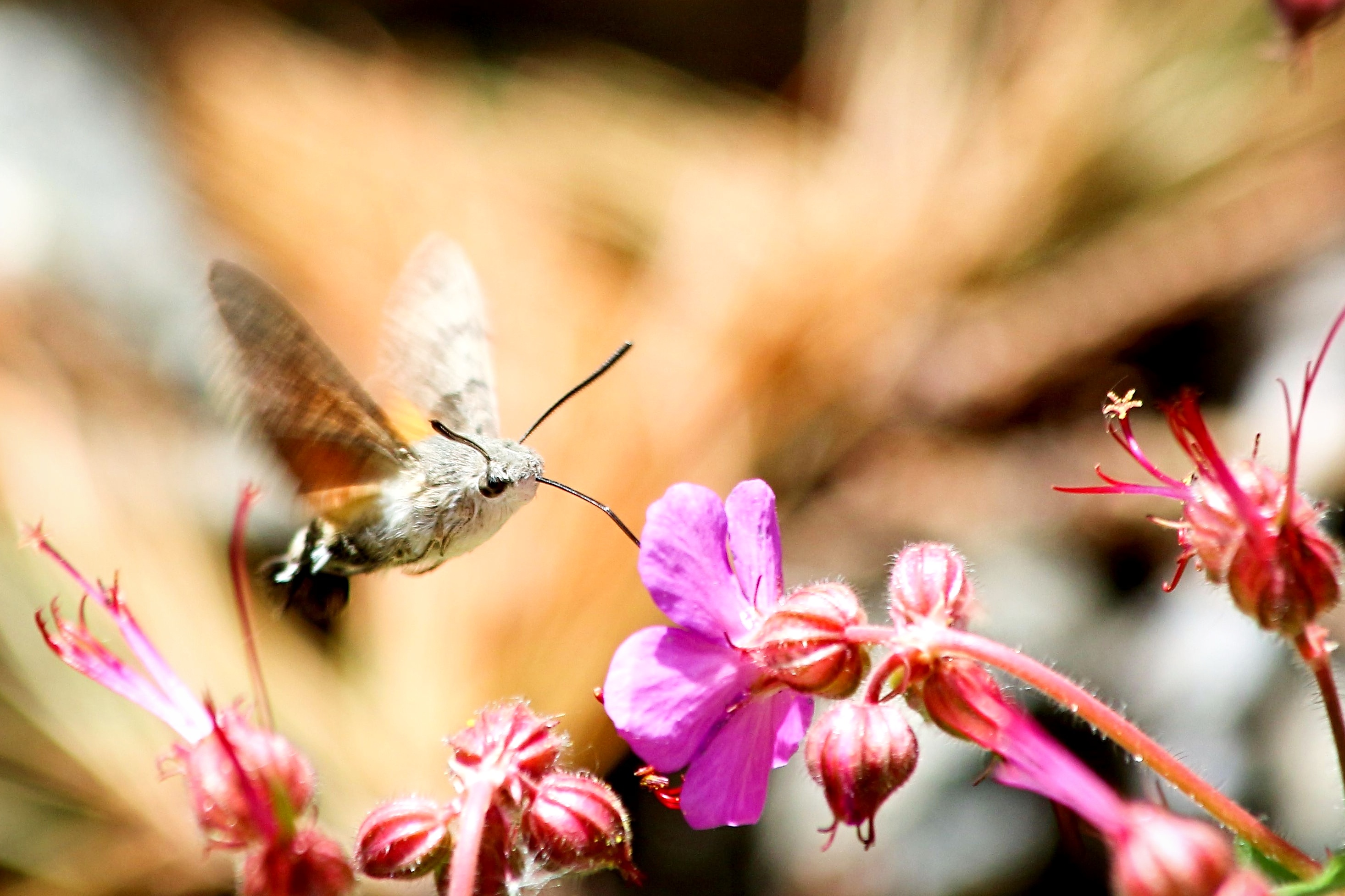
Photo of a hummingbird hawk moth drinking from a wild geranium flower whilst hovering.
Hummingbird hawkmoth

The Art of Waiting

Being a writer involves a lot of waiting, doesn’t it? I’ve been living on tenterhooks for the past couple of months, and finding it (along with everything else going on) really affecting me. More so than normal, which has annoyed the hell out of me because I guess I’ve previously felt a little smug about how good I am at compartmentalising and getting on with stuff rather than obsessing over inboxes. Oh how the mighty are fallen, or the not-so-mighty-at-all, in my case. So instead of staring at my inbox, doom-scrolling Twitter or whinging to the cats, I figured I’d write a post about things that can make the waiting easier. And I’m going to fill the post with flowers because they’re nice.

First, in case you are new to writing/not a writer, you might be wondering what all this waiting is for. Well, at first it can be small things like waiting for some alone-time to write, or waiting for the cranky old laptop to decide whether to start, or, a little later on, waiting for critique partners to get back to you. Then comes the big one: Waiting for agents/publishers/magazines to respond to submissions, which they might never do, of course, leaving those not-answered emails in a Schrodinger’s state of rejected/not-read-yet for the rest of eternity. That sucks, by the way. I’d rather a rejection, however formulaic, than radio silence. But there we go. This stage – the ‘being on submission’ stage is horrible and happens throughout your publishing career over and over again, so buckle up.

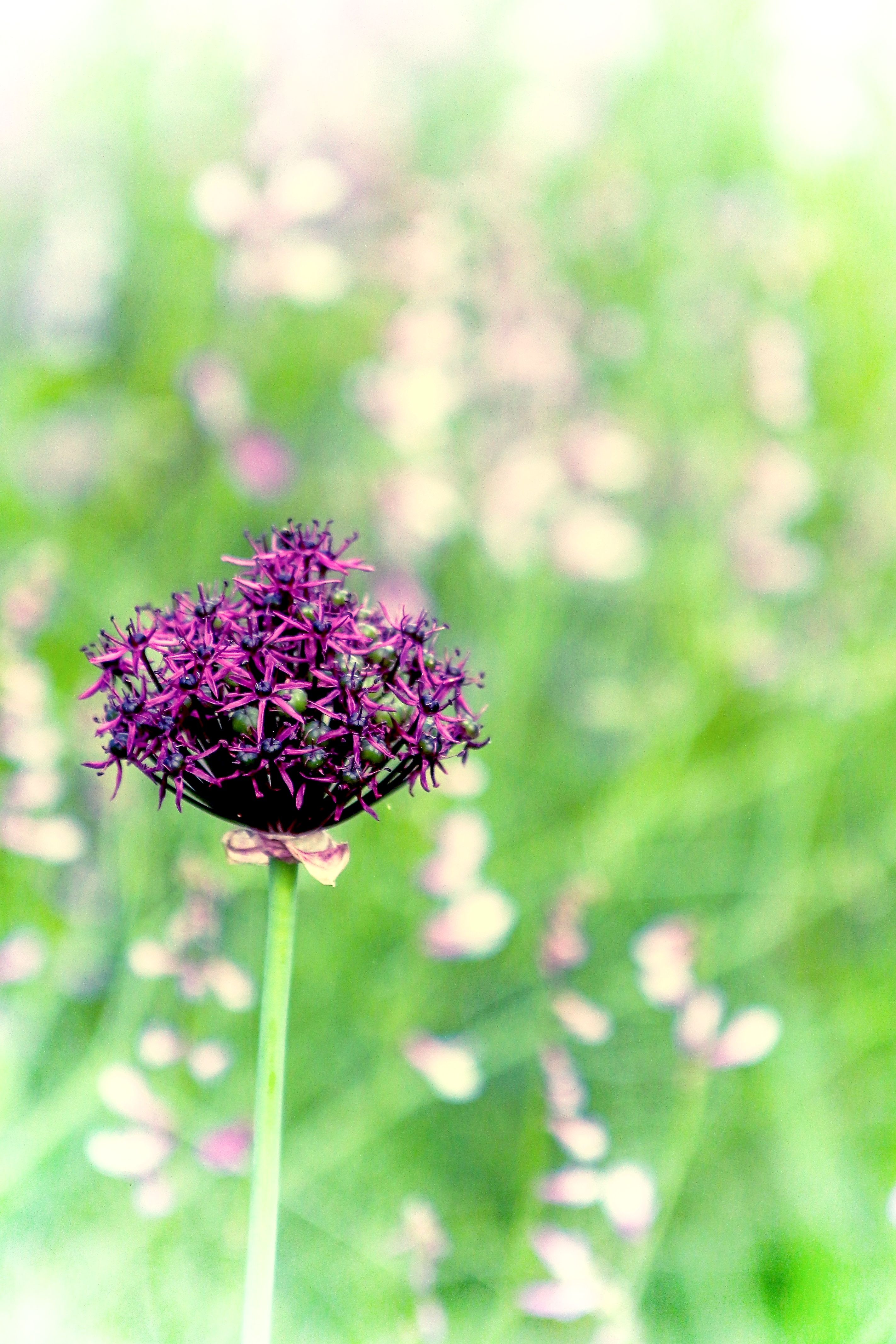
flowerhead of an allium against a backdrop of meadow flowers.
Wild allium in meadow

I’m currently in the ‘on submission’ hellpit for two books with various agents/publishers, (and some short stories actually, but I find them easier to forget about once I’ve sent them off). I’m also, though, in an ‘out for review’ limbo for This Is Our Undoing. This is a whole new world to me. I am waiting for early reviewers, my first ‘professional’ readers, to let me know what they think, potentially for quotes to go on the cover of the book. This is nerve-wracking in a whole new way and to be honest, I wasn’t prepared for it. I was so honoured and delighted and excited that these authors who I hugely admire were willing to read and provide a review for the book that I didn’t really brace myself for how agonising it would be waiting for them. Waiting for these people you admire so much, the first people outside of your publisher to read the actual finished book, knowing that they get asked to read other books by (better) bigger names and how can you possibly compare to that? Fun, huh? Anyway, that’s where I am. Please send hugs. And then read this collection of things that have helped me cope in the past…

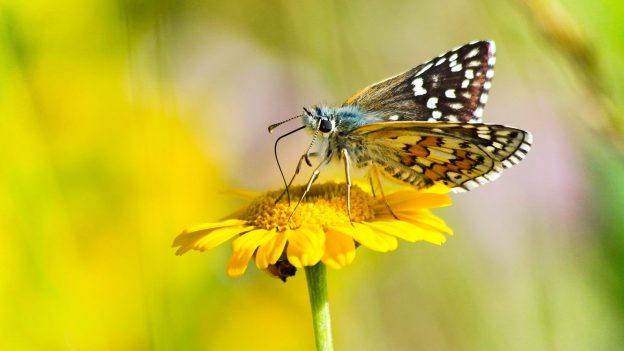
a yellow banded skipper butterfly sitting on a corn marigold flowerhead.
Yellow banded skipper on a corn marigold
Mystery pink species from a montane meadow, Bulgaria

1.Be honest with yourself about your wider situation. For me, I know that other factors are at play at the moment – my health is not great, I’ve just done another term of homeschooling and am suffering some serious pandemic fatigue. My resilience is lower than normal, and my ability to concentrate on tasks is rubbish as well, making it harder for me to dive into other things. How is your mental health at the moment? If it’s a wee bit wobbly, you’ll be finding the uncertainty of waiting harder. Accept that, cut yourself some slack. Give yourself treats.

2. Work on something else. I’ll repeat that, cos it’s really important. WORK ON SOMETHING ELSE. Not only does it provide a distraction, it also spreads the load of your hope and expectations. If your submitted project doesn’t go anywhere, then all is not lost – you have this shiny new thing you’re developing & perhaps that is The One which will succeed. It doesn’t have to be a whole book, it can be flash fiction, short stories, research for an idea, revisiting an old idea. It could even be writing a blog post 😉

3. Get physically away from your inbox. That thing clings doesn’t it? It’s right there on the computer screen, it’s on your phone, it’s like a little devil on your shoulder whispering ‘Check me! Check me!’ Turn your notifications off so you aren’t getting buzzed & fleetingly excited for every Kinde Daily Deal email or whatever. Go do some gardening or walk the dog & don’t turn mobile data on. Take some photos instead & then when you come back & your inbox still hates you, you can post a nice photo instead of endless crying emojis.

4. Remember the person you are waiting on is only human.

They really are. Even the agents. And they’ve endured the last year too, and are suffering for it too. I’m struggling to read more esoteric books & am re-reading a lot instead, so others are likely struggling to keep up with reading too. Be kind even in your own head, it makes a difference.

5. Drink Tea.

Close up & backlit photo of a wild blue delphinium flower.
Wild delphiniums, Crete.

6. If it’s a circumstance where it’s okay to prompt, be realistic about when you can do so, and stick to that. Again, the other person is only human, and if you pester them, they’ll respond the same way you would if someone was pestering you. You don’t want that. The situation will determine a lot of this – if it’s a service you’ve paid for, you are allowed to expect timely delivery; if it’s an unsolicited submission, the agent/publisher website will often tell you what timescales to expect & whether it’s okay to prompt. If, as in my current case, it’s an entirely voluntary, generous favour, you need to make sure you remember that.

7. Work on something else. Hell, submit something else. If you’re obsessing about B, then you’re not obsessing so much about A, are you? Ha.

black and white photograph of stems of a bellflower.
Peach-leaved bellflower, the Pyrenees.

8. This is veering into The Art of Handling Rejection which would be a whole other post … but remember it’s a numbers game sometimes. If you’ve sent out six submissions, you frankly won’t hear back from all of them & some will take several months to respond (if it’s publishers, they can take up to a year for heaven’s sake). That leaves what? one or two? which you might realistically hear from soon. If you send out twenty submissions (could be different short stories or the same novel), then your chances of hearing something from someone has just gone up. (Obviously though, each submission has to be taken seriously – so don’t spam, it’s not that kind of numbers game).

9. I feel like I ought to round the list off at 9. Buy yourself a new notebook. Don’t check your phone until you’ve written something in it.

So there you have it. Waiting sucks, it makes you powerless, and when you have invested so much of yourself into your writing it is hard to step back from it enough to be patient with a world that isn’t all *grabby hands*. But you’ll get through it. They’ll respond, or they won’t, but either way you’ll keep writing because that’s what we do. Good luck, and know that you’re not alone. Now go make a cup of tea and write something pretty. 

Go back to Blog homepage

Close up of a cornflower flowerhead.
Cornflower

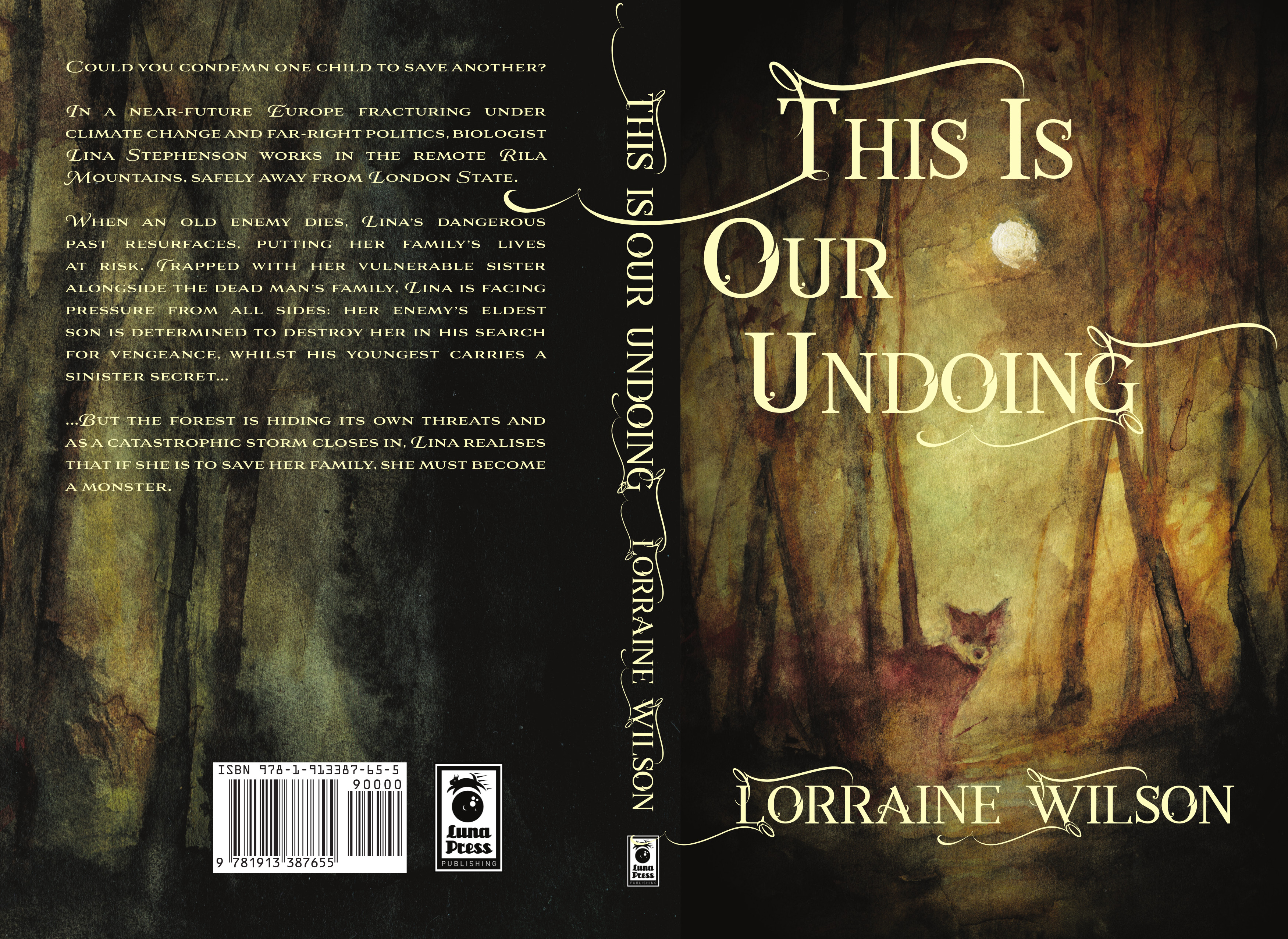
Cover Reveal for This Is Our Undoing

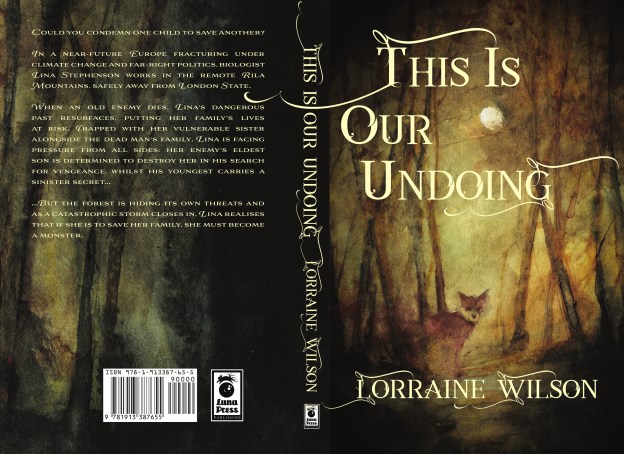
Did you see it on the homepage? Isn’t it pretty? Just in case, and because I want to, here it is as a spread so you can see the way the curlicues in the physical book will extend over to the back – a facet I am particularly fond of!

Cover spread of This Is Our Undoing. Art by Daniele Serra

I wanted to talk a little bit about the process of developing a cover, as it was something Francesca at Luna was lovely enough to involve me in and it was a genuinely fascinating process.

The first stage for me was when Francesca told me they had approached an artist about the cover art (see Luna’s blog about it here). This happened way earlier than I expected and so I hadn’t had a chance to mention some of my thoughts on a cover, or to ask what my level of involvement would be. I was, if I’m completely honest, a little nervous at this point, worried that the artwork would really, really not be what I wanted. There was one thing in particular I was not wanting, and one thing I was…

The Not Wanting was human figures or faces. I love these on other covers, I have nothing against people’s faces in general, and I cannot even articulate why this felt so fundamental to me. I think part of it is not wanting to see how someone else visualises ‘my’ characters, and also not wanting readers to go into the book with someone else’s versions in their minds. The funny thing about publishing a book is that it ceases to be yours. But I do believe it ceases to be any one person’s, so I guess I was just leery of having one person define the characters for others. Does that make sense? Possibly not.

The Wanting on the other hand was (ironically) a different figure … a fox. I know. Isn’t that awesome? Why I wanted a fox is tricky to explain without spoilers so I’ll just say this: That to me foxes came to symbolise that dichotomy of fierceness and fragility which I think lies at the heart of a lot of my characters. They also capture a sense of the wild – the intangibility of the forest and the night. Plus they are cool. There is no carnivore more adaptable or resilient, few as floofy, and none that can pounce into snow banks with such perfection.

So, as should now be clear, when my publisher sent me through the artwork … I was stunned. Because without knowing, she had given me exactly what I had been hoping for. She said she had mentioned poetry and darkness, the fox and the forest to Daniele Serra (find him here), and I realised two things – that she saw the very same heart in the book as I did, and that seeing beautiful art that is going to be ON MY ACTUAL BOOK makes me cry.

So we have a beautiful piece of art that it would be sacrilegious to stick words all over … and then we started sticking words all over it. This was the part of the process that I was deeply involved with, and I can only be grateful that Francesca was so patient with my (many) suggested tweaks, minor worries and last-minute second-guessing. We settled on a font pretty quickly because squiggles. Then it was all about placement, and man, are there a lot of possible ways to position words on a page. A. Lot. And then, just when you think you’ve nailed it, you have to do the hardback version (I am still very excited to have a hardback version), and then an ebook version (as you can see above, the physical version has curlicues passing over the spine, which in an ebook 2D version looks a little odd. So back to the shuffling words and squiggles (and more last-minute second-guessing), until we had the version you can see on the homepage.

THEN I got a little carried away putting together pretty graphics like the one on the homepage, and the ones I’ll be sharing on Twitter and Instagram. But the story of that particular procrastination device/learning curve is for another post. Let me just finish by saying that it is an honour to have such beautiful art on my book, and seeing it makes the whole seem so much more real and precious. Yes, there may have been tears at seeing the final versions too, and also some slight dancing.

Go back to Blog homepage

How To Be A Debut Author – The Basics

So I have a book deal. This is a truly wonderful thing. But now what?

Now I have to become an author. Not in terms of writing a series of words that someone wants to print (and other someones hopefully want to read), but in making connections both within the publishing industry and with potential readers. Half of the publishing world will tell you that having an online presence makes no difference; the other half will tell you that you will get as much out of publishing as you put in. *Shrug* Perhaps if you are publishing with one of the big five houses, and if they have chosen your book as one of the ones they exert particular marketing effort on, then you can rest easy that your tiny Twitter platform is the least effective part of that marketing process.

… But most of us are not in that fortunate situation. And frankly that is not necessarily a bad thing – there are advantages to indie publishing. Perhaps I’ll write a blog about that some day.

So what have I been doing this last month? Learned friends have shared their wisdom on what helps you reach the right readers (ooh alliteration), and although there’s a whole discussion around whether they work, I’m going to focus on the what here rather than the why. First thing to mention is that this is proving to be an ENORMOUS learning curve, and more time consuming than one might wish. But I am hopeful that this learning/establishing period will soon stabilise and require less time and less flailing around in the dark.

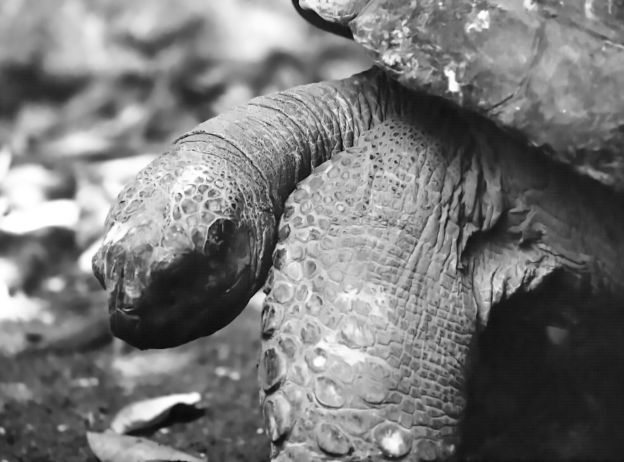
…tortoise interlude, because that’s about my speed…

…back to it. What have I been doing/learning/panicking about?

  • Author events. These are a thing I need to get used to. They’ll build up as I get closer to, and after, book publication. But the first one might be in the spring and I need to think about two key issues:

How personal I am willing to be in public. And,

Whether to buy a ring light so I am not plunged into gloom.

  • Early Reviews. This frankly is terrifying. Not just the prospect of people I admire (and don’t really know) reading my book, but also APPROACHING PEOPLE TO ASK A FAVOUR. Terrifying. There are two stages to this – one is asking for cover quotes, which has to happen super early, and I did last week. Aren’t I brave. The second is in the build-up to publication for which my approach so far is to draw up a list of people I at least vaguely know & who write/read in roughly overlapping genres … and that’s it. For now. There will probably be begging…

Did you know it’s really important that your first few Amazon reviews are by readers who read in your genre normally, so that the Amazon algorithm shelves you in the right place & recommends you to the right readership? I did not know this.

  • Instagram. (I’m here) I had resisted joining this, despite being a photographer, because I felt I really did not need another online procrastination tool. However, it is a great way to find book reviews and book reviewers, and perhaps more importantly, to learn what makes good visuals for a book. Which cover reveals, prettily arranged book photos, shelfie photos etc catch the eye and which ones do you skim past. I am mostly using it at the moment to share some of my gazillions of nature photographs, but I am also following and learning and (hopefully) storing away lots of information on how bookish IG works. Once I have a cover, I can really start to do more authory things on this. And that cover is coming soon…
  • Twitter. (I’m here) I have been on Twitter for a while now. Initially to stalk agents and publishers, and to follow authors I admire. At the time I had barely published a thing so my own twittering mainly involved science, folklore and sharing writerly friend’s successes. Over time I have become more engaged with another key subject that I am particularly passionate about: Diversity in publishing. As a spoonie, mixed race, ex-working class writer, this is personal; but it’s also just plain common sense. Now though, I have a book to promote too & the question of how much of that to do. A very helpful friend told me to get good at hashtags, and to find quotes, moodboards etc from your book to share. I’m working on both those things… But my feed is mainly nature, science, boosting writerly friends and boosting diversity opportunities. And actually I think that’s ok.
  • This website. I’ve been doing A LOT of work on this. Which is a stark contrast to years of sad neglect. I’ve been learning how to add social media widgets, static/feed pages, add contact forms, add links within pages (!) … and how to present myself. I am still working out that last. I see websites as only really meaningful if you have a book(s) for readers to find out about…

… AND if you have something to offer…

  • …Be that book reviews, free content or author services. As I said above, I want to do something to support diversity in publishing and am currently thinking about what I can offer to other writers from under-represented backgrounds. Keep an eye on this site and my Twitter for more of that.

There is more (isn’t there always). There are Booktubers to get to know, YouTube videos to record, book shops to write to, launches to plan, conventions to book myself into and volunteer sessions for … but for now, website, social media and reviewers are about all I can handle. And now I can tick write a new blog post off my list. Make a list of possible blog subjects is next…

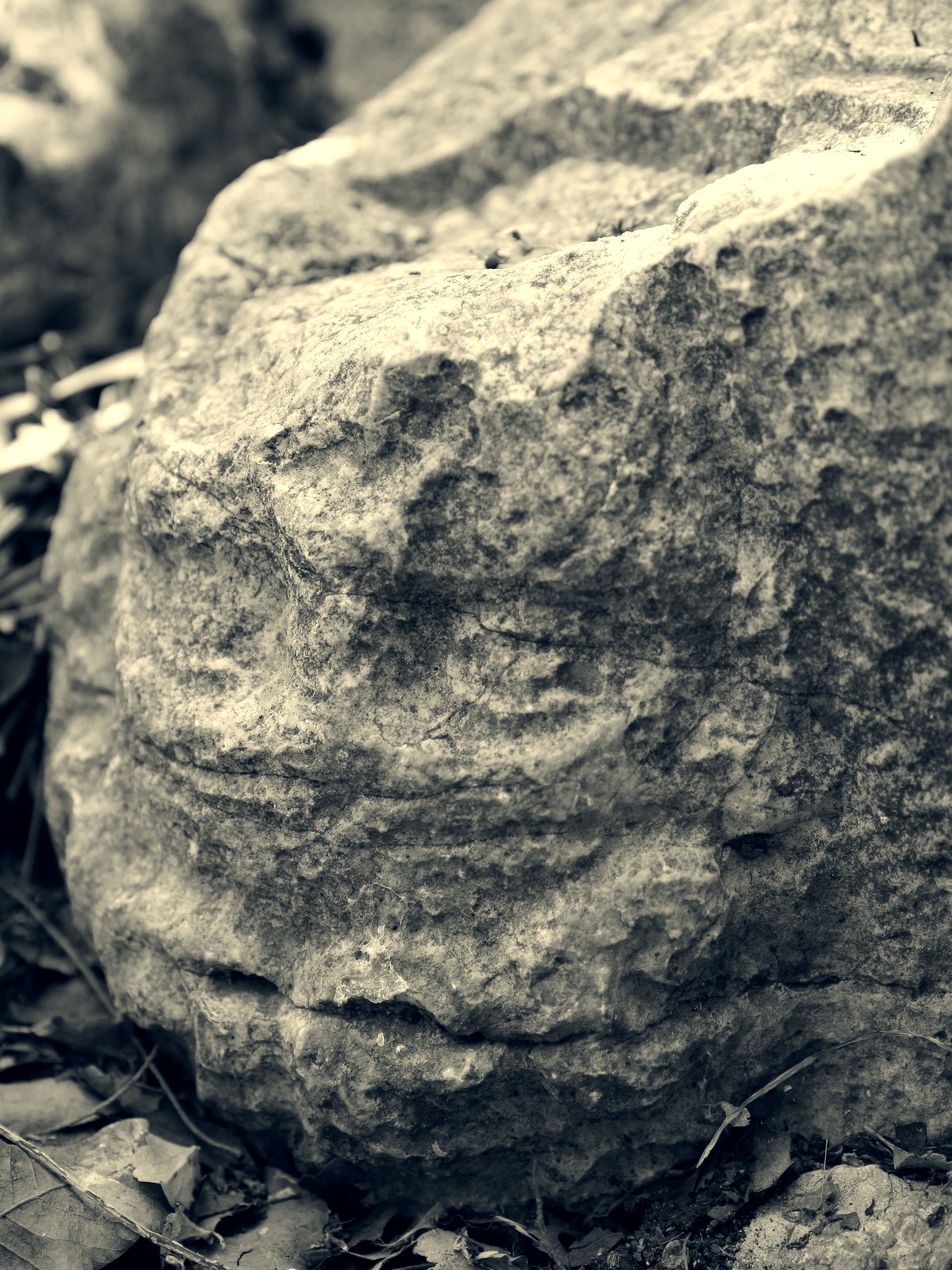
… This statue eloquently expresses how I feel …

Upside down and severed statue head from greco-roman ruins in Turkey.