Last year I was awarded a Creative Scotland grant through their open fund to support my writing of a novel that I generally refer to as Welsh Gothic. This was my first time applying for funding for my writing (years of applying for scientific research funding scarred me for life!), and being awarded a small grant was perhaps one of more validating experiences of my writerly career so far – A group of publishing professionals thought I & this unfinished book had enough potential to be worth supporting? Really? How great is that?
Aside from the wee confidence boost though, this funding represents something more widely important. As you likely know, I am too unwell to hold down a ‘real’ job. Last year I was fighting my own body in an attempt to earn something from freelance creative work – articles, workshops etc. – but that was taking a heavy toll on my ability to actually write. My spoonie body only has so much capacity, and this grant allowed me to protect more of my limited creative spoons during what has turned into quite a tough period. If I was hustling this year the way I did last year, I honestly may not have written a word.
Arts funding has suffered in the UK under Tory rule, and came under brief, cataclysmic threat in Scotland before a Scotgov u-turn. After the lockdowns proved emphatically that we all turn to arts when we’re under stress, anything other than wholehearted support for the arts seems a bizarre act of self-harm. And the voices first silenced by lack of funding are the voices of the marginalised – the disabled, the working class, the people already carrying the existential stresses of systemic bias. (Perhaps that explains the Tory desire to starve us out…)
Anyway rant over! A huge thank you to Creative Scotland for their support. It was a tiny sum of money in the wider scheme of things, but it means so much to me. And, to get back on track, part of the funding allowed me to go and stay at the location of Welsh Gothic for a research week.
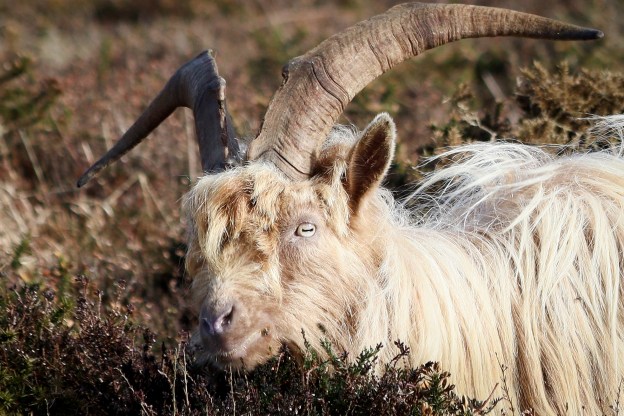
CUE GOATS!

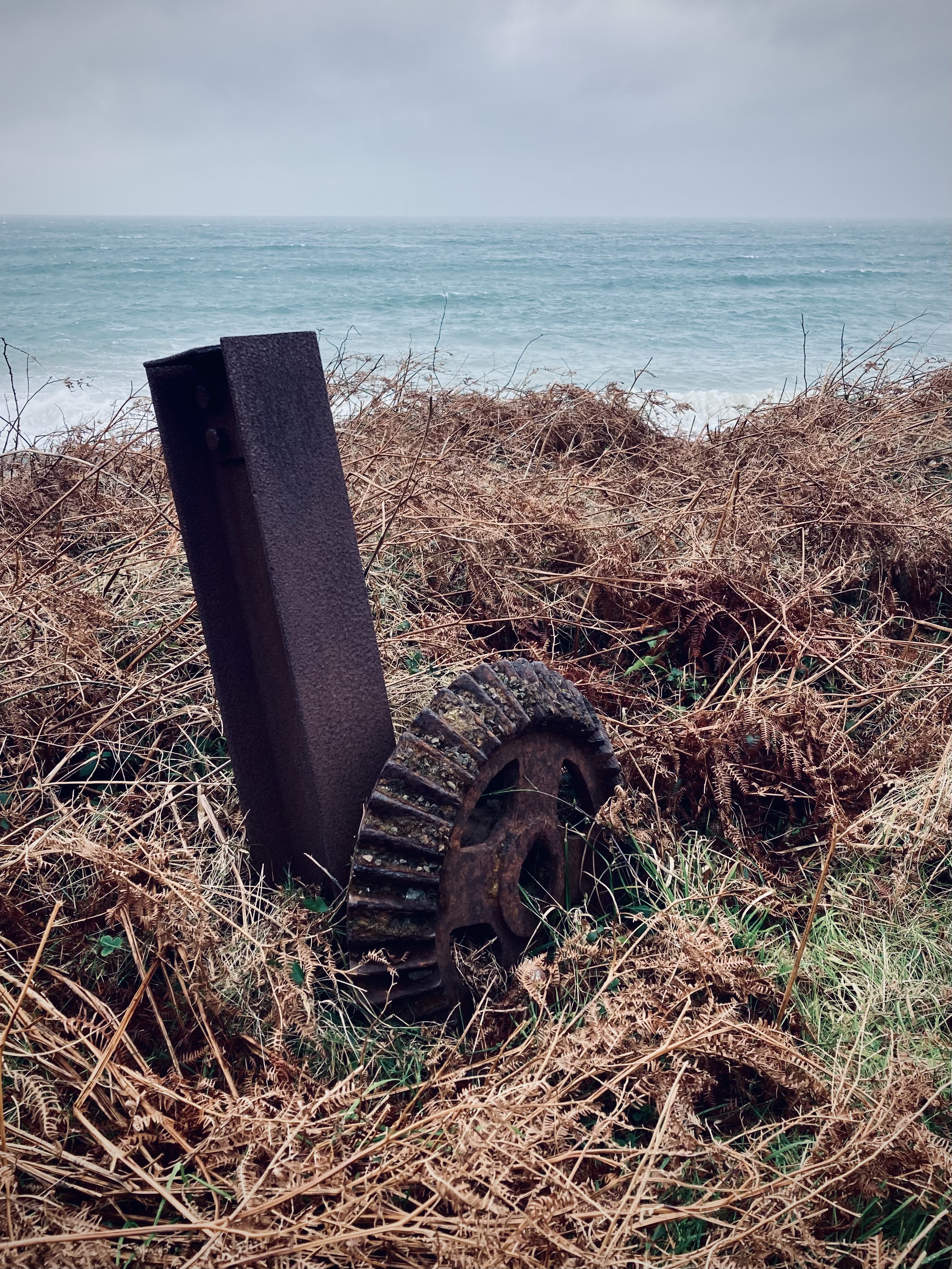
I stayed in a cottage in Nant Gwrtheryn – a granite quarrying community in a steep, tiny valley on the coast of the Llyn Peninsula that was abandoned when the quarries closed, then restored as a language centre. It’s a stunning location. Vast quarry cuttings and abandoned machine housings on the cliffs around the centre, the two neat rows of quarryman cottages and the abandoned farm at the top of three slim fields. Fog slipping in from the Irish sea and chough calling from the peaks. AND WILD (feral) GOATS.
These dudes weren’t here the first time I visited (to study Welsh about 14yrs ago), but they were pretty much resident this time. I wonder whether this was because they’d got used to the quiet during lockdowns & then just opted not to leave. Good for them. The world is theirs, we are just guests, and insignificant ones at that. They’re gorgeous aren’t they? Not saying they were the highlight of the trip but…

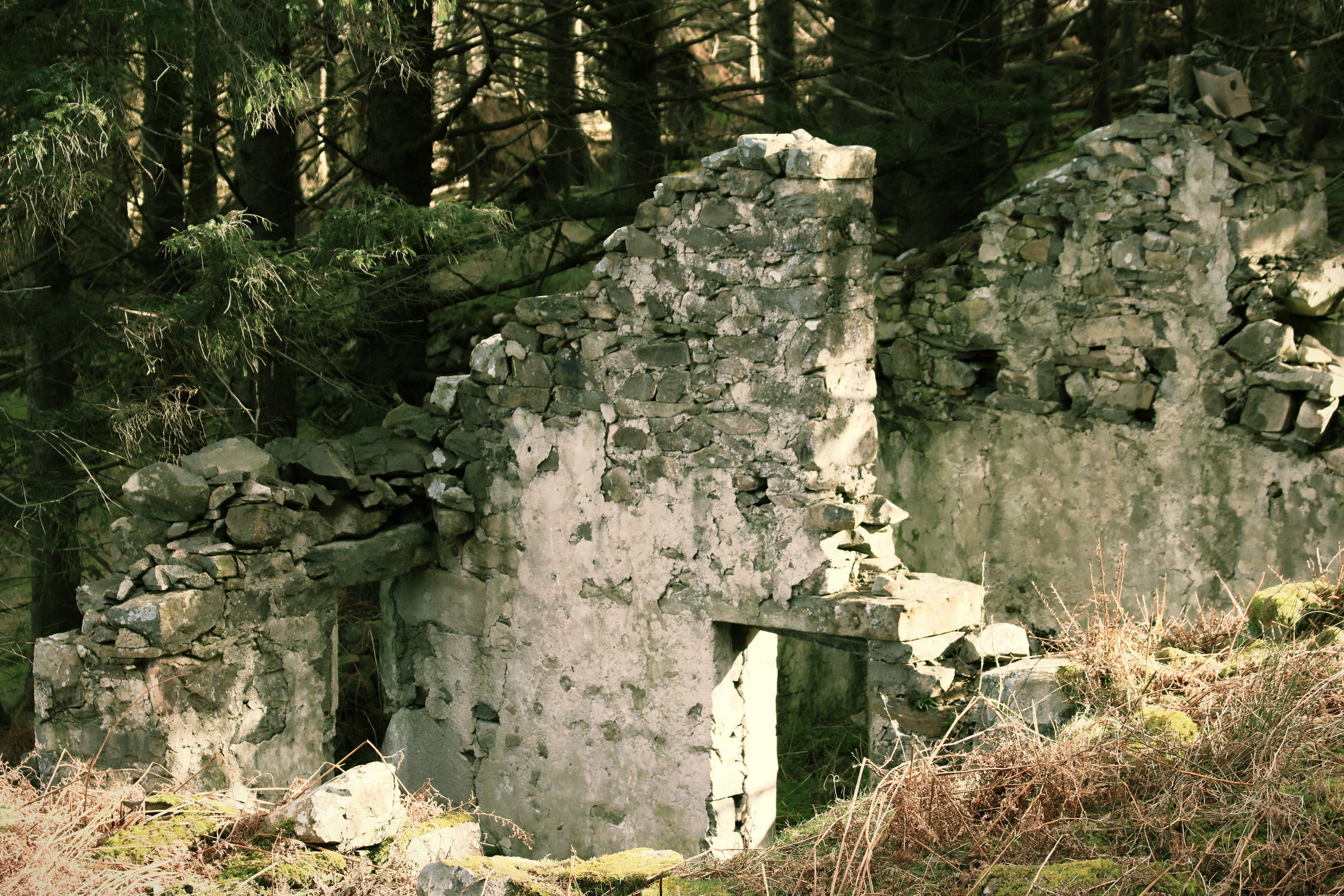
Welsh Gothic (real name All The Birds Will Be Hostile – a quote from the Mabinogion’s Blodeuedd of the Flowers tale) is set in the abandoned farm in this photo, unabandoned and occupied with a riding stables. This is the opening sentence of my pitch:
In a valley hemmed in between ruins and the sea, on the edge of the wild Llyn Peninsula in Wales, superstition and family secrets threaten to destroy the childhood home Blodwyn Jones has been running from for years.
Inspired by the story of Blodeuedd, Alan Garner’s The Owl Service and Laura Purcell’s Bone China, it’s full of watchers on the cliffs, curses painted in blood & some badly timed mists. It’s my first foray into gothic lit with all its symbolism and feminist underpinnings, and the time away really made me fall in love with the story again.
It was an amazing week. I went with a few writerly friends, and the mix of staring at the scenery (research!), drinking tea and chatting books made for a deeply lovely, enriching time. I spent the time rewriting the existing partial draft which was originally set further down the peninsula, making copious notes and taking lots of photos. Welsh Gothic has been given a new lease of foggy, spooky life and I am now in the final climax scene, wondering whether to slip a goat in there as a pivotal Deus ex Capra.