Category Archives: Writing & Life

Book Sales Aren’t On You (and lots of statistical nerdery)

I wrote a version of this blog a while ago, after some discourse about authors needing to promote their books on GoodReads because the ‘Want To Read’ count is apparently used by publishing to Make Decisions. I didn’t post it then, because I needed (ironically) to focus on my latest book release and then the moment kinda passed. But I figured the subject would come around again, as it was only the latest in a constant cycle of ‘Authors Have To Do X Otherwise Their Book Will Fail’.

And lo! This week a fascinating episode of the brave podcast The Publishing Rodeo interviewed a researcher on YA book marketing – Dr Kerry Spencer Pray.

Now, my initial blog was a slightly ranty exposition about author-led marketing. And you’re still getting the bulk of the rant because it was a good one & I’m not wasting it. But first I’d like to explore my reaction to that podcast and Dr Spencer Pray’s research (so far as I understand it from the podcast and these slides) a wee bit.

The thing is, I’m a statistical ecologist by training, and we are way more ridiculous about statistical analyses than pretty much any other field except maybe medicine. We have to be, because ecological systems are MESSY AS HELL so we* have pretty much led the field in statistical modelling that can handle the inherent chaos, correlates, and contamination of ecological systems. (*not me, I just followed along) This means that while I am FASCINATED by Dr Spencer Pray’s research, and think it is deeply important and there should be A TONNE more of it please … I am DOING A NERD and have some caveats that I think need bearing in mind.

I’m not detracting from her work, but I have watched the reaction to the podcast episode with a slightly leery eye because people are reading certainty into a very uncertain dataset and extrapolating outwards in ways that I think are both understandable and perhaps not helpful. It’s that reaction that I’m responding to here, not the work itself which was hampered by an incredibly opaque industry.

If you’re not interested in statistical pedantry, you can skip to the original blog below & the TL:DR is that while I am grateful this study exists, I think folks need to not get too carried away with the results. Fellow pedants, enjoy…

In brief, Dr Spencer Pray’s research was carried out on a random sample of 475 YA books, comparing an estimate of sales (from multiple secondary data sources as actual sales data weren’t available) to 250-300 potential drivers via simple correlations. The factors that appeared to correlate to estimated sales were all kinda related to book marketing rather than the book itself. These then were all amalgamated into one ‘marketing’ variable that showed a strong correlation strength against estimated sales. They used this to produce a scoring system and a minimum marketing viability threshold. Everyone is, understandably, fascinated by this, and depressed and/or validated by the finding that the biggest single correlate to estimated sales was an index of advance size (which was considered a proxy for marketing spend).

So the take home message was that the only real way to ensure your book sells is to get more marketing.

Which fits very well with my original blog post ranty rant (see below). And with other soft and hard data on the subject.

But the ‘marketing’ factors that correlated with estimated sales were: advance size, author ‘fame’, ‘carryover’ (links to other famous things), book cover appeal, author twitter following & starred reviews in key outlets.

And this is where I think some caveats are needed.

See, no data set is perfectly controlled, so all statistical analyses come with bias and uncertainty. The challenge in analysis is to account for sources of bias, and accurately quantify your uncertainty so that you can tell whether a pattern is ‘real’ or a product of chaos/bias/errors… and then not to weep when non-statisticians ignore all your error margins and treat the result as rock-solid and black&white.

So to try to explore the uncertainties in this study, stand by for some intense nerdery…

One issue is about statistical power. If you test almost as many correlates as you have samples, your experimental ‘power’ (reliability of the results you get) is extremely low, because your chance of producing correlations entirely randomly is pretty high. So while these correlations may well be genuine, they may also be pure chance just because so many were tested. Spencer Pray and her colleagues might have accounted for power issues with methods like bootstrapping & model selection processes, in which case this becomes less of an issue, but I can’t see any mention of this being done.

Another complication was the unavailability of accurate advance figures – Spencer Pray had to use the deal categories of ‘nice’, ‘very nice’ etc in Publishers Marketplace announcements instead. This means that the majority of data lay in the lowest bracket – ‘nice’, which is anything from $1-49,999. (Indicatively, Jess V Aragon’s spreadsheet of PM data had ‘nice’ for 55% of deals where size class was given, the other 45% spread over 4 other classes) So there’s a lot of data kinda merged into one category, and the fewer samples in the highest bracket (7% in ‘major’) would have disproportionate influence. This doesn’t negate the findings, but it does mean that the findings might not apply within the advance brackets – i.e. just because a $100K advance improves sales over a $45k one, that doesn’t mean a $45k advance is any better or worse than a $10k one because both those advances were lumped into one group. It might be true, but we don’t know.

Likewise, as Dr Spencer Pray says, some of these correlates are clearly connected to one another (fame and twitter following, fame and advance size, advance size and starred reviews etc). This makes it hard to be sure whether they are genuinely independently influencing with sales, or just kinda shadowing another variable. For example, author fame might show a positive correlation to sales only because it is also correlated with advance size – if you accounted for advance size (& marketing spend), fame might not be enough alone to shift books. It is possible to tease these connected variables apart statistically, but it’s not straightforward and has not yet been done, so far as I can tell. Grouping cross-correlated variables together to create an amalgamated ‘marketing’ variable is then tricksy because you run the risk of a falsely inflated correlation strength – you’re effectively double counting, if you see what I mean. So the end result – and that tantalising minimum marketing threshold produced from it – are less certain than they initially appear.

And lastly, and non-nerdily, this study was exclusively YA, (and largely from the YA world pre-shift to BookTok). People are assuming it’s directly applicable to adult fiction, and to the present day, but I think that’s a stretch. I’d LOVE VERY MUCH to see a study on adult fiction categories, and I predict there’d be the same headline take home message, but the individual correlates … Hmm, I’m not sure because:

  1. The YA community is more firmly online, and more actively on Twitter, than pretty much any other genre. Here’s a brilliant recent article by Nicole Brinkley about exactly that. So it does not follow that because twitter platforms might matter in YA sales, they also will for other genres. And let’s not even get into the Twitter-going-down-in-flames issue, but suffice to say it does not stand as a reliable marketing platform any more.
  2. Aspects like carryover, and (one of the secondary trends) ‘books that inspire yearning’ feel genre-specific to me. The peak crazes for things like post-Twilight vampires happen less markedly outside of YA. Greek myth retellings is probably the strongest contender in adult fic, but although there are definite trends in genre tastes, I’d expect carryover to be a weaker factor in areas like thrillers, epic fantasy, space operas etc.
  3. Author fame … this included things like winning major awards which, well it would be nice to think these lead to greater sales, wouldn’t it? But what about in genres generally neglected by these awards – romance, for example? So, again, it might apply outwith YA fic, but we don’t know.
  4. OTOH I’d guess the importance of book covers applies across ages/genres. Although I’d be interested in whether it’s a weaker influence in genres with tighter cover formulas, like historical romances or murder mysteries.

So essentially, while I think the overall message is probably reliable – that marketing is the only semi-reliable driver of sales, the specifics are much less certain.

Why am I bothering to critique a study that I am genuinely glad exists? It’s not to undermine the work that went into it, in the face of an uncooperative industry. I nearly didn’t post this because I don’t want to pick holes just for the sake of it. And I actually think the study’s headline message is incredibly empowering for authors. But authors feel so much pressure to do everything we possibly can to sell our books, and we are so desperate to know what to do and how to do it, that I worry people will latch onto the specific findings of this study and run with them. If I can hit 3000 Twitter followers then I’ll get another point on the viability index. If I win an award or sell at auction, I’m safe. If I make my book more hopeful & yearny it’ll sell. Etc. I know – I listened to that podcast, looked at my Twitter platform and briefly felt The Sads.

Which brings me back to my original blogpost and my rant about marketing expectations placed on authors.

The rant is not really even about me. I’ve been published to date with two indie publishers and both, within the limits of their reach, have championed my books wonderfully, worked with me on marketing, and been fully supportive of my spoonie limitations. So why am I ranting? Because I care about my friends, and the wider writing community. Because as a tranche of recent reports shows, there are mental health costs to being published. And this systemic lack of support for authors also hits marginalised creatives hardest, thus perpetuating inequalities within publishing. I get annoyed because I’m old enough and cranky enough to draw lines in the sand, but not everyone has that privilege so I’m allowed to be cranky on their behalf.

(Another caveat – this is absolutely NOT about self-publishing, which is an entirely different kettle of fish.)

So why does this messaging of ‘You must do X’ or ‘If only I do Y’ arise all the time?  

  1. It is our attempt to feel some degree of control in the face of these largely-unfathomable vagaries of book sales. We don’t know what will help move the needle so we try everything, and we believe people who holler convincingly about THIS IS THE WAY, whether that’s BookTok or newsletters or whatever. We obviously want our books to do well, so we seek out ways to help them that are within our reach.

That’s understandable, and I think finding enjoyable ways to promote your book is truly valuable. It lets you share your excitement with your social circles, and also means you feel … if not control, then at least that you’ve done your bit.

But the constantly shifting sands of exactly what you ‘need’ to be doing results in authors juggling half a dozen social media platforms, second-guessing trends and obsessing over everything. Which is exhausting, takes away from writing time, and breeds a sense of failure when you inevitably can’t keep up.

AND

  1. Bluntly, it is … comfortable for publishers if authors believe we must do all this work to help our books sell. If we are convinced book sales hinge on us making enough TikTok videos or getting enough Twitter followers, then we’re not asking them ‘Wait, what are you doing to move the needle?’

Now, to be fair, I think most of this pressure actually comes from other authors for the reason above (and bleeds over from the self-pub community, which like I said VERY DIFFERENT FISH). But there is also some upholding of it by the publishing industry, which I wish would stop.

Maybe it will, now that Dr Spencer Pray’s research has provoked so much conversation. Here’s hoping.

I’m not really talking about small publishers here, for whom the balance is a little different. However hard these publishers work (and like I said I’ve been lucky) they have less reach and so an author’s online contribution might have a relatively significant effect.

But for the bigger publishers? Different story.

For example, that GoodReads thing we were told to panic about? The books reaching 30,000+ ‘Want To Read’ adds, particularly for debuts, are almost universally where the publisher has paid for large giveaways of 50-100 books. Every giveaway entry is an automatic ‘add’ which bulks up the numbers enormously, then GoodReads uses this bulked-up number to pick ‘Most Anticipated Books’ lists and the hype machine is safely in motion. All paid for by the publisher.

BookTok? It is mostly a space for reviewers, and mostly for a very particular form of book (and there’s a WHOLE DEBATE to be had about the impact that has had on diversity rep and on acquisitions within publishers). It’s almost entirely not a space for writers trying to hustle for their own books. The best route to getting traction on Booktok is for publishers to send fancy book packages to a lot of popular reviewers and hope for the best. See how that’s absolutely not in our control? Yeah.

I could go on, but the particular instances aren’t really the point because there’s always something new being sung about anyway.

The point is we shouldn’t put the weight of book sales responsibility onto the people with the least power and lowest pay in the entire structure.

Big publishing is a business, and it’s a business that is currently squeezing the lower/medium staff tiers and cutting author pay. So sadly your marketing team, even if they love your book and want to champion it, likely don’t have the time or funds. But publishing is also, largely, full of Good People who don’t want to tell you your book is on Marketing Tier 4. So instead you’ll be told (either directly, or via online messaging) to post more on social media posts, or set up a newsletter, or, or, or. … I worry that this Spencer Pray study will get weaponised into ‘well, if you had more twitter followers’ or ‘you’re just not famous enough, sorry’.

I get it. Publishing houses should staff their publicity & marketing teams better, and pay them more. I’m not blaming anyone on the ground for the way the business is run. But I also hate seeing authors running ourselves ragged trying to guess at marketing strategies we aren’t equipped for, grasping at straws, and feeling responsible for things that are entirely out of our hands. Namely, how many copies of our books sell.

This is one reason I’m so grateful for Dr Spencer Pray’s work. It counters that pressure with hard data. Which many see as bleak, but I actually find incredibly freeing. It’s really not on us, my loves. It’s on them.

So other than ranting, do I have anything useful to say? Well, maybe.

  • I strongly recommend that you, dear fellow exhausted author, take a long look at all the things being touted as THE WAY TO SELL BOOKS, and decide whether it’s something you enjoy doing or can do very, very, very easily. If the answer to either or both those questions is ‘no’ then can I suggest you run the other way?

It is worth doing something – things that help you feel celebrated by your community, and potentially help connect with readers. Posting on Twitter might sell a copy or two or three, just like sending out newsletters might sell a few copies of your second book. And those few sales are great, I’m not dissing them. But think about how many hours you spent making Canva graphics or writing newsletters, and how much you’ll earn from the two copies it might sell, and the tradeoff isn’t very shiny. You need to be writing your next book too, remember, not just flogging this one.

So my advice is to pick the reader engagement methods that you a) like doing and b) don’t swallow up too much time & energy; and you get good at those. Try new stuff, sure, but don’t feel like you have to do anything at all.

  • At time of contract negotiations, talk with your agent about your marketing aspirations & the strategies you think the book needs to succeed. Make marketing part of the initial editor call, as well as the contract back-and-forth (that you’ll be on the margins of anyway). Ask for a marketing plan – they’re hardly set in stone, but it can’t hurt to have a framework.
  • Later on, communicate with your marketing & publicity team(s). Ask them what they’re doing and how you can best fit in with that. It’s good to know, and good to remind them that you’re there. But remember that their answers are shaped by their workloads – and might leave more responsibility with you than is proportionate to your power. If they ask you to do things you don’t feel able to do, talk it through with your agent to see whether it’s worth trying to fit it in, or pushing back. I’m a spoonie, protecting my health is vital because otherwise I break, so I’m pretty clear about that from the outset and I draw lines if I need to.
  • Remember that sales figures are largely unrelated to the quality of your book too. Dr Spencer Pray’s study supports this. (Is this depressing? Who cares – write the best book you can out of spite) Just like prizes, sales figures come down to a room of people deciding which books to support and which not to. Books that get the massive hype machine and sell millions are quite possibly great, but equally great books will sell a tiny fraction of those numbers because they were yeeted into the world with a cover reveal, two blurbs, and the author destroying their sanity on social media.
  • Stick a post-it note up somewhere saying ‘Sales Figures Are Not On You’ and look at it every week. Twice a day around publication.
  • Once more for the ones at the back, only do what you enjoy. If we are going to survive this authoring thing long term we need to hold tight to our love of it. We need to guard our mental wellbeing like mama bears. That means not spreading ourselves too thin. You have to look after yourself. No-one else carries that responsibility, because everyone other than us is running the business that our art is built on. So do what you enjoy and remember whose job it isn’t to sell books.

Rant and empowering mantras over. I hope this has been useful and hasn’t annoyed publishing professionals, or Dr Spencer Pray too much! I hate seeing writers battered by expectations to perform online; and I love seeing data analyses but I also hate our writerly instincts to read too much into absolutely everything. Without tearing the whole edifice down and starting again, publishing is going to continue to be a hard road, but we can make it gentler by being kinder to ourselves. And that starts with guarding our time and remembering to forgive ourselves the things beyond our power.

Mother Sea Island Tour

In the lead up to Mother Sea’s publication I did a wee countdown series of social media posts visiting various islands that inspired the island in Mother Sea. It was mostly an excuse to post lots of photos and rave about lovely places, and I figure I ought to pull it all together here just in case. (In case of what, I don’t know … the fiery death of Twitter? the need to prove ownership of the photos? validation that all my effort pulling it together was worth it? … Probably that last one tbh)

Anyway, below is a slightly expanded-upon tour of the islands behind the island…

One – Iceland

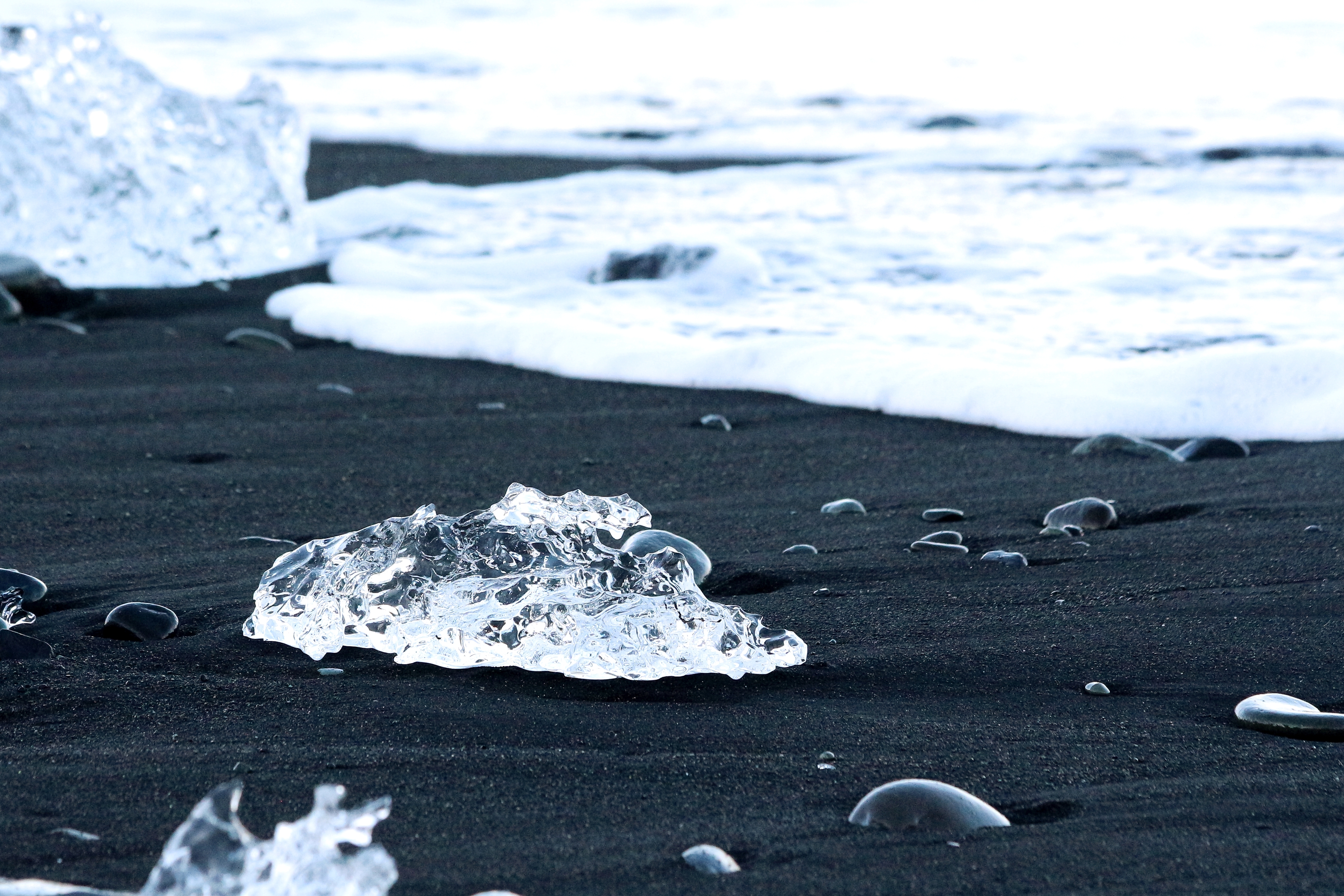
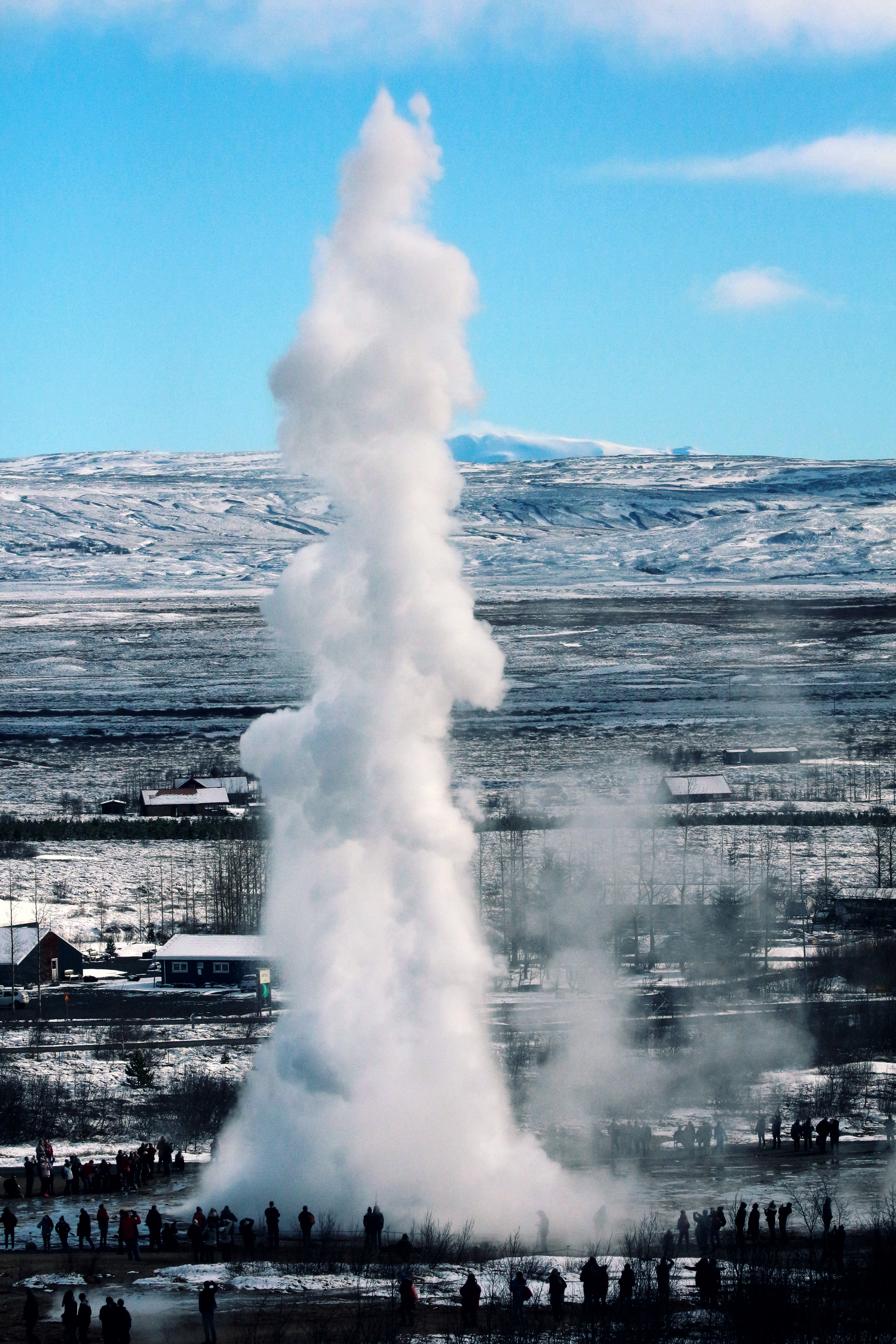
Not much in common with the tropical island in Mother Sea you say? Well, no. But this place has A Lot to teach the writer about colour palettes, I think. The deceptively monochrome black sand and white glaciers and searingly blue sea are an incredible reminder that less can be more! Also in this country there is no escaping the power of an unquiet land & the persistence of folklore.

Fav folklore – The Jólakötturinn – a giant cat that eats folk who weren’t gifted new clothes at Yule

Fav experience – The northern lights. I have no photos but omg, it was all the things and more.

Two – Tierra del Fuego

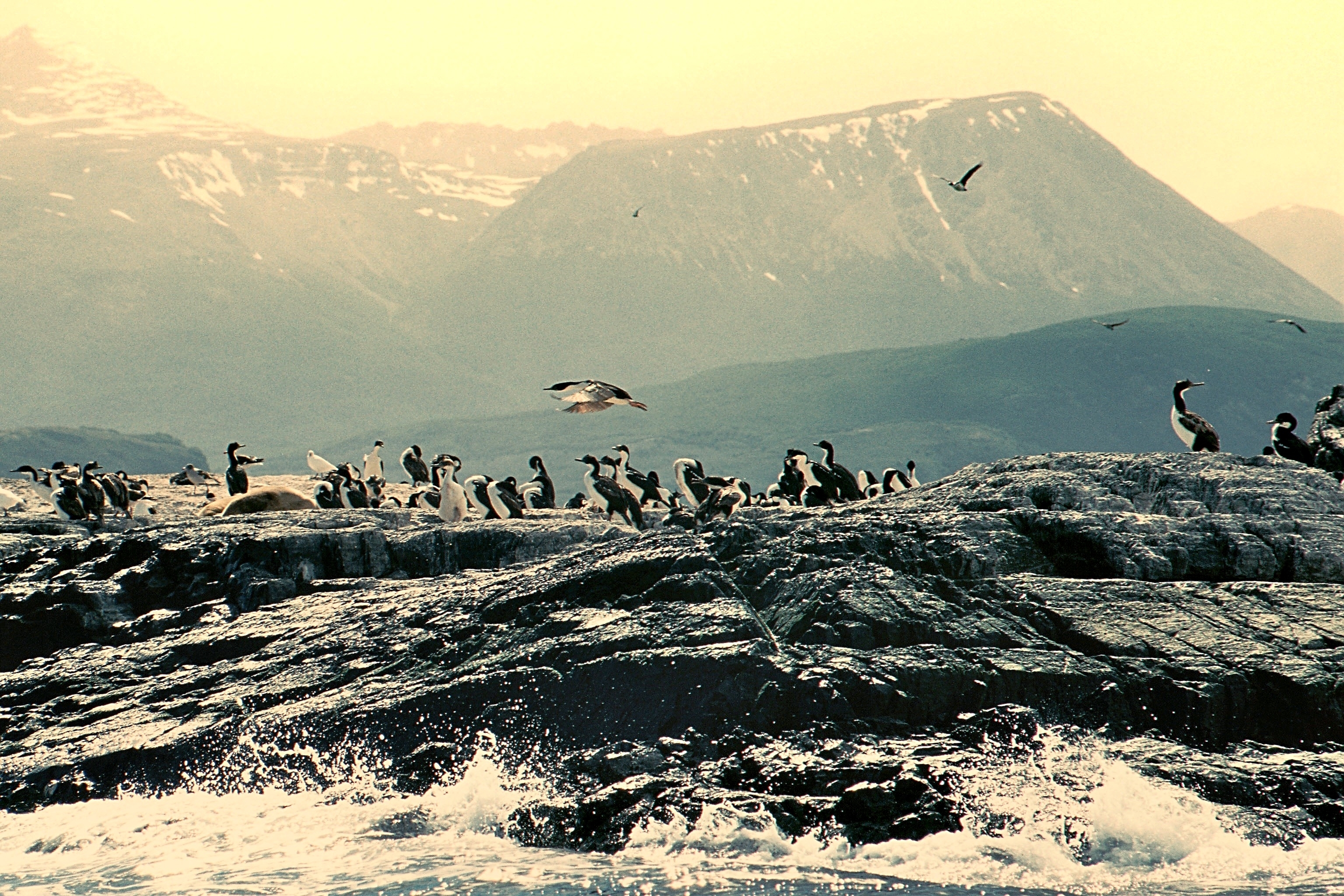
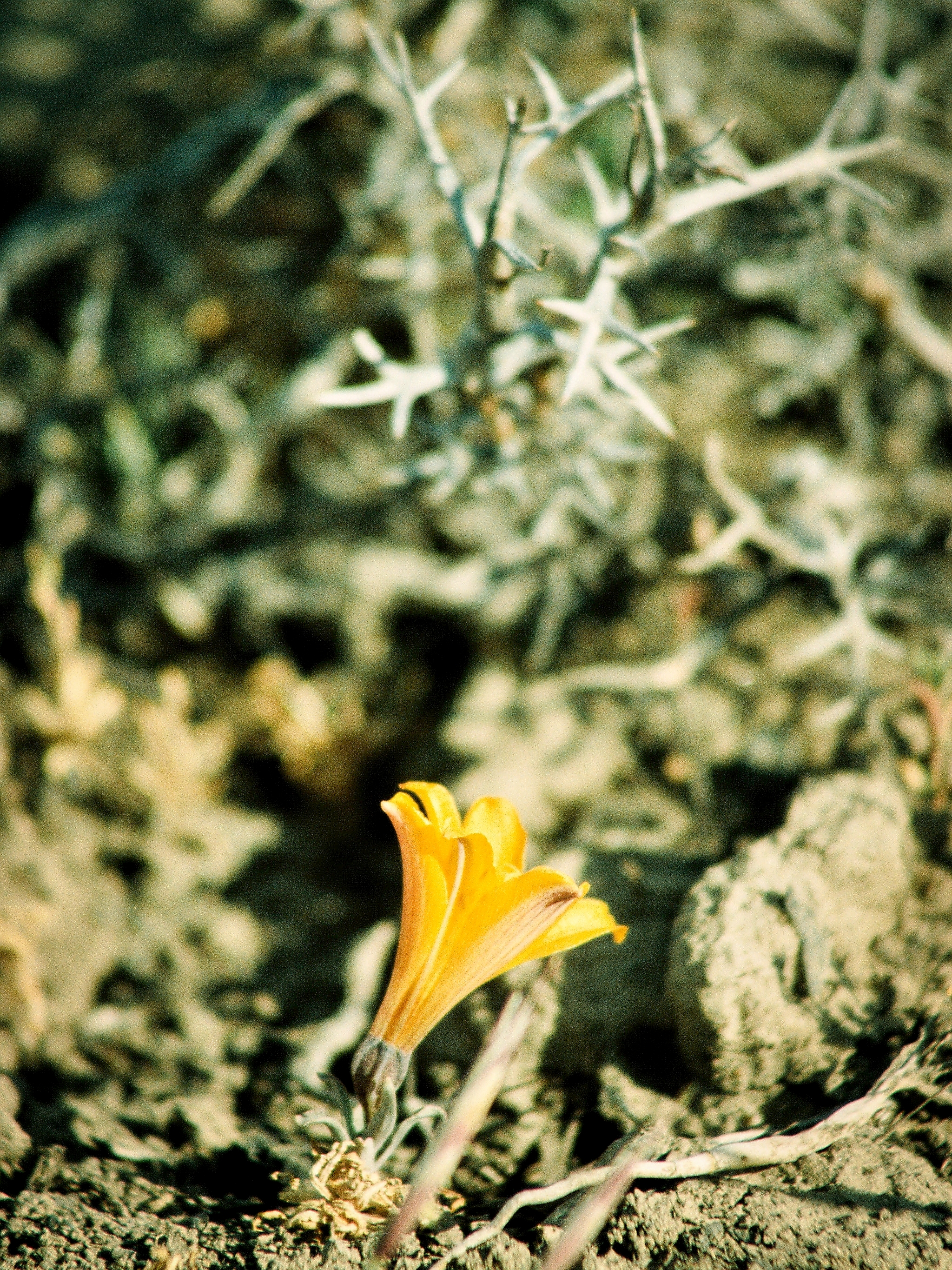
Staying in higher latitudes but at the other end of the planet, the beauty of these southern islands blew me away. It’s undeniably antarctic in weather and wildlife but all my preconceived notions of that were undone by flower-strewn islands, by hummingbirds & parrots right alongside penguins & sealions. Also, partcularly relevant to Mother Sea, heartbreaking histories of colonial genocide & the loss of language & culture.

Fav folklore – Teiyin from the Yahgan ppl. A shapeshifter god, protector of children & elderly, enforcer of altruism.

Fav experience – Following in Darwin’s footsteps – I read This Ship of Darkness while I was there for extra cross-temporal-bonding! Also, steamer ducks. So round.

Least fav – my 1st ever sunburn. I did not know it *hurt*! What?

Three – Shetland (and Orkney)

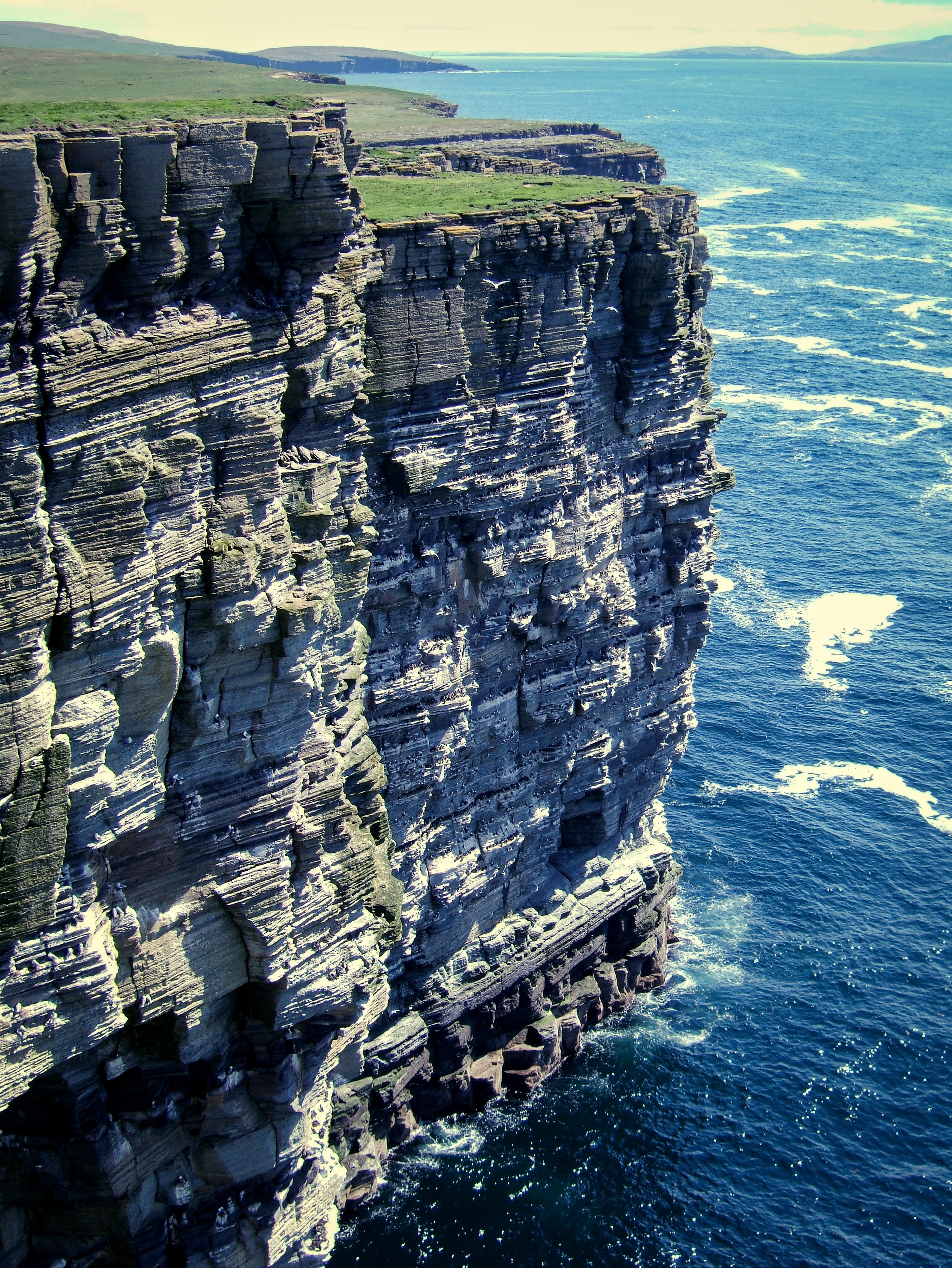
Closer to home, Shetland in particular, but also Orkney, taught me that political borders don’t always mean an awful lot. That dialects and folklore follow their own paths across the sea and old trade routes still shape island identity now, regardless of what the maps say. They also taught me that teeny tiny planes are the best, and I’d probably not survive a Shetland winter.

Fav folklore – The Sea Mither (spot the #MotherSea connection!) who wrestles the dangerous Teran to calm the seas.

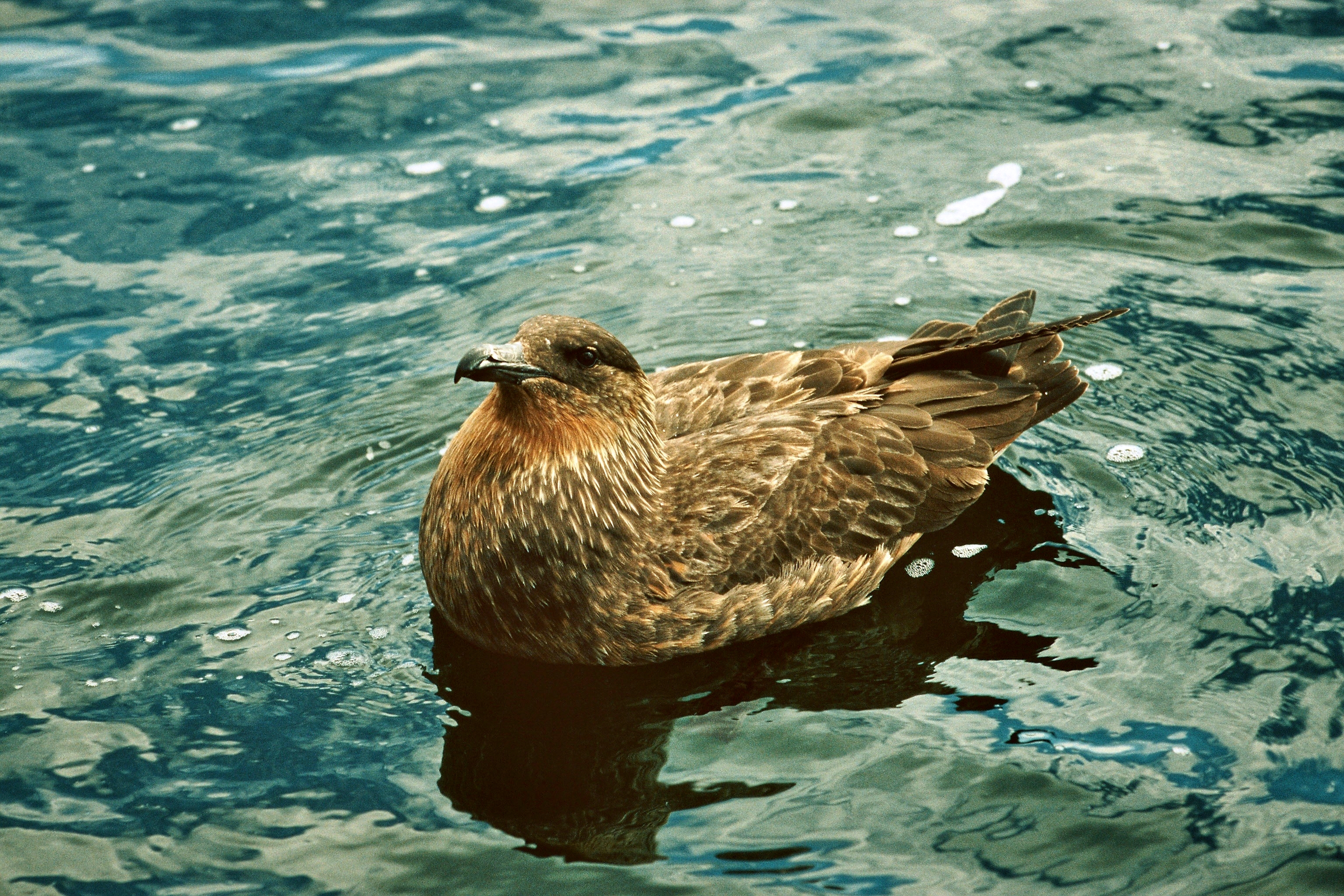
Fav experience – Standing in the old broch on Mousa, listening to storm petrels purr in the stones around me. And getting dive-bombed by Bonxies on Orkney mainland!

Four – The Mediterranean

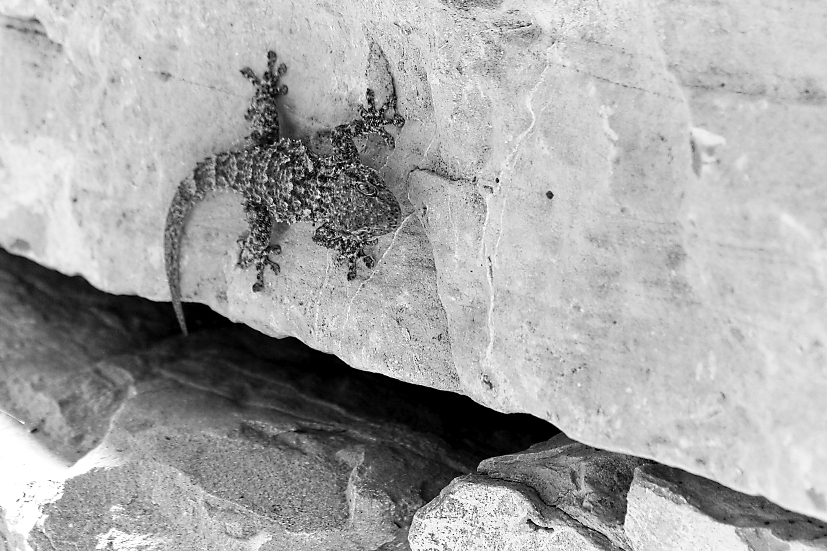
Kinda cheating lumping this whole region (and the Canary Islands) into one, but doing each island individually would turn this into a book, and also there are some common strands despite the distinctive feel of each place. I love the Mediterranean garrigue ecozone. It’s so stark & distinctive & surprising. I have a huge soft-spot for cyprus stands and stone pines, and ancient olive groves. But these islands are also fascinating for studying farming’s adaptations to a hard climate, the way humans have shaped the very land & how fragile that balance is. Especially as tourism threatens rural economics, communities, water resources & conservation.

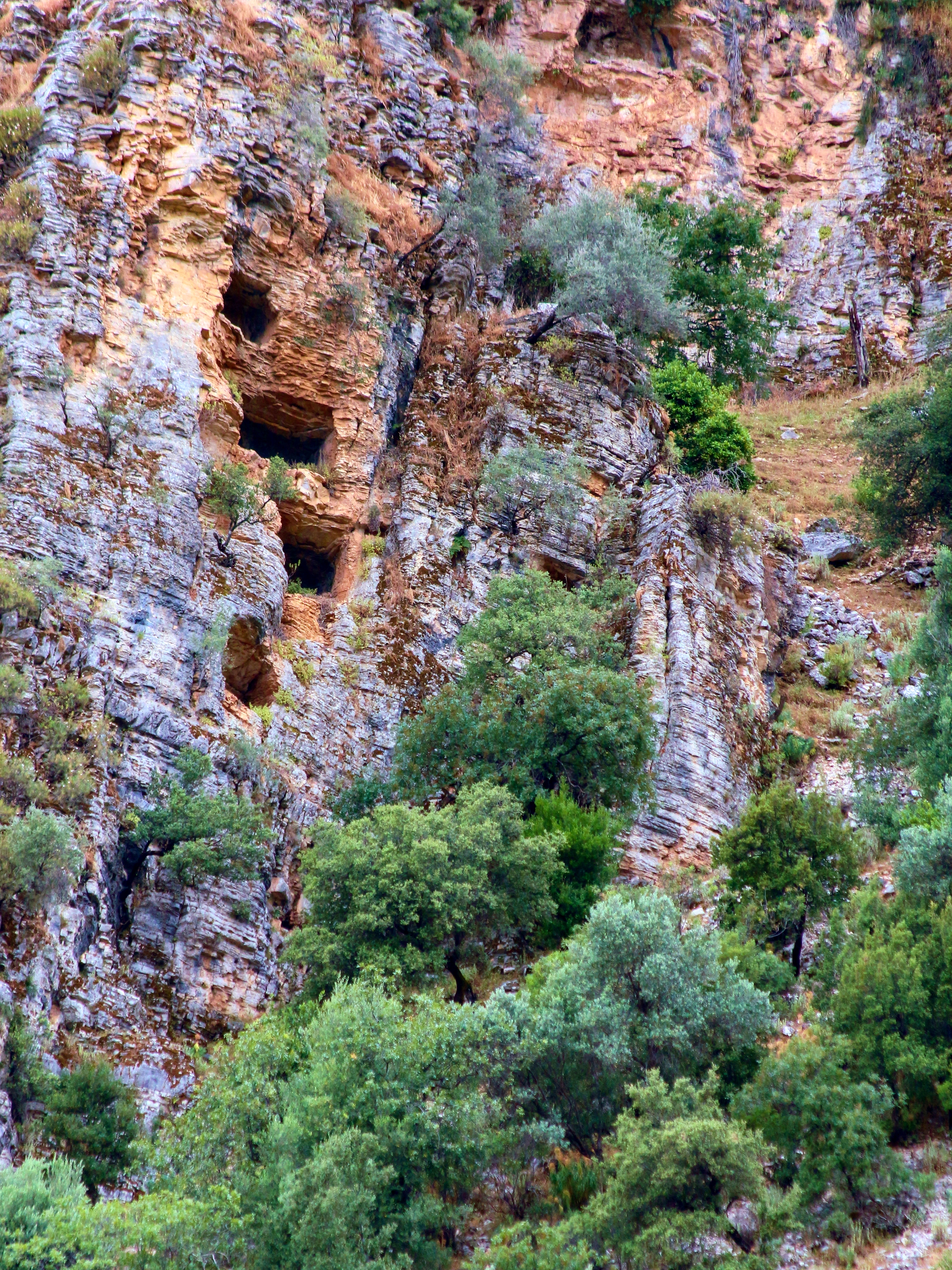
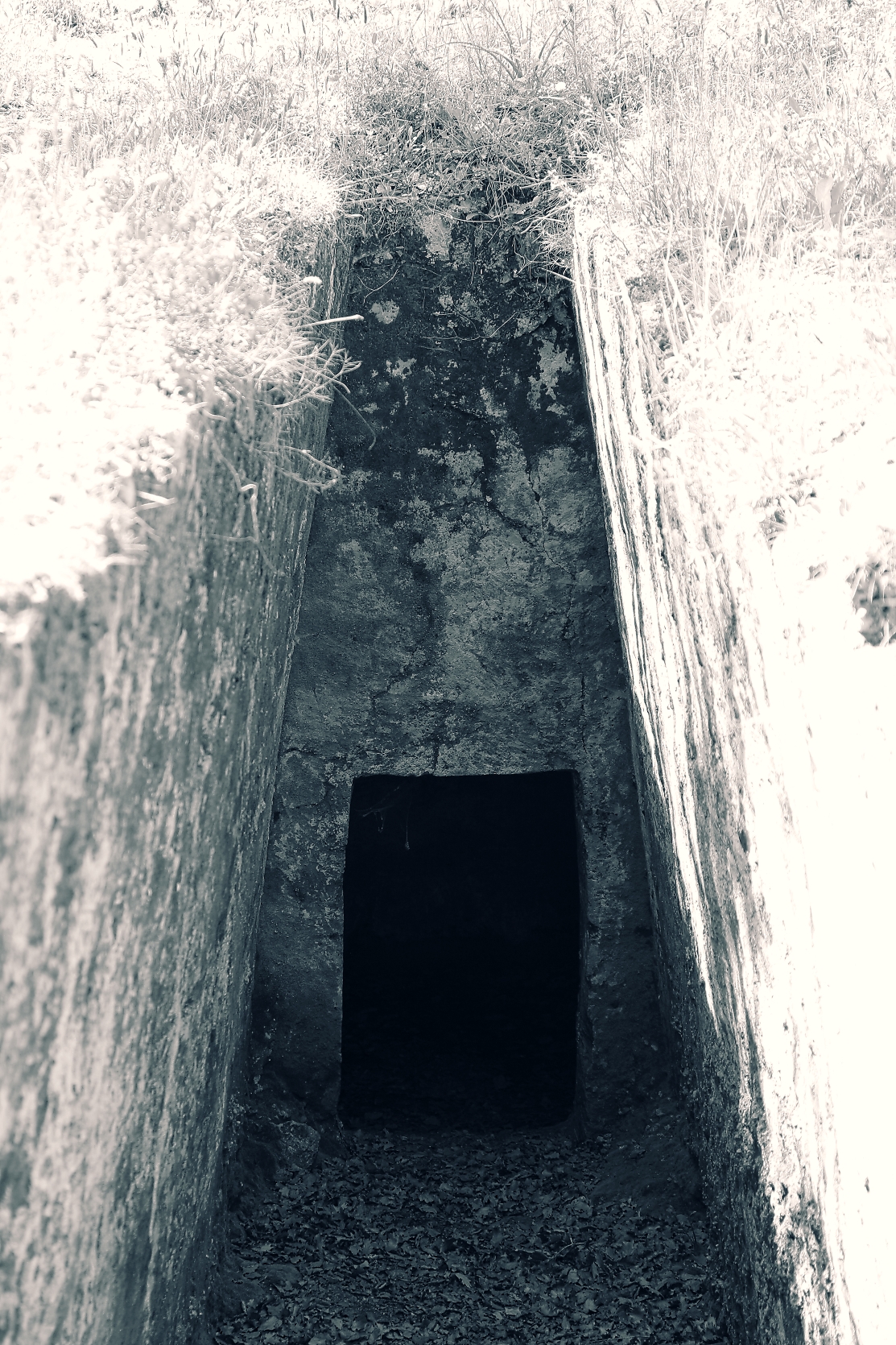
Fav mythology – The Minoan rock tombs on Crete & Lycian cliff tombs in Turkiye appear in Mother Sea. Caves & bats – what’s not to love?

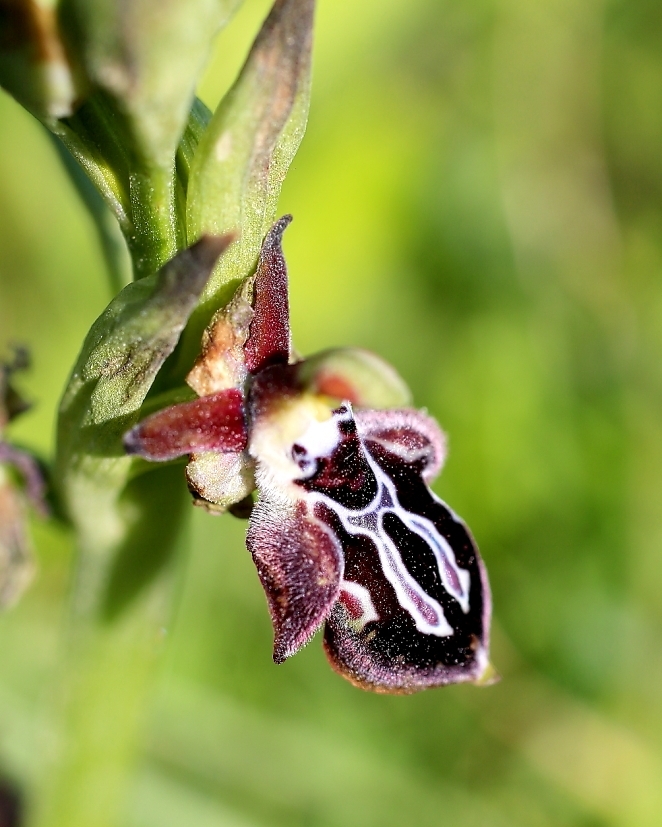
Fav experience – Cretan orchids. Omg, if you’re remotely into flowers, the orchid species crowding the hillsides will give you heart failure.

Five – Seychelles

The right ocean at last! These are the closest islands to my fictitious one in Mother Sea, so a lot of the flora & fauna are similar. Seychelles taught me a hard lesson on coral reef damage & restoration, but a beautiful one on Creole language & culture. It also taught me to look beyond the glossy curated tropical paradise images for the murkier truth about the impossible value:cost trade-off of tourism on places and communities like these.

Fav folklore – An eejit Brit in 1800’s decided the coco de mer was the original forbidden fruit because it looks like a bum! And therefore that the Seychelles was the lost garden of Eden. I mean, it’s a definite paradise in some ways, but also, lol.

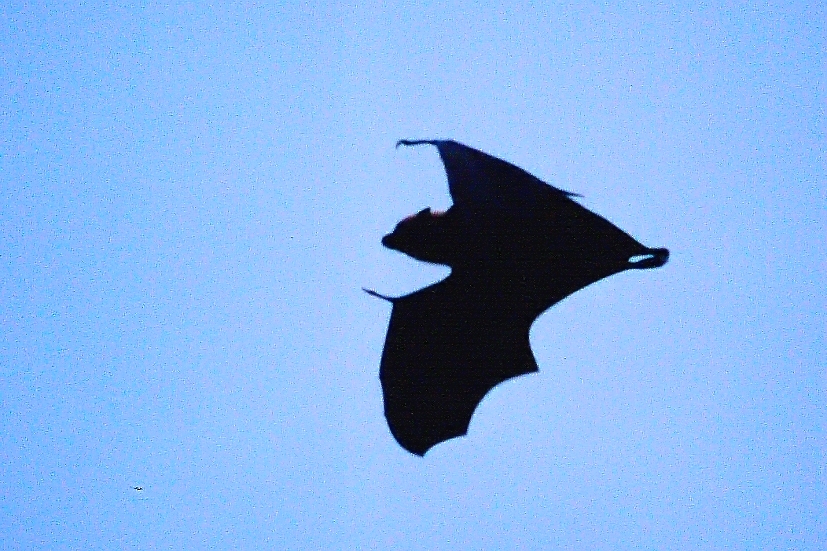
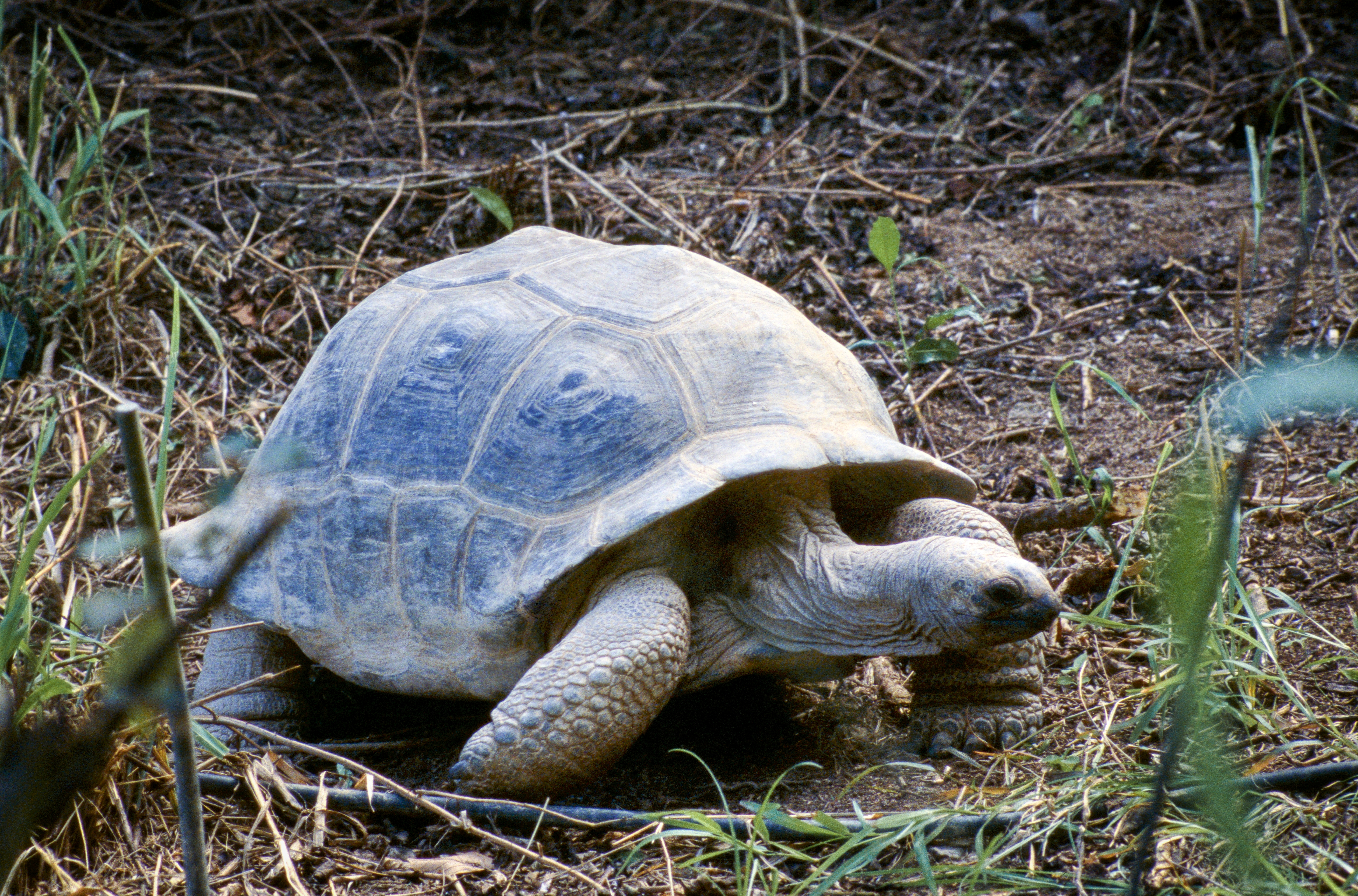
Fav experience – Meeting giant tortoises? Or giant fruit bats squabbling in the tree above us as we ate our dinner in the dark (hint: Mother Sea may contain bats)

Six – Madagascar

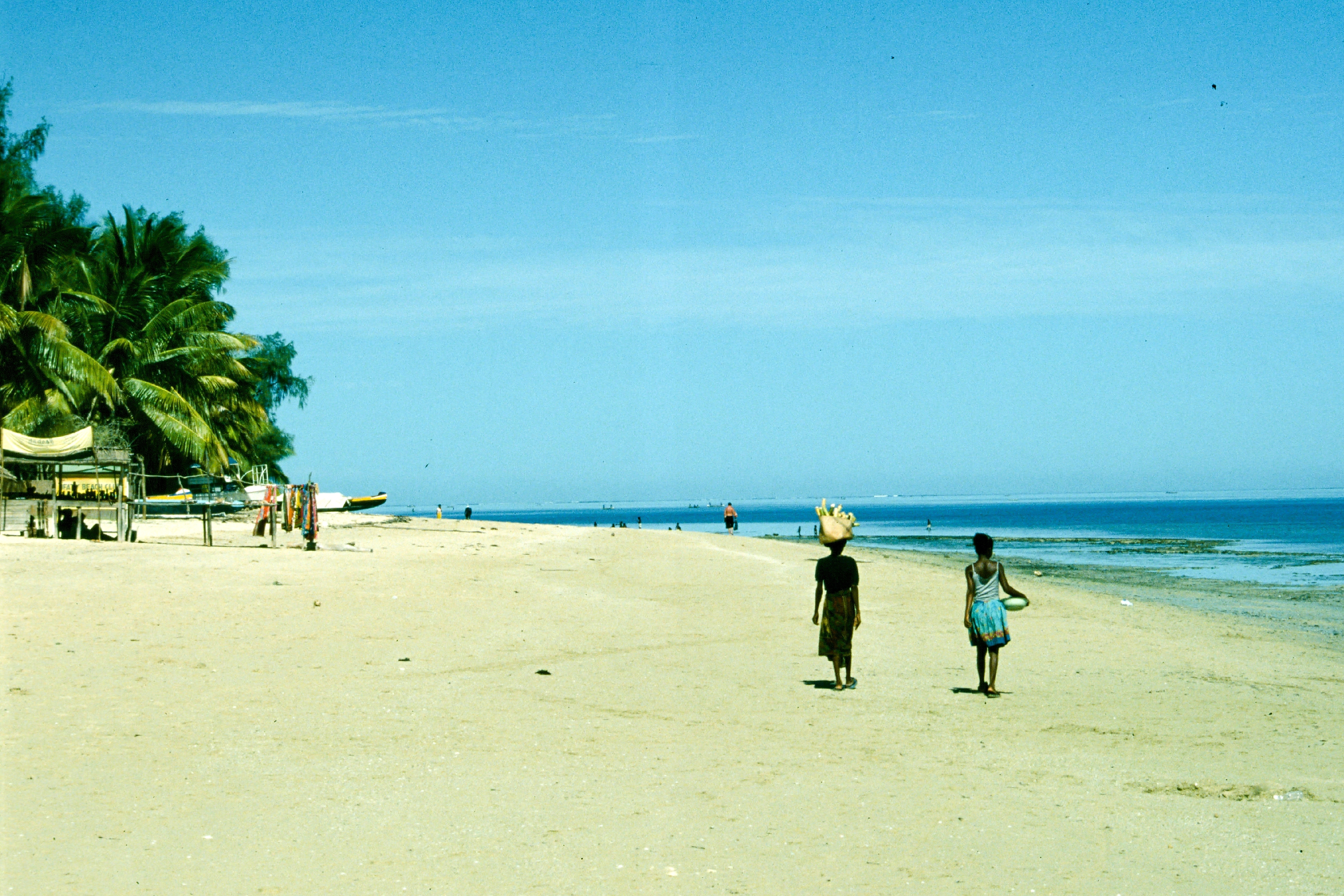
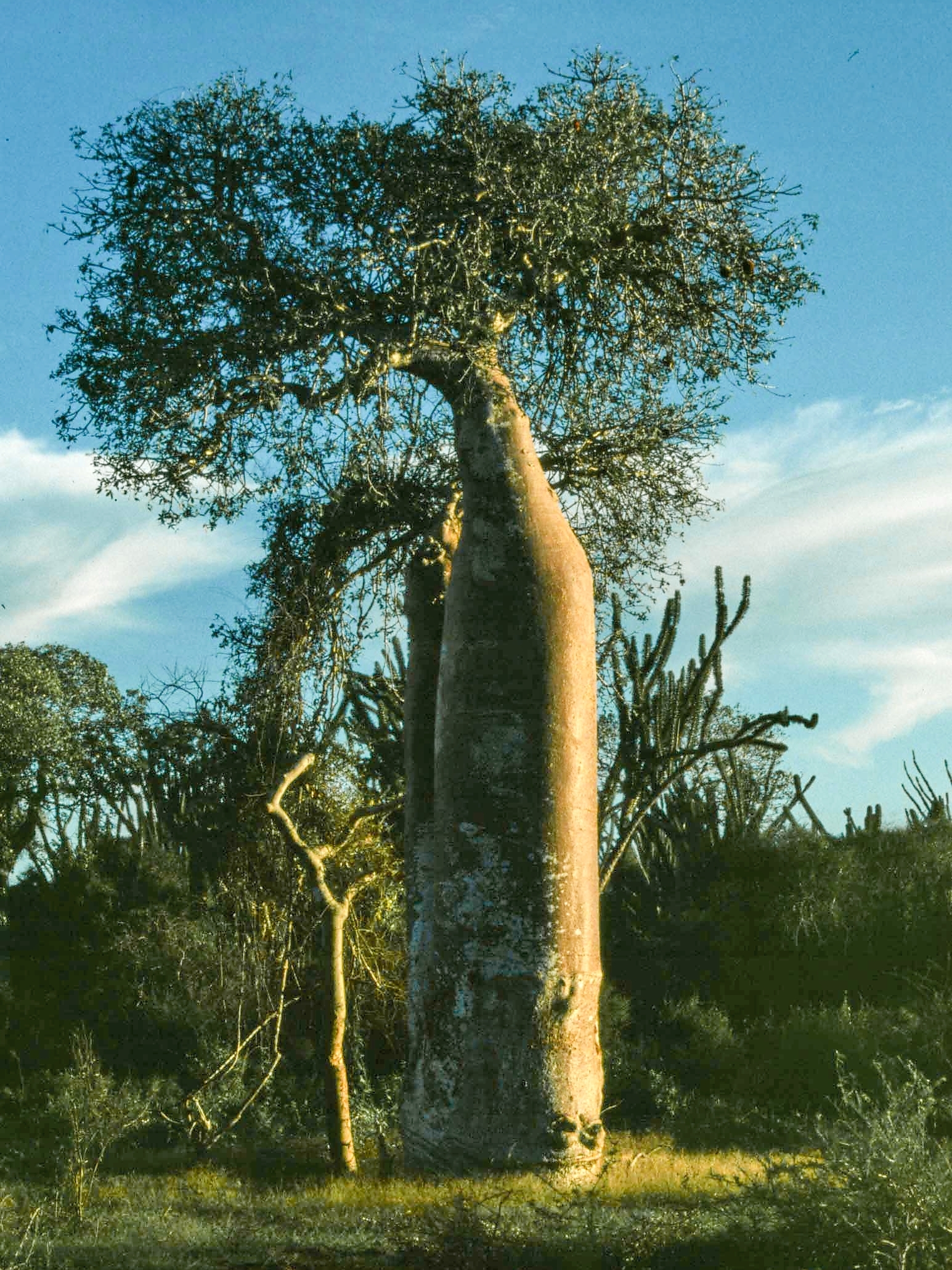
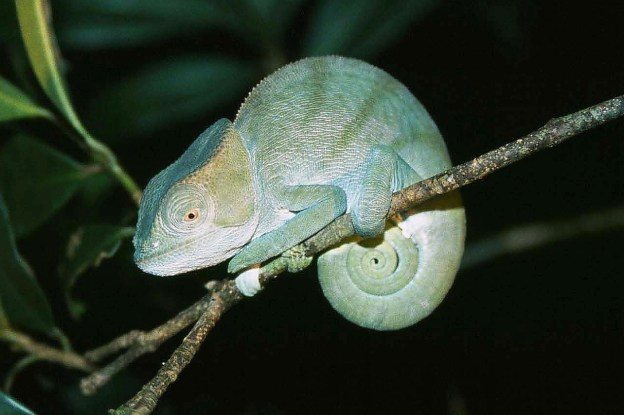
Along with France & South Asia, this is the other origin of my community in Mother Sea, so hints of Malagasy culture fed into the book. This country is a biologist’s dream and heartbreak all in one – the most mindblowing evolutionary wonders alongside some of the most heart-rending poverty and worst habitat destruction I’ve ever seen. For Mother Sea though it gave me ‘tsingy’ landscape (limestone karst) & baobab forests, pirogues & feminism & day geckoes.

Fav folklore – I was told once that bats hang upside down to show their arse to god as revenge for an offence. I cannot remember what the offence was but I love this so much.

Fav experience – An aye-aye there-&-gone in the dark, indri singing in the dawn, being unutterably lucky.

Seven – The Outer Hebrides

Finally to the place where Mother Sea began – with the history of St. Kilda & it’s abandonment. That tale of population decline, of grief and a terrible communal turning-inward because of that grief was the seed that everything else in Mother Sea grew around. And the islands of North & South Uist, Benbecula, Eriskay and Barra were also there to teach me so much about island communities, the persistence of faith, carving a living from the liminal shore.

Fav folklore – The Blue Men of the Minch. They’re blue, they shout poetry slam challenges at ship captains, they raise storms. I love them.

Fav experience – Just the startling, stunning bays – white sand and turquoise water and the steep, watchful dunes. The ruined silhouettes of churches and manor houses on lonely islets, the ghosts of brochs haunting the lochans.

Thank you for coming with me around the world! There are a couple of dozen more islands I read about, stalked online, talked to people about and dreamed of, that all fed into Mother Sea in other ways. But these are (some of) the ones I’ve lived in and loved, and left pieces of myself behind in.

Writing The Difficult Stuff

Mother Sea comes out tomorrow. I am so excited to share this book with you all, and so honoured at the care Fairlight Books have taken with it. I really, really, really hope it resonates with you.

Before it comes out though, I wanted to talk about some of the issues I explore in its pages because if you’ve read my previous blog, you’ll know that when I was writing Mother Sea, I never intended to seek publication. So I went into some places that perhaps I wouldn’t have been brave enough to venture into if I’d been writing with an external audience in the back of my mind.

With hindsight, I am glad that I wrote this book and that others will get to read it. I think it’s important to write the things that scare us as authors, or make us cry as we’re typing, the things that we put off writing for days because we fear them. Writing is, if nothing else, a way to reach out to strangers. It is a way to whisper to someone else, ‘I know how you feel. I feel it too.’ Which is why darker, sadder themes are so powerful, and so pervasive in stories, right? Because that quiet connection, that resonance is both a hand held out in companionship, and also at the same time, a hand held out to guide you through the unfamiliar terrain of someone else’s heart.

So although I think Mother Sea is as much a book about love and resilience as darkness, it does go into some deeply sad places. But my hope is that in doing so it might help someone feel less alone, it might help someone else understand a perspective or an experience in a way they hadn’t before. If it can do that then I will be content.

Aside from the wider themes of climate change and the global injustice of climate impacts, there are two specific events in Mother Sea that were incredibly hard to write. And talking about how I wrote them involves some personal details that are a little scary to put out into the world, so please bear with me. If you want to avoid spoilers please stop reading now, because although I won’t go into plot details, I am going to reference the nature of these two moments.

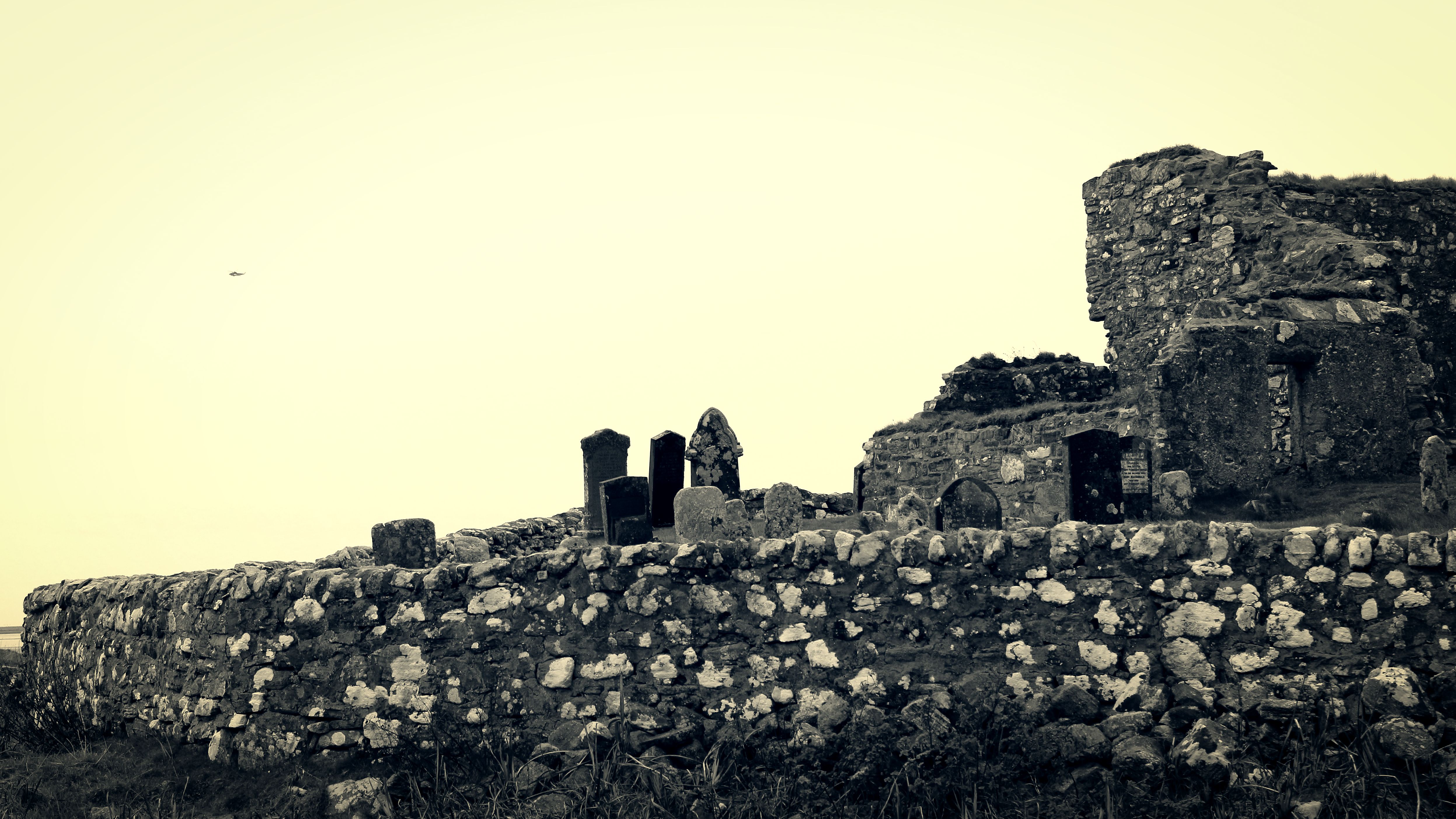
sepia tinted photo of a ruined chapel and old gravestones behind a low stone wall, taken on North Uist.

.

.

.

.

Okay, still with me?

The first, encountered in the opening few chapters, is some profound suicide ideation by Kit, one of the Point of View characters. His depression and the desire for release drive him to the edge of a cliff. Obviously, he walks away, otherwise that would be the shortest PoV plot thread ever. But writing his thoughts leading up to that moment, and writing some of his journey towards healing afterwards, drew on my own experiences more than I’ve ever really admitted to anyone. That was hard. It was so hard that at one point I realised Kit’s thoughts were bleeding into my own, and I had to put the book aside for several months until I felt able to return to it.

I don’t pretend to understand everyone’s experience of depression, but I understand my own. And I wanted to speak to anyone else who’s lived this terrible, lonely thing, but I also wanted to write accessibly enough for people to empathise with even if they’ve never known depression. Have I achieved that? I don’t know. But I’m glad I wrote the walk to the cliff top, and I’m even gladder I wrote the walking away. 

The second event isn’t something I’ve experienced myself. I wrote the death of a baby. Even typing that sentence makes me feel sick. It’s the worst thing I think I will ever write, and I put off doing the actual scene for weeks. I tried to rejig the plot to avoid it happening, I tried to narrate it from further away, I tried to make it something unspoken. But none of those changes were right. None of them did justice to the truth of the islanders’ situation, and the gravity of the death itself. It’s not gratuitous, it’s not even actually described at all. All you hear is the mother’s breathing change. That’s it. But it still left me wrung out and oddly guilty.

I haven’t experienced the loss of a child. But I have experienced multiple miscarriages, and although I’m not equating those two experiences, my own griefs definitely shaped my desire to tell this story. Because this – the neonatal tetanus epidemic – was the seed that started Mother Sea. It comes from real events on the islands of St. Kilda in Scotland, and reading about that was where this all began. I could not get the thought of those women out of my mind. What it would have felt like to be carrying a child knowing its chances of survival were so slim – how did you guard your heart from that? What would you be willing to do to try to change fate?

I couldn’t write the story of a community’s grief and fear, the story of their fight for hope, and not bear witness to the heart of that – a mother carrying her child, and losing it. I hope I’ve done it justice, I know I feel a kinship with anyone who is carrying the ghosts of their lost children in their arms.

The term ‘book of my heart‘ gets thrown around a lot by writers, doesn’t it? But Mother Sea could never be anything else because I wrote it for my own heart. I wrote it out of both my private griefs, and my wide-open, globe-spanning grief in the face of the climate crisis. And yet ‘What is grief, if not love persevering?’ as Vision said. So it’s just as much about love too, in all its forms from the private to the globe-spanning. Although it started as a very private thing, by the time I was editing I had begun to picture readers other than myself. I began to hope that a story about an island that doesn’t exist might perhaps feel true and precious to strangers. I know how you feel, my islanders whisper from the shade beneath the tamarind trees. I feel it too.

Thank you for reading this abnormally personal blog. I wanted to write about these two things by way of content warning and explanation. I also wanted to say to my readers thank you for venturing with me through such difficult terrain, I hope I carried you through safely to a place of hope.

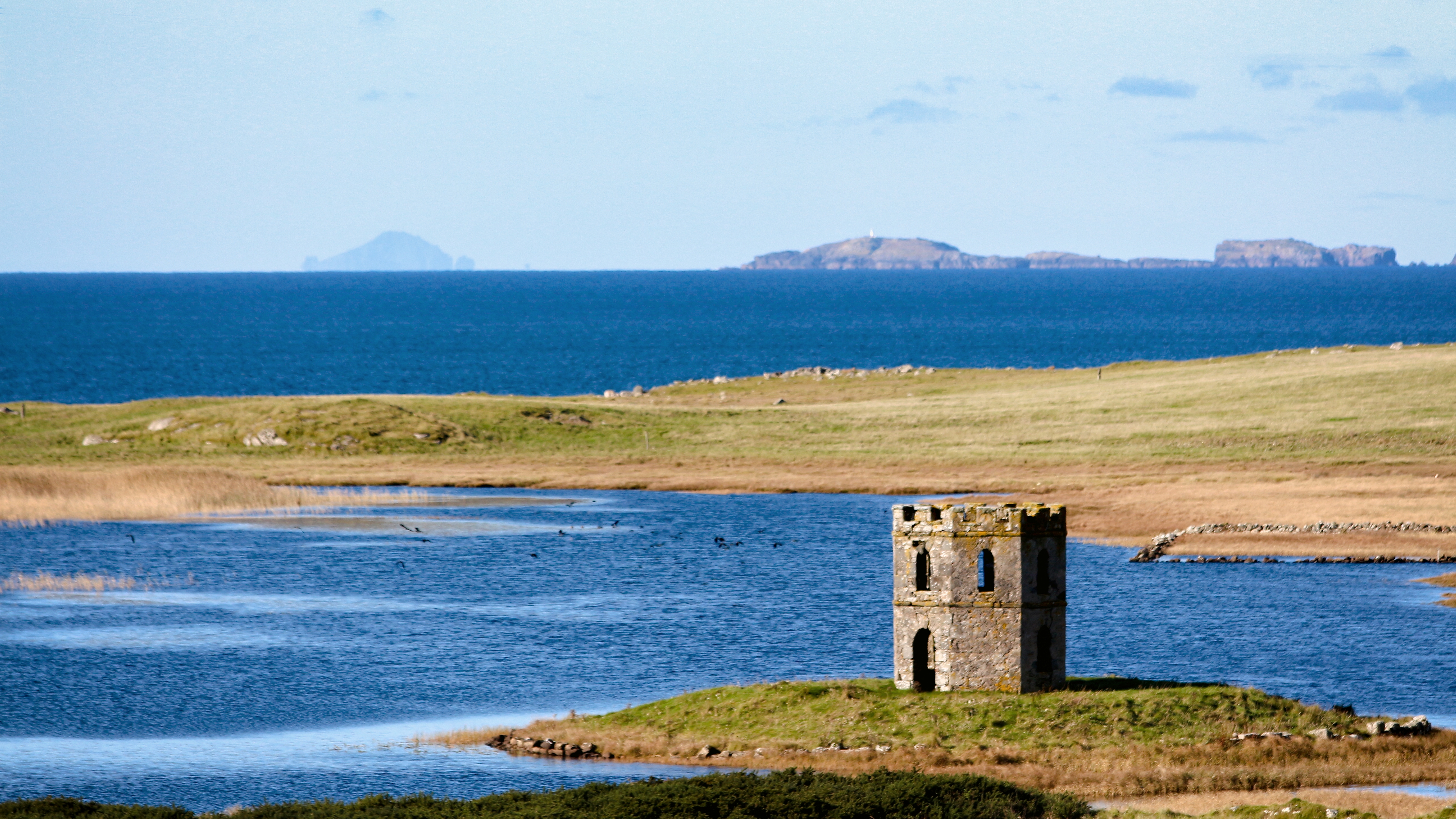
A photo from North Uist looking out across a lochan with an island fort towards St. Kilda.

Return to main blog page

The Road To Publication

Recent online conversations about debut expectations versus the long haul of being an author made me realise that I never wrote my version of this blog. People normally write them on signing with their agent, or when their debut releases, don’t they? Well, how about on publishing their third book & announcing their fourth? Perfect time, right?

Two disadvantages of waiting till now is a) that it’s a looooooong post, and b) I can’t be sure of exact numbers. I’m as accurate as possible, because I know how good it is to see the data rather than just the ‘keep going, you haven’t failed until you stop trying’ sentiment (which I have OPINIONS on btw).

Okay, so a For The Record disclaimer: As you may know I turned to writing when I became too ill to carry on in my job as a research scientist, therefore I have no formal learning or qualifications in creative writing. I ­have done a couple of short, online courses with Jericho Writers and Writing The Other & as many workshops as I could logistically & financially access. ALL my submissions were via the slushpile (and all in the UK fwiw). I started out with no contacts in publishing or writing, and even less understanding of how it all worked, but in my first few years I attended the York Festival of Writing three times. I also managed to access agent 1:1s on two other occasions. Thassit. That’s the extent of my shortcuts and privilege, because yes those things do affect your route to publication and it’s naïve to pretend they don’t.

TL:DR cumulative stats: 13 queries (agents only) over 2 books to 1st agent offer. 81 queries (agents & small presses) over 4 books to 1st book published. 136 queries (agents & small presses) over 5 books to 2nd agent offer.

Full deets, cos it’s a lot more complicated than that sounds … are you sitting comfortably?

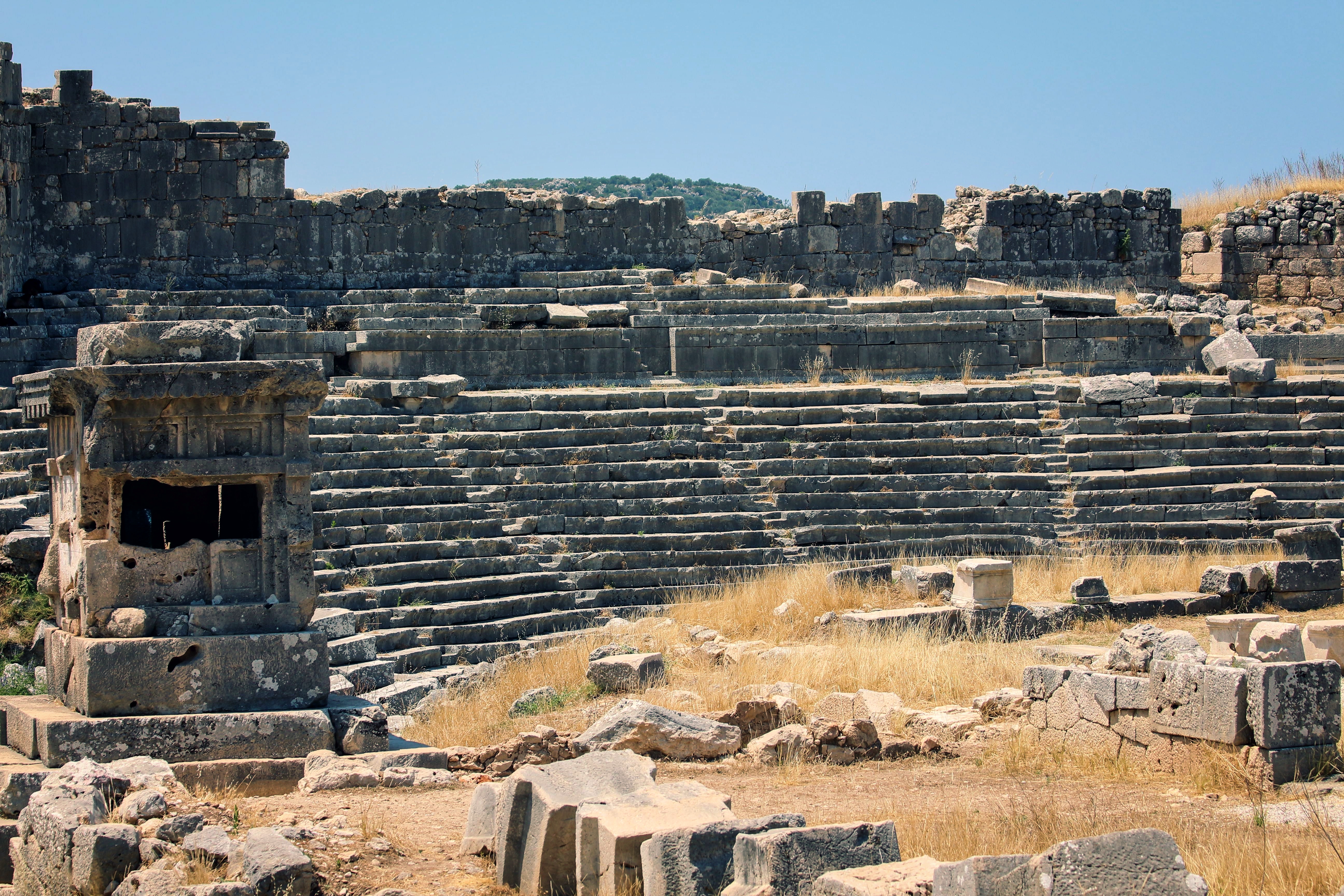
photo of a ruined roman amphitheatre in Turkiye

2014            Wrote a fantasy epic, first in a trilogy.

2015                     Because I was a fool and knew nothing, I queried the godawful thing to a handful (~12 agents, to whom – sorry!). I got two personalised rejections, a bunch of forms and perhaps one ghosting. Meanwhile, I wrote the 2nd in the trilogy and simultaneously realised that Book1 was not remotely publishable. I decided to treat Book2 as a test run for applying the skills I’d learned whilst mangling Book1.

2016                     Started writing a whole new book (Book3). A contemporary Scottish witchy fabulist thing that felt like my first ‘real’ book. In that I kinda knew what I was doing this time and the end result was fully my own thing rather than a derivative mess!

2017                     Subbed Book3 to one agent – a very new agent at an established agency who’d been recommended to me at York. She offered, I accepted, it went through minor revisions and went out on sub to around 10 editors. It got some lovely feedback, but no takers. Four months into this, my agent left publishing. Reading between the lines, I think she was not supported at her agency, and so I really felt for her. It was a huge blow though, lmty. I had no idea at that point how common it is for writers to lose agents for any of several reasons so this felt like a moment of utter failure even though it was nothing directly to do with me, or my book.

Whilst on sub, I’d been writing Book4, and my agent had raved about its premise. Book3 was dead – no agent would be interested in a book that had already gone out on sub. So I pulled my big girl pants up, and got Book4 ready for querying…

2018                     I sent Book4 to about 45 agents and 15 small presses over the course of around 18 months. Of those, I had a roughly 50% full request rate from agents, and 30% from small presses. Good huh? Of those full requests, only 1 agent ghosted me (times have changed I believe ☹), most got back within 2 months. The small presses were generally much slower (and much ruder, in a couple of instances!). From all these fulls, I ended up with two offers of publication from small presses. I went with the one whose brand seemed a better fit for the book. They were small, but reputable, award-winning, and strongly recommended by one of those full-requesting agents. That agent believed in them so much he even stepped in to help me negotiate a couple of contract terms. Fab. Yay. I was gonna be a published author! I didn’t mind going small press rather than agent by that point as I just wanted to make that first step on the journey, and I liked the feel of the small press scene.

Yeah, no. After agreeing contract terms, the publishers pulled out.

2019                     By this time I had Book5 finished and waiting,and had started on another one. But I lost heart with the nascent one and very nearly didn’t bother submitting Book5. Book4 had come so close both with agents and then with the publishing deal. After losing my agent, this had felt so hopeful and for it to come to nothing … I just didn’t really see the point in trying again. My skin was not thick enough and my belief in my writing was crushed. The mental cost of the cumulative rejections and knock backs was having an impact on my physical health, and I needed to step away. I decided I would write for private fulfilment not for publication, and started writing a new, deeply personal book, never intending to share it.

BUT Book5 was just sitting there. I figured I’d lose nothing by trying one last time, but this time I was going to be canny. I queried a handful of agents and small presses (excluding the one above!) to test the water.

Of those 6 agents, I got 1 full and 1 R&R; of 4 small presses, I also got 1 full which lead to an R&R.

The R&R from the publisher was a biggie. And to be honest I wasn’t sure I could pull it off, as it meant a complete re-write. But I figured it would be a good test of my skill, if nothing else, and I was kinda curious about whether the editor’s instincts were right.

They were. The edited book was much better. I went back to that publisher with it, but they’d stopped acquiring books. Ugh. Well, I had a stronger manuscript and had promised myself I’d give this book its best shot before calling it a day. So I pulled together a list of indie presses. You’d think I’d have been put off them by now, but all of my communications with agents had taught me that my form of literary-ish genre-blending work can be a difficult sell to agents looking for neatly packageable stories. Plus I still believed (believe) that a lot of the most innovative, diverse storytelling is happening with small presses, so I wanted to trust that there were good, reliable people out there. Somewhere.

2020                     GLOBAL PANINI! In between homeschooling v.1 & general panini chaos, I sent Book5 back out to a small batch of small presses (~8). And got, relatively quickly, 2 fulls and an offer.

That offer was with Luna Press, a very small Scottish indie press with an incredibly global list of authors. After speaking to Francesca I knew immediately that this was a press I wanted to work with. The book was This Is Our Undoing.

I also wrote the first chaotic halves of two books (umm… 7&8). Thank you, pandemic stress cognition decline.

2021                     GLOBAL PANINI! This Is Our Undoing came out with Luna Press. I showed Francesca that near-miss Book4, braced for rejection yet again, but she loved it. I signed a contract for The Way The Light Bends and the bruises left by my prior experience began to fade. With my confidence in myself, my writing, and the publishing industry at least a little rejuvenated, I started thinking about querying that deeply personal Book6. It was a terrifying thought, if I’m honest, and took a while to build up to. In between homeschooling v.2, the debut rollercoaster, dredging up querying courage, and other general mayhem, I finished Book7.

Then I started querying Book6.

This time I sent out larger batches than before. Rough counts were, in two batches, 40 agents and 15 small presses. Of those, I had received ~ 8 fulls when I received an offer of publication from a lovely medium-sized indie press with a very literary, friendly, thoughtful vibe. On chasing outstanding queries I had a couple of lovely chats with agents and another publisher, and an offer of representation from an agent who seemed to genuinely get my writing, my health limitations, and who was demonstrably supporting marginalised authors in his work.

I signed with Robbie Guillory at Underline Literary Agency in late 2021, and signed with Fairlight Books for Mother Sea shortly after. My sad, angry, deeply heartfelt story that I wrote thinking its only readers would be my mum and sister, was going to be published.

2022                     GLOBAL PANINI + BOOK AWARDS. Amazingly, given the small reach associated with a small publisher, Undoing was finalist and winner of several awards. I also won an award for my short fiction. The Way The Light Bends published, Mother Sea was in the works & I had survived an entire year as a published author without coming apart at the seams. Oh yes! Onward! Riding this wave of not being entirely broken, I finished Book8 (Book7 is shelved). And applied for a Creative Scotland grant to fund a return to that nascent book that I abandoned in 2019 mid-despair.

I also wrote a novella.

Book8 went on sub in the Autumn. On the same day that I underwent long-awaited surgery for my endometriosis that ended up being way more complicated than anticipated and from which I am still recovering 7 months on. Note of advice, major health upheavals and being on sub are not a combination conducive to creativity or mental fortitude. Avoid at all costs.

2023                     My 6th written book – 3rd published book – is coming out in less than 3 weeks.

I signed with my beloved Luna Press for my novella, coming out next year.

I was awarded the Creative Scotland grant and have just finished the 1st draft of nascent/abandoned book. So in 10 years that’s: 1 novella & 9 novels – 2 binned, 2 shelved, 3 published, 1 drafted and 1 on sub…

Despite the real-life hellishness going on, there is more good news coming. I’m steadily building my reach and publisher-appeal and this feels whilst not remotely guaranteed, at least a sustainable and hopeful trajectory. I’m not sure what the next few years will hold, but from being on the very brink of giving up 4 years ago, it’s surreal to sit here with a stack of my own books beside me, knowing I will be publishing more. That’s a startling, wonderful thing. The road does not get smoother, but it does perhaps get less steep.

…Lol, I did warn you it was long!! I do want to note that the rates of query full requests, and of ghosting both initials and fulls have changed drastically over the years, so please bear that in mind. Publishing is understaffed and creaking, and that hits writers in the trenches hard. Whoever you are, and however many manuscripts you have yeeted into the querying void, I am cheering you on. It takes a horrible combination of vulnerability and steeliness to weather this game – you’re all epic.

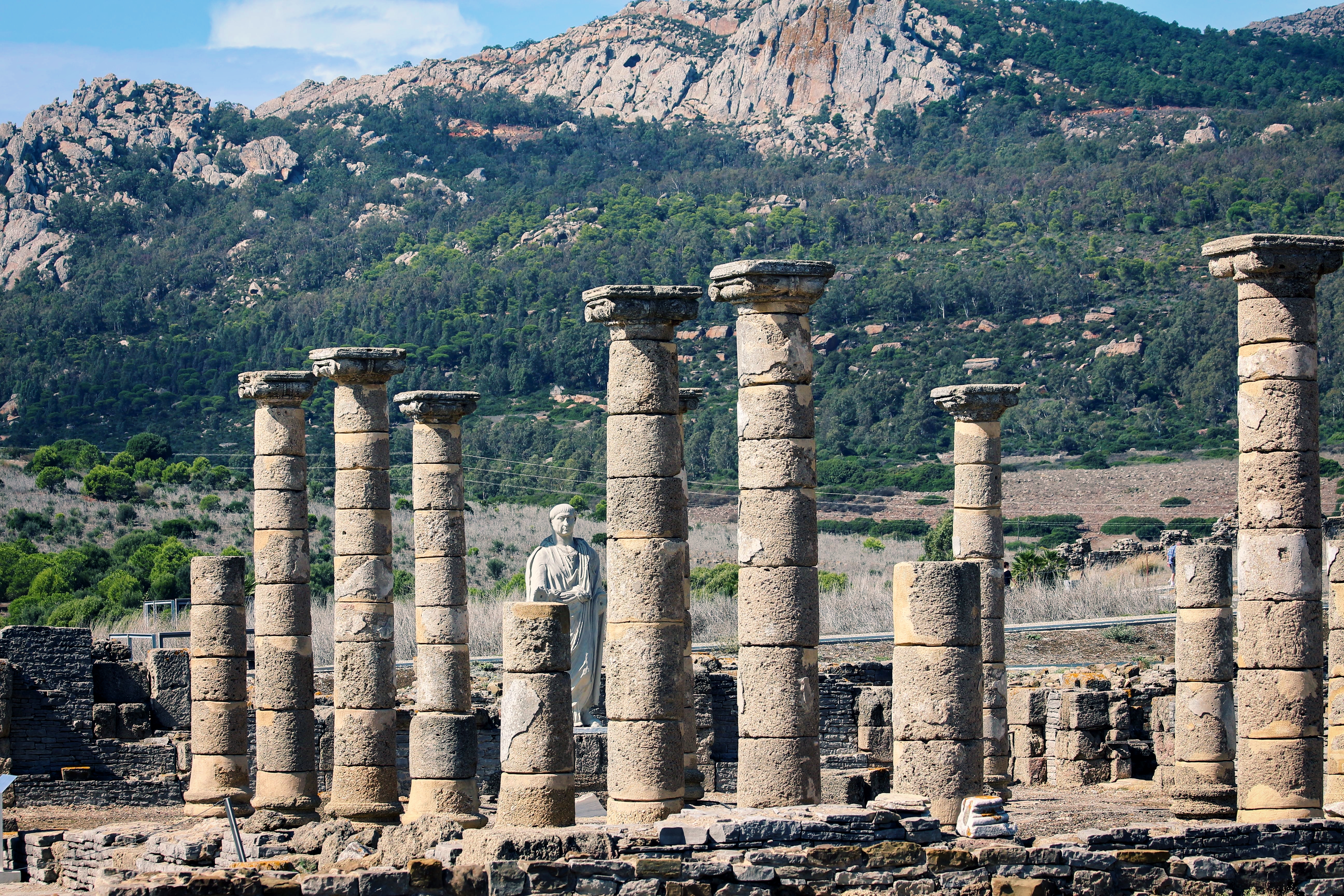
photo of standing columns of a grecian ruin on Cyprus, mountains in the background, the statue of some dude looking resigned and weary.

return to main blog page

Retreats, Arts Funding & Goats

Last year I was awarded a Creative Scotland grant through their open fund to support my writing of a novel that I generally refer to as Welsh Gothic. This was my first time applying for funding for my writing (years of applying for scientific research funding scarred me for life!), and being awarded a small grant was perhaps one of more validating experiences of my writerly career so far – A group of publishing professionals thought I & this unfinished book had enough potential to be worth supporting? Really? How great is that?

Aside from the wee confidence boost though, this funding represents something more widely important. As you likely know, I am too unwell to hold down a ‘real’ job. Last year I was fighting my own body in an attempt to earn something from freelance creative work – articles, workshops etc. – but that was taking a heavy toll on my ability to actually write. My spoonie body only has so much capacity, and this grant allowed me to protect more of my limited creative spoons during what has turned into quite a tough period. If I was hustling this year the way I did last year, I honestly may not have written a word.

Arts funding has suffered in the UK under Tory rule, and came under brief, cataclysmic threat in Scotland before a Scotgov u-turn. After the lockdowns proved emphatically that we all turn to arts when we’re under stress, anything other than wholehearted support for the arts seems a bizarre act of self-harm. And the voices first silenced by lack of funding are the voices of the marginalised – the disabled, the working class, the people already carrying the existential stresses of systemic bias. (Perhaps that explains the Tory desire to starve us out…)

Anyway rant over! A huge thank you to Creative Scotland for their support. It was a tiny sum of money in the wider scheme of things, but it means so much to me. And, to get back on track, part of the funding allowed me to go and stay at the location of Welsh Gothic for a research week.

CUE GOATS!

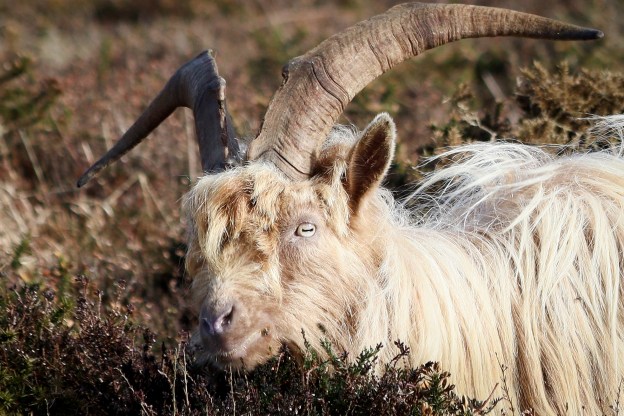
welsh feral goat amidst heather. He's long haired and pale gold with mad white eyes and curved spreading horns.

I stayed in a cottage in Nant Gwrtheryn – a granite quarrying community in a steep, tiny valley on the coast of the Llyn Peninsula that was abandoned when the quarries closed, then restored as a language centre. It’s a stunning location. Vast quarry cuttings and abandoned machine housings on the cliffs around the centre, the two neat rows of quarryman cottages and the abandoned farm at the top of three slim fields. Fog slipping in from the Irish sea and chough calling from the peaks. AND WILD (feral) GOATS.

These dudes weren’t here the first time I visited (to study Welsh about 14yrs ago), but they were pretty much resident this time. I wonder whether this was because they’d got used to the quiet during lockdowns & then just opted not to leave. Good for them. The world is theirs, we are just guests, and insignificant ones at that. They’re gorgeous aren’t they? Not saying they were the highlight of the trip but…

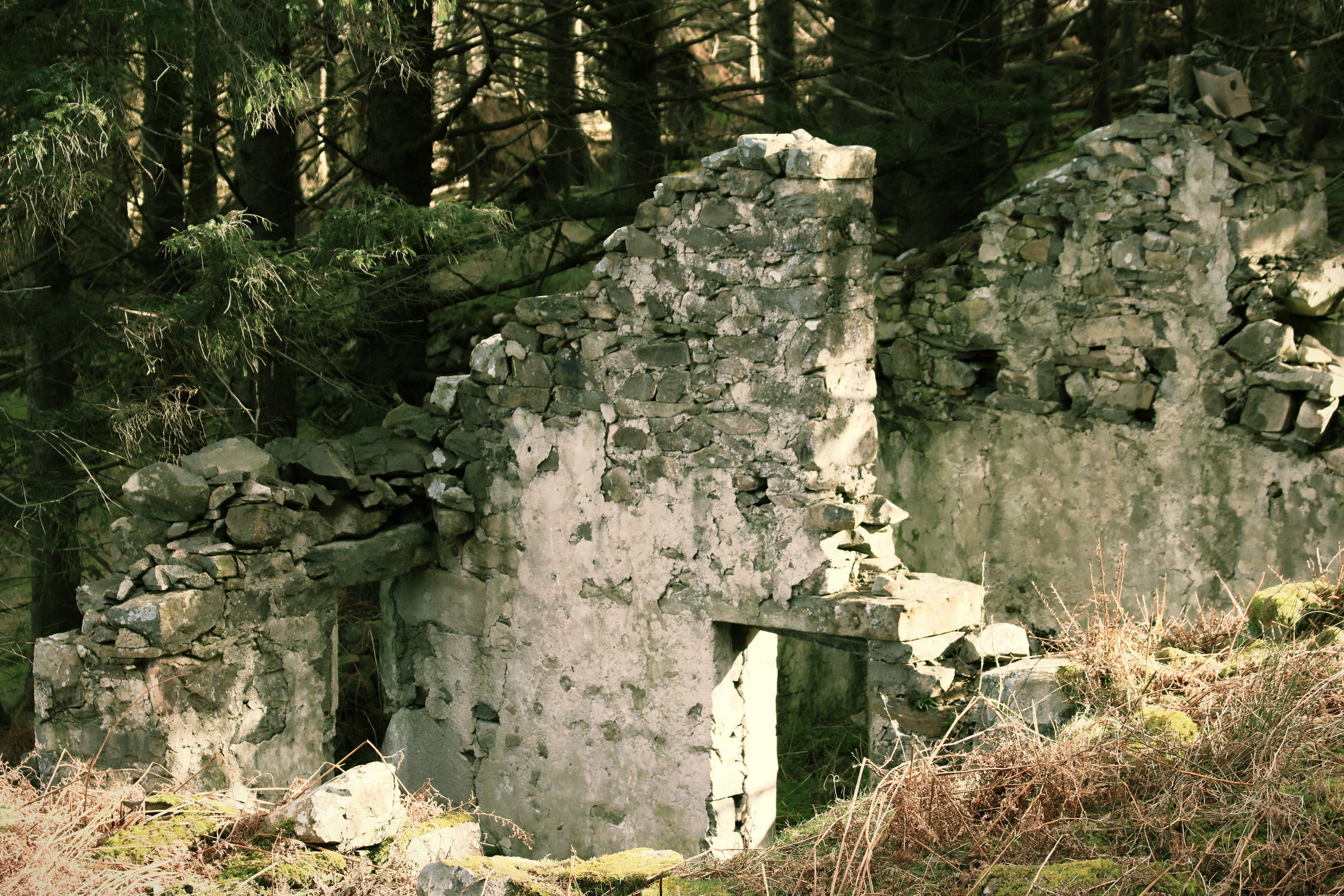
black and white photo of an abandoned stone farm house, seen through fir trees. It much gothic. Peak ooooh.

Welsh Gothic (real name All The Birds Will Be Hostile – a quote from the Mabinogion’s Blodeuedd of the Flowers tale) is set in the abandoned farm in this photo, unabandoned and occupied with a riding stables. This is the opening sentence of my pitch:

In a valley hemmed in between ruins and the sea, on the edge of the wild Llyn Peninsula in Wales, superstition and family secrets threaten to destroy the childhood home Blodwyn Jones has been running from for years.

Inspired by the story of Blodeuedd, Alan Garner’s The Owl Service and Laura Purcell’s Bone China, it’s full of watchers on the cliffs, curses painted in blood & some badly timed mists. It’s my first foray into gothic lit with all its symbolism and feminist underpinnings, and the time away really made me fall in love with the story again.

It was an amazing week. I went with a few writerly friends, and the mix of staring at the scenery (research!), drinking tea and chatting books made for a deeply lovely, enriching time. I spent the time rewriting the existing partial draft which was originally set further down the peninsula, making copious notes and taking lots of photos. Welsh Gothic has been given a new lease of foggy, spooky life and I am now in the final climax scene, wondering whether to slip a goat in there as a pivotal Deus ex Capra.

Return to main blog page

Submission, Silence & Survival

So I’m ‘on submission’ at the moment. The joy! In case that phrase is unfamiliar (and perhaps faintly nsfw-sounding), it is when an agent has sent their client’s book out to editors and they are waiting to hear back. It is, traditionally, a time of silence and secrecy. We aren’t supposed to talk about being ‘on sub’ too much, and we aren’t supposed to talk about (or to) the editors we’re waiting on. This is so we avoid sounding defeatist & potentially undermining our book’s chances, and also so we aren’t breaching confidentiality. Which is all very logical and businesslike.

BUT. It also means that being on sub is a cold and lonely place.

Publishing is renowned for moving glacially 95% of the time and at the speed of light the other 5%, but over the last couple of years a combination of pandemic, staffing instability and workload increases have seen the submission process move from glacial to tectonic. Some books still sell super fast, and that is awesome. Most are selling much more slowly, which means us authors (and agents) are lingering in the submission abyssal plain for months, in some cases years.

Which is not exactly oodles of fun, let’s be honest. So I figured it might be useful to those of you approaching this stage to have someone talk about the process and how to survive it. I’m also currently far enough in to Have Opinions, but still near enough to the start that I’m a) mostly sane, and b) more or less optimistic.

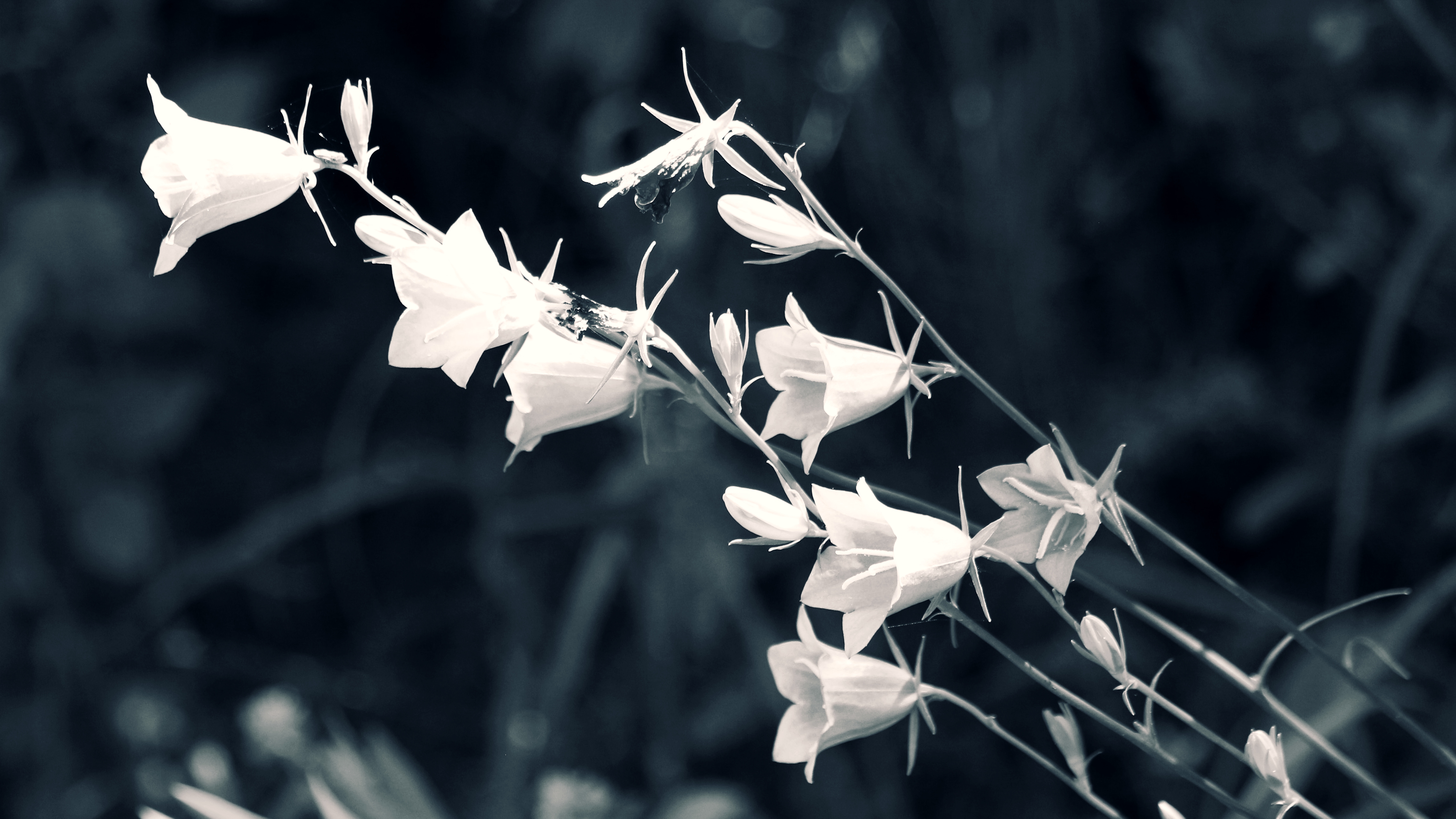
black and white photo of some arching stems of pale campanula flowers against a dark background

So…

The Process. This will vary between genres, agents and the particulars of your relationship with your agent. But in general, once your book is ready your agent will pull together a list of editors at different publishing houses/imprints who are a good fit for your book. Hopefully your agent will pre-pitch the book to a good few of these editors, testing the water and seeding interest informally so that when your submission lands, it catches their eye. Once pitch is perfect & the emails are gone, the waiting begins. *doom laden drumbeat* Your agent will likely nudge editors at intervals – some do this more often than others. In the current climate I think the pre-pitching and the nudging skills are probably becoming more and more significant in getting timely reads, but *shrug* who knows? Your agent will likely also have a second batch of editors in mind if the first batch do not work out.

The Responses. These can take multiple forms. Ideally, obviously, you’ll get an almost immediate pre-empt or bunch of offers that trigger an auction, drama, excitement and cake. More likely, you will get some of these: 1. The rejection – which usually contains a little bit of feedback about reasons, but these are as subjective as any feedback so be prepared for contradictory comments and the ensuing frustration. 2. The initial maybe – this is where that individual editor liked it but needs to take it to others in their team, or to a full acquisition meeting with marketing & publicity before offering. 3. The offer – hurrah. Which your agent will then use to chase other editors & hopefully cue multiple offers, excitement and cake.

The Survival Toolkit. Okay so how do we endure the waiting without spiralling into a catatonic loop of refreshing your inbox, self-doubt, and really really not getting any actual writing done godammit? Here are some things to try out…

black and white photo of a globe thistle head from above, pale against a shadowy ground, the outer whorl of spikes forming a circle
  • Structure your communications. Some people like to set a day of the week for their agent to email them an update, so they can forget about their inbox for the rest of the time. Some of us (hi) would rather just get those random emails at any time. Some people need a monthly live chat with their agent to ask all the questions & get some perspective. Some are happy with emails. Talk it through with your agent if you want to try structuring communications in a way that fits your brain. They won’t know what suits you unless you tell them, and they will want you to stay sane, so do tell them if something they are doing isn’t working.
  • Give your agent information. Spoke to an editor at a convention last year? Got shortlisted for an award? Been awarded a residency? Tell your agent, it can be useful both when drafting the pitch letter and in making those ‘nudge’ emails a little more eye-catching.
  • Form a secret cabal. Honestly, this is probably THE MOST IMPORTANT SURVIVAL TIP. Find a writer friend or two who is also on sub or there abouts and designate them your safe wailing space. Keep it private, you’re a professional. But have those wails, you’re also human. These people will stop you chewing your own arm off, or at least be someone to compare chewed stumps with. Okay that metaphor got icky, sorry.
  • Ask questions. Whether this is of your agent, your secret cabal or other writers. This is a big unfamiliar territory of horrible unknowns – it’s absolutely okay to want information, and honestly, that’s what your agent is there for (aside from, you know, actual agenting stuff). You’re also allowed to have opinions – if you want to try X editor over Y, or not sub to a particular place For Reasons, talk it through.
  • Try to be realistic. I know it’s tempting to think you’re the exception, because someone gets to be the exception so why not you? But the chances are you aren’t going to hear anything for weeks, more likely months right now. This is a long haul at the moment, so structure your expectations appropriately. Force yourself to focus on something else, whether that’s drafting or editing another book, short stories, blogs (lol, it me), or learning to skydive. When (yes, when – we have faith) you get an offer, you might get developmental edits thrown at you fast, so it would be useful to be progressing other projects before then. But that said…
  • Be kind to yourself. The constant background hum of being on sub is taxing on the brain and body, especially if like me your body is rather fried to start with. So while it’s important to keep moving writing-wise (and physically, get up and stretch. Have a boogie) (who says boogie anymore, Raine, ffs. I am An Old), it’s also important to be flexible and realistic about your targets so you don’t stress yourself out unnecessarily.
  • Try not to stalk the editors on Twitter. But also, stalk them on Twitter. Keep an eye out for their MSWL posts, new job announcements etc, & let your agent know if it seems like it might be relevant to your sub (Twitter is a mess & your agent is busy, they might not see it). But don’t expect eds to tweet about this amazing sub they’re reading & omg it’s just like yours, they don’t do that. Which is probably best for all of us really.
  • Drink tea.
  • Eat chocolate.
  • Scream at the sea occasionally.

A final note of honesty. Some books (a lot more than we like to admit) ‘die on sub’. They do not sell. And this categorically sucks. But it is not the end of you the writer, it’s not even necessarily the end of that book – it might sell to a small press, or work as a follow-up book in a multi-book deal. The fear of dying on sub is real though, and the powerlessness is worse. But the only thing you can do to improve your chances is keep writing. Keep writing. You’ve got this.

Go back to Blog homepage

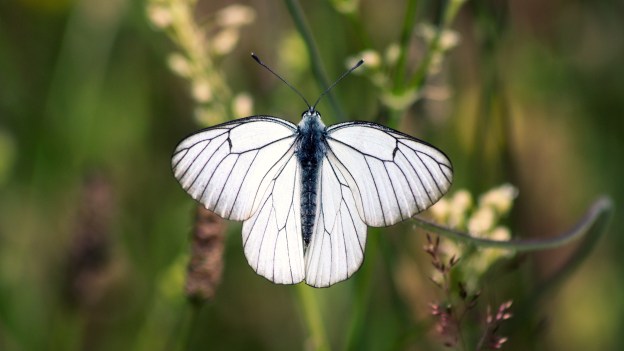
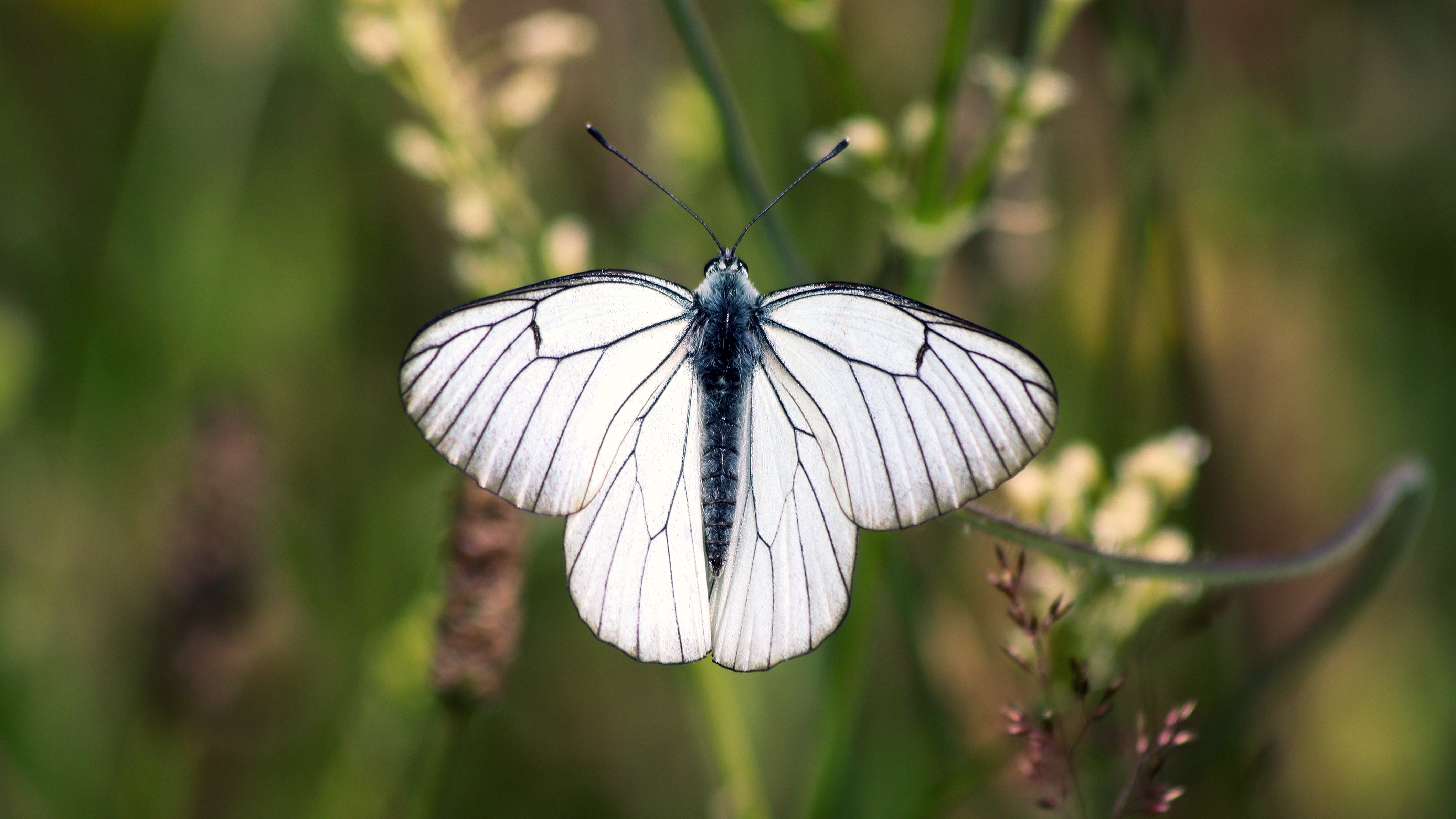
colour photo of a black veined white butterfly resting on a cornflower. It's stark white & black colouring shines against a dusky background of grasses and flower stems.

A Christmas Book-buying Guide For All* Species Of Reader (*some)

Tis the season for the ‘Best Of’ lists, and rather than worry about whether I make anyone’s list, I figured I’d make my own. I read somewhere in the region of 150 books this year & so here are my fav reads of 2022 (not all published this year) and recommendations for Christmas presents for all your bookish relations. Enjoy & let me know what your top picks of the year have been.

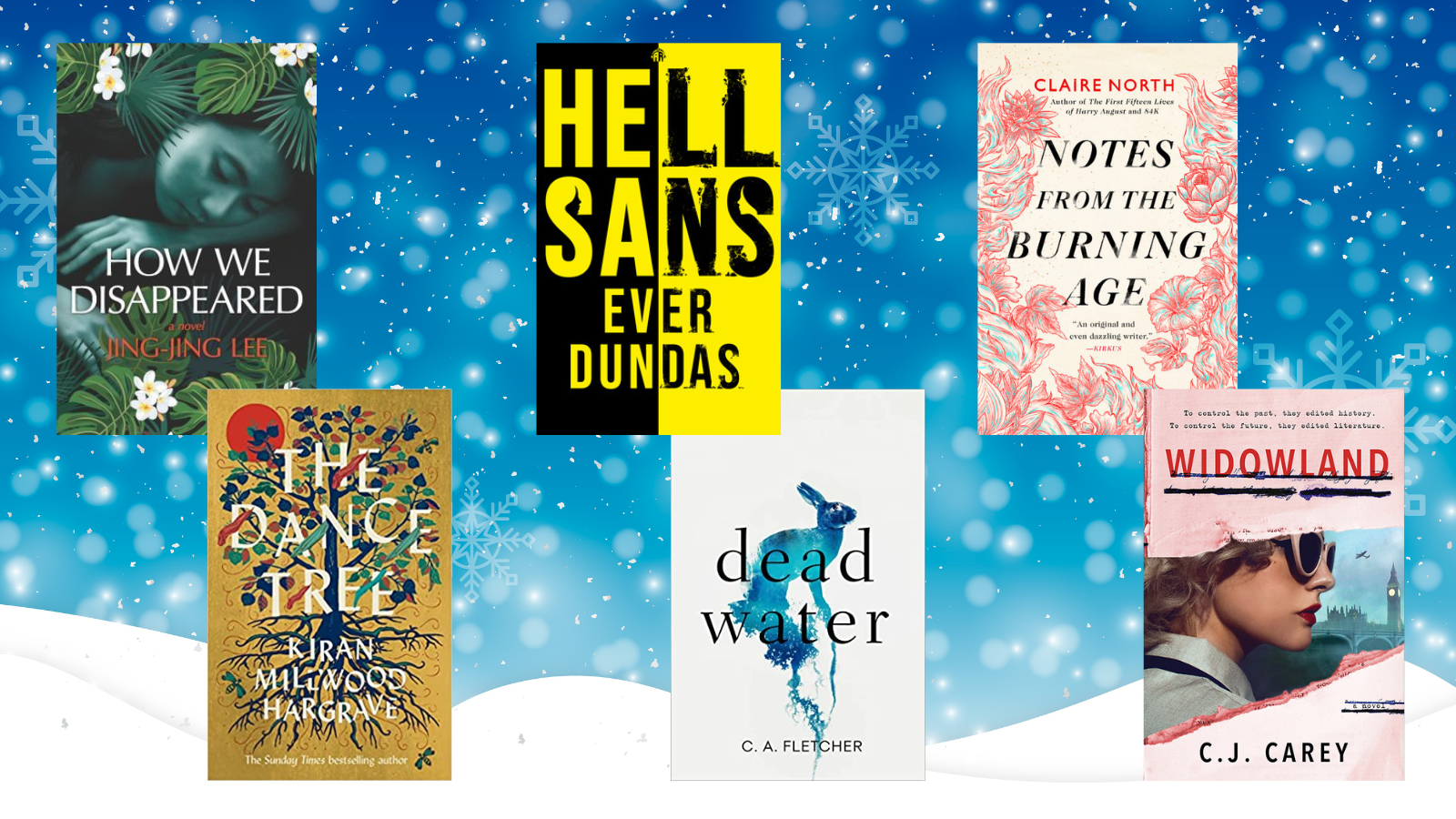
An image of six book covers against a graphic image of snowy landscape and falling snow against a blue sky. The books are as mentioned in the article.: How We Disappeared, The Dance Tree, HellSans, Dead Water, Notes From The Burning Age, and Widowland.

For the literary darling: They’ve probably read the Booker Prize shortlist already so what do you buy for the reader who loves the conversation-starters and the esoteric? Slight confession – I’ve not read much in this field this year. My spoons have been too low for anything too demanding. That said, I loved these two:

How We Disappeared – Jing-jing Lee

A searingly beautiful story of trauma and family, travelling from war-torn Singapore to the US. This was out in 2020 but I’d not encountered it until this year, and it absolutely broke my heart into shining pieces.

The Dance Tree – Kiran Millwood Hargrave

An intimate story of female friendships and the terrible burden of silence, told through eerie and unsettling events in a small town suffering a terrible heatwave and societal turmoil. This story moved me & resonated with me deeply.

For the gimme-the-darkness goth: They love stabby books and black as hell books, books that make you question their mental wellbeing, and wonder about the author’s FBI file. I’ve read more horror this past year than I have for ages, not sure why. It’s been a stabby kind of year, I guess. Top two were:

Dead Water – C. A. Fletcher

Zombies but in the Hebrides. Bring it on. I loved this dark and creepy tale combining folk horror, small island life and grief; with a cast of very relatably flawed characters and some genuinely shiver-inducing scenes.

HellSans – Ever Dundas

This could have sat under ‘dystopia’ or ‘science fiction’ too, but I’m putting it here for the body-horror. This is a punch to the face of a book, but one of those punches that just makes your blood sing (iykyk). Crip rage is a beautiful thing; I swallowed this book whole & it lives inside me now, all spiky and glorious.

For the ‘we’re all fucked’ eco-worrier. It me. I love a dystopia. We need these narratives as playgrounds for our fears and our desperate hopes. A struggle to pick out just two, but here they are:

Widowland – C. J. Carey.

Ok, more alt history than future dystopia, but dystopian nevertheless. I loved this exploration of the power of stories and the ways in which the holders of power seek to bend narratives to their purpose. Interesting and enticing & I’ve got the next one lined up on my kindle.

Notes From The Burning Age – Claire North.

Gentle, political, subversive and thoughtful, this story is full of dubious morals and twisty characters, and an intriguing take on the future.

With the same snowy background as the above image, this one has the following six books: The Half Life Of Valery K, The Winter Guest, The Metal Heart, The Awakenings, The Girl Who Fell Beneath The Sea, and The Skin Of The Sea.

For the big-dresses-and-tea person. I love that histfic is basically any genre at all but in the past, just like SF is any genre but in the future. As if time defines and overrides all else. Book marketing is so random. Anyway, these two are actually two of my absolute top-of-everything favs this year, so really, even if you don’t like big dresses (which feature in neither of these books to be fair) go buy!

The Half Life of Valery K – Natasha Pulley.

My god I love Natasha Pulley. She creates such fascinating, immersive worlds with characters that you just want to take home and hug and feed cake. This is her first straight histfic book but this story is equally magical & blew me away entirely. Set around a little-known real life nuclear disaster in Communist Russia, this is one to hurl yourself into and get lost in.

The Winter Guest – W. C. Ryan.

The moment I finished this book I went and bought another by Ryan. It is a murder mystery in post-WWII Ireland, but it is also so much more than that. A study on PTSD and a nation breaking its shackles, ghosts, love, loyalties and family secrets all come together in a deeply atmospheric, captivating story.

For the romantic. We all love a love story, don’t we? For that person who gets mushy at adverts, I have started the astoundingly good You Made A Fool Of Death With Your Beauty by Akwaeke Emezi, but haven’t finished it so two completed favs this year include:

The Metal Heart – Caroline Lea.

Orkney, prisoners of war and two sisters. The romance in this is lovely, but actually it was the relationship between the sisters that made this book for me. So complex and twisty.

The Awakenings – Sarah Maine.

Sarah Maine always does a good romance & this was no exception. A deft dual timeline story binding together two couples alongside themes of belonging, conflict and family into a truly lovely whole.

For the YA fiend, lover of all the good tropes. And I’m not talking tiktok All Tropes No Story books, oh no, these are for the readers who want depth as well as vibes. Oh man but I’ve read some good YA this year & it’s difficult to choose a top two, but here goes:

Skin Of The Sea – Natasha Bowen.

This is a powerful, deeply sad story told with captivating beauty and flair. A whole new side to the mermaid folkloric tale and one that I think anyone who loves tales of vengeance or the sea should read.

The Girl Who Fell Beneath The Sea – Axie Oh.

Huh, bit of a sea theme going on. This was an entirely different tale though – Korean folklore made feminist and captivating and new. Full of characters you fall in love with, this one lingers in the mind after you’ve finished.

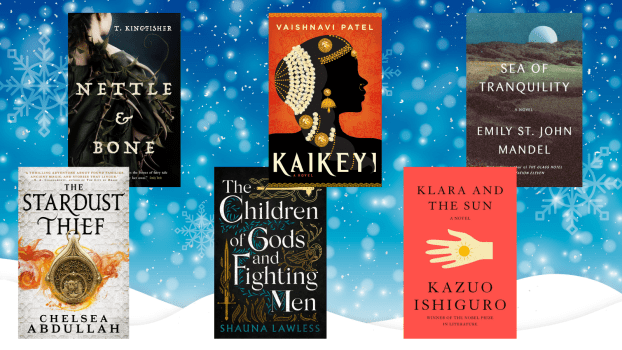
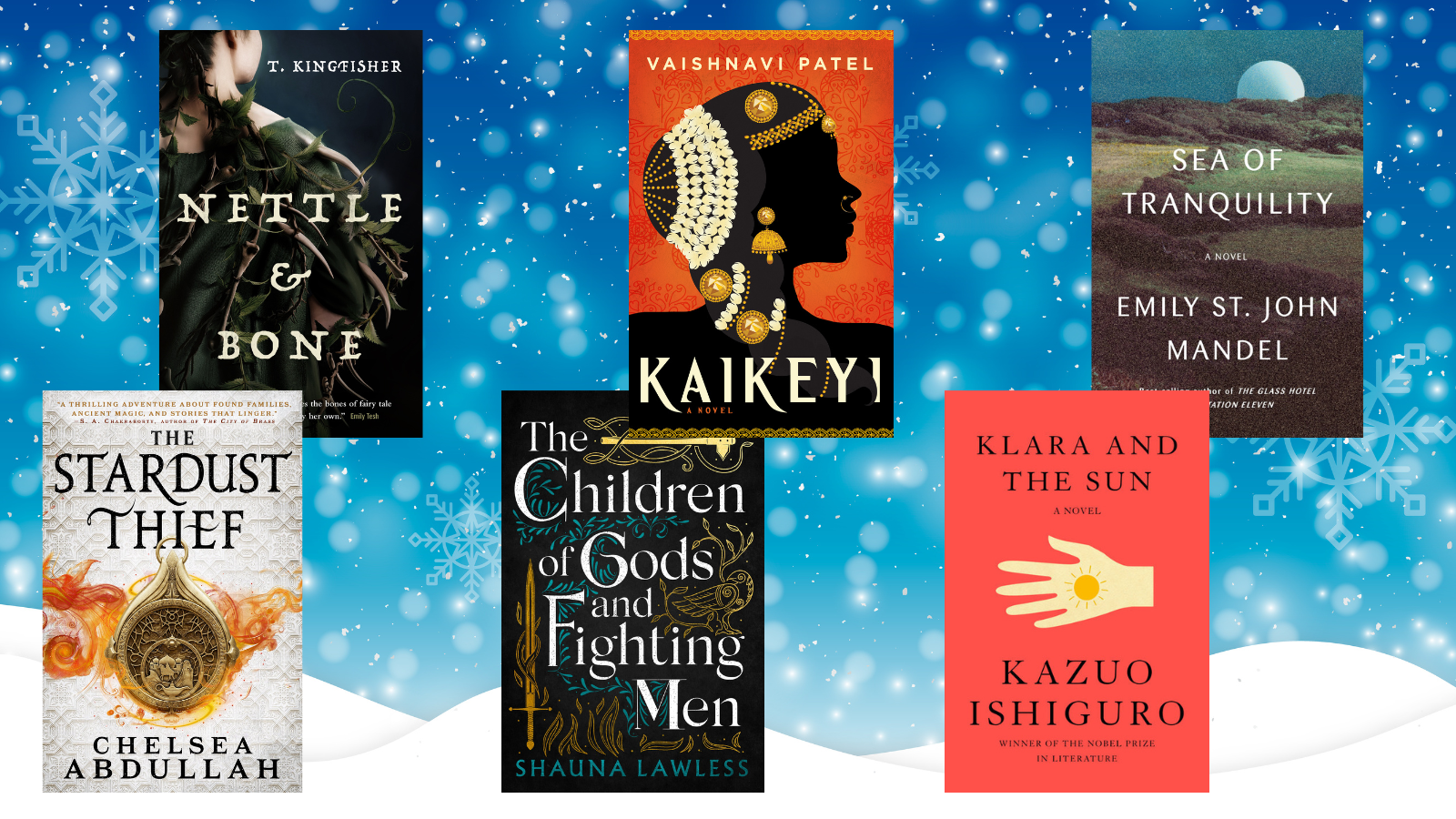
As before, but with the books: Nettle and Bone, The Stardust Thief, Kaikeyi, The Children of Gods and Fighting Men, Klara and The Sun, and Sea Of Tranquility.

For the ‘what day is it today’ fantasist. Too much good stuff in this genre. Just too much. I hate you all, making me choose. My top two at this exact second, although it will change any moment, are:

The Stardust Thief – Chelsea Abdullah.

Fabulous characters, amazing world, enticing narrative. This one hit all the right notes for me & I just loved every second of being immersed in this story of thieves, princes, haunted deserts and powerful djinn.

Nettle & Bone – T. Kingfisher.

What even is this book? Adventure, folk horror, low fantasy? Who knows, all I know is that it is weird and beautiful, gentle and unsettling and utterly memorable. Older protags & romance – yes please. Bone dog – YES PLEASE. Vicious chickens – OMG I love them so much.

For the Greek myth reader. These are not Greek myth retellings (gasp) but they are retellings from other mythologies & honestly it befuddles me why Greek retellings are ‘literary’ whereas all others are ‘SFF’. Anyway, there were some brilliant Greek retellings out this year, but lovers of those will also love these:

Children of Gods and Fighting Men – Shauna Lawless.

An exploration of Irish mythology and history that goes far beyond the stereotypes and male-centered narratives that frankly I’m a little bored of. This one is entirely original, lead by two flawed, powerful, nuanced and entirely empathic women, and setting up for an amazing trilogy. I can’t wait for book 2.

Kaikeyi – Vaishnavi Patel.

A feminist origin story for perhaps the greatest ‘evil stepmother’ villain of Hindu scripture – the step-mother of Rama. This is a beautiful retelling giving voice to a fascinating woman, and I know this author has had a hard time in the face of Hindu fundamentalists so go read this book.

And finally. TO INFINITY AND BEYOND. For your space-faring friends. I don’t actually read much straight SF as I tend far more towards either grounded spec or folklore. But I’ve read a couple this year that were definitely worth all the stars:

Klara And The Sun – Kazuo Ishiguro.

One of my all-time favourite authors, so I guess it’s no surprise this one makes the list. A heart-wrenching, enchanting tale of childhood, AI, innocence and morality. Understated to the extreme but all the more powerful for it.

Sea Of Tranquility – Emily St. John Mandel.

Another of my best-loved authors, so another obvious pick for me.  Time-travel, moon colonies and music. I loved this tale of inter-connectedness, rootlessness, identity and transience, told in the author’s inimitable floaty, deft, poetic way.

These books are a teensy, entirely subjective sample of some of the many books I’ve loved this year, I hope I have enticed you to try one or two. I’ve realised that of these 18 books, only 3 are by men, which is a splendid ratio imo. Whereas I think 11 are by authors who identify as belonging to a marginalised group (other than cis women). Not too bad, I suppose, although I do want to read more books in translation next year. Any recommendations for that TBR list would be welcome. Happy book shopping and happy Christmas all.

Go back to Blog homepage

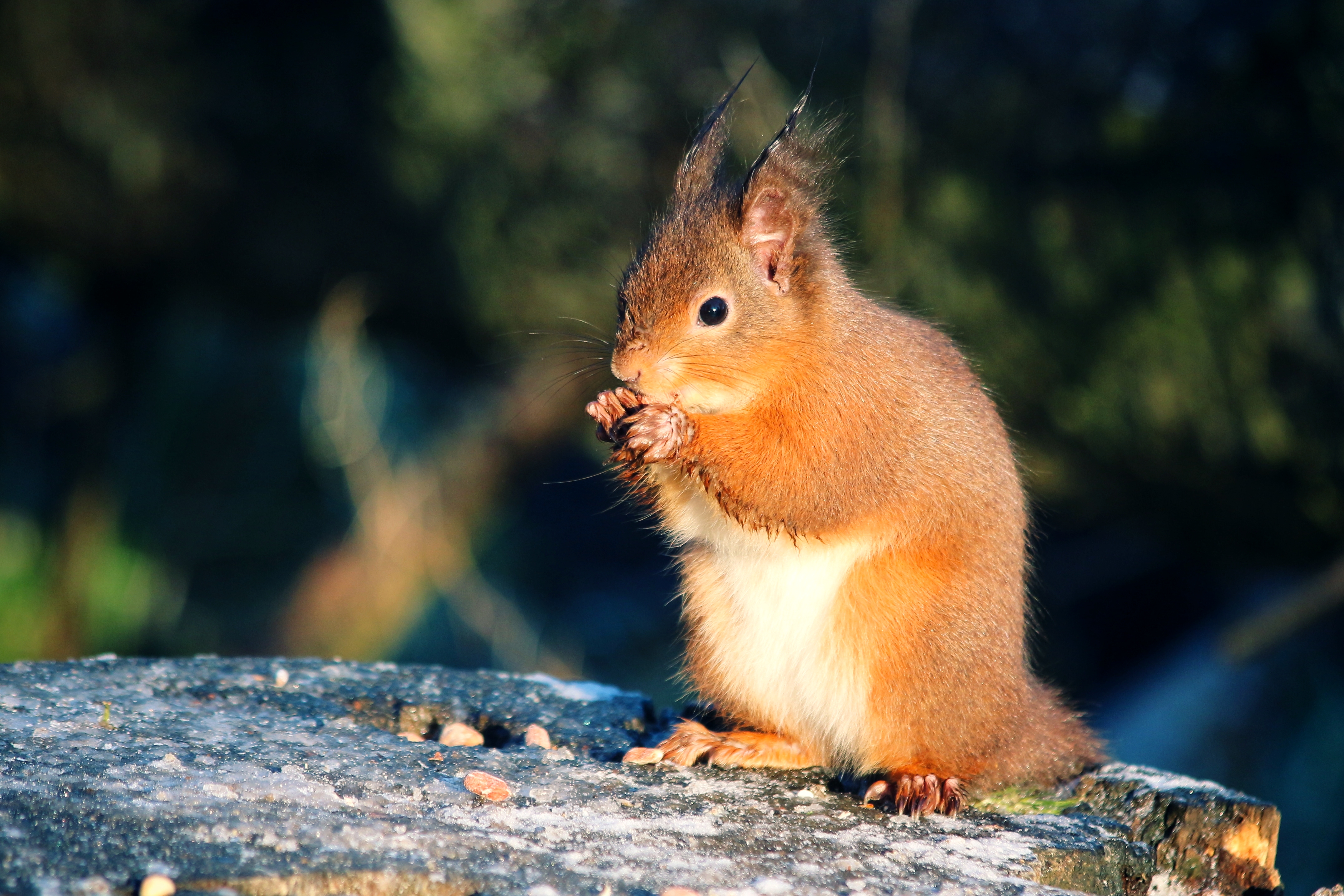
Photo of a red squirrel sitting on a tree stump eating a hazelnut. He has much floof.

FantasyCon, book tours & the Scary 2nd Book

First up, the programme for this year’s FantasyCon has just been announced & I am delighted to be part of this event again. It’s been organised in no time at all by the amazing British Fantasy Society team after the original organisers cancelled it & I am in awe of the work that must be going on behind the scenes right now.

For anyone interested (and for me to screenshot so I don’t forget), my programme looks like this:

Saturday 17th September

  • 4pm in Atlantis2 – Climate Fiction
  • 8pm in Discovery3 – British Fantasy Awards ceremony
  • 9pm in Endeavour – Reading from The Way The Light Bends

Sunday 18th September

  • 11am in Atlantis1 – Folklore and Fairytales
  • 1pm in Atlantis2 – Writing the Difficult Emotions

If you are coming to FantasyCon, please come say hi. I promise I’m nice & I may have books. Also, I will be a quivering wreck at my reading as I’ll have just survived the excitement of my three BFA shortlistings, so I deny all responsibility for my emotional stability during that session.

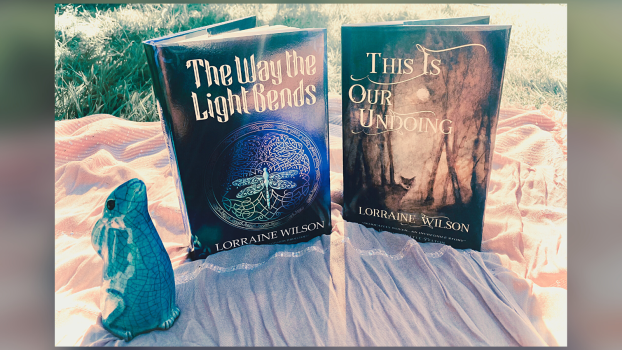
Photo of the hardbacks of both my books on a scarf on the lawn, backlit by sunlight & with a wee blue ceramic hare alongside.

OKAY. Moving on … my second book was released a few weeks ago & I realised I hadn’t written anything on here about that. So … first of all, a moment to appreciate how incredibly lucky I have been with BOTH my book covers. Luna Press have produced the most perfect, beautiful covers for these books and it makes me a bit mushy to see them sitting together on my shelf!

Last year we had a book tour for This Is Our Undoing that … didn’t entirely work. A fair few of the readers on the tour were, let’s say, not the target audience for the book and just didn’t click with it. (The weird thing with booktours is that you can’t follow advice not to read reviews because you’re generally tagged in and meant to engage!) So that week was a steep, hard lesson in dealing with meh reviews, and definitely put a dent in my confidence throughout publication week.

But it served me well in some ways, in that it’s quite freeing to learn right out the gate that a) I can survive a bad review and b) the book will still find readers who love it. I mean, two BFA shortlistings isn’t too shabby, is it??  

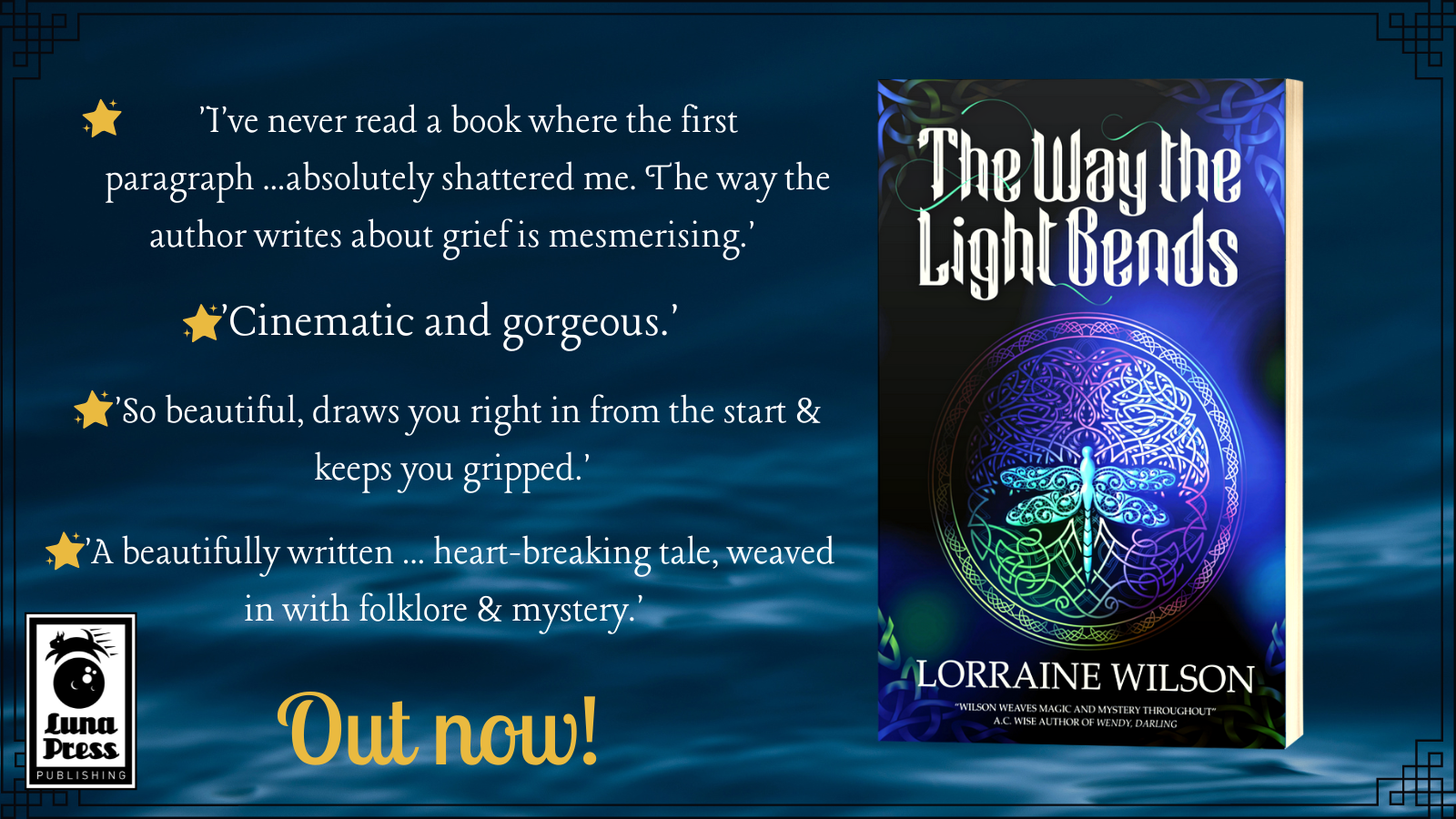
This year, we had a tour for The Way The Light Bends with the lovely folk at Insta Book Tours, and it was a whole different experience! So many positive, beautiful reviews; so many readers’ tears; such a friendly vibe to the whole tour. There was one comment that came up a few times (about the ending) that I’m tempted to write a blog exploring because the subject of endings, resolution and folklore is one that interests me from a craft perspective. But that’s for another day. Today I just wanted to share some of the review comments and thank Victoria Hyde for organising such an uplifting tour.

Image of the cover of Light, with four quotes reading: I've never read a book where the first paragraph absolutely shattered me. The way the author writes about grief is mesmerising.' 'Cinematic and gorgeous.' 'So beautiful, draws you right in from the start & keeps you gripped.' 'A beautifully written heart-breaking tale, weaved in with folklore and mystery.' All this is against a backdrop of dark, moody water.

I was honestly quite nervous about how Light would be received. Because of Undoing’s blog tour partly, but also and contrarily, because some reviewers have been such amazing champions of Undoing and I didn’t want to ‘let them down’ with my second book! It’s a very different story to Undoing, so I was worried they would be flummoxed and disappointed, and that they’d be disappointed in me for following up with something they liked less. I know, it’s stupid, but I’m excellent at finding ways to catastrophise nothing at all, so there.

Imagine my relief then, when one of those amazing reviewer/champions of the universe had this to say about Light:

This is Wilson’s second book and I thought their earlier novel This Is Our Undoing was one of my highlights of last year. Now this one easily becomes one of this year’s best reads. Sublime character work; a wonderful sense of place and crucially displacement creates a spell-bounding tale giving us characters that we get to love and care about or even fear for. Wilson is very much an author to watch. Strongly recommended!

Runalong the Shelves

I know. I’m giddy as a kipper. Read their full review here. And now I need a cup of tea to recover.

Go back to Blog homepage

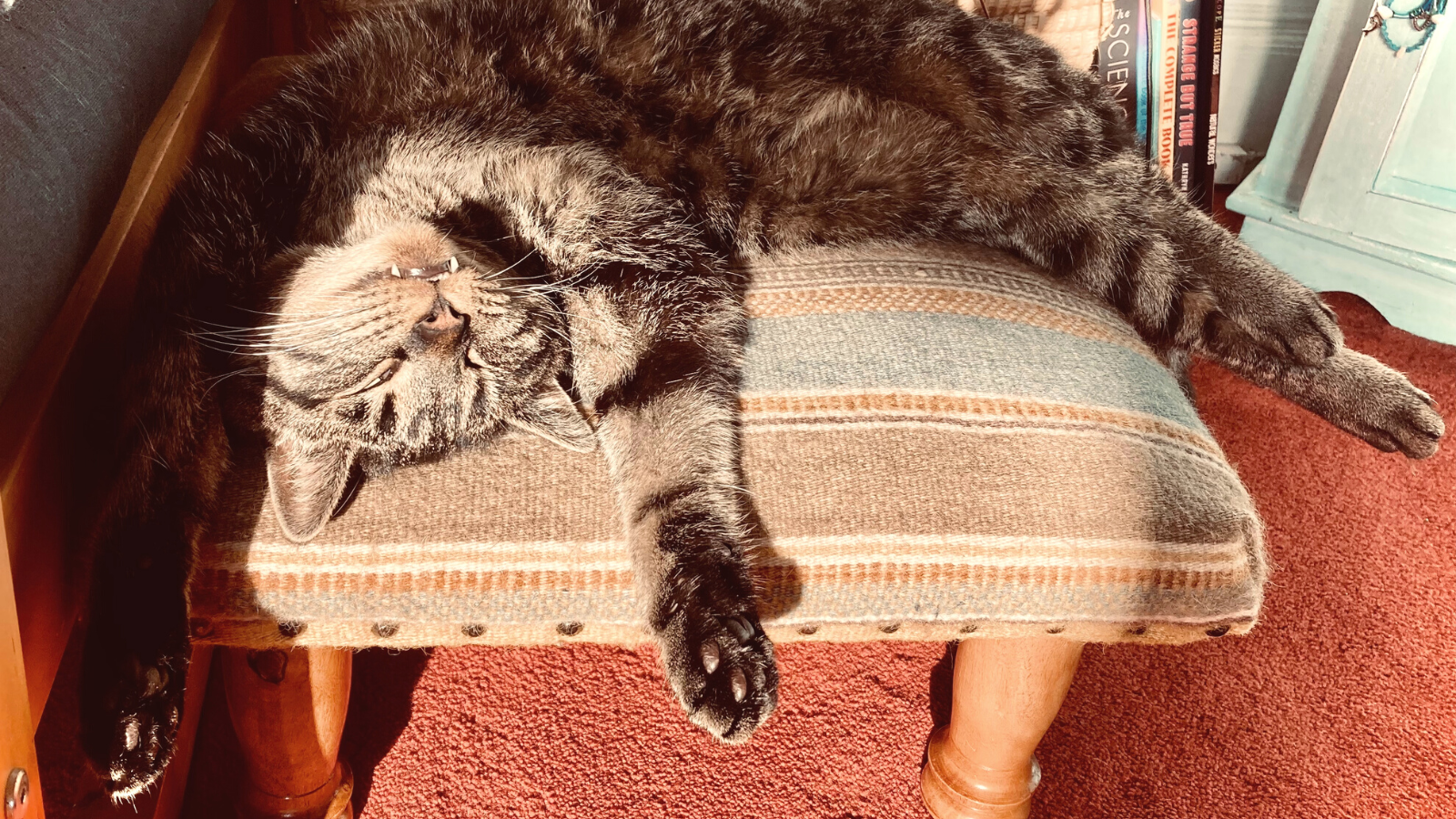
photo of my stripy kitty, sleeping on a stripy footstool on his back, both forelegs stretched up above his head and his fangs on display. He looks very relaxed and a little bit weird.

Joy In A Time Of Darkness

When I drafted this blog, it was in celebration of the cover reveal of my second book, The Way The Light Bends, and aggravation at yet another sodding storm. But now as I revise it, there are much bigger things happening in the world than British weather or book covers. Hard, heart-breaking, scary, overwhelming things. I don’t know what to say about Ukraine, or the tory government, or the new IPCC report other than that I wish I could do more than I am. I wish the world was doing more. What I am going to talk about instead is something that’s been on my mind –

Should we celebrate things when doing so feels like a travesty?

I think I am not alone in struggling with this. People are dying because of evil men. We are worn thin by heartbreak and fear that are both so large they are almost incomprehensible. It feels wrong, narcissistic, or simply too much of an emotional effort to be joyous as well.

Going back to storms, did you know we find wind stressful because it makes it harder to detect predators approaching (all that noise & moving vegetation)? It’s a fear response stemming directly from our inner rabbits.

The pandemic, the increasingly inhumane government, Putin, climate breakdown, they are all like the wind – a background (if we’re lucky) presence that creates stress, raised vigilance (hello, doomscrolling), a sense of vulnerability and powerlessness. And even when there is very little we can actually do to control those things, the stress lingers. It embeds itself in our minds and muscles, and wears us down.

So should we celebrate things like book cover reveals, nice reviews, publications? How about birthdays, World Book Day, seeing your friend for the first time in two years? Those things all deserve celebration, but doing so feels so bloody wrong doesn’t it?

Dealing with these crises with strength and empathy, though, requires endurance. And that comes from resilience. If we who are on the sidelines are too drained, too paralysed by powerlessness, we will inure ourselves to the bad news because that’s the only way to cope. Sound familiar? So how do we build resilience in ourselves that allows us to fight for change, to do what is within our power, to care about people beyond our own small circles?

I think we build resilience through joy and hope, just as much as through grit and determination. I think we stave off apathy through reminders that there’s an alternative to despair. There’s endocrinological evidence to back that up, but I’m too low on spoons to be specific. Basically, good things give us bursts of ‘feel good’ hormones, which energise and stabilise us.

So here’s my thinking:

  • First we do what we can to help create change – we donate, we vote & petition, we lift up voices.
  • Second we find a reason to smile, because if nothing else, nolite te bastardes carborundorum.
  • And third we create art because we need beauty, and we need stories that speak to a better world.

It doesn’t feel like much, does it? And in the grand scheme of things, it isn’t. Plus it definitely doesn’t remove the taint of heartlessness to the idea of celebrating something lovely. But we are not built for despair so maybe sharing joy means helping each other stay the course.

Black and white photo of a figure in a black cloak looking out to sea.

We revealed the cover of my next novel, The Way The Light Bends on Tuesday. I am so damn proud of where I am and so honoured at the support I’ve been shown by readers and publishing folk. I love this cover enormously and am so excited about All The Good Things I have happening.

I am also in quite a lot of pain, and deeply heartsore, worried and exhausted. I know I’m not alone. I also know I’d love to see your good news, I’d love to be happy for you.

Is that okay, if we do it on top of direct action? Or does it detract from the seriousness of everything else? Maybe, but do we need a little bit of … not distraction but brightness? I think so. It gives me the energy for hope, which is no small achievement.

I don’t really have an answer to the question I started with. It feels wrong to celebrate things right now. But it feels bleak to refuse to do so in the belief that somehow silence is preferable to a little shared beauty. What do you think?

Go back to Blog homepage

a photograph of a sunflower.
Brave New World

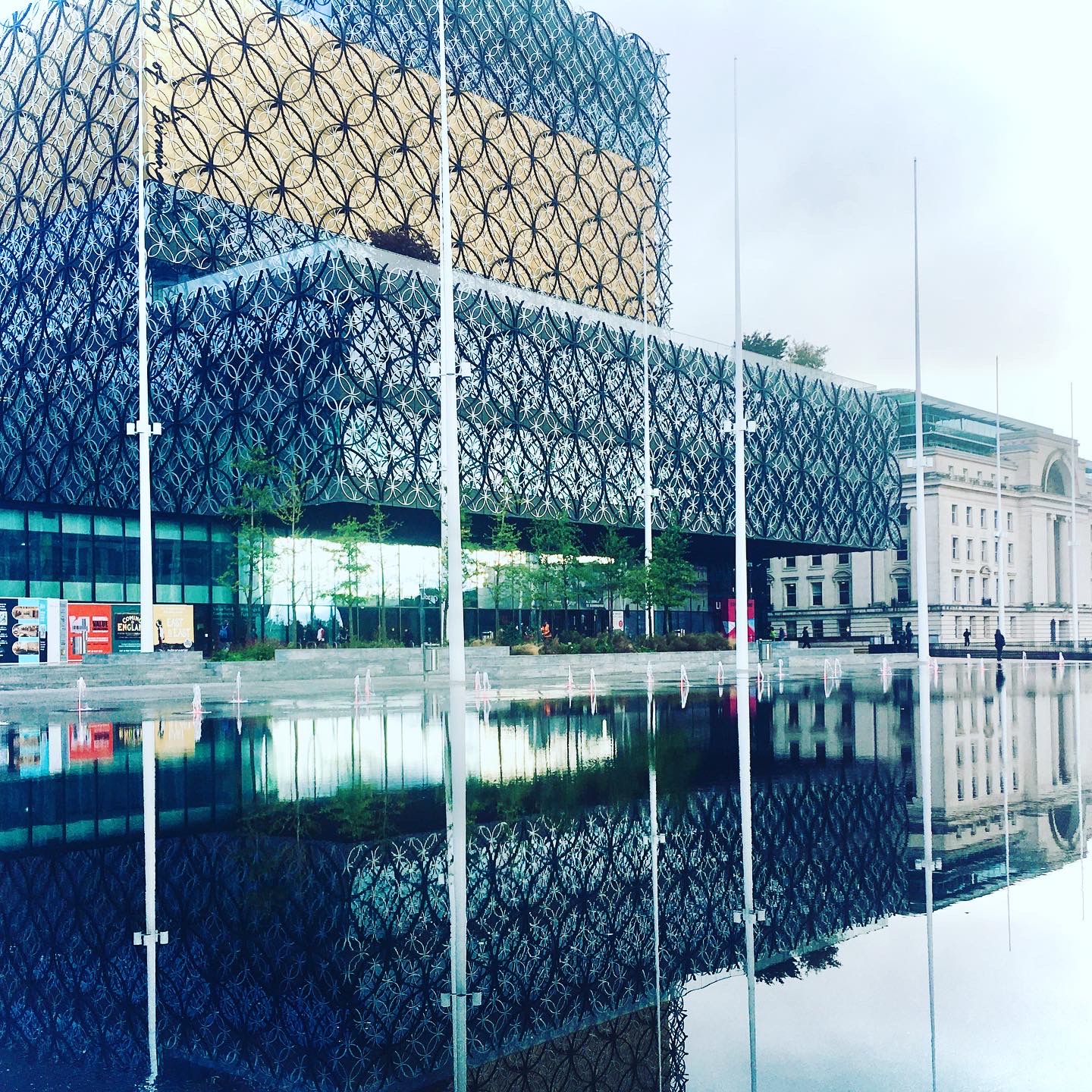
Last weekend I attended FantasyCon in Birmingham (see pics), The British Fantasy Society’s annual event. It felt like a brave new world for several reasons – the first in-person event now that we are in the (hopefully) latter stages of the pandemic, my first con, my first appearance on panels, hell, my first time meeting more than three people at once in 18 months. We were all venturing out of our caves into a new world that felt both daunting and hopeful, and I personally couldn’t have asked for a better place to venture into.

Between the hotel and the organisers, and with numbers lower than normal & masks compliance higher than I’d feared, I felt far more comfortable than I might otherwise have done. So thank you, everyone, who made that happen.

I’m not going to do a report on the Con itself because others have done that already & some of the sessions are on the Youtube channel here too.  Instead I want to chat about what it feels like as a newbie author, and spoonie, doing these things.

First off, launches are great.

I am glad I did my This Is Our Undoing belated launch alongside three other authors (Allen Stroud & Cheryl Morgan, contributors to Worlds Apart, and John Dodd author of novella Just Add Water). Having all of us reading and talking made it feel like a community celebration rather than a Look At Me. There’s nothing wrong with Look At Me events, we kind of rely on them after all, but I prefer a Yay Us feel instead, personally. So anyway we all talked about and/or read from our work then signed books and ate biscuits. It was lovely, people said nice things, admired Daniele Serra’s amazing artwork, and I realised a) there is nothing I can do to make my writing look neat, and b) I often add too many ‘r’s to my name when I’m in a rush.

Second, panels are more fun than I expected.

Honestly, I had a blast on both of mine (Beginning to Write, and History of Representation in SFF). I’d never done anything like it before either as a scientist or a writer, so I was expecting nerves and overwhelming social awkwardness (especially given the emerging-from-cave situation). BUT I felt relaxed and able to contribute more or less coherently, and I wasn’t even slightly a shaky mess. I mean, I was shivering like mad in one of them as I was sitting right under the aircon vent, but Covid, etc – probably the safest place in the room to be, hypothermia notwithstanding.

Third, being with other writers is so utterly lovely, isn’t it?

I’ve missed that. I started the weekend knowing two people and ended up with a whole gaggle of new friends; interesting, enthusiastic, supportive and fun new friends. I know Zoom is useful, I find remote access invaluable, but I’d missed meeting in person. I’m so glad I went.

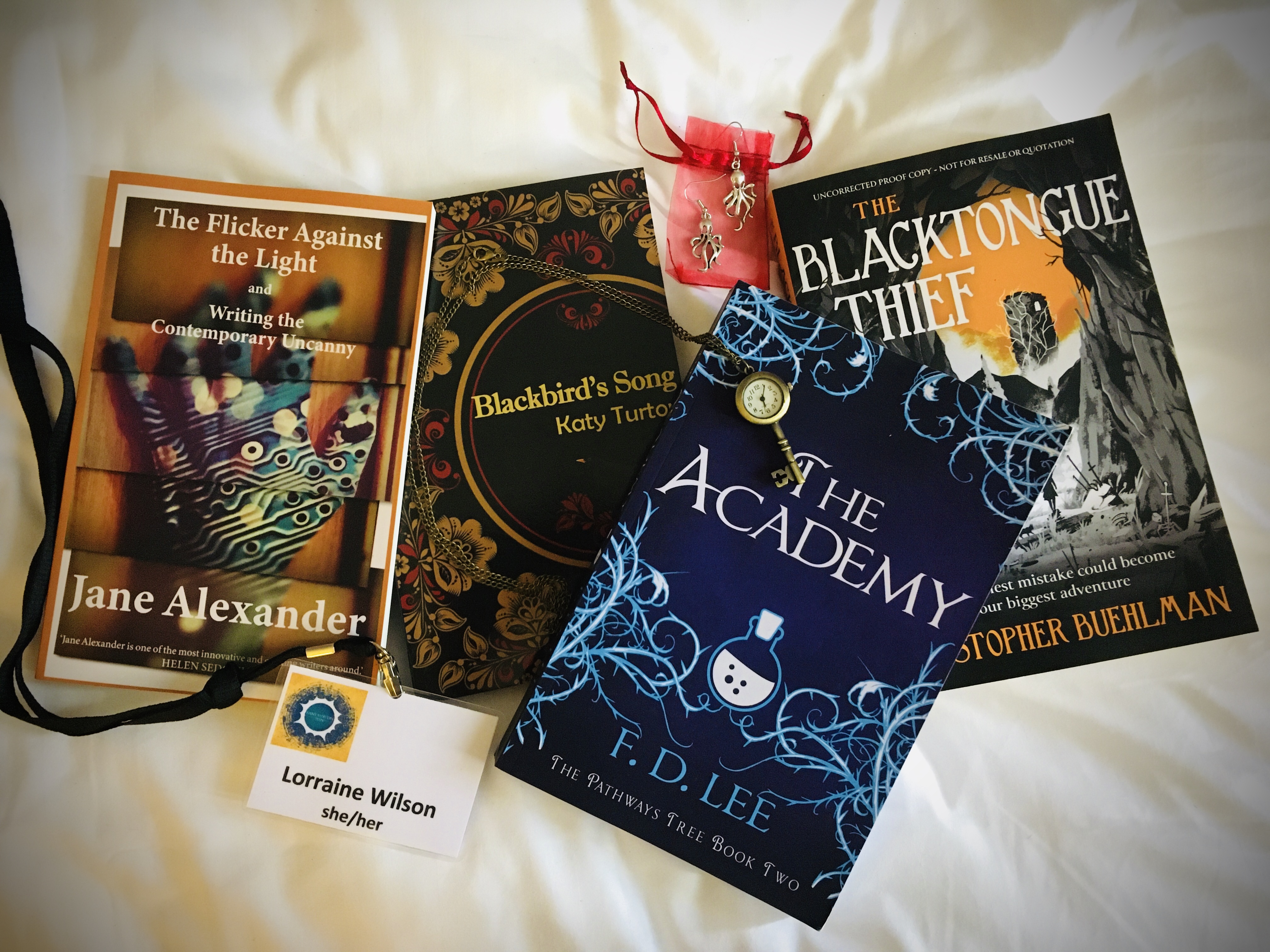
A photo showing four books, a necklace with clock pendant and a pair of octopus earrings. Books are The Blacktoungue Thief, Christopher Buehlman; The Academy, FD Lee; Blackbird's Song, Katy Turton, & The Flicker Against The Light, Jane Alexander.
Bookish & treasure haul (cruelly restricted by bag+train combo)

I’m so glad I went, despite the cost.

Because ooh boy, the cost. As you already know if you follow me anywhere online or have read previous blogposts, I’m a spoonie. I live with disabling illnesses that DO NOT LIKE me doing anything beyond the bare minimum. So train journeys, ‘performing’, being intensely social, late nights, changed eating routines, even carrying a bag around all day … all of these are MAHOOSIVE triggers. Which means the weekend was incredibly hard on me physically, both during and now – five days later I’m still struggling. I’m hoping to be a little more stable by next week.

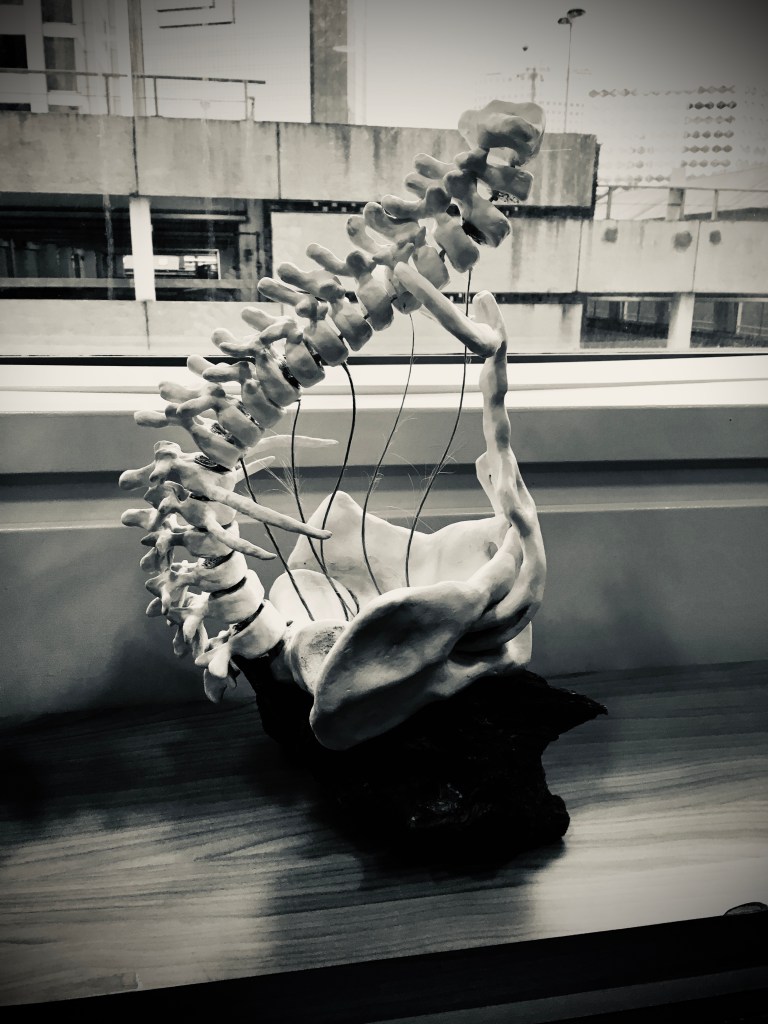
Black & white photo of a 'bone harp' model, brought by Lucy Hounsom & relating to the folktale in her book 'Sistersong'.

Fortunately, I was able each day to go back to my room, dose up on a pharmacy’s worth of drugs and crash for a few hours before re-emerging frazzled but more or less human. It wasn’t perfect, and to be able to do that meant going without drugs the 10 days leading up to the event (otherwise overdose feedback bleurgh stuff), but it allowed me to carry on functioning. Even more fortunately, my publisher knew I would need to take it easy & made sure I felt able to do so.

PS: look at this ridiculously creepy/fabulous bone harp brought by Lucy Hounsom!

One of the highlights of the weekend, as I struggled with spoons, was the panel on disability representation, and the discussion around driving change in the industry. Ironically, it wasn’t one of the events streamed or recorded (no blame intended, could have been due to a number of things e.g. consent/tech issues) BUT it sounds like the British Fantasy Society have both the awareness and the will to continue to improve access for disabled writers at future events. I hope so. One of the panel members said that change depended on more disabled people writing. I pointed out that we were, we just weren’t being published, and access is a huge part of that disconnect. I would love to see fully hybrid events, subsidised tickets, comprehensive access information and provision of BSL interpreters. How about a buddy system for newbies or people who’d find a companion helpful?

The pandemic has demonstrated what the disabled community have been saying for yonks – that overhauling access is actually perfectly possible. Now let’s see that awakening lead to permanent changes (see these guides), and not let the comfort of the ‘old normal’ return to excluding so many.

Here’s to the crips. And the people who are listening to us.

So, with my spoons depleted and my soul revived, here endeth my blog. FantasyCon was wonderful, hopeful and welcoming … I cannot wait for next year.

Go back to Blog homepage

Photograph of the sea, some rocks & a distant Isle of May. The clouds are gloomy but sunlight is turning the sea silvery.
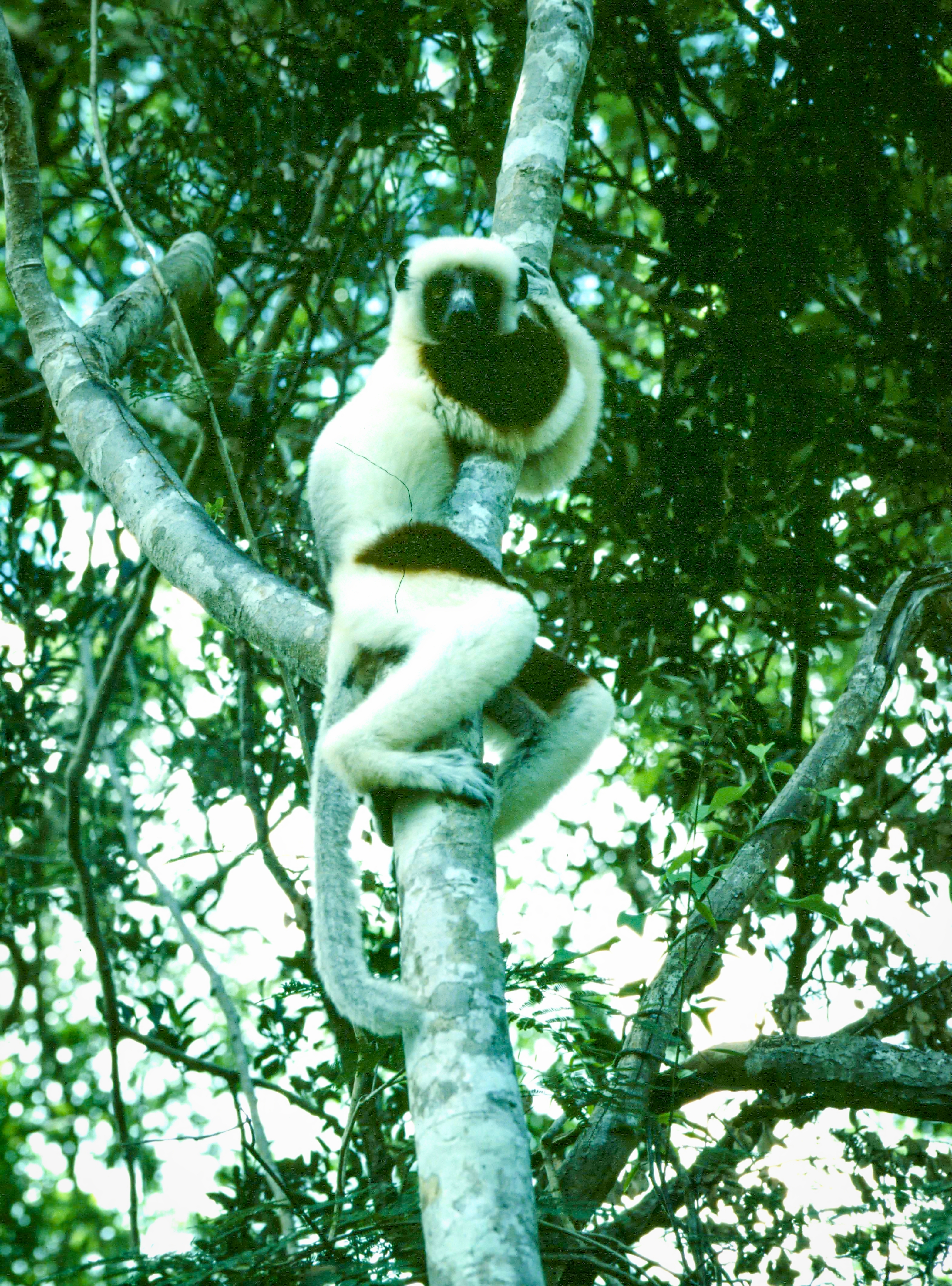
Returned home to a very Autumnal Scotland!