Category Archives: Books

Holiday book recommendations – gifts, reading and feeding the tbr pile

Happy omg there’s only two weeks to Christmas to all who celebrate!

Those of you who’ve been with me for a while will know I don’t like doing ‘Best of’ or ‘Top reads’ type lists because they’re so subjective and I don’t really want to rank my favs from my friends, heroines and peers. What I do like doing every year though, is a ‘if you’re looking for X kind of read, how about trying this?’ list fuelled by things I’ve read in the last year. Yes, I might be splitting hairs with that definition and no, it’s not that catchy. But it soothes my wariness of best ofs whilst still letting me celebrate some fabulous books.

I read somewhere in the region of 120-150 books this year, and considering I only count books I enjoyed enough to finish, that means I simply can’t list here all the books I loved this year. Which stings, and I’ve spent possibly more time than I should scowling at my Kobo while I try to rationalise including so many! (I have included so many, I apologise. Kind of)

BUT, that said, behold a host of gorgeous books – some new releases, some older – divided according to vibes with no regard at all for genre label because pfft – genres shmanres.


Deep, beautiful and/or heartbreaking

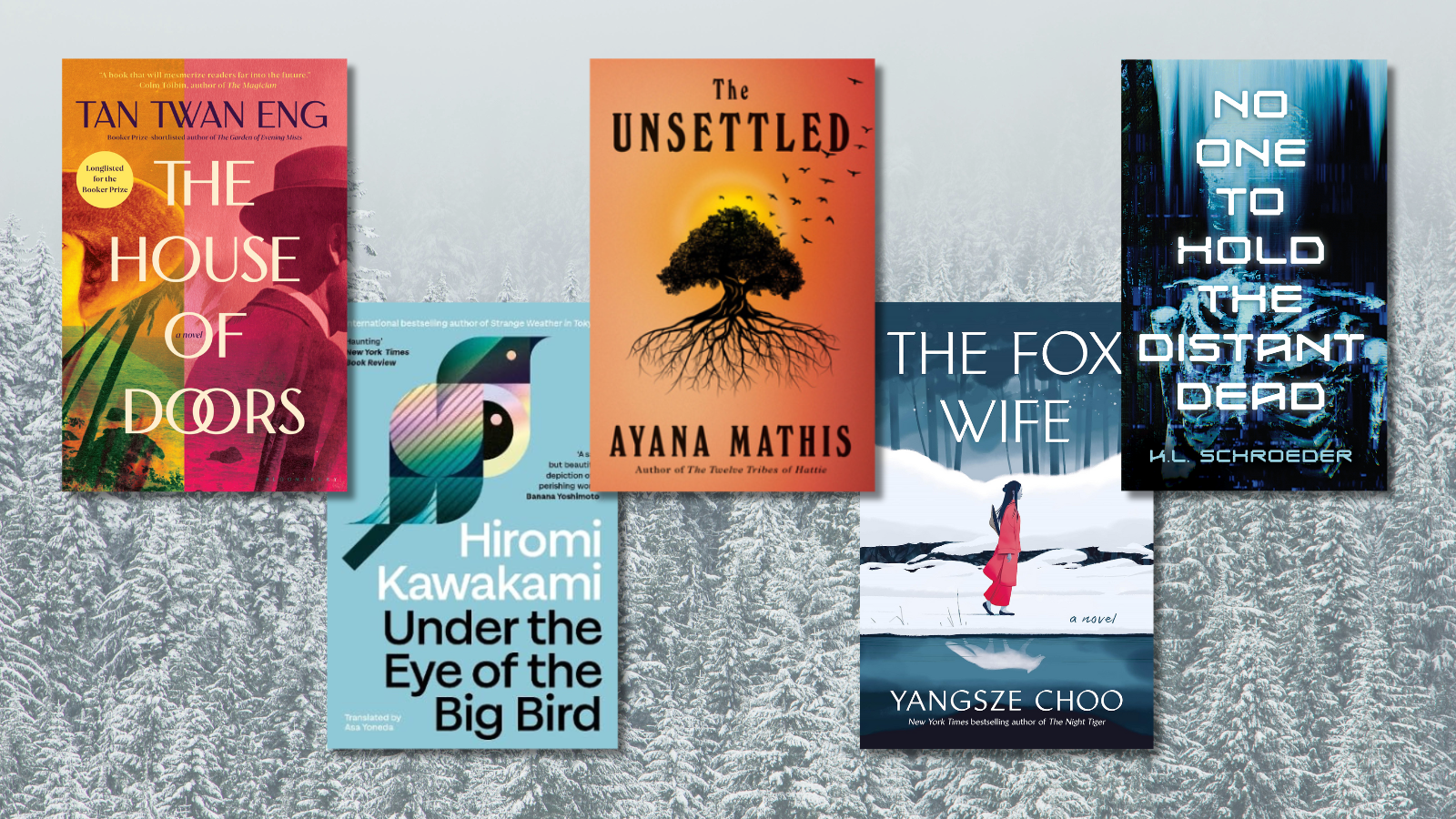
The House Of Doors – Tan Twan Eng

I don’t know what to tell you. Tan Twan Eng writes too beautifully to be quite human. There’s a gentleness to this historic, continent spanning, speculative love story that makes the emotional punches hit all the harder. I could read him forever.

Under The Eye Of The Big Bird – Hiromi Kawakami

The understated, sparse prose of this novel serves the searing emotional core to this book really well, in my opinion. It’s a subtle mystery set in a far future, oddly evolved version of humanity and almost-humanity that feels original and deeply thought provoking without attempting to wrap difficult questions up with neat answers.

The Unsettled – Ayana Mathis

A hard read, in some ways, but deeply compellling. Following a mother and child, this is a powerful exploration of poverty and societally vulnerable familes, and the profound, complicated ties that run through generations.

The Fox Wife – Yangtsze Choo

Someone else I could read forever. Choo’s deft, gentle story of a woman coming to terms with her own past, and figuring out her future, is beautifully handled and hypnotic. This is the fox-changeling story you didn’t know you needed.

No One To Hold The Distant Dead – KL Schroeder

Perhaps the last novella release from the indie press Psychopomp, this is a devastating story full of eco-grief and rage in equal measure, with perhaps a dash of comfort and hope. If you have ever wanted to scream at the godawfulness of the extinction crisis, you should probably read this book.

Step into the past (kind of) & lose yourself

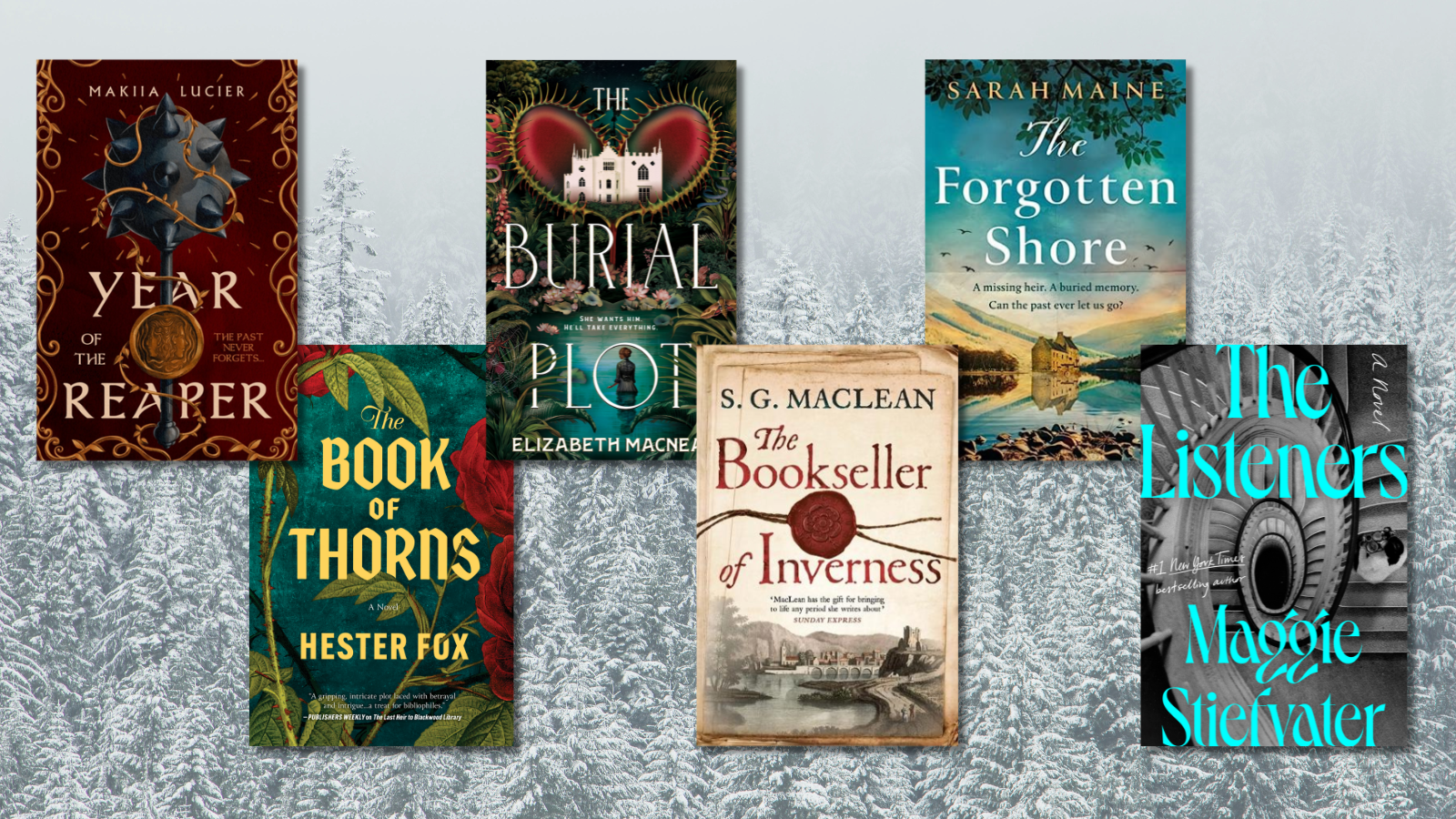
Year Of The Reaper – Makiia Lucia

A book to dive into, this is alt-European historical fiction with a fantastical twist, that combines plague, politics, family secrets, romance and ghosts in perfect balance. It’s a pacy and riveting read that asks some really good questions about loyalty and compassion.

The Book Of Thorns – Hester Fox

Fox always offers up a really engaging, enjoyable read and this book, following separated sisters on opposite sides of the Napoleonic wars, is no exception. I love the way she beds a light fantastical touch into her worlds so convincingly.

The Burial Plot – Elizabeth Macneal

Straight history but with definite Gothic tones to it, this book has a ‘bad guy’ you’ll want to punt out the nearest window, but the relationships unfold in exactly the right way and the odd premise (let’s build a graveyard!) makes for a fun difference from similar books.

The Bookseller Of Inverness – SG MacLean

My first MacLean book but I’ve since hunted out and inhaled a couple of others – she’s even got me started on a long series (the Seeker books), which is something generally anathema to my fried brain. I am a sucker for a bit of Jacobite historical fiction, and this was a fresh, beautiful and captivating addition to that space, exploring the quiet power of women in a way I really liked.

The Forgotten Shore – Sarah Maine

Maine knows how to write yearning on shorelines really, really damn well. I love every one of her books, and this is perhaps my new fav from her. A romance tangled up in family secrets, tragedy, and a profound sense of place in both Scotland and Newfoundland.

The Listeners – Maggie Stiefvater

Set in a hotel housing political prisoners as the US prepared to join WWII, Stievfater’s adult debut has all the gorgeous worldbuilding of her YA novels (hello The Scorpio Races, I love you), characters who get under your skin, and a bright, brave heart.

Near futures (to avoid)

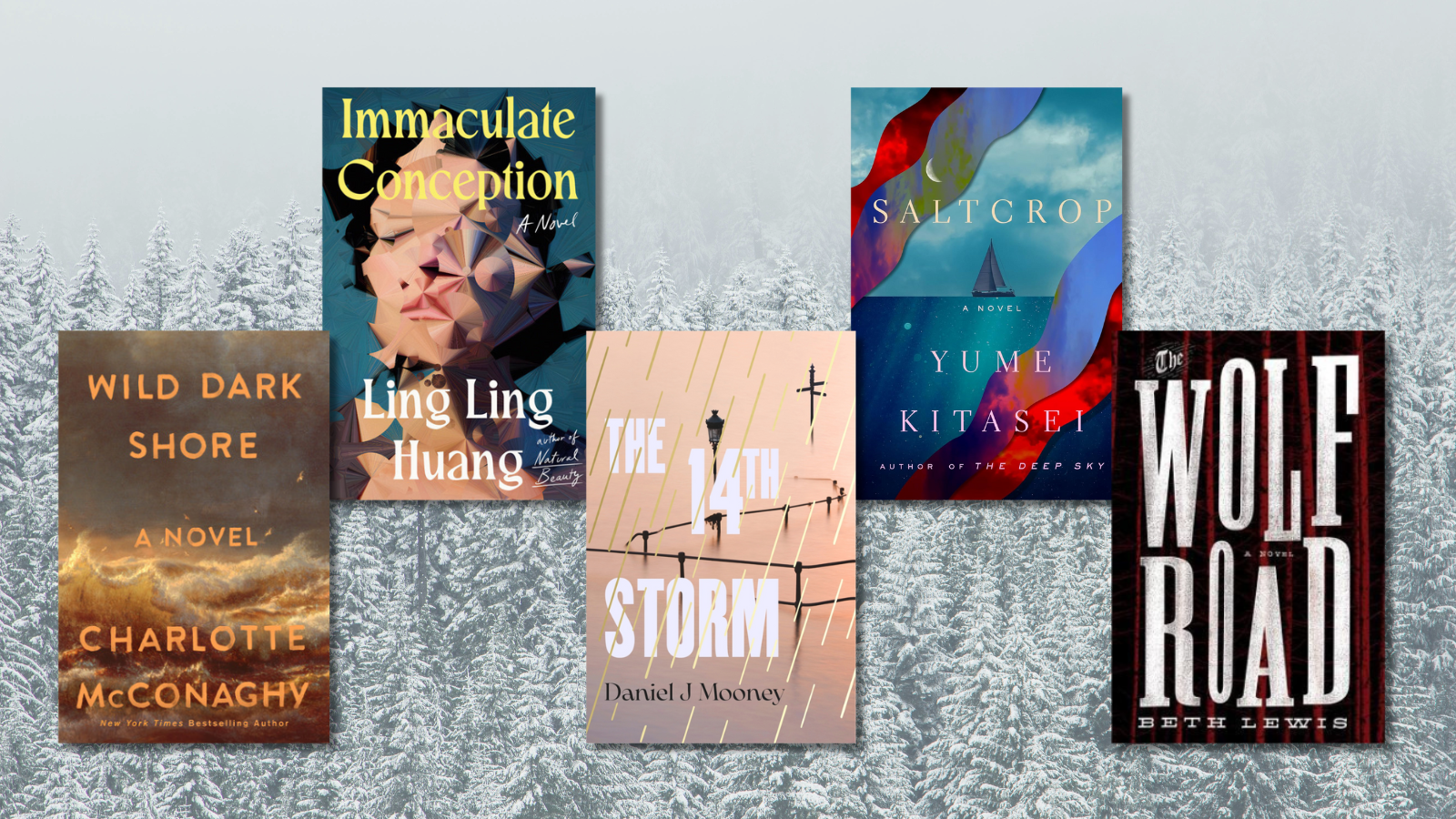
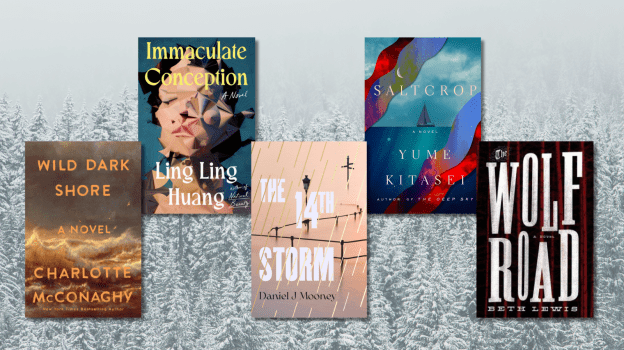
Wild Dark Shore – Charlotte McConaghy

This book seems to have landed really well with a wide readership this year, not surprisingly – it has all the requirements of a thriller in a remote, isolated place, layered with secrets and the ticking clock of the flooding seed bank the characters are protecting. The climate change setting is backdrop rather than theme, but it definitely adds to the heartbreak and tension.

Immaculate Conception – Ling Ling Huang

I went into this book entirely blind and and am kind of glad I did. It was a startling exploration of the meaning of art, and of a deeply unhealthy friendship, doing interesting things with voice and ideas of ownership, culpability and consequence. I immediately added Natural Beauty to my tbr.

The 14th Storm – Daniel J Mooney

A sort of climate fiction thriller, I love the setting of this book – a future Ireland reshaped by climate change – and the core set of characters who just grab hold of you and drag you along for the ride. A lot of fun, and some pertinent questions about political messaging and power to boot.

Saltcrop – Yume Kitasei

A road trip book for the rising seas. This is a strangely gentle, urgent book about sisters navigating an altered world and their own complicated pasts. The mystery plotline weaves nicely into the more thoughtful side of the writing, and it’s made me add Kitasei’s previous books to my tbr.

The Wolf Road – Beth Lewis

What a bloody, gnarly delight this book is. Any world where the moment of apocalypse becomes known as the Damn Stupid has got to be a winner, hasn’t it? But this book is a wild, dark, unique gem of a thing. Wild west post-apocalyptic deadly hide and seek across a desperate and strange land, with a young girl forced to unravel her past and her relationship with a dangerous man.

Dark, tangled and gothic

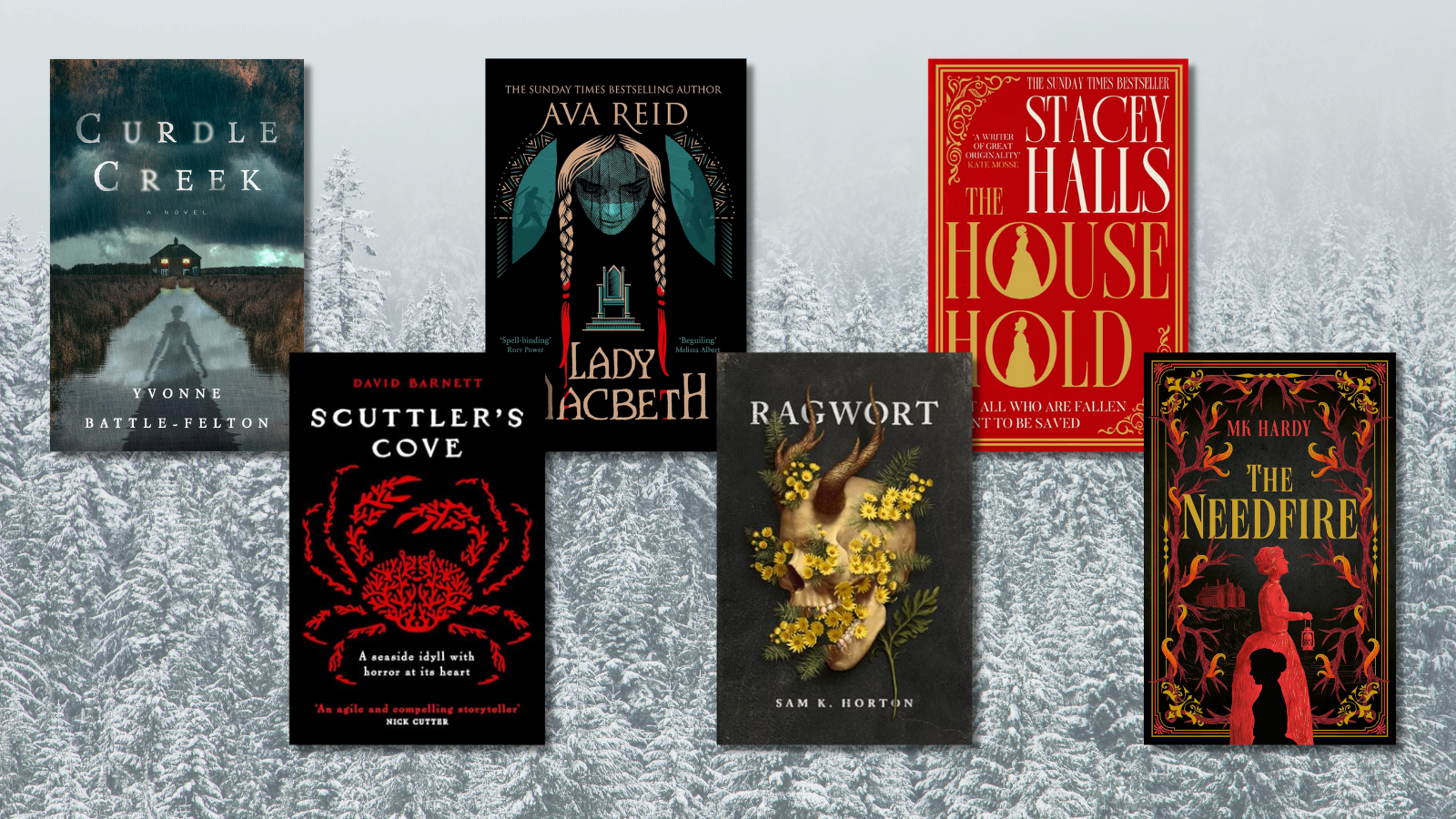
Curdle Creek – Yvonne Battle-Felton

Yvonne’s first book, Remembered, blew me away with its beauty and power, and Curdle Creek did exactly the same for very different reasons. The dissonant voice of the main character is a brave and brilliant choice that underpins all the sinister horror of the setting. This is a twist on small town horror like you’ve never read before.

Scuttler’s Cove – David Barnett

Another small town horror, but in a much more familiar-to-me vein – the Cornish village bound to the sea through dark ritual and secrets, the incomers stirring up trouble… Yes, it’s a familiar story, but man, Barnett tells it so well. Deliciously tangled and alive, this is the kind of folk horror I adore.

Lady Macbeth – Ava Reid

A Macbeth retelling that genuinely isn’t doing the same thing as the others – the witches are remade brilliantly, and a crucial character also happens to be a dragon! I really enjoyed this as a wild and original, and properly bloody, romp through the grounds of the scottish play and the history behind it.

Ragwort – Sam K Horton

This is the sequel to Horton’s debut – Gorse – and follows the young Keeper, Nancy, after the death of her mentor at the end of the previous book. It is a stunningly told story of Cornish folklore twisted into something fresh and timeless, of coming into your own powers and learning your own skin. This is a book to savour.

The Household – Stacey Halls

Halls can always be counted on for a captivating Gothic read, and I feel that this one leans even further than her previous into exploring female relationships, alongside how women of the era must contort themselves to claim agency over their own lives. Based on a fragment of Dicken’s life, but fortunately not really to do with him at all!

The Needfire – MK Hardy

Set in the far north of Scotland in the aftermath of the Clearances, this is Gothic horror with a folkloric edge, and run through with a beautiful, hard won romance. Taking the requisitive brooding old house on a cliff, a silent laird, and local secrets, this story is far more than those dark bones – exploring environmentalism, sexuality, and quiet power with a deft touch.

Magical, fun and sometimes swoony

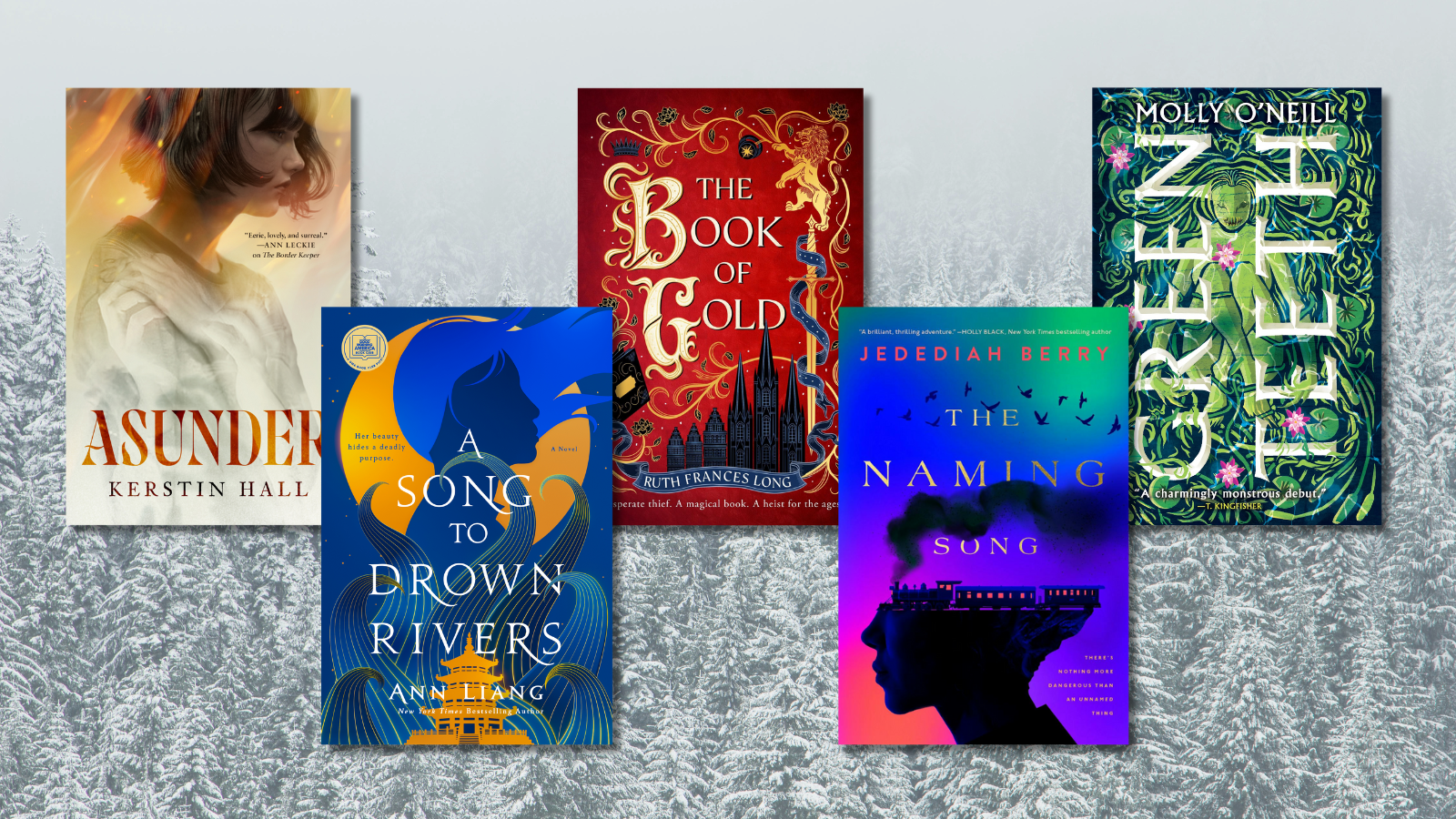
Asunder – Kirsten Hall

A really clever fantasy playing with ideas of gods, debts, and power in a way that feels original and just a little bit challenging. The romance, between the main character and, basically, a voice in her head, is brilliantly done. It shouldn’t work, and yet… I really hope book2 gets its chance at life, because I Need.

The Book Of Gold – Ruth Frances Long

If you want a breathlessly fun ride through an alt-history fantasy jam full of heists, flawed siblings, complicated romance, court politics, evil shenanigans, and fickle gods… well, this might be for you. A whole lot of fun. If you loved The Raven Scholar by Antonia Hodgson (I did, I really did, why isn’t it on this list??) then give this a go.

A Song To Drown Rivers – Ann Liang

I am still a little broken by the end of this book and if I ever meet Liang, I intend to Have Words. It’s a devastating story of court politics, betrayals and power, inspired by the Ancient Chinese legendary beauty Xishi. Enthrallingly told and… no, I am too broken. Read it, join me in the sads.

The Naming Song – Jedediah Berry

I do love a train book. And this is a spectacularly original train book – in a world where the names of everything have been lost, a train crosses the landscape, rediscovering words and bringing them to the populace. The concept alone is wonderful, the plot of secrets, rebellion, murders and family makes the whole an absolute joy.

Greenteeth – Molly O’Neill

This book had been sitting in my tbr for a while, but oh what a treat once I finally got to it. I love the Jenny Greenteeth folkloric figure anyway, but what O’Neill has done with her is wonderful, rendering her simultaneously incredibly inhuman and yet utterly relatable. Aside from the plot, delightfully full of traditional mythological way points and motifs, Jenny’s personal journey is tender and heartwarming to follow.

Dramatic, dangerous and innovative

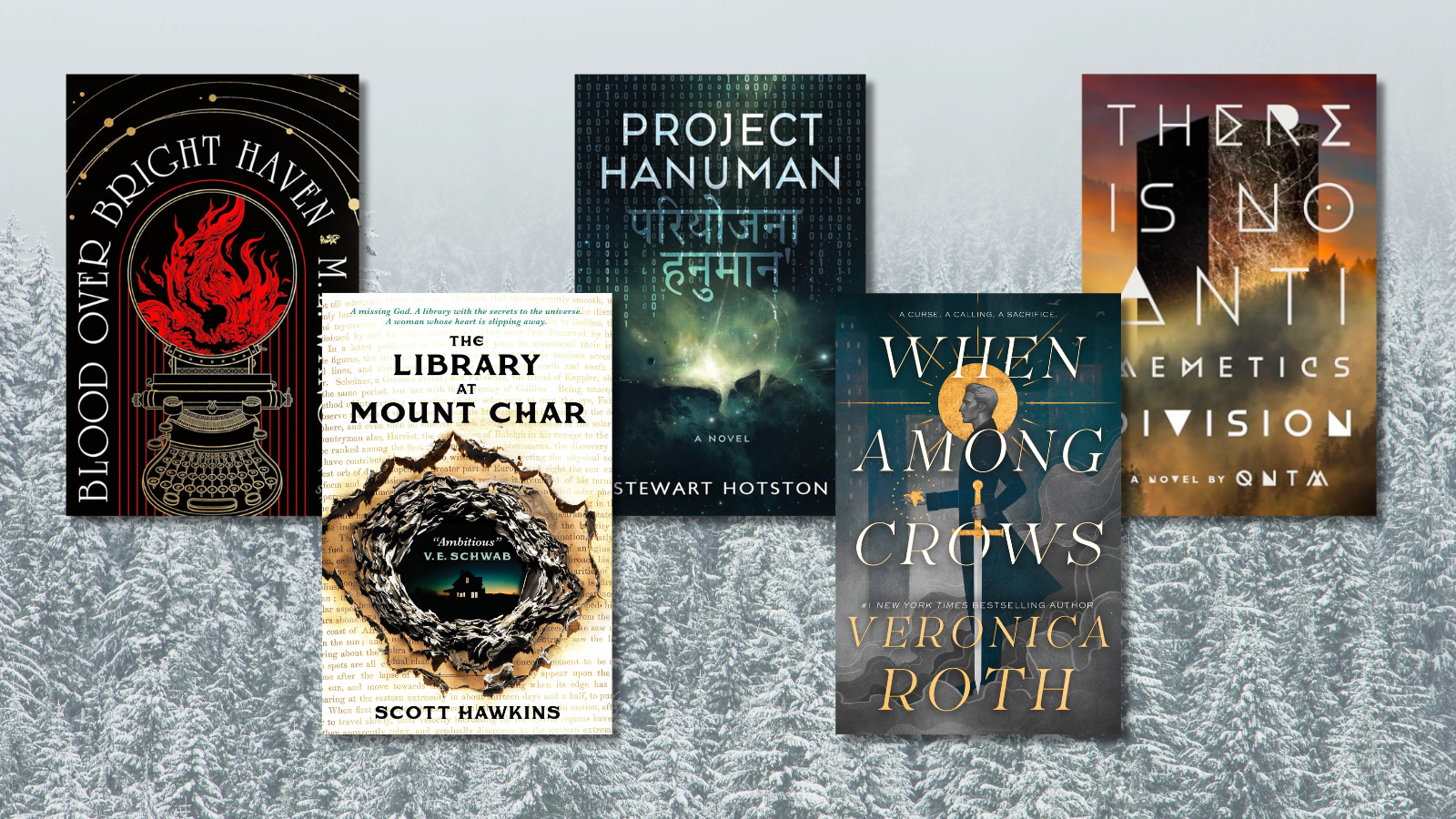
Blood Over Bright Haven – ML Wang

This is a darker fantastical tale that poses some really interesting, and pertinent, questions about xenophobia, immigration, colonial violence, and the complicity of educational institutions in that violence. Whether you agree with Wang’s answers is less important than that you have a splendid time with this riveting story, and feel something strongly about the ending.

The Library At Mount Char – Scott Hawkins

This book felt like The Umbrella Academy for grown ups. It’s not really about the eponymous library so much as it’s about the terrible, twisted bonds between the children raised within it, and the path they all are forced down by the machinations of their surrogate father. Dark and kinda devastating, this was much more than I was expecting, and I am so glad.

Project Hanuman – Stewart Hotston

This is what space opera is meant to be. A searingly clever, thoughtful adventure through space, quantum physics and virtual realities, where the aliens, the sentient warships and the higher intelligences are all bedded in a deeply interesting exploration of identity and our understanding of ourselves.

When Among Crows – Veronica Roth

I am a sucker for some Polish folklore, and this twist on that, set in the US, was every bit as delicious as I’d hoped. I love Roth’s ability to expose new, potent sides to familiar archetypes, and she did that here with figures that felt deeply folkloric but also tragically, horribly human.

There Is No Antimemetics Division – qntm

I confess I am in the middle of reading this one, but it’s such a brain meltingly ingenious book I’m sneaking it in anyway. The concept – of antimemetic objects which erase knowledge, personhood and matter – is a great starting point; building a story around not remembering plot-relevant things is a bold undertaking you just kind of have to admire! It’s a fascinating read that I’ve reluctantly set aside for some overdue ARC reading…

Look out for…

The Republic Of Memory – Mahmud el Sayed

As with Project Hanuman, I think this book is going to bring some brilliant fresh oxygen into space-based SF next year. El Sayed had me signed up at ‘Arabfuturism’ but add in generation ships, popular uprisings, and failing powers, and I am so excited to have my ARC of this queued up.

Princeweaver – Elian J Morgan

My current read is this beautiful reimagining of Welsh folkoric history, that imbues a tale of court politics, banned magic, and rebellion with a deep love of Wales. Add in a beautifully told romance, and you just know how much fun I am having right now.


OMG that was so many books to remember, and summarise without repeating superlatives too many times! I have cooked my brain, but I sincerely hope some of these titles will find their way onto your present buying lists. Or perhaps into your xmas present book token boxing day shopping cart.

Please do let me know your fav reads of the year?

Thank you as always for your support. Because accessibility in publishing is important to me, I keep all my craft and publishing posts free, so any shares or tips are greatly appreciated. Wishing you a fabulous weekend.
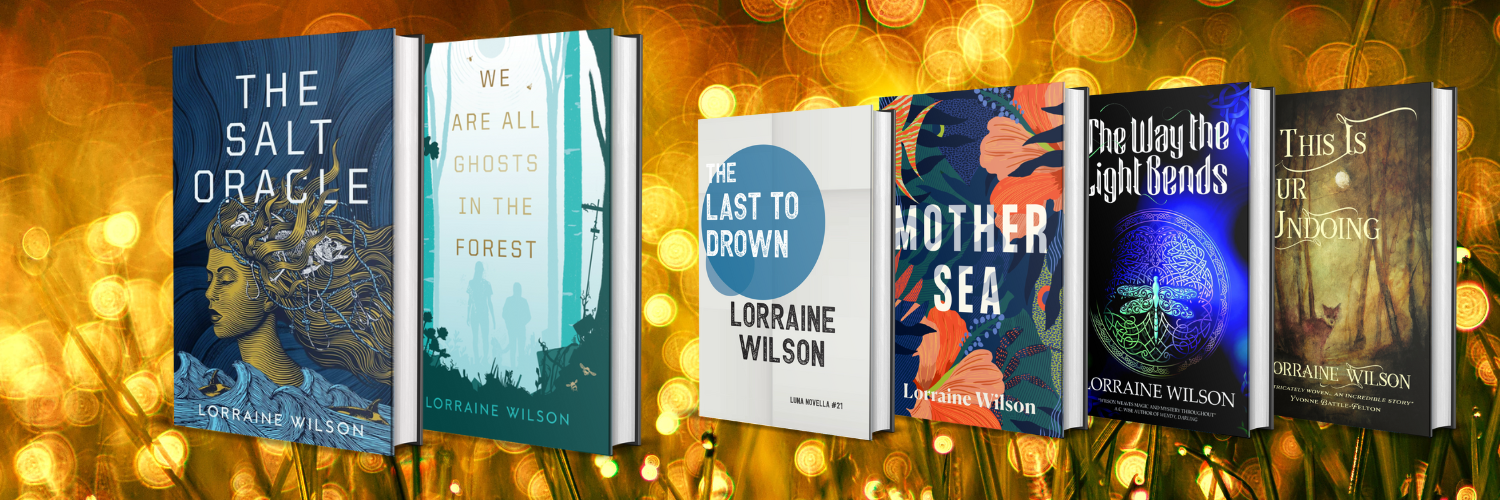
check out my books here

leave a tip here

Book launches – survival, celebration and chocolate

Hello fellow creatures. I usually write a ‘the story behind the book’ post around publication day, but I feel like I’ve chatted a lot about The Salt Oracle over the last year either here or on my mothballed Substack, both in free and in paid posts. So what else around book publication time might be interesting to you, my splendid readers?

How about the odd emotional complexity of book release?

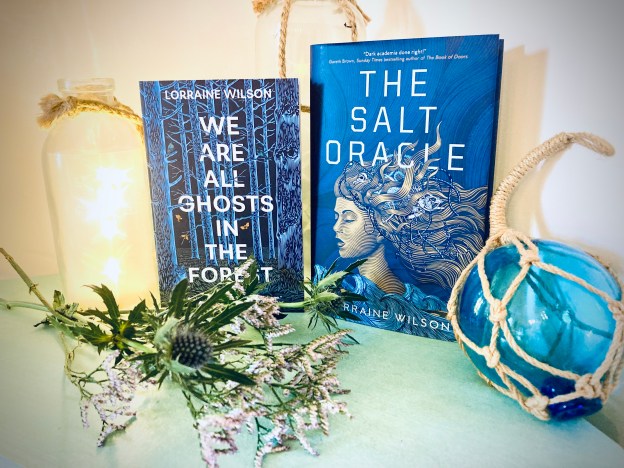
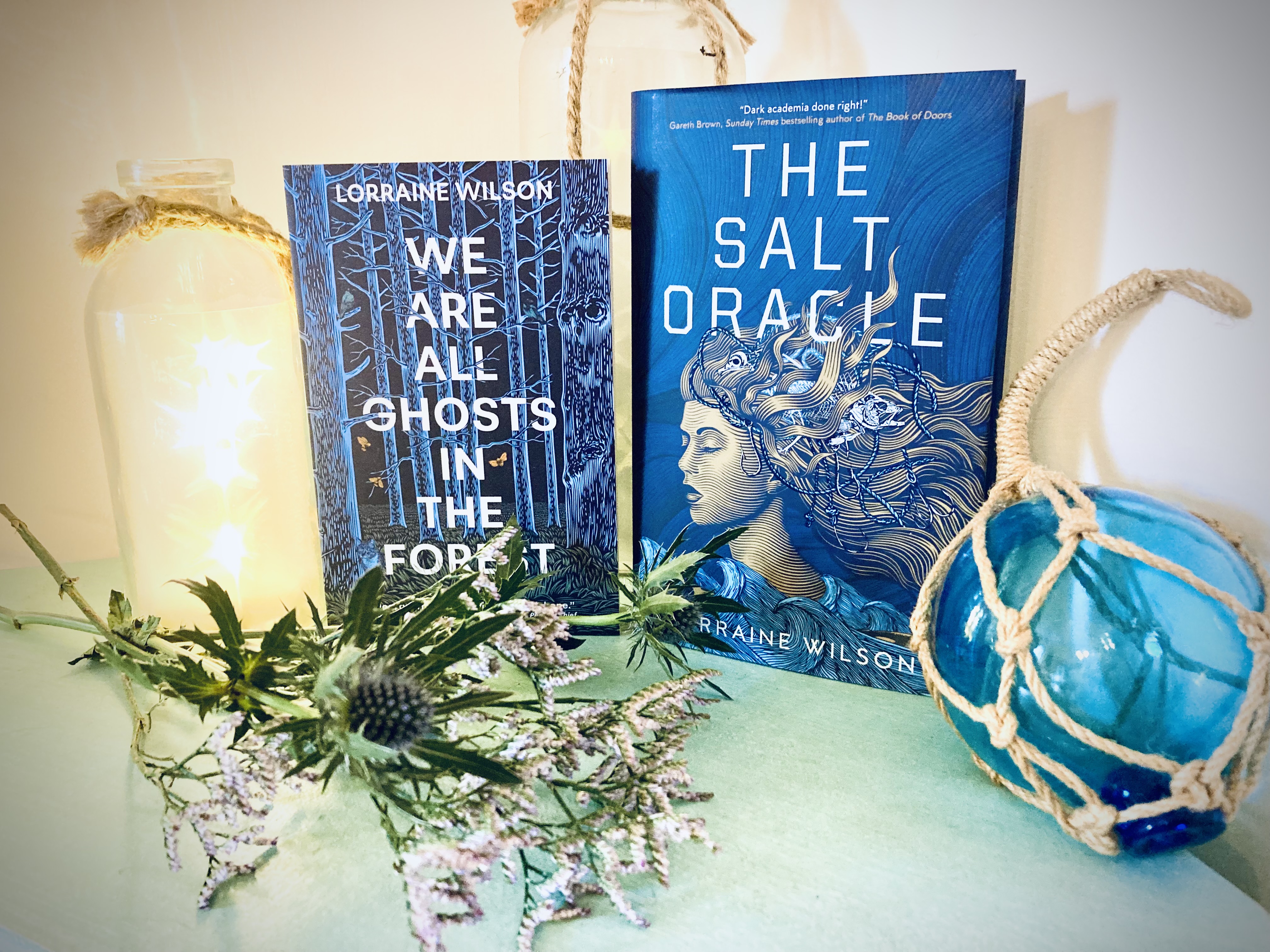
Last Thursday, We Are All Ghosts In The Forest was released in paperback, and The Salt Oracle was released in hardback/ebook/audio. Which is Lovely and An Achievement! Publication day is generally seen as an unconditionally joyous moment. In my experience though, having your books unleashed into the world is not as emotionally straightforward as a lot of people assume. Yes, it’s wonderful, no doubting that but there’s more to it than unbridled enthusiasm.

To be fair I am six books in now, which flavours this, but while there are some things that have stayed the same, others feel very different to when I was debuting. I am, for example, far better now at not looking at reviews! And far more resigned/unworried by the inevitable tagging into ‘meh’ reviews or hearing that some readers don’t like a thing you did deliberately. I am much more relaxed at and about events, and more aware of what to expect from the next few weeks both practically and personally.

However many books you’ve published though, and however big or small your publisher/deal/reach, there is excitement and tension around pub day – the sudden visibility, vulnerability and achievement of it all never goes away (or at least is hasn’t yet). But in my experience there’s also a touch of non-event-ness to publication day – not deflation per se but maybe a kind of suspension.

The excitement is understandable – this book you have loved, hated, fought with, loved again, fought for, built hopes around and yet still fear for, is finally fully out of your hands. It is going to be read by people you will never meet, and people you will meet because of it, it’s going to be adored and ignored, recommended and wildly misinterpreted, it’s going to fulfill some of your hopes and fail others but it will almost certainly fulfill all of the dreams you had when you first stepped into publishing. (Which is worth remembering, no?)

The suspension is a little more opaque. Why wouldn’t you be high on adrenaline and love on this day more than any other? Well, you are. And maybe it’s just me showing my inner zen master/energetically flatlined beastie, but the thing about publication day is that… well, let me see:

The day itself can feel a little focusless…

  • Your books have been arriving in shops/on people’s doorsteps for the last week or so, unless there was a sales embargo (in which case you’re huge and definitely not reading this post!). So the ‘released’ thing is a formality on the actual day. OR there’s the inverse – delivery issues which have left many authors wandering shops on pub day forlornly searching for books that haven’t arrived yet!
  • Your book has been read, reviewed and blurbed for the last several months, so while you will continue to cross your fingers for good reader interest, good reviews and the elusive trade review uptake, those events or statistics are spread over some time, not arriving suddenly on pub day.

So even though you’re excited, you can also feel at a bit of a loose end on the day itself. Fortunately this is where launch day events and social media come in. I always spend much of publication day keeping up with all the lovely comments I get on social media, thanking everyone and generally basking in the glow of belonging to a lovely community of supportive friends. It’s really nice.

And on that note – launch events are a great way to mark the day. Emotional complexity comes in here too though – not just because it can be hard to get a launch event organised. Booksellers might not have space or interest, publishers might not have the budget to help you organise your own, etc. But if you are lucky enough to have something organised… events on the day are generally best framed as an opportunity to celebrate with friends. You may get attendees who were curious about your book, or who just wandered in, but almost no one at the event has read your book. I’m at the truly amazing point now where people come to new book launches having loved my previous books, which never fails to make me a bit fuzzy and emotional. But they haven’t read this book.

Later events, in the months after launch are where you’ll start meeting readers who’ve read the thing and loved it enough to show up and meet you. Which means that Q&As can take on a much richer life, and reader interactions shift into a new form. That is such a joyous moment which comes some time after your launch day event.

Whether you have an event on the day or not (I did for the last book, for this one I just went and signed a tonne of stock in my local Waterstones which was still quietly lovely), it’s often a strange day full of joy and community, but also perhaps a sense of unreality or, as I said earlier, suspension.

The thing is…

(I always have to bring it back to ugh publishing don’t I?) ……There’s a lot of quiet pressure on a book around publication. We get told repeatedly that pre-orders and early sales predict the overall success of a book. I don’t know if that’s true, or just indicative of the marketing around publication. But when those early numbers will dictate recontracting decisions, it’s an odd period of time – you are doing a lot of public facing work, aware of how much is riding on it, but oblivious to whether any of it is working. I love celebrating my new books, I truly do, but the background tension around whether they are Doing Okay definitely feels more intense around launch than the rest of the book’s life (for this book more than any previous one perhaps). Some authors are told that their book is being targeted at a bestseller list – a rare privilege, but definitely a heavy expectation to add to publication week!

Do I sound like I don’t love publication day? I hope not, because I do. It’s the culmination of so much work and love, and with every book, I have reached publication day proud of what I and my publishers have achieved. It’s a waypoint that unreservedly deserves all the celebration.

But I’m six books in, and without diminishing the joy around this publication day, I am more aware now than ever that one book alone does not a publishing career make. Or one week does not… Or one event or one win.

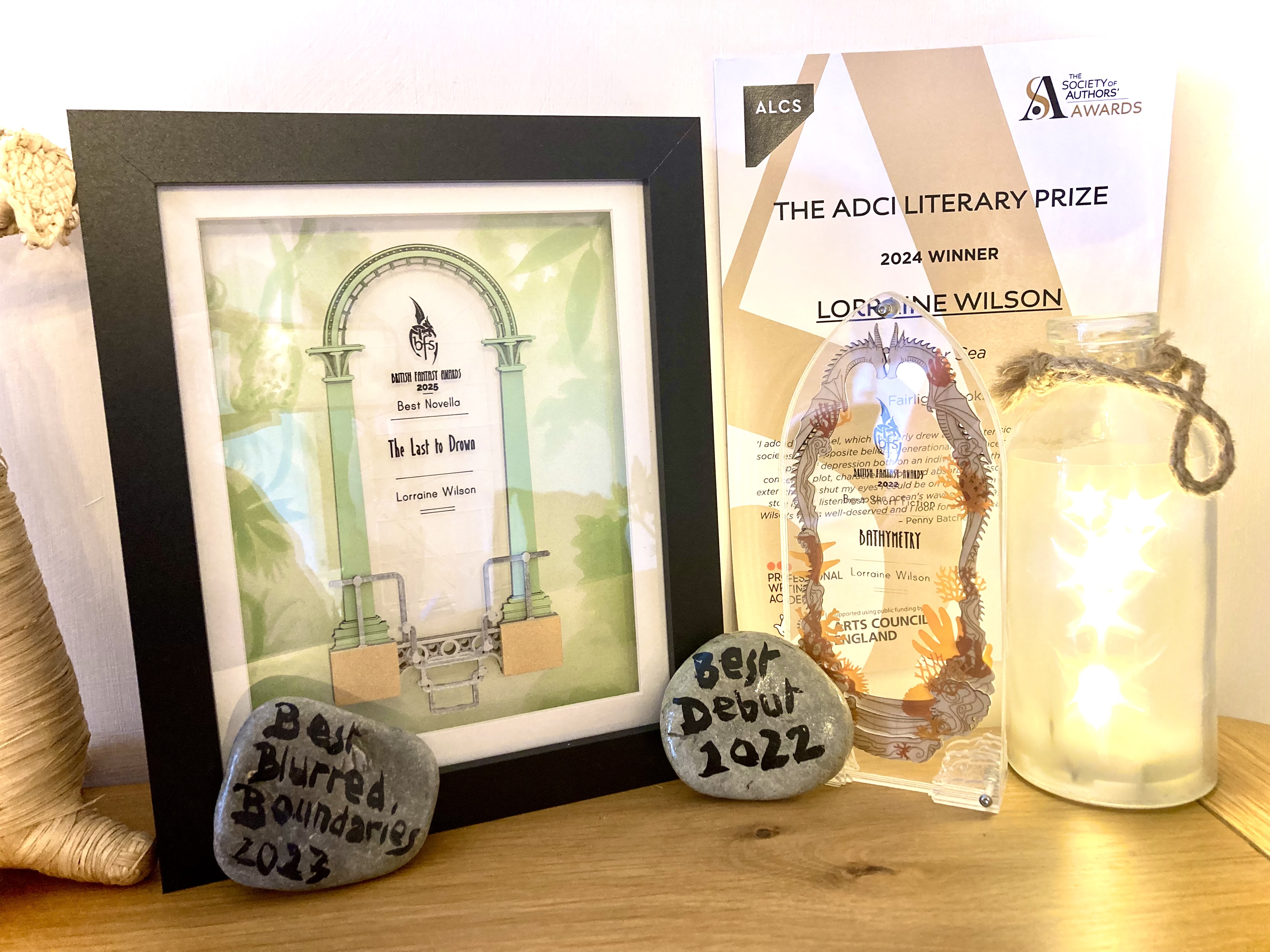
Talking of which, I won an award at WFC! My novella The Last To Drown – a dark Icelandic ghost story about family secrets, chronic pain, the sea and recovering from trauma – won the British Fantasy Award for Best Novella. That’s extremely bloody awesome, and I couldn’t be prouder of this book and of Luna Press who are such a special small press doing amazing work within SFFH.

New award joining its friends

[An aside – Over the last 15 years of chronic migraine, I have learned to temper my emotions because any emotional extreme – good or bad – is a trigger for hours or days of extreme pain, nausea, muscle weakness etc etc. This is a bit of a superpower in publishing, in that while I will have a solid moan to friends sometimes, I can generally roll with the punches with some equanimity. The downside is that I am not very good at just celebrating, because that emotional even keel is so ingrained in me now. Hoo boy am I throwing metaphors around today, I apologise]

In the last week (at time of writing), I have won this fabulous award, met a lot of lovely readers, launched both Ghosts paperback and The Salt Oracle with a fun event at World Fantasy Con and a friendly signing at my local bookshop, and had a splendid time at WFC besides.

It’s a wonderful, gratitude-inducing position to be in. But whether it’s post-con fatigue, that emotional even keel, or the point in my career, I am finding my overall mental state to be ‘Okay, this is great, but let’s just wait to see whether it means anything‘. Will the early sales mean my editor can (or wants to) open recontracting talks? Will the award provoke interest from submission-list editors? Will early apparent enthusiasm, and mine & my publisher’s hard work mean these books get the momentum to exceed my prior reach?

I really truly hope these books – one for its first flight, and one in this 2nd format – do well, for their own sakes. Because I believe in them, and feel like I did something interesting with both of them. I also hope they do well to reward my editor and marketing team’s championing of them. We’re allowed to say that, aren’t we? Those are acceptable reasons to publicly want your books to succeed.

A little less acceptable, but no less true, is the hope that they do well because I need them to if I’m going to continue to publish. But there is little point dwelling on that hope when it’s 95% out of my hands. So as always, my question to myself when staring publishing in the face is ‘what can I actually do?’

  • I can keep working to organise events & publicity, and be as open as possible to my publicist’s suggestions and opportunities.
  • I can manage my spoons and my outlook so I am well enough to treasure all the positive things coming my way, and keep the negatives in perspective.
  • I can eat some emergency chocolate.
  • And, of course, I can work on something new. Aside from winning an award or selling lots, I can’t influence the success of books currently out on submission to editors, so the only thing I can do right now to maximise my chances of selling more books is to write another one. Write a better one, or a more pitchable one, or just a luckier one.
Launching alongside splendid authors Sam K Horton & (half of) MK Hardy

Technically, the point in the publication process where your book is fully out of your hands (editorially) is the page proofs checking stage. After that, you can’t change anything and it’s entirely up to readers to either connect with it or not. You get no further say on how your words land. But between proofs and publication you have a window of relative calm where a small number of reviewers and authors are reading the book but the wider public are yet to join the conversation. So publication day, for all that other things diffuse the singularity of the day itself, is still a huge shift in the life of a book.

That’s scary, but also freeing. I believe a book is unique to every reader who finds it, because a book is a conversation with that reader – their experiences and imagination and heart. That’s why the same book lands so differently with different people, because it is different. So finding out what your book became in different readers’ minds is a marvel, and stands apart from what your book is to you.

In my opinion, and as with so many things in publishing, it’s important to separate out your relationship with your craft, from your relationship with the publishing industry. A book release is worthy of celebrating because you should be proud of your own craft, and excited for that story to find the readers who will love it. It’s worth holding a little bit in perspective because you need to maintain your publicity momentum beyond this week, or even this month; and you need to maintain your writing momentum entirely beyond this book.

I am guilty of pinning all my hopes on this book sometimes, of focusing on how much is riding on this one doing better than the previous ones according to one measure or another. And there’s enough truth in that to overwhelm the joy of publication day, or award wins, if I’m not careful. So perspective, even keels and focusing on what I can do is good, but taking a wee moment to feel proud of myself independent of publishing’s shenanigans is just as important.

So please wish these books luck on their maiden flights, and meanwhile I will be diving into the edits and pretending that my next article will not be a Christmas reading recommendations post (scream).

Thank you as always for your support. Because accessibility in publishing is important to me, I keep all my craft and publishing posts free, so any shares or tips are greatly appreciated. Wishing you a fabulous weekend.
The books behind the book – diving into the stories & history that inspired The Salt Oracle

Updates from the writing cave: Since I last posted here, I have finished the first draft of the strange and challenging parallel world book that I began over the summer. I’ve done a quick first pass tidy up of it and have now shelved it to work on other things while it thinks about what it’s done. I’m really pleased to have completed such an unusually structured draft, but there’s some substantial decisions to make about what it needs next, so I’m hoping a few months of marinading will let me come back to it with fresh eyes.

Now. If you follow me on Bluesky or Instagram, you will know that I am firmly into pre-publication promo season for The Salt Oracle (and the paperback release of We Are All Ghosts In The Forest). It’s the point in time when most authors exist in the greatest dichotomy of externally doing the chirpy promo, whilst internally dying of embarrassment, awkwardness and cringe. It’s simultaneously lovely to share your excitement with your community and uncomfortable to feel like you’re hustling. But pre-orders and early sales really do matter. And I want to give these books what small boost is within my power, so I am trying to make it as fun as possible (for me, heaven knows what’s ‘fun’ to the IG algorithm!).

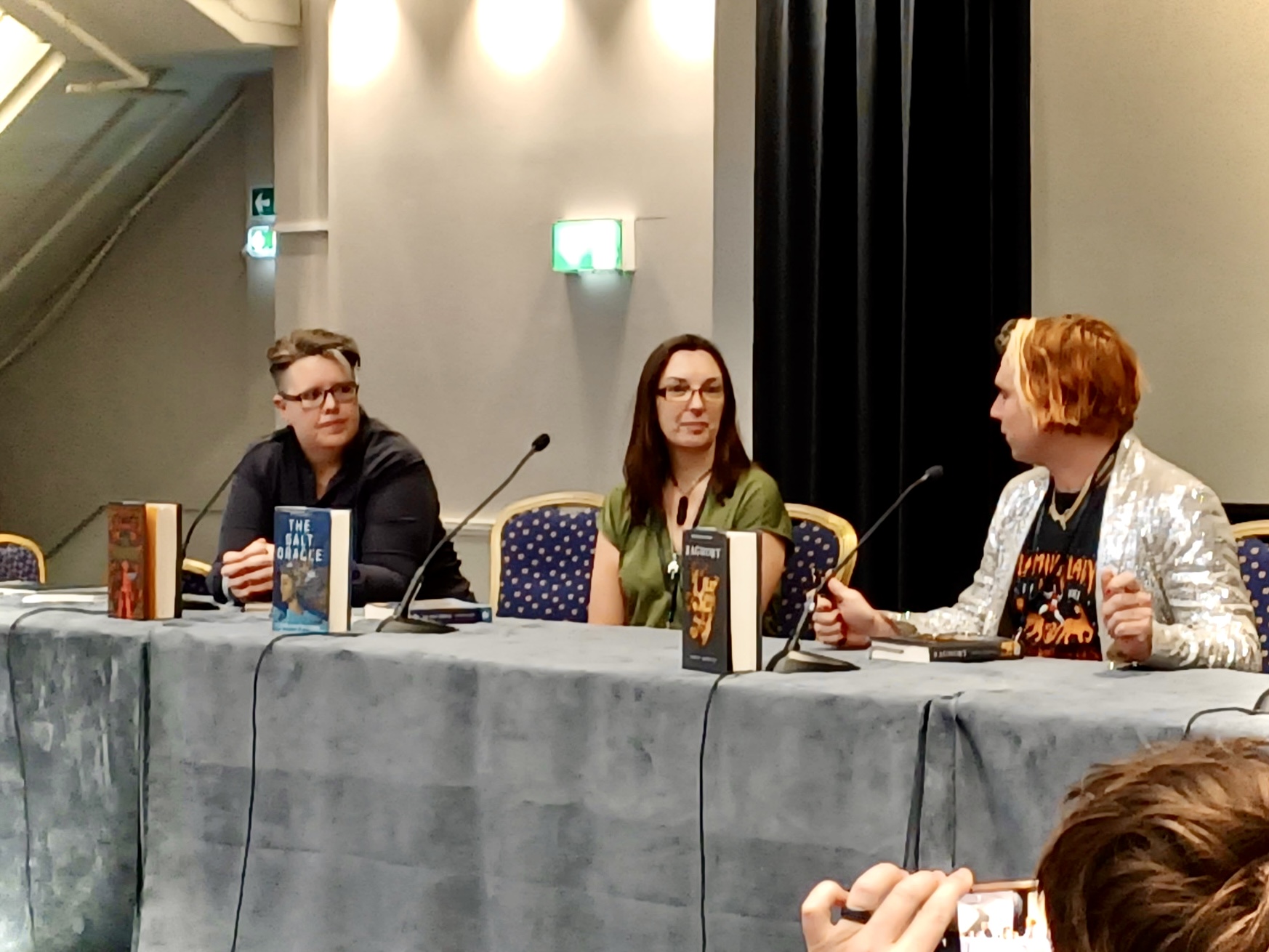
These two books are out on Thurs 6th Nov – two weeks yesterday – and next Sunday I get to launch them a little early at World Fantasy Con in Brighton, alongside some splendid and talented friends, Sam K Horton and MK Hardy, celebrating their books Ragwort and The Needfire. It’ll be a fun event, with cake and arty freebies and hot-off-the-press books, so if you are in Brighton please do come find us!

For today though, I figured I’d talk about other books!

As a bit of a ‘where do your ideas come from’ post, I have gone through my shelves and notebook to give you a small sample of the many stories and scraps of science, folklore and natural history that were part of the landscape from which I developed The Salt Oracle. If you’ve been with me a while, you might remember me talking about the Dark Academia elements of this book, but it’s also fairly apparent that beyond general academia vibes, my specific experiences with marine and conservation science also fed into this story.

Though I’ve never lived on a floating college fortress, I have lived in research stations or field camps in Scotland, Eastern Europe, the Indian Ocean islands, and Central America. It’s a strange microcosm of an environment, living closely with a small, often very isolated team made up of people who might be thrown together with no prior connections, and who are working long hours in often hazardous environments. There is a strange, often fleeting but always quite intense companionship that springs up in those settings, partly out of proximity and shared interests, but partly out of a need to get along for everyone’s safety and comfort. I definitely drew on my memories of such relationships in my writing the close but occasionally downright incompatible crew in this book.

Likewise I was able to draw on the marine conservation research I’ve been a part of, that includes things like whale communication, marine mammal fisheries bycatch, coral reef health, sea turtle breeding, sea bird population modelling and conservation, etc. That research wasn’t a huge part of my academic time, but I’m lucky enough to know people who work in all walks of marine research, so I had a way in to reading up on buoy and satellite tag technology, fisheries policy, renewables deployment and so on. (My work also took me to a hotel in Stromness, Orkney, which has on the wall a radar image of the Pentland Firth showing all the German submarines sunk at the end of WWII – the tangled poignancy and hidden threat of that image stuck with me, and got a tangential reference in The Salt Oracle)

As a seven year old, I decided that I was going to ‘save the whales’. I don’t know what exactly I thought I was going to do, especially once I declared that I would do so by becoming a vet! But while I never got to save a whale, perhaps this book is my inner 7 year old channelling all her undiluted rage at what we are doing to the oceans, and wishing vengeance upon us all!

Other than an undertow of eco-rage, what else fed into the making of this book?

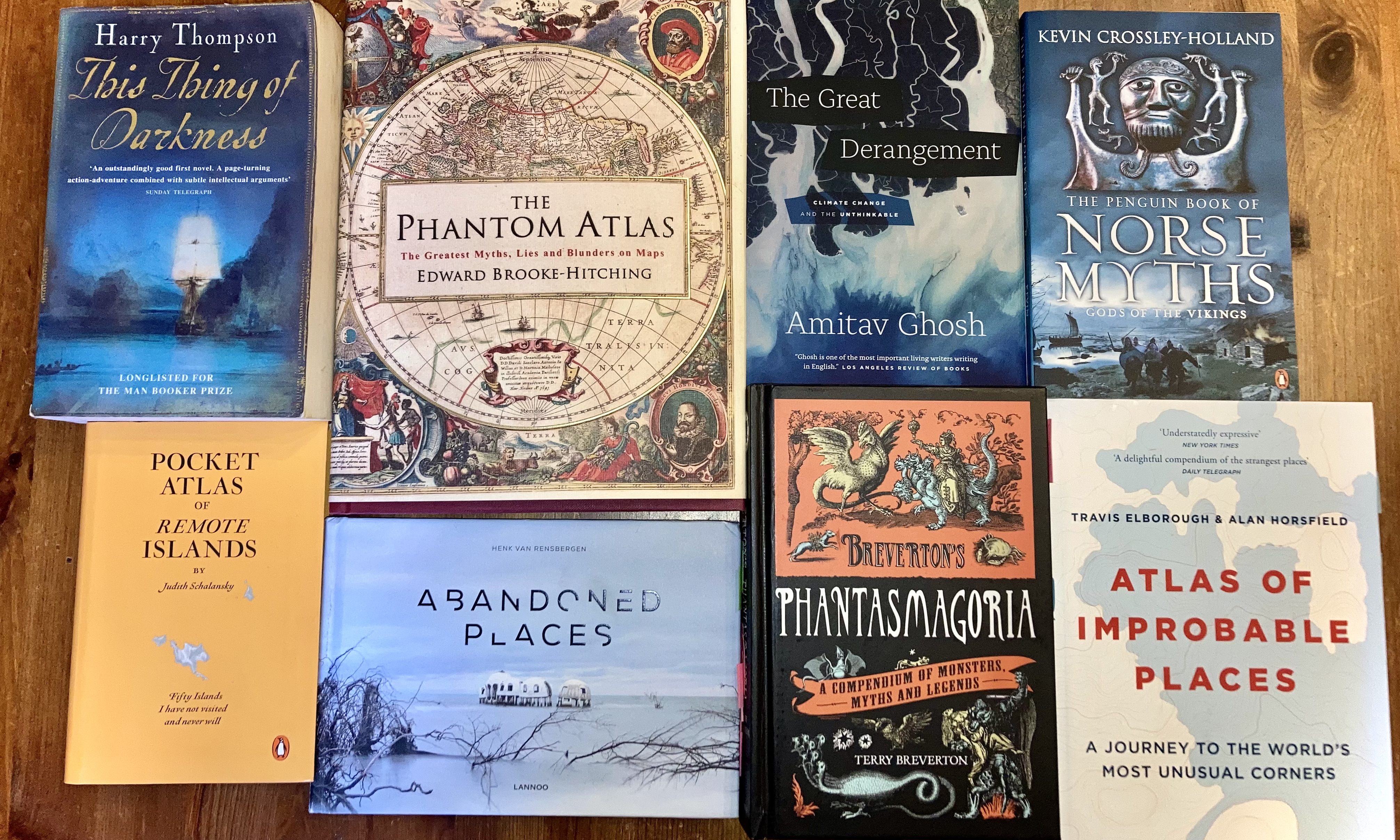
A lot of folklore, obviously. Can I write a book without it? And would I even want to? (No, and no). (If you don’t possess a copy of Breverton’s Phantasmagoria, please correct that terrible tragedy forthwith.) As you might gather from the image below, I do a lot of happy browsing through books of lost and abandoned places like I’m shopping for my retirement home/island. This is only about half the ones I own, and I highly recommend them if you are seeking inspirations for settings or mysteries or strange scraps of history. It is, incidentally, from that wee orange one in the bottom left that I read the fragment of history which gave me my setting in Mother Sea (the godawful history of the island of Tromélin).

As well as plaguing my sailing-obsessed sister for technical details, I also adore historic maritime explorer books and their wealth of perspectives on the ocean in an era when it was still so unknown and dangerous. In the picture below is the exquisite fictionalised story of Darwin’s voyages in This Thing Of Darkness – a beautiful, oddly sad and uplifting story.

Lastly for the non-fic, there are so many vital books out there now that explore climate change and our society’s responses to it. At the time of drafting The Salt Oracle, perhaps most recent read for me was this first beautiful and heartbreaking essay collection by the wonderful Amitav Ghosh.

How about fiction?

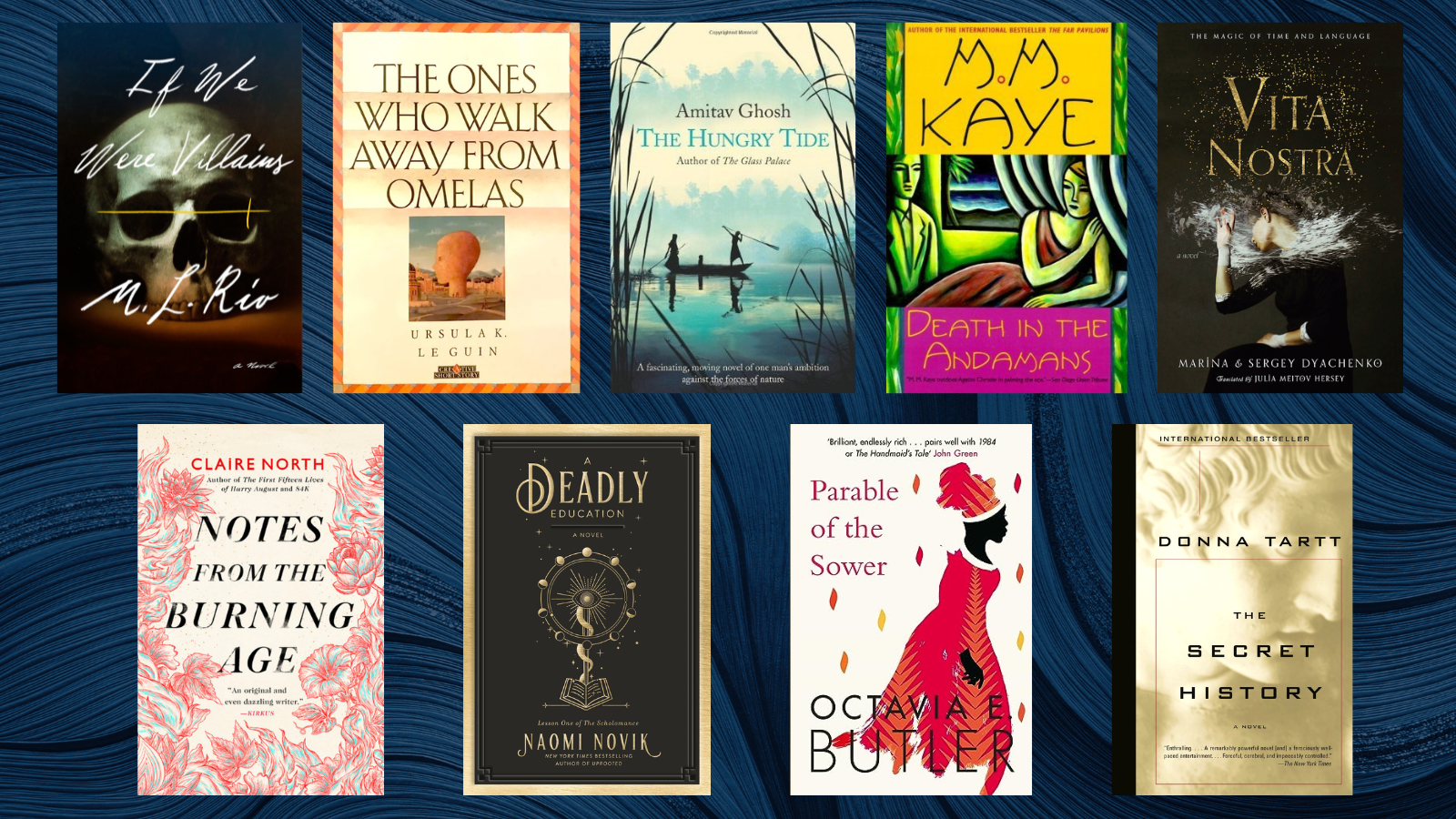
As you might expect, I am an unapologetic sucker for anything remotely Dark Academia shaped! There are issues I struggle with in this genre, and sometimes those flaws outweigh the joys of libraries! research! existential crises! but I will never not be tempted by books which centre the corrosive seduction of learnéd institutions. If We Were Villains and The Secret History are both rightly famous and need little explanation from me other than to say that while I prefer the former over the latter, I appreciate what the latter means to the whole genre. Likewise something that I really adoredabout Vita Nostra and the Scholomance series by Naomi Novik was how they both broke so entirely away from the dreaming spires, gothic architecture vibes of most DA. It’s probably fair to say those books gave me a lot more confidence when I came to writing my creaky, rusty hulk of a college!

Just as with non-fic, I am of course a fan of the many beautiful books that tackle climate change themes in interesting and nuanced ways within fiction. There are too many to list but at the time when I was formulating this book, Claire North and the great Octavia E Butler were probably top of my mental reference piles! I loved particularly how these books fold the climate themes into other forms of plot, as this was something I wanted to do (why write 1 genre when you can write 4, anyway) in The Salt Oracle.

There’s been a bit of a madcap trend in the short fiction world recently, of writing retellings or sequels to Ursula K le Guin’s famous The Ones Who Walk Away From Omelas – a short story that explores the brutal cost of utopia and who is willing to pay it. Some of these recent reimaginings have… rather missed the point of the original, in my mind, so I did my usual recalcitrant teenager act of refusing to say that Omelas was one of the core inspirations behind my book. But a wonderful author friend noted it, unprompted, in their blurb, so the (not really) secret is out, and I hope readers are intrigued and satisfied with this rather tangential take on le Guin’s posed question.

Two books in the image above that perhaps aren’t so obviously connected to The Salt Oracle are Amitav Ghosh’s The Hungry Tide, and MM Kaye’s Death In The Andamans. The former is there because of the sheer beauty of his descriptions of the ocean’s liminal edge wreaking wonder and devastation in equal measure. It’s a heartbreaking book, but one climactic passage describing a terrible storm tide haunts me even now years after reading it. That vibe of awe and horror, of both the power and the powerlessness of the sea, is something that hopefully echoes in the pages of my book.

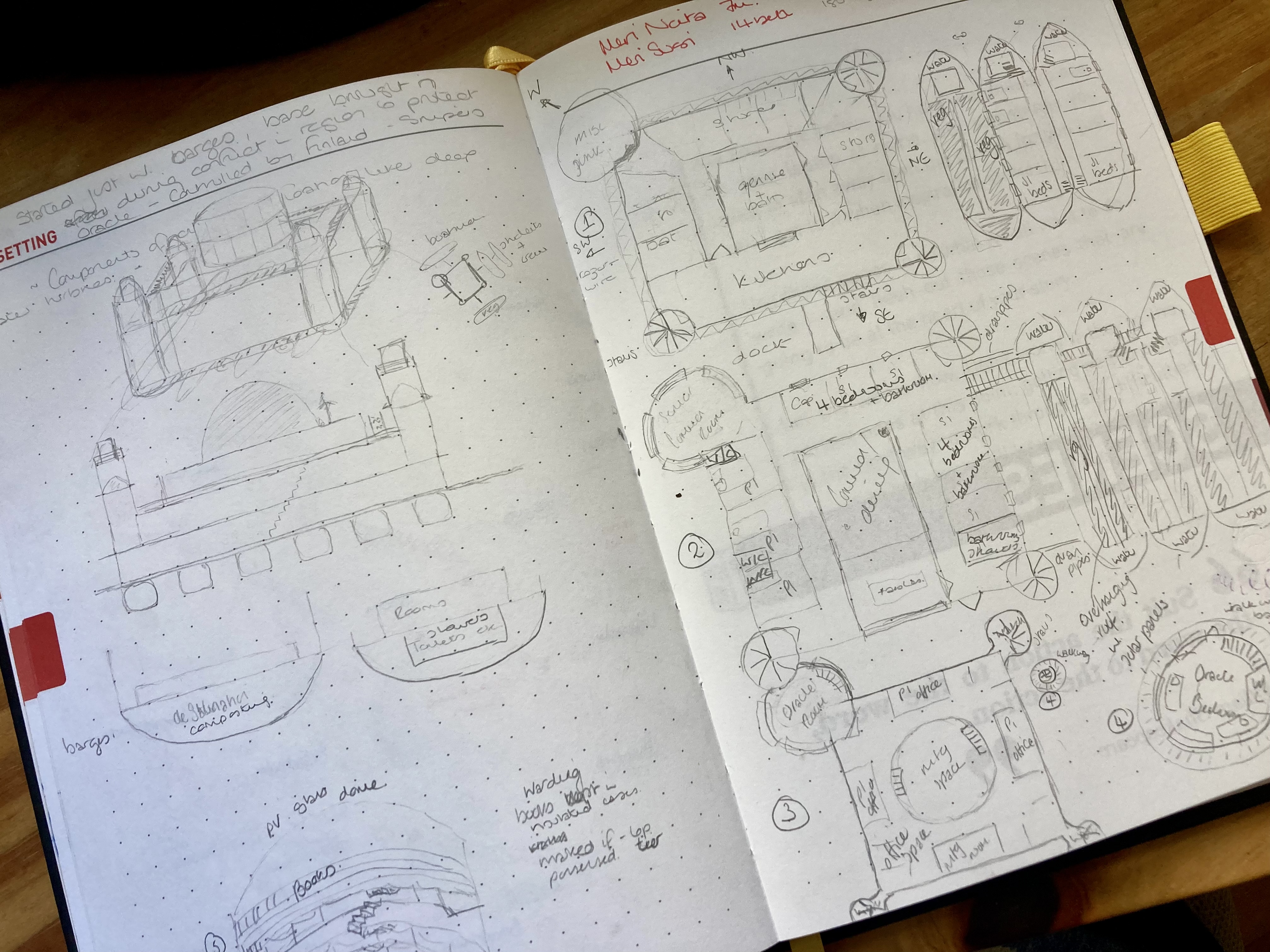
MM Kaye’s 6 murder mystery books are not the ones she’s famous for, and are definitely books ‘of their time’. But I adore them for her masterful ability to create rich, captivating settings that just ooze atmosphere and tension. In this book in particular, the key mystery events take place largely in one house, and the book includes (drumroll)… a floorplan. I am not a big fan of maps in books, but for reasons known only to the mice that occupy my brain, I adore a floorplan. Just. Perfection. Perhaps because that way I know where the library is. Anyway, as well as being a constant inspiration to me in writing atmospheric settings, MM Kaye gifted me the initial idea for the layout of the Bellwether – the college in The Salt Oracle.

And so, in case hustling on social media wasn’t mortifying enough, I’m sharing the floorplan sketches I did in my notebook for your delectation!

I am, as you are now sadly aware, not a natural artist! (also some of this changed, so don’t use it as a reference!) But this was a surprisingly essential part of my drafting process, because ooft the number of times I had to check back to see where characters ended up after running down some stairs…

A slightly random post from me today, fuelled by the dual horns of ‘I don’t want to just promo the book’ and ‘I can’t ignore the fact that it’s nearly release day’. I hope there’s some temptations in here for you, and if you pick up any of these books, or have your own strange and fascinating sources of inspiration please do let me know.

Thank you, as always for your support. Because accessibility in publishing is important to me, I keep all my craft and publishing posts free, so any shares or tips are greatly appreciated. Wishing you a fabulous weekend.
Check out my books here

Leave a tip here

Dystopias, reality, and getting crabbit about labels

[This article was posted on my Substack in May, please do go check that out to stay up to date with my latest articles and news]

So a wee while ago I was asked a question at an event that very nearly launched me into a TED talk of an answer. We were out of time so I had to restrain myself, but I figured it would make a good article in which no-one is waving frantically at me from the sidelines begging me to shut up!

The question was something like this: You said you don’t call We Are All Ghosts In The Forest a dystopia, but several of your books have dystopic themes so why don’t you call them that?

Which is a fair question. I had said earlier in the event that although Ghosts is often marketed and reviewed as a dystopia, I personally resist that label. And yes, the questionner was right that several of my books – Ghosts, The Salt Oracle, This Is Our Undoing, even Mother Sea (although we’ll come back to that) – have elements of socio-political or environmental settings that are pretty dark and dystopic.

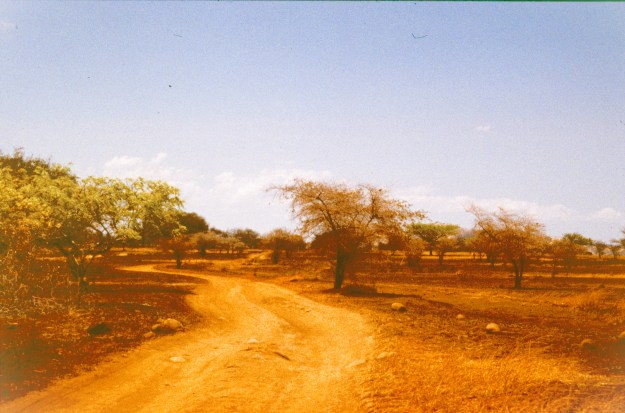
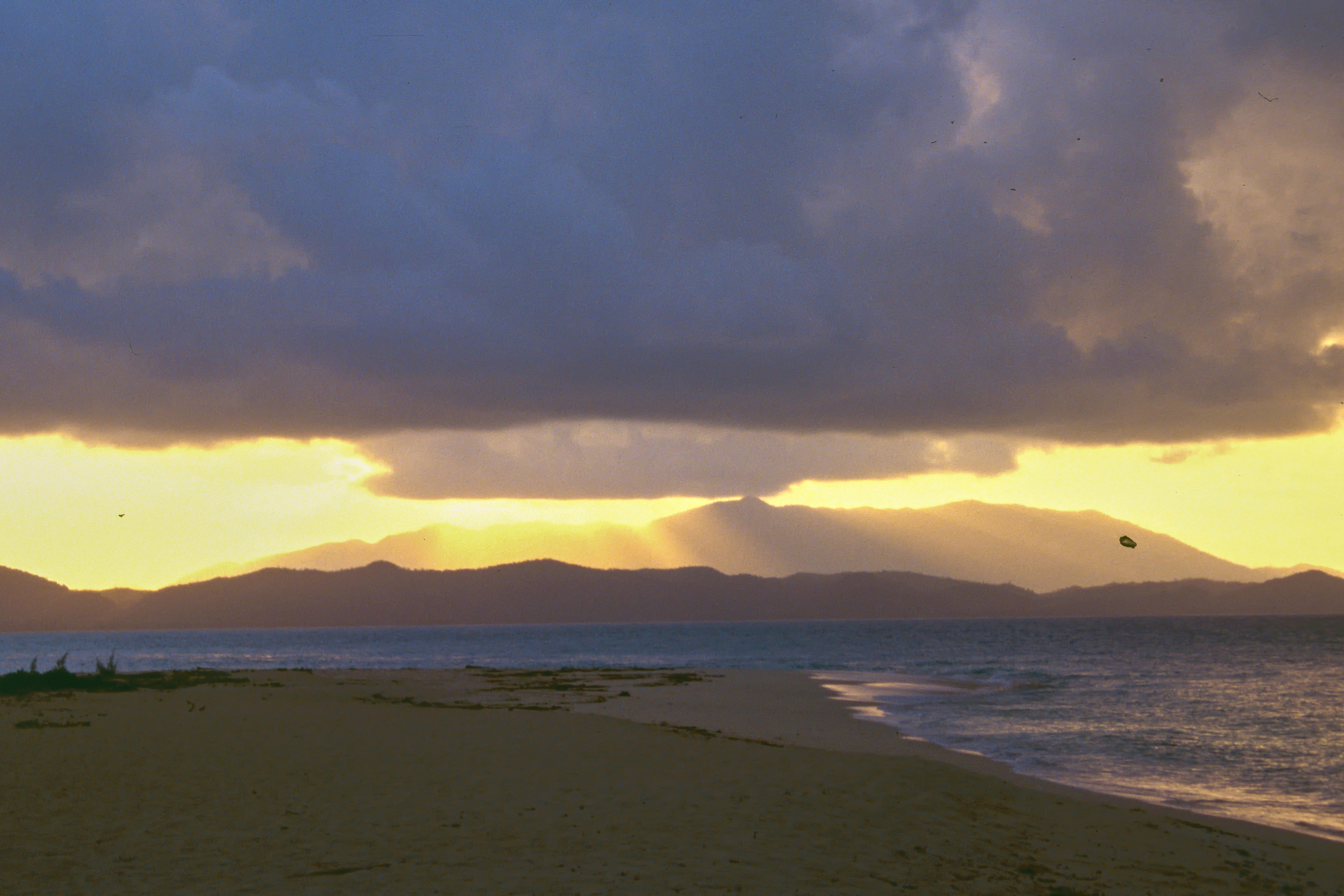
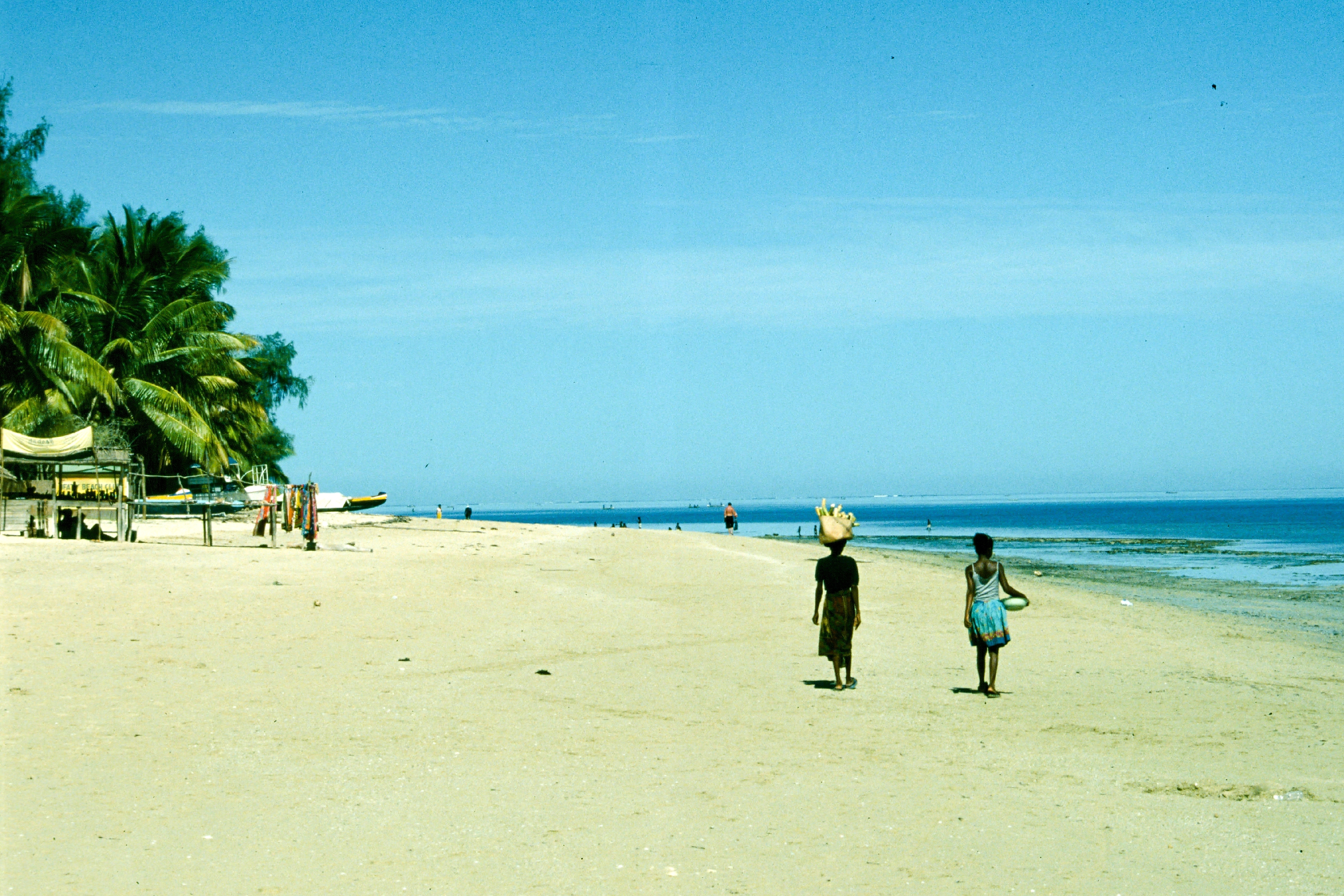
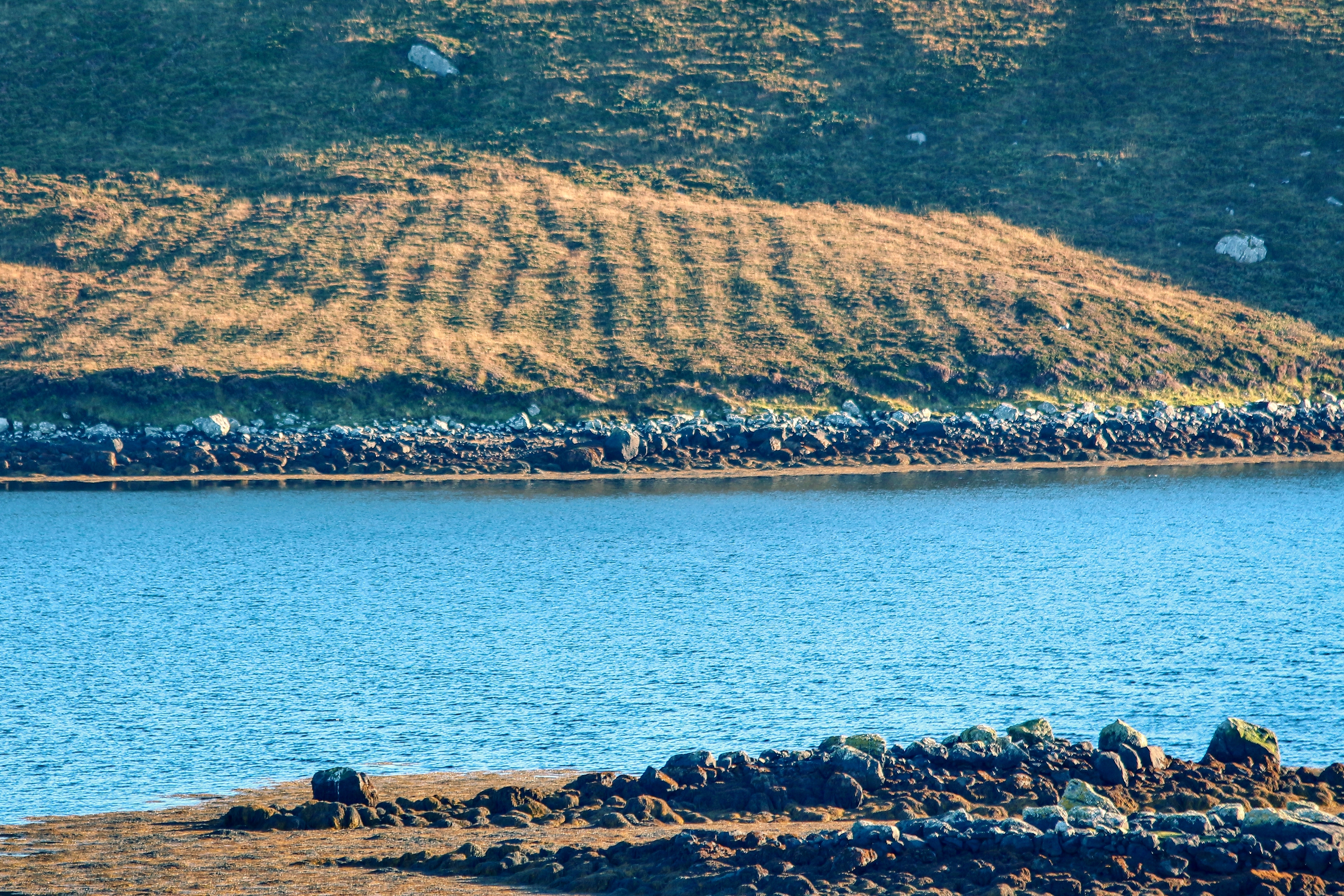
Possibly a dystopic gas cloud wasteland, possibly Iceland

Dystopian fiction

First off, for the sake of clarity – what is dystopian fiction?

It’s generally framed as a story that takes place in a society that is in some way repressive, cruel, unjust or otherwise plain ol’ nasty – a kind of worst case scenario of humanity as a society. It’s often worked in combination with environmental extremes that the system is a reaction to, and it’s often, but not always, propagandised as utopian. Or it is presented in contrast to some utopian other – the past, another country, another planet etc.

‘Dystopia’ is a genre label that’s had some pretty impressive waves in popularity, isn’t it? There have been times, around the Hunger Games era for example, when it was riding pretty high. Going back further, I remember reading A LOT of post-nuclear apocalyptic dystopias when I was a young kid growing up in the tail end of the cold war. They’ve been around for a long time, and range from commercial to the more literary examples like A Handmaid’s Tale or The Road. It’s one of those genres that never entirely drops off the popularity lists at all, but it’s … taking a wee bit of a back seat at the moment, from what I can gather. People, I think, are largely either looking for pure comfort, or for more ‘working through the disaster’ than ‘living in the aftermath of the disaster’ narratives, for very understandable reasons.

However, that slight popularity downturn is not why I avoid the label. I mean, I write quiet, genre-blending books, I clearly am no good at writing to market so I don’t worry about the trendiness of labels either.

Why I love but (kind of) avoid the label

My resistance to ‘Dystopia’ as a label is that for most (not all, but most) fiction in this genre, while it is generally accepted that the dystopia will hold echoes of the real world, it is framed very much as a fictional futuristic, often apocalyptic world. An omg can you imagine? How terrible that would be. And yet the elements of worldbuilding that make it dystopic are actually real things that exist today in the real world for many people individually and as societies.

  • Oppressive totalitarian government? tick (check, if you’re weird)
  • Violent persecution based on your identity? tick
  • Profound injustice through corporate exploitation and corruption? tick
  • Vast wealth hoarding built on a brutalised underclass? tick
  • Even – An underclass struggling in a devastated landscape while the powerful buffer themselves from the disaster they unleashed? tick.

None of these are fiction. We all know that. And yet put them into a book and it gets labelled ‘Science fiction’. It gets labelled ‘Dystopia’. As if it is some entirely imaginary horror. When it isn’t. It is the daily lived experience of fellow humans right now today as you are reading this.

Can you tell I Feel A Way about this by the way my sentences have. got. very. short??

I do get it. I do. We explore the things that upset us by fictionalising them, because fiction allows us to parameterise and navigate our fears or horrors or heartbreak in a safe way. And exploring the very real brutalities of the world in fictionalised ways is a powerful tool for enabling us as a society to process our emotions enough to act on them.

So yes, Dystopia as a genre is one I vehemently think we need – I think it deals with big topics in accessible, captivating, mind-opening ways, and that’s amazing. I love this genre. And too, many Dystopia books are so distantly connected to real world issues that they lose that uncomfortable overlap. The Hunger Games, for example. Yes, you can trace elements back to real things from the Roman Games to Communist Russia and beyond, and Collins herself lays inspiration at the feet of the social media distraction engine burying genocide beneath cosmetics ads and clickbait. But the overall concept of the society and games themselves are disconnected enough, in my mind, to not raise quite the same adjacency discomfort in me.*

*Edited to add that yes, I read that news article from the US (in May, fortunately that madcap idea seems to have vanished), about an unhinged proposition to run ‘challenges’ for asylum seekers to win asylum. Yes, that might make this point no longer true.

The dystopic elements in my books, however, are nothing original. They are dystopias that are sadly, horribly real. I mean, Mother Sea isn’t even speculative – it’s straight up contemporary fiction (albeit on an imagined island). This Is Our Undoing simply extrapolated out from fragments of history and current news in Europe around the time of the Brexit vote. Ghosts … well, it’s fascinating to me that living without advanced technology is enough to earn the label Dystopia, to be honest. Its wider regional unrest and climate instability are both very real things, but those aside, I see the more egalitarian, community-based, slower life in Ghosts as less dystopic than the late-stage capitalism we’re currently living in in the west, modern healthcare (and digital ghosts!) notwithstanding.

One of the greatest wonders of SFFH as a genre space has always been its ability (not always utilised, but sometimes) to challenge the status quo and cast light on things the powers that be would like us to ignore. To ask the questions we should be asking of where we are headed and whether that’s what we actually want. Dystopias are a rich vein to draw from in that pursuit, and alongside the fully imaginary scenarios, real world injustices absolutely deserve to be visible and interrogated on the page – whether directly or in more fantastical or futuristic analogies.

But if we use the Dystopia label as a way to catharsise our discomfort and reframe reality as a safe make-believe, then we are letting ourselves and our readers down. We are inserting a safe deniability into the reading experience. And what could be about creating empathy and connection then instead buffers the reader from having to have uncomfortable thoughts about the systems they exist within.

So no, I don’t consider my books dystopian fiction. Because those very elements that people point at in applying that label are among the least fictional bits of my books. Digital ghosts are very fictional (sadly), communities living off the land without technology, modern healthcare or political stability? Not exactly a wild leap into the imaginary. I don’t think readers have to see the resonance between imaged and real world when they read dystopias, and I don’t think that resonance has to be central to the story. I personally know it’s there though, so I personally shy away from framing it as entirely futuristic worst-case fiction.

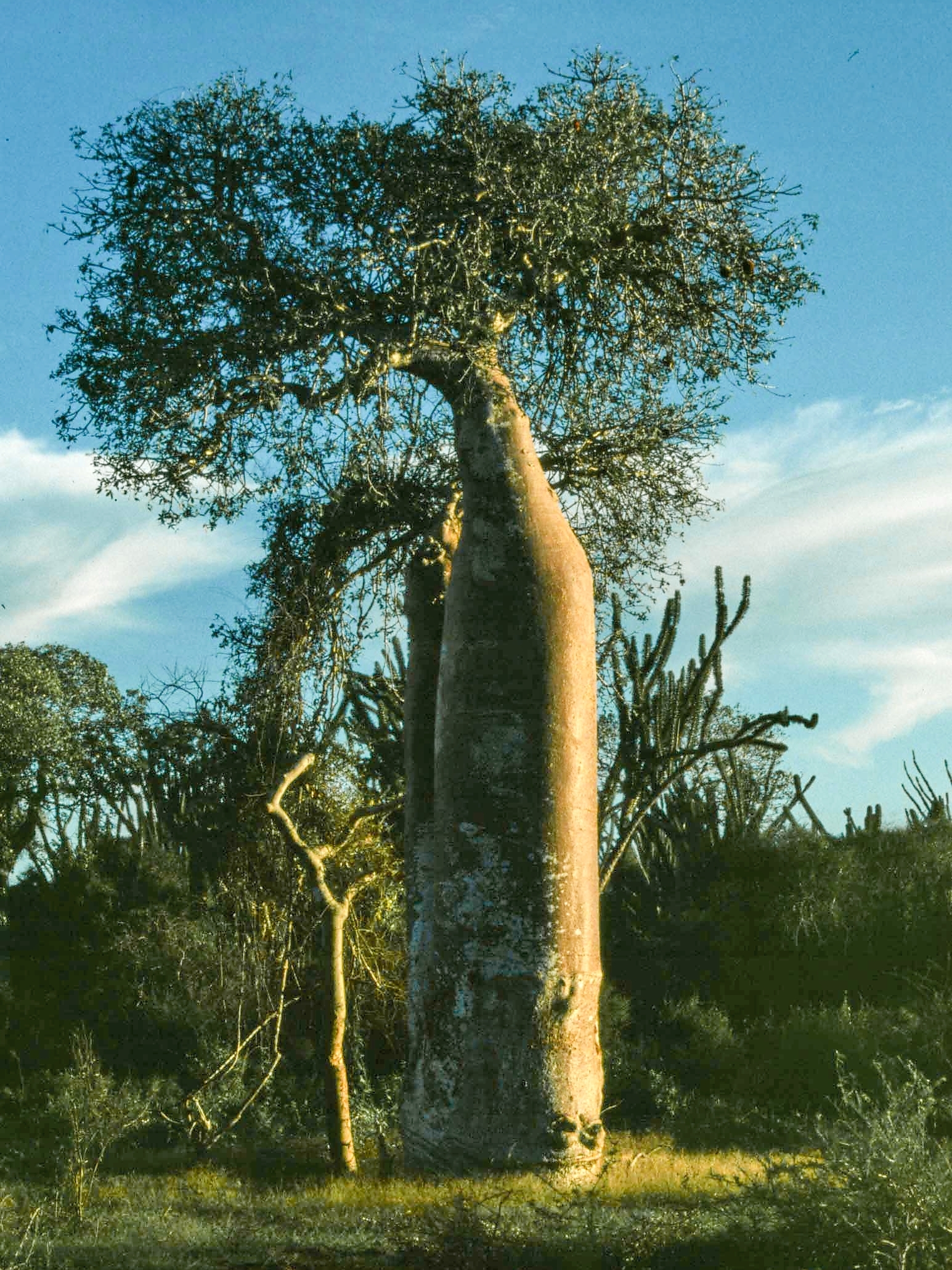
Possibly a dystopic arid wasteland, possibly Madagascar

But…

But labels aren’t really about the meaning of a book, in most instances. They’re about the cogs within marketing that let a book sell.

I sound crabbit as all hell about this, don’t I? Honestly in real life, I have almost certainly used #dystopia to help market my books, and I am just shrugging and rolling with it when other people call them that. I promise I am not roaming the publishing world battering people with this rant. Books need to find their readers, and that involves playing the marketing game in whatever way helps, so labels are gonna label. And there’s very little to be gained by getting het up about it.

Dystopia as a marketing label tells readers instantly that a book is going to be set in some futuristic society that carries dark echoes of a recognisably contemporary one. And that’s all it needs to do at that level.

Do I think we should treat it with the same caution we use when calling things ‘Utopias’? Yeah, I kinda do. Because just like utopias, dystopias are not a simple thing to unpick. But the marketing engine needs simple labels more than it needs authorly caveats and squickiness, and honestly it’s not the job of marketing teams to make sure the real world resonance is there. That’s my job as a writer.

More than that, it’s our jobs as readers. To read with compassion not just for the fictional characters on the page but for the real world roots that the story world might contain. To resist the urge to comfortably shelve dystopic injustices under ‘make believe’ in our minds. To read just a little bit deeper.

I might grimace faintly when someone calls my books Dystopias, but if that label helps people pick them up, then I hope I’ve done my job well enough that those readers (as well as simply enjoying the story) connect to the real world echoes in my imagined darkness.


Thank you for coming to my TED talk. 😀 I feel much better for having got that off my chest!

Introducing The Salt Oracle

Well, my loves, I promised a proper introduction to my next book, and ta da! Here finally it is! Along with a deep dive into how I navigated a challenging developmental edit process, which I hope will prove useful/comforting to you if you ever face similar.

[This article was published on my Substack in early April and forms a part of a regular ‘Diary’ series of posts diving into the publishing process for my individual books].

As you may have gathered from the last newsletter, The Salt Oracle is coming out in November this year, and is set in the same post-internet digital ghosts future as We Are All Ghosts In The Forest, but is another stand alone. Because of my appalling series staying power (or lack thereof) I am rather loving the rise of same world standalones at the moment and am delighted to have accidentally fallen in line with a kind-of trend. For the one and perhaps only time in my publishing life!

These Diary posts are usually a wee behind the scenes perk for my paying subscribers but I figure as this is by way of an introduction, I’ll keep this one public. As well as telling you a wee bit about the book and where it’s at, I thought it also might be interesting to talk about the developmental editing round I recently finished on this beasty. Because, let me tell you, it was tricky. And, well, difficult publishing things are generally useful publishing things to share, right? So strap in…

The book

This book is my take on Dark Academia, set on a floating college fortress in the Baltic Sea where her mentor’s murder thrusts a quiet researcher onto a path towards discovering the secrets behind the strange, deadly Oracle child that the college guards so carefully.

If We Are All Ghosts In The Forest was built on the folklore of forests, then The Salt Oracle is built on the folklore of the sea. It’s about our relationship with the sea, as much as it is my character’s relationship with the college she loves, and it’s full of darkness and terrible choices, and perhaps, just perhaps a whole lot of love too.

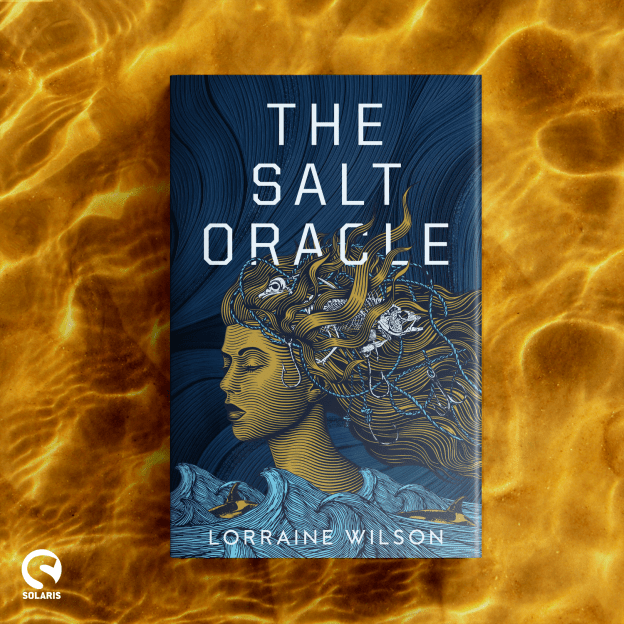
The cover for this book, as revealed in the last article, is to die for, and might in fact be my favourite book cover to date. Although let’s be honest, I have been really, really lucky with all my covers so far.

The Edit Letter

I’ve written before about dealing with the Edit Letter for We Are All Ghosts In The Forest (and Edit Letters in general), but to paraphrase, the Edit Letter is the foundation of editorial input on a manuscript from your editor (or agent, although those notes are often less formal). It tends to be a breakdown of big overarching issues, and then smaller more specific areas to address. Sometimes with a by-chapter breakdown and/or marked up manuscript.

My Ghosts edits were extremely light, but I knew Salt Oracle would be a different kettle of fish because it was significantly less polished when I sent it to my editor. That’s fairly normal for a contract book – you’re likely to be working to tighter deadlines and with less agent input before your editor sees it, so they are generally not scared off by a rougher second book.

But the edits I got for Salt Oracle were by some margin the most comprehensive edits I’ve yet received – 19 whole pages of overarching issues and by-chapter breakdown – and there were a few things in the mix there that meant they initially really knocked me for six:

  • I came away from reading the Edit Letter convinced my editor hated the book.
  • The edits were, for very valid reasons, later than anticipated so I felt very pressed for time.
  • The edits asked for changes that would shift the feel of the book’s setting significantly, and I wasn’t convinced it would work.
  • I was told I needed to cut my book’s length by over 20%. From 126k to 100k words.

Now, that first one can be put down to an over-sensitive author being over-sensitive. But it actually raised an interesting nuance to publishing that I think is worth talking about, hence its inclusion.

I got these edits just before Christmas 2024, and spent much of Christmas in a bit of a blue funk. I’m used to needing a few solid sulking days after getting an edit in, so at first this didn’t much bother me. I expected solutions to form in my mind, and the doubts and worries to morph into enthusiasm, because they had done before. But they didn’t.

I planned out my edits. The doubts and fears didn’t pass.

I started the edits. They still didn’t pass. In fact, if anything they were getting worse.

So around about New Year, I stopped and really looked at why I was reacting so negatively to the edits and what I could do about it. That, more than the details of the edit letter itself, is what I wanted to talk about here, as that’s what might prove useful to others if they too find themselves stuck.

Did my editor hate the book?

My editor had offered a call from the outset, but I usually prefer to just check in by email if I get stuck on anything particular and otherwise sort things out myself. Come early January, I realised I needed to talk some things through, and we jumped on a call. This call addressed a few things, but most importantly this first question.

And of course, no, she didn’t hate the book. She loved much about it, and the characters, the dilemmas and the messages of the book had struck home perfectly. Which was nice.

Something we talked about on the call though was the difference between an edit letter on an acquired book and an edit letter on a contract book. Because I realised that at what will be Book Six in my career, this was my first time with a contract book, and so my first time working with an editor on a book they hadn’t fallen in love with enough to fight for through acquisitions.

When an editor acquires your book, you know beyond doubt that they love it. So when they send an edit letter, you know it’s coming from a place of absolutely being on Team This Book.

Conversely when you have just yeeted a book at your editor that they maybe saw a rough pitch of over a year ago … you do not start with that same assurance.

It sounds a small detail. But when you are facing pages and pages of ‘this needs fixing’, not knowing whether there’s a preceeding ‘I love this but-’ matters. It’s hard processing pages of criticism, so you want to know whether the feeling behind them was ‘this is great, but let’s make it better’, or ‘ye gods why have I been cursed with this’.

This was, I think, a useful lesson for both of us in openness and taking the time to make sure we both know what the other is thinking. It made me incredibly grateful to have a relationship with my editor that makes these conversations easy and positive.

Time pressures

Again, on the call and follow up emails this was a source of anxiety that my editor was able to almost entirely remove.

We shifted the delivery deadline from mid-February to early March, with the knowledge that I could shift it further if need be without it impacting the publication date (which was my biggest worry). Shifting too much further would start to impact our ability to get ARCs out to reviewers though, as well, frankly, as bleeding into time I’d scheduled for other projects. So I didn’t want the deadline to slide too much. But it was very reassuring to know I wasn’t at risk of losing my late 2025 publishing slot.

Edits that don’t feel ‘right’

There were two overarching ‘structure’ changes my editor requested. One was to cut out the wider state-level politics to keep the threats surrounding the College more direct and tangible. The other was to cut the number of characters by some way, as it currently felt too confusing with many of them mentioned too briefly to stick in the mind.

The state-level politics was a fairly easy fix, although the College still needed external connections, otherwise how was it funded? So I’ve not been able to cut all ties to the wider world, and instead have replaced state politics with the politics of appeasing multiple contractors and a university main office. At the outset therfore, I wasn’t sure this background change would really improve the book materially.

The character cull was trickier. I had intended the College to feel like a busy, multifaceted research organisation, full of disparate teams all with their internecine rivalries and my main character isolated within it all. Cutting a lot of characters would fundamentally shift the nature of the College from busy academic institution to small research outpost. More of a remote field station than a center of learning. That’s quite the vibe change, and I wasn’t sure I liked it – I felt it was important that the College look successful For Reasons.

But my approach to edits I’m unsure of is generally to try them and then decide, so that’s what I did. After making sure I had back up copies of the book!

Now it’s done, I think shifting the College’s management structure from political to contractual has simplified and tightened things in a way that works nicely. The move from busy to small I also think now works well – I have leaned into the idea of the College being half-empty due to the umm… attrition rate (!), and the echoing spaces and survivorship atmosphere add some vibes to the book that I wasn’t initially looking for but that I think are pretty cool. And yes, it’s easier to keep track of the characters now too. So although at first I was really hesitant about these edits, guess what? My editor was right? Curses.

Cutting word counts

Perhaps, now I’m out the other end of this edit, this was the trickiest issue of them all. You see, although a good amount of tightening and cleaning up of the prose was definitely needed, the main driver behind the 20% wordcount cut was actually the high price of paper and printing at the moment.

It is, it turns out, one thing to make any number of edits that are intended to make your book better. It’s a whole other thing to make edits to your book that are primarily about making it cheaper. I worried that in cutting words which didn’t strictly need it, I was stripping my book of some of its nuance, its subtlety, its beauty. And as I wrote about recently, I like that stuff! So that editing pass felt rather soulless, if I’m honest, which was a shock – editing is something I generally enjoy and that gets me excited about the book.

I absolutely understand the requirement. Publishing margins for independent presses are under very real pressure from printing costs alongside other factors. So I don’t resent the expectation, although I will endeavour not to be in this position in future (by having those conversations at the contract stage, I imagine, so I’m not caught unawares).

Fortunately having read the shorter version, it does still have nuance and subtlety and beauty. The book’s themes still feel vibrant and strong, perhaps more so for the (relatively) pared back prose matching the vibes. Plus, the cuts have helped me sort out several plot tangles and hone the pacing. It is still, vitally, the book I wanted to write and a story I am very proud of. Honestly, being forced to cut so much whilst not losing the feel of the book has probably been a useful experience for someone like me, who does love a long sentence.

But where I was able to put to rest all my other worries about this book and its edits, this one remained. It wasn’t until I got comments and line edits back from my editor last week that I knew I’d nailed the challenge – my editor was delighted and my line edits took me less than two days. *cue celebratory dancing*

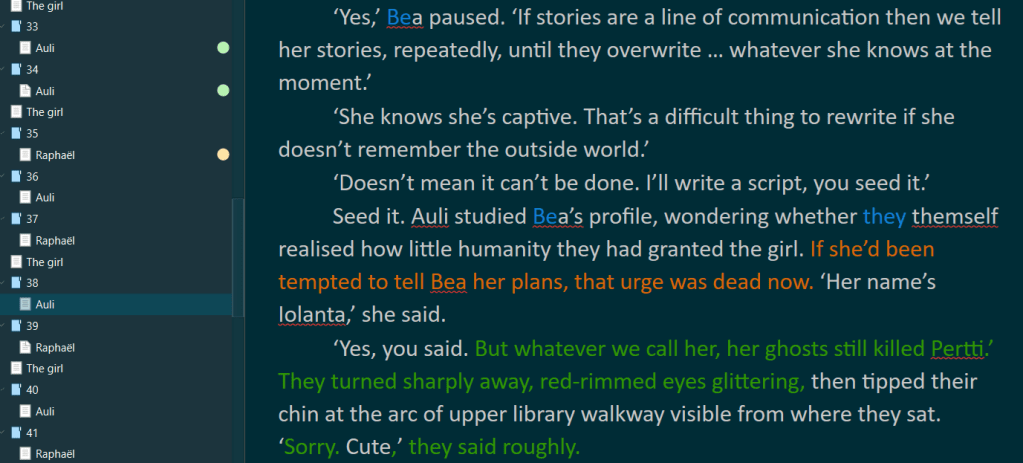
An in-progress editing screenshot from Scrivener showing three different edit passes as different coloured text. This let me keep track of what I had changed & why.

The actual editing process

Just a quick note here, in case anyone is wondering how I went about such a big edit. The answer is I broke it up into five separate edit passes dealing with different things each time. I dealt with all the actual editorial changes on the first three passes, then did a Big Cut pass where I focused purely on cutting words, then finally did a kindle read-through to catch errors, smooth out over-edited bits, and generally reassure myself that it still worked and I still liked it.

It does and I do. Fortunately.


So, there it is, the next book in all its complicated glory. I love it, and I hope you will too when it reaches you. But man, this one has put me through my paces. It’s been a valuable learning curve though – both in terms of my process, and in being able to continue loving a book through all its permutations.

Thank you for reading and I wish you all a relaxing weekend.
A year in review, a year in anticipation

A year of writing – the numbers and why they don’t matter.

Welcome to 2025! (late but don’t judge, we have approximately 16 milliseconds of daylight this time of year, I’m 90% dozy bear)

Being as I talk the talk about resilience and not falling into the traps of comparanoia or shifting goalposts, I figure I ought to walk the walk with a wee review post about where I am and how I feel about that.

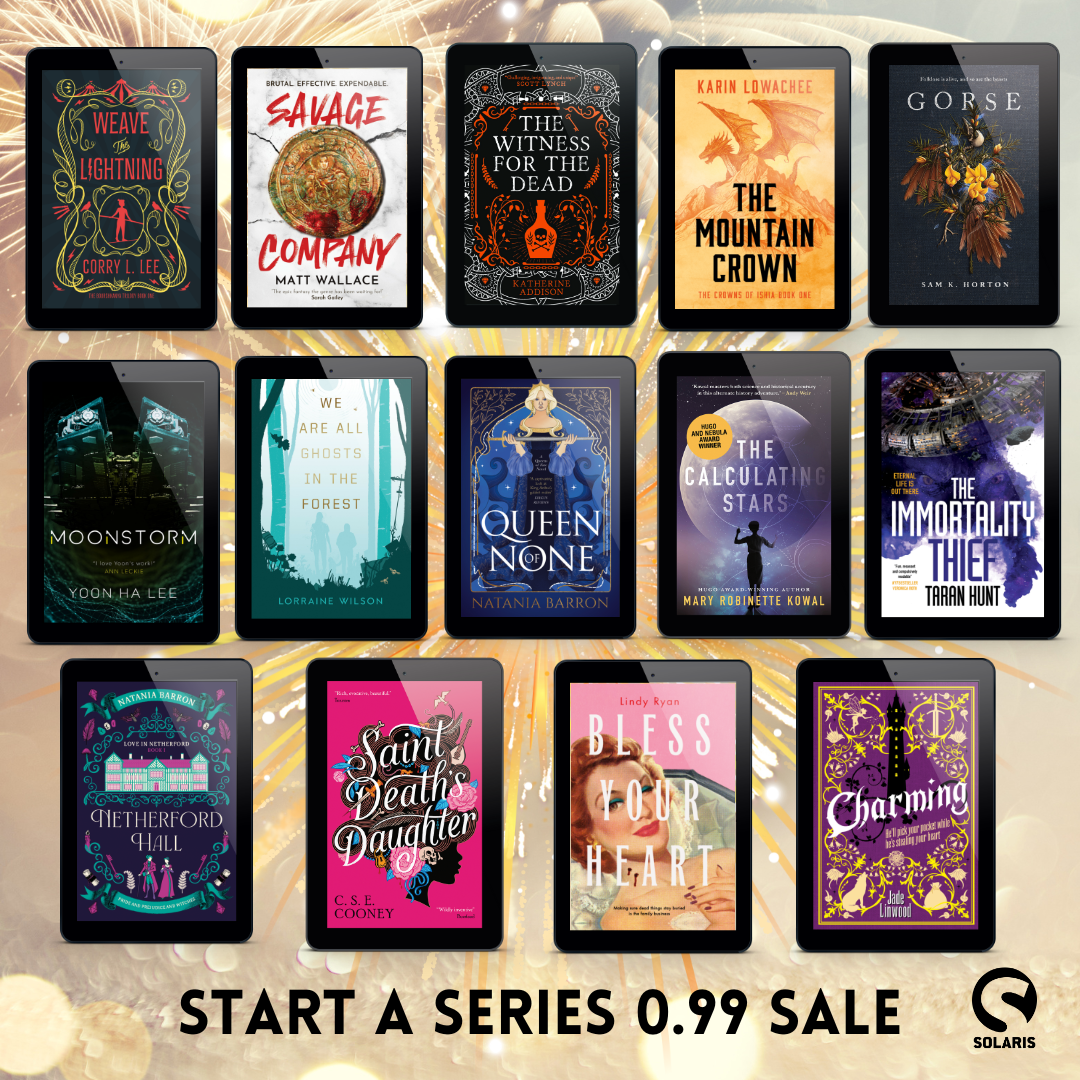
First though, a lil book sale treat – my publishers for We Are All Ghosts In The Forest are running a 99p ebook sale for firsts-in-series from now until the 18th Jan. Which means you can snag a copy of Ghosts for a bargain price if you’re quick (and maybe some other excellent books too?). Click here to shop!

Now then. Down to business.

The year in review

What are the stats for 2024?

I published 1 novella – The Last To Drown, 1 novel – We Are All Ghosts In The Forest, and 1 short story – Mhairi Aird in the Nova Scotia 2 anthology.

I was longlisted for 2 awards (BSFA and Kavya Prize for Mother Sea), shortlisted for 1 award (Kavya Prize for The Last To Drown) and won 1 award (the Society of Authors ADCI Prize for Mother Sea).

I left one agent and signed with another.

I attended two festivals/conventions, took part in oh god I don’t know … a whole bunch of events.

I wrote & revised 1 novella, fully revised 2 novels, and got a 3rd novel through copyedits & proofs. And I wrote 85k of a 4th novel. Totaling about 120k written, 340k edited.

I signed no new publishing contracts, got no new books out on submission, and (lol) received no further parts of my advance because of delays to edits. So my writing income last year was solely from royalties on my previous books, the short story sale, and writing-adjacent work like workshops and this Substack (thank you!).


The year in anticipation

What’s on the programme for 2025?

I will be publishing 1 novel (The Salt Oracle).

I will finish & revise the current wip. Edit/copyedit/proof The Salt Oracle, and edit 1 further novel & 1 novella.

I should be going on submission with that 1 novel and 1 novella.

I will be at two festivals/conventions (Cymera Festival & World Fantasy Con), plus a bunch of other events & podcasts tbc.

How’s about the wishlist for 2025?

That I sell both submissions to good people for good deals.

That I maybe get some foreign rights sold.

That I get all or most of another book drafted.

That The Last To Drown and We Are All Ghosts In The Forest maybe get an award listing or two.


What does it all even mean though?

So how do these stats look to you? Busy? Easy? Perhaps wildly ambitious, perhaps laughably unambitious? It will depend on your viewpoint, right? Your own current ‘normals’. And that’s sort of why I have listed them all out – to say that they don’t really matter.

The number of words I write, the number of events I do, the number of awards listings (especially those omg) or trade reviews or sales … those make for some nice neat numbers but do they mean anything to me, the writer alone (plus cats) at my laptop? They’re all to varying degrees out of my control after all – even how much I get to write is influenced by other people’s editorial timelines, the amount of publicity interest in my newest book, and my health. So when I look back at 2024 or look forward to 2025, what can I take from these lists that really truly intrinsically reflects on me and my writing?

I’ve been mulling over this because as I saw everyone posting their ‘my writing year’ type posts I got increasingly squinty eyed about how good that sort of framing actually is. It’s nice to look at concrete things and pat yourself on the pat, or set a particular aim and work towards it. It can also be really helpful to track these things so you can appraise your relationship with writing/publishing and make any necessary changes. So no shade on tracking these stats at all – I do it all myself, hence being able to reel off the lists above without much thought. And my god, we should celebrate our wins at any opportunity, shouldn’t we? Smell the roses every time, because publishing is a hell of a briar patch.

I came up with two reasons though, why I think these particular roses – these lists of achievements – can sometimes be … maybe not unhelpful, but an incomplete picture.

Reason one is simply the comparanoia of it all. Have you looked at other people’s statistics and Had Sads because yours don’t match up? Or looked at your own previous years and Had Sads because you’ve dropped off in some area or another? Yeah, me too. But if we measure our success or productivity or writerly brownie points by fixed metrics – words written or events held or contracts signed – we are holding ourself to metrics that are (at least partly) out of our control. Which aint all that healthy, folks.

The second reason is that I want to think my creativity matters more to me than my output. I mean yes, I need the output to, you know, have books to sell and hence a hope of a career. So of course words written/books sold/awards won matters. If I look back at 2024 though, while I am extremely proud of the high points on that list, I am perhaps most proud of something that’s not on the list at all – the way in which I’ve pushed my craft.

As I think I’ve talked about a few times, I like to feel that I am trying something new-to-me with everything I write – challenging myself to always be growing as a writer. And honestly, I am really excited by the things I’ve done in Novella2 (which I wrote about here) and the current wip. They are both in their own way taking risks I’ve not been brave enough to take until now, and I think I’m pulling it off. Which is so incredibly cool, I can’t even tell you.

Everything else I did last year, from the simple number of hours I got to write to the joy of winning an award, was connected to other people & other factors. My craft though? That win is wholly and entirely my own.

Which means that whatever those other people & other factors are doing in 2025, I can hold one ambition entirely independent of all that uncertainty – challenging my craft in a new way. If I can succeed in that one thing, then that’s something to be proud of and excited by even if some of my statistics look worse compared to 2024. (They will – I’m not going to get two books out in 2025, let alone a bonus short story, so from the get-go I’m a man down, so to speak).

Depending on other things (lol, see?), my next projects may be pushing me in really, really structural ways, or in attempting a new subgenre, or maybe something that’s going to be so tricksy narratively… I am excited by all these ideas, but I’ve honestly no idea which one will be next on the drafting board.

So do I have a point? Yes!

It is that listing your achievements and ambitions can be really fun, a useful gauge, and an opportunity to take stock and celebrate your awesomeness. But that the most important metric of you as a writer, far more than the subjective whimsy of publishing successes, is whether you are finding joy in your art. (Or catharsis. Or hope. Or freedom.) (Or revenge)


So my gorgeous creatures, may 2025 bring you publishing joys but may it also bring you wonder and courage in your writing. If you want to stay up to date with my blog posts please consider subscribing to my Substack as that’s where I’m most active.

Publication day waffle

The book, the backstory, the question, and my hopes.

I have grown a habit without plan or forethought, of posting on/around each new book’s publication with my thoughts on what that particular book means to me and where it came from. For Mother Sea, that post was an explanation of the content warnings for the book, for The Last To Drown it was about the experience of writing chronic pain and the craft of novella writing.

With the publication of We Are All Ghosts In The Forest this week, I have been attacked by a fit of the pensives again and wanted to do the same for this book. Because the weird thing about publishing multiple books is that each one somehow means something unique to you. It’s important to you in an entirely different way to your previous (and likely next) books. Which when I type it, sounds perfectly reasonable, but I don’t know – I think a part of me was under the impression that publishing books would become … not rote because obviously each book is unique, but that the act of publication at least would become familiar and comfortable. Like wearing different outfits every day but then slipping into the same coat to go out.

And yes, there are aspects of the publication hullabaloo that feel very different (mostly less fraught) than they did the first time round simply because we’ve been here before. But Ghosts does have its own new territory to break, both personally and professionally, and I guess that’s where I’m gonna go with this publication day (weekend) waffle. Alongside a lot of shiny promo graphics that my fab publicity person sent me & I can’t resist using!

Craft, learning and lockdown.

One of my writer hopes is that each new book I embark on will teach me something new about writing. It’ll push me in a slightly different direction – whether that’s in genre or subject matter, form or voice – so that with every project I am challenging myself to grow as a writer. I aspire to be braver at this, if I’m honest with you, to be bolder in leaping into things I’m not sure I can pull off, more fearless (or unhinged, your choice) in being willing to tear something down that’s merely ‘good enough’ and rebuild something better from the ruins.

However, that’s for the future. For Ghosts, I look at it and think that the best lesson I learned from it is to trust in the small flashes of wonder more. To not get stalled on ‘yes but how does that work’ until the editing, to leap merrily into a half-arsed shiny idea without the comfort of the usual planning I do. I don’t think I’ll ever be someone who regularly writes without a good map (of character psychology and setting at least), because that stage does feel important and enriching to me. But I think there’s real value in knowing you aren’t tied to that planning. That sometimes, when the wind and the tides are right, you just have to leap aboard, hoist sail, and see what happens.

Which is how Ghosts materialised. At least the initial shape and opening chapters.

See, the thing is, I started writing Ghosts in March 2020.

Mmm hmm. That March 2020. I had a child two terms into their first year of secondary school, just forming new friendship groups, just adjusting to this new world … then suddenly at home, isolated, with their education, friendships and world reduced to pixels.

[See where the idea of the ghosts came from? More on this below…]

Homeschooling in that first lockdown was … not brilliantly structured, so even though I had it undoubtedly easier than parents with younger children, I was still rarely getting more than 20 mins of uninterrupted time. And the vast majority of my attention, emotion, and organising capacity was being used up on my child, which left exactly zero capacity for me to do intelligent, thoughtful things like plan and research and worldbuild.

When I sat down to write Ghosts, I had the opening image in my mind – of a woman returning to a remote village with a stranger boy – in my mind and nothing else.

Two paragraphs in, I mentioned a ghost. The line is ‘There were three people on the street, two of them real’. I wrote that, thought huh, so we’ve got ghosts then, and carried on. By the end of the first chapter – and the appearance of a certain image-shifting cat – I’d realised the ghosts were the remains of the internet, that the village was in Estonia, and that Stefan, the boy, was non-verbal. All my worldbuilding, character development, and plotting began then, and it was a patchwork ad hoc affair that later required a lot (so much) patching up and weaving in of broken threads.

Without the particular circumstances of lockdown and homeschooling, I’d never have written a book with such wild absence of planning. I quite probably won’t again. But thanks to that experience, and to Ghosts as a final product being something I’m quite proud of, my relationship with planning has evolved significantly. I still spend a good amount of time exploring the imagery and layers of the book’s core theme, because that’s the lodestone upon which everything else is built. And I do still plan, but it’s much less ‘I need to know everything before I can start’ and much more ‘I need to know enough not to get too tangled while I’m finding my feet in the opening chapters.’ It’s less character arc graphs, and more floorplans! (I’ve discovered a bit of a love for floorplans with Salt Oracle and the current wip both being largely in one big, complicated building)

Is this growth? Not really. I mean, there’s no wrong or right way to do this, so my approach adjusting doesn’t mean it’s better. But I do feel like this particular change, for me, is about confidence. I trust my instincts more, I trust those flashes of wonder to guide me well; I trust that if I make an unholy mess I can (grumpily) unpick and restitch it. Let’s be honest, I will also always love a graph, but this new more relaxed approach to tackling new projects might just give me the freedom to be bolder in the next project, and the next…

Ghosts and loneliness

There’s always one question that comes up again and again with each book that gets published. One particular theme or issue that stands out enough with enough people to become a feature of most interviews or informal chats about that book. For The Last To Drown it was about the experience of writing chronic pain. For Mother Sea it was questions about the importance of climate fiction.

For Ghosts I think one is already emerging, and it’s going to be ‘Where did you get the idea for these ghosts?’. The easy answer is that scene above – me watching my child struggle through the loneliness of a life reduced to four walls and pixels on a screen. The strange thing is that lockdown wasn’t isolating for me, in fact with both my husband and daughter suddenly in the house all day every day, I lost the peace and solitude I actually relied on quite heavily to manage my chronic pain. Being housebound apart from occasional short trips out? Well, hi, welcome to my world, please tidy up after yourself. BUT it was a horrible experience for my daughter, at an awful point in her life, and watching that was heartbreaking.

The chain of thought from that to a world haunted by fragments of our digital detritus, by our online echoes, is fairly obvious. And then the rest of the world in Ghosts had to be built up around that central concept.

So if anyone reading this was wondering, there’s the answer to that particular question. Where did the ghosts come from? Loneliness and lockdown. Homeschooling, society’s fragility and resilience; most of all the search for connection.

Growth, ladders and doing the daunting things

Ghosts represents something more prosaic to me too. This is the first book in my Solaris contract, and my first book with a publisher that has Big 5 distribution and main player reach within the SFF world. All three of my publishers have been/are amazing, and in my opinion punch above their weight with the quality of their lists, but Solaris are a step into a bigger room for me, if you like.

So Ghosts feels a lot like the next rung in the ladder of my career. It’s exciting. I’m hopefully going to be reaching new audiences with this book, hopefully gaining new readers who’ll stick around for future books. I’m doing more events for Ghosts’ launch than I’ve done for all my previous books’ launches combined! And with some brilliant author friends! My fabulous marketing/publicity goddesses are helping me reach new venues and platforms too. If the reception to Ghosts is positive, that in turn will pave the way for other opportunities (foreign rights sales for Ghosts, further book deals etc).

This is all wonderful new ground to be breaking. I am extremely fond of, and proud of, Ghosts, and am excited to have it out in the world finding people it resonates with. It’s also, not gonna lie, just a teensy bit daunting. I say this because I’m leery of doing the Instagram ‘Everything is intensely wonderful actually’ thing. Several events plus travel in a month is going to be a physical test, but I’m interested to see how I cope and how quickly I recover. It’s good data for the future! There’s also the fear, of course, that no-one will show up to my events, or that everyone will hate the book and hunt me down to tell me so, or, or, or… But those are normal, unavoidable fears to have and I have an ace in my back pocket…

…I have readers. I may not have many compared to other authors, but there are amazing, strange, beautiful people who have come with me from book to book, frequently cheered me on, voted for me, recommended me to others. These readers have trusted me each time I’ve veered off in a new direction. So I trust them in turn. I trust that they’ll read Ghosts and find something worthwhile in it. And that’s kind of all that matters. Yes, I hope I reach new readers as Ghosts takes the stage. Yes, I hope it opens new doors for me and my career. But I hope even more that the readers who’ve supported me thus far will enjoy this next step on my bookish travels.

Thank you for reading & supporting this blog. I’ll be back soon on my Substack with less ‘please buy my book’ and more about what makes a good book event, parting ways with your agent, and more…

Cover Reveal and Some Musings On Cover Development

Today is Cover Reveal Day for We Are All Ghosts In The Forest! I love cover reveal days – they’re the day you can entirely unself-consciously gush about your book because you’re gushing about someone else’s work which removes (almost) all the imposter syndrome, awkward self-promo feels of your standard bookish promo events.

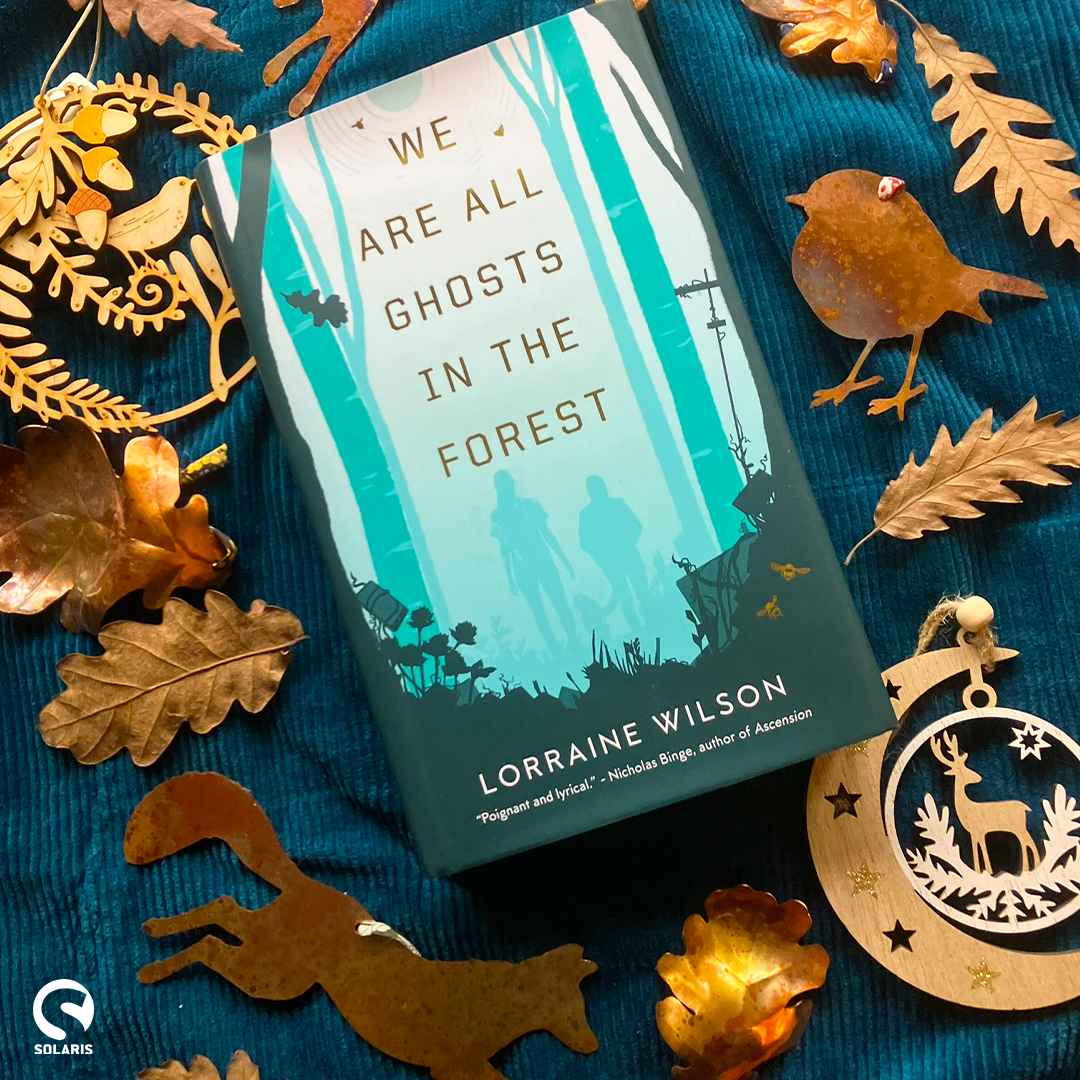
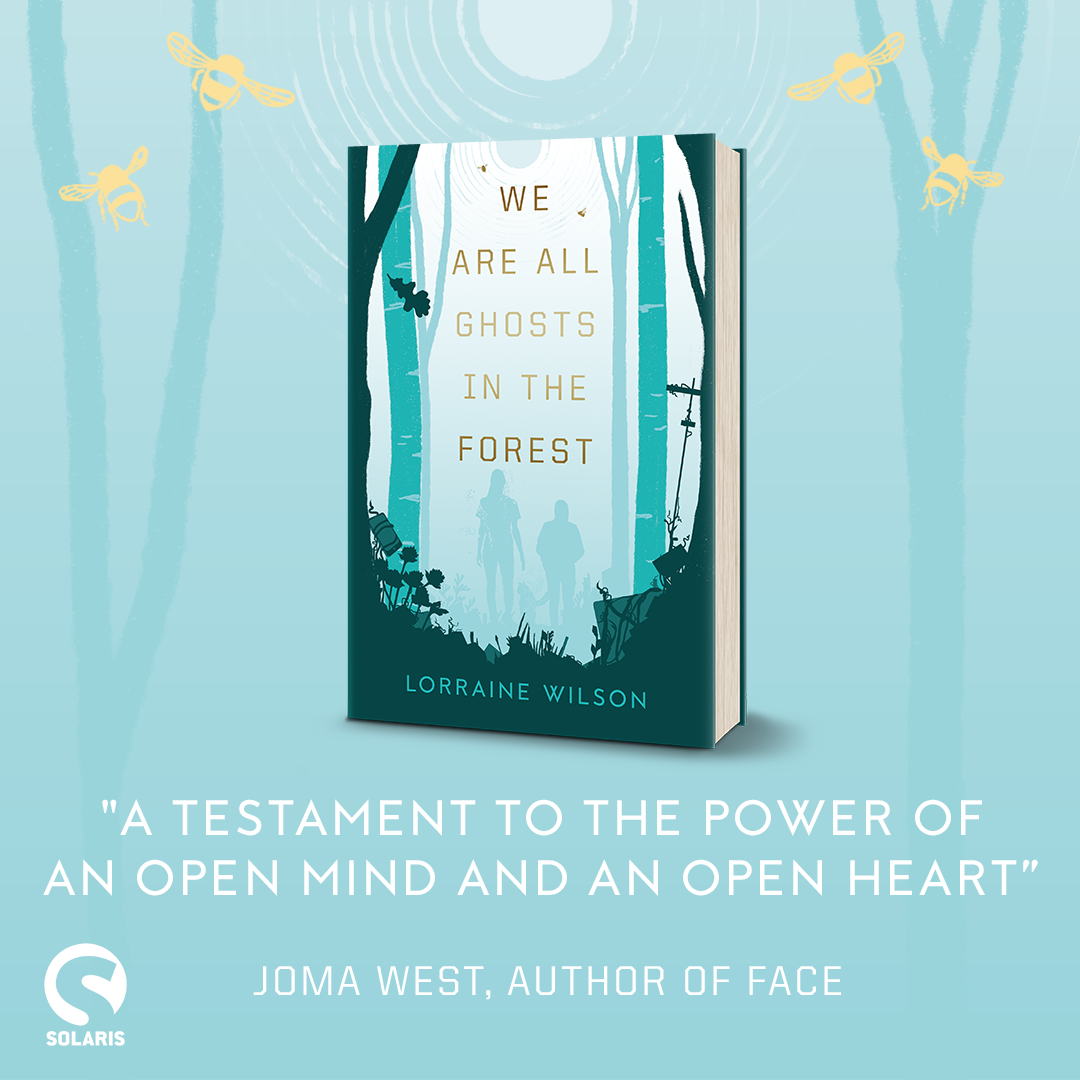
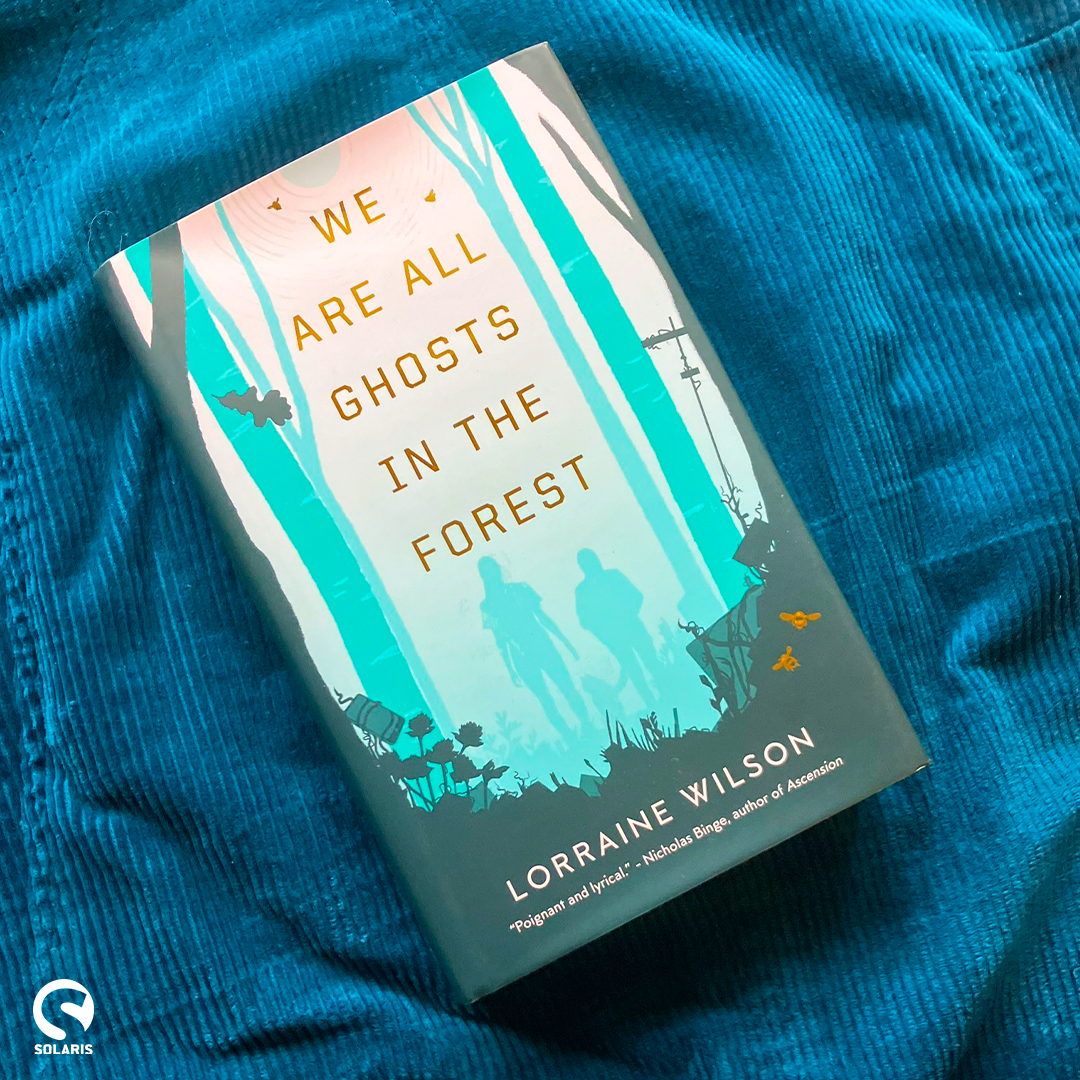
If you’ve managed to miss me hollering on social media – here is the gorgeous creation of Jo Walker, which I think captures so much of the essence of Ghosts from the colour palette to the tiny details.

Rather than just finish the blog here with an I HOPE YOU LOVE IT, I figured it might be interesting to talk through the process of cover designing in trad pub and perhaps share some ideas for how you the author can best intersect with that to increase your chances of getting the cover of your dreams.

Sound good? Okay.

[A version of this blog was shared on my Substack in January. Where-ever you read it, thank you for your interest and support]

I’m not as visual as some, so when I have a finished book my sense of what I want the cover to look like is generally quite vague. For my first book, I could only say ‘I don’t want people’ and ‘Moody, maybe with foxes.’ Which is … well it’s better than nothing. But there are several hundred directions that premise could take and many of them wouldn’t have really fitted my inner vague sense of the book.

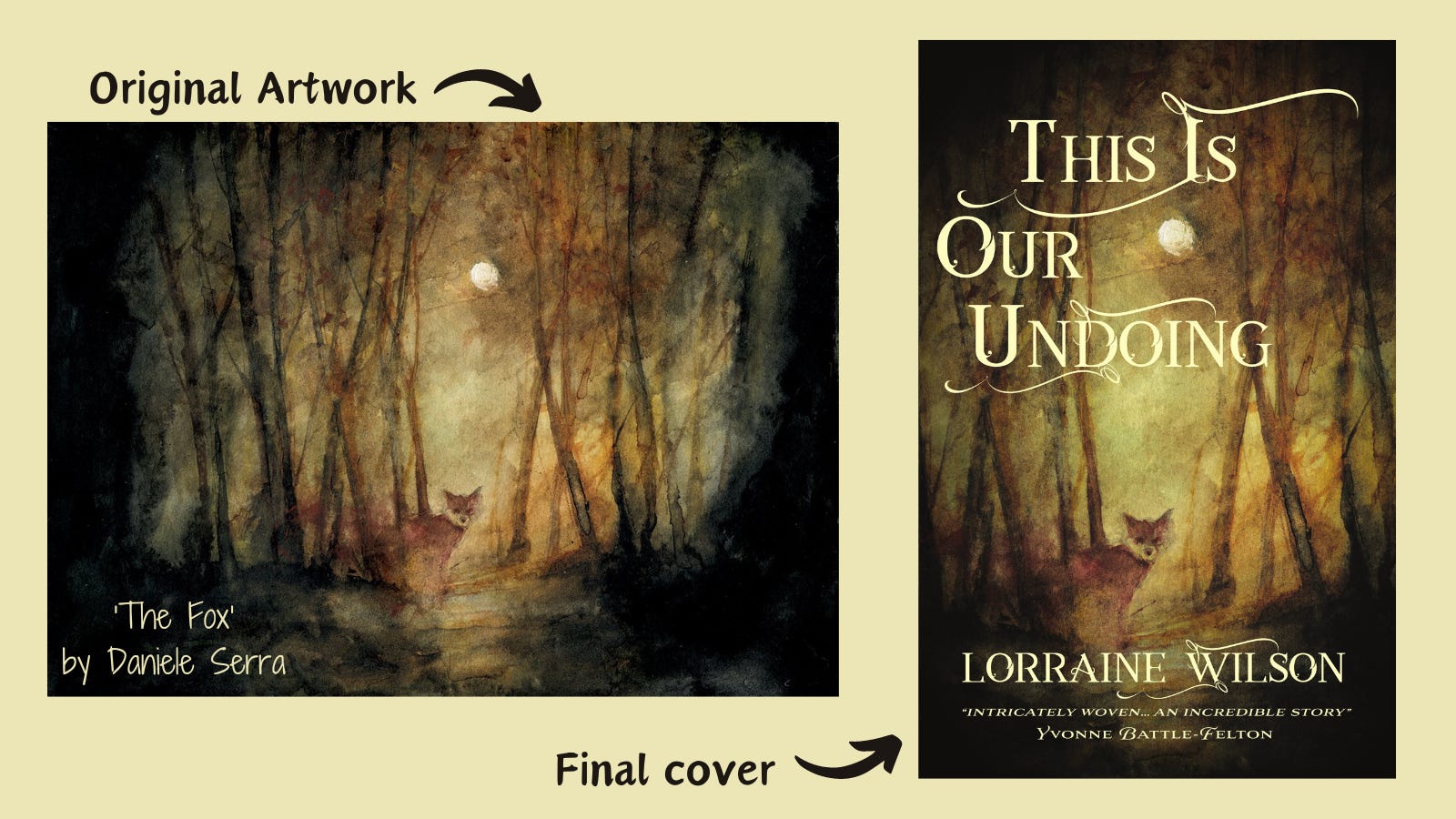
Incidentally, I got extremely lucky with my first book in that my publisher spotted a new piece of art by award winning cover artist Daniele Serra and knew instantly that it fitted the book perfect. So my vagueness didn’t shoot me in the foot and I adore my moody fox with no people cover!

Buying the rights to a pre-existing piece of art is a slightly unusual process though. In most cases a book cover is created specifically for the book according to a cover brief given to the artist.

By my second book, I’d figured out that I needed to think more clearly about what I wanted. Now, I look for covers of books that both fit in the same marketing space and have stylistic approaches I like. I look up the designers of covers I admire and check out their portfolios. I try to come up with a list of aims that are more than ‘make it dreamy?’. Such as – ‘I think a minimalist & slightly eerie foresty vibe would work really well’ (Ghosts) or ‘I’d love lush tropical colours, including animals that are motifs in the book, and reference to the sea’ (Mother Sea).

And so for all my subsequent books, I’ve gone to my editor with some comp covers, a set of specific vibes that I want to convey, and some stylistic or design elements I am keen to see.

This step can take the form of a conversation in a bookshop (my second book), some email back and forth about comparative covers and photographs (my third book), or me sharing Pinterest boards and comparative covers, and us both pulling together a list of potential artists (We Are All Ghosts In The Forest).

Once you and your editor have agreed a direction, your editor puts together a cover brief which contains all the above information, along with relevant themes and motifs, plot points and market placement aims. The cover brief my editor put together for Ghosts was amazing (I wish I could share all of it), and incorporated elements from my Pinterest board, many of my suggested cover comparisons, and some incredibly exciting author comps as well.

The next steps happen without author input, usually (but see below).

With the sign off of Marketing and Publicity (and Mysterious Others), this cover brief is then sent to whichever cover artist is hired for the job. We had a list of top favs, and which one we went with was a juggling act of their vision and availability versus our deadlines. The limits of my involvement in this stage was saying ‘fabulous’ once the artist was confirmed.

Normally, the artist provides a selection of initial cover visuals to the publisher and they go through a process of development to come up with a single draft cover before this is then shown to the author.

With my second book, publishing with a small press meant that I was more closely consulted at this stage. I got to see all the prelim draft versions, pick the elements that I liked and ask for fairly substantial changes in an iterative process that went from entire colour/layout changes to tiny tweaks of font size and contrast levels. While this isn’t something I can expect from most books, it was an incredible learning process. (Check out Jay Johnstone here)

With Ghosts, I was sent a draft cover that had already been through revision in-house. It was beautiful, and very much in line with how I’d envisaged it. There were a few tweaks I wanted though, and after consulting my agent to confirm, I sent this list of requests back to my editor. Now, the bottom line in all of this is that the publisher has final say on covers. Contractually, authors are to be consulted, but not obeyed, so to speak.

With Mother Sea, to be honest this draft was so sublime, I made one request about the title font, which was adjusted, and that was it.

I was a little nervous sending a few more tweaks for Ghosts, so was super grateful when my editor came back with ‘Yes, I agree with all of this, will send it on’. Happy days.

I then got sent a ‘final’ version to agree, which was amazing and incorporated all my requests. But there was one small detail I felt still needed tweaking. I asked; this time my editor said ‘maybe. it depends.’ Which is entirely fair. The artist was working on commission and that buys only so many hours of work. So I get it, and even if they couldn’t make that last change, I still fortunately had a cover I love.

Do I have to love it? Maybe not, but I do have to believe it will help sell the book. We are going to be looking at this cover SO MUCH over the next year or so. I’m going to be taking it to bookshops, sharing it online, using it to pitch myself for events. I have to trust that when I show it to someone, it will give them both a fairly accurate sense of the book, and also make them want to pick it up.

It is easy, as with editing the book itself, to get tied up in tiny details. To worry about comma placement, exact shades of green, the length of chapter 27, the perfect placement of the title to the millimetre. And yes, those things matter. But also they don’t? At some point we are fiddling with things that no shop browser or reader is going to spend more than 3 nanoseconds on, so it’s okay to step back and go – it’s fine. I’m happy. I trust it.

Which is what a lot of it is about, I think. Trust. Trusting the publishing team to know what will work for your book, trusting your gut, trusting your book to stand without you in the world and do its job on its own.

Conversely, if your gut is telling you this cover is wholly wrong for your book, then step 1 has to be to talk it through with your agent if you have one. How much is simply that you aren’t familiar with current trends in cover design in your sub-genre? How much is a genuine disconnect between where you see your readership and where your publisher sees them? I’m very lucky I’ve never had to deal with this particular minefield, but if you find yourself in it, speak to your agent. Ask trustworthy friends who both know your book and know enough of publishing to give an honest, informed take. It’s hard to find the line between standing up for your book and not trusting the expertise of others, but resolving a sticking point can only happen through gentle, clear communications. Ask me, if you like! I’m happy to offer my semi-informed opinion!

I love the cover design stage. I love the joy of pointing at beautiful covers of books I admire, and saying ‘I’d like something like that please’. I love the absolute wild magic of sending a set of bullet points and random pictures to an artist and them somehow, miraculously producing something that captures the essence of your book. How? They are amazing creatures, cover designers, and deserve far more recognition than they generally get.

Did I get my final adjustment? No. Does it matter? I’m glad I asked, I would have regretted not asking and I think my suggestion was a valid one, but I still have a cover I both love and trust, and have been bursting with the urge to show it to everyone.

With the cover of Mother Sea I usually shove it at people, shouting LOOK AT THE CRAB. With Ghosts, I think it’s gonna be GOLDDD BEEEEEEEES.

Mother Sea Island Tour

In the lead up to Mother Sea’s publication I did a wee countdown series of social media posts visiting various islands that inspired the island in Mother Sea. It was mostly an excuse to post lots of photos and rave about lovely places, and I figure I ought to pull it all together here just in case. (In case of what, I don’t know … the fiery death of Twitter? the need to prove ownership of the photos? validation that all my effort pulling it together was worth it? … Probably that last one tbh)

Anyway, below is a slightly expanded-upon tour of the islands behind the island…

One – Iceland

Not much in common with the tropical island in Mother Sea you say? Well, no. But this place has A Lot to teach the writer about colour palettes, I think. The deceptively monochrome black sand and white glaciers and searingly blue sea are an incredible reminder that less can be more! Also in this country there is no escaping the power of an unquiet land & the persistence of folklore.

Fav folklore – The Jólakötturinn – a giant cat that eats folk who weren’t gifted new clothes at Yule

Fav experience – The northern lights. I have no photos but omg, it was all the things and more.

Two – Tierra del Fuego

Staying in higher latitudes but at the other end of the planet, the beauty of these southern islands blew me away. It’s undeniably antarctic in weather and wildlife but all my preconceived notions of that were undone by flower-strewn islands, by hummingbirds & parrots right alongside penguins & sealions. Also, partcularly relevant to Mother Sea, heartbreaking histories of colonial genocide & the loss of language & culture.

Fav folklore – Teiyin from the Yahgan ppl. A shapeshifter god, protector of children & elderly, enforcer of altruism.

Fav experience – Following in Darwin’s footsteps – I read This Ship of Darkness while I was there for extra cross-temporal-bonding! Also, steamer ducks. So round.

Least fav – my 1st ever sunburn. I did not know it *hurt*! What?

Three – Shetland (and Orkney)

Closer to home, Shetland in particular, but also Orkney, taught me that political borders don’t always mean an awful lot. That dialects and folklore follow their own paths across the sea and old trade routes still shape island identity now, regardless of what the maps say. They also taught me that teeny tiny planes are the best, and I’d probably not survive a Shetland winter.

Fav folklore – The Sea Mither (spot the #MotherSea connection!) who wrestles the dangerous Teran to calm the seas.

Fav experience – Standing in the old broch on Mousa, listening to storm petrels purr in the stones around me. And getting dive-bombed by Bonxies on Orkney mainland!

Four – The Mediterranean

Kinda cheating lumping this whole region (and the Canary Islands) into one, but doing each island individually would turn this into a book, and also there are some common strands despite the distinctive feel of each place. I love the Mediterranean garrigue ecozone. It’s so stark & distinctive & surprising. I have a huge soft-spot for cyprus stands and stone pines, and ancient olive groves. But these islands are also fascinating for studying farming’s adaptations to a hard climate, the way humans have shaped the very land & how fragile that balance is. Especially as tourism threatens rural economics, communities, water resources & conservation.

Fav mythology – The Minoan rock tombs on Crete & Lycian cliff tombs in Turkiye appear in Mother Sea. Caves & bats – what’s not to love?

Fav experience – Cretan orchids. Omg, if you’re remotely into flowers, the orchid species crowding the hillsides will give you heart failure.

Five – Seychelles

The right ocean at last! These are the closest islands to my fictitious one in Mother Sea, so a lot of the flora & fauna are similar. Seychelles taught me a hard lesson on coral reef damage & restoration, but a beautiful one on Creole language & culture. It also taught me to look beyond the glossy curated tropical paradise images for the murkier truth about the impossible value:cost trade-off of tourism on places and communities like these.

Fav folklore – An eejit Brit in 1800’s decided the coco de mer was the original forbidden fruit because it looks like a bum! And therefore that the Seychelles was the lost garden of Eden. I mean, it’s a definite paradise in some ways, but also, lol.

Fav experience – Meeting giant tortoises? Or giant fruit bats squabbling in the tree above us as we ate our dinner in the dark (hint: Mother Sea may contain bats)

Six – Madagascar

Along with France & South Asia, this is the other origin of my community in Mother Sea, so hints of Malagasy culture fed into the book. This country is a biologist’s dream and heartbreak all in one – the most mindblowing evolutionary wonders alongside some of the most heart-rending poverty and worst habitat destruction I’ve ever seen. For Mother Sea though it gave me ‘tsingy’ landscape (limestone karst) & baobab forests, pirogues & feminism & day geckoes.

Fav folklore – I was told once that bats hang upside down to show their arse to god as revenge for an offence. I cannot remember what the offence was but I love this so much.

Fav experience – An aye-aye there-&-gone in the dark, indri singing in the dawn, being unutterably lucky.

Seven – The Outer Hebrides

Finally to the place where Mother Sea began – with the history of St. Kilda & it’s abandonment. That tale of population decline, of grief and a terrible communal turning-inward because of that grief was the seed that everything else in Mother Sea grew around. And the islands of North & South Uist, Benbecula, Eriskay and Barra were also there to teach me so much about island communities, the persistence of faith, carving a living from the liminal shore.
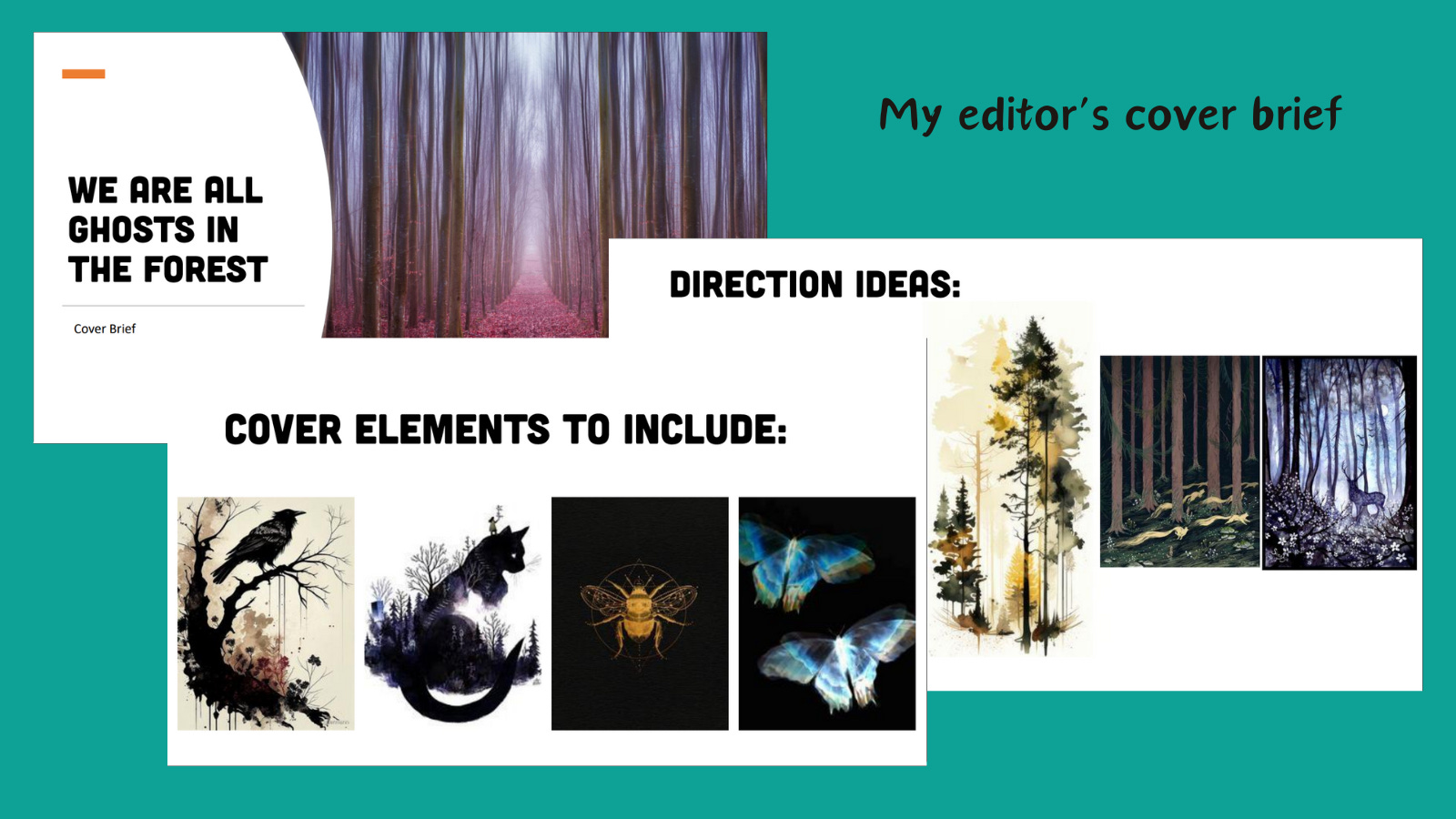
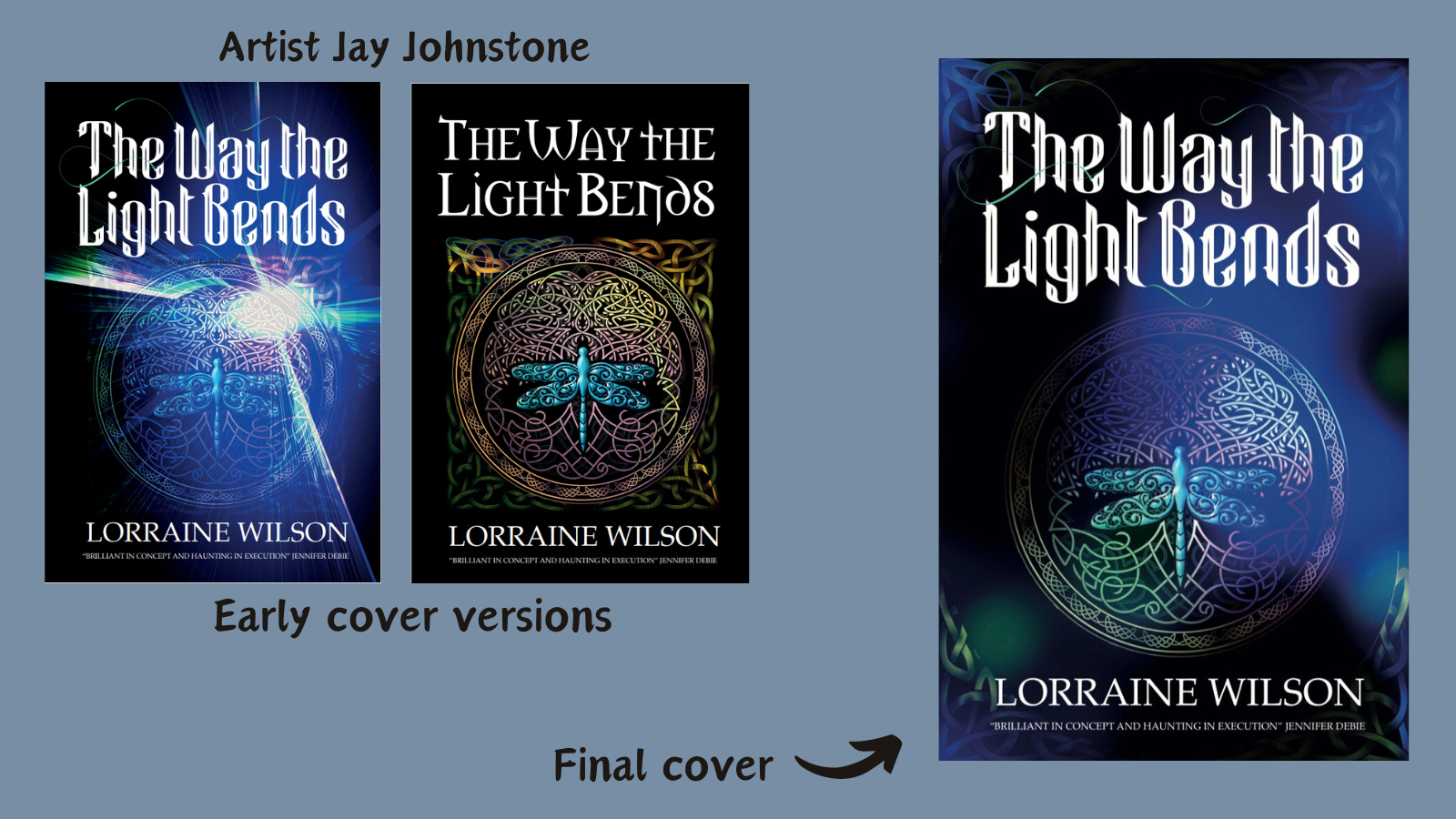
Fav folklore – The Blue Men of the Minch. They’re blue, they shout poetry slam challenges at ship captains, they raise storms. I love them.

Fav experience – Just the startling, stunning bays – white sand and turquoise water and the steep, watchful dunes. The ruined silhouettes of churches and manor houses on lonely islets, the ghosts of brochs haunting the lochans.

Thank you for coming with me around the world! There are a couple of dozen more islands I read about, stalked online, talked to people about and dreamed of, that all fed into Mother Sea in other ways. But these are (some of) the ones I’ve lived in and loved, and left pieces of myself behind in.

Writing The Difficult Stuff

Mother Sea comes out tomorrow. I am so excited to share this book with you all, and so honoured at the care Fairlight Books have taken with it. I really, really, really hope it resonates with you.

Before it comes out though, I wanted to talk about some of the issues I explore in its pages because if you’ve read my previous blog, you’ll know that when I was writing Mother Sea, I never intended to seek publication. So I went into some places that perhaps I wouldn’t have been brave enough to venture into if I’d been writing with an external audience in the back of my mind.

With hindsight, I am glad that I wrote this book and that others will get to read it. I think it’s important to write the things that scare us as authors, or make us cry as we’re typing, the things that we put off writing for days because we fear them. Writing is, if nothing else, a way to reach out to strangers. It is a way to whisper to someone else, ‘I know how you feel. I feel it too.’ Which is why darker, sadder themes are so powerful, and so pervasive in stories, right? Because that quiet connection, that resonance is both a hand held out in companionship, and also at the same time, a hand held out to guide you through the unfamiliar terrain of someone else’s heart.

So although I think Mother Sea is as much a book about love and resilience as darkness, it does go into some deeply sad places. But my hope is that in doing so it might help someone feel less alone, it might help someone else understand a perspective or an experience in a way they hadn’t before. If it can do that then I will be content.

Aside from the wider themes of climate change and the global injustice of climate impacts, there are two specific events in Mother Sea that were incredibly hard to write. And talking about how I wrote them involves some personal details that are a little scary to put out into the world, so please bear with me. If you want to avoid spoilers please stop reading now, because although I won’t go into plot details, I am going to reference the nature of these two moments.

sepia tinted photo of a ruined chapel and old gravestones behind a low stone wall, taken on North Uist.

.

.

.

.

Okay, still with me?

The first, encountered in the opening few chapters, is some profound suicide ideation by Kit, one of the Point of View characters. His depression and the desire for release drive him to the edge of a cliff. Obviously, he walks away, otherwise that would be the shortest PoV plot thread ever. But writing his thoughts leading up to that moment, and writing some of his journey towards healing afterwards, drew on my own experiences more than I’ve ever really admitted to anyone. That was hard. It was so hard that at one point I realised Kit’s thoughts were bleeding into my own, and I had to put the book aside for several months until I felt able to return to it.

I don’t pretend to understand everyone’s experience of depression, but I understand my own. And I wanted to speak to anyone else who’s lived this terrible, lonely thing, but I also wanted to write accessibly enough for people to empathise with even if they’ve never known depression. Have I achieved that? I don’t know. But I’m glad I wrote the walk to the cliff top, and I’m even gladder I wrote the walking away. 

The second event isn’t something I’ve experienced myself. I wrote the death of a baby. Even typing that sentence makes me feel sick. It’s the worst thing I think I will ever write, and I put off doing the actual scene for weeks. I tried to rejig the plot to avoid it happening, I tried to narrate it from further away, I tried to make it something unspoken. But none of those changes were right. None of them did justice to the truth of the islanders’ situation, and the gravity of the death itself. It’s not gratuitous, it’s not even actually described at all. All you hear is the mother’s breathing change. That’s it. But it still left me wrung out and oddly guilty.

I haven’t experienced the loss of a child. But I have experienced multiple miscarriages, and although I’m not equating those two experiences, my own griefs definitely shaped my desire to tell this story. Because this – the neonatal tetanus epidemic – was the seed that started Mother Sea. It comes from real events on the islands of St. Kilda in Scotland, and reading about that was where this all began. I could not get the thought of those women out of my mind. What it would have felt like to be carrying a child knowing its chances of survival were so slim – how did you guard your heart from that? What would you be willing to do to try to change fate?

I couldn’t write the story of a community’s grief and fear, the story of their fight for hope, and not bear witness to the heart of that – a mother carrying her child, and losing it. I hope I’ve done it justice, I know I feel a kinship with anyone who is carrying the ghosts of their lost children in their arms.

The term ‘book of my heart‘ gets thrown around a lot by writers, doesn’t it? But Mother Sea could never be anything else because I wrote it for my own heart. I wrote it out of both my private griefs, and my wide-open, globe-spanning grief in the face of the climate crisis. And yet ‘What is grief, if not love persevering?’ as Vision said. So it’s just as much about love too, in all its forms from the private to the globe-spanning. Although it started as a very private thing, by the time I was editing I had begun to picture readers other than myself. I began to hope that a story about an island that doesn’t exist might perhaps feel true and precious to strangers. I know how you feel, my islanders whisper from the shade beneath the tamarind trees. I feel it too.

Thank you for reading this abnormally personal blog. I wanted to write about these two things by way of content warning and explanation. I also wanted to say to my readers thank you for venturing with me through such difficult terrain, I hope I carried you through safely to a place of hope.

A photo from North Uist looking out across a lochan with an island fort towards St. Kilda.

Return to main blog page