Author Archives: Lorraine Wilson

Publication day waffle

The book, the backstory, the question, and my hopes.

I have grown a habit without plan or forethought, of posting on/around each new book’s publication with my thoughts on what that particular book means to me and where it came from. For Mother Sea, that post was an explanation of the content warnings for the book, for The Last To Drown it was about the experience of writing chronic pain and the craft of novella writing.

With the publication of We Are All Ghosts In The Forest this week, I have been attacked by a fit of the pensives again and wanted to do the same for this book. Because the weird thing about publishing multiple books is that each one somehow means something unique to you. It’s important to you in an entirely different way to your previous (and likely next) books. Which when I type it, sounds perfectly reasonable, but I don’t know – I think a part of me was under the impression that publishing books would become … not rote because obviously each book is unique, but that the act of publication at least would become familiar and comfortable. Like wearing different outfits every day but then slipping into the same coat to go out.

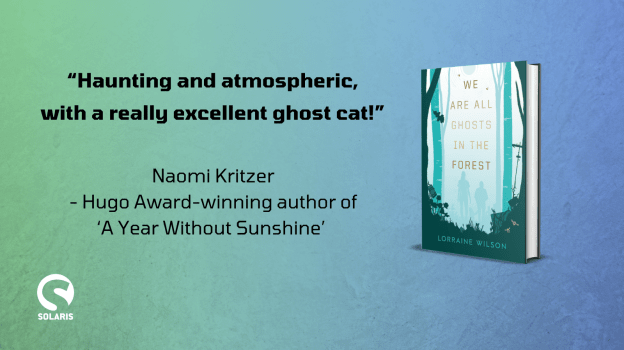
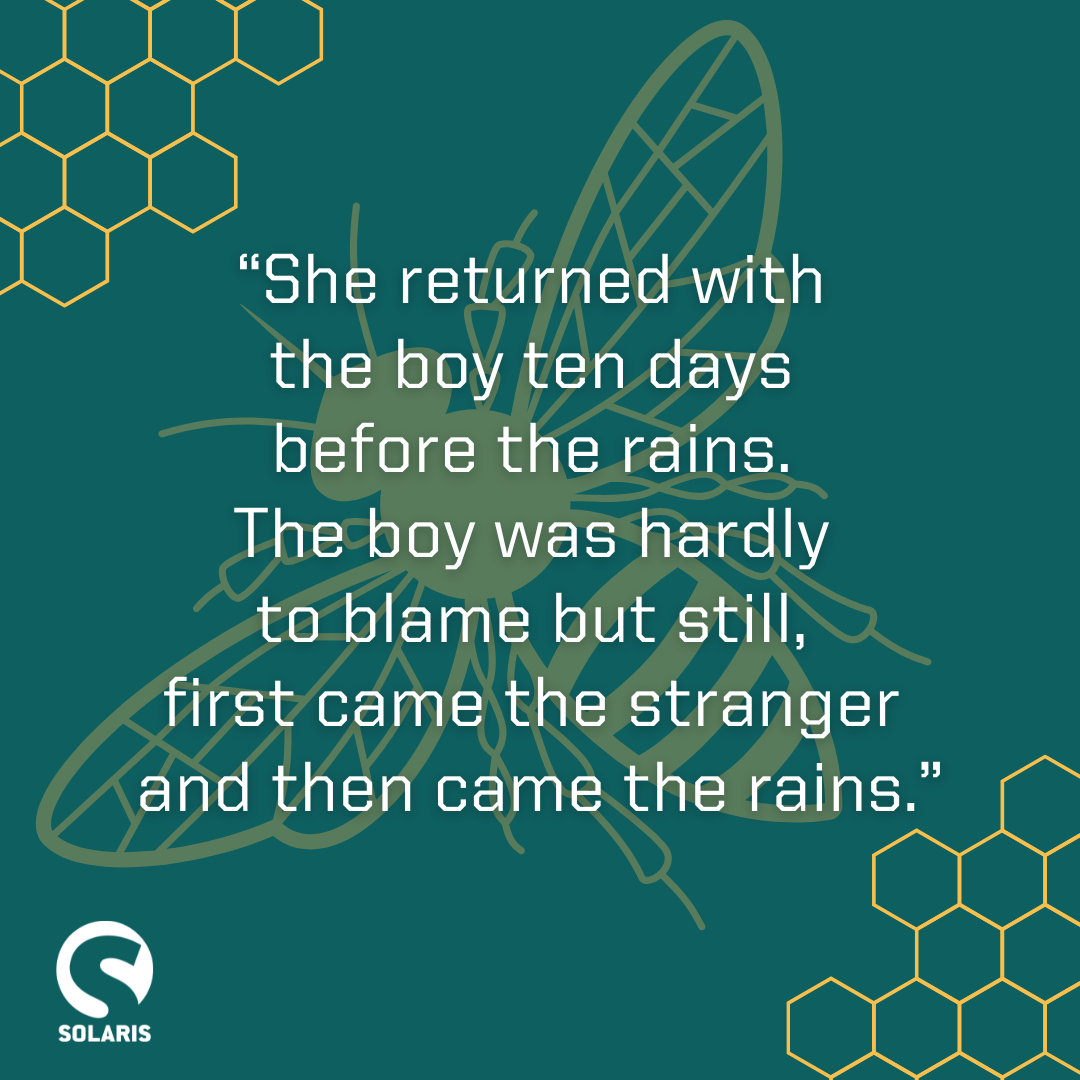
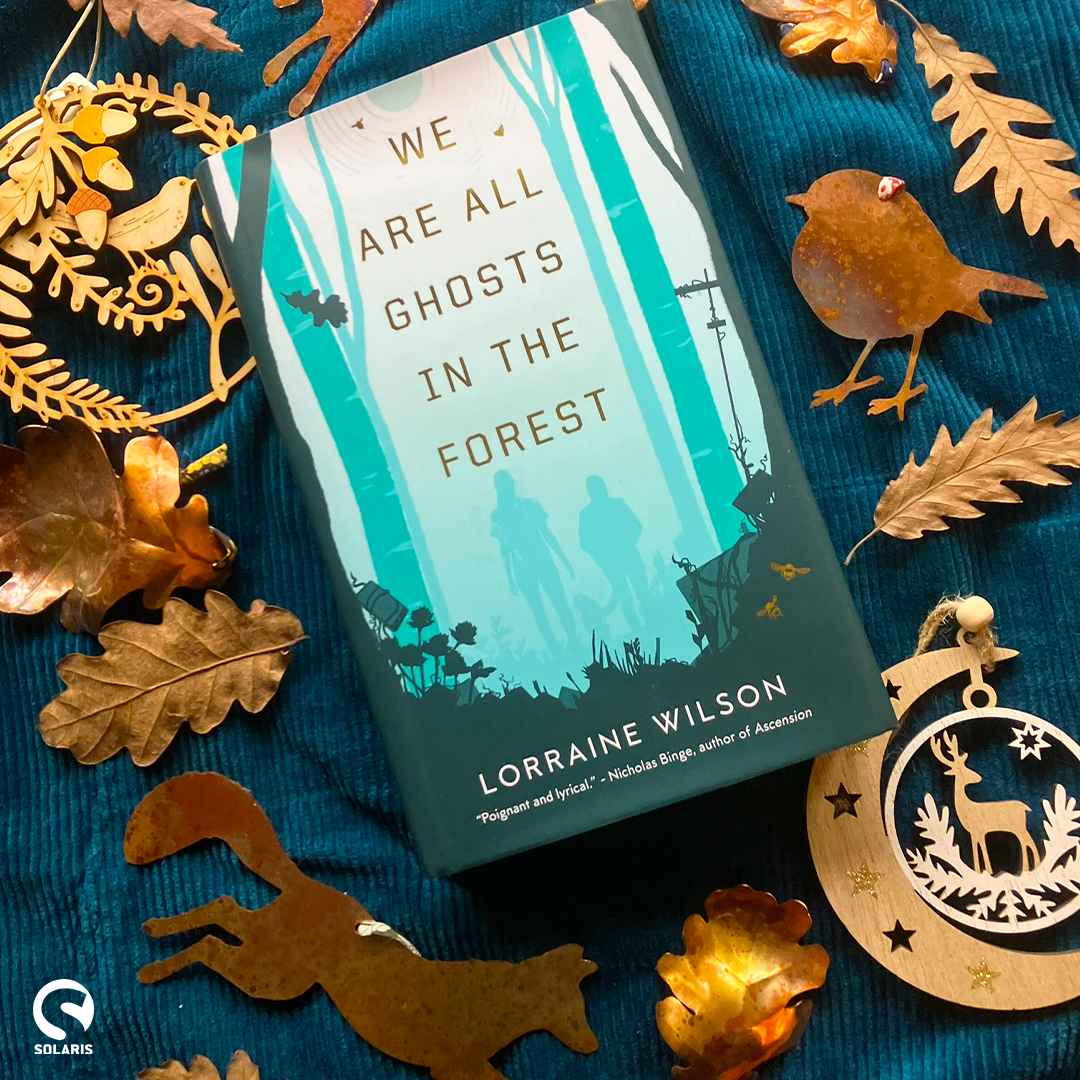
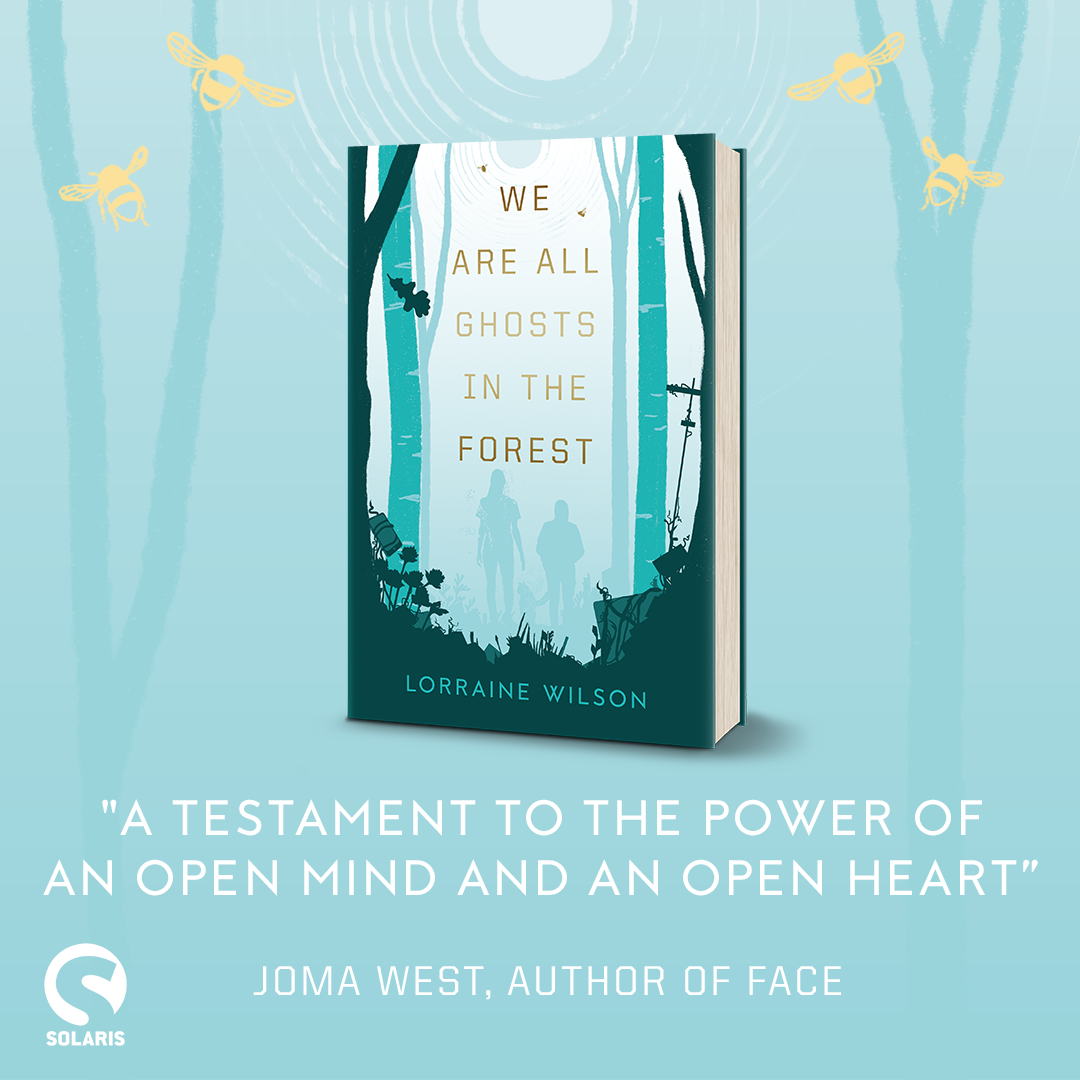
And yes, there are aspects of the publication hullabaloo that feel very different (mostly less fraught) than they did the first time round simply because we’ve been here before. But Ghosts does have its own new territory to break, both personally and professionally, and I guess that’s where I’m gonna go with this publication day (weekend) waffle. Alongside a lot of shiny promo graphics that my fab publicity person sent me & I can’t resist using!
Craft, learning and lockdown.

One of my writer hopes is that each new book I embark on will teach me something new about writing. It’ll push me in a slightly different direction – whether that’s in genre or subject matter, form or voice – so that with every project I am challenging myself to grow as a writer. I aspire to be braver at this, if I’m honest with you, to be bolder in leaping into things I’m not sure I can pull off, more fearless (or unhinged, your choice) in being willing to tear something down that’s merely ‘good enough’ and rebuild something better from the ruins.

However, that’s for the future. For Ghosts, I look at it and think that the best lesson I learned from it is to trust in the small flashes of wonder more. To not get stalled on ‘yes but how does that work’ until the editing, to leap merrily into a half-arsed shiny idea without the comfort of the usual planning I do. I don’t think I’ll ever be someone who regularly writes without a good map (of character psychology and setting at least), because that stage does feel important and enriching to me. But I think there’s real value in knowing you aren’t tied to that planning. That sometimes, when the wind and the tides are right, you just have to leap aboard, hoist sail, and see what happens.

Which is how Ghosts materialised. At least the initial shape and opening chapters.

See, the thing is, I started writing Ghosts in March 2020.

Mmm hmm. That March 2020. I had a child two terms into their first year of secondary school, just forming new friendship groups, just adjusting to this new world … then suddenly at home, isolated, with their education, friendships and world reduced to pixels.

[See where the idea of the ghosts came from? More on this below…]

Homeschooling in that first lockdown was … not brilliantly structured, so even though I had it undoubtedly easier than parents with younger children, I was still rarely getting more than 20 mins of uninterrupted time. And the vast majority of my attention, emotion, and organising capacity was being used up on my child, which left exactly zero capacity for me to do intelligent, thoughtful things like plan and research and worldbuild.

When I sat down to write Ghosts, I had the opening image in my mind – of a woman returning to a remote village with a stranger boy – in my mind and nothing else.

Two paragraphs in, I mentioned a ghost. The line is ‘There were three people on the street, two of them real’. I wrote that, thought huh, so we’ve got ghosts then, and carried on. By the end of the first chapter – and the appearance of a certain image-shifting cat – I’d realised the ghosts were the remains of the internet, that the village was in Estonia, and that Stefan, the boy, was non-verbal. All my worldbuilding, character development, and plotting began then, and it was a patchwork ad hoc affair that later required a lot (so much) patching up and weaving in of broken threads.

Without the particular circumstances of lockdown and homeschooling, I’d never have written a book with such wild absence of planning. I quite probably won’t again. But thanks to that experience, and to Ghosts as a final product being something I’m quite proud of, my relationship with planning has evolved significantly. I still spend a good amount of time exploring the imagery and layers of the book’s core theme, because that’s the lodestone upon which everything else is built. And I do still plan, but it’s much less ‘I need to know everything before I can start’ and much more ‘I need to know enough not to get too tangled while I’m finding my feet in the opening chapters.’ It’s less character arc graphs, and more floorplans! (I’ve discovered a bit of a love for floorplans with Salt Oracle and the current wip both being largely in one big, complicated building)

Is this growth? Not really. I mean, there’s no wrong or right way to do this, so my approach adjusting doesn’t mean it’s better. But I do feel like this particular change, for me, is about confidence. I trust my instincts more, I trust those flashes of wonder to guide me well; I trust that if I make an unholy mess I can (grumpily) unpick and restitch it. Let’s be honest, I will also always love a graph, but this new more relaxed approach to tackling new projects might just give me the freedom to be bolder in the next project, and the next…
Ghosts and loneliness

There’s always one question that comes up again and again with each book that gets published. One particular theme or issue that stands out enough with enough people to become a feature of most interviews or informal chats about that book. For The Last To Drown it was about the experience of writing chronic pain. For Mother Sea it was questions about the importance of climate fiction.

For Ghosts I think one is already emerging, and it’s going to be ‘Where did you get the idea for these ghosts?’. The easy answer is that scene above – me watching my child struggle through the loneliness of a life reduced to four walls and pixels on a screen. The strange thing is that lockdown wasn’t isolating for me, in fact with both my husband and daughter suddenly in the house all day every day, I lost the peace and solitude I actually relied on quite heavily to manage my chronic pain. Being housebound apart from occasional short trips out? Well, hi, welcome to my world, please tidy up after yourself. BUT it was a horrible experience for my daughter, at an awful point in her life, and watching that was heartbreaking.

The chain of thought from that to a world haunted by fragments of our digital detritus, by our online echoes, is fairly obvious. And then the rest of the world in Ghosts had to be built up around that central concept.

So if anyone reading this was wondering, there’s the answer to that particular question. Where did the ghosts come from? Loneliness and lockdown. Homeschooling, society’s fragility and resilience; most of all the search for connection.

Growth, ladders and doing the daunting things

Ghosts represents something more prosaic to me too. This is the first book in my Solaris contract, and my first book with a publisher that has Big 5 distribution and main player reach within the SFF world. All three of my publishers have been/are amazing, and in my opinion punch above their weight with the quality of their lists, but Solaris are a step into a bigger room for me, if you like.

So Ghosts feels a lot like the next rung in the ladder of my career. It’s exciting. I’m hopefully going to be reaching new audiences with this book, hopefully gaining new readers who’ll stick around for future books. I’m doing more events for Ghosts’ launch than I’ve done for all my previous books’ launches combined! And with some brilliant author friends! My fabulous marketing/publicity goddesses are helping me reach new venues and platforms too. If the reception to Ghosts is positive, that in turn will pave the way for other opportunities (foreign rights sales for Ghosts, further book deals etc).

This is all wonderful new ground to be breaking. I am extremely fond of, and proud of, Ghosts, and am excited to have it out in the world finding people it resonates with. It’s also, not gonna lie, just a teensy bit daunting. I say this because I’m leery of doing the Instagram ‘Everything is intensely wonderful actually’ thing. Several events plus travel in a month is going to be a physical test, but I’m interested to see how I cope and how quickly I recover. It’s good data for the future! There’s also the fear, of course, that no-one will show up to my events, or that everyone will hate the book and hunt me down to tell me so, or, or, or… But those are normal, unavoidable fears to have and I have an ace in my back pocket…

…I have readers. I may not have many compared to other authors, but there are amazing, strange, beautiful people who have come with me from book to book, frequently cheered me on, voted for me, recommended me to others. These readers have trusted me each time I’ve veered off in a new direction. So I trust them in turn. I trust that they’ll read Ghosts and find something worthwhile in it. And that’s kind of all that matters. Yes, I hope I reach new readers as Ghosts takes the stage. Yes, I hope it opens new doors for me and my career. But I hope even more that the readers who’ve supported me thus far will enjoy this next step on my bookish travels.

Thank you for reading & supporting this blog. I’ll be back soon on my Substack with less ‘please buy my book’ and more about what makes a good book event, parting ways with your agent, and more…
A Letter to Debut Authors

This blog was first posted in December 2023 on my Substack, inspired by a few conversations I’d had with authors at various stages of their career, and someone mentioning an article I wrote at the time of my second book’s publication, looking back on my debut year and the things it taught me.

I first wrote it before a spate of Happenings around the 2024 debuts, review bombing and general unpleasant shenanigans, so I then edited it to talk about some of the worries I’d seen folks expressing around GR reviews and debut groups.

If you are a debut author, you’re probably already swimming in a veritable sea of advice, information and general flailing. So I’m not going to talk about debut year. Suffice to say I hope you are finding your path through this exciting, uncertain time and remembering to celebrate the truly amazing thing you’ve achieved.

What I wanted to talk about instead was preparing yourself for what happens next. Because much as the industry likes to put a huge emphasis on debut books and the debut year, this is only the first step on a hopefully-long road. And if I’m honest, I think it would be helpful for a lot of debuts to do a little more looking ahead and a little less staring at the ground beneath their feet, wondering if it’s a pedestal or a cliff edge.

(Hint: it’s both)

There have been several reports recently about mental wellbeing in debut authors, author incomes declining, and the brevity of most authors’ careers. These studies don’t paint a pretty picture of life as an author, and suggest that most of you beautiful, shiny debuts – maybe a whole 80% of you – will not publish more than three books. Only one in ten of you will make it beyond six books. I look at my debut twitter/facebook group and those numbers are already holding true, which is … ugh. Dreary, right?

When we sign that first publishing deal, most of us hope we’re launching a – well, maybe not a career, given those average incomes lol, but definitely a long term publishing journey. So what can we do to try to be one of the minority who last the distance?

[Obvious caveat here: I’m contracted up to book 6 currently, with several more in various stages. So although I’ve not quite made it into the 10% yet, it is looking likely I’ll get there]

[Second obvious caveat: I’m not a Big Name, so my income is definitely on the low side of that author average. I’m not talking about how to be successful here, I’m talking about how to survive]

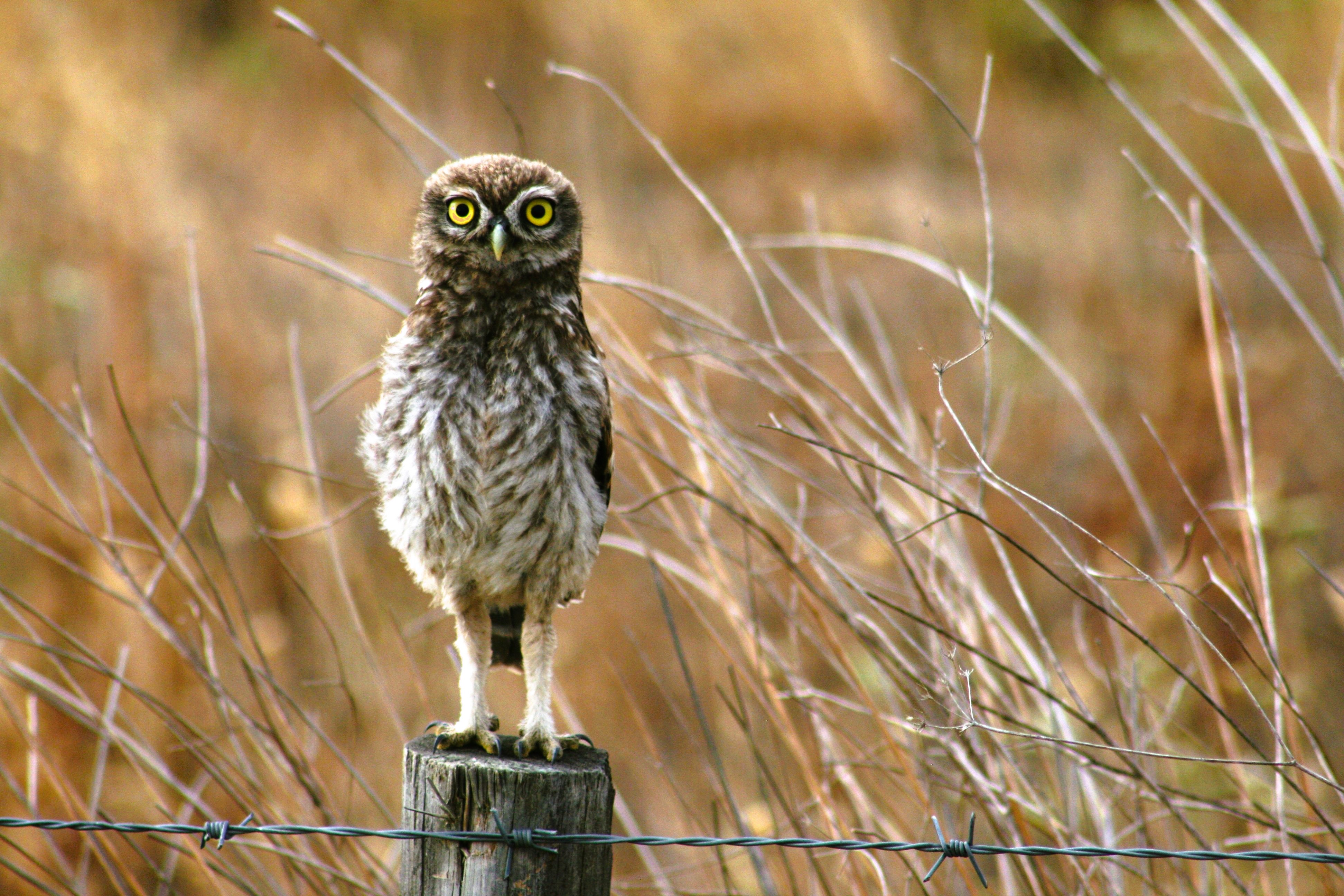
A very wise and elegant owl

So, back to that pedestal/cliff face… If I could tell you anything from four years in, it would be this:
  1. Be aware of the cliff-face, but don’t be paralysed by it. The cliff-face in my tenuous metaphor is the fear we all face that if our book doesn’t sell enough, we won’t get another deal. There is truth in that – poor sales (relative to publisher expectations, which vary ENORMOUSLY between books) will likely lead to smaller advances and/or fewer offers next time around. Publishers are rarely open about the sales figures they have predicted for your book though, so you cannot know with any certainty what’s ‘enough’ and what’s ‘not enough’. Remember they will be in profit long before you earn out your advance, so chances are good that you’ll be okay even if you don’t get an Amazon orange banner or a Sunday Times bestseller number.

BUT even if your book does ‘under-perform’ it is not the end of the road. It just might mean the road looks a little different to the one you anticipated. A lower advance next time still means you are getting a next time, which is great! And there are a lot of publishers of all sizes & visions out there. One of them might be a better home for your next book, maybe even helping it do better than your debut. The adage that nothing sells your book as well as publishing the next one is kinda true – you’re building momentum. Be the bonfire, not the firework, so to speak. And hey, if it’s truly not working, you can always reinvent yourself under a pen name to start afresh! So yes, hope for the best, but don’t tie your whole self to the success of this one book! That way lies way too much anxiety.

  1. Be aware of the pedestal, and the step down. My metaphorical pedestal is the shininess of the debut experience. It’s the way that publishing loves you right now – you’re the untarnished new thing they get to shout about. Everyone around you is telling you how excited they are by you & your book & omg you’ve cracked this whole thing! You’ve won at publishing! Finally!It’s a wonderful feeling! This is something you’ve worked so hard for, probably for many years, and you should bask in the glow of success.

BUT it is a small pedestal, and sadly a not insignificant fraction of the love and attention you’re getting now will wane with your subsequent books when there’s a whole new cohort of debuts to celebrate. So try to build your sense of self as a writer around internal metrics of success, not external buzz. Next year is going feel very different to this one, and the one after that different again. The highs are worth celebrating, but they aren’t worth pinning your energy or your confidence on. Try to focus on the things that are within your control – developing your craft, building a community of bookish friends who genuinely uplift one another, learning new writing-adjacent skills like mentoring, blogging, event chairing etc (which will all help with the first two)remember to stop & smell the flowers

  1. While you’re on the pedestal, don’t throw peanuts at the gallery. It is very tempting to feel like you’ve cracked some secret code and now Have The Answers, but remember you’re working from a sample size of one! Your experience is certainly helpful context for others, but it will not be the Only Way, or necessarily the Best Way for them. The landscape of publishing is mercurial and what worked for you this time around will probably not even hold true for you next time around, let alone anyone else. There are also many routes through publishing and much as some routes get the ticker-tape parade, the truth is no one route is ‘better’ than another when you look at the longevity of authors’ careers.

For example, selling in a highly contested big money auction looks like the dream but it’s a vulnerable place to be, career wise. Whereas selling to a smaller press looks unglamourous but you’re far more likely to earn out your advance & be positioned to ask for a higher one next time. Neither route is ‘better’ or makes you a better or worse author.

When I graduated from my undergrad degree with a 1st class honours, I felt I knew quite a lot actually about zoology. When I graduated from my PhD though, I knew I knew almost nothing and had only barely started learning the skills I needed to progress. Publishing feels a little like that to me. It is a process of constantly learning and relearning both our craft and the publishing experience, and there is no point at which any of us gets to look down on, or claim authority over, anyone else (see my comparanoia post for more on that). This is GOOD! I love that writing is a constant evolution of the self! Sure, financial security and a little less reliance on luck and stochasticity would be nice. But that aside, I love that no-one’s journey is the same and no-one’s books are the same, and we’re all just figuring it out as we go.

Remember to stop and smell the flowers
  1. Okay, this is the bit I’m adding in response to the review bombing furore in the 2024 debut group. For anyone who gets caught up in one of the sporadic debut publishing storms, I’m so sorry your entry into publishing has that added stress. I hope you managed to step back from it when need be & that it doesn’t entirely tarnished the communal joy to be gained from the debut groups you’re part of. A little perspective on reviews and debut groups, for what it’s worth:

First off, a few one star reviews are not going to tank your book. Publishers care (sometimes) about the number of reviews or the number of ‘to reads’ – they don’t care about average ratings. Because every book gets a handful of 1-2 star ratings & everyone accepts that those are both inevitable and meaningless. So if you see this happen to your book, yes it messes with your average and it’s horrible to feel unfairly targeted, but please know it’s not going to harm your book in the grander scheme of things. (For the record, there’s a neat inverse correlation between my average GR rating and the number of award noms/wins my books have, so make of that what you will!)

Secondly, debut groups can be a wonderful way to find your tribe, make connections & generally enjoy sharing the love. Howmsoever. They can also be breeding grounds for misinformation, comparanoia, and bluntly snobbery around publisher or deal size. (see point 3 above!) They also tend to fizzle out as people leave once their book is out or they hit 2nd book deadlines or or or. So my wizened wisdom would be to treat them lightly – make friends, be supportive, but don’t invest more time or emotional energy into the group than you can afford. The benefits to your book of authors (particularly those writing in entirely different genres) sharing your posts are slim in the grand scheme of things, so don’t stick around if the group vibe is not working for you.

This doesn’t need saying, I know, but your fellow writers are not your competition. This industry is tough and a positive community will give you the resilience to build a long term career, so be that community. Viewing (and treating) your potential friends as rivals will only make you more vulnerable to stress and burn out in the long run (and career-damaging public tailspins, as this week has shown).

  1. PACE YOURSELF. Please. Pretty please. I wrote a very long and nerdy blog about the relationship between authors, social media and book sales & if you want to feel empowered to step back from some of your social media then go give it a read. TL:DR book sales aren’t on you, so do what you enjoy and no more. Social media aside, also pace yourself with writing and deadlines. One of the biggest changes that you’re probably now in the middle of is the switch from being able to focus on one book at your own pace prior to publishing, to juggling 2, 3, even 4 (wait *counts on fingers* 7!) active book projects at the same time. With publishers setting editorial deadlines, publicity introducing a whole cavalcade of blogs, podcasts and events all with their own timelines, and your agent gently murmuring that you need to maintain momentum … it’s A Lot. If you need more time, ask for it early. Publishers would much much rather know in advance that you’re gonna be late, and they won’t be annoyed – it is very normal. If you can’t do an event, tell folks as early as possible. Say no to things if you need to. I live with disabling illness so I have to guard my energy pretty carefully. This means asking for generous timelines from the start, and being very careful about what events I say yes to, and how I manage them. Folks are okay with that, as long as you communicate. This is all about building an authorial life that is sustainable for you. What that looks like will be different for each of us, but if you want to avoid burn out & buffer yourself from the worst of the workload stresses, then you need to find your balance and hold tight to it.

  1. And lastly, as mentioned above but it deserves its own bullet point, build your sense of self as a writer around things within your control. Advance size, reviews, media buzz, foiled arcs and book boxes, bestseller lists, awards … all of these things are a) largely subjective, and b) entirely out of your control. If you stake your self-belief as a writer on such flimsy things, you will struggle when that subjectivity inevitably swings the wrong way. They are all wonderful, undoubtedly, but do they define whether you’re any good? Absolutely not. Do they define whether you’re a success? I guess that depends why you write. If you, like me, write to connect with others, then you don’t need an award or an auction to succeed. Instead, try to focus on the wins that are less subjective – the readers who reached out to tell you they cried, the simple fact that a publishing house believed in you enough to commit to your book, the joy of sitting on a stage talking about books with writers you admire. Your friends’ belief in you, that gorgeous scene you wrote yesterday, the art you inspired someone to create. Those are incredible things, and they will carry you further than anything else.

I’m not that much further ahead of you on this road, and I’m not in any way an expert. But if my strange and difficult combination of publishing, disability and marginalisation has given me anything then it’s the ability to hold myself steady through a storm. To view both the highs and the lows as passing weather fronts and focus on my community & the page in front of me. I think that’s why I’m still here, working on what will likely be my 8th & 9th books, mostly sane and still madly in love with writing.

I hope you are proud of yourselves, debut authors. Only 1% of aspiring authors do what you’ve done – so you’re amazing! I hope you can carve space within the madness that is debut year to celebrate this marvellous thing, and ready yourselves for the years and books to come. You’ve come so far, you have so many adventures awaiting you ahead.

Literary versus genre

These two terms and their meanings are something I’ve found myself talking about a fair number of times in interviews, because my writing spans both speculative and literary spaces and has been marketed as both straight SFF and straight literary. Being as I have Opinions, I figured I’d share them with you!

[I shared this post on my Substack a few months ago – to keep up to date with the newest posts, as well as publishing diaries and occasional short fiction, please consider subscribing to my page there]

‘Literary’ is generally used to refer to fiction that prioritises prose style and internal character development over external plot. It also is used (inaccurately) as a marker for books that don’t contain the obvious ‘genre’ ingredients of, say: a detective solving a crime, dragons, a historic setting, romance as the main plot etc.

I say inaccurately, because the writer’s approach to prose, and the contents of the story are clearly two different things. ‘Literary’ is one end of a scale that goes through odd terms like ‘book club’ & ‘accessible’ right the way to ‘commercial’ – which is prose written to focus on the external plot and not the internal.

The contents of the story on the other hand are what determine ‘genre’. Whether that’s mystery or romance, thriller, space opera, family epic or domestic noir – they are all labels that tell you something about the waypoints you’re likely to encounter in the story.

But a book can be both a thriller, and literary. It can be both a historic mystery and commercial. The spectrum of literary-to-commercial exists within each genre. Think Wolf Hall to The Duke And I, or The Fifth Season to The Kaiju Preservation Society. There are some books whose genre is hard to pinpoint – mainly because ‘mid-life crisis’ isn’t an acceptable label apparently so they get lumped into ‘contemporary fiction’ ‘literary fiction’ or ugh ‘women’s fiction’.

We all kinda know this, right? So it annoys me that ‘literary’ is often treated as something separate from (and better than) ‘genre’. When it isn’t (on both counts).

But the truth is that these are all really just marketing terms for booksellers to use to inform & direct readers, which is the main purpose of any genre labels after all. Bookshelves are two dimensional spaces (functionally), and a book has to sit somewhere.

So rather than fight the entire functioning of bookselling, my issue instead is with how the term ‘literary’ is wielded. It comes with a certain stamp of ‘quality’ that generally attracts more trade review inches and award nods. Literary = better, right?

Hmm. But literary also has undertones of older white men writing opaque deconstructions of the agony of being an older white man. It carries associations with ‘The Classics’ and establishment standards of what makes good writing. Which, let’s be honest, is another way of saying literary = western-centric narratives by people who are white, middle/upper class, cis/het/allo, able-bodied and male.

It is a familiar joke among writers that a woman writing about a mid-life crisis is writing ‘women’s fiction’ (ugh) but a man writing about a mid-life crisis is writing ‘literary fiction’. It’s a joke because it’s true. Anyone who doesn’t fit the dominant paradigm sees their stories pigeonholed first by their own identity and only second by the content of the book itself. Which sucks, let’s be honest.

I think perceptions are changing. More non-western voices are appearing on the big literary prize lists, translation prizes are gaining greater profile, and women are consistently more equitably represented on prize lists than they were 20 yrs ago. There’s still progress to be made – we need more global south voices, we need women and other marginalised writers to receive the same respectful language in reviews as men get, but it feels like the default image of a literary author as a narcissistic tweed & cognac toting silver fox is happily on the wane.

Until it’s firmly gone though, establishment preconceptions about what makes a novel literary will continue to act as a form of gatekeeping – sending a message to working class, BIPOC, disabled, queer & women writers that ‘oh honey no, you don’t belong here.’

So when my writing is referred to as literary, a small part of me winces. Because I know some people are put off by the term – it is what ‘that kind of person’ reads (and probably pontificates about). And I’m not gonna lie – the snobbery around the term is alive and kicking in some literary circles, which has been eye opening as I moved from largely SFF events in my first two years as an author to largely literary ones this year.

HOWEVER I think the huge popularity of books that span the literary and genre spaces is helping to erode that elitism bit by bit. Writers like Natasha Pulley, Bridget Collins, Sarah Moss, Martin MacInnes, Sequoia Nagamatsu etc are all challenging the clarity of the dividing lines. I wish some of these authors would embrace their genre audience more, but that’s complicated by SFF conventions not paying authors (and in fact expecting authors to pay to attend, but that’s a whole other post). And also by marketing decisions to set these books in the ‘Fiction’ departments, not the ‘SFF’ ones.

Genre divisions – and reductive marketing labels – aren’t going anywhere. We all know the comfort of picking up a book and knowing exactly what to expect from it – we want the familiarity of a cozy murder mystery or a historic romance sometimes, I definitely do. But I think many of us are also hungry for stories that take us in unexpected directions, that meld genres and challenge our assumptions. That inhabit a familiar world but add a twist of magic.

Likewise many of us love books that are both beautiful to read, and take place in space; or thoughtfully explore grief whilst also solving a murder.

‘Genre-blending’ fiction is on the rise, for good reason, but I think for it to reach its full audience, we need to rid ourselves of the boundary lines between ‘literary’ and ‘genre’. I would pay good money to never again be asked about moving between literary and SFF as if the two were separate islands in a sea of lava!

So in a bid to erase some lines, what’s your fav read that melds genres? Or that leans heavily into literary forms within a genre space? I love Natasha Pulley’s The Kingdoms – a mix of historic suspense and timey wimey alt history. Also can’t go without mentioning the timeless Never Let Me Go by Kazuo Ishiguro. A deeply thoughtful exploration of agency and humanity wrapped up in a terrifying dystopian SF.

Cover Reveal and Some Musings On Cover Development

Today is Cover Reveal Day for We Are All Ghosts In The Forest! I love cover reveal days – they’re the day you can entirely unself-consciously gush about your book because you’re gushing about someone else’s work which removes (almost) all the imposter syndrome, awkward self-promo feels of your standard bookish promo events.

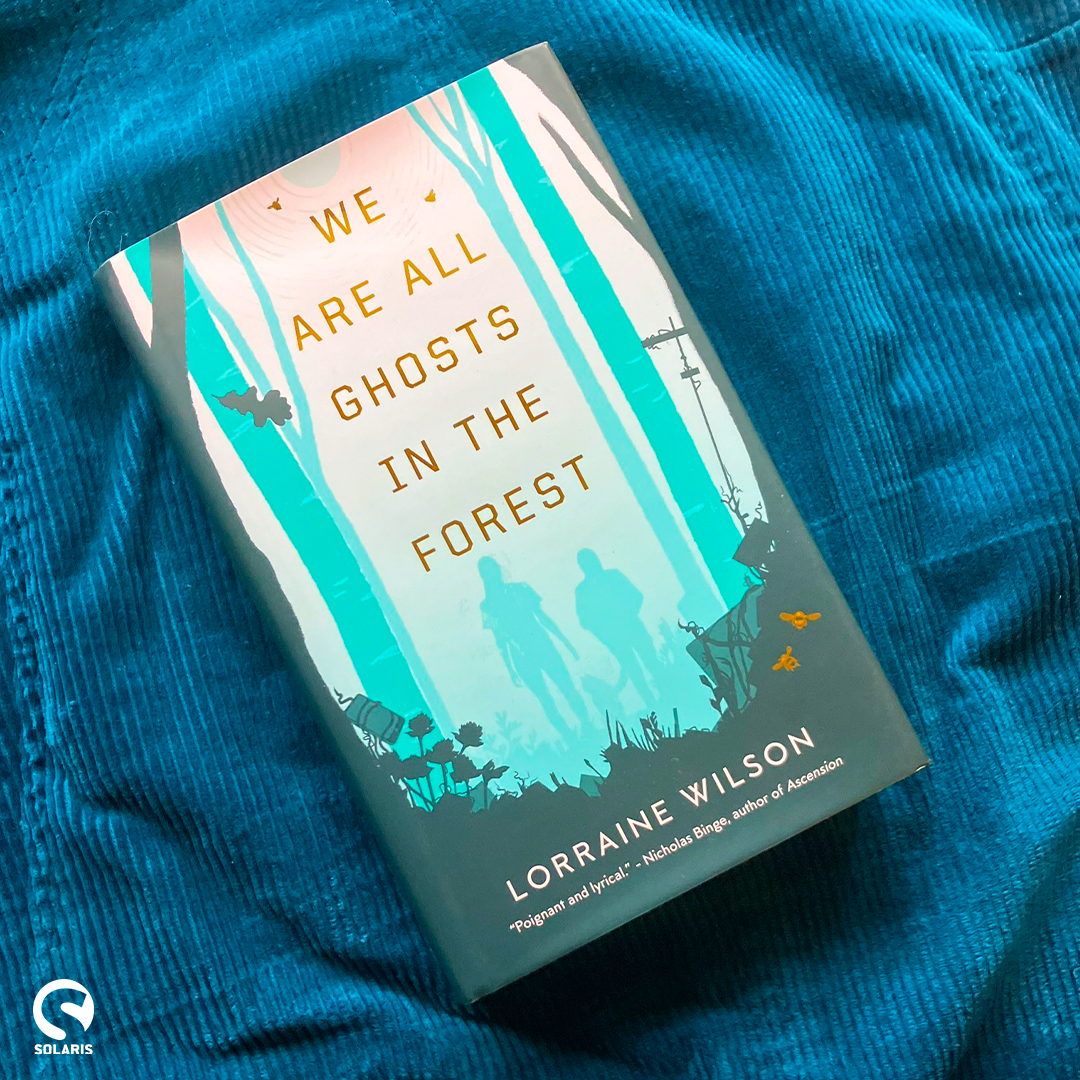
If you’ve managed to miss me hollering on social media – here is the gorgeous creation of Jo Walker, which I think captures so much of the essence of Ghosts from the colour palette to the tiny details.

Rather than just finish the blog here with an I HOPE YOU LOVE IT, I figured it might be interesting to talk through the process of cover designing in trad pub and perhaps share some ideas for how you the author can best intersect with that to increase your chances of getting the cover of your dreams.

Sound good? Okay.

[A version of this blog was shared on my Substack in January. Where-ever you read it, thank you for your interest and support]

I’m not as visual as some, so when I have a finished book my sense of what I want the cover to look like is generally quite vague. For my first book, I could only say ‘I don’t want people’ and ‘Moody, maybe with foxes.’ Which is … well it’s better than nothing. But there are several hundred directions that premise could take and many of them wouldn’t have really fitted my inner vague sense of the book.

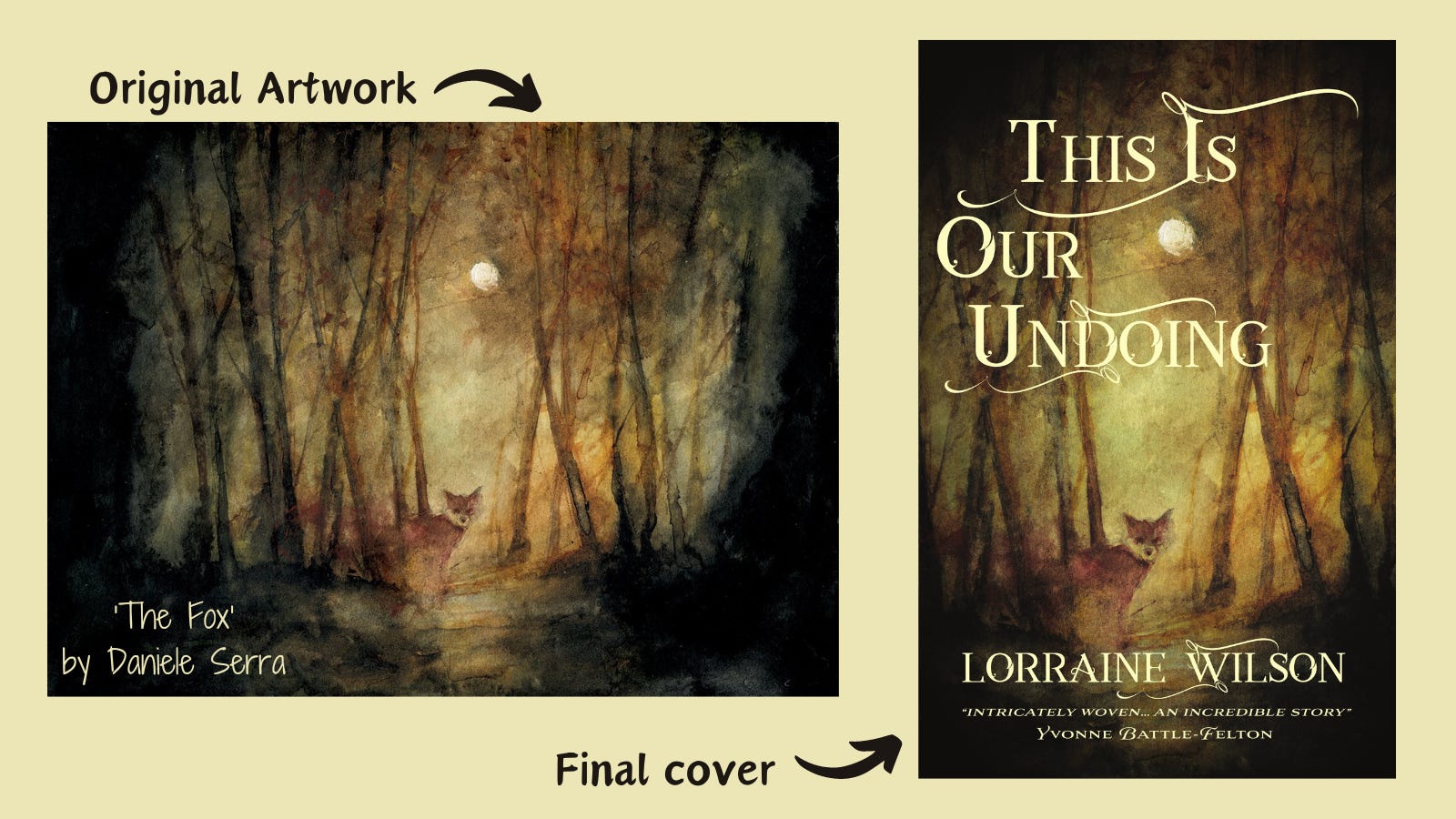
Incidentally, I got extremely lucky with my first book in that my publisher spotted a new piece of art by award winning cover artist Daniele Serra and knew instantly that it fitted the book perfect. So my vagueness didn’t shoot me in the foot and I adore my moody fox with no people cover!

Buying the rights to a pre-existing piece of art is a slightly unusual process though. In most cases a book cover is created specifically for the book according to a cover brief given to the artist.

By my second book, I’d figured out that I needed to think more clearly about what I wanted. Now, I look for covers of books that both fit in the same marketing space and have stylistic approaches I like. I look up the designers of covers I admire and check out their portfolios. I try to come up with a list of aims that are more than ‘make it dreamy?’. Such as – ‘I think a minimalist & slightly eerie foresty vibe would work really well’ (Ghosts) or ‘I’d love lush tropical colours, including animals that are motifs in the book, and reference to the sea’ (Mother Sea).

And so for all my subsequent books, I’ve gone to my editor with some comp covers, a set of specific vibes that I want to convey, and some stylistic or design elements I am keen to see.

This step can take the form of a conversation in a bookshop (my second book), some email back and forth about comparative covers and photographs (my third book), or me sharing Pinterest boards and comparative covers, and us both pulling together a list of potential artists (We Are All Ghosts In The Forest).

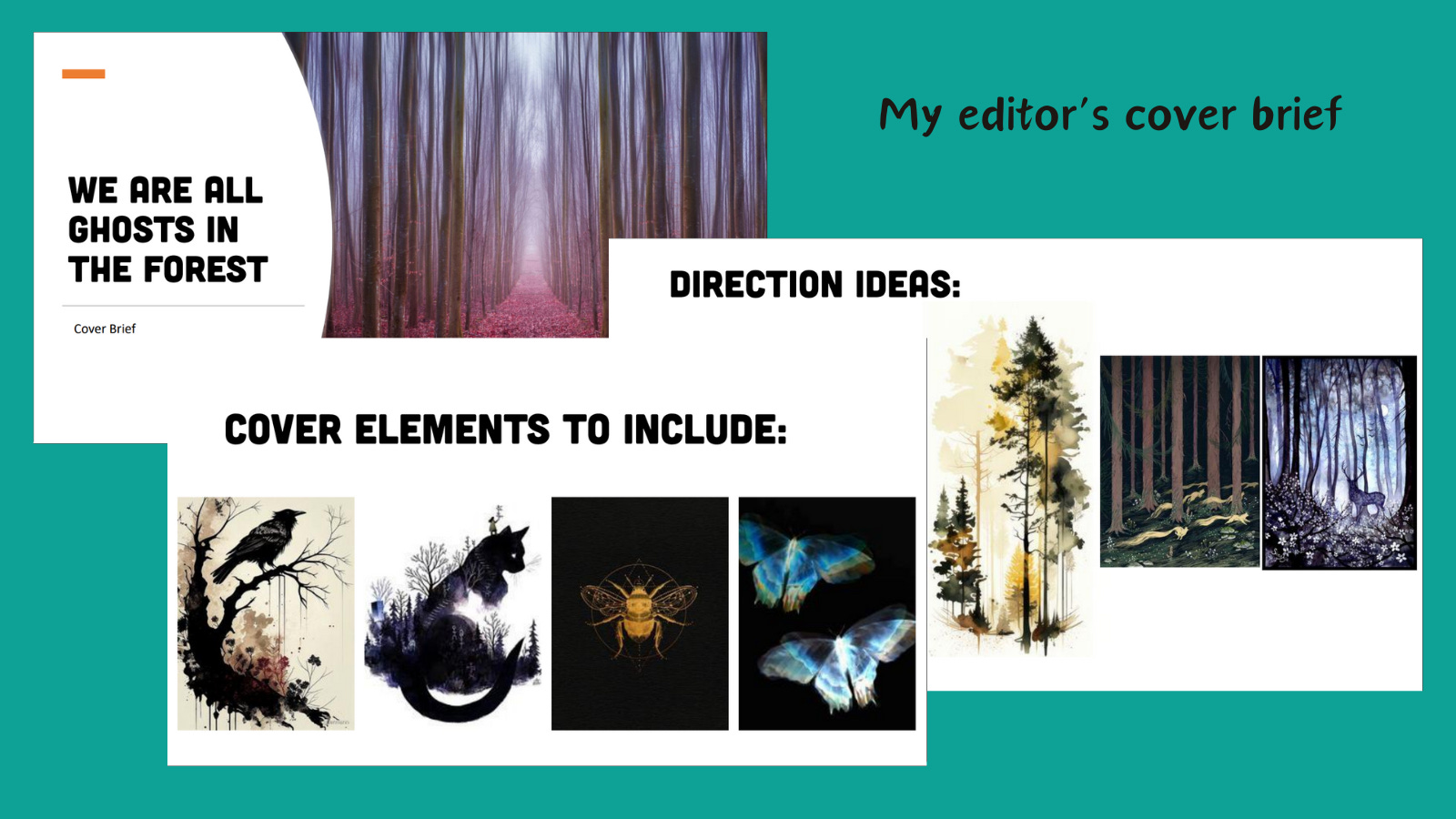
Once you and your editor have agreed a direction, your editor puts together a cover brief which contains all the above information, along with relevant themes and motifs, plot points and market placement aims. The cover brief my editor put together for Ghosts was amazing (I wish I could share all of it), and incorporated elements from my Pinterest board, many of my suggested cover comparisons, and some incredibly exciting author comps as well.

The next steps happen without author input, usually (but see below).

With the sign off of Marketing and Publicity (and Mysterious Others), this cover brief is then sent to whichever cover artist is hired for the job. We had a list of top favs, and which one we went with was a juggling act of their vision and availability versus our deadlines. The limits of my involvement in this stage was saying ‘fabulous’ once the artist was confirmed.

Normally, the artist provides a selection of initial cover visuals to the publisher and they go through a process of development to come up with a single draft cover before this is then shown to the author.

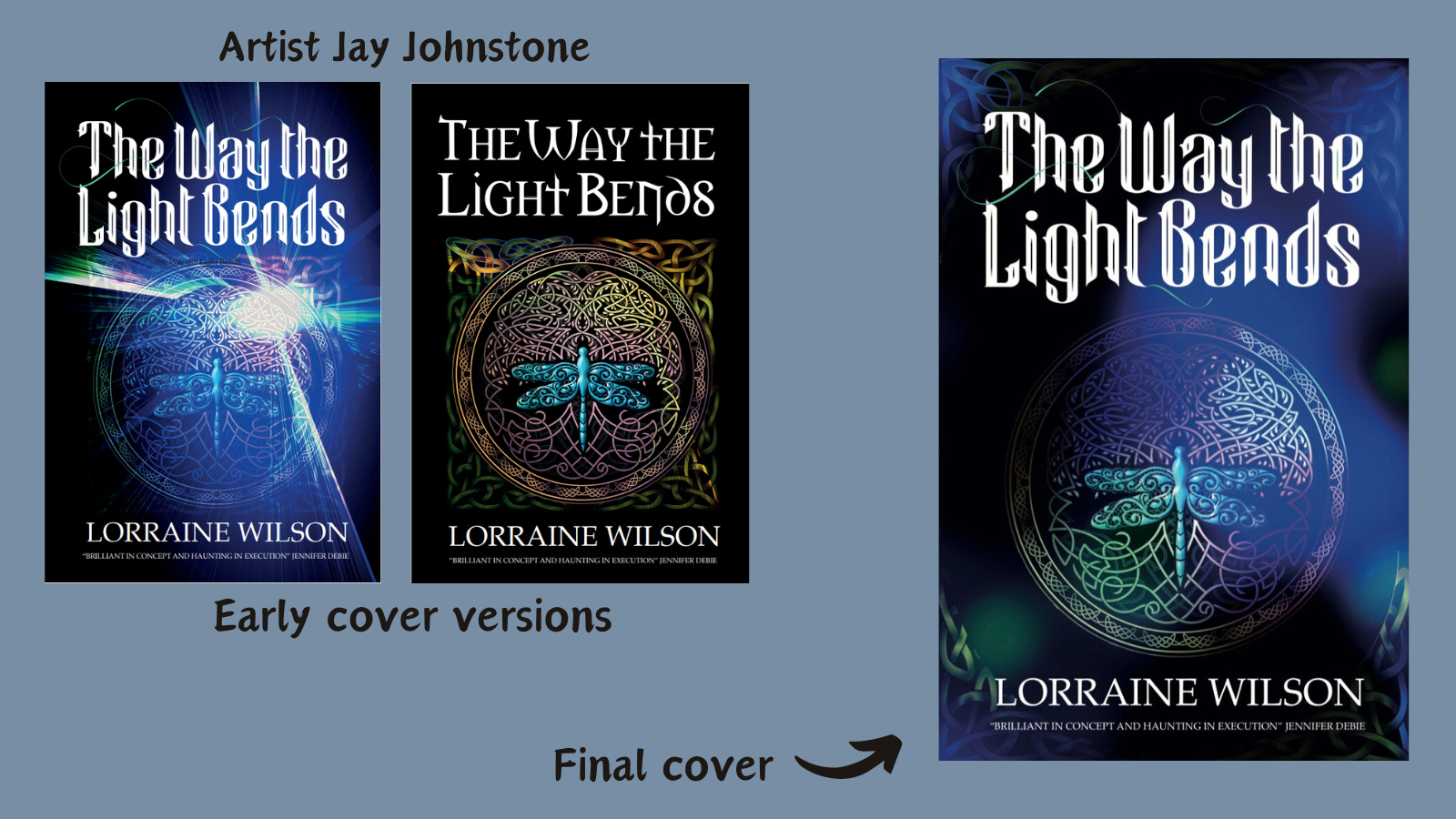
With my second book, publishing with a small press meant that I was more closely consulted at this stage. I got to see all the prelim draft versions, pick the elements that I liked and ask for fairly substantial changes in an iterative process that went from entire colour/layout changes to tiny tweaks of font size and contrast levels. While this isn’t something I can expect from most books, it was an incredible learning process. (Check out Jay Johnstone here)

With Ghosts, I was sent a draft cover that had already been through revision in-house. It was beautiful, and very much in line with how I’d envisaged it. There were a few tweaks I wanted though, and after consulting my agent to confirm, I sent this list of requests back to my editor. Now, the bottom line in all of this is that the publisher has final say on covers. Contractually, authors are to be consulted, but not obeyed, so to speak.

With Mother Sea, to be honest this draft was so sublime, I made one request about the title font, which was adjusted, and that was it.

I was a little nervous sending a few more tweaks for Ghosts, so was super grateful when my editor came back with ‘Yes, I agree with all of this, will send it on’. Happy days.

I then got sent a ‘final’ version to agree, which was amazing and incorporated all my requests. But there was one small detail I felt still needed tweaking. I asked; this time my editor said ‘maybe. it depends.’ Which is entirely fair. The artist was working on commission and that buys only so many hours of work. So I get it, and even if they couldn’t make that last change, I still fortunately had a cover I love.

Do I have to love it? Maybe not, but I do have to believe it will help sell the book. We are going to be looking at this cover SO MUCH over the next year or so. I’m going to be taking it to bookshops, sharing it online, using it to pitch myself for events. I have to trust that when I show it to someone, it will give them both a fairly accurate sense of the book, and also make them want to pick it up.

It is easy, as with editing the book itself, to get tied up in tiny details. To worry about comma placement, exact shades of green, the length of chapter 27, the perfect placement of the title to the millimetre. And yes, those things matter. But also they don’t? At some point we are fiddling with things that no shop browser or reader is going to spend more than 3 nanoseconds on, so it’s okay to step back and go – it’s fine. I’m happy. I trust it.

Which is what a lot of it is about, I think. Trust. Trusting the publishing team to know what will work for your book, trusting your gut, trusting your book to stand without you in the world and do its job on its own.

Conversely, if your gut is telling you this cover is wholly wrong for your book, then step 1 has to be to talk it through with your agent if you have one. How much is simply that you aren’t familiar with current trends in cover design in your sub-genre? How much is a genuine disconnect between where you see your readership and where your publisher sees them? I’m very lucky I’ve never had to deal with this particular minefield, but if you find yourself in it, speak to your agent. Ask trustworthy friends who both know your book and know enough of publishing to give an honest, informed take. It’s hard to find the line between standing up for your book and not trusting the expertise of others, but resolving a sticking point can only happen through gentle, clear communications. Ask me, if you like! I’m happy to offer my semi-informed opinion!

I love the cover design stage. I love the joy of pointing at beautiful covers of books I admire, and saying ‘I’d like something like that please’. I love the absolute wild magic of sending a set of bullet points and random pictures to an artist and them somehow, miraculously producing something that captures the essence of your book. How? They are amazing creatures, cover designers, and deserve far more recognition than they generally get.

Did I get my final adjustment? No. Does it matter? I’m glad I asked, I would have regretted not asking and I think my suggestion was a valid one, but I still have a cover I both love and trust, and have been bursting with the urge to show it to everyone.

With the cover of Mother Sea I usually shove it at people, shouting LOOK AT THE CRAB. With Ghosts, I think it’s gonna be GOLDDD BEEEEEEEES.

The Worst Word In Publishing

Synopses!

Oh, we hates them, don’t we? They’re undeniably the foulest creation ever, designed to strip all sparkle and joy from your story (and from you).

[This blog was first published on my Substack in November last year. To stay up to date with my latest posts please consider subscribing there, but however you found me, thank you for reading!]

I thought I’d escaped the need for synopses when I signed with my agent but (sobs quietly) turns out there is never an escape. It is doom/synopses all the way down…

…I’ve been writing synopses recently, can you tell?

For those who haven’t encountered this beast, it’s a plot summary of your book that provides all the main events in a pragmatic, spoilery ‘this happens and then this happens…’ breakdown.You need one when you are querying agents (usually around 300-500 words) and sometimes you need one when your agent is submitting your book to editors & foreign rights folks (usually longer, anything up to ~1,500 words).

They are entirely functional things – serving to prove to agents that your plot works, and to give editors and other publishing staff a quick summary of your book so they can talk about it (because lmty foreign rights sub-agents, marketing/publicity staff, they may well not have time to read your book along with the dozens of others they’re representing).

You’d think that being so dry and straightforward they’d be at least easy to write, if not exactly fun. And I’ll admit the longer ones I’ve been writing this week are definitely less challenging to put together than the 300 word ones I used to create when I was querying. But it’s surprisingly hard to pare down your 100,000 word intricately woven plot to its bones whilst still have it both make coherent sense, AND more importantly, sound enticing.

This happened and then this happened is not an inherently juicy way to narrate a story, turns out.

So! Aside from bemoaning their horribleness, what advice do I have for anyone else having to face this particular hurdle? I’m going to recommend two very different approaches – try them (or don’t, if you have any sense!) and let me know how you get on.

Writing up:

This is the method I’ve always used to produce my 300 word query synopses. I think it lends itself well to producing shorter synopses and has the added advantage of producing a short pitch as well, which is super handy for querying writers to have.

Step 1. Write down any words that come to your mind when you think of your book. Could be the themes, the tropes, the main character, the setting, emotions, objects, big events. Anything at all, just a bunch of single words that capture something of your book.

Step 2. Circle around ten of the most important ones in terms of the plot, character & setting of your book.

Step 3. Using those ten(ish) words, write a short paragraph (ideally 3 sentences but don’t kill yourself in the attempt) that tells us:

a)      something enticing about the main character (yes, really do try to stick to one here, even if you’ve multiple Points of View. Sorry) – not just ‘a woman’ but ‘the world’s first female astronaut’. Not just ‘a teenage boy’ but ‘a boy who’s afraid of cats’. Idk, just some small detail that is both relevant to the challenges they’re about to face, but also makes them instantly more than a cardboard cut out.

b)     Perhaps something about the world, particularly if it’s historic fiction or SFF.

c)      What your main character’s aim is in the story – what’s the thing they need to achieve. A successful moonlanding, saving the local cat sanctuary from redevelopment by evil corporations…

d)     What challenges they’ll face – the mysogyny of the crew, engine failures; his own fear and the apathy of locals.

e)     What’s at stake – what is their motivation for battling to overcome these challenges? Fame, getting to not die on a rock in space? Getting to fulfil his gran’s wish or win the attention of the boy/girl/nonbinary of his dreams?

These few sentences will give you a rough draft of a short pitch for your book. It summarises the point of your book, basically, the reason why someone might want to read it. A character we want to get to know and a problem we are intrigued by. Not all books fit neatly into this kind of plot equation but most will, even if it’s kinda painful to be so reductive.

The good news is now you’ve done the hardest bit. You’ve plucked out the beating heart of your book, now you get to give it back a few major arteries, maybe a rib or two.

Step 4. Look at your book and make a note of the major turning points in your plot that demarcate the really significant moments. Note down how your most important secondary characters (or other Point of View characters) shape these major plot points, or have their own significant events that tie into the main plot. Don’t get too sidetracked by subplots, or by sequences of events that can be summarised as ‘tensions escalate’ or ‘a series of mishaps’ or whatever.

Step 5. Now flesh out your 3 sentence pitch, by adding in your plot points from Step 4. AND THE CLIMAX EVENT. Include spoilers. Editors/agents need to know that you’ve stuck the landing, so to speak. So give them the specifics, not just ‘X must solve the mystery before disaster strikes’. That sort of hooky line is for the pitch, not the synopsis.

Ta da! You have yourself a synopsis.

Step 6. Edit it for clarity. Keep sentences on the short side and light on descriptive flourishes. This isn’t the place to demonstrate your lyricism. Clear, concise and well structured are better than super voicey.

exhausted face

Chapter by chapter:

This is the method I’ve been using this time around – to create synopses on the longer side (1.2 & 1.5k words). It’s useful in that there’s a lot less thinking involved lol, and less agonising over what plot points to include. But it does go long, so it’s probably not ideal for those in the querying trenches needing pithier synopses.

Step 1. Go through your book and for every chapter, note down the main events (both external and internal/emotional)

Step 2. Circle the events that are most important. There may be a fair few that aren’t vital in explaining the plot progression – that’s okay, small plot details and quieter chapters are not illegal.

Step 3. Write up a point by point summary of your circled point events. Keep your paragraphs short – one per couple of chapters might work well. Make sure you’re tying the various plot threads together. As this version is longer, more of your subplots and secondary characters are likely to make it onto the page, so make sure you’re threading them in well, rather than just mentioning them once and then forgetting them. (if you only need to mention them once, perhaps avoid doing so at all). Again include spoilers for the ending. Unlike with the shorter synopsis, you’ll have space here to include the resolution after the climax too.

Step 4. Umm, yeah this method is a lot simpler. Ta da! You have yourself a long synopsis.

Hope that helps! Happy writing & may all your synopses be magically written by elves while you are sleeping.

Next time on the blog I’ll be talking about the messy, kinda gatekeepery divide between ‘literary’ and ‘genre’ because as a writer who crosses that divide, hoo boy do I have Opinions!

Comparanoia

Comparanoia (n) – the haunting ache of comparing your writing journey to others and being consumed by paranoia that you are a) missing out/falling behind, b) an untalented hack, or c) the victim of a conspiracy bent on supressing your genius.

[This post was published on my Substack page a couple of months ago, subscribe there to see things sooner! If you are subscribed in both places a) thank you! and b) my apologies for the replication.]

I was introduced to the word ‘comparanoia’ by a friend who’d picked it up somewhere else, so I don’t know who to thank for this worthy contribution to the English language, but I owe them at the very least a big slab of cake. Because the writing community needs this word, let’s be honest.

The horrible truth about publishing is that however successful you are, there will always be rejection and failure and people getting some marker of success that you are not currently getting. Signing an agent leads to submission hell, getting a publishing deal leads to ‘rejections’ from bookshops, reviewers, awards judges, movie scouts, etc.

Even the Margaret Atwoods of the world don’t make every award shortlist their books are submitted to, and I’m pretty sure she’s not getting the seven figure, twelve book deals that Leigh Bardugo signed. But Leigh Bardugo has won very few prizes considering the sales figures, the Netflix deal etc. While I doubt neither Leigh nor Margaret are too worried about their career trajectories, I’ll bet even they occasionally watch an award ceremony or an adapted movie, or just have a really crappy buffle-headed writing day and feel the faintest echo of the comparanoia that us mortals are so familiar with.

I’ve been wrestling with this green eyed beastie a bit recently so figured I’d talk to you about it & in telling you how normal and pointless it is, remind myself!

It is an entirely unavoidable aspect of publishing partly because as I say above, there’s an endless supply of metrics of ‘success’ so we will always be lower down on some ladders than others. Which is kind of true of life in general, of course, but I think writers are particularly susceptible to it for three reasons:

1.      We care very, very deeply about our books. We want them to do as well for themselves as possible, but the publishing experience is crowded with things that knock our belief in our books or ourselves so we search for markers of success to latch onto. To say – it’s okay, my book has achieved X therefore it’s not crap. Or the other side of that coin – if only my book achieves Y then I can relax.

We also know our career stability, our ability to keep publishing books, depends on the success of the current one. I read (and now can’t find) that something like 2/3rd of writers only ever publish 1-3 books, only 10% of writers publish 6 or more. Longevity is rare in publishing and our future contracts hinge on sales figures &/or awards nominations, so sadly hitting some markers of success does kinda matter for more than just our fragile egos!

2.      Every book is different. That sounds obvious doesn’t it, but it matters. Every book is a unique product, with a unique readership and therefore unique marketing needs and markers of success. Even two superficially very similar books – two spy thrillers say – will differ slightly in how they can be best marketed and how they’re likely to be received based on a multitude of factors like the track record of the author, the publisher’s reach, the prose style … the gender of the author, their ‘fame’, their racial identity, their position on their publisher’s list etc.

I’m not saying it’s always fair btw – publishing is not a meritocracy and marketing decisions centre what’s best for the publisher, which won’t always overlap with what would be optimal for the book/you. That can suck, but there’s not a lot we as authors can do to change it. Just make sure you are going into contracts fully informed, so that the publisher’s intentions for your book don’t hit you out of left field.

But because each book is a unique product with a unique publishing trajectory, everyone can look at anyone else’s experience and see something that they themselves are not getting. Even someone in the middle of a big splashy debut bestseller high might hear about the close involvement, transparency and friendship an author gets with a small indie press and feel a wee pang.

3.      Publishing can be slooooooooww. Writing itself is a solitary occupation (aka too much time in our own heads!) but add to that the waiting for news whilst watching others celebrating their successes on social media = perfect recipe for doubts to creep in. Is my book even getting read by editors/agents, is everyone getting signed faster than me, what if my sales figures are too low (what were they even forecast to be), what if arc readers hate it, what if my book doesn’t become The Book Of The Fair at London/Frankfurt – is my life over? Lol.

calming sunset, because we’re totally calm about all this actually

The comparanoia has been hitting me hard recently because I am waiting on edits for my next-next book (We Are All Ghosts In The Forest) (see reason 3 above) and have been at the ‘ugh I hate it’ stage of edits with another book (All The Birds Will Be Hostile) (see reason 1 above) and in this fairly rubbish phase, I’ve watched with joy and excitement as amazing things have happened for talented friends (reason 2! The hat-trick!).

We contain multitudes, right? So while most of my multitudes lovelovelove seeing good things happen for friends, there has been a softly weeping wallflower at the edge of the crowd wallowing in comparanoia, convinced that I’m not good enough and will never make it (whatever either of those things mean).

I think it’s important to not inflict your comparanoia on the friends who need to be able to celebrate their wins, and it’s seldom useful to vent your bitterness in public either. What’s that going to do other than make you look small? BUT I also think it’s healthy to talk about how comparanoia can undermine your self-belief and eat away at your creative energy.

Publishing is long and weird and uncertain, it is entirely natural to look at your peers for evidence of how your experience compares. And vital to maintain perspective on the messiness & unreliability of those comparisons!

It’s also important to be our own best advocates, though. Which will sometimes mean asking for more than we are being handed, whether that’s frequency of comms from your agent, or a push to get your book into supermarkets.

But we need to be realistic here – there is no point signing with a small press expecting big5 marketing spend, or signing with a big5 with a pensive literary novel and assuming you’ll get identical marketing to your list sibling writing Booktok-friendly on-trend commercial fic. (You wouldn’t want identical marketing btw. Booktok is not where your readership is). We need to be able to parse the comparanoia from the fair treatment and investment suited to our book that we are entitled to expect, and then go have a conversation with our agent or editor about our concerns OR give ourselves a hug, a cathartic whine at a friend and some extra chocolate.

So a reminder (to myself), comparanoia is natural but it is also comparing apples to … not oranges, they’re too similar … langoustines. It’s okay to feel all the feels, but don’t lose perspective or let the green eyed softly weeping demon on your shoulder sap you of your creative joy. Your books will find their way, and so will you.

And another one

Adventures in Substack

Hi folks. Thank you so much for reading my (irregular) blogs on this page, it’s been a joy. I have been toying with ideas about how to connect better with readers though, and have decided to give Substack a go. It feels like a more natural home for the blog, giving me the freedom to add more content whilst also reaching a wider audience.

Join my Substack here

I will be blogging more regularly there – posting fortnightly blogs on writing craft, the publishing industry & inspiration, as well as occasionally sharing short speculative fiction.

Partly to allow me to share slightly more sensitive work, and partly in an attempt to be able to afford chocolate, I have a paid subscriber tier in addition to the above, where I will be providing sneak peeks of unpublished work, and a diary of my books’ journeys through writing to publication & beyond – shedding light on some of the lesser talked about aspects of the publication process.

My paid subscribers will also be able to join me twice yearly for online writing workshops, although I plan (health depending, you know how it is) to run online Q&A sessions open to all at regular intervals as well.

It’s a new venture for me and a little bit daunting, if I’m entirely honest, but I really hope you’ll come join me over there & help me build a wee community of good people.

Thank you,

Lorraine

Join my Substack here

black vanilla orchid

Book Sales Aren’t On You (and lots of statistical nerdery)

I wrote a version of this blog a while ago, after some discourse about authors needing to promote their books on GoodReads because the ‘Want To Read’ count is apparently used by publishing to Make Decisions. I didn’t post it then, because I needed (ironically) to focus on my latest book release and then the moment kinda passed. But I figured the subject would come around again, as it was only the latest in a constant cycle of ‘Authors Have To Do X Otherwise Their Book Will Fail’.

And lo! This week a fascinating episode of the brave podcast The Publishing Rodeo interviewed a researcher on YA book marketing – Dr Kerry Spencer Pray.

Now, my initial blog was a slightly ranty exposition about author-led marketing. And you’re still getting the bulk of the rant because it was a good one & I’m not wasting it. But first I’d like to explore my reaction to that podcast and Dr Spencer Pray’s research (so far as I understand it from the podcast and these slides) a wee bit.

The thing is, I’m a statistical ecologist by training, and we are way more ridiculous about statistical analyses than pretty much any other field except maybe medicine. We have to be, because ecological systems are MESSY AS HELL so we* have pretty much led the field in statistical modelling that can handle the inherent chaos, correlates, and contamination of ecological systems. (*not me, I just followed along) This means that while I am FASCINATED by Dr Spencer Pray’s research, and think it is deeply important and there should be A TONNE more of it please … I am DOING A NERD and have some caveats that I think need bearing in mind.

I’m not detracting from her work, but I have watched the reaction to the podcast episode with a slightly leery eye because people are reading certainty into a very uncertain dataset and extrapolating outwards in ways that I think are both understandable and perhaps not helpful. It’s that reaction that I’m responding to here, not the work itself which was hampered by an incredibly opaque industry.

If you’re not interested in statistical pedantry, you can skip to the original blog below & the TL:DR is that while I am grateful this study exists, I think folks need to not get too carried away with the results. Fellow pedants, enjoy…

In brief, Dr Spencer Pray’s research was carried out on a random sample of 475 YA books, comparing an estimate of sales (from multiple secondary data sources as actual sales data weren’t available) to 250-300 potential drivers via simple correlations. The factors that appeared to correlate to estimated sales were all kinda related to book marketing rather than the book itself. These then were all amalgamated into one ‘marketing’ variable that showed a strong correlation strength against estimated sales. They used this to produce a scoring system and a minimum marketing viability threshold. Everyone is, understandably, fascinated by this, and depressed and/or validated by the finding that the biggest single correlate to estimated sales was an index of advance size (which was considered a proxy for marketing spend).

So the take home message was that the only real way to ensure your book sells is to get more marketing.

Which fits very well with my original blog post ranty rant (see below). And with other soft and hard data on the subject.

But the ‘marketing’ factors that correlated with estimated sales were: advance size, author ‘fame’, ‘carryover’ (links to other famous things), book cover appeal, author twitter following & starred reviews in key outlets.

And this is where I think some caveats are needed.

See, no data set is perfectly controlled, so all statistical analyses come with bias and uncertainty. The challenge in analysis is to account for sources of bias, and accurately quantify your uncertainty so that you can tell whether a pattern is ‘real’ or a product of chaos/bias/errors… and then not to weep when non-statisticians ignore all your error margins and treat the result as rock-solid and black&white.

So to try to explore the uncertainties in this study, stand by for some intense nerdery…

One issue is about statistical power. If you test almost as many correlates as you have samples, your experimental ‘power’ (reliability of the results you get) is extremely low, because your chance of producing correlations entirely randomly is pretty high. So while these correlations may well be genuine, they may also be pure chance just because so many were tested. Spencer Pray and her colleagues might have accounted for power issues with methods like bootstrapping & model selection processes, in which case this becomes less of an issue, but I can’t see any mention of this being done.

Another complication was the unavailability of accurate advance figures – Spencer Pray had to use the deal categories of ‘nice’, ‘very nice’ etc in Publishers Marketplace announcements instead. This means that the majority of data lay in the lowest bracket – ‘nice’, which is anything from $1-49,999. (Indicatively, Jess V Aragon’s spreadsheet of PM data had ‘nice’ for 55% of deals where size class was given, the other 45% spread over 4 other classes) So there’s a lot of data kinda merged into one category, and the fewer samples in the highest bracket (7% in ‘major’) would have disproportionate influence. This doesn’t negate the findings, but it does mean that the findings might not apply within the advance brackets – i.e. just because a $100K advance improves sales over a $45k one, that doesn’t mean a $45k advance is any better or worse than a $10k one because both those advances were lumped into one group. It might be true, but we don’t know.

Likewise, as Dr Spencer Pray says, some of these correlates are clearly connected to one another (fame and twitter following, fame and advance size, advance size and starred reviews etc). This makes it hard to be sure whether they are genuinely independently influencing with sales, or just kinda shadowing another variable. For example, author fame might show a positive correlation to sales only because it is also correlated with advance size – if you accounted for advance size (& marketing spend), fame might not be enough alone to shift books. It is possible to tease these connected variables apart statistically, but it’s not straightforward and has not yet been done, so far as I can tell. Grouping cross-correlated variables together to create an amalgamated ‘marketing’ variable is then tricksy because you run the risk of a falsely inflated correlation strength – you’re effectively double counting, if you see what I mean. So the end result – and that tantalising minimum marketing threshold produced from it – are less certain than they initially appear.

And lastly, and non-nerdily, this study was exclusively YA, (and largely from the YA world pre-shift to BookTok). People are assuming it’s directly applicable to adult fiction, and to the present day, but I think that’s a stretch. I’d LOVE VERY MUCH to see a study on adult fiction categories, and I predict there’d be the same headline take home message, but the individual correlates … Hmm, I’m not sure because:

  1. The YA community is more firmly online, and more actively on Twitter, than pretty much any other genre. Here’s a brilliant recent article by Nicole Brinkley about exactly that. So it does not follow that because twitter platforms might matter in YA sales, they also will for other genres. And let’s not even get into the Twitter-going-down-in-flames issue, but suffice to say it does not stand as a reliable marketing platform any more.
  2. Aspects like carryover, and (one of the secondary trends) ‘books that inspire yearning’ feel genre-specific to me. The peak crazes for things like post-Twilight vampires happen less markedly outside of YA. Greek myth retellings is probably the strongest contender in adult fic, but although there are definite trends in genre tastes, I’d expect carryover to be a weaker factor in areas like thrillers, epic fantasy, space operas etc.
  3. Author fame … this included things like winning major awards which, well it would be nice to think these lead to greater sales, wouldn’t it? But what about in genres generally neglected by these awards – romance, for example? So, again, it might apply outwith YA fic, but we don’t know.
  4. OTOH I’d guess the importance of book covers applies across ages/genres. Although I’d be interested in whether it’s a weaker influence in genres with tighter cover formulas, like historical romances or murder mysteries.

So essentially, while I think the overall message is probably reliable – that marketing is the only semi-reliable driver of sales, the specifics are much less certain.

Why am I bothering to critique a study that I am genuinely glad exists? It’s not to undermine the work that went into it, in the face of an uncooperative industry. I nearly didn’t post this because I don’t want to pick holes just for the sake of it. And I actually think the study’s headline message is incredibly empowering for authors. But authors feel so much pressure to do everything we possibly can to sell our books, and we are so desperate to know what to do and how to do it, that I worry people will latch onto the specific findings of this study and run with them. If I can hit 3000 Twitter followers then I’ll get another point on the viability index. If I win an award or sell at auction, I’m safe. If I make my book more hopeful & yearny it’ll sell. Etc. I know – I listened to that podcast, looked at my Twitter platform and briefly felt The Sads.

Which brings me back to my original blogpost and my rant about marketing expectations placed on authors.

The rant is not really even about me. I’ve been published to date with two indie publishers and both, within the limits of their reach, have championed my books wonderfully, worked with me on marketing, and been fully supportive of my spoonie limitations. So why am I ranting? Because I care about my friends, and the wider writing community. Because as a tranche of recent reports shows, there are mental health costs to being published. And this systemic lack of support for authors also hits marginalised creatives hardest, thus perpetuating inequalities within publishing. I get annoyed because I’m old enough and cranky enough to draw lines in the sand, but not everyone has that privilege so I’m allowed to be cranky on their behalf.

(Another caveat – this is absolutely NOT about self-publishing, which is an entirely different kettle of fish.)

So why does this messaging of ‘You must do X’ or ‘If only I do Y’ arise all the time?  

  1. It is our attempt to feel some degree of control in the face of these largely-unfathomable vagaries of book sales. We don’t know what will help move the needle so we try everything, and we believe people who holler convincingly about THIS IS THE WAY, whether that’s BookTok or newsletters or whatever. We obviously want our books to do well, so we seek out ways to help them that are within our reach.

That’s understandable, and I think finding enjoyable ways to promote your book is truly valuable. It lets you share your excitement with your social circles, and also means you feel … if not control, then at least that you’ve done your bit.

But the constantly shifting sands of exactly what you ‘need’ to be doing results in authors juggling half a dozen social media platforms, second-guessing trends and obsessing over everything. Which is exhausting, takes away from writing time, and breeds a sense of failure when you inevitably can’t keep up.

AND

  1. Bluntly, it is … comfortable for publishers if authors believe we must do all this work to help our books sell. If we are convinced book sales hinge on us making enough TikTok videos or getting enough Twitter followers, then we’re not asking them ‘Wait, what are you doing to move the needle?’

Now, to be fair, I think most of this pressure actually comes from other authors for the reason above (and bleeds over from the self-pub community, which like I said VERY DIFFERENT FISH). But there is also some upholding of it by the publishing industry, which I wish would stop.

Maybe it will, now that Dr Spencer Pray’s research has provoked so much conversation. Here’s hoping.

I’m not really talking about small publishers here, for whom the balance is a little different. However hard these publishers work (and like I said I’ve been lucky) they have less reach and so an author’s online contribution might have a relatively significant effect.

But for the bigger publishers? Different story.

For example, that GoodReads thing we were told to panic about? The books reaching 30,000+ ‘Want To Read’ adds, particularly for debuts, are almost universally where the publisher has paid for large giveaways of 50-100 books. Every giveaway entry is an automatic ‘add’ which bulks up the numbers enormously, then GoodReads uses this bulked-up number to pick ‘Most Anticipated Books’ lists and the hype machine is safely in motion. All paid for by the publisher.

BookTok? It is mostly a space for reviewers, and mostly for a very particular form of book (and there’s a WHOLE DEBATE to be had about the impact that has had on diversity rep and on acquisitions within publishers). It’s almost entirely not a space for writers trying to hustle for their own books. The best route to getting traction on Booktok is for publishers to send fancy book packages to a lot of popular reviewers and hope for the best. See how that’s absolutely not in our control? Yeah.

I could go on, but the particular instances aren’t really the point because there’s always something new being sung about anyway.

The point is we shouldn’t put the weight of book sales responsibility onto the people with the least power and lowest pay in the entire structure.

Big publishing is a business, and it’s a business that is currently squeezing the lower/medium staff tiers and cutting author pay. So sadly your marketing team, even if they love your book and want to champion it, likely don’t have the time or funds. But publishing is also, largely, full of Good People who don’t want to tell you your book is on Marketing Tier 4. So instead you’ll be told (either directly, or via online messaging) to post more on social media posts, or set up a newsletter, or, or, or. … I worry that this Spencer Pray study will get weaponised into ‘well, if you had more twitter followers’ or ‘you’re just not famous enough, sorry’.

I get it. Publishing houses should staff their publicity & marketing teams better, and pay them more. I’m not blaming anyone on the ground for the way the business is run. But I also hate seeing authors running ourselves ragged trying to guess at marketing strategies we aren’t equipped for, grasping at straws, and feeling responsible for things that are entirely out of our hands. Namely, how many copies of our books sell.

This is one reason I’m so grateful for Dr Spencer Pray’s work. It counters that pressure with hard data. Which many see as bleak, but I actually find incredibly freeing. It’s really not on us, my loves. It’s on them.

So other than ranting, do I have anything useful to say? Well, maybe.

  • I strongly recommend that you, dear fellow exhausted author, take a long look at all the things being touted as THE WAY TO SELL BOOKS, and decide whether it’s something you enjoy doing or can do very, very, very easily. If the answer to either or both those questions is ‘no’ then can I suggest you run the other way?

It is worth doing something – things that help you feel celebrated by your community, and potentially help connect with readers. Posting on Twitter might sell a copy or two or three, just like sending out newsletters might sell a few copies of your second book. And those few sales are great, I’m not dissing them. But think about how many hours you spent making Canva graphics or writing newsletters, and how much you’ll earn from the two copies it might sell, and the tradeoff isn’t very shiny. You need to be writing your next book too, remember, not just flogging this one.

So my advice is to pick the reader engagement methods that you a) like doing and b) don’t swallow up too much time & energy; and you get good at those. Try new stuff, sure, but don’t feel like you have to do anything at all.

  • At time of contract negotiations, talk with your agent about your marketing aspirations & the strategies you think the book needs to succeed. Make marketing part of the initial editor call, as well as the contract back-and-forth (that you’ll be on the margins of anyway). Ask for a marketing plan – they’re hardly set in stone, but it can’t hurt to have a framework.
  • Later on, communicate with your marketing & publicity team(s). Ask them what they’re doing and how you can best fit in with that. It’s good to know, and good to remind them that you’re there. But remember that their answers are shaped by their workloads – and might leave more responsibility with you than is proportionate to your power. If they ask you to do things you don’t feel able to do, talk it through with your agent to see whether it’s worth trying to fit it in, or pushing back. I’m a spoonie, protecting my health is vital because otherwise I break, so I’m pretty clear about that from the outset and I draw lines if I need to.
  • Remember that sales figures are largely unrelated to the quality of your book too. Dr Spencer Pray’s study supports this. (Is this depressing? Who cares – write the best book you can out of spite) Just like prizes, sales figures come down to a room of people deciding which books to support and which not to. Books that get the massive hype machine and sell millions are quite possibly great, but equally great books will sell a tiny fraction of those numbers because they were yeeted into the world with a cover reveal, two blurbs, and the author destroying their sanity on social media.
  • Stick a post-it note up somewhere saying ‘Sales Figures Are Not On You’ and look at it every week. Twice a day around publication.
  • Once more for the ones at the back, only do what you enjoy. If we are going to survive this authoring thing long term we need to hold tight to our love of it. We need to guard our mental wellbeing like mama bears. That means not spreading ourselves too thin. You have to look after yourself. No-one else carries that responsibility, because everyone other than us is running the business that our art is built on. So do what you enjoy and remember whose job it isn’t to sell books.

Rant and empowering mantras over. I hope this has been useful and hasn’t annoyed publishing professionals, or Dr Spencer Pray too much! I hate seeing writers battered by expectations to perform online; and I love seeing data analyses but I also hate our writerly instincts to read too much into absolutely everything. Without tearing the whole edifice down and starting again, publishing is going to continue to be a hard road, but we can make it gentler by being kinder to ourselves. And that starts with guarding our time and remembering to forgive ourselves the things beyond our power.

Mother Sea Island Tour

In the lead up to Mother Sea’s publication I did a wee countdown series of social media posts visiting various islands that inspired the island in Mother Sea. It was mostly an excuse to post lots of photos and rave about lovely places, and I figure I ought to pull it all together here just in case. (In case of what, I don’t know … the fiery death of Twitter? the need to prove ownership of the photos? validation that all my effort pulling it together was worth it? … Probably that last one tbh)

Anyway, below is a slightly expanded-upon tour of the islands behind the island…

One – Iceland

Not much in common with the tropical island in Mother Sea you say? Well, no. But this place has A Lot to teach the writer about colour palettes, I think. The deceptively monochrome black sand and white glaciers and searingly blue sea are an incredible reminder that less can be more! Also in this country there is no escaping the power of an unquiet land & the persistence of folklore.

Fav folklore – The Jólakötturinn – a giant cat that eats folk who weren’t gifted new clothes at Yule

Fav experience – The northern lights. I have no photos but omg, it was all the things and more.

Two – Tierra del Fuego

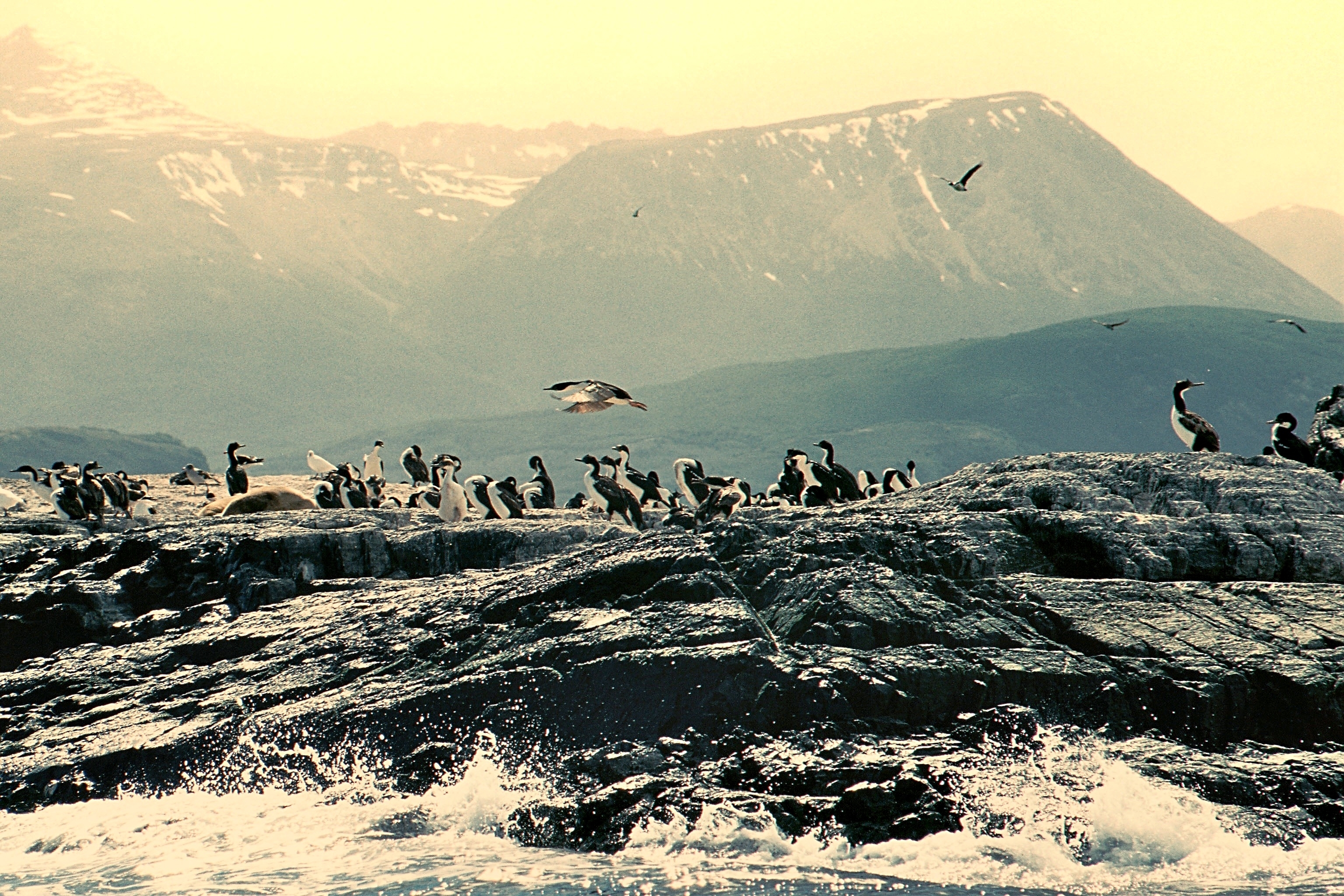
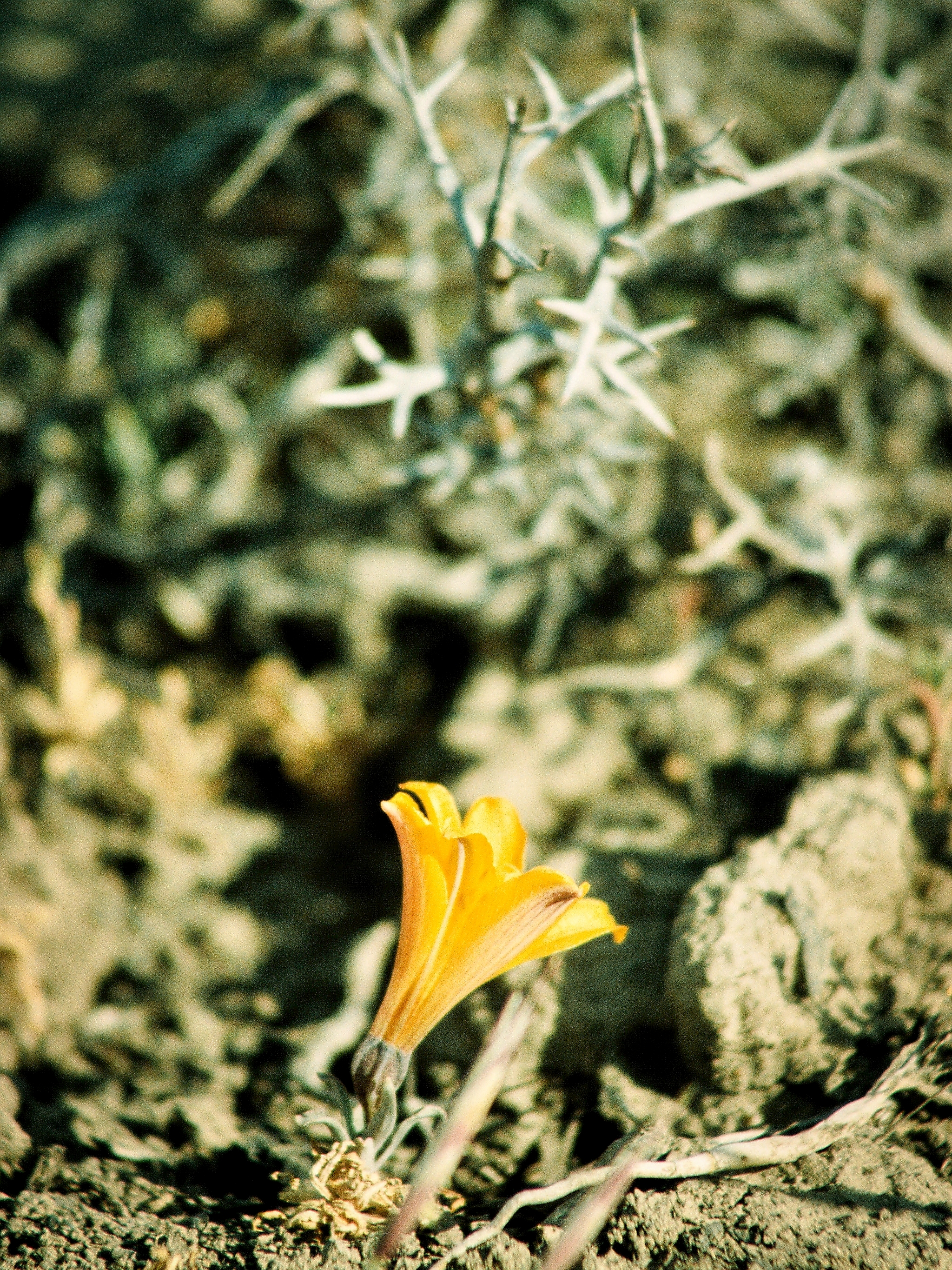
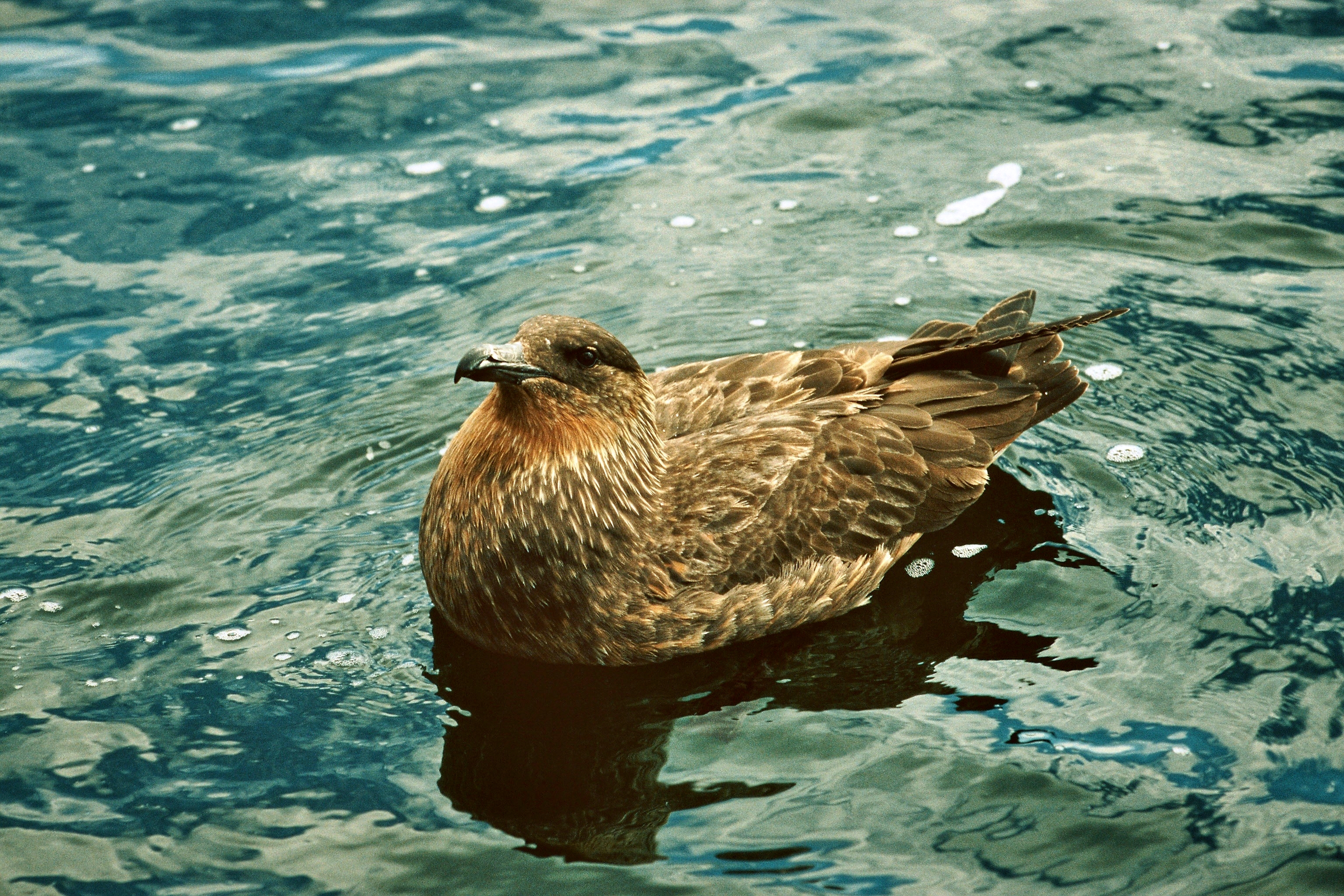
Staying in higher latitudes but at the other end of the planet, the beauty of these southern islands blew me away. It’s undeniably antarctic in weather and wildlife but all my preconceived notions of that were undone by flower-strewn islands, by hummingbirds & parrots right alongside penguins & sealions. Also, partcularly relevant to Mother Sea, heartbreaking histories of colonial genocide & the loss of language & culture.

Fav folklore – Teiyin from the Yahgan ppl. A shapeshifter god, protector of children & elderly, enforcer of altruism.

Fav experience – Following in Darwin’s footsteps – I read This Ship of Darkness while I was there for extra cross-temporal-bonding! Also, steamer ducks. So round.

Least fav – my 1st ever sunburn. I did not know it *hurt*! What?

Three – Shetland (and Orkney)

Closer to home, Shetland in particular, but also Orkney, taught me that political borders don’t always mean an awful lot. That dialects and folklore follow their own paths across the sea and old trade routes still shape island identity now, regardless of what the maps say. They also taught me that teeny tiny planes are the best, and I’d probably not survive a Shetland winter.

Fav folklore – The Sea Mither (spot the #MotherSea connection!) who wrestles the dangerous Teran to calm the seas.

Fav experience – Standing in the old broch on Mousa, listening to storm petrels purr in the stones around me. And getting dive-bombed by Bonxies on Orkney mainland!

Four – The Mediterranean

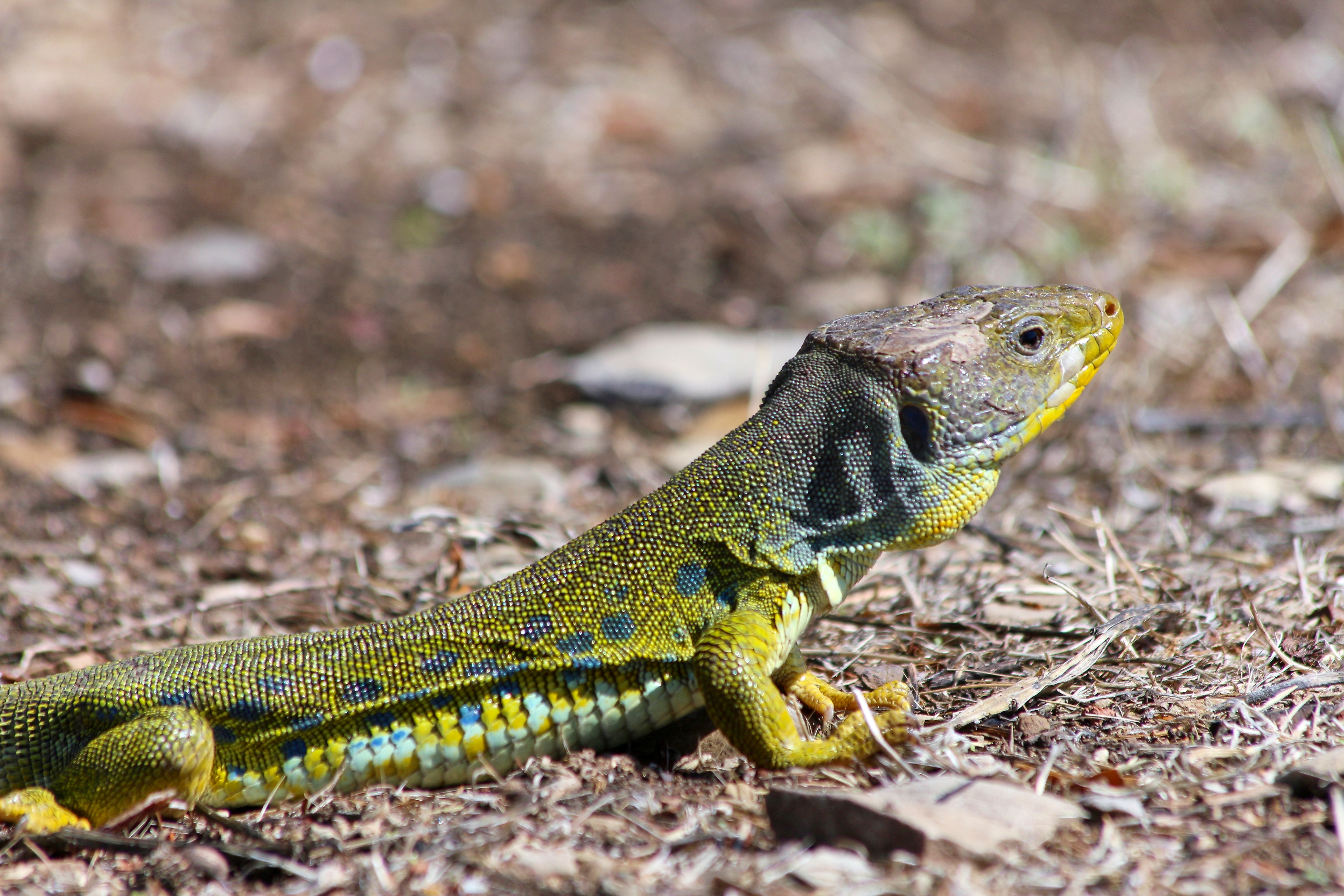
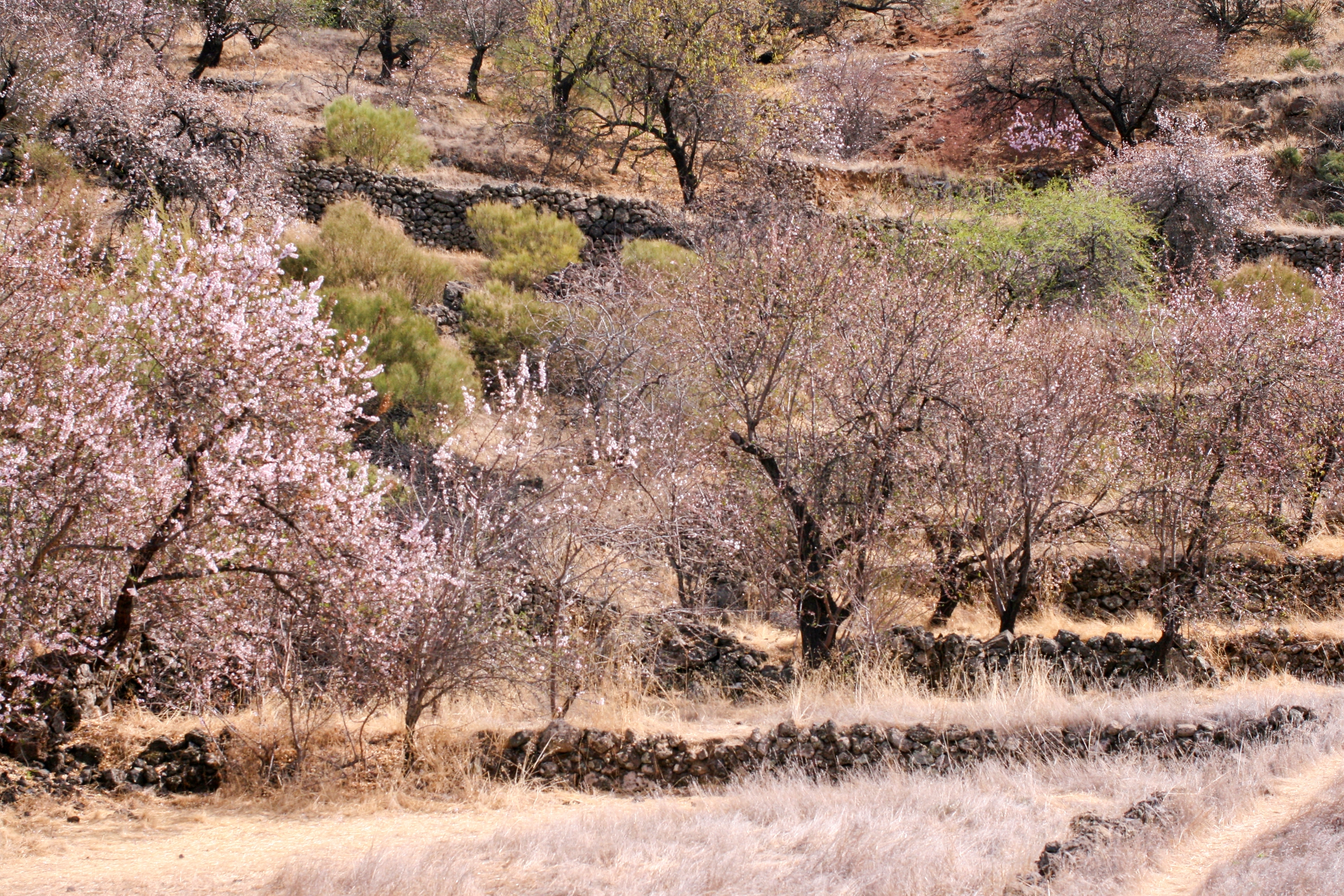
Kinda cheating lumping this whole region (and the Canary Islands) into one, but doing each island individually would turn this into a book, and also there are some common strands despite the distinctive feel of each place. I love the Mediterranean garrigue ecozone. It’s so stark & distinctive & surprising. I have a huge soft-spot for cyprus stands and stone pines, and ancient olive groves. But these islands are also fascinating for studying farming’s adaptations to a hard climate, the way humans have shaped the very land & how fragile that balance is. Especially as tourism threatens rural economics, communities, water resources & conservation.

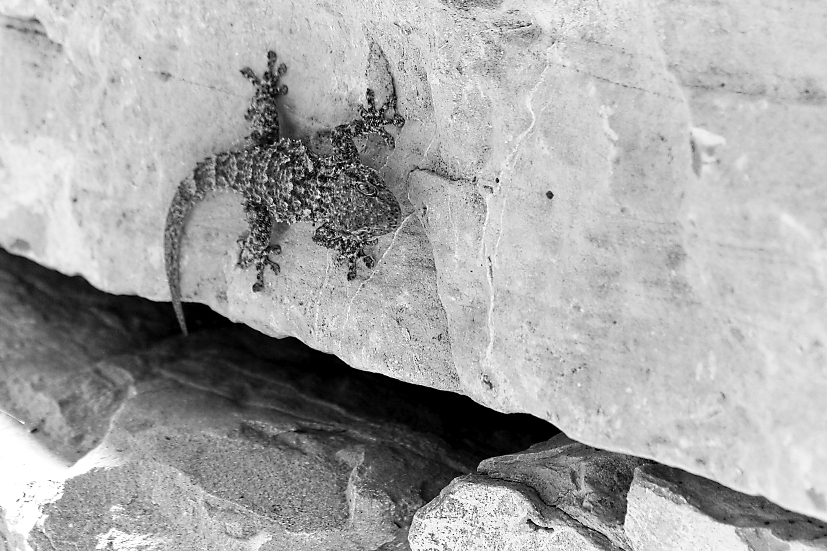
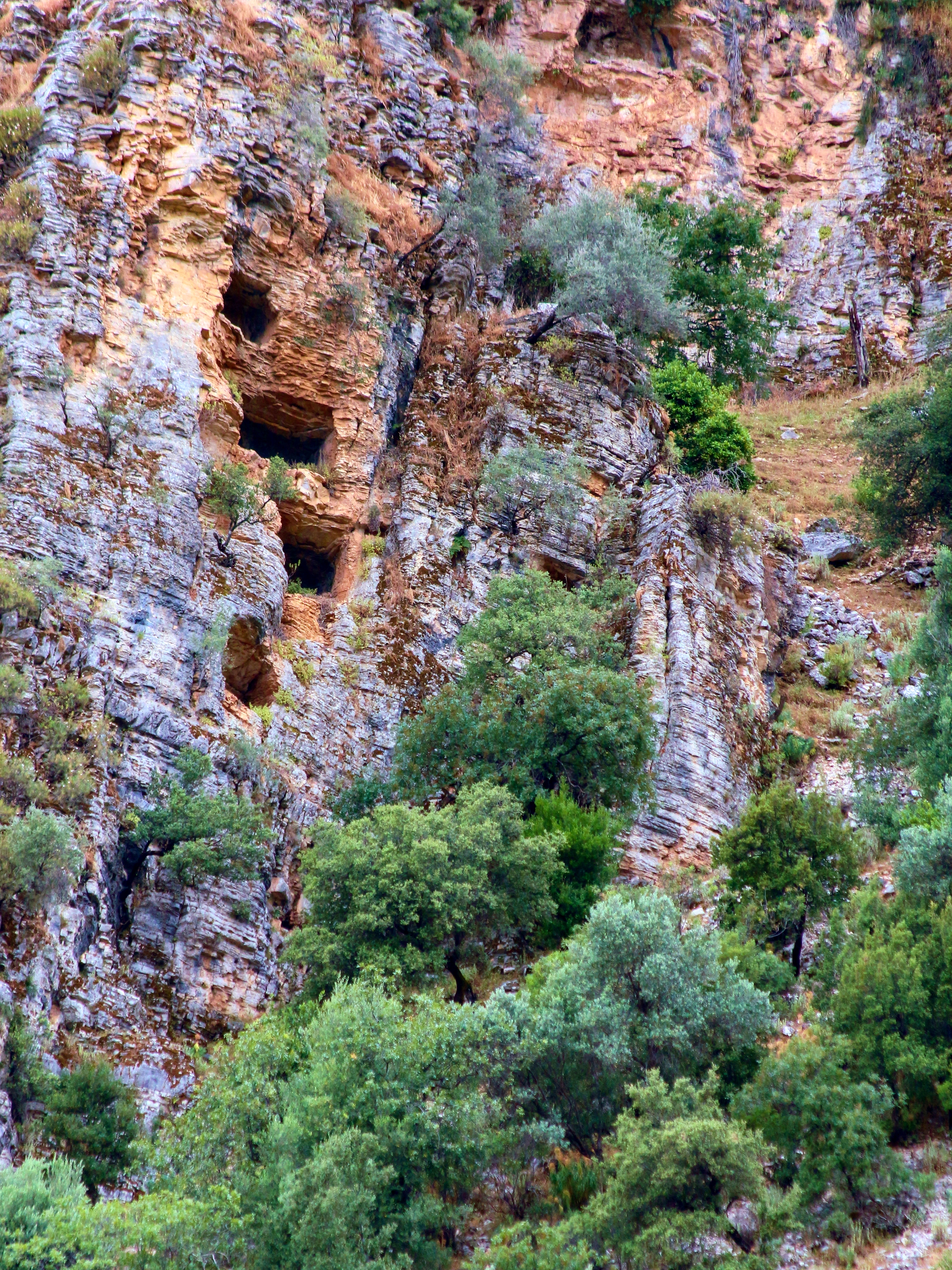
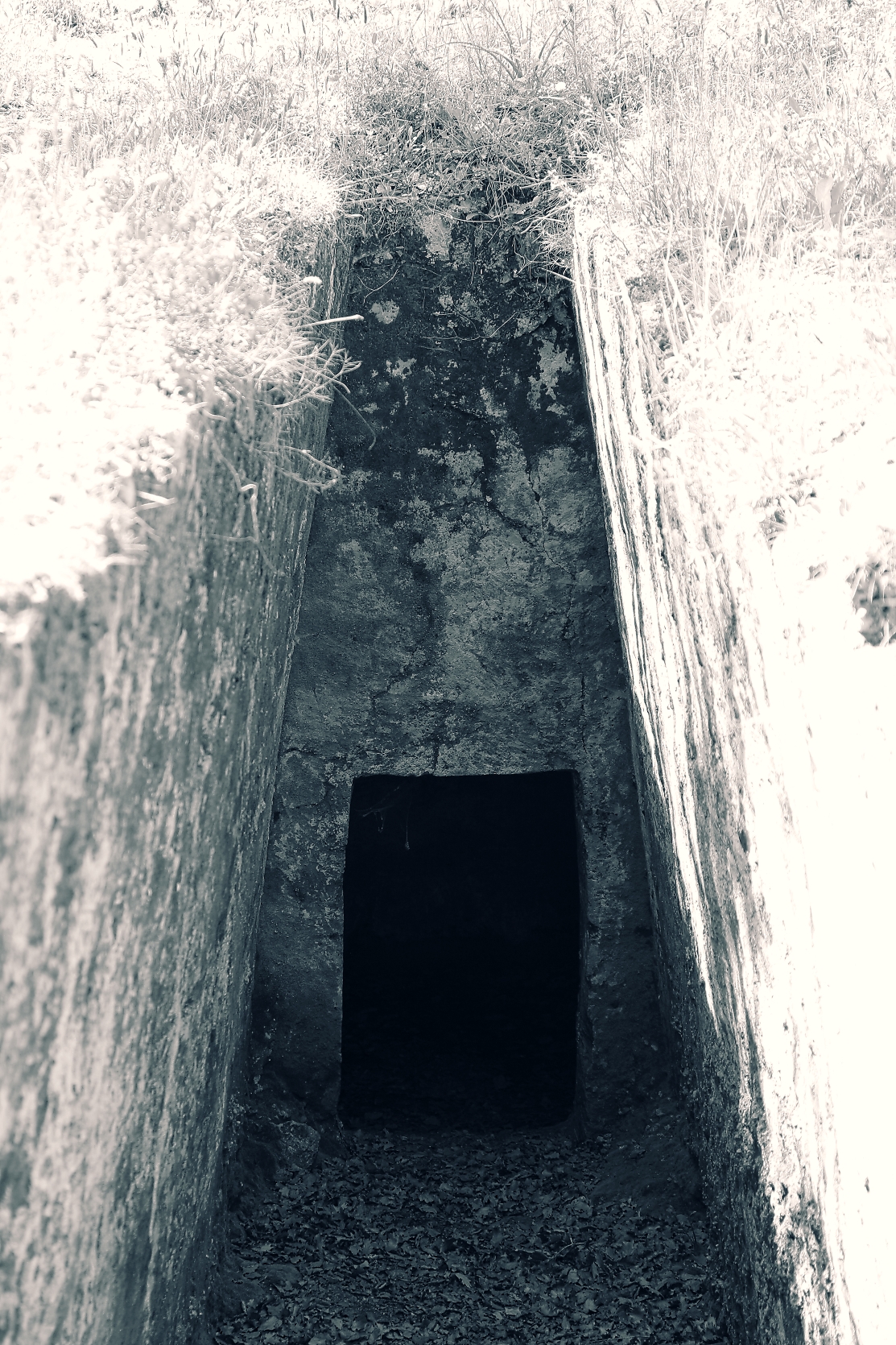
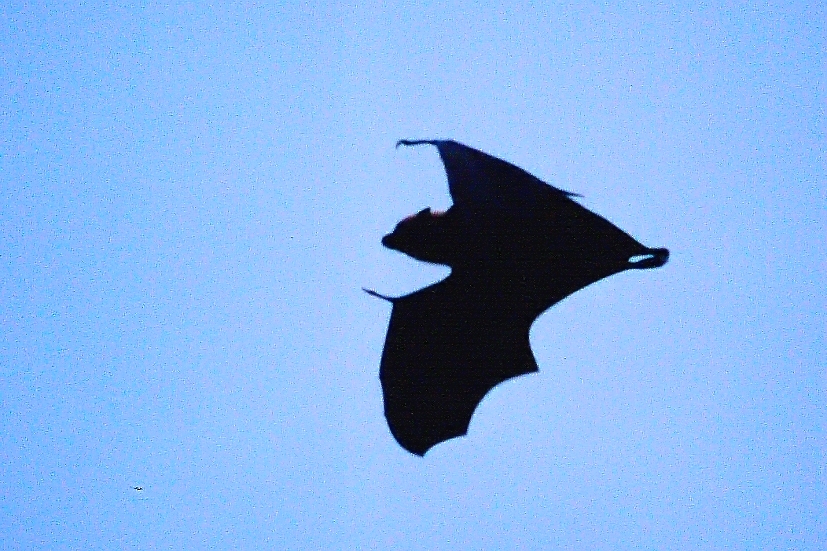
Fav mythology – The Minoan rock tombs on Crete & Lycian cliff tombs in Turkiye appear in Mother Sea. Caves & bats – what’s not to love?

Fav experience – Cretan orchids. Omg, if you’re remotely into flowers, the orchid species crowding the hillsides will give you heart failure.

Five – Seychelles

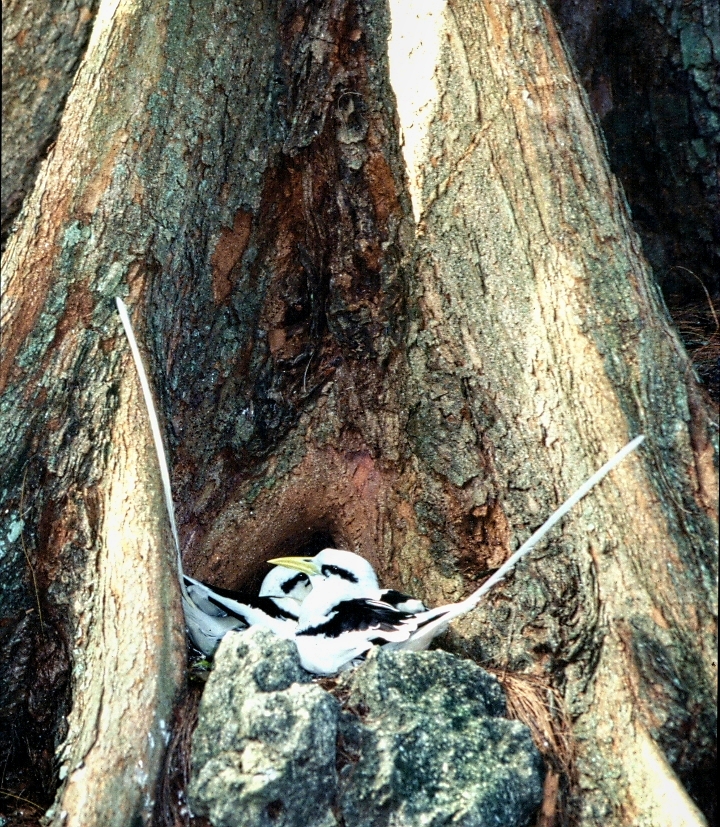
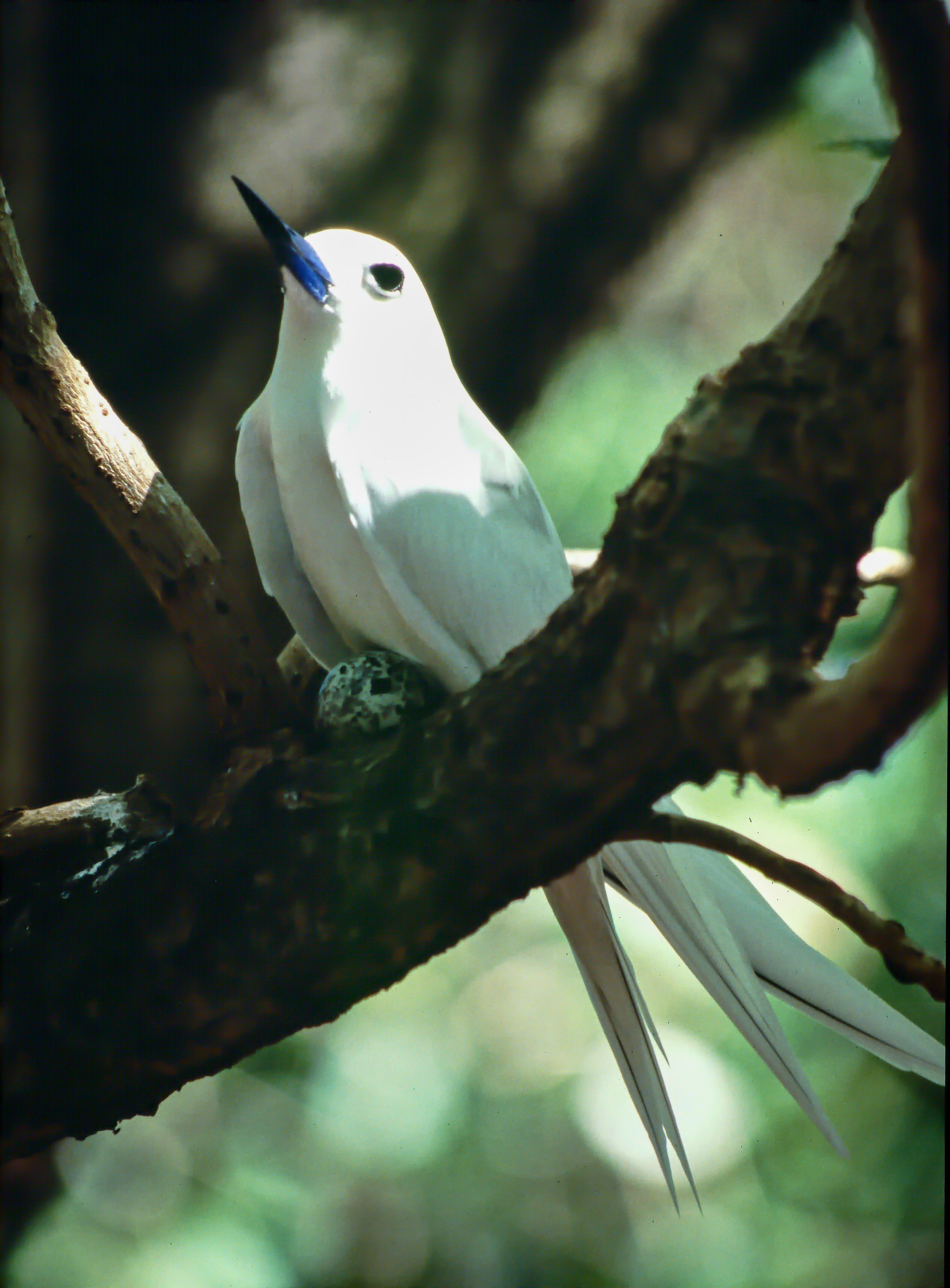
The right ocean at last! These are the closest islands to my fictitious one in Mother Sea, so a lot of the flora & fauna are similar. Seychelles taught me a hard lesson on coral reef damage & restoration, but a beautiful one on Creole language & culture. It also taught me to look beyond the glossy curated tropical paradise images for the murkier truth about the impossible value:cost trade-off of tourism on places and communities like these.

Fav folklore – An eejit Brit in 1800’s decided the coco de mer was the original forbidden fruit because it looks like a bum! And therefore that the Seychelles was the lost garden of Eden. I mean, it’s a definite paradise in some ways, but also, lol.

Fav experience – Meeting giant tortoises? Or giant fruit bats squabbling in the tree above us as we ate our dinner in the dark (hint: Mother Sea may contain bats)

Six – Madagascar

Along with France & South Asia, this is the other origin of my community in Mother Sea, so hints of Malagasy culture fed into the book. This country is a biologist’s dream and heartbreak all in one – the most mindblowing evolutionary wonders alongside some of the most heart-rending poverty and worst habitat destruction I’ve ever seen. For Mother Sea though it gave me ‘tsingy’ landscape (limestone karst) & baobab forests, pirogues & feminism & day geckoes.

Fav folklore – I was told once that bats hang upside down to show their arse to god as revenge for an offence. I cannot remember what the offence was but I love this so much.

Fav experience – An aye-aye there-&-gone in the dark, indri singing in the dawn, being unutterably lucky.

Seven – The Outer Hebrides

Finally to the place where Mother Sea began – with the history of St. Kilda & it’s abandonment. That tale of population decline, of grief and a terrible communal turning-inward because of that grief was the seed that everything else in Mother Sea grew around. And the islands of North & South Uist, Benbecula, Eriskay and Barra were also there to teach me so much about island communities, the persistence of faith, carving a living from the liminal shore.

Fav folklore – The Blue Men of the Minch. They’re blue, they shout poetry slam challenges at ship captains, they raise storms. I love them.

Fav experience – Just the startling, stunning bays – white sand and turquoise water and the steep, watchful dunes. The ruined silhouettes of churches and manor houses on lonely islets, the ghosts of brochs haunting the lochans.

Thank you for coming with me around the world! There are a couple of dozen more islands I read about, stalked online, talked to people about and dreamed of, that all fed into Mother Sea in other ways. But these are (some of) the ones I’ve lived in and loved, and left pieces of myself behind in.

Writing The Difficult Stuff

Mother Sea comes out tomorrow. I am so excited to share this book with you all, and so honoured at the care Fairlight Books have taken with it. I really, really, really hope it resonates with you.

Before it comes out though, I wanted to talk about some of the issues I explore in its pages because if you’ve read my previous blog, you’ll know that when I was writing Mother Sea, I never intended to seek publication. So I went into some places that perhaps I wouldn’t have been brave enough to venture into if I’d been writing with an external audience in the back of my mind.

With hindsight, I am glad that I wrote this book and that others will get to read it. I think it’s important to write the things that scare us as authors, or make us cry as we’re typing, the things that we put off writing for days because we fear them. Writing is, if nothing else, a way to reach out to strangers. It is a way to whisper to someone else, ‘I know how you feel. I feel it too.’ Which is why darker, sadder themes are so powerful, and so pervasive in stories, right? Because that quiet connection, that resonance is both a hand held out in companionship, and also at the same time, a hand held out to guide you through the unfamiliar terrain of someone else’s heart.

So although I think Mother Sea is as much a book about love and resilience as darkness, it does go into some deeply sad places. But my hope is that in doing so it might help someone feel less alone, it might help someone else understand a perspective or an experience in a way they hadn’t before. If it can do that then I will be content.

Aside from the wider themes of climate change and the global injustice of climate impacts, there are two specific events in Mother Sea that were incredibly hard to write. And talking about how I wrote them involves some personal details that are a little scary to put out into the world, so please bear with me. If you want to avoid spoilers please stop reading now, because although I won’t go into plot details, I am going to reference the nature of these two moments.

sepia tinted photo of a ruined chapel and old gravestones behind a low stone wall, taken on North Uist.

.

.

.

.

Okay, still with me?

The first, encountered in the opening few chapters, is some profound suicide ideation by Kit, one of the Point of View characters. His depression and the desire for release drive him to the edge of a cliff. Obviously, he walks away, otherwise that would be the shortest PoV plot thread ever. But writing his thoughts leading up to that moment, and writing some of his journey towards healing afterwards, drew on my own experiences more than I’ve ever really admitted to anyone. That was hard. It was so hard that at one point I realised Kit’s thoughts were bleeding into my own, and I had to put the book aside for several months until I felt able to return to it.

I don’t pretend to understand everyone’s experience of depression, but I understand my own. And I wanted to speak to anyone else who’s lived this terrible, lonely thing, but I also wanted to write accessibly enough for people to empathise with even if they’ve never known depression. Have I achieved that? I don’t know. But I’m glad I wrote the walk to the cliff top, and I’m even gladder I wrote the walking away. 

The second event isn’t something I’ve experienced myself. I wrote the death of a baby. Even typing that sentence makes me feel sick. It’s the worst thing I think I will ever write, and I put off doing the actual scene for weeks. I tried to rejig the plot to avoid it happening, I tried to narrate it from further away, I tried to make it something unspoken. But none of those changes were right. None of them did justice to the truth of the islanders’ situation, and the gravity of the death itself. It’s not gratuitous, it’s not even actually described at all. All you hear is the mother’s breathing change. That’s it. But it still left me wrung out and oddly guilty.

I haven’t experienced the loss of a child. But I have experienced multiple miscarriages, and although I’m not equating those two experiences, my own griefs definitely shaped my desire to tell this story. Because this – the neonatal tetanus epidemic – was the seed that started Mother Sea. It comes from real events on the islands of St. Kilda in Scotland, and reading about that was where this all began. I could not get the thought of those women out of my mind. What it would have felt like to be carrying a child knowing its chances of survival were so slim – how did you guard your heart from that? What would you be willing to do to try to change fate?

I couldn’t write the story of a community’s grief and fear, the story of their fight for hope, and not bear witness to the heart of that – a mother carrying her child, and losing it. I hope I’ve done it justice, I know I feel a kinship with anyone who is carrying the ghosts of their lost children in their arms.

The term ‘book of my heart‘ gets thrown around a lot by writers, doesn’t it? But Mother Sea could never be anything else because I wrote it for my own heart. I wrote it out of both my private griefs, and my wide-open, globe-spanning grief in the face of the climate crisis. And yet ‘What is grief, if not love persevering?’ as Vision said. So it’s just as much about love too, in all its forms from the private to the globe-spanning. Although it started as a very private thing, by the time I was editing I had begun to picture readers other than myself. I began to hope that a story about an island that doesn’t exist might perhaps feel true and precious to strangers. I know how you feel, my islanders whisper from the shade beneath the tamarind trees. I feel it too.

Thank you for reading this abnormally personal blog. I wanted to write about these two things by way of content warning and explanation. I also wanted to say to my readers thank you for venturing with me through such difficult terrain, I hope I carried you through safely to a place of hope.

A photo from North Uist looking out across a lochan with an island fort towards St. Kilda.

Return to main blog page