Folks! I am back from holiday and writing this on a post-hospital rest day but I promise, as per my last post, that by the time this goes out in a couple of weeks I will be firmly back into drafting. Or you have my permission to come kick my arse.
A wee subscriber update: I have reduced my patreon paid tier to £3 a month, because of exchange rates, cost of living crappiness and my baseline guilt levels at offering a paid tier at all! Thank you so much to those of you who have joined Team Orlando over there, your support means a huge amount to me & keeps me motivated writing these things.
Another last minute update: A couple of days ago, the news was announced that The Salt Oracle is a finalist for this year’s Arthur C. Clarke Award! This is HUGE for me, a real aspirational goal and I am so, so delighted (and disbelieving – you’ve no idea how many times I have re-read the email to check). The winner is announced in August, which gives me just enough time to panic about what to wear and plan how to hide in a box under my table for the evening.
Now then, onto this blog’s topic. There was chatter on the interwebs a while back, about the relationship between reviewers and authors, prompted by this interesting and slightly polarising episode of Critical Friends – Strange Horizon’s brilliant podcast on book reviewing. The guests on the show were both debut authors as well as book reviewers, and made a lot of great points about reviews as a form of storytelling in that they are an interpretation of a book, not a concrete and absolute judgement; using reviews to celebrate less visible authors; and also about how good reviews seek to assess what a book is doing, rather than what the reviewer would have done.
But the point they made that triggered a welter of conversation was encapsulated in this statement by Alex Kingsley: ‘I do think that the point of reviews should partially be … a service to the author.’ Thus that reviewers owed it to authors to be aware of the potential career and emotional impact of a bad review, and ought to take the author’s career position into account when reviewing.
This sentiment, reflected on a few times through the episode, got some push back from other reviewers, such as this Bluesky thread & related conversation from Hugo Award winning reviewer Abigail Nussbaum. The general point being that reviews were in service to the reader, and perhaps the reviewer’s own journey of critical thinking within the genre. That leniency was not owed to authors who were debuts or colleagues, but also nor was a negative review a personal attack on the author.
As an outsider to the reviewer space, I agree. But I wanted to talk about it from the perspective of a non-reviewing author who also, perhaps crucially, isn’t a debut.
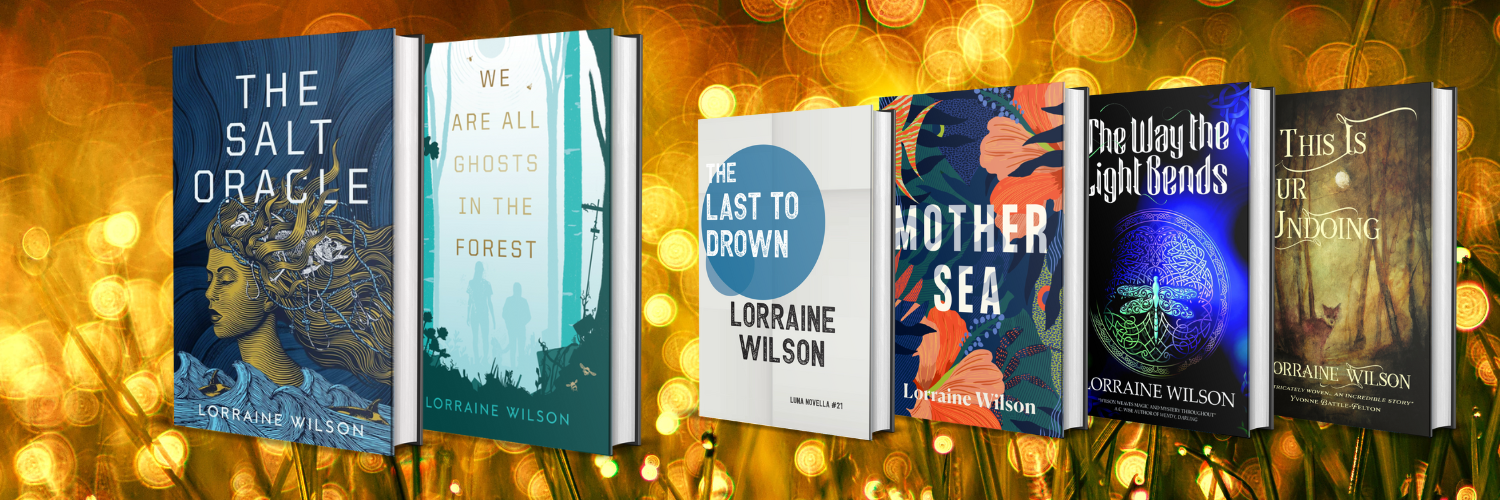
I say this with absolute love, and with the knowledge that this applied to me too back in 2021 when This Is Our Undoing came out…. I think debut authors are rarely best placed to judge what makes a healthy relationship with reviews and critics. I have not yet met a debut author who was able to resist the toxic siren call of reading Goodreads reviews, or trawling for mentions on social media, and then withering into an insecure husk at any shadow of criticism. Debut authors, almost universally in my experience, feel far more strongly invested in every flicker of reader reaction than they will once their second, third, etc, books are out. Because they feel 100% invested in that book alone, in a way that’s simply not possible once you have a backlist & 6 ongoing projects in the mix. Also because they’re still learning how to navigate publishing as an author, and how to conserve their emotional energy for the things that can be controlled. It’s entirely understandable to cleave tightly to reader feedback, we all do it, but it continues to be a profoundly terrible idea.
The debut:reviewers on the podcast were insightful and interesting to listen to, and the episode was focused on debut authors so their particular perspective was valuable. But being debuts, I feel like the professed belief that critics owe a duty of care to authors is perhaps not a belief representative of authors as a whole.
So as a non-debut husk of an author, who read all her reviews for her debut (some of them bad) & now doesn’t read any reviews unless maybe if they’re flagged as positive… what do I think the relationship is between reviewers and authors?
First some things what I ‘ave learnt:
- Reviews are not personal.
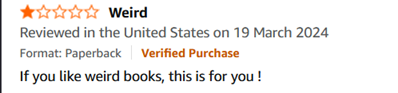
- The odd 1 or 2 star rating on Goodreads is not worth crying over.*
- No single review – even in the big newspapers – is enough to make or break a book. (Even the Bigolas Dickolas phenomenon built on an already successful and beloved book, and was anyway one of those stochastic and therefore irrepeatable sychronicities which will never happen again, much to every marketing departments’ chagrin.)
- Not reading your reviews is blissful actually.
- But also, there is nothing so lovely as reading a review that thoughtfully analyses your book, gets what you were trying to do, and teases out hidden threads you hoped someone would spot/didn’t realise you’d put in there at all. Reviewers rock.
[*Talking about reviews in this article, I actually don’t mean Goodreads reviews which are too varied in depth to count (look at me being polite about the ‘it has gay/brown/disabled people in, 1 star’ eejits). I mean instead book critics for media outlets like Locus, Reactor, New Scientist, and newspapers, or individual book bloggers.]
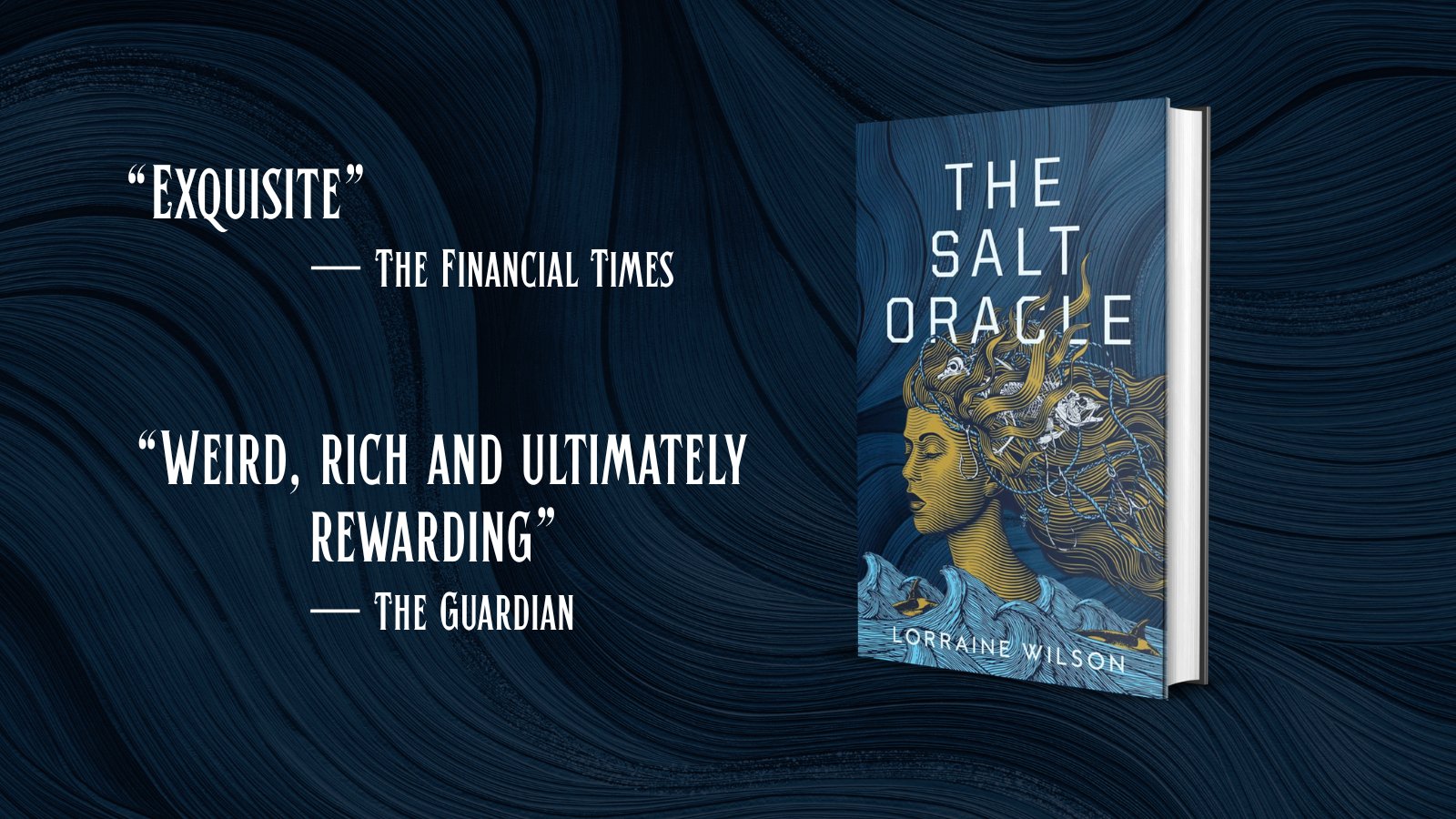
I have become friends with several of the amazing folk who’ve reviewed my books, and I feel incredibly lucky to have such interesting and interested people in my community. I love that people wish to share their thoughtful dissections of the books they read, and I hugely respect the work involved in doing so.
HOWMSOEVER, not even these reviewer-friends owe me a good review. I admit I live in fear of the day I disappoint some of the reviewers who’ve championed me for so long, but still they don’t owe me. I admit too that my career is looking fragile right now, my books haven’t had big publicity spends, and I’m not the kind of face that publishing likes to pedestal, so I desperately hope for good reviews to grant me a little word of mouth traction… but I am not owed those reviews.
In fact, a misleadingly positive review, written out of kindness or loyalty, might even backfire on both myself and the reviewer if readers pick the book up expecting something it doesn’t deliver. A healthy reviewing landscape is good for authors because it is a vital part of the magic word of mouth engine, but that very healthiness depends on reviewers being honest to their particular tastes. It’s that honesty that makes reviews a trustworthy avenue for readers to discover new-to-them books. I need reviewers to serve their readers and their own exploratory thinking, because that is what builds a network of conversations where word of mouth can happen. I hope for reviewers who read beyond the hyped-up headliners, are aware of their own lenses, willing to engage thoughtfully, and unwilling to fall into the clickbait trash-talk online discourse trap.
In my opinion then, the review ecosystem as a whole serves two functions – as a word of mouth engine that helps readers discover books and expand their reading, and as part of wider conversations about trends, issues and collective thinking within the genre space. The former is beneficial to me the author in supporting a healthy reading community, the latter in enriching the cultural dialogue I get to be part of. Neither of those benefits are dependent on my books getting inflatedly positive reviews because the reviewer didn’t want to hurt my feelings or damage my career.
Reviews specifically about my books benefit me by boosting the visibility of that book & bringing it into the community conversation. It’s a vital thing, and reviewers are a godsend particularly for smaller authors. And yes, positive reviews will surely boost our books more. (Although negative or so-so reviews can still point a book to its target readers very successfully.) But the reviewer’s duty of care towards me extends only to the limit of common decency – not being an arse, and actually reading the book before judging it (and, because these are the times we live in, not using chatgpt to barf out some glossy drivel and calling that a ‘review’).
…This is the bit where my inner crone shows herself…
Because the thing is, we authors are grown adults. Negative reviews are inevitable, nay even healthy because no book is for everyone and that’s exactly as it should be. Does that make them fun to read? No, not usually. But we are responsible for our own feelings, and we are responsible for learning the blocking-Goodreads-coping-mechanisms that allow us to keep our creativity alive. When (not if, because we’re eejits) we seek out reviews and end up reading a negative one, that is wholly on us. So it is also on us to remind ourselves some less-than-stellar reviews are an inevitable part of the healthy reviewing ecosystem we depend on.
(I am refusing to discuss reviewers who tag us in negative reviews, which yes has happened to me – it’s incredibly bad manners, and thus their opinions don’t matter.)
If in our own minds, we grant critics the power not just to upset us, but to actually harm our creativity, we are giving someone a knife and asking them to poke us with it. We are giving them a power over us that we should instead hold onto. Yes, book reviews matter. They are absolutely important, but my career is better served by letting reviewers do their thing to their best ability, while I leave them to it and get on with doing my thing to the best of my ability.
The podcast conversation that sparked the ensuing debates online was interesting and the concerns of the debut authors on it entirely understandable. But I just wanted to put another perspective out there – that in fact reviewers feeling beholden to authors is detrimental to the genre community and to the readership, and thus in turn harmful to us authors. So we need honesty, thoughtfulness and a diversity of perspectives from our reviews, because that way all of us get to be part of a stronger bookish landscape.
Thank you as always for your support. Because accessibility in publishing is important to me, I keep all my craft and publishing posts free, so any shares or tips are greatly appreciated. Wishing you a fabulous weekend.
Discover more from Shadows on Water
Subscribe to get the latest posts sent to your email.

Pingback: Strange Horizons - Critical Friends Episode 25: Reading Queerly By Dean Leetal, By William Shaw, By Dan Hartland