Tag Archives: Writing Craft

Writing The Difficult Stuff

Mother Sea comes out tomorrow. I am so excited to share this book with you all, and so honoured at the care Fairlight Books have taken with it. I really, really, really hope it resonates with you.

Before it comes out though, I wanted to talk about some of the issues I explore in its pages because if you’ve read my previous blog, you’ll know that when I was writing Mother Sea, I never intended to seek publication. So I went into some places that perhaps I wouldn’t have been brave enough to venture into if I’d been writing with an external audience in the back of my mind.

With hindsight, I am glad that I wrote this book and that others will get to read it. I think it’s important to write the things that scare us as authors, or make us cry as we’re typing, the things that we put off writing for days because we fear them. Writing is, if nothing else, a way to reach out to strangers. It is a way to whisper to someone else, ‘I know how you feel. I feel it too.’ Which is why darker, sadder themes are so powerful, and so pervasive in stories, right? Because that quiet connection, that resonance is both a hand held out in companionship, and also at the same time, a hand held out to guide you through the unfamiliar terrain of someone else’s heart.

So although I think Mother Sea is as much a book about love and resilience as darkness, it does go into some deeply sad places. But my hope is that in doing so it might help someone feel less alone, it might help someone else understand a perspective or an experience in a way they hadn’t before. If it can do that then I will be content.

Aside from the wider themes of climate change and the global injustice of climate impacts, there are two specific events in Mother Sea that were incredibly hard to write. And talking about how I wrote them involves some personal details that are a little scary to put out into the world, so please bear with me. If you want to avoid spoilers please stop reading now, because although I won’t go into plot details, I am going to reference the nature of these two moments.
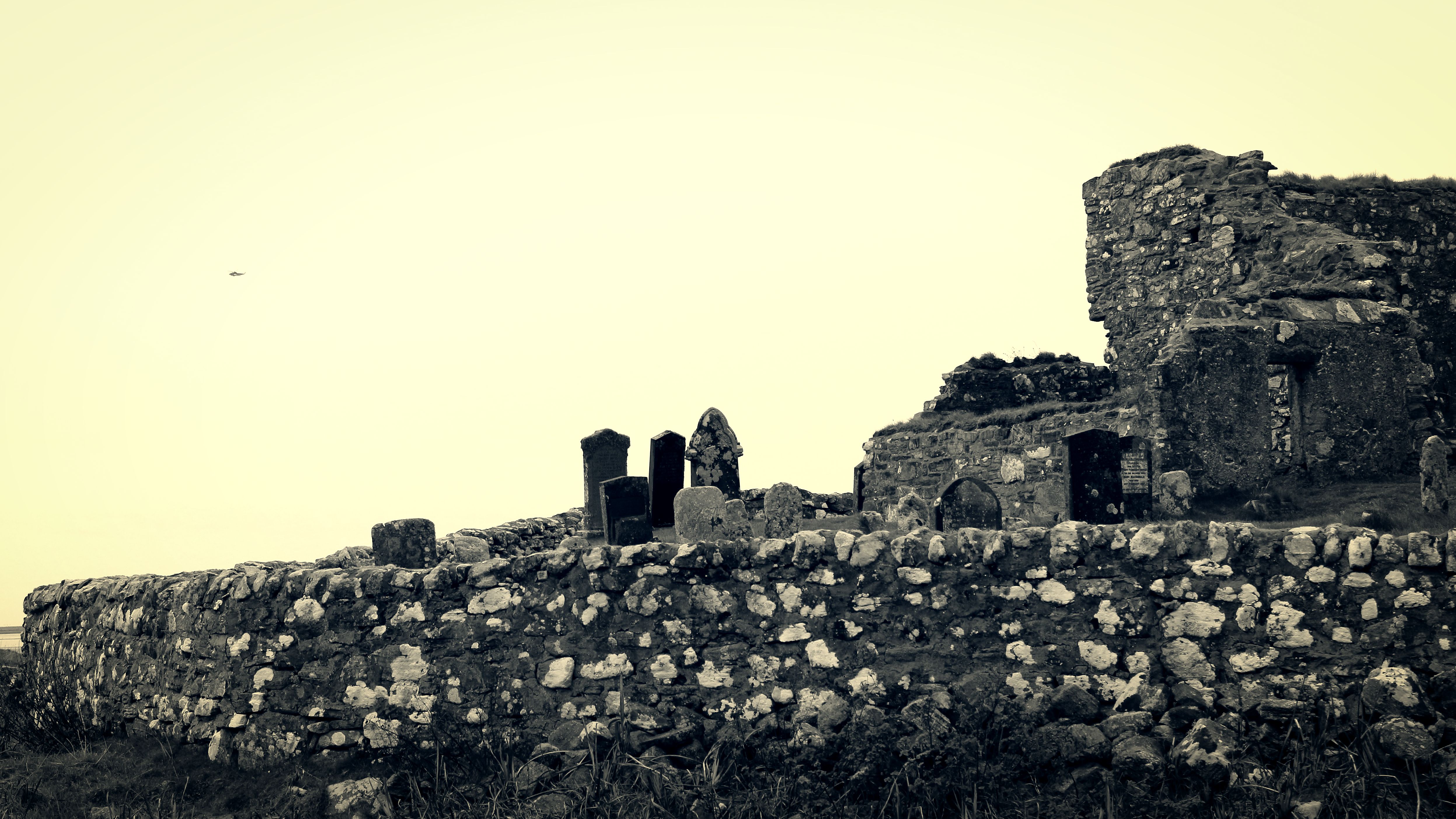
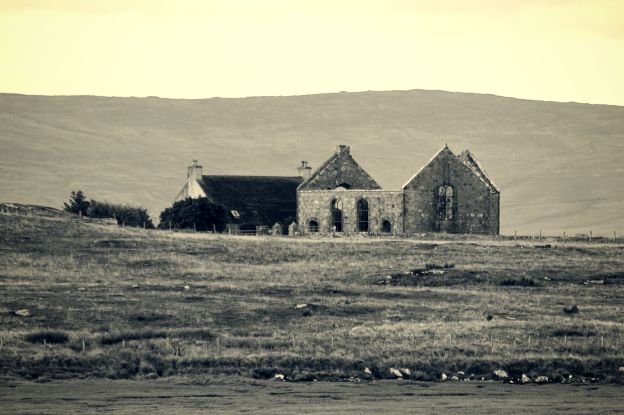
sepia tinted photo of a ruined chapel and old gravestones behind a low stone wall, taken on North Uist.

.

.

.

.

Okay, still with me?

The first, encountered in the opening few chapters, is some profound suicide ideation by Kit, one of the Point of View characters. His depression and the desire for release drive him to the edge of a cliff. Obviously, he walks away, otherwise that would be the shortest PoV plot thread ever. But writing his thoughts leading up to that moment, and writing some of his journey towards healing afterwards, drew on my own experiences more than I’ve ever really admitted to anyone. That was hard. It was so hard that at one point I realised Kit’s thoughts were bleeding into my own, and I had to put the book aside for several months until I felt able to return to it.

I don’t pretend to understand everyone’s experience of depression, but I understand my own. And I wanted to speak to anyone else who’s lived this terrible, lonely thing, but I also wanted to write accessibly enough for people to empathise with even if they’ve never known depression. Have I achieved that? I don’t know. But I’m glad I wrote the walk to the cliff top, and I’m even gladder I wrote the walking away. 

The second event isn’t something I’ve experienced myself. I wrote the death of a baby. Even typing that sentence makes me feel sick. It’s the worst thing I think I will ever write, and I put off doing the actual scene for weeks. I tried to rejig the plot to avoid it happening, I tried to narrate it from further away, I tried to make it something unspoken. But none of those changes were right. None of them did justice to the truth of the islanders’ situation, and the gravity of the death itself. It’s not gratuitous, it’s not even actually described at all. All you hear is the mother’s breathing change. That’s it. But it still left me wrung out and oddly guilty.

I haven’t experienced the loss of a child. But I have experienced multiple miscarriages, and although I’m not equating those two experiences, my own griefs definitely shaped my desire to tell this story. Because this – the neonatal tetanus epidemic – was the seed that started Mother Sea. It comes from real events on the islands of St. Kilda in Scotland, and reading about that was where this all began. I could not get the thought of those women out of my mind. What it would have felt like to be carrying a child knowing its chances of survival were so slim – how did you guard your heart from that? What would you be willing to do to try to change fate?

I couldn’t write the story of a community’s grief and fear, the story of their fight for hope, and not bear witness to the heart of that – a mother carrying her child, and losing it. I hope I’ve done it justice, I know I feel a kinship with anyone who is carrying the ghosts of their lost children in their arms.

The term ‘book of my heart‘ gets thrown around a lot by writers, doesn’t it? But Mother Sea could never be anything else because I wrote it for my own heart. I wrote it out of both my private griefs, and my wide-open, globe-spanning grief in the face of the climate crisis. And yet ‘What is grief, if not love persevering?’ as Vision said. So it’s just as much about love too, in all its forms from the private to the globe-spanning. Although it started as a very private thing, by the time I was editing I had begun to picture readers other than myself. I began to hope that a story about an island that doesn’t exist might perhaps feel true and precious to strangers. I know how you feel, my islanders whisper from the shade beneath the tamarind trees. I feel it too.

Thank you for reading this abnormally personal blog. I wanted to write about these two things by way of content warning and explanation. I also wanted to say to my readers thank you for venturing with me through such difficult terrain, I hope I carried you through safely to a place of hope.
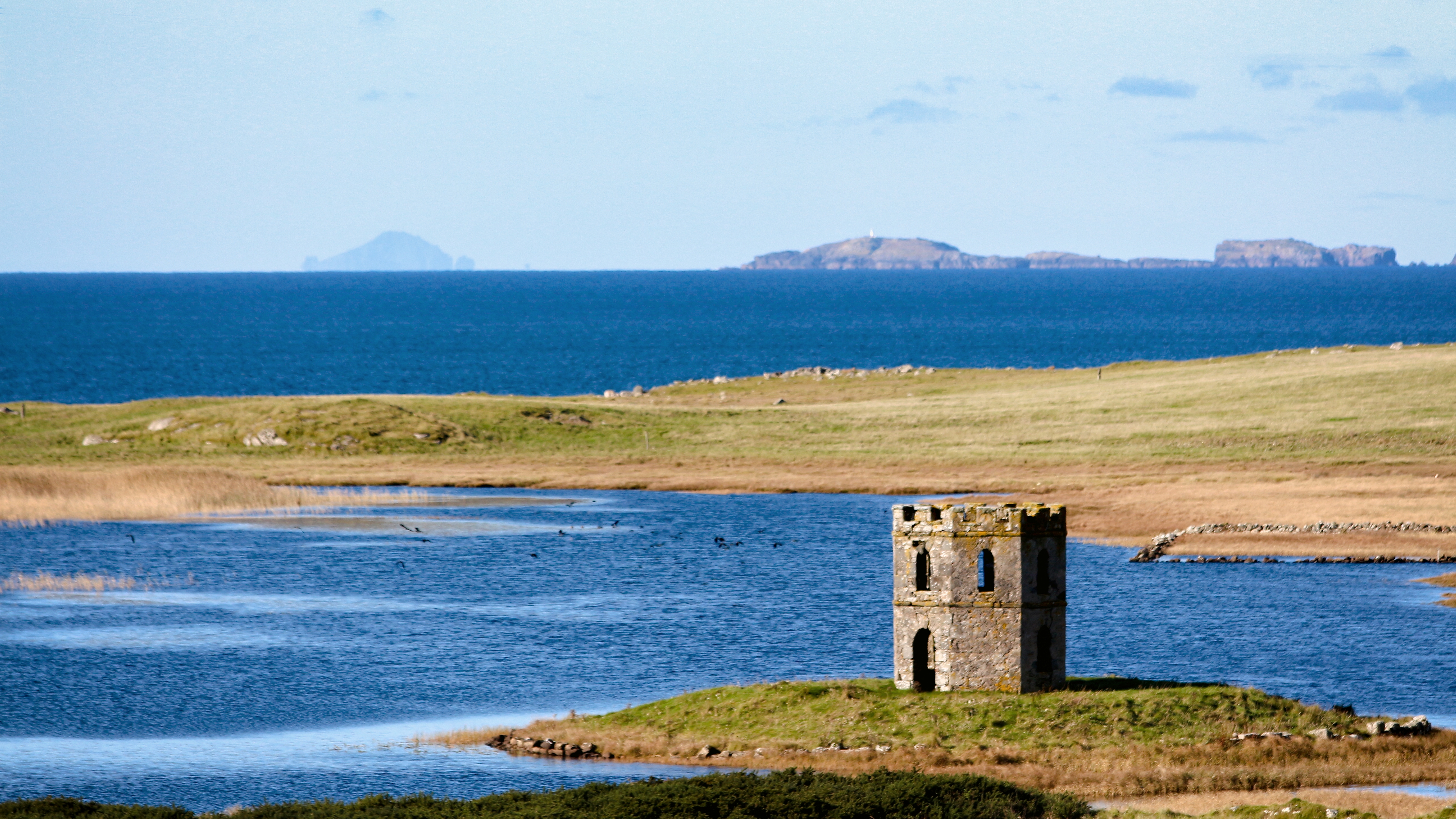
A photo from North Uist looking out across a lochan with an island fort towards St. Kilda.

Return to main blog page

The Road To Publication

Recent online conversations about debut expectations versus the long haul of being an author made me realise that I never wrote my version of this blog. People normally write them on signing with their agent, or when their debut releases, don’t they? Well, how about on publishing their third book & announcing their fourth? Perfect time, right?

Two disadvantages of waiting till now is a) that it’s a looooooong post, and b) I can’t be sure of exact numbers. I’m as accurate as possible, because I know how good it is to see the data rather than just the ‘keep going, you haven’t failed until you stop trying’ sentiment (which I have OPINIONS on btw).

Okay, so a For The Record disclaimer: As you may know I turned to writing when I became too ill to carry on in my job as a research scientist, therefore I have no formal learning or qualifications in creative writing. I ­have done a couple of short, online courses with Jericho Writers and Writing The Other & as many workshops as I could logistically & financially access. ALL my submissions were via the slushpile (and all in the UK fwiw). I started out with no contacts in publishing or writing, and even less understanding of how it all worked, but in my first few years I attended the York Festival of Writing three times. I also managed to access agent 1:1s on two other occasions. Thassit. That’s the extent of my shortcuts and privilege, because yes those things do affect your route to publication and it’s naïve to pretend they don’t.

TL:DR cumulative stats: 13 queries (agents only) over 2 books to 1st agent offer. 81 queries (agents & small presses) over 4 books to 1st book published. 136 queries (agents & small presses) over 5 books to 2nd agent offer.

Full deets, cos it’s a lot more complicated than that sounds … are you sitting comfortably?

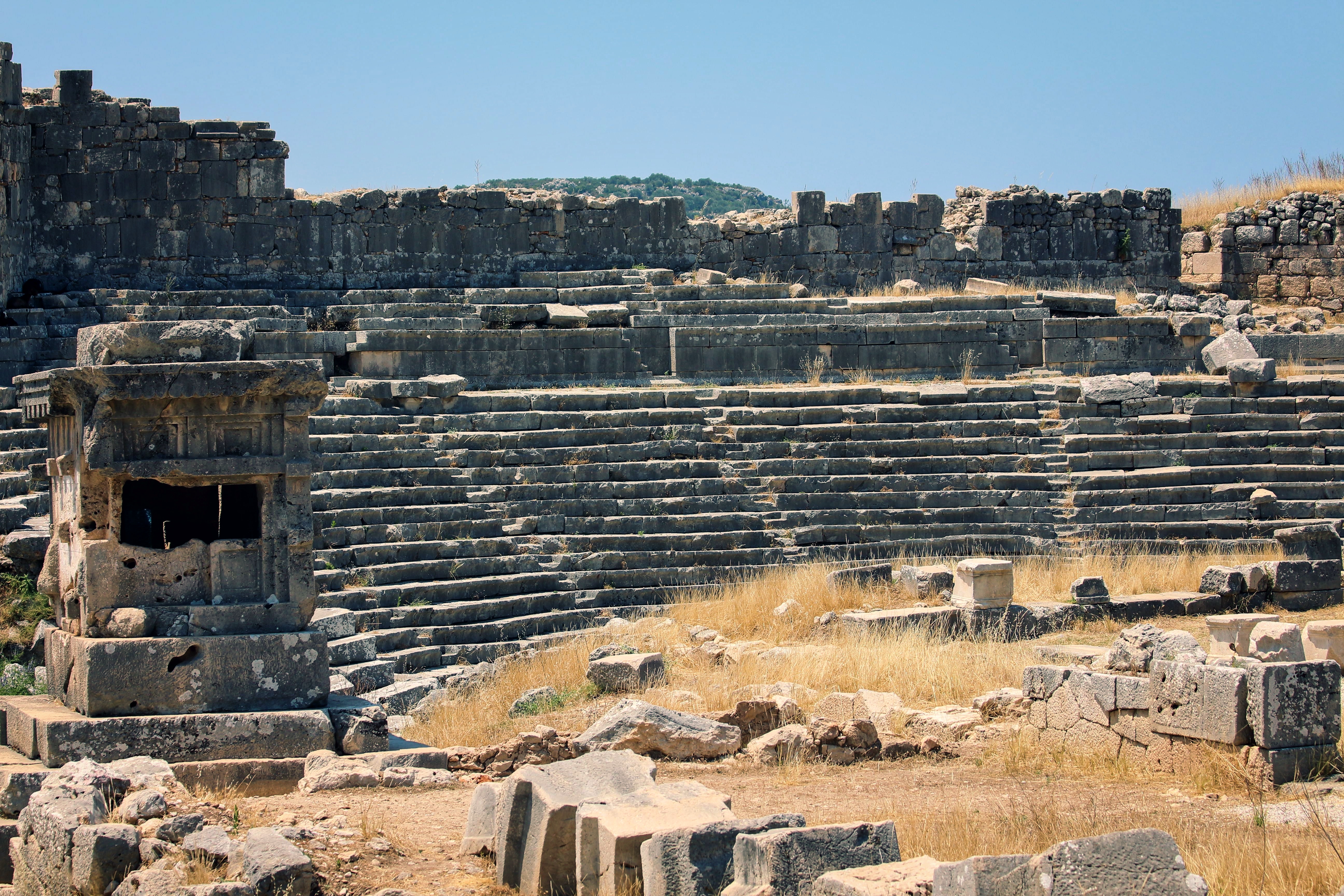
photo of a ruined roman amphitheatre in Turkiye

2014            Wrote a fantasy epic, first in a trilogy.

2015                     Because I was a fool and knew nothing, I queried the godawful thing to a handful (~12 agents, to whom – sorry!). I got two personalised rejections, a bunch of forms and perhaps one ghosting. Meanwhile, I wrote the 2nd in the trilogy and simultaneously realised that Book1 was not remotely publishable. I decided to treat Book2 as a test run for applying the skills I’d learned whilst mangling Book1.

2016                     Started writing a whole new book (Book3). A contemporary Scottish witchy fabulist thing that felt like my first ‘real’ book. In that I kinda knew what I was doing this time and the end result was fully my own thing rather than a derivative mess!

2017                     Subbed Book3 to one agent – a very new agent at an established agency who’d been recommended to me at York. She offered, I accepted, it went through minor revisions and went out on sub to around 10 editors. It got some lovely feedback, but no takers. Four months into this, my agent left publishing. Reading between the lines, I think she was not supported at her agency, and so I really felt for her. It was a huge blow though, lmty. I had no idea at that point how common it is for writers to lose agents for any of several reasons so this felt like a moment of utter failure even though it was nothing directly to do with me, or my book.

Whilst on sub, I’d been writing Book4, and my agent had raved about its premise. Book3 was dead – no agent would be interested in a book that had already gone out on sub. So I pulled my big girl pants up, and got Book4 ready for querying…

2018                     I sent Book4 to about 45 agents and 15 small presses over the course of around 18 months. Of those, I had a roughly 50% full request rate from agents, and 30% from small presses. Good huh? Of those full requests, only 1 agent ghosted me (times have changed I believe ☹), most got back within 2 months. The small presses were generally much slower (and much ruder, in a couple of instances!). From all these fulls, I ended up with two offers of publication from small presses. I went with the one whose brand seemed a better fit for the book. They were small, but reputable, award-winning, and strongly recommended by one of those full-requesting agents. That agent believed in them so much he even stepped in to help me negotiate a couple of contract terms. Fab. Yay. I was gonna be a published author! I didn’t mind going small press rather than agent by that point as I just wanted to make that first step on the journey, and I liked the feel of the small press scene.

Yeah, no. After agreeing contract terms, the publishers pulled out.

2019                     By this time I had Book5 finished and waiting,and had started on another one. But I lost heart with the nascent one and very nearly didn’t bother submitting Book5. Book4 had come so close both with agents and then with the publishing deal. After losing my agent, this had felt so hopeful and for it to come to nothing … I just didn’t really see the point in trying again. My skin was not thick enough and my belief in my writing was crushed. The mental cost of the cumulative rejections and knock backs was having an impact on my physical health, and I needed to step away. I decided I would write for private fulfilment not for publication, and started writing a new, deeply personal book, never intending to share it.

BUT Book5 was just sitting there. I figured I’d lose nothing by trying one last time, but this time I was going to be canny. I queried a handful of agents and small presses (excluding the one above!) to test the water.

Of those 6 agents, I got 1 full and 1 R&R; of 4 small presses, I also got 1 full which lead to an R&R.

The R&R from the publisher was a biggie. And to be honest I wasn’t sure I could pull it off, as it meant a complete re-write. But I figured it would be a good test of my skill, if nothing else, and I was kinda curious about whether the editor’s instincts were right.

They were. The edited book was much better. I went back to that publisher with it, but they’d stopped acquiring books. Ugh. Well, I had a stronger manuscript and had promised myself I’d give this book its best shot before calling it a day. So I pulled together a list of indie presses. You’d think I’d have been put off them by now, but all of my communications with agents had taught me that my form of literary-ish genre-blending work can be a difficult sell to agents looking for neatly packageable stories. Plus I still believed (believe) that a lot of the most innovative, diverse storytelling is happening with small presses, so I wanted to trust that there were good, reliable people out there. Somewhere.

2020                     GLOBAL PANINI! In between homeschooling v.1 & general panini chaos, I sent Book5 back out to a small batch of small presses (~8). And got, relatively quickly, 2 fulls and an offer.

That offer was with Luna Press, a very small Scottish indie press with an incredibly global list of authors. After speaking to Francesca I knew immediately that this was a press I wanted to work with. The book was This Is Our Undoing.

I also wrote the first chaotic halves of two books (umm… 7&8). Thank you, pandemic stress cognition decline.

2021                     GLOBAL PANINI! This Is Our Undoing came out with Luna Press. I showed Francesca that near-miss Book4, braced for rejection yet again, but she loved it. I signed a contract for The Way The Light Bends and the bruises left by my prior experience began to fade. With my confidence in myself, my writing, and the publishing industry at least a little rejuvenated, I started thinking about querying that deeply personal Book6. It was a terrifying thought, if I’m honest, and took a while to build up to. In between homeschooling v.2, the debut rollercoaster, dredging up querying courage, and other general mayhem, I finished Book7.

Then I started querying Book6.

This time I sent out larger batches than before. Rough counts were, in two batches, 40 agents and 15 small presses. Of those, I had received ~ 8 fulls when I received an offer of publication from a lovely medium-sized indie press with a very literary, friendly, thoughtful vibe. On chasing outstanding queries I had a couple of lovely chats with agents and another publisher, and an offer of representation from an agent who seemed to genuinely get my writing, my health limitations, and who was demonstrably supporting marginalised authors in his work.

I signed with Robbie Guillory at Underline Literary Agency in late 2021, and signed with Fairlight Books for Mother Sea shortly after. My sad, angry, deeply heartfelt story that I wrote thinking its only readers would be my mum and sister, was going to be published.

2022                     GLOBAL PANINI + BOOK AWARDS. Amazingly, given the small reach associated with a small publisher, Undoing was finalist and winner of several awards. I also won an award for my short fiction. The Way The Light Bends published, Mother Sea was in the works & I had survived an entire year as a published author without coming apart at the seams. Oh yes! Onward! Riding this wave of not being entirely broken, I finished Book8 (Book7 is shelved). And applied for a Creative Scotland grant to fund a return to that nascent book that I abandoned in 2019 mid-despair.

I also wrote a novella.

Book8 went on sub in the Autumn. On the same day that I underwent long-awaited surgery for my endometriosis that ended up being way more complicated than anticipated and from which I am still recovering 7 months on. Note of advice, major health upheavals and being on sub are not a combination conducive to creativity or mental fortitude. Avoid at all costs.

2023                     My 6th written book – 3rd published book – is coming out in less than 3 weeks.

I signed with my beloved Luna Press for my novella, coming out next year.

I was awarded the Creative Scotland grant and have just finished the 1st draft of nascent/abandoned book. So in 10 years that’s: 1 novella & 9 novels – 2 binned, 2 shelved, 3 published, 1 drafted and 1 on sub…

Despite the real-life hellishness going on, there is more good news coming. I’m steadily building my reach and publisher-appeal and this feels whilst not remotely guaranteed, at least a sustainable and hopeful trajectory. I’m not sure what the next few years will hold, but from being on the very brink of giving up 4 years ago, it’s surreal to sit here with a stack of my own books beside me, knowing I will be publishing more. That’s a startling, wonderful thing. The road does not get smoother, but it does perhaps get less steep.

…Lol, I did warn you it was long!! I do want to note that the rates of query full requests, and of ghosting both initials and fulls have changed drastically over the years, so please bear that in mind. Publishing is understaffed and creaking, and that hits writers in the trenches hard. Whoever you are, and however many manuscripts you have yeeted into the querying void, I am cheering you on. It takes a horrible combination of vulnerability and steeliness to weather this game – you’re all epic.

photo of standing columns of a grecian ruin on Cyprus, mountains in the background, the statue of some dude looking resigned and weary.

return to main blog page

Submission, Silence & Survival

So I’m ‘on submission’ at the moment. The joy! In case that phrase is unfamiliar (and perhaps faintly nsfw-sounding), it is when an agent has sent their client’s book out to editors and they are waiting to hear back. It is, traditionally, a time of silence and secrecy. We aren’t supposed to talk about being ‘on sub’ too much, and we aren’t supposed to talk about (or to) the editors we’re waiting on. This is so we avoid sounding defeatist & potentially undermining our book’s chances, and also so we aren’t breaching confidentiality. Which is all very logical and businesslike.

BUT. It also means that being on sub is a cold and lonely place.

Publishing is renowned for moving glacially 95% of the time and at the speed of light the other 5%, but over the last couple of years a combination of pandemic, staffing instability and workload increases have seen the submission process move from glacial to tectonic. Some books still sell super fast, and that is awesome. Most are selling much more slowly, which means us authors (and agents) are lingering in the submission abyssal plain for months, in some cases years.

Which is not exactly oodles of fun, let’s be honest. So I figured it might be useful to those of you approaching this stage to have someone talk about the process and how to survive it. I’m also currently far enough in to Have Opinions, but still near enough to the start that I’m a) mostly sane, and b) more or less optimistic.

black and white photo of some arching stems of pale campanula flowers against a dark background

So…

The Process. This will vary between genres, agents and the particulars of your relationship with your agent. But in general, once your book is ready your agent will pull together a list of editors at different publishing houses/imprints who are a good fit for your book. Hopefully your agent will pre-pitch the book to a good few of these editors, testing the water and seeding interest informally so that when your submission lands, it catches their eye. Once pitch is perfect & the emails are gone, the waiting begins. *doom laden drumbeat* Your agent will likely nudge editors at intervals – some do this more often than others. In the current climate I think the pre-pitching and the nudging skills are probably becoming more and more significant in getting timely reads, but *shrug* who knows? Your agent will likely also have a second batch of editors in mind if the first batch do not work out.

The Responses. These can take multiple forms. Ideally, obviously, you’ll get an almost immediate pre-empt or bunch of offers that trigger an auction, drama, excitement and cake. More likely, you will get some of these: 1. The rejection – which usually contains a little bit of feedback about reasons, but these are as subjective as any feedback so be prepared for contradictory comments and the ensuing frustration. 2. The initial maybe – this is where that individual editor liked it but needs to take it to others in their team, or to a full acquisition meeting with marketing & publicity before offering. 3. The offer – hurrah. Which your agent will then use to chase other editors & hopefully cue multiple offers, excitement and cake.

The Survival Toolkit. Okay so how do we endure the waiting without spiralling into a catatonic loop of refreshing your inbox, self-doubt, and really really not getting any actual writing done godammit? Here are some things to try out…

black and white photo of a globe thistle head from above, pale against a shadowy ground, the outer whorl of spikes forming a circle
  • Structure your communications. Some people like to set a day of the week for their agent to email them an update, so they can forget about their inbox for the rest of the time. Some of us (hi) would rather just get those random emails at any time. Some people need a monthly live chat with their agent to ask all the questions & get some perspective. Some are happy with emails. Talk it through with your agent if you want to try structuring communications in a way that fits your brain. They won’t know what suits you unless you tell them, and they will want you to stay sane, so do tell them if something they are doing isn’t working.
  • Give your agent information. Spoke to an editor at a convention last year? Got shortlisted for an award? Been awarded a residency? Tell your agent, it can be useful both when drafting the pitch letter and in making those ‘nudge’ emails a little more eye-catching.
  • Form a secret cabal. Honestly, this is probably THE MOST IMPORTANT SURVIVAL TIP. Find a writer friend or two who is also on sub or there abouts and designate them your safe wailing space. Keep it private, you’re a professional. But have those wails, you’re also human. These people will stop you chewing your own arm off, or at least be someone to compare chewed stumps with. Okay that metaphor got icky, sorry.
  • Ask questions. Whether this is of your agent, your secret cabal or other writers. This is a big unfamiliar territory of horrible unknowns – it’s absolutely okay to want information, and honestly, that’s what your agent is there for (aside from, you know, actual agenting stuff). You’re also allowed to have opinions – if you want to try X editor over Y, or not sub to a particular place For Reasons, talk it through.
  • Try to be realistic. I know it’s tempting to think you’re the exception, because someone gets to be the exception so why not you? But the chances are you aren’t going to hear anything for weeks, more likely months right now. This is a long haul at the moment, so structure your expectations appropriately. Force yourself to focus on something else, whether that’s drafting or editing another book, short stories, blogs (lol, it me), or learning to skydive. When (yes, when – we have faith) you get an offer, you might get developmental edits thrown at you fast, so it would be useful to be progressing other projects before then. But that said…
  • Be kind to yourself. The constant background hum of being on sub is taxing on the brain and body, especially if like me your body is rather fried to start with. So while it’s important to keep moving writing-wise (and physically, get up and stretch. Have a boogie) (who says boogie anymore, Raine, ffs. I am An Old), it’s also important to be flexible and realistic about your targets so you don’t stress yourself out unnecessarily.
  • Try not to stalk the editors on Twitter. But also, stalk them on Twitter. Keep an eye out for their MSWL posts, new job announcements etc, & let your agent know if it seems like it might be relevant to your sub (Twitter is a mess & your agent is busy, they might not see it). But don’t expect eds to tweet about this amazing sub they’re reading & omg it’s just like yours, they don’t do that. Which is probably best for all of us really.
  • Drink tea.
  • Eat chocolate.
  • Scream at the sea occasionally.

A final note of honesty. Some books (a lot more than we like to admit) ‘die on sub’. They do not sell. And this categorically sucks. But it is not the end of you the writer, it’s not even necessarily the end of that book – it might sell to a small press, or work as a follow-up book in a multi-book deal. The fear of dying on sub is real though, and the powerlessness is worse. But the only thing you can do to improve your chances is keep writing. Keep writing. You’ve got this.

Go back to Blog homepage

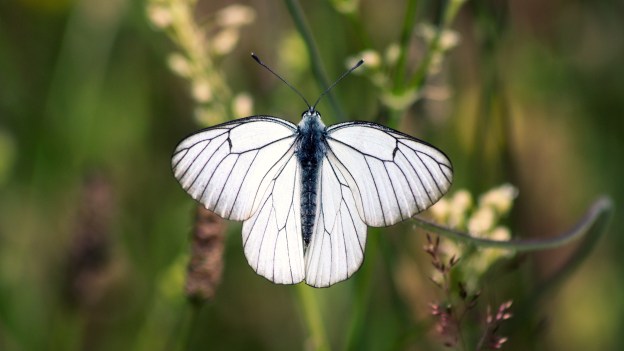
colour photo of a black veined white butterfly resting on a cornflower. It's stark white & black colouring shines against a dusky background of grasses and flower stems.

Novellas – Writing Up Instead Of Down

I wrote my first novella a couple of months ago, and am editing it now (not right now – now I’m procrastinating & it’s set in Iceland, so you’re getting random Icelandic photos. Sorry, I don’t make the rules). This being my first novella experience I did some reading around to see what people’s advice was about structuring them. Almost everything I found boiled down to ‘It’s like a novel, but shorter’. Which is … not entirely helpful. Especially when my starting point was a short story.

So, having written the thing I am now clearly an expert, and wanted to share my thoughts on the art of novella writing when you’re coming at the thing from a small idea rather than a big one.

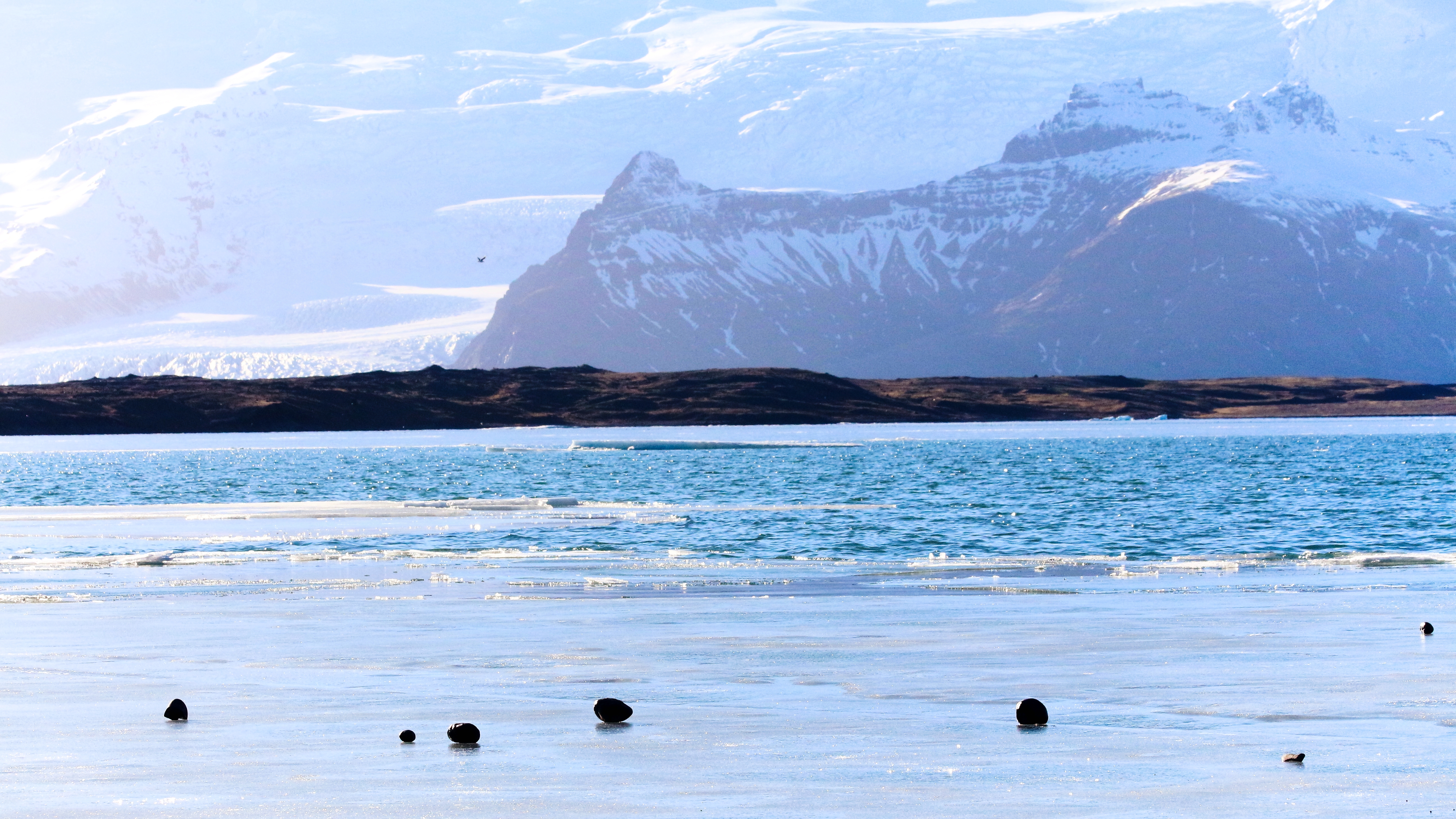
Photo of half frozen lagoon, distant snowy mountains and a glacier.

[FYI in case you weren’t sure, a novella is usually considered to be between 20-60,000 words, novels between 80-120k and short stories get defined pretty much any way that takes your fancy so long as it’s less than 20k (but usually lie in the 2–8,000 range).]

The advice ‘like a novel but shorter’ means this: It relies on similar narrative arcs, but those arcs are simpler, the plot is simpler, the character lists and worldbuilding are streamlined. It’s basically a novel-type idea but where the plot didn’t need 80,000 words to unfold. That makes sense, right?

But my starting point wasn’t a novel-type idea, it was a 2,500 word short story that felt unresolved and … squished. So if you’re like me & have short stories that want to grow, how do you reframe them to turn them into a functional novella?

I don’t know.

But I’m going to tell you anyway…

Photo of chunks of ice on a black pebble beach, backlit by sunshine with some rainbow refraction going on.

First, how do you know what’s a novella-worthy idea?

  1. Check whether your 2,500 word story really just wants to be a 5,000 word story. Was the plot or worldbuilding just a bit rushed & needs a wee bit more space to breath? Was there one more scene or one more bit of backstory that would really pull the whole thing together? If so, maybe just let it be 5,000 words.
  2. Or, did your plot feel like it was fundamentally lacking depth for the things it was trying to do? My short story was trying to explore PTSD and grief, and to map a descent into dissociation and a big moral choice. Add in ghost stories, family secrets, and a slightly cinematic setting and there’s really no way you can do justice to those things in 5,000 words, let alone 2,500. It wasn’t just that the story as it stood needed a bit more room, it was that the story itself needed huge structural changes to serve its function. Sound familiar? You’ve got yourself a potential novella.

Yay, so now, what’s the difference between your short story idea and your novella? What needs to happen to mutate the former into the latter?

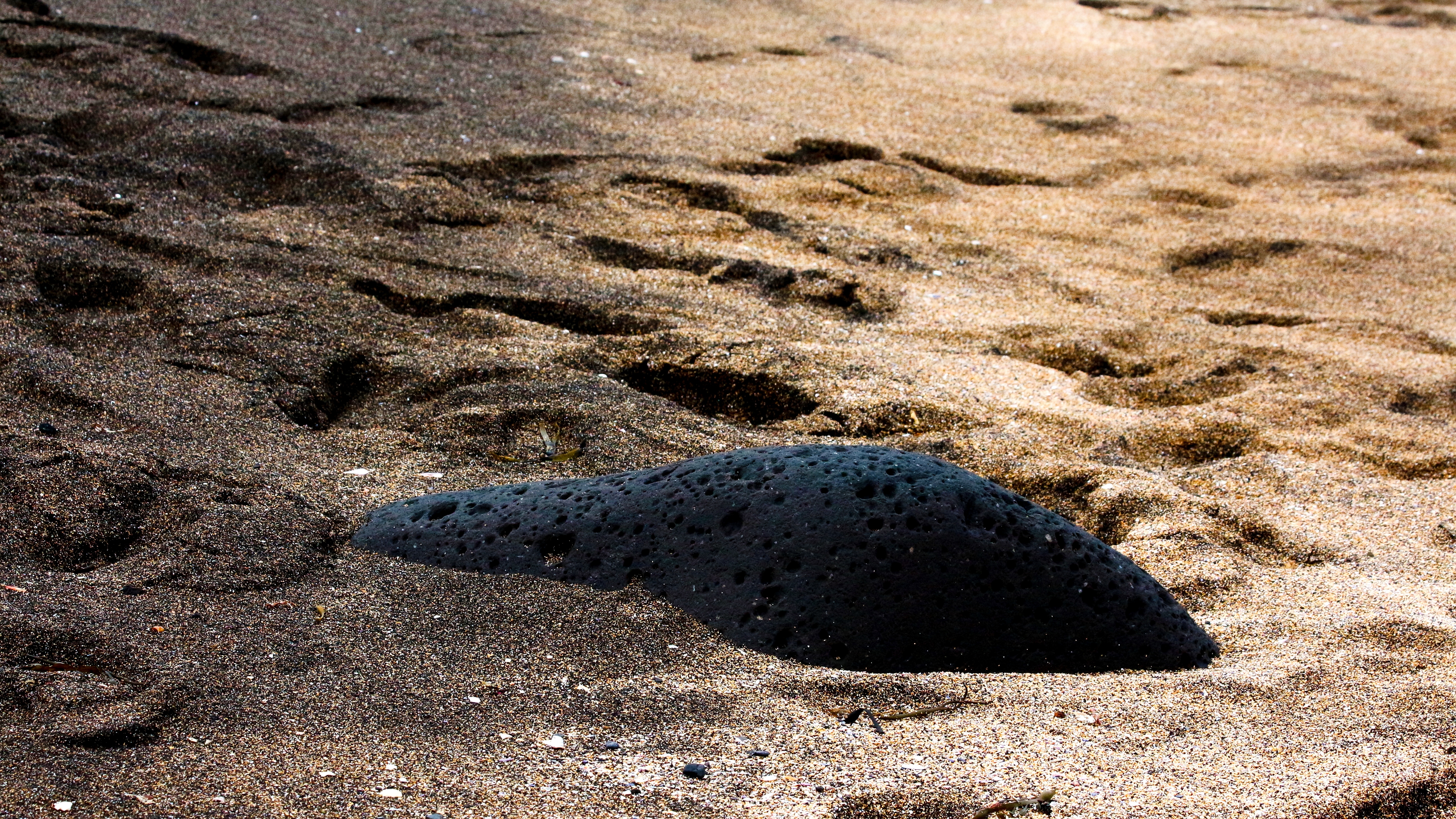
Photo of a smooth black rock emerging from beach sand that is, on one side of the rock, blackish, and on the other pale yellow.

A short story:

  1. Can (although often doesn’t) pivot around an external plot alone – can be about an event rather than a character’s internal change.
  2. Can be slice of life – e.g. there’s no plot per se, no conflict or change, just … an exploration of a character’s mind, world or moment.
  3. Requires very little world building, or more importantly, can afford little worldbuilding. Which, especially if this is SFF, requires a very focussed setting so that the story’s world feels sufficiently explained within that limited word count.
  4. Generally has a single strand plotline following one question, theme or objective. The longer the wordcount, the more strands to the plot you can fit in & the more involved that plot can be, but for my purposes, a 2-3k short can only really carry one central plot convincingly. (That’s not to say it can’t be intricate or thoughtful or multi-layered thematically, but the external plot & the internal narrative? Fairly streamlined.)
  5. Both 3 & 4 above lead to – a very limited cast. There are only so many people we can meet and care about in 3,000 words. Honestly, there aren’t many more we can truly care about at 10,000.
Close up photo of chunks of blue glacier ice resting on the glacier mass, which is white streaked with black lines.

To expand that into a novella, we need to think about:

  • The internal character arc of your main character(s). What is the theme of your story and how does your character’s journey reflect that? How does their psychological landscape change from beginning to end and why does it change in that way (what events drive it externally and what motivations are driving it internally)?
  • Bring your secondary characters to life more – you may have more characters to play with, but a smaller cast will still serve you well so don’t go looking for more than you need. Those characters you have though cannot get away with just being a foil for the MC, or passive or 2-dimensional. They will need to have their own development, their own motivations and psychological landscape. Their arcs are likely to be less pronounced compared to the MC but they need to have something going on that’s independent of the MC.
  • Where a short story often has a very limited setting, or a narrow focus within a wider setting, you now need to think about developing your setting more. Whether that’s allowing your characters to move around, explaining more of the world’s context, or simply bringing the setting to more vibrant, interactive, dynamic life. I’m a big fan of the power of setting, and focussing that urge down for short fiction is always a bit of a struggle, so it was nice to be able to really lean into that particular area again.
  • Plot structure (deep breath) …
    1. Now, in our short story, this was streamlined down to the bare minimum number of strands and a fairly simple progression. At novella length we are looking more at the kinds of plot structures we talk about for novels, which I guess is the point all that advice I found was making. 3-Act Structure, but fewer turning points, Save The Cat, but cut down the B-plots or Road Apples or whathaveyou. Writing up from a short, I needed instead to think about adding complexity – where can I make this revelation or decision harder, how about more misunderstandings, or another foreshadowing motif, or adding in a failure or two? Plus, as mentioned above, how do I develop my secondary characters’ own arcs?
    2. One of the things I love about short fiction is that you can more easily be experimental with form and voice than you can at novel length, but I think there’s still a lot of scope for playing around outside the ‘norms’ at novella length too. I took the well known kishōtenketsu 4-Act Structure as my guide here because I wanted to focus on the internal change rather than a ‘conflict’ as such. I don’t think this approach, for this story, would have maintained its power over a longer wordcount, but at 28,000 it felt really powerful and right.
    3. You need to find the sweet spot between developing the story more, but making sure that all your development gets fulfilled. If you’ve added more characters, make them engaging and important; if you’ve added a sub-plot, make sure you give it closure; if you’ve introduced wider worldbuilding, make sure it is definitely contributing to the story. Your novella can be pacey and full of action or it can be subtle and dreamy and intricate, but it still has to answer its own questions.

My 2,500 word short story is now a 28,000 novella. Because it was trying to do too much in the first place, I didn’t need to add more characters or sub-plots really, I just needed to actually do justice to all the ideas I was trying to address. So my work was mostly on plot development, backstory, secondary character arcs and setting. Your approach will depend on your starting point, and on the themes and voice you are working with.

Photo of a small human in blue winter coat, blue leggins and blue snow boots sitting on a black sand beach with black basalt columns in the background.

I find that novellas can sometimes disappoint if you come to them wanting the complexities of a novel (I read on kindle, so I often don’t realise something is a novella until I’ve started). But where they blow me away is when although the plot might actually be simpler, it doesn’t feel it, because the atmosphere of the story is so unique and strong that the emotional depth is somehow more concentrated. There’s something incredibly powerful about paring a theme back to its absolute heart and then giving that heart richness, depth and nuance. Like a gin & tonic, versus a damson gin liqueur, if you will.

Hopefully this particular gin liqueur will be out in the world at some point, full of Icelandic ghosts, trippy midnight wanderings, the sea and the terrible lure of bargaining for things we have lost. Now I’ve totally and utterly mastered the art form though, I may well return for more…

Go back to Blog homepage

sepia tinted photo of a black sand beach, showing two bays, some rocks and bright white surf line.

The Dreaded Cover Letter

Covid has found the household and I can see my productivity slipping away, so to make myself feel like I’ve achieved something, I’m posting this! That counts as work, right?

Anyway … I’ve been looking at a fair amount of submission packages over the last few months, and have noticed some common patterns. So, on the offchance that you’re struggling with yours and are looking for a few pointers, here they are. (Please note, the internet is full of people offering advice on cover letters and synopses, and none of us are omniscient. But most of us have some useful tips & hopefully I do too). I’ll cover synopses if I’m ever feeling brave but today is all about The Cover Letter. Oh we agonise over this, don’t we? And the moment we press send, we spot a spelling mistake anyway. Sigh. But here goes…

The first thing to remember is that this is, effectively, a job application.

I know the relationship goes the other way in the end, but at the point of submission you are trying to persuade the agent/editor that they want to work with you. So it’s a job application. Treat it like one. By that I mean:

  • Be professional in all correspondence. But most of all…
  • BE CLEAR.

This is the fundamental point, I think. Just as you would with a CV or application form, you want to make the relevant information absolutely easy to spot. You want it right there, all in one neat package for the agent/editor to locate and understand quickly. They don’t have a lot of time, and you are up against people whose letters are clear, so don’t bury the key information in random places or beneath non-essential details.

So what is this key information and where is it meant to be?

As with all things, annoyingly, there is a degree of variance here – US cover letters often lead with the pitch, for example, and some agents/editors will ask for a different format or content to the standard. But I’m going to go with what appears to be the industry standard in the UK, interspersed with calming pictures.

So herewith lies my model cover letter structure:

  • Dear [Get their name right, goddammit. Double check. Triple check.]
  • Opening Paragraph. 2-3 short sentences containing:
    1. If you’re submitting to a specific call (e.g. BIPOC writers or a Twitter pitch event request) then open with that. Otherwise…
    2. Title and word count (standard phrase is ‘complete at n words’.
    3. Genre. Don’t get bogged down with ‘but my books straddles 27 genres’. Pick one, add a second term if you have to, e.g. ‘Thriller with speculative elements’, ‘Literary mystery’, ‘Romantic space-opera’. They need to know where your book will sit in a bookshop, they also need to know you understand your book enough to know where it will sit in a bookshop.
    4. Why you’re submitting to that person in particular. Don’t wax lyrical about 14 of the authors on their list, or cite an interview they did 15 years ago. Do say that you saw their recent MSWL (manuscript wish list) and think your book might interest them because of X, or that your book shares themes of Y with their author Englebert Humperdink. If you’ve met them, this is where to remind them of that.
    5. If this particular book has been listed for any awards, mention that here.
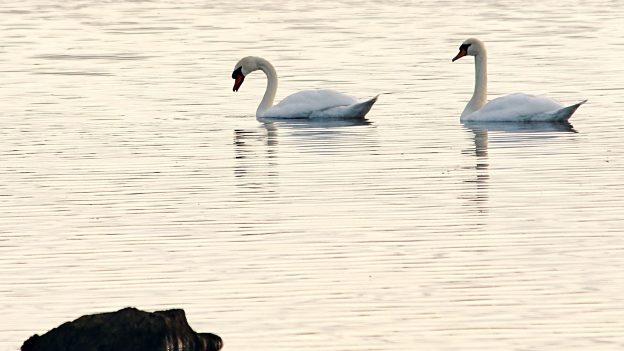
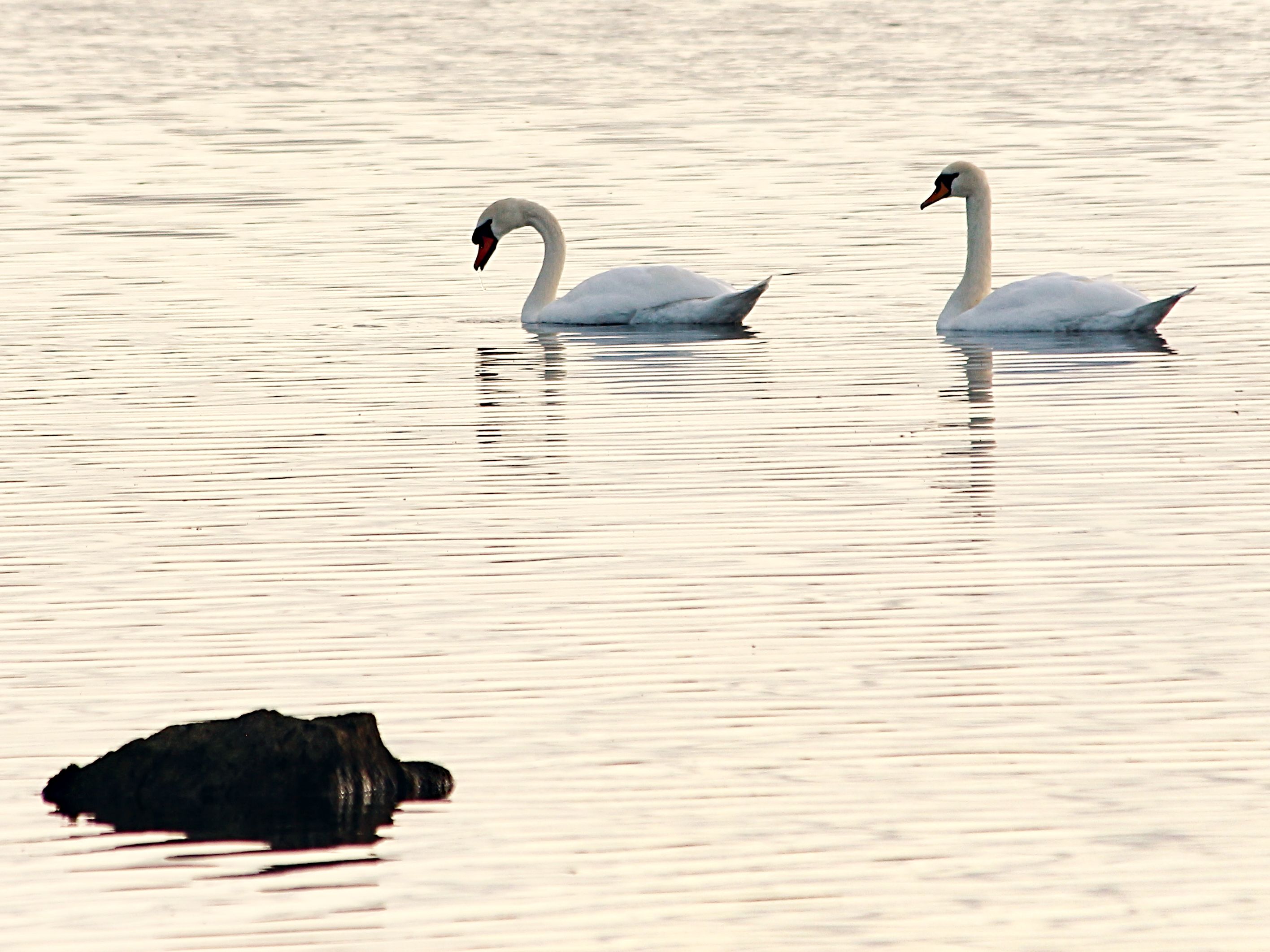
Photo of two mute swans on silvery water. There are lots of small ripples and a broken reflection of each swan. It's all pale and calming.
Have some swans. Take a deep breath.
  • Background Paragraph. 3 sentences containing:
    1. Your personal connection to this story – whether a life experience, professional expertise, cultural identity, spotted a news article that prompted it. What was it that made you write it; and if it’s potentially sensitive, what makes you the right person to write it.
    2. Comparative titles. Yes, we all hate them. No, your book isn’t unique and incomparable. Yes, it’s important. Again, this is about showing the agent that you understand who your readers are, and that you have some awareness of the market you want them to launch your book into. Markets change, so keep the comps <5yrs old and try to strike a balance between utterly niche and the obvious big names. JKR is not a good comp, and neither is Aristotle, probably.
  • It’s worth noting here that your comps don’t have to be perfect plot/setting matches. Yes, a little similarity is good – comping your space opera to a romcom in Dagenham is probably stretching it. But think about the themes of your story, the tone of it. It’s okay to compare, say, a historical story with a contemporary one if the feel of the story is similar.
  • Also worth noting, you aren’t being egotistical & claiming you’re as good as Margaret Atwood (although naturally you are), you’re saying ‘my book may appeal to readers of…’ and that’s okay.
photo of my thumb & finger holding an eroded scallop shell up to a pale winter sun. The light through the shell is kind of a mosaic, it's weird and pretty.
You’re getting there. Here’s some sunshine through a gnarly shell.
  • The Pitch. 3 sentences. Oh isn’t it hell? Some pointers:
    1. First off, some people swop this with the Background Paragraph. That’s fine. I think it flows better this way around but it’s not a life or death decision. Do what feels right.
    2. This (otherwise known as your elevator pitch) is essentially a back-cover blurb. The pithy, dramatic hook that presents: 1. the main character(s), 2. the thing they need to achieve, 3. why they need to achieve it, and 4. why that’s so bloody hard. (Note the ending isn’t included here). Read lots of back covers to get a feel for them.
    3. It’s nice, but not essential to have a ‘tag line’ – one short sentence/line that tells us the unique concept of your book. Again, check out a few books – the tag line is often on the front cover, or at the top of the back cover blurb. Mine for This Is Our Undoing is ‘Could you condemn one child to save another?’ Some people don’t like questions but hey, I couldn’t resist – it summarises an absolute moral dilemma in the book that’s both a little unusual and dramatic.
    4. It’s ridiculously hard to summarise your intricate 90,000 words into 3 sentences isn’t it? So don’t. Think about the heart of your book, the feel of it (I’m fond of that image), and write down 10 words that come to mind. Then pick the most emotive of those, grab your four facts from point 2. above and see what you can come up with. Remember to use a few deliberate specifics to show us what’s unique about this story. ‘A woman’ is less engaging than ‘A Victorian adventurer’ for example. ‘To prevent disaster’ is less interesting than ‘To save the world’s last stiltwalkers’.
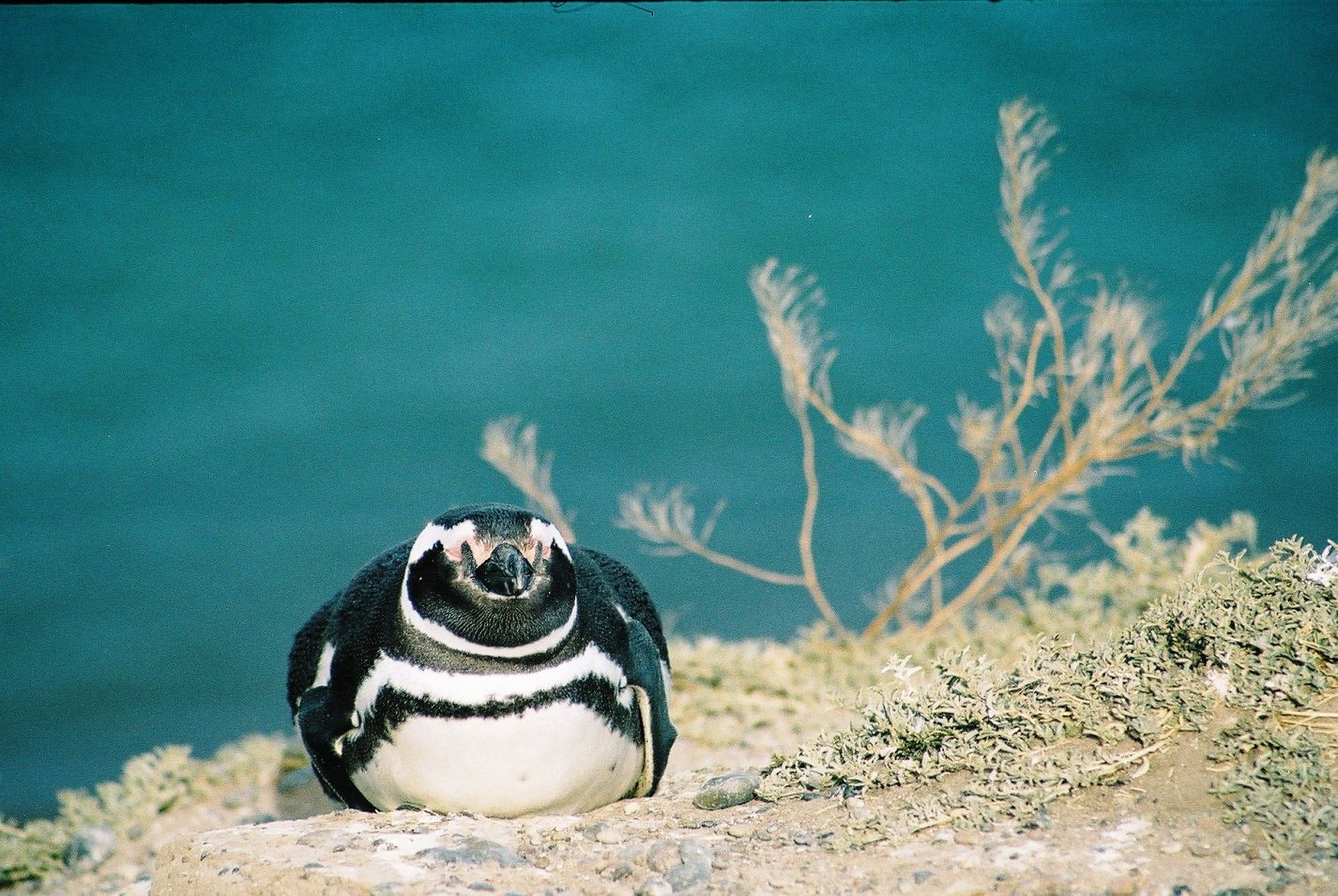
Photo of a sleeping penguin lying on it's belly facing the camera. Against a backdrop of distant sea.
The penguin says you’re doing great. Nearly there.
  • Your writing credentials. 2-4 sentences. Yes really, we don’t need to know much here. This is where a lot of early-career writers get nervous, but don’t. It’s the least important paragraph to be honest. If you have credentials then that’s fabulous and eye-catching, but if you don’t, then remember that everyone loves to discover a hidden talent, so trust your story to stand up without props. Some things you might include are:
    1. Previous novel/novella publications. Say what they are, who published them and when. If you self-published, you can mention it, but some folk say they’re only interested if it comes with a measure of success – lots of reader reviews, an Amazon bestseller flag, a trade review etc.
    2. Short fiction. Say where they were published. You don’t need to put story titles or dates, and if you’ve got quite a few, just pick the biggest publications (e.g. the ones that pay pro- or semi-pro rates, or the ones with the largest social media accounts).
    3. Prizes & prize listings, scholarships, awards, creative writing courses. Say what the prize/course/award was, and it’s probably good to say which year, although if you’ve quite a few, don’t bother. Again if you’ve a few, pick the most prestigious & recent.
    4. Any other important information. You might want to mention your profession, your location or identity. You don’t need to tell us about your cats, your non-writing hobbies, or that you love reading. You can tell us about the cats if you really want to, I guess. Regarding disclosing marginalised identities – the jury is out on whether to do that or not and honestly, I think it’s entirely up to you. If it’s relevant to the story then you’ll already have mentioned it in the Background Paragraph. If it’s not relevant but you’re submitting in response to a specific call, then you’ll have covered that in the Opening Paragraph. Disclosing it isn’t going to put a good agent off. Anyone it does put off is clearly not someone you want to work with anyway, so perhaps it’s useful as a filter if nothing else. Do what you feel comfortable with.
  • Sign off. ‘Please find attached…’, ‘Thank you for your time…’, whatever your personal approach. And ta da. That’s it. Well done you. Have some chocolate.

That was quite a long blog! If you’ve made it to the end then a) well done, b) hope it was useful and c) I love lists.

To repeat what I said at the start, this is all subjective … to a degree. Make it your own, but the essential point of clarity and succinctness stand regardless of the structure you prefer. Good luck! Let me know what you think. But don’t come at me with your ‘I got 6 offers of representation and my cover letter was an acrostic poem’ – we’re not all called Tarquin. Sit down.  

Go back to Blog homepage

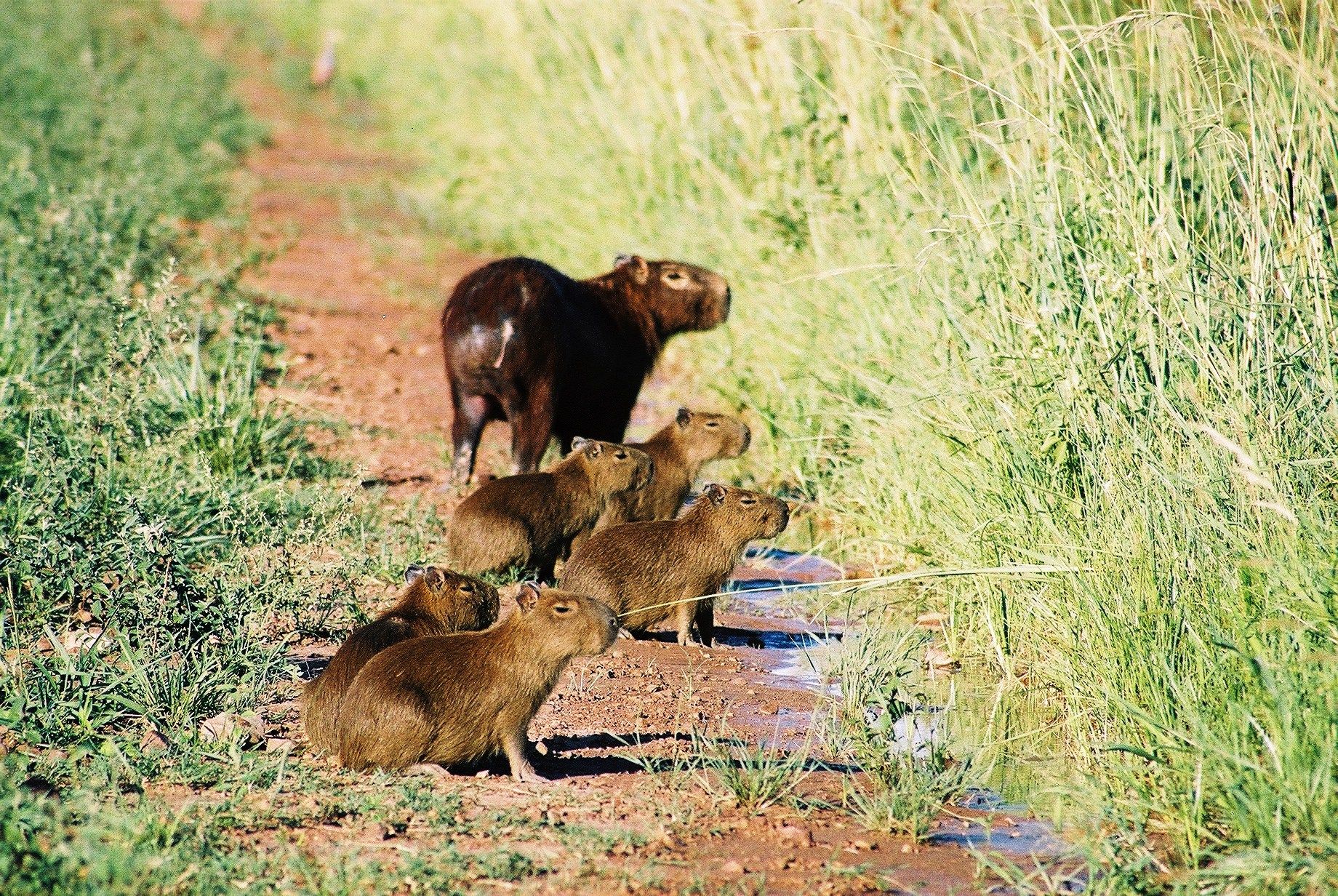
Photo of a mum and five baby capybaras sitting on a narrow dirt track, looking, like they do, rather sleepy and smug.
Here’s some baby capybaras, you deserve it.