In the lead up to Mother Sea’s publication I did a wee countdown series of social media posts visiting various islands that inspired the island in Mother Sea. It was mostly an excuse to post lots of photos and rave about lovely places, and I figure I ought to pull it all together here just in case. (In case of what, I don’t know … the fiery death of Twitter? the need to prove ownership of the photos? validation that all my effort pulling it together was worth it? … Probably that last one tbh)
Anyway, below is a slightly expanded-upon tour of the islands behind the island…
One – Iceland
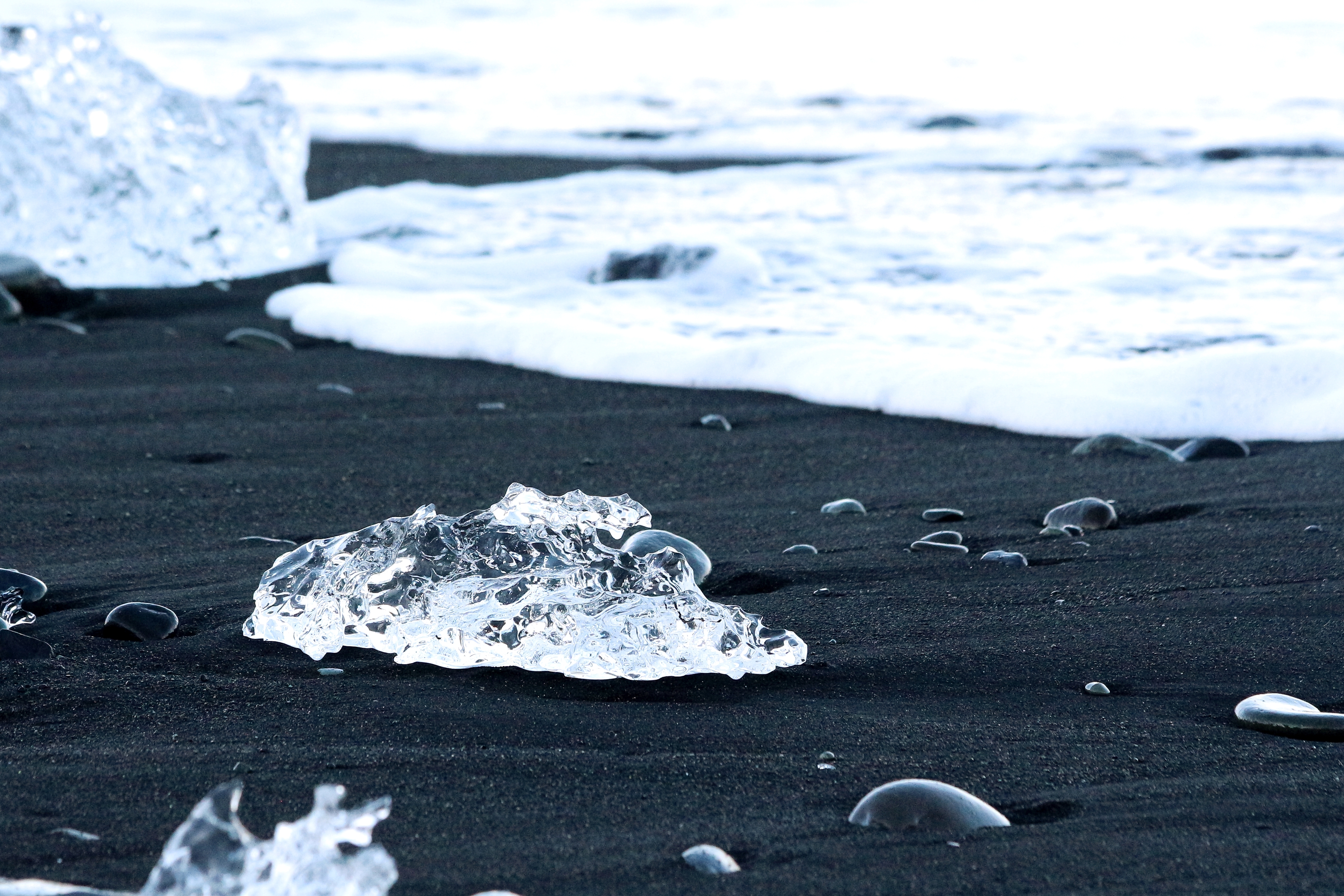
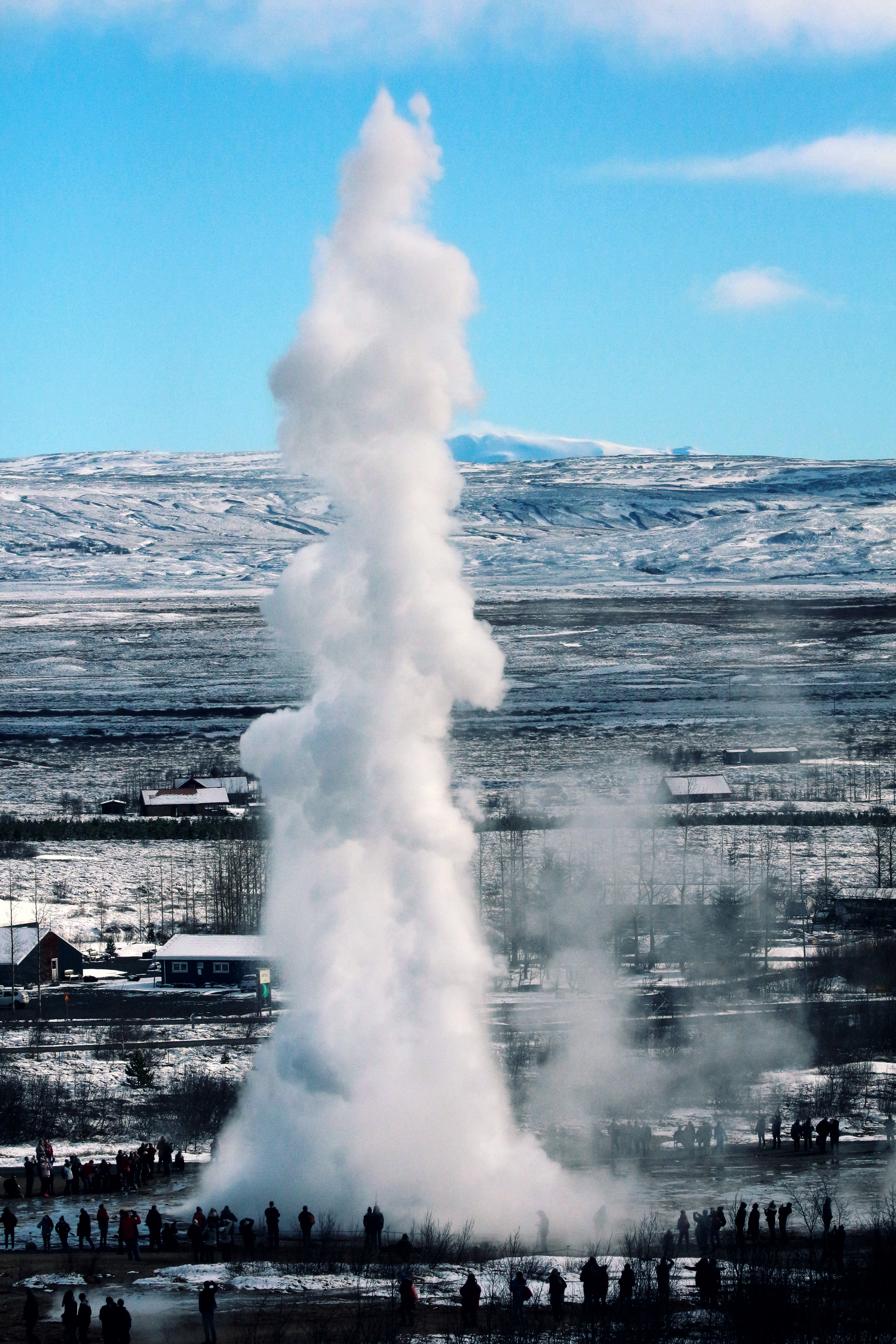
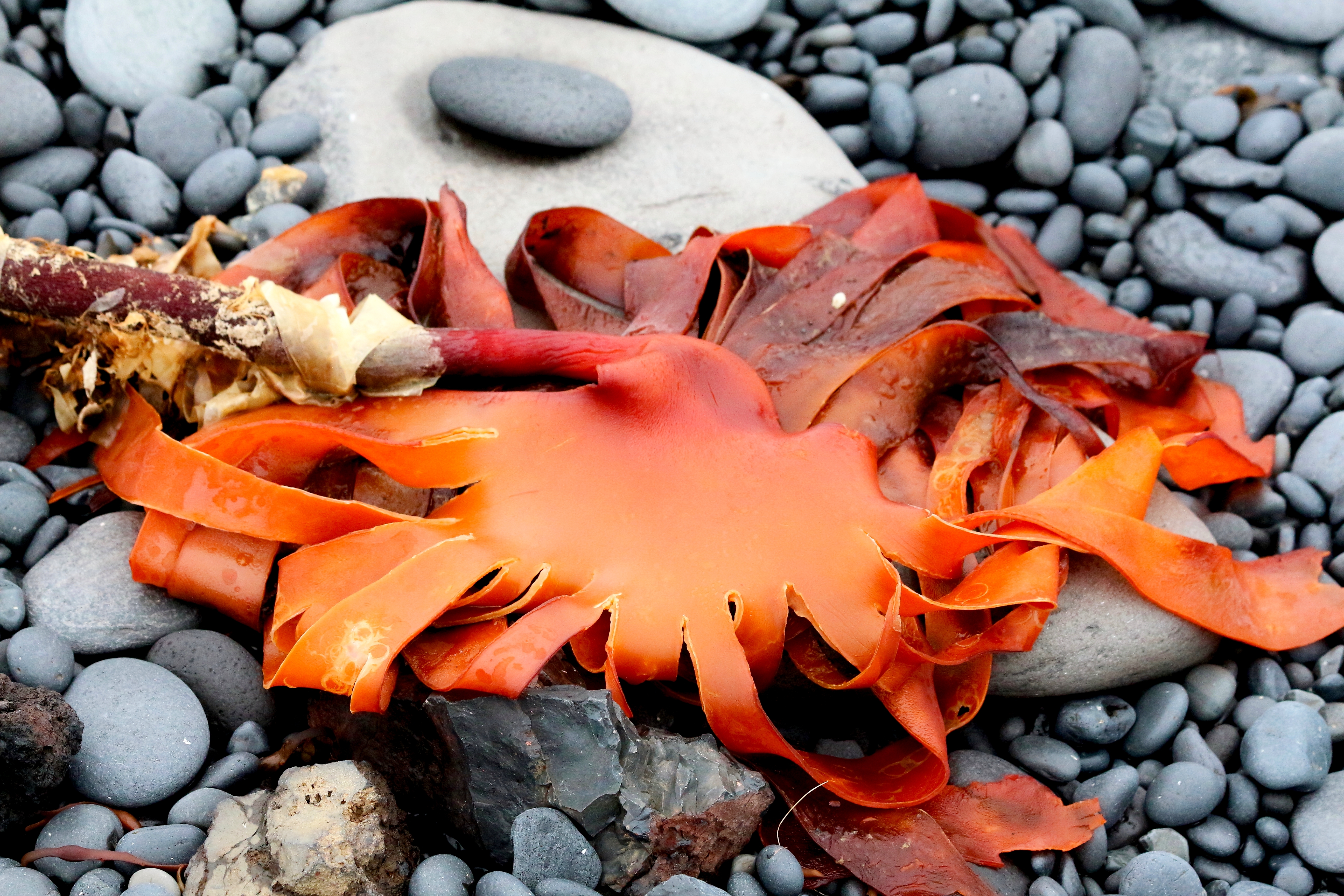
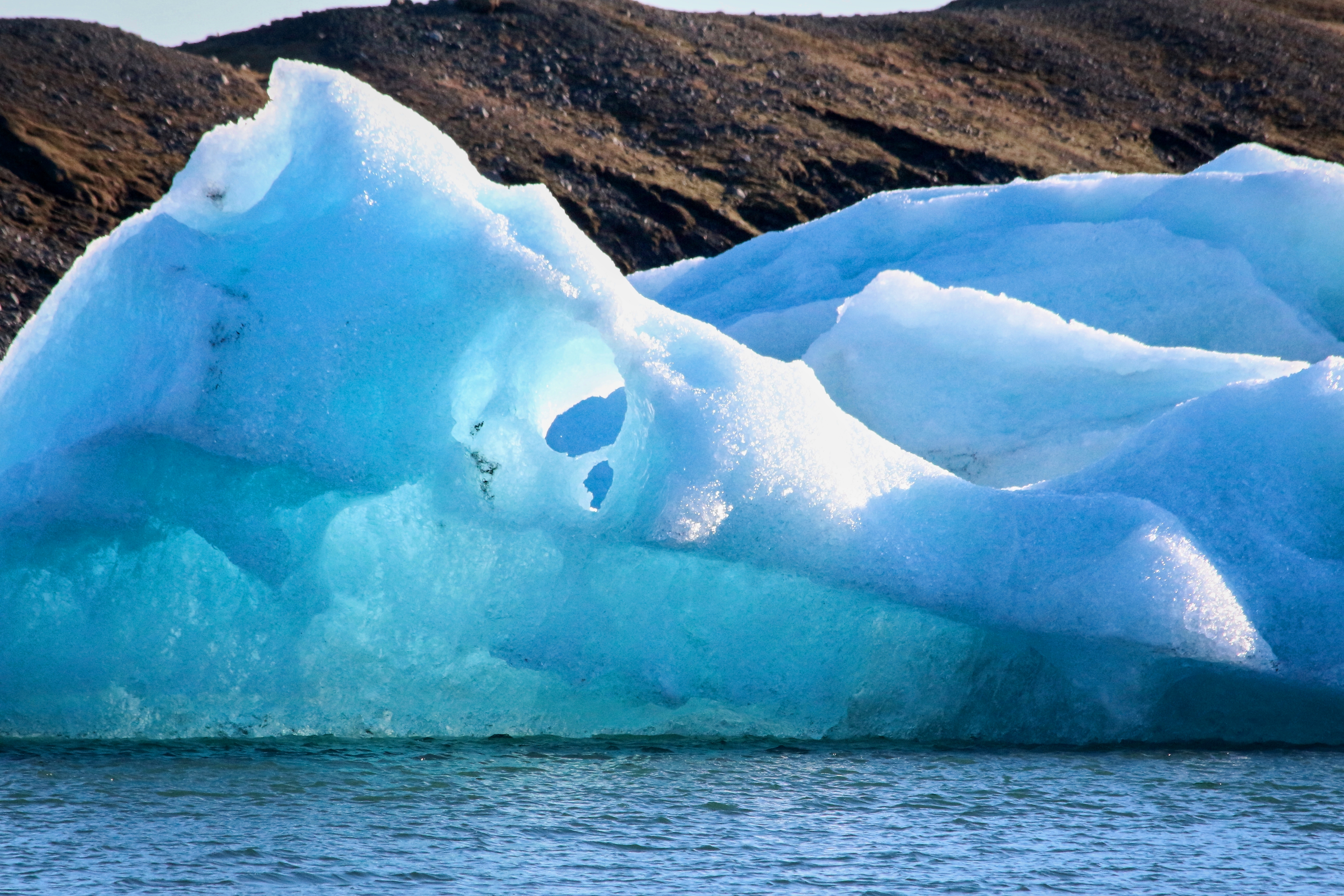
Not much in common with the tropical island in Mother Sea you say? Well, no. But this place has A Lot to teach the writer about colour palettes, I think. The deceptively monochrome black sand and white glaciers and searingly blue sea are an incredible reminder that less can be more! Also in this country there is no escaping the power of an unquiet land & the persistence of folklore.
Fav folklore – The Jólakötturinn – a giant cat that eats folk who weren’t gifted new clothes at Yule
Fav experience – The northern lights. I have no photos but omg, it was all the things and more.


Two – Tierra del Fuego
Staying in higher latitudes but at the other end of the planet, the beauty of these southern islands blew me away. It’s undeniably antarctic in weather and wildlife but all my preconceived notions of that were undone by flower-strewn islands, by hummingbirds & parrots right alongside penguins & sealions. Also, partcularly relevant to Mother Sea, heartbreaking histories of colonial genocide & the loss of language & culture.
Fav folklore – Teiyin from the Yahgan ppl. A shapeshifter god, protector of children & elderly, enforcer of altruism.
Fav experience – Following in Darwin’s footsteps – I read This Ship of Darkness while I was there for extra cross-temporal-bonding! Also, steamer ducks. So round.
Least fav – my 1st ever sunburn. I did not know it *hurt*! What?


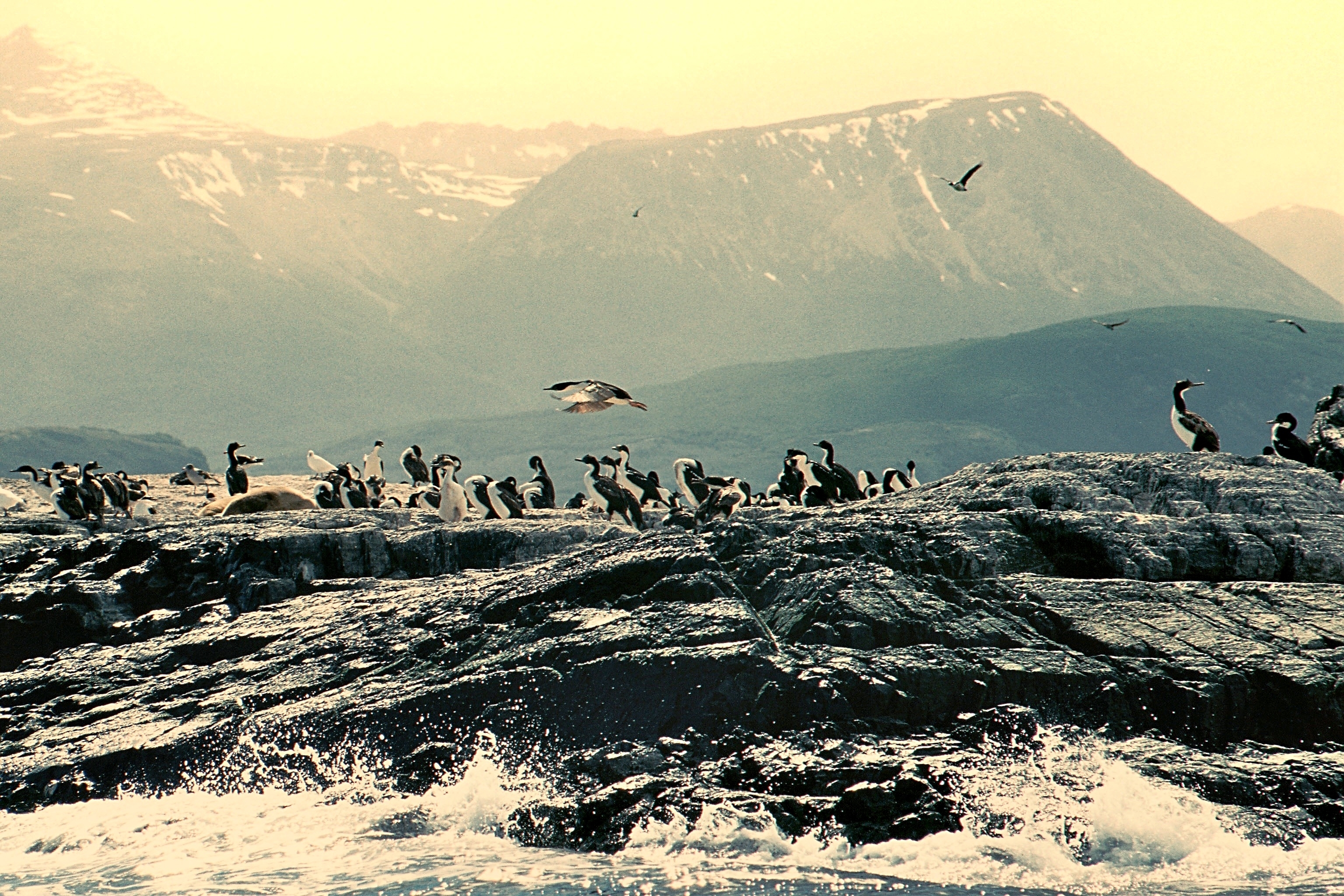
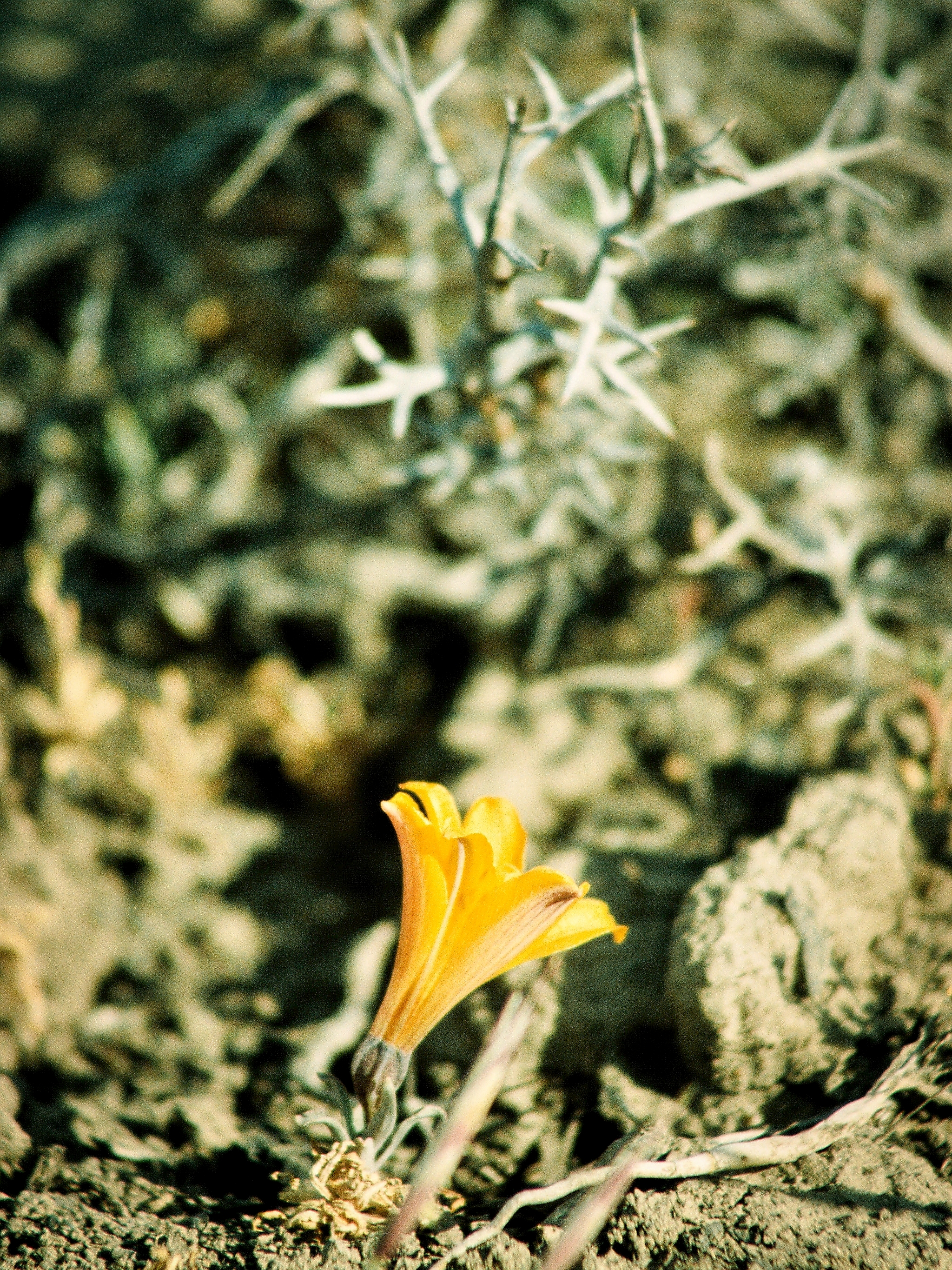
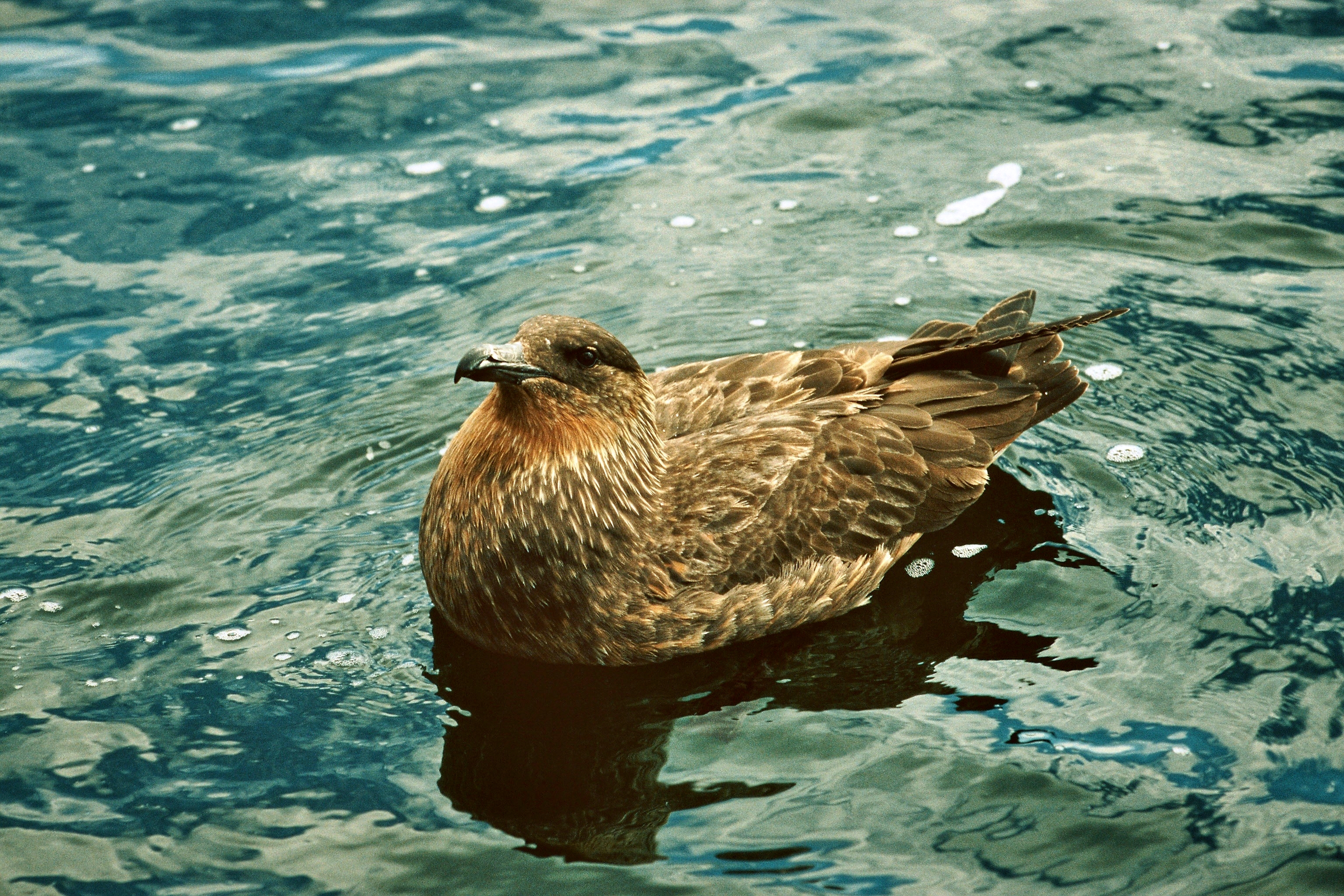
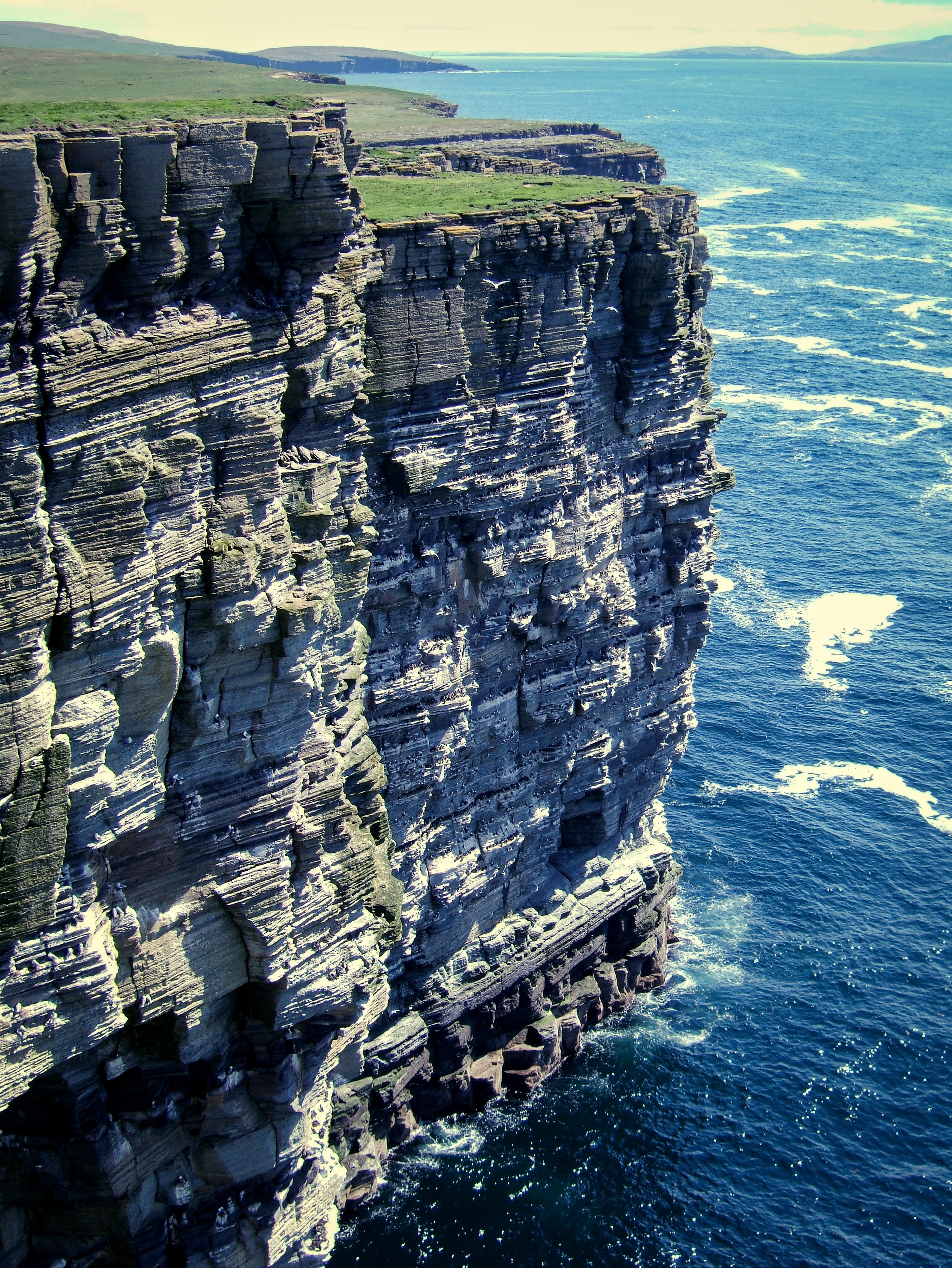
Three – Shetland (and Orkney)
Closer to home, Shetland in particular, but also Orkney, taught me that political borders don’t always mean an awful lot. That dialects and folklore follow their own paths across the sea and old trade routes still shape island identity now, regardless of what the maps say. They also taught me that teeny tiny planes are the best, and I’d probably not survive a Shetland winter.
Fav folklore – The Sea Mither (spot the #MotherSea connection!) who wrestles the dangerous Teran to calm the seas.
Fav experience – Standing in the old broch on Mousa, listening to storm petrels purr in the stones around me. And getting dive-bombed by Bonxies on Orkney mainland!


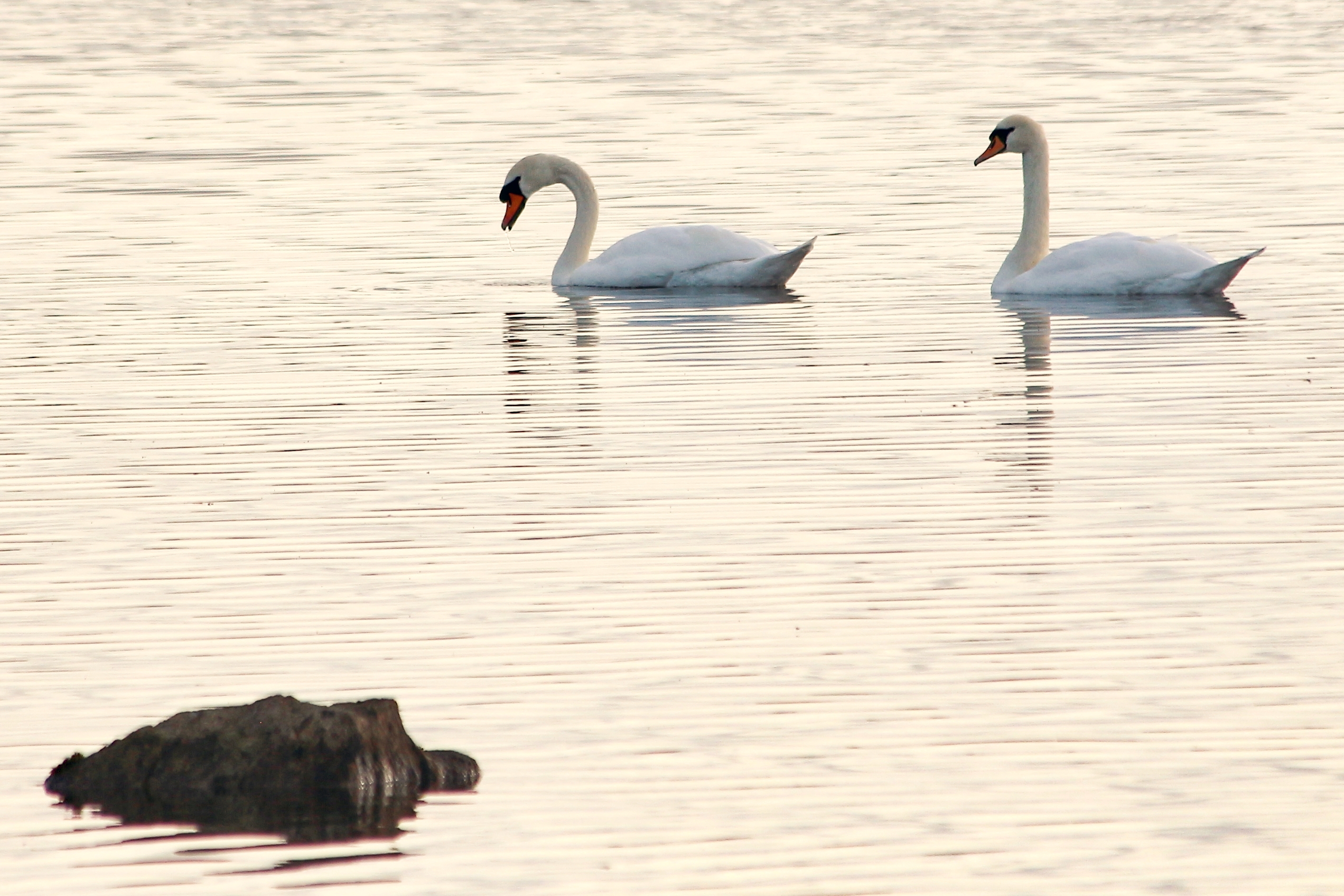
Four – The Mediterranean
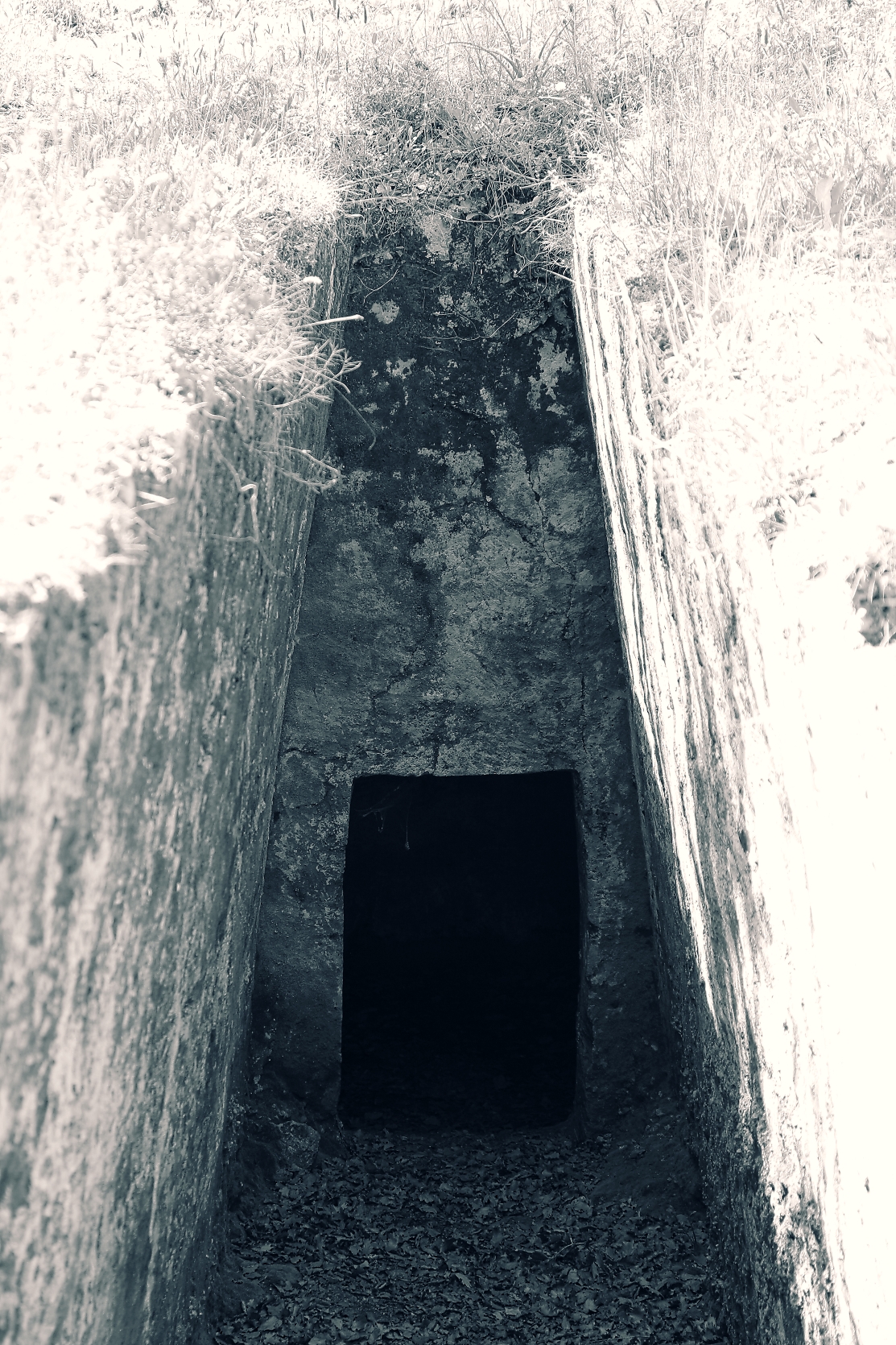
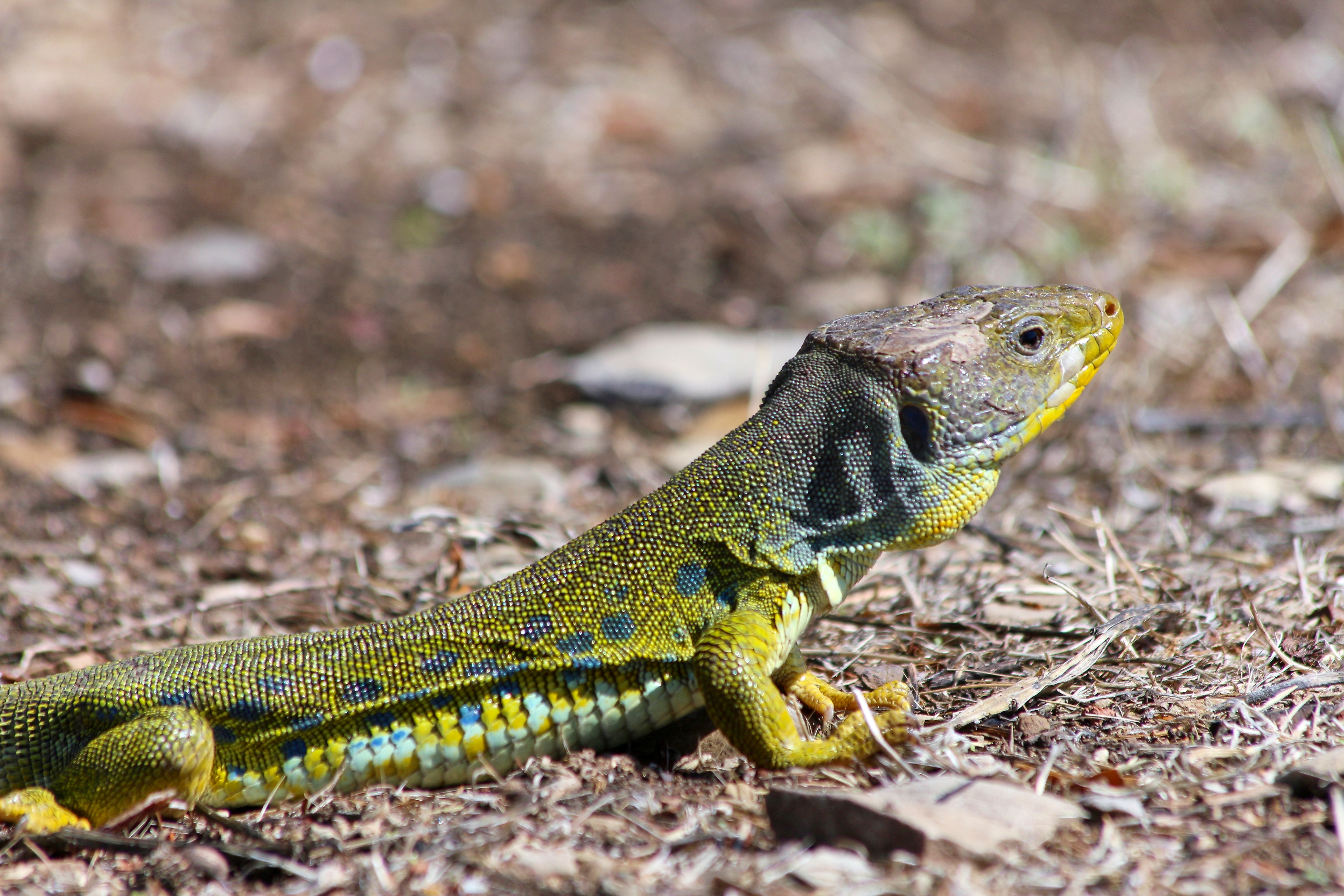
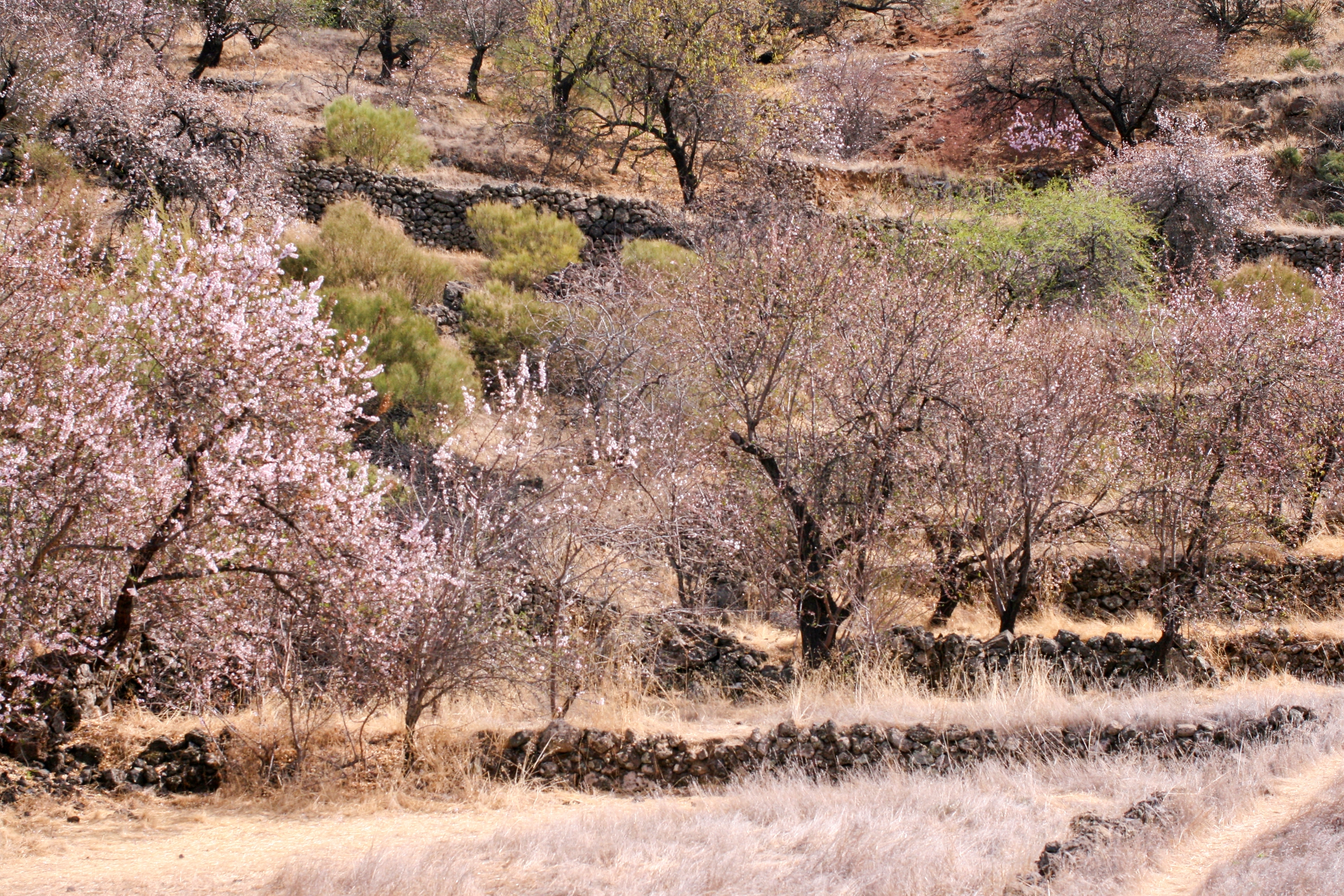
Kinda cheating lumping this whole region (and the Canary Islands) into one, but doing each island individually would turn this into a book, and also there are some common strands despite the distinctive feel of each place. I love the Mediterranean garrigue ecozone. It’s so stark & distinctive & surprising. I have a huge soft-spot for cyprus stands and stone pines, and ancient olive groves. But these islands are also fascinating for studying farming’s adaptations to a hard climate, the way humans have shaped the very land & how fragile that balance is. Especially as tourism threatens rural economics, communities, water resources & conservation.
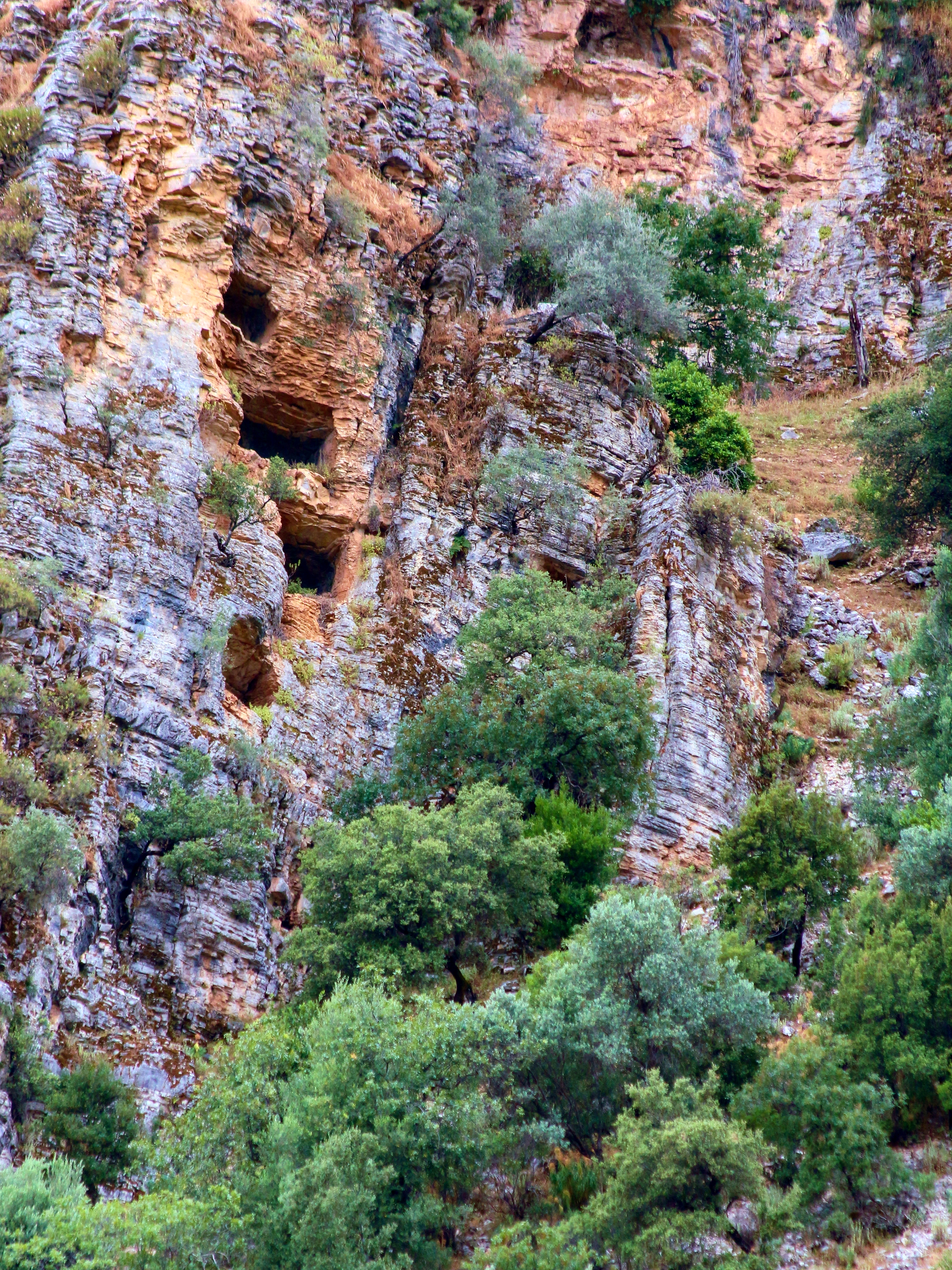
Fav mythology – The Minoan rock tombs on Crete & Lycian cliff tombs in Turkiye appear in Mother Sea. Caves & bats – what’s not to love?
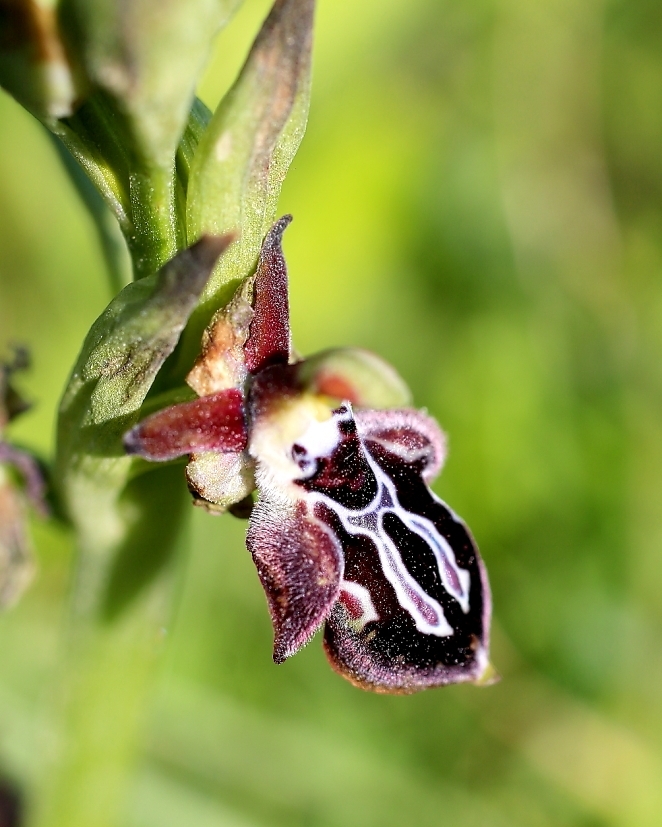
Fav experience – Cretan orchids. Omg, if you’re remotely into flowers, the orchid species crowding the hillsides will give you heart failure.


Five – Seychelles
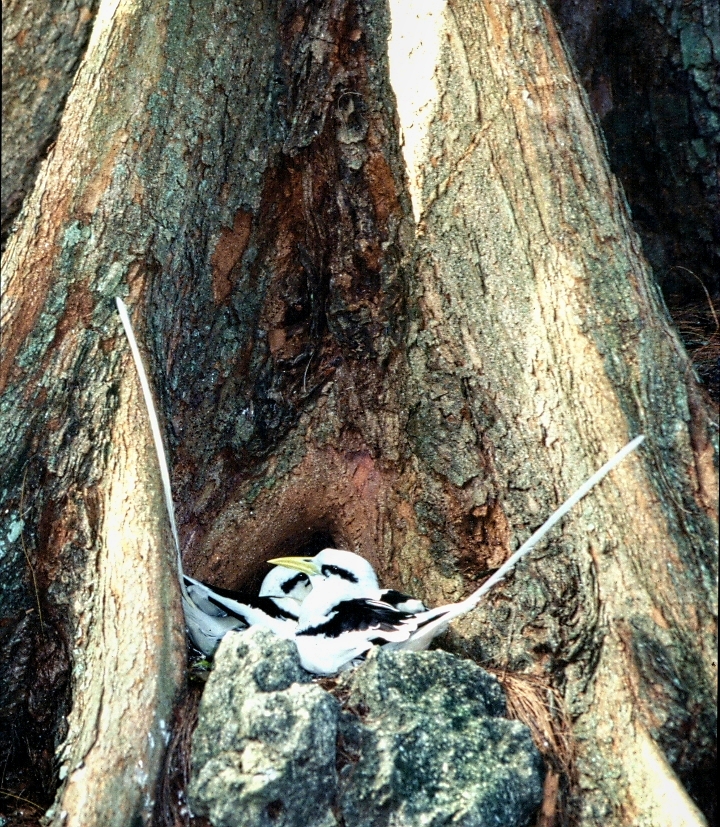
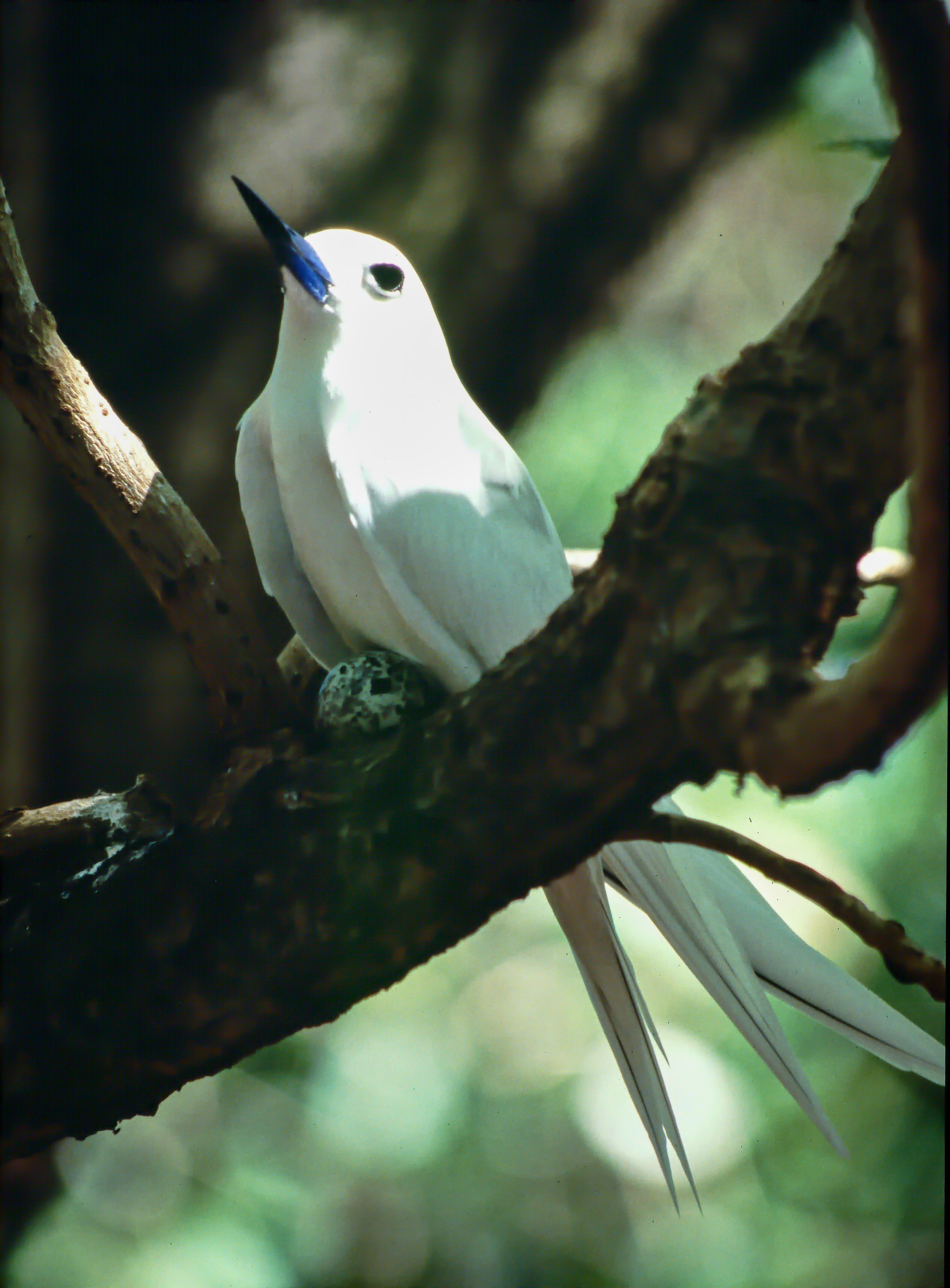
The right ocean at last! These are the closest islands to my fictitious one in Mother Sea, so a lot of the flora & fauna are similar. Seychelles taught me a hard lesson on coral reef damage & restoration, but a beautiful one on Creole language & culture. It also taught me to look beyond the glossy curated tropical paradise images for the murkier truth about the impossible value:cost trade-off of tourism on places and communities like these.
Fav folklore – An eejit Brit in 1800’s decided the coco de mer was the original forbidden fruit because it looks like a bum! And therefore that the Seychelles was the lost garden of Eden. I mean, it’s a definite paradise in some ways, but also, lol.
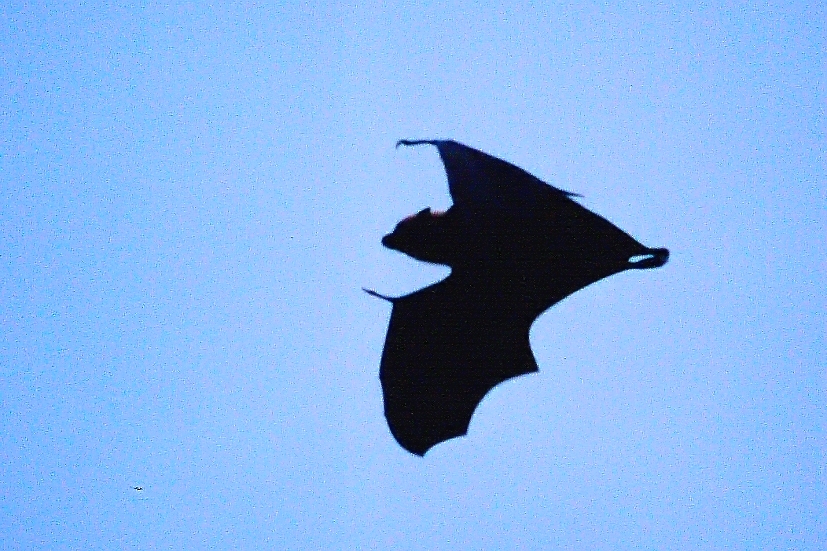
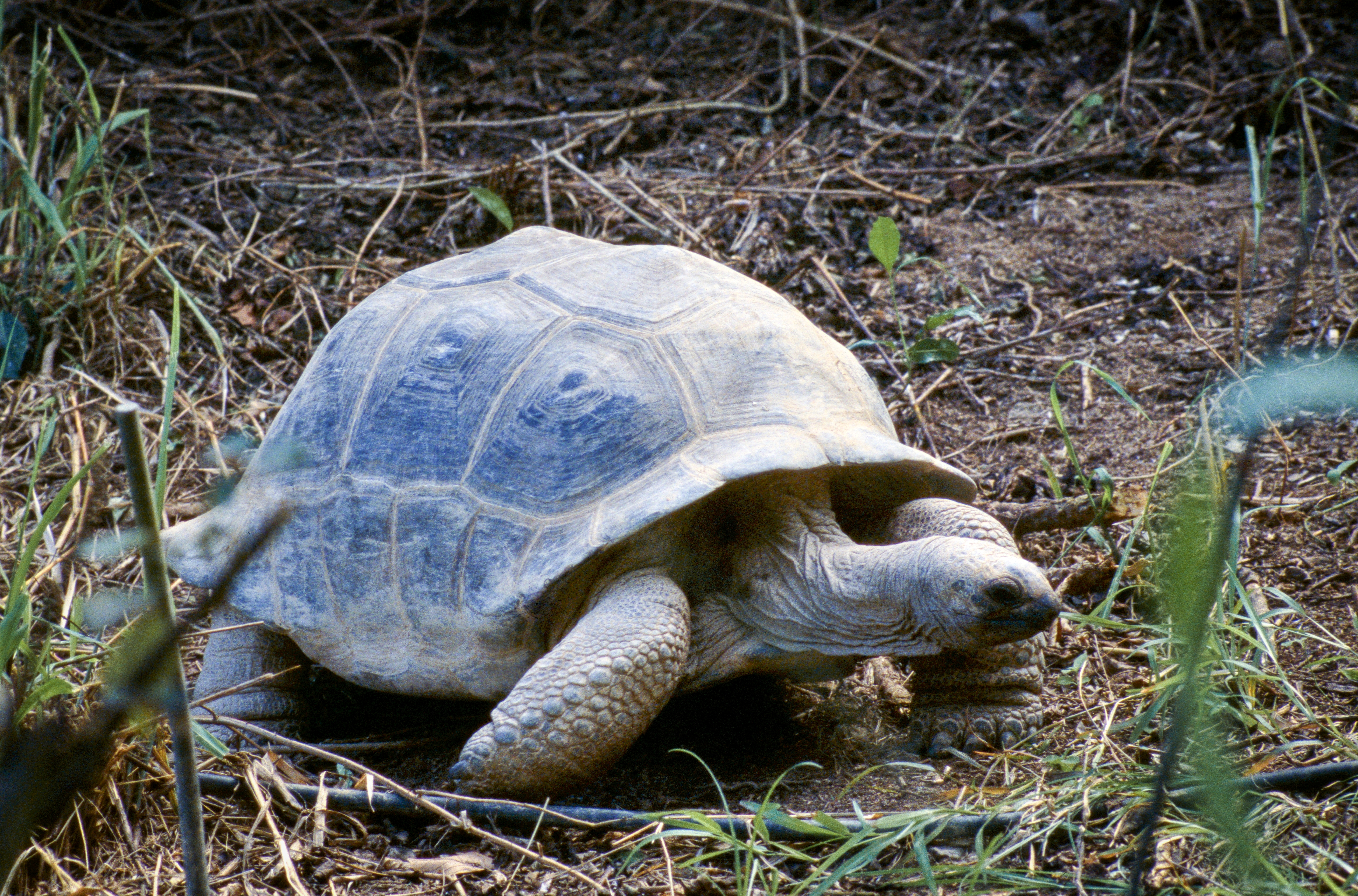
Fav experience – Meeting giant tortoises? Or giant fruit bats squabbling in the tree above us as we ate our dinner in the dark (hint: Mother Sea may contain bats)


Six – Madagascar
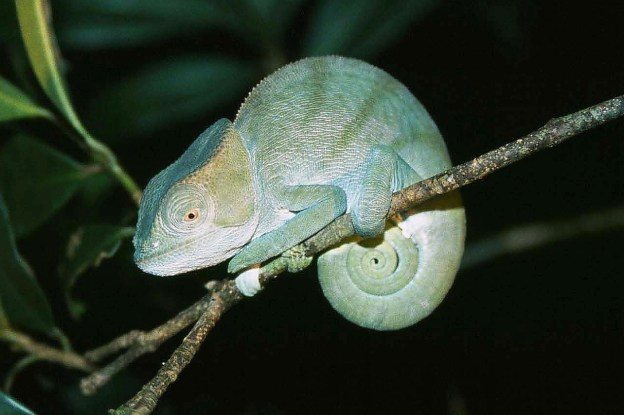
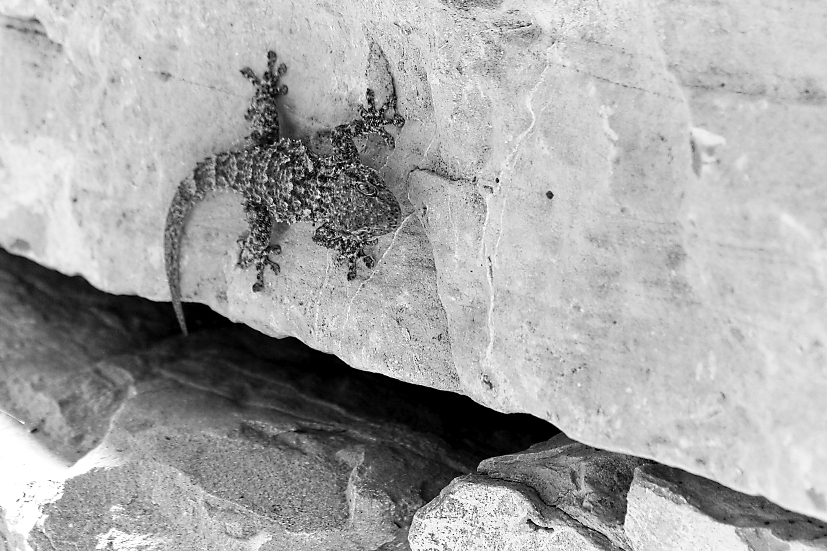
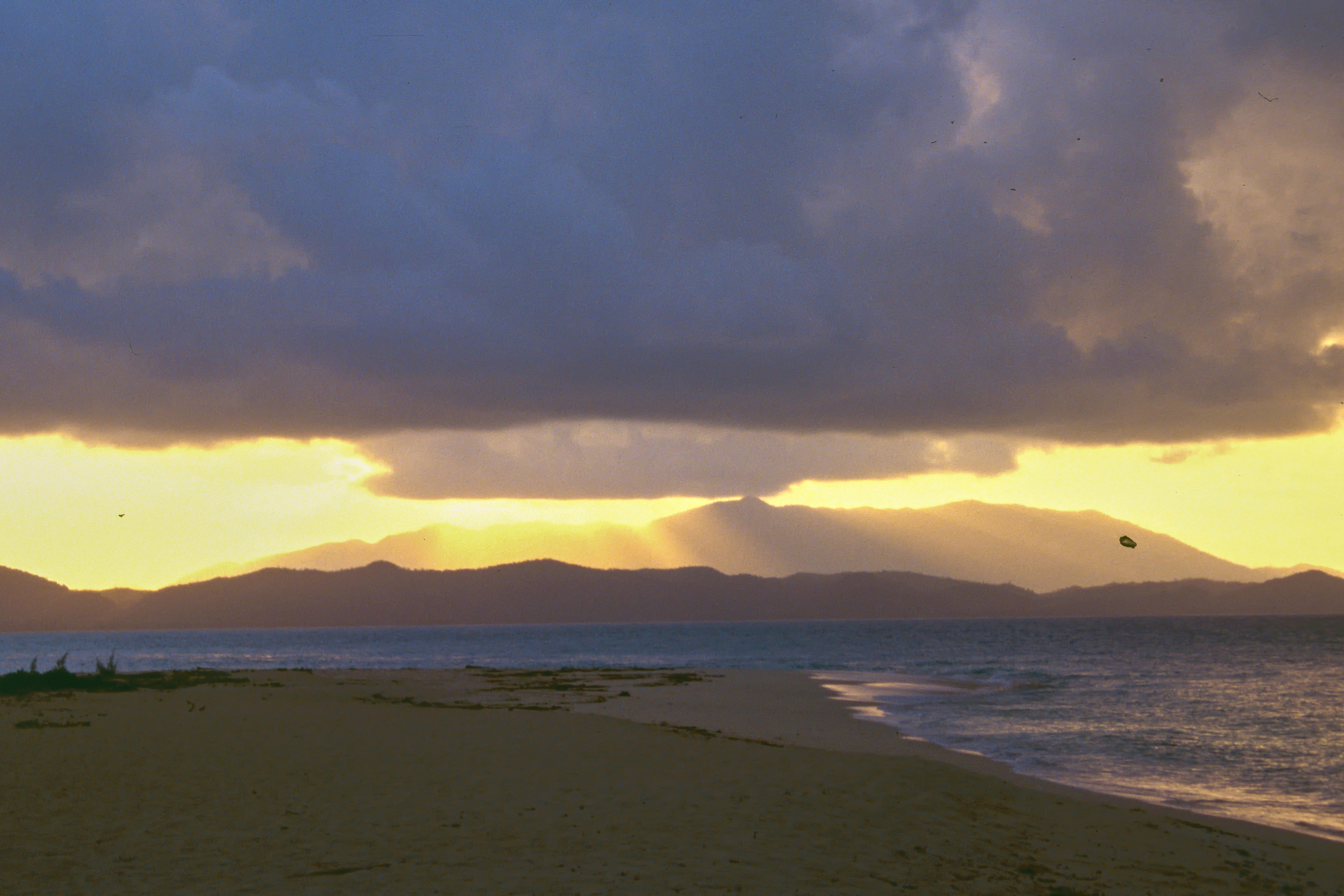
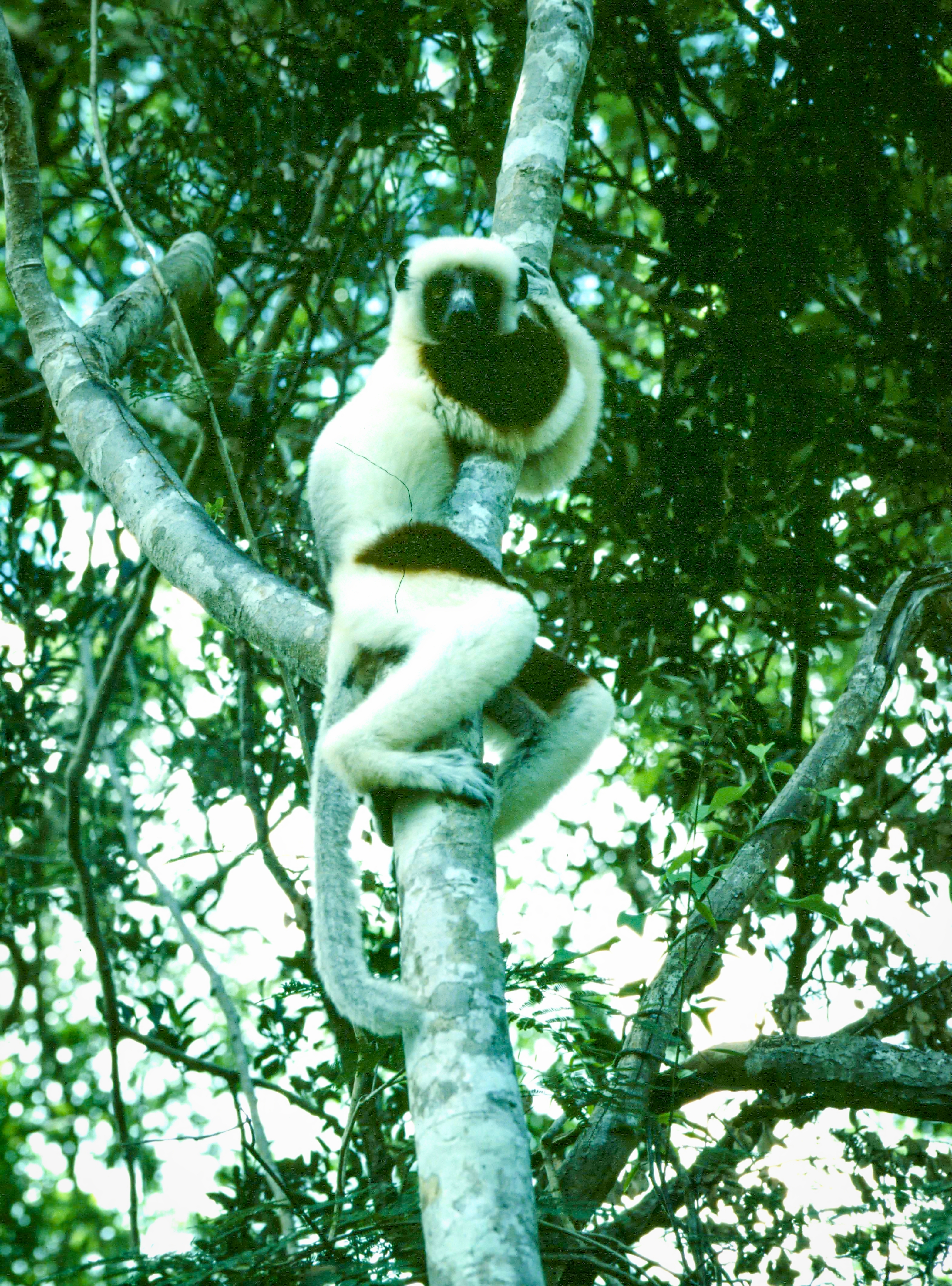
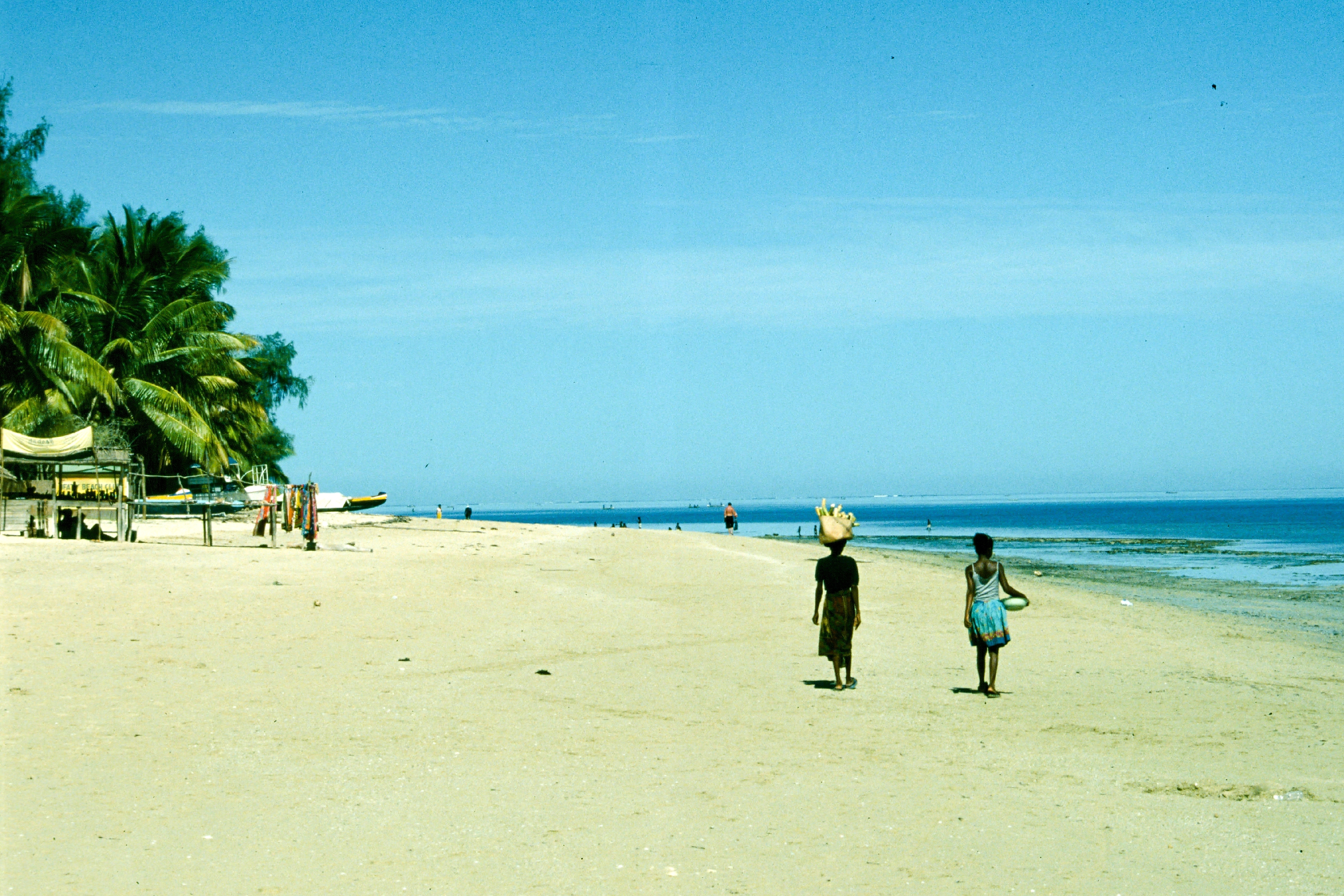
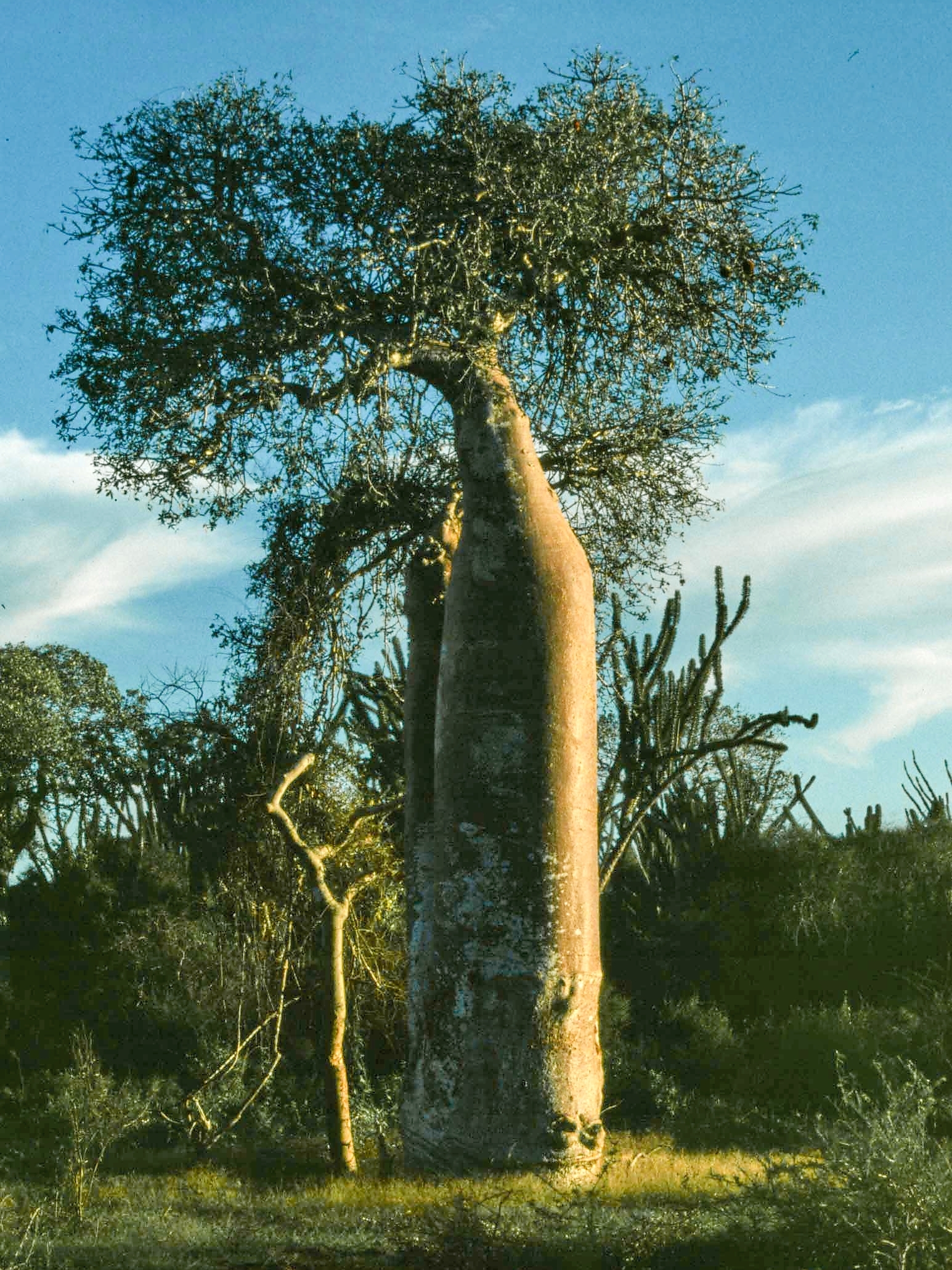
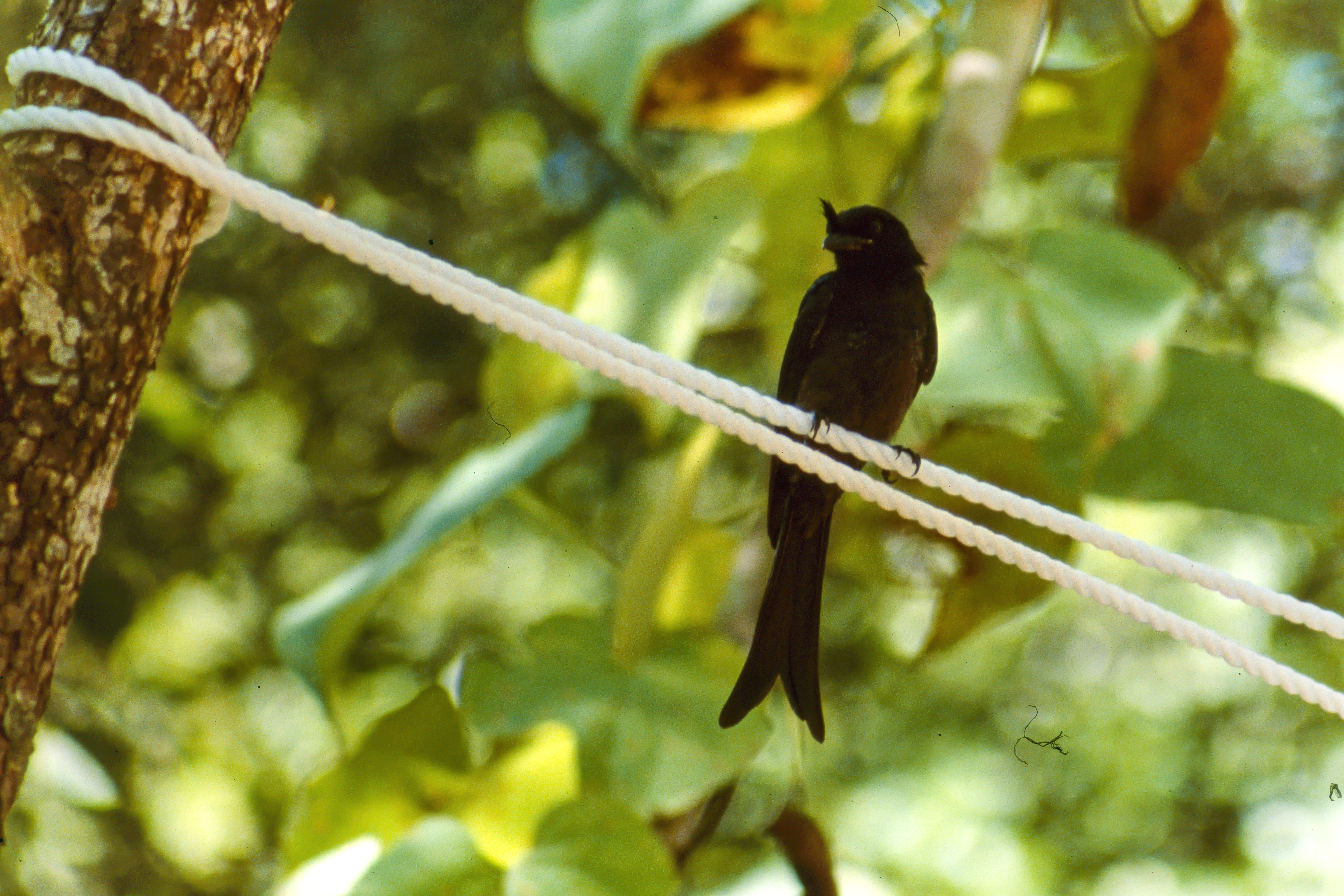
Along with France & South Asia, this is the other origin of my community in Mother Sea, so hints of Malagasy culture fed into the book. This country is a biologist’s dream and heartbreak all in one – the most mindblowing evolutionary wonders alongside some of the most heart-rending poverty and worst habitat destruction I’ve ever seen. For Mother Sea though it gave me ‘tsingy’ landscape (limestone karst) & baobab forests, pirogues & feminism & day geckoes.
Fav folklore – I was told once that bats hang upside down to show their arse to god as revenge for an offence. I cannot remember what the offence was but I love this so much.
Fav experience – An aye-aye there-&-gone in the dark, indri singing in the dawn, being unutterably lucky.



Seven – The Outer Hebrides
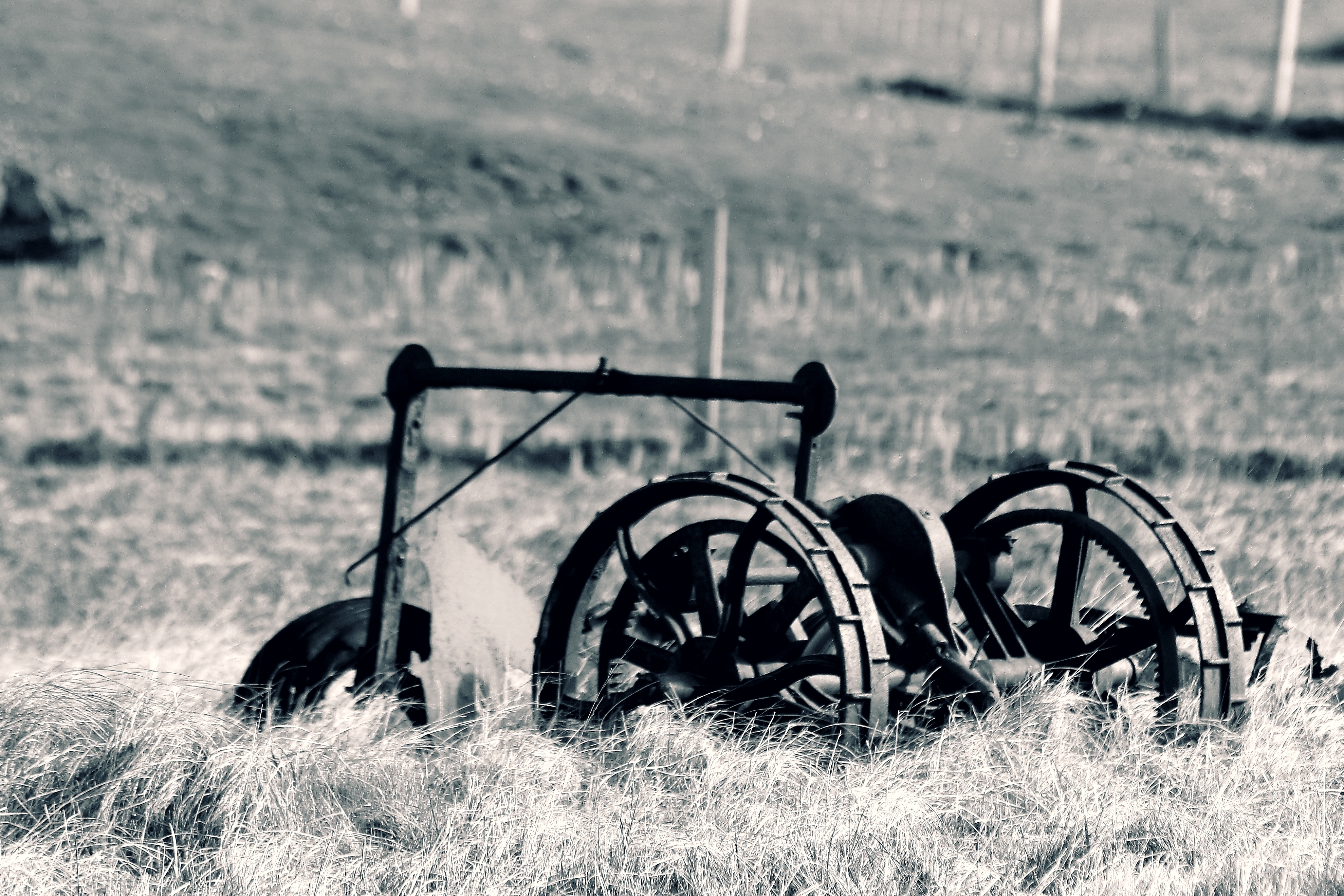
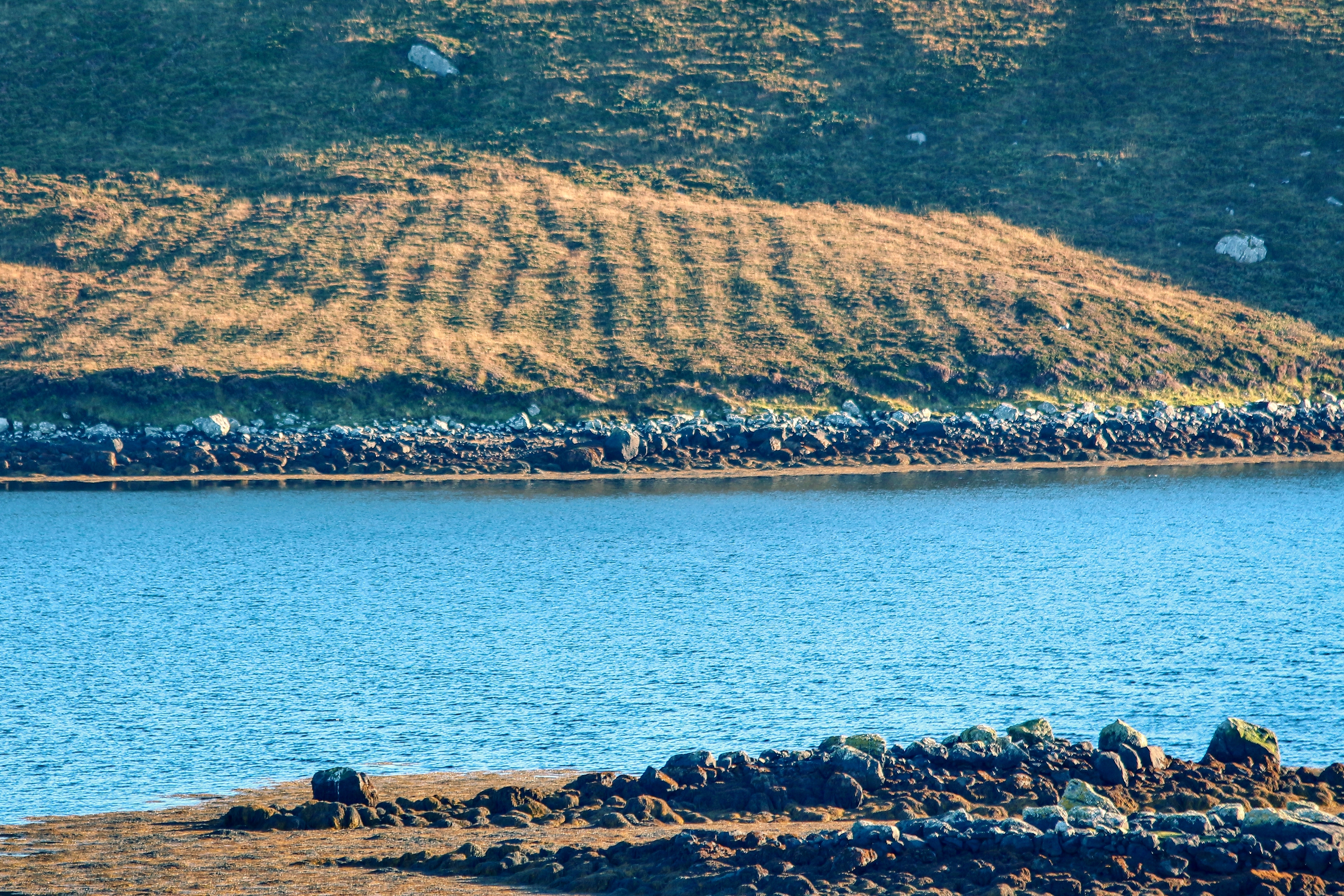
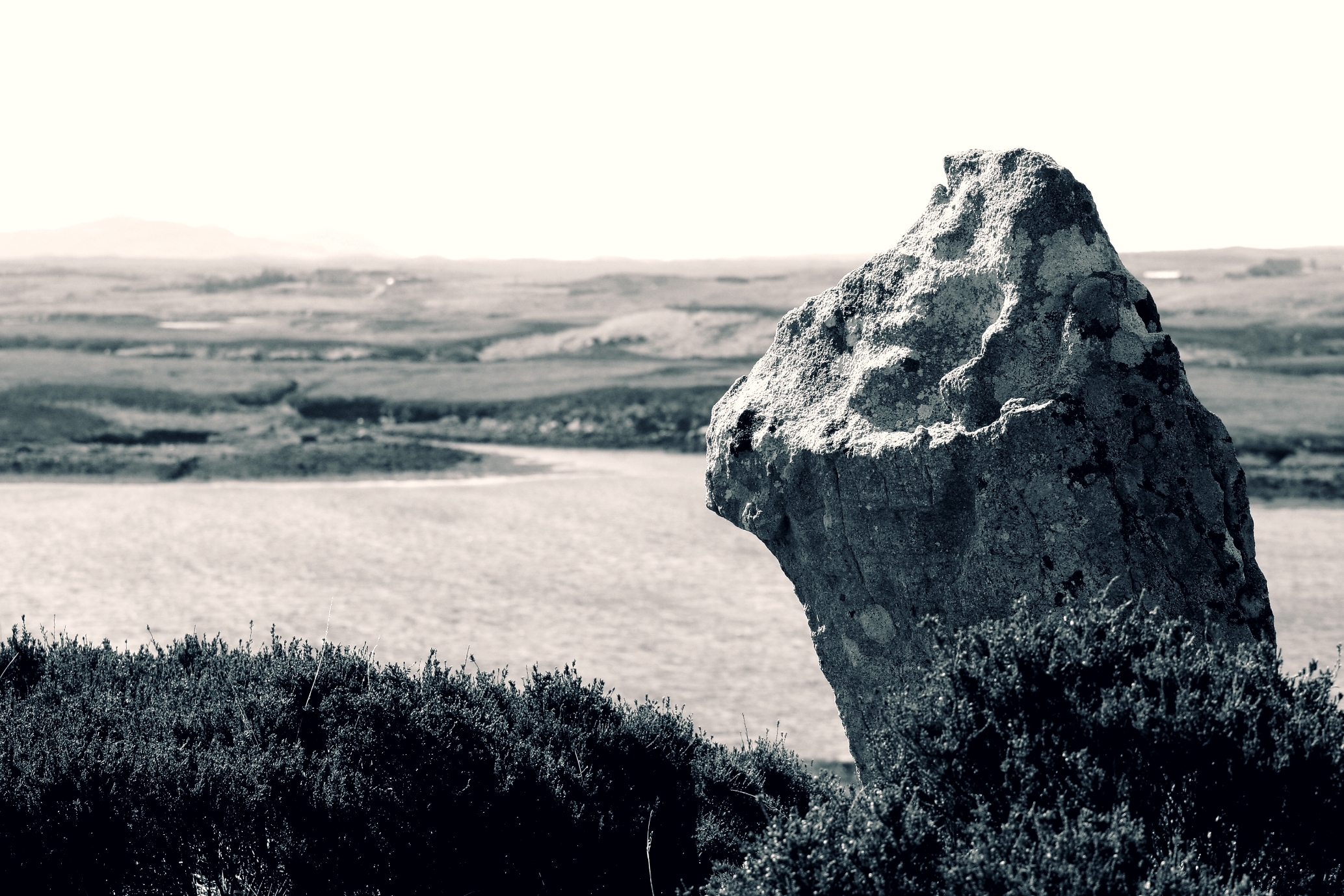
Finally to the place where Mother Sea began – with the history of St. Kilda & it’s abandonment. That tale of population decline, of grief and a terrible communal turning-inward because of that grief was the seed that everything else in Mother Sea grew around. And the islands of North & South Uist, Benbecula, Eriskay and Barra were also there to teach me so much about island communities, the persistence of faith, carving a living from the liminal shore.
Fav folklore – The Blue Men of the Minch. They’re blue, they shout poetry slam challenges at ship captains, they raise storms. I love them.
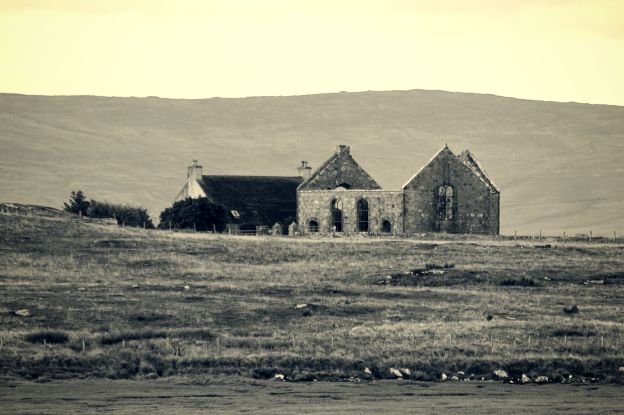
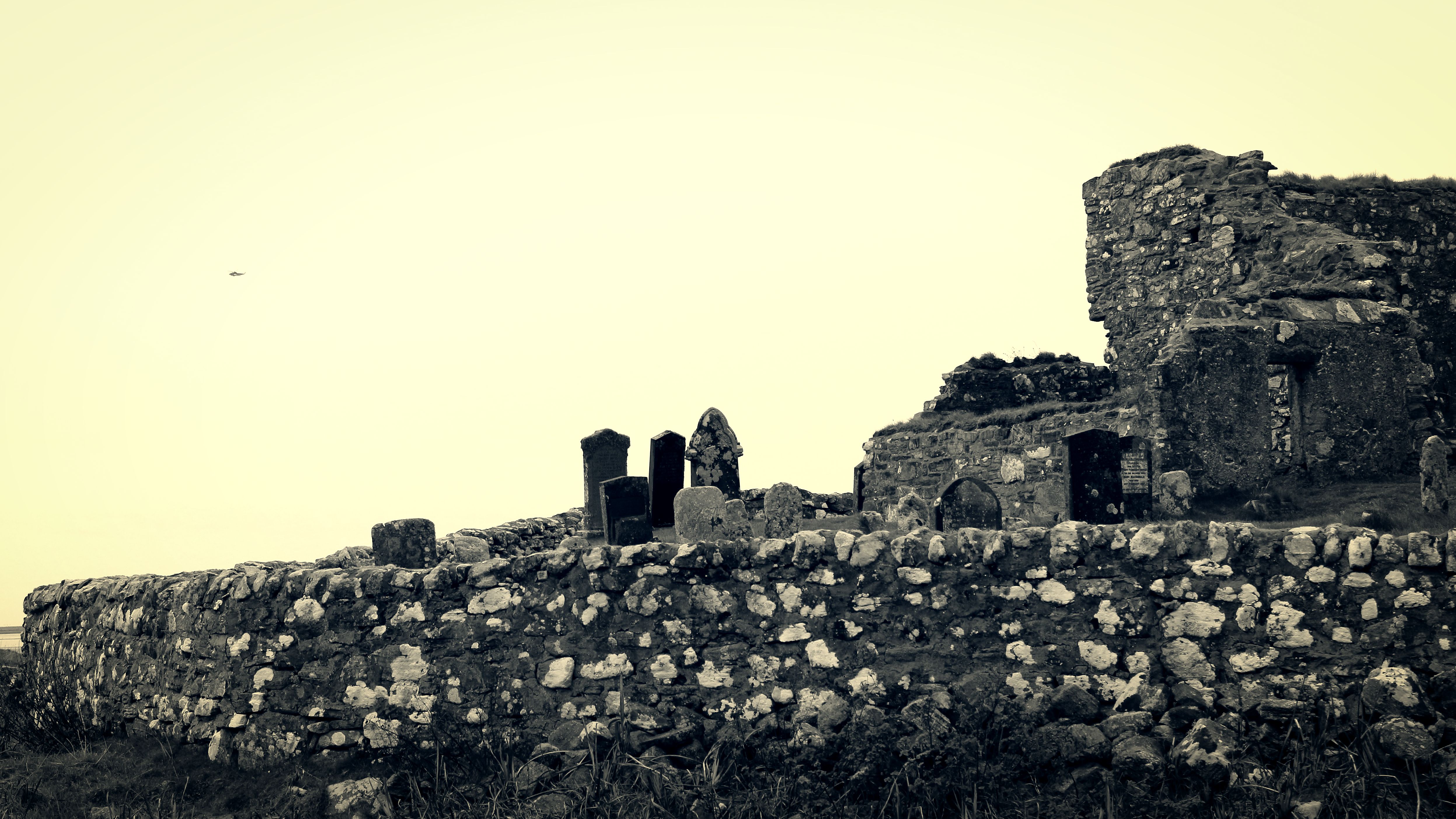
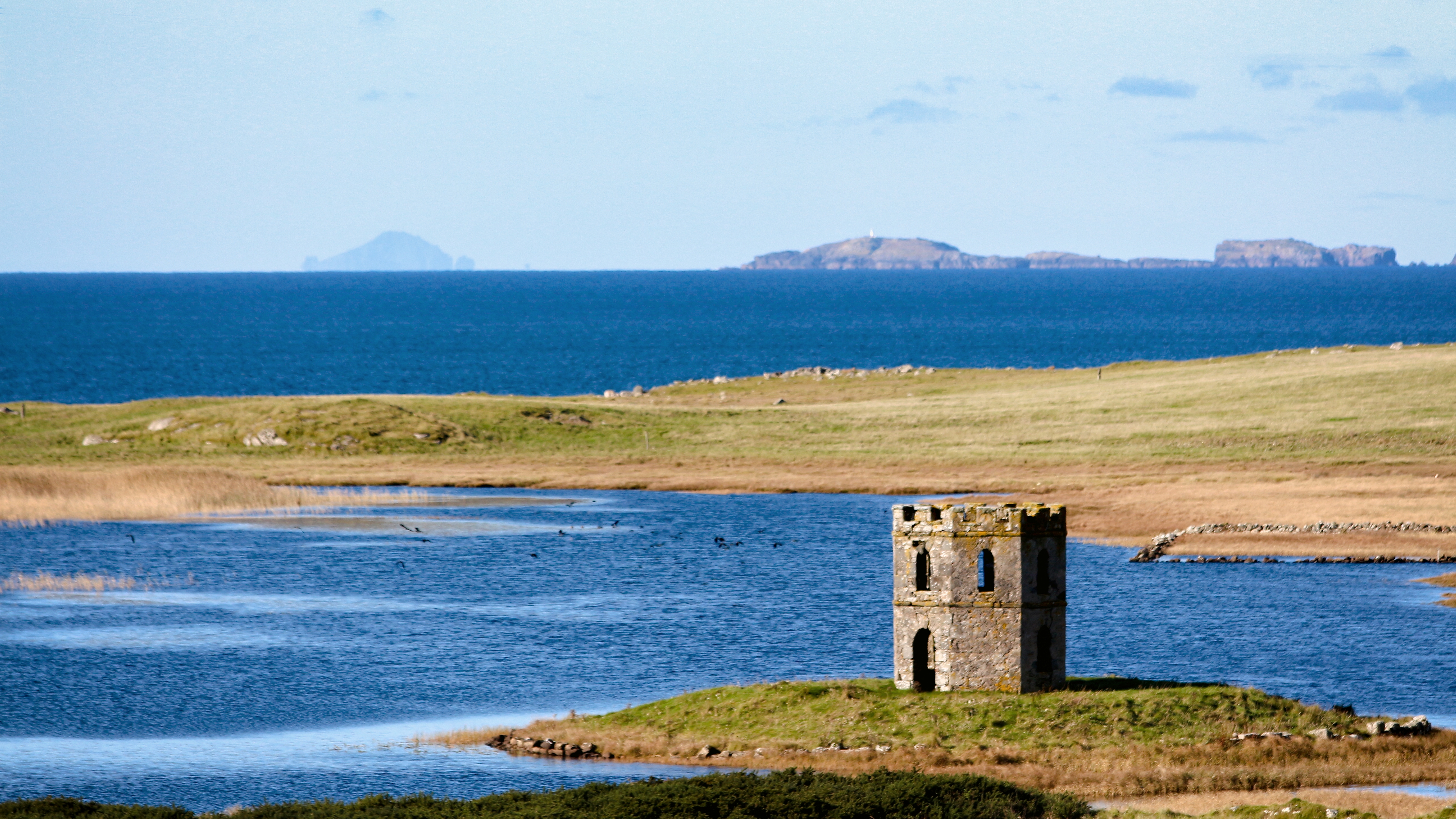
Fav experience – Just the startling, stunning bays – white sand and turquoise water and the steep, watchful dunes. The ruined silhouettes of churches and manor houses on lonely islets, the ghosts of brochs haunting the lochans.



Thank you for coming with me around the world! There are a couple of dozen more islands I read about, stalked online, talked to people about and dreamed of, that all fed into Mother Sea in other ways. But these are (some of) the ones I’ve lived in and loved, and left pieces of myself behind in.