Category Archives: Writing Craft

Mother Sea Island Tour

In the lead up to Mother Sea’s publication I did a wee countdown series of social media posts visiting various islands that inspired the island in Mother Sea. It was mostly an excuse to post lots of photos and rave about lovely places, and I figure I ought to pull it all together here just in case. (In case of what, I don’t know … the fiery death of Twitter? the need to prove ownership of the photos? validation that all my effort pulling it together was worth it? … Probably that last one tbh)

Anyway, below is a slightly expanded-upon tour of the islands behind the island…

One – Iceland

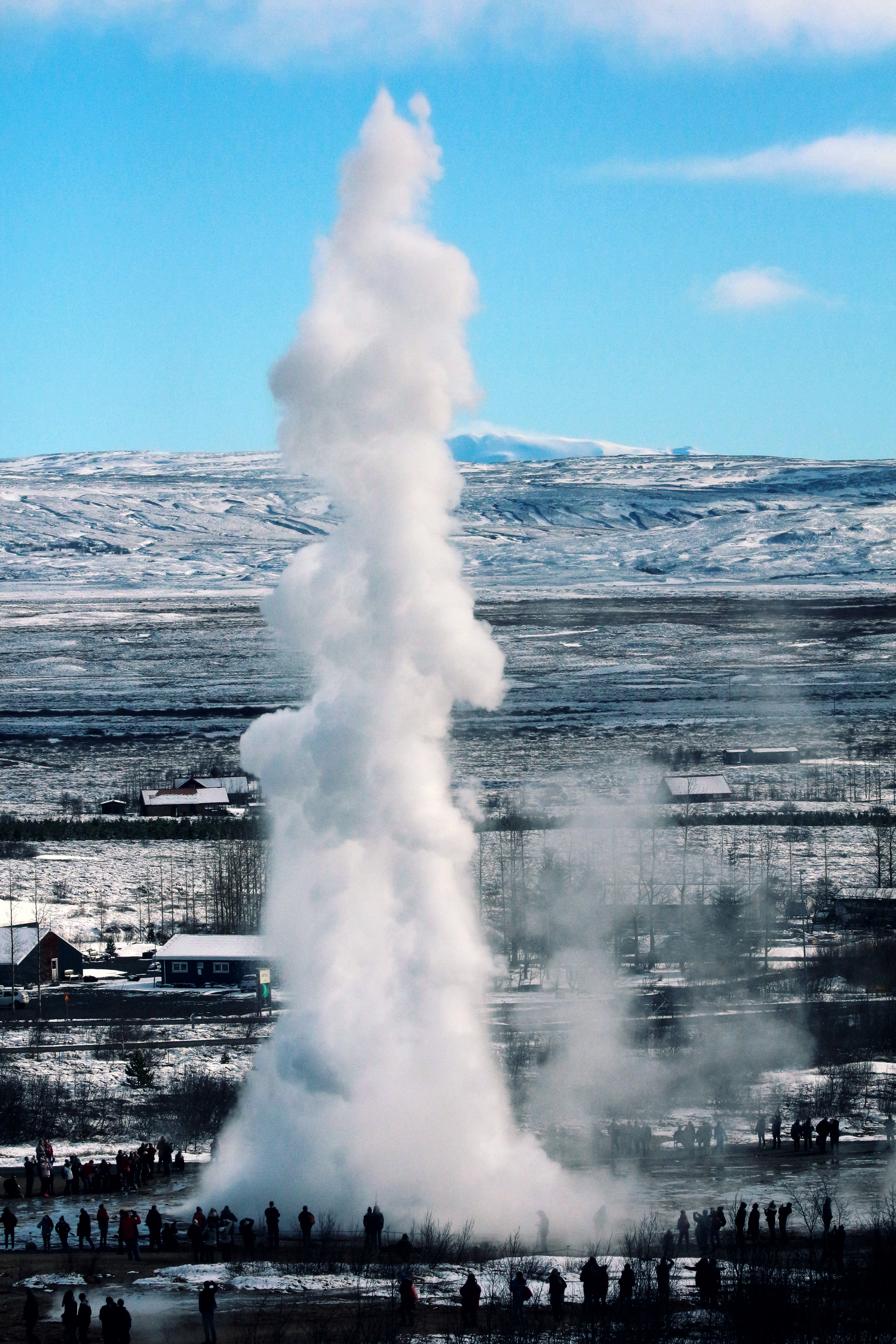
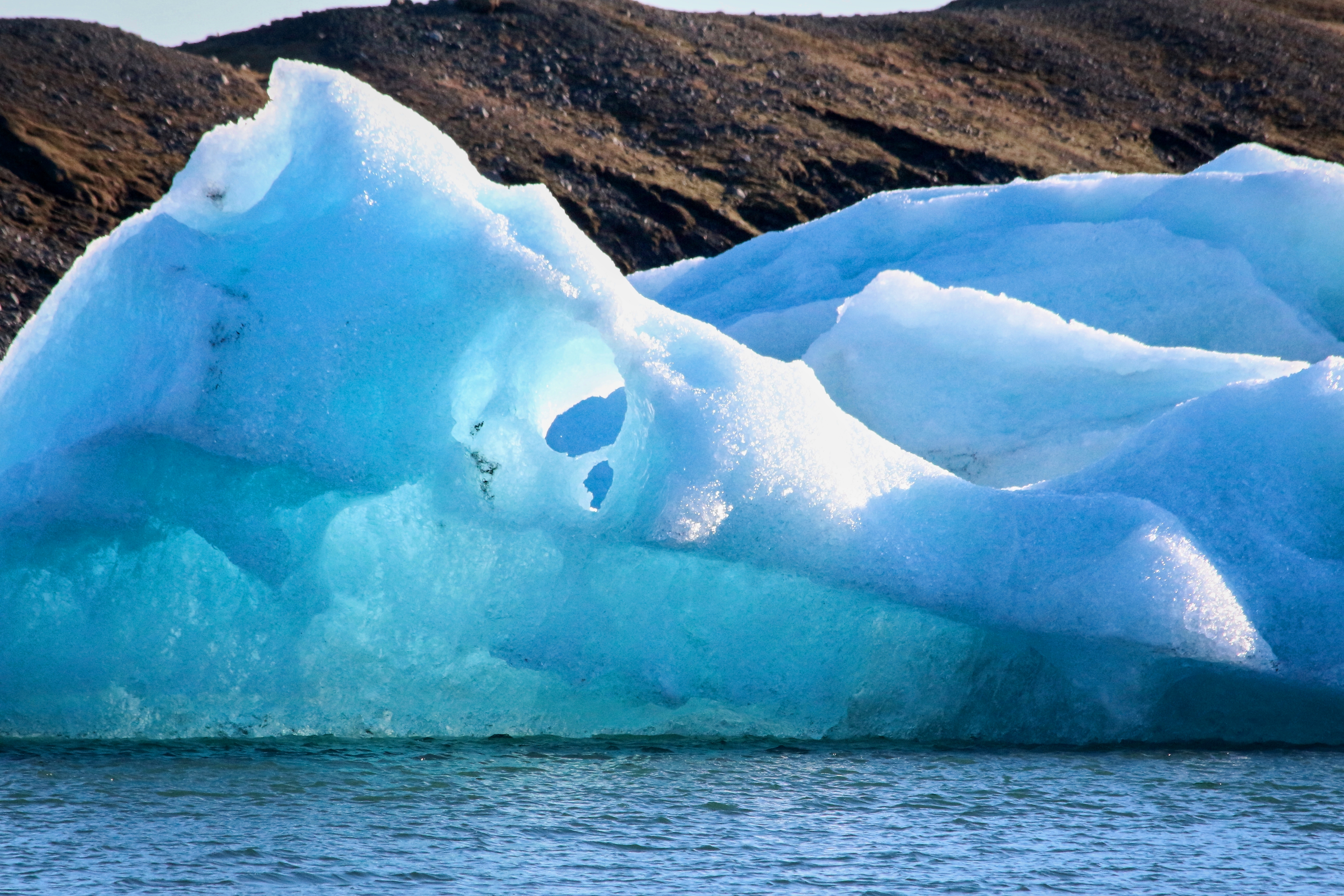
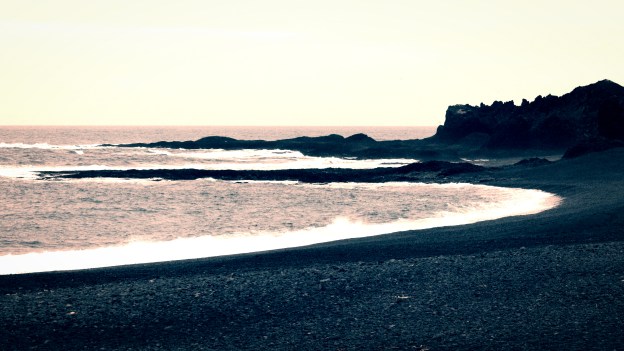
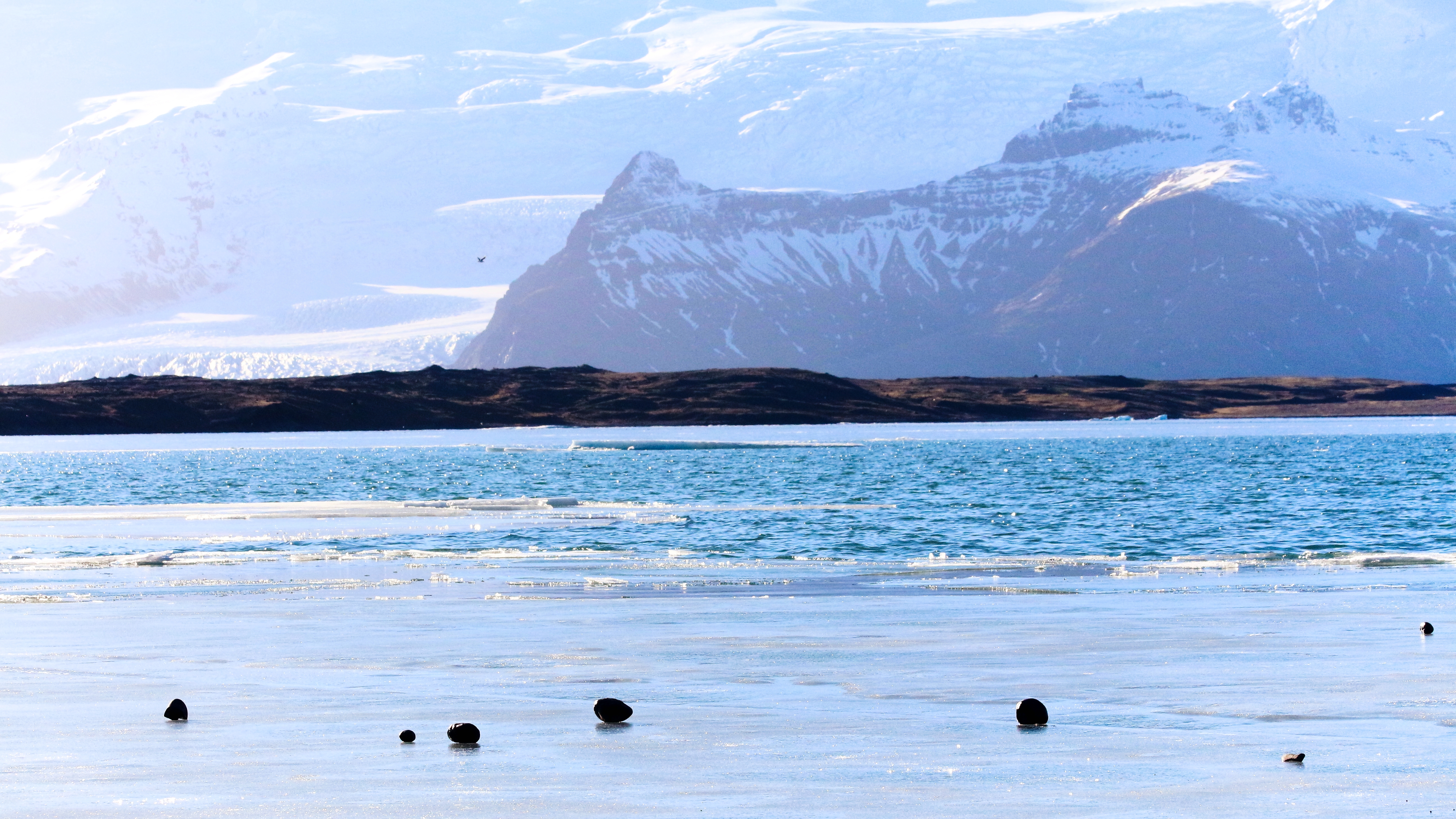
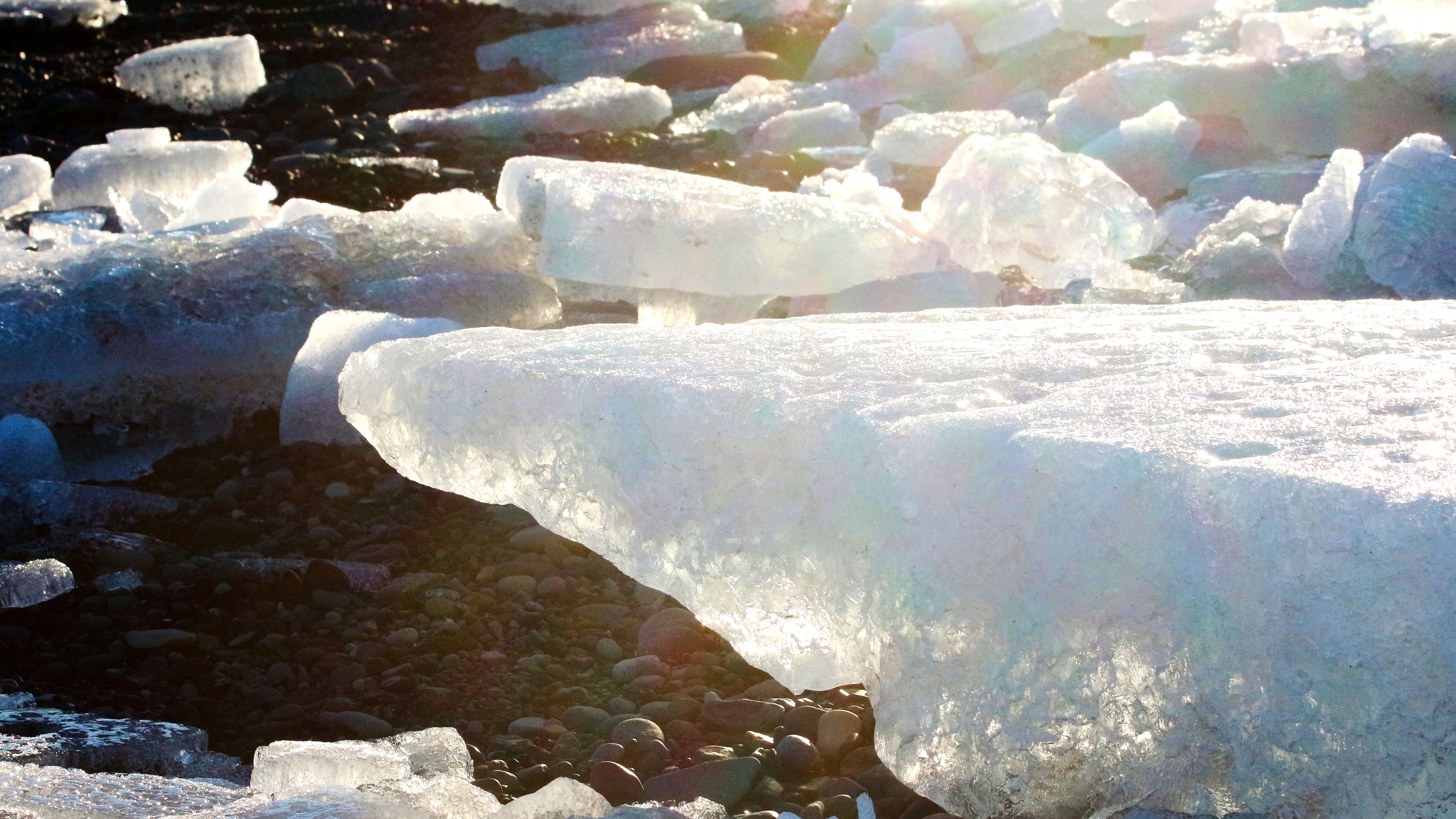
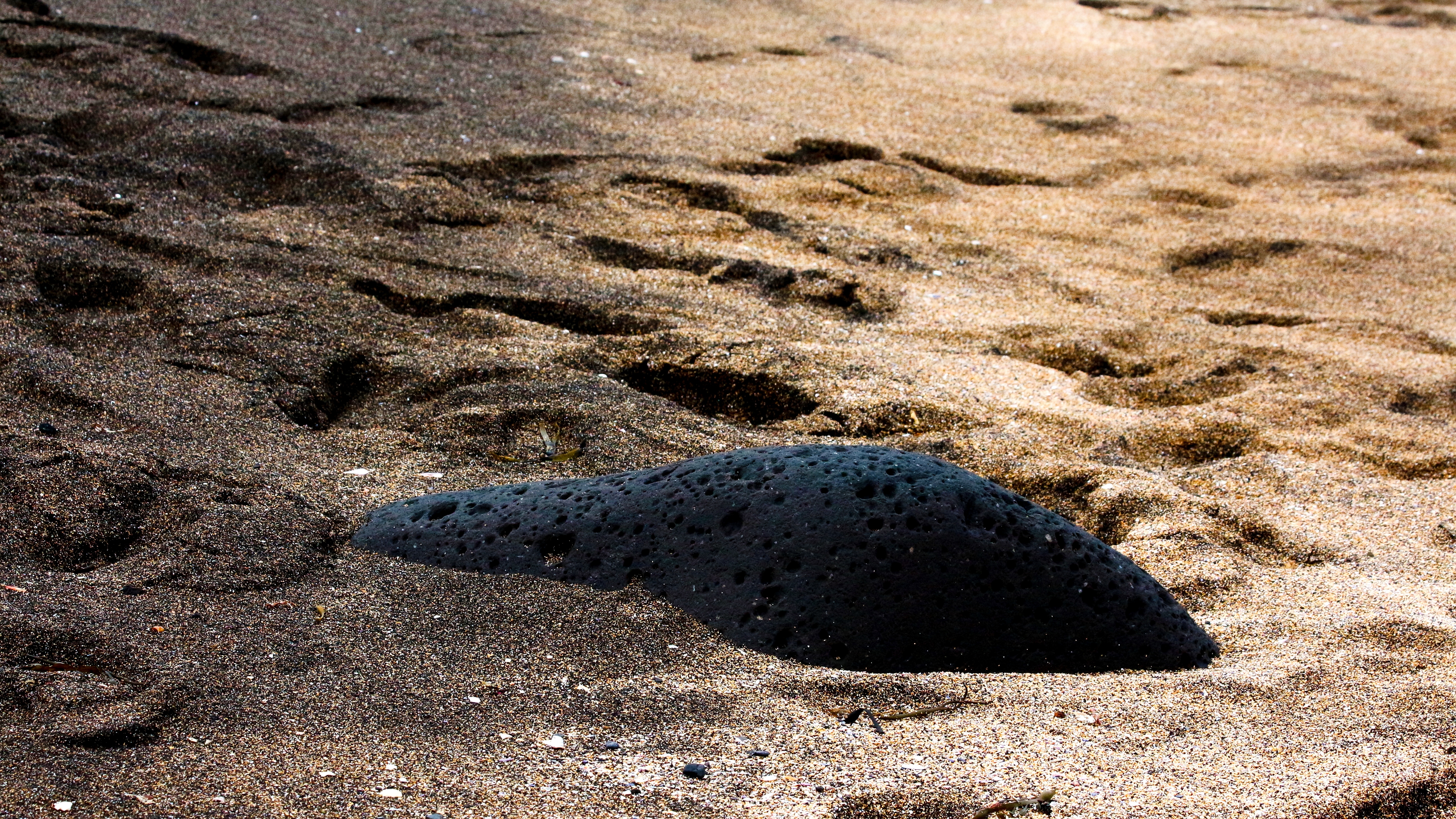
Not much in common with the tropical island in Mother Sea you say? Well, no. But this place has A Lot to teach the writer about colour palettes, I think. The deceptively monochrome black sand and white glaciers and searingly blue sea are an incredible reminder that less can be more! Also in this country there is no escaping the power of an unquiet land & the persistence of folklore.

Fav folklore – The Jólakötturinn – a giant cat that eats folk who weren’t gifted new clothes at Yule

Fav experience – The northern lights. I have no photos but omg, it was all the things and more.

Two – Tierra del Fuego

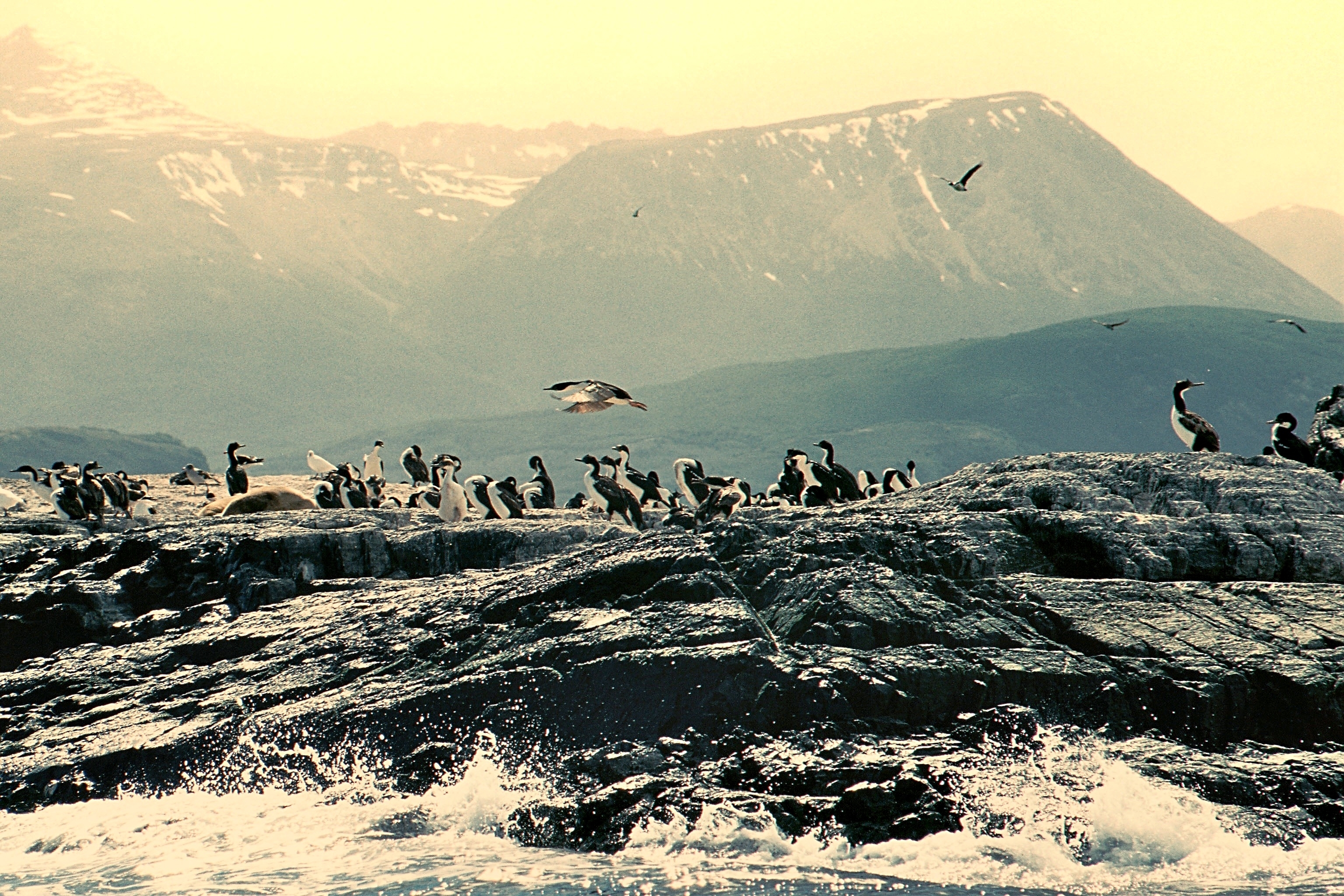
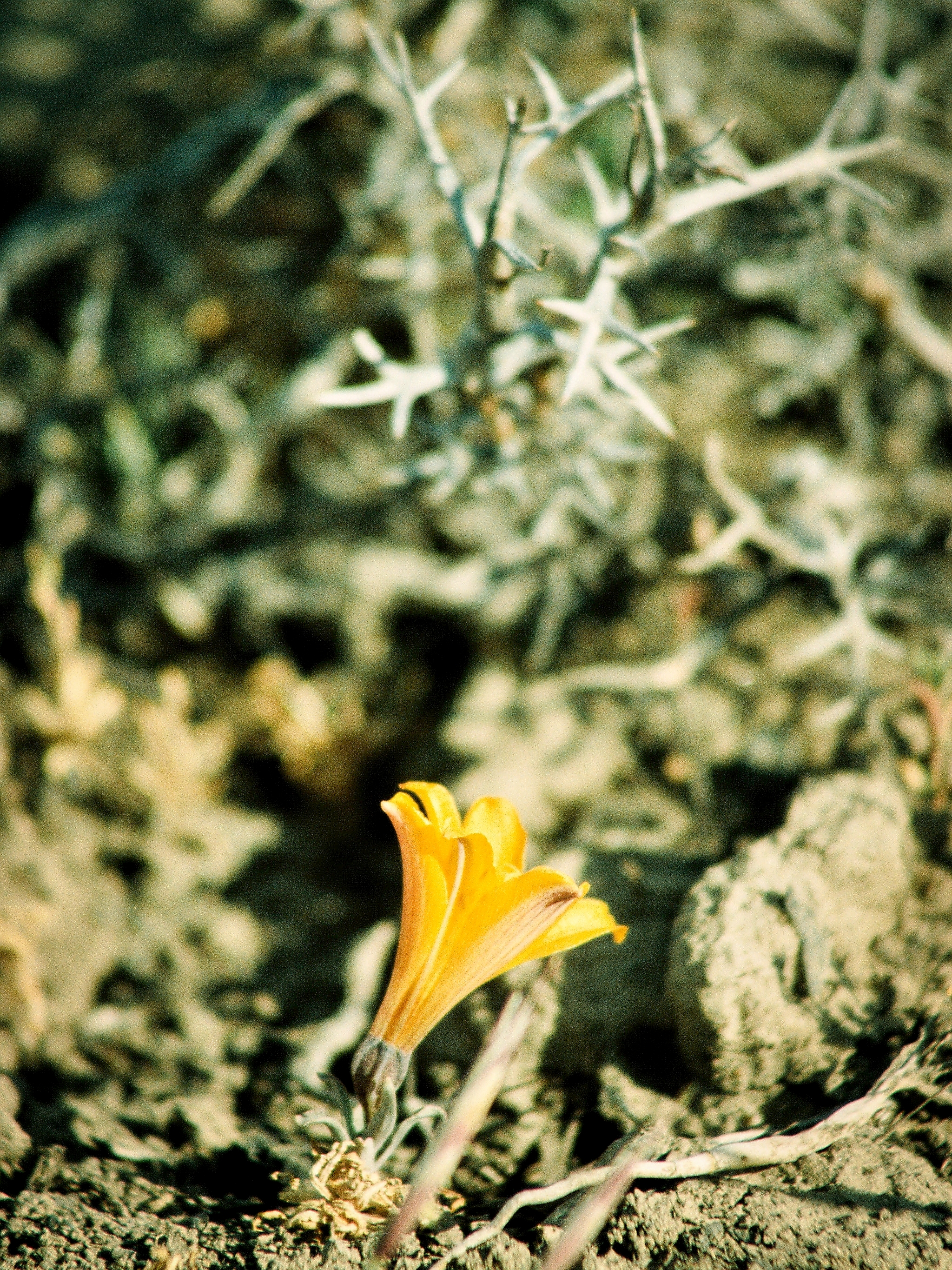
Staying in higher latitudes but at the other end of the planet, the beauty of these southern islands blew me away. It’s undeniably antarctic in weather and wildlife but all my preconceived notions of that were undone by flower-strewn islands, by hummingbirds & parrots right alongside penguins & sealions. Also, partcularly relevant to Mother Sea, heartbreaking histories of colonial genocide & the loss of language & culture.

Fav folklore – Teiyin from the Yahgan ppl. A shapeshifter god, protector of children & elderly, enforcer of altruism.

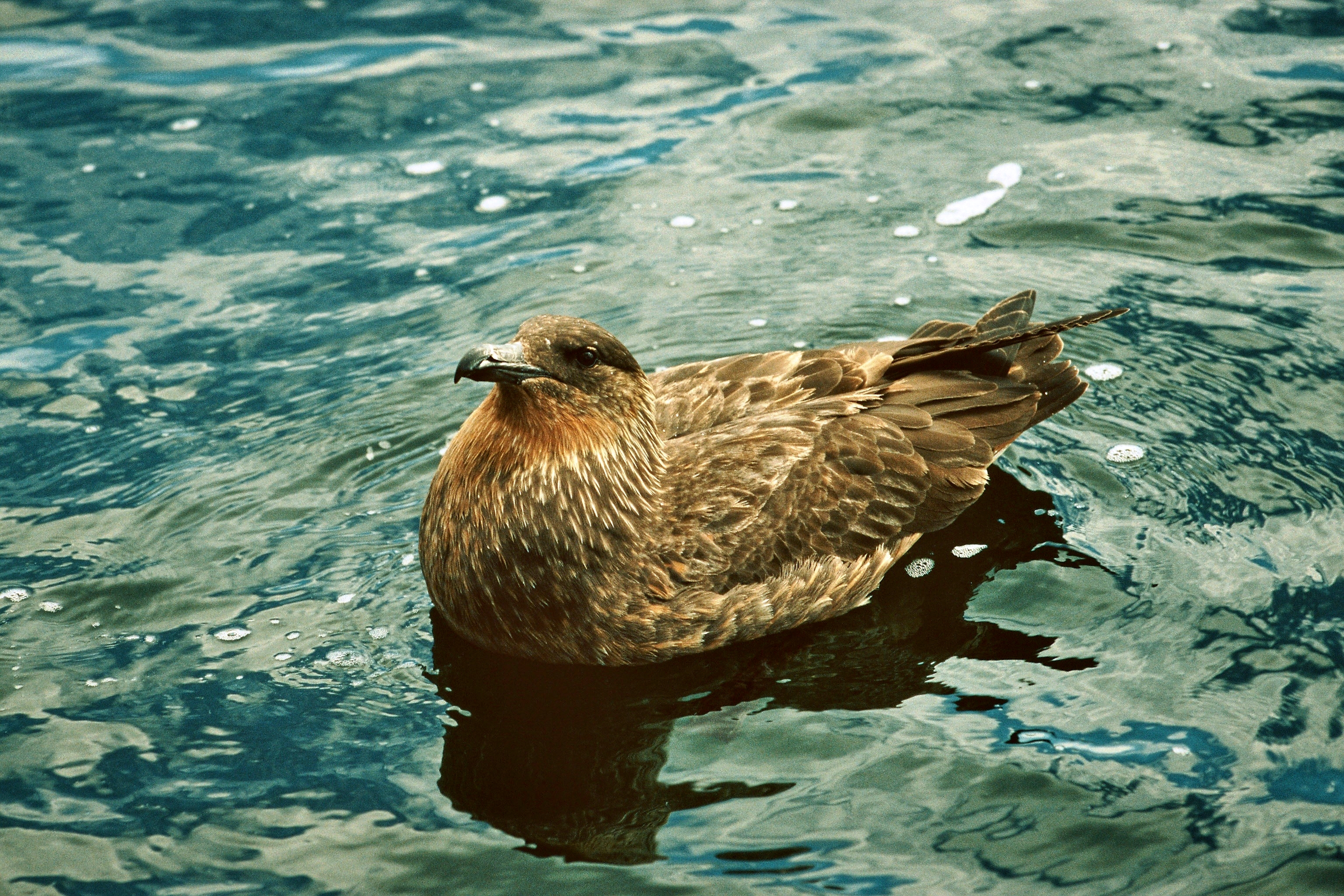
Fav experience – Following in Darwin’s footsteps – I read This Ship of Darkness while I was there for extra cross-temporal-bonding! Also, steamer ducks. So round.

Least fav – my 1st ever sunburn. I did not know it *hurt*! What?

Three – Shetland (and Orkney)

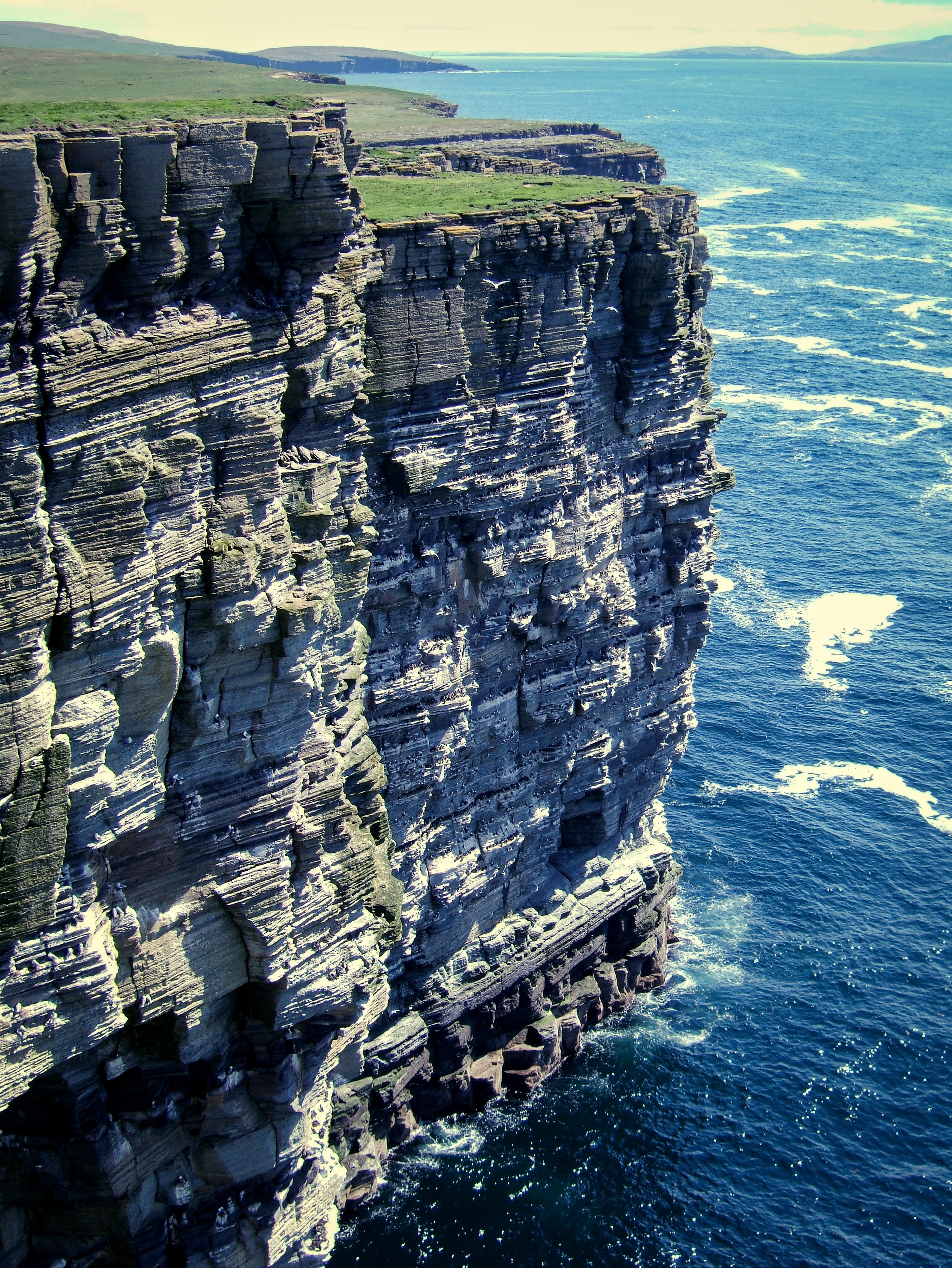
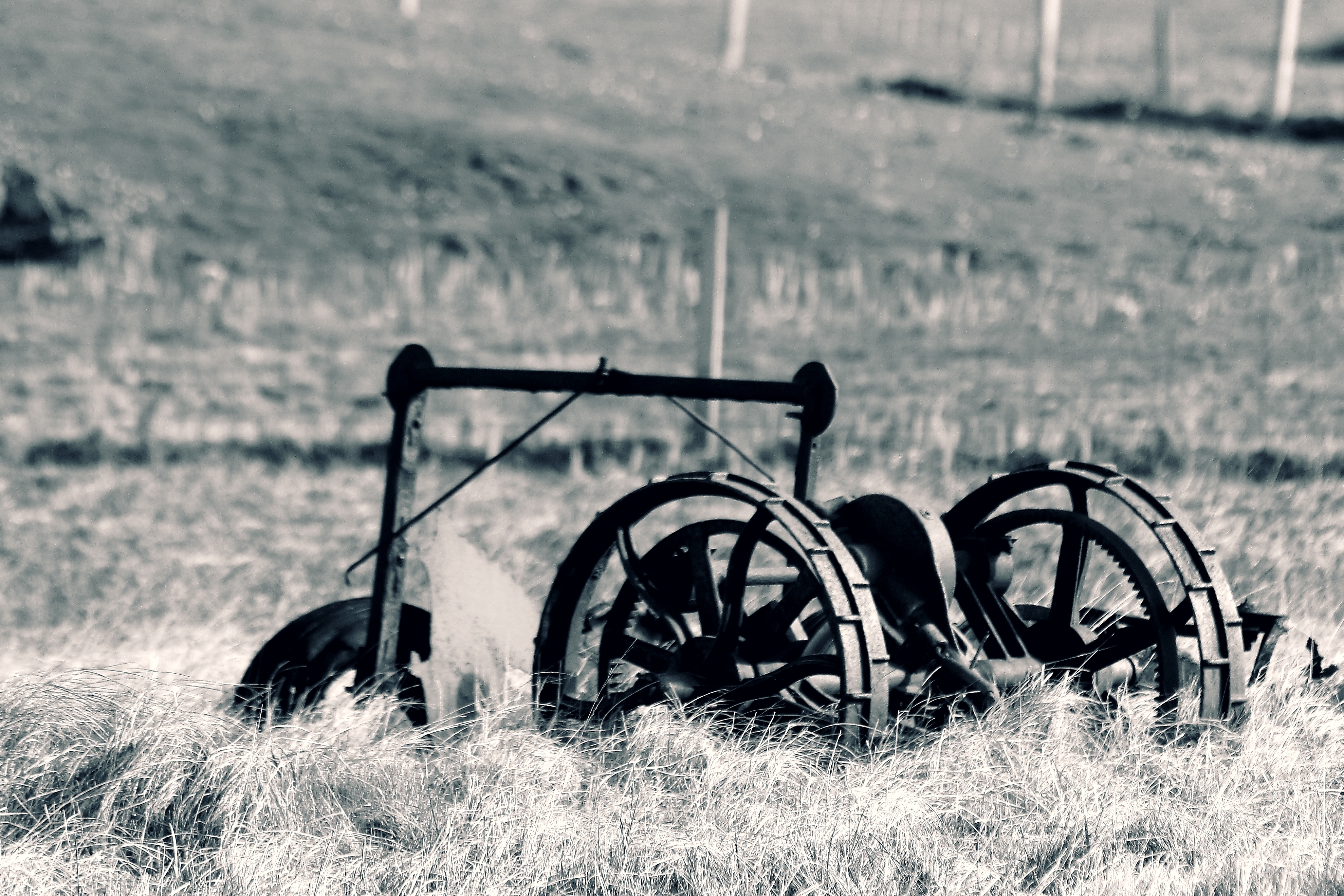
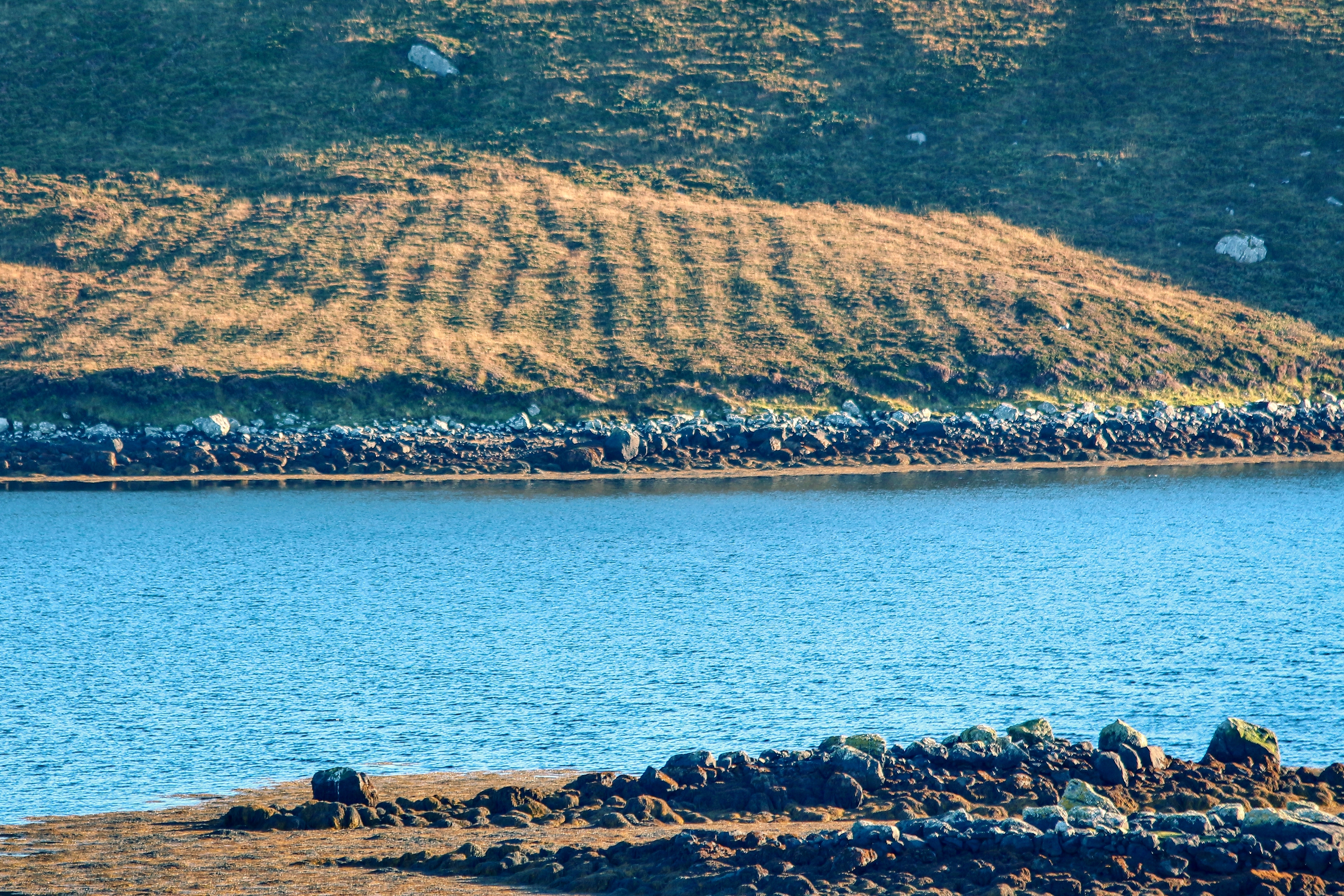
Closer to home, Shetland in particular, but also Orkney, taught me that political borders don’t always mean an awful lot. That dialects and folklore follow their own paths across the sea and old trade routes still shape island identity now, regardless of what the maps say. They also taught me that teeny tiny planes are the best, and I’d probably not survive a Shetland winter.

Fav folklore – The Sea Mither (spot the #MotherSea connection!) who wrestles the dangerous Teran to calm the seas.

Fav experience – Standing in the old broch on Mousa, listening to storm petrels purr in the stones around me. And getting dive-bombed by Bonxies on Orkney mainland!

Four – The Mediterranean

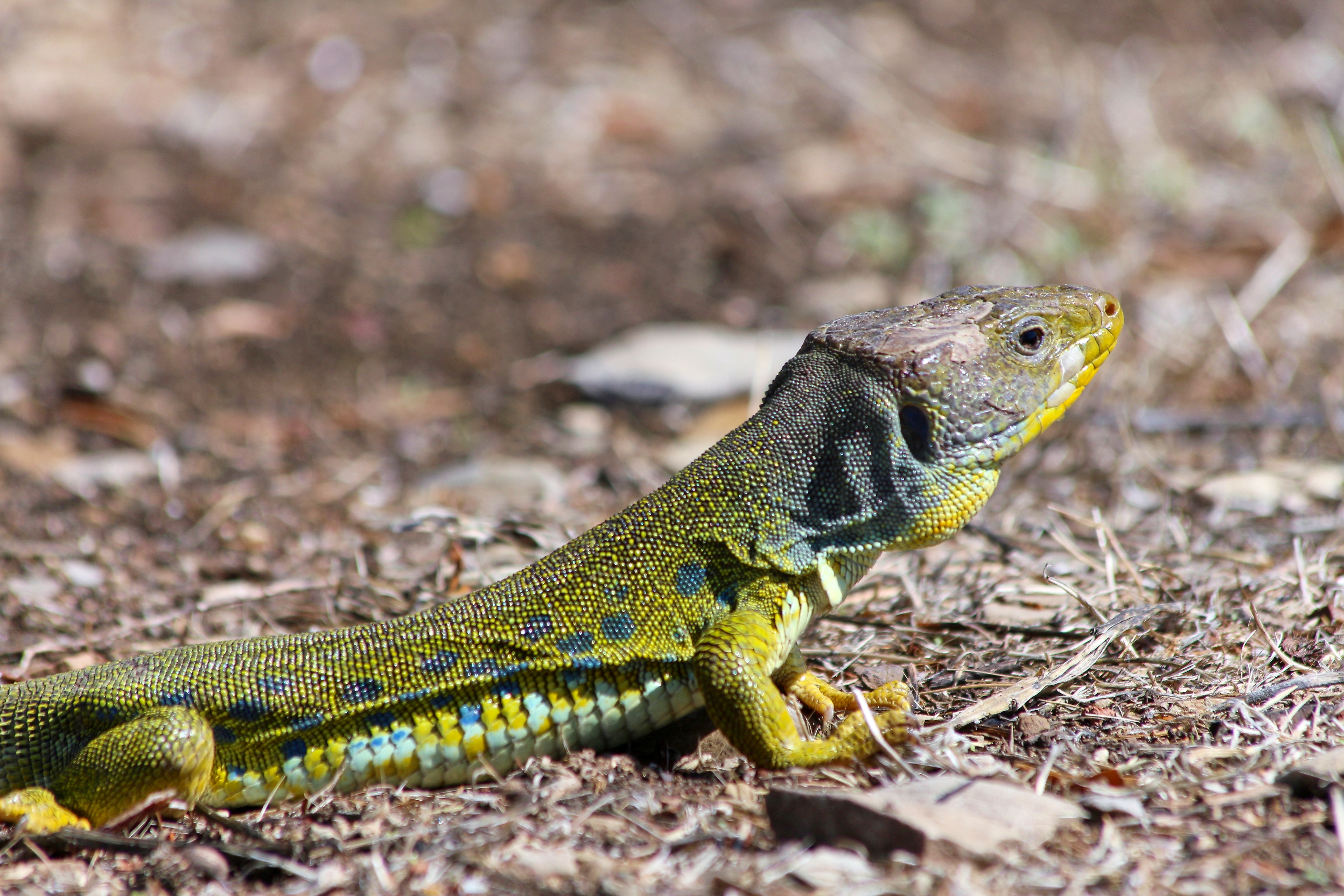
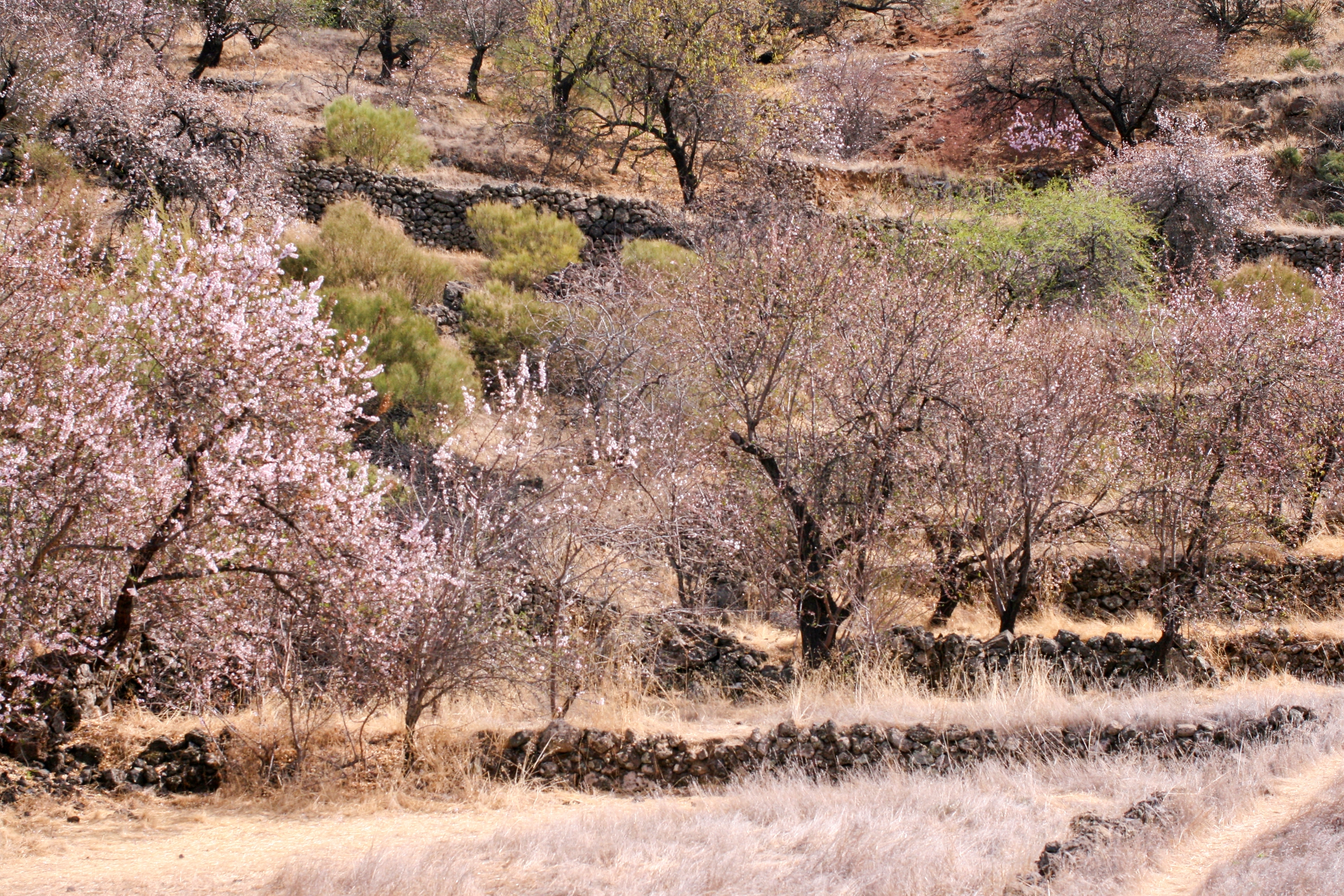
Kinda cheating lumping this whole region (and the Canary Islands) into one, but doing each island individually would turn this into a book, and also there are some common strands despite the distinctive feel of each place. I love the Mediterranean garrigue ecozone. It’s so stark & distinctive & surprising. I have a huge soft-spot for cyprus stands and stone pines, and ancient olive groves. But these islands are also fascinating for studying farming’s adaptations to a hard climate, the way humans have shaped the very land & how fragile that balance is. Especially as tourism threatens rural economics, communities, water resources & conservation.

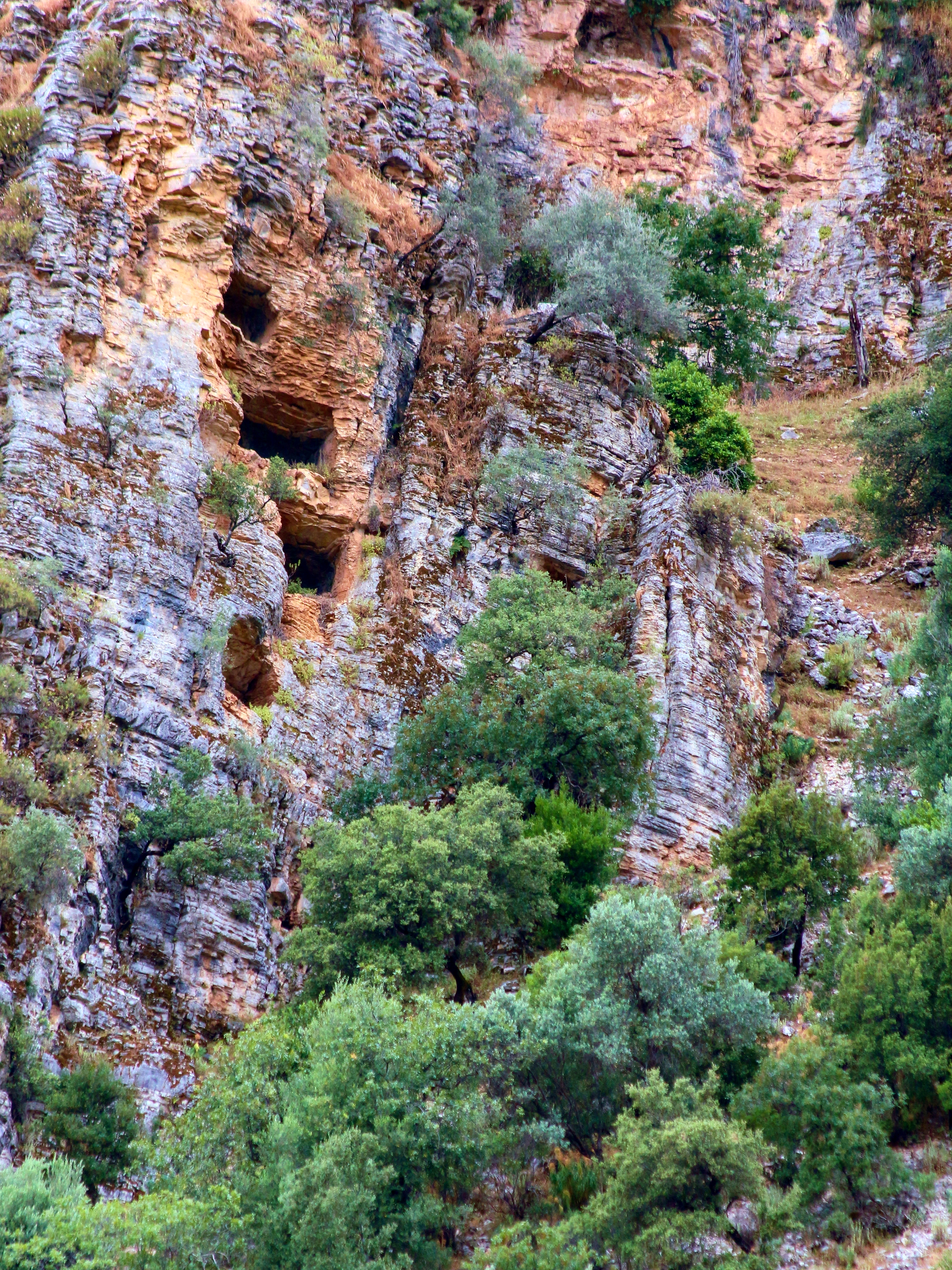
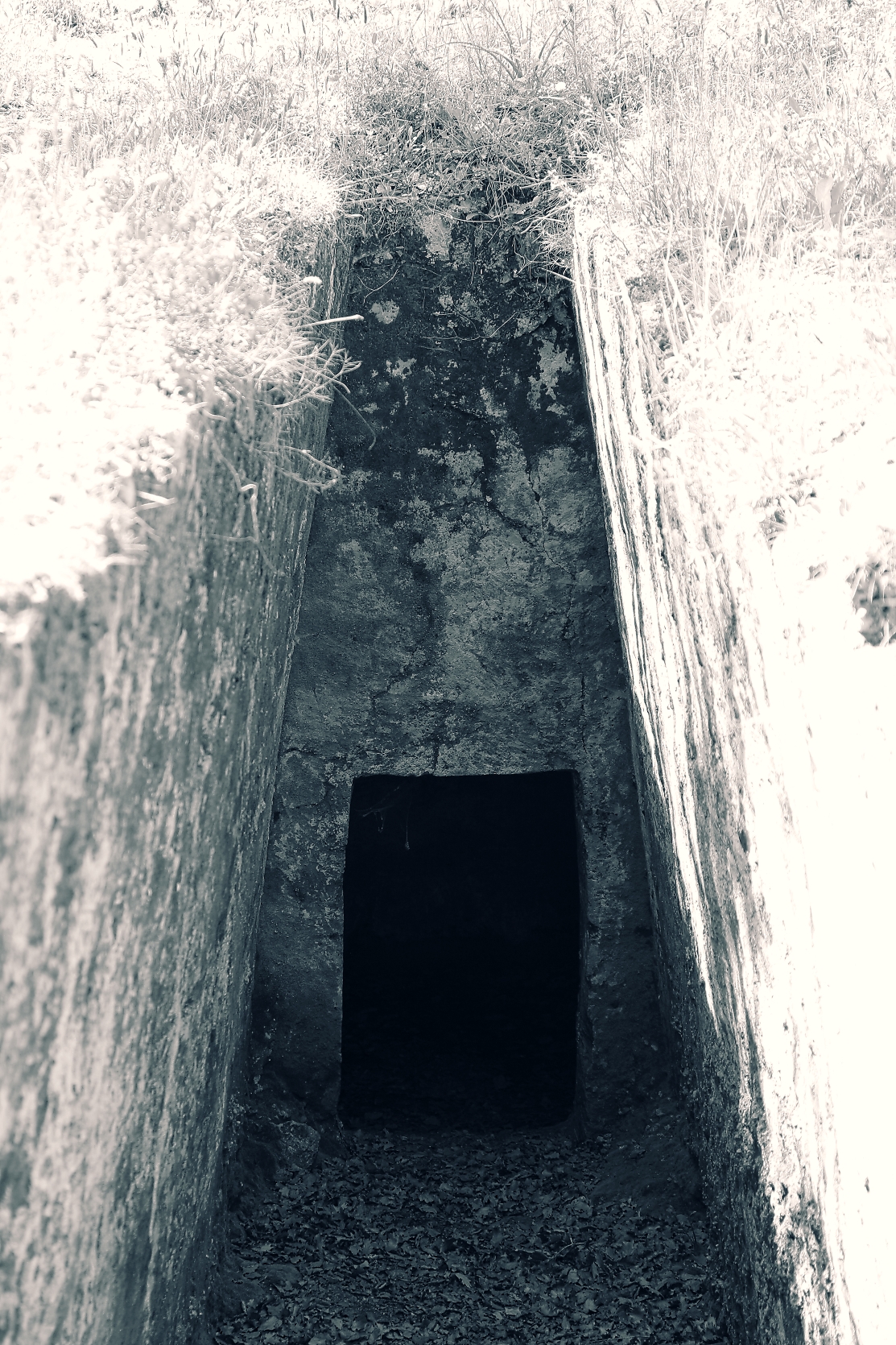
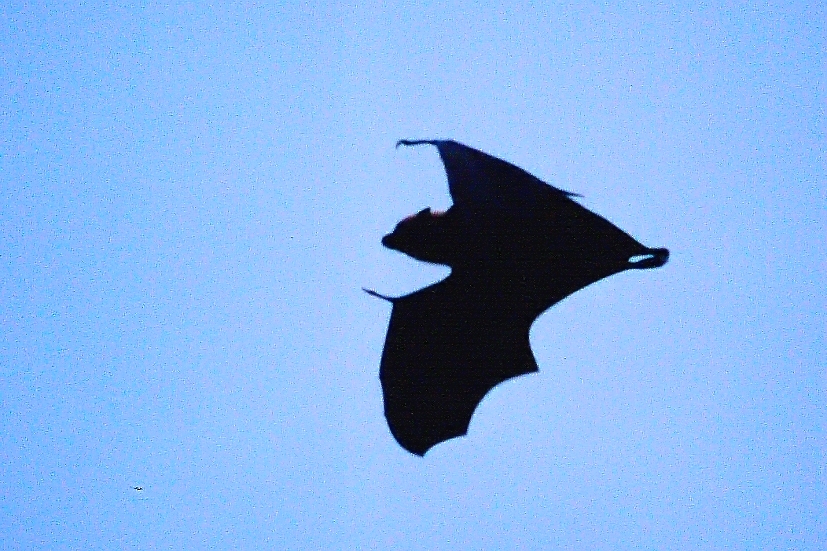
Fav mythology – The Minoan rock tombs on Crete & Lycian cliff tombs in Turkiye appear in Mother Sea. Caves & bats – what’s not to love?

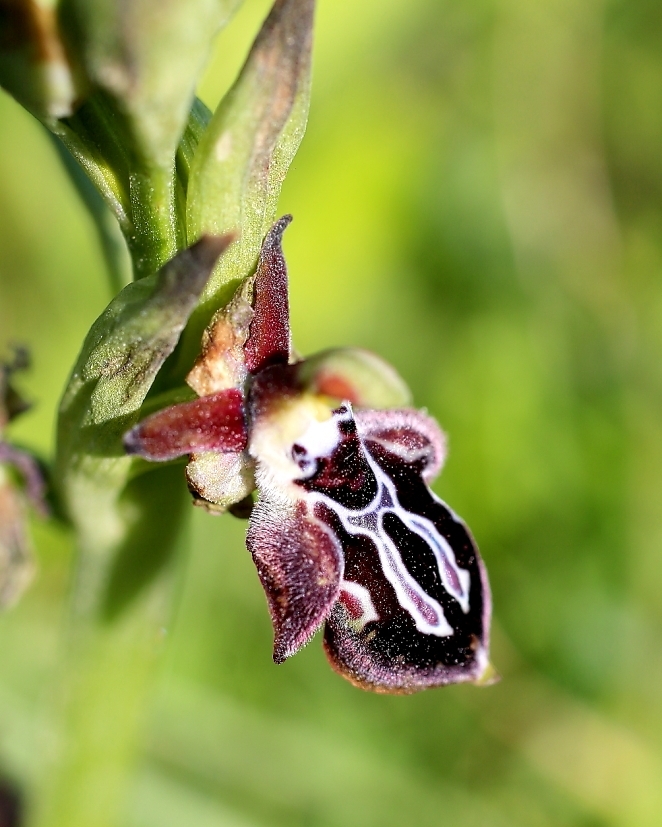
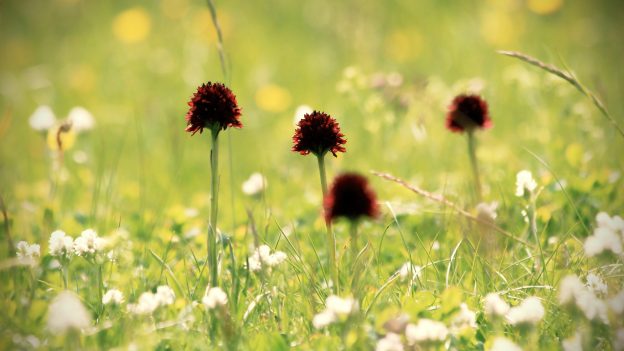
Fav experience – Cretan orchids. Omg, if you’re remotely into flowers, the orchid species crowding the hillsides will give you heart failure.

Five – Seychelles

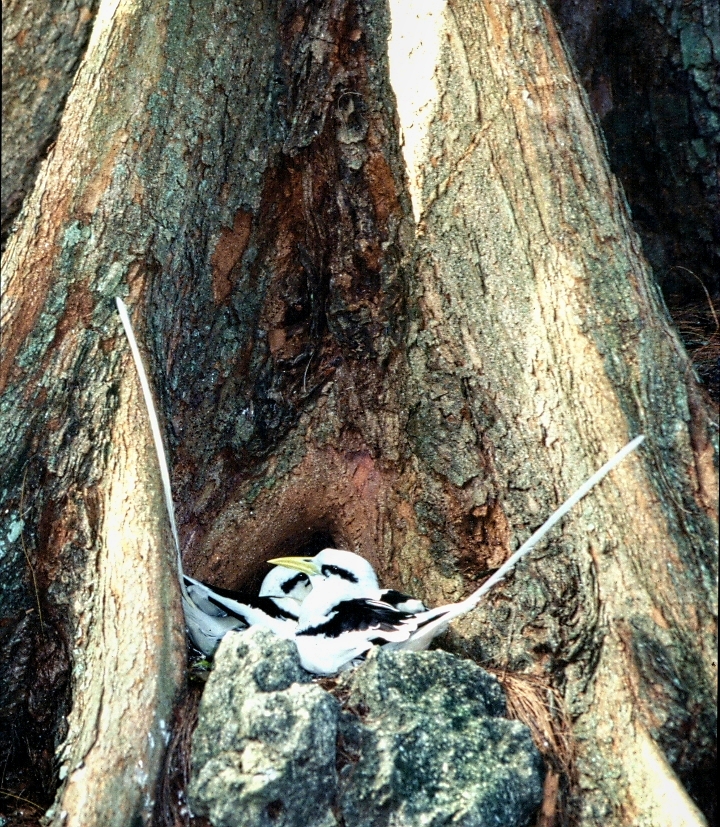
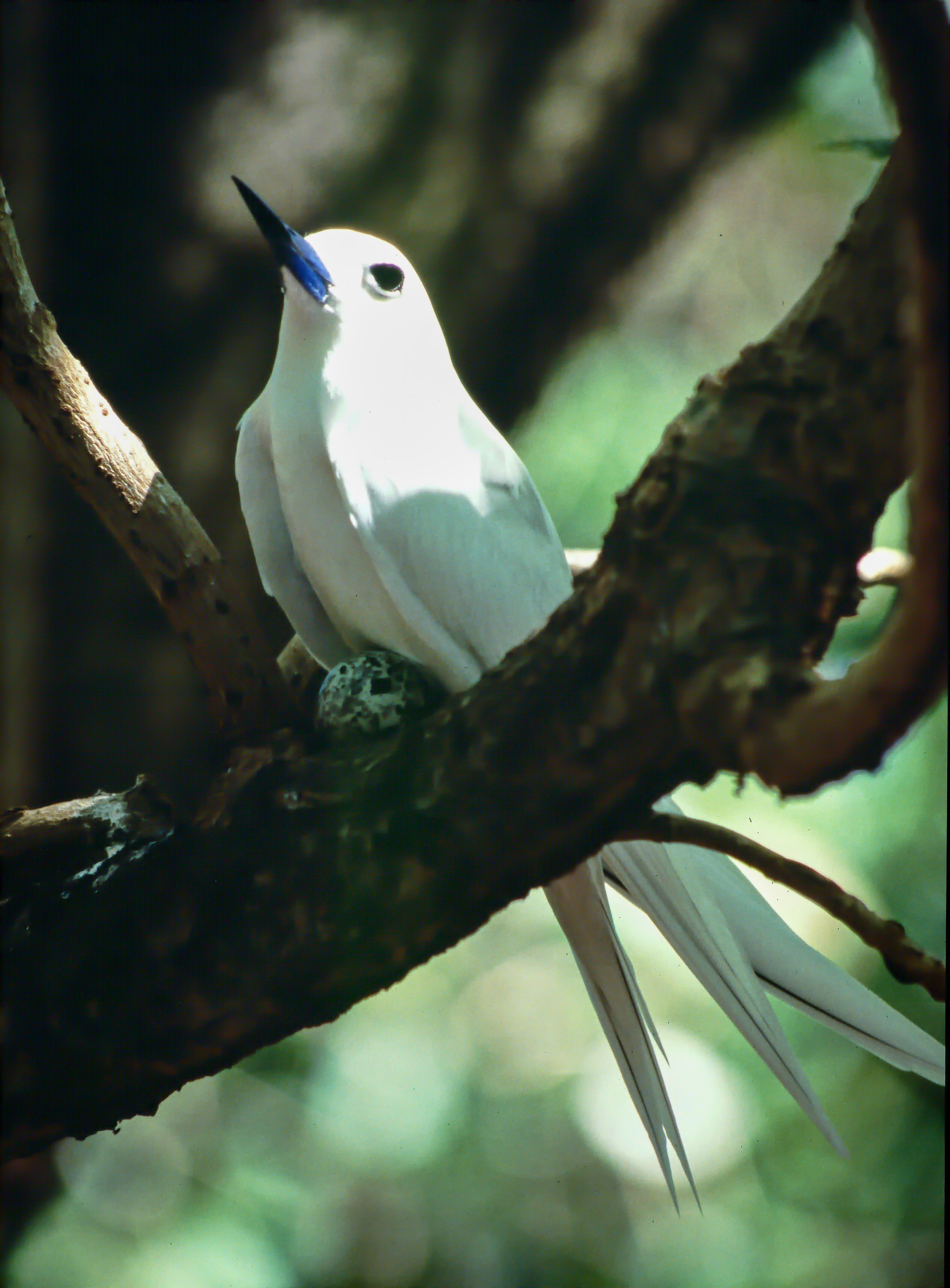
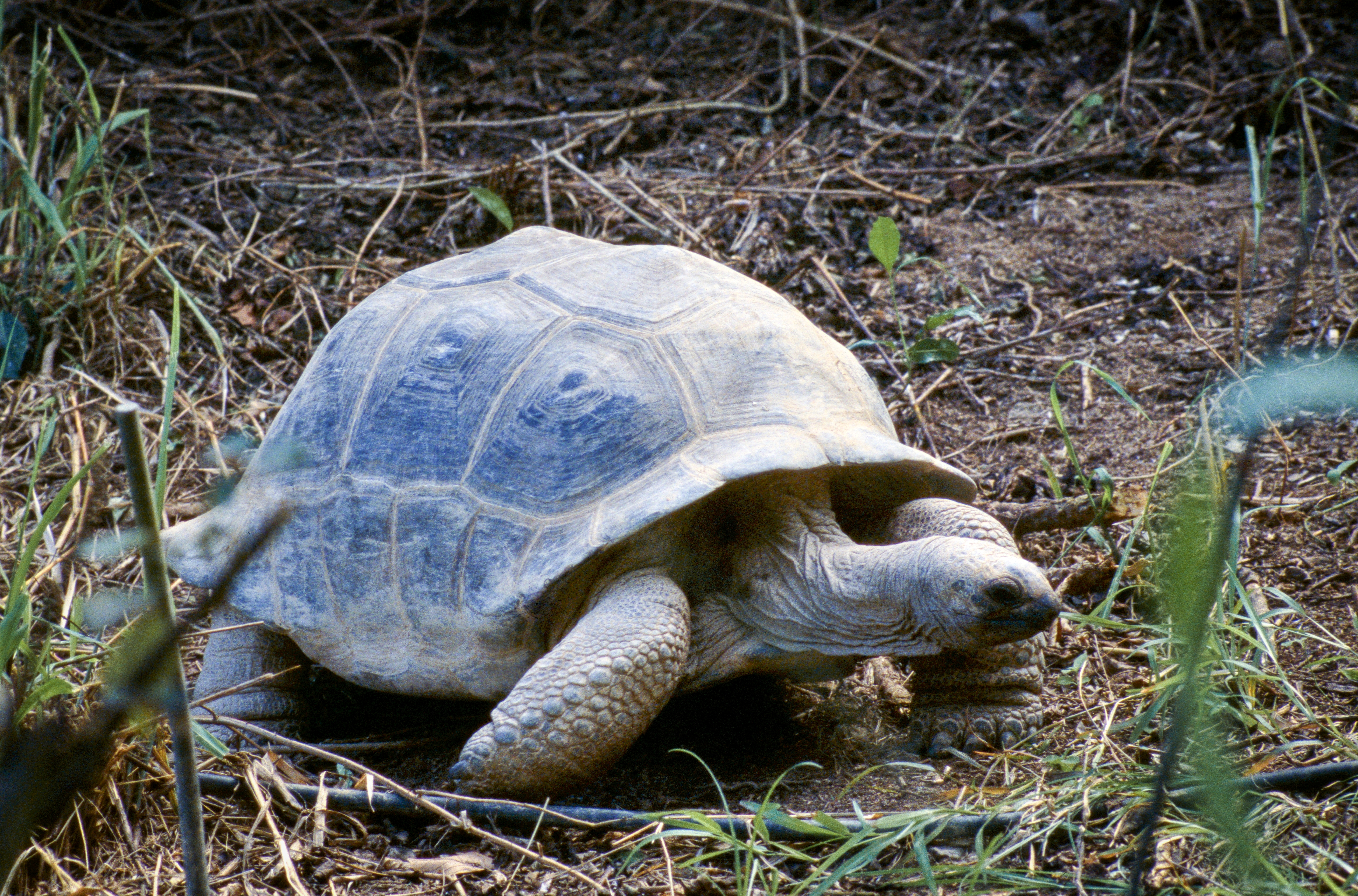
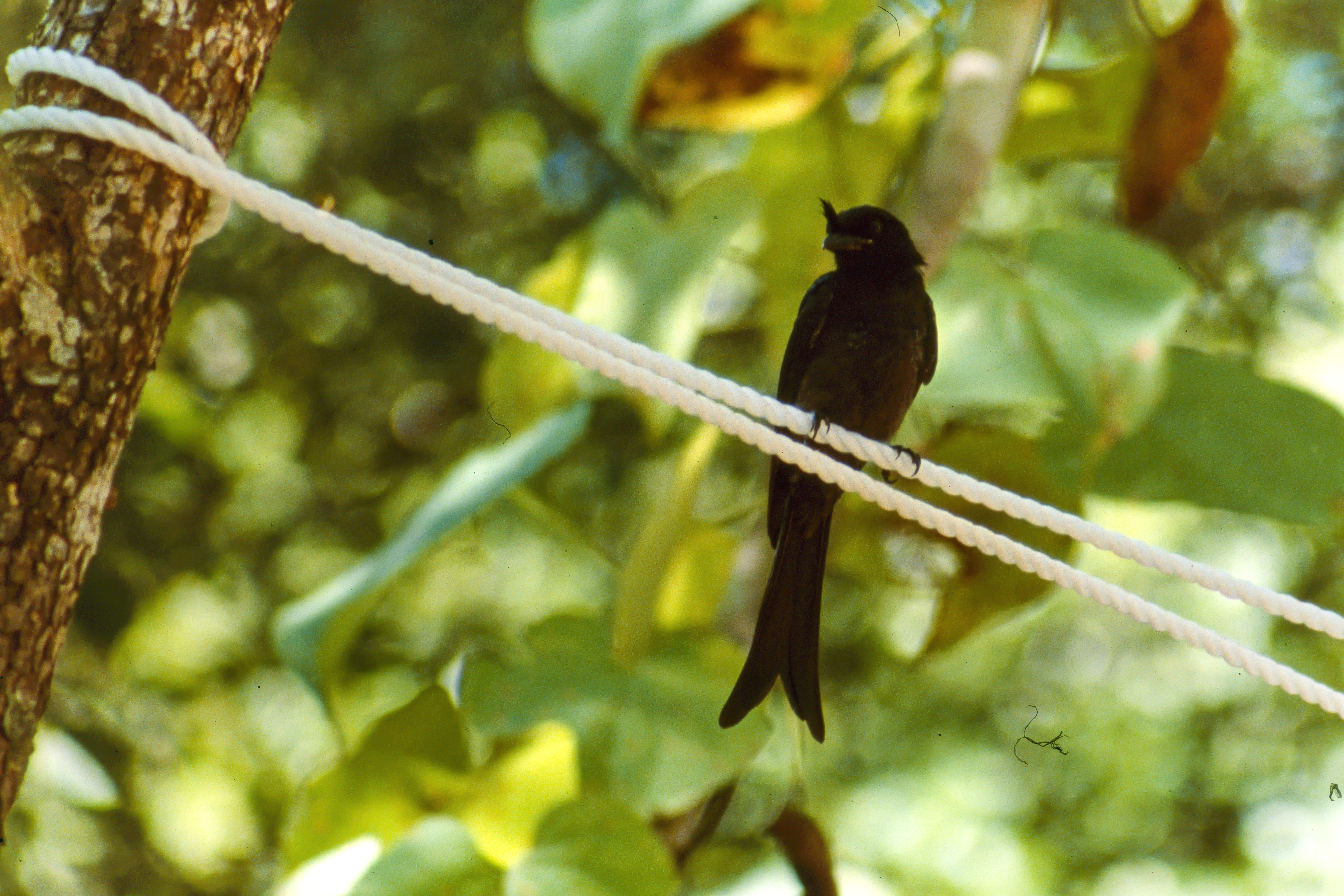
The right ocean at last! These are the closest islands to my fictitious one in Mother Sea, so a lot of the flora & fauna are similar. Seychelles taught me a hard lesson on coral reef damage & restoration, but a beautiful one on Creole language & culture. It also taught me to look beyond the glossy curated tropical paradise images for the murkier truth about the impossible value:cost trade-off of tourism on places and communities like these.

Fav folklore – An eejit Brit in 1800’s decided the coco de mer was the original forbidden fruit because it looks like a bum! And therefore that the Seychelles was the lost garden of Eden. I mean, it’s a definite paradise in some ways, but also, lol.

Fav experience – Meeting giant tortoises? Or giant fruit bats squabbling in the tree above us as we ate our dinner in the dark (hint: Mother Sea may contain bats)

Six – Madagascar

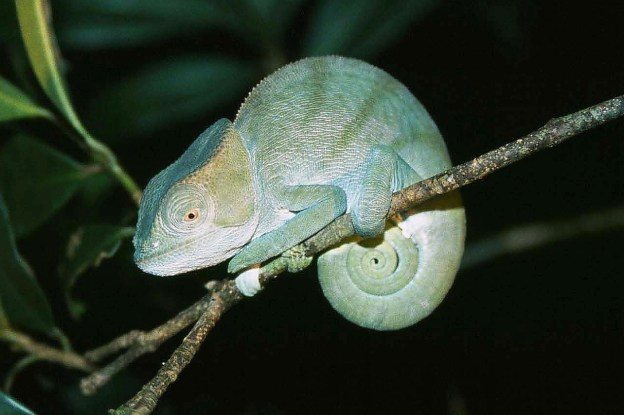
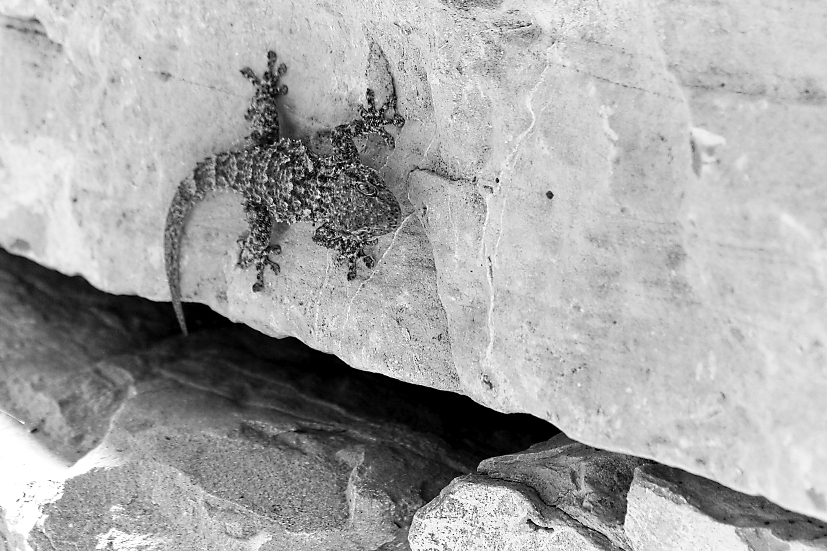
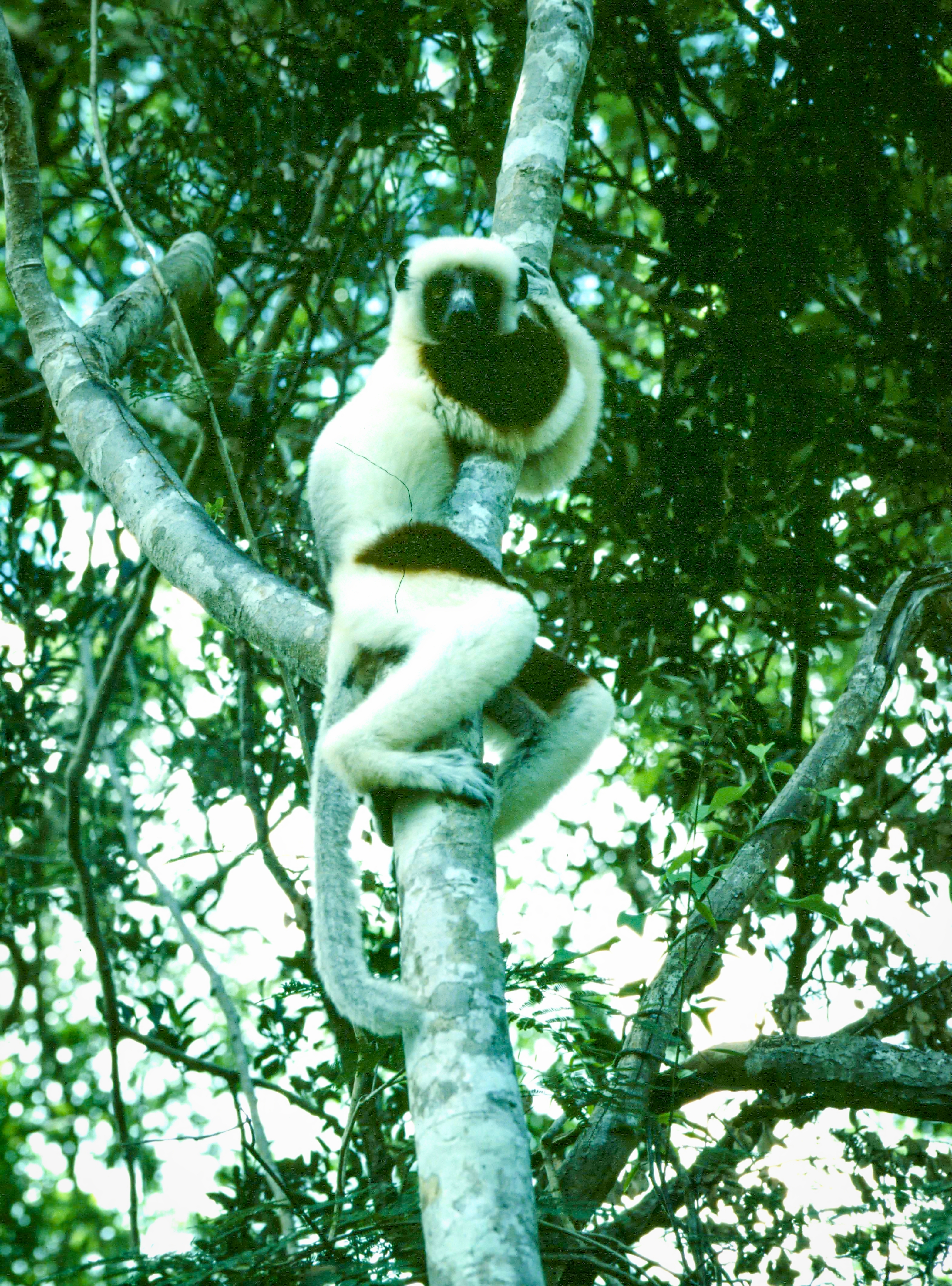
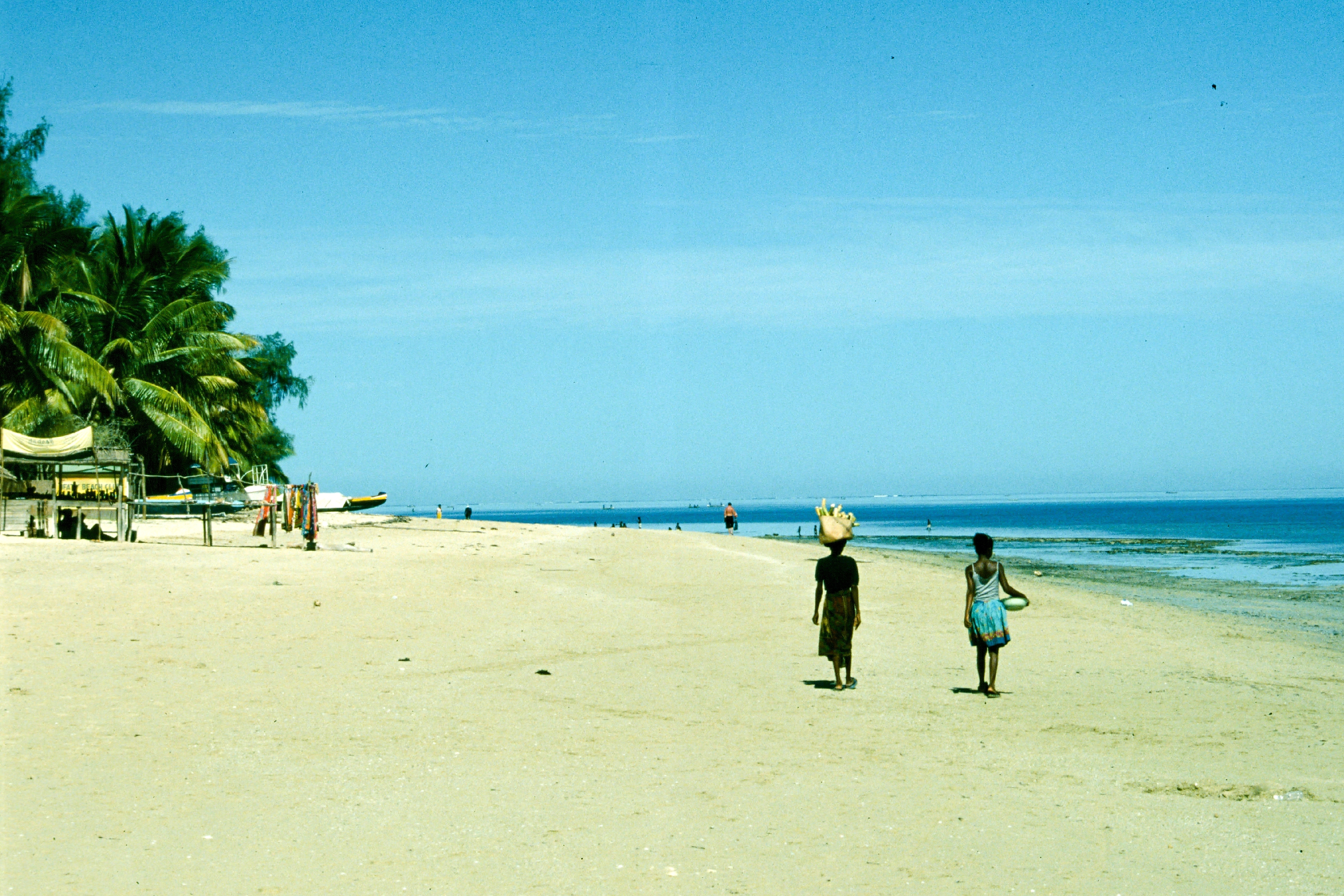
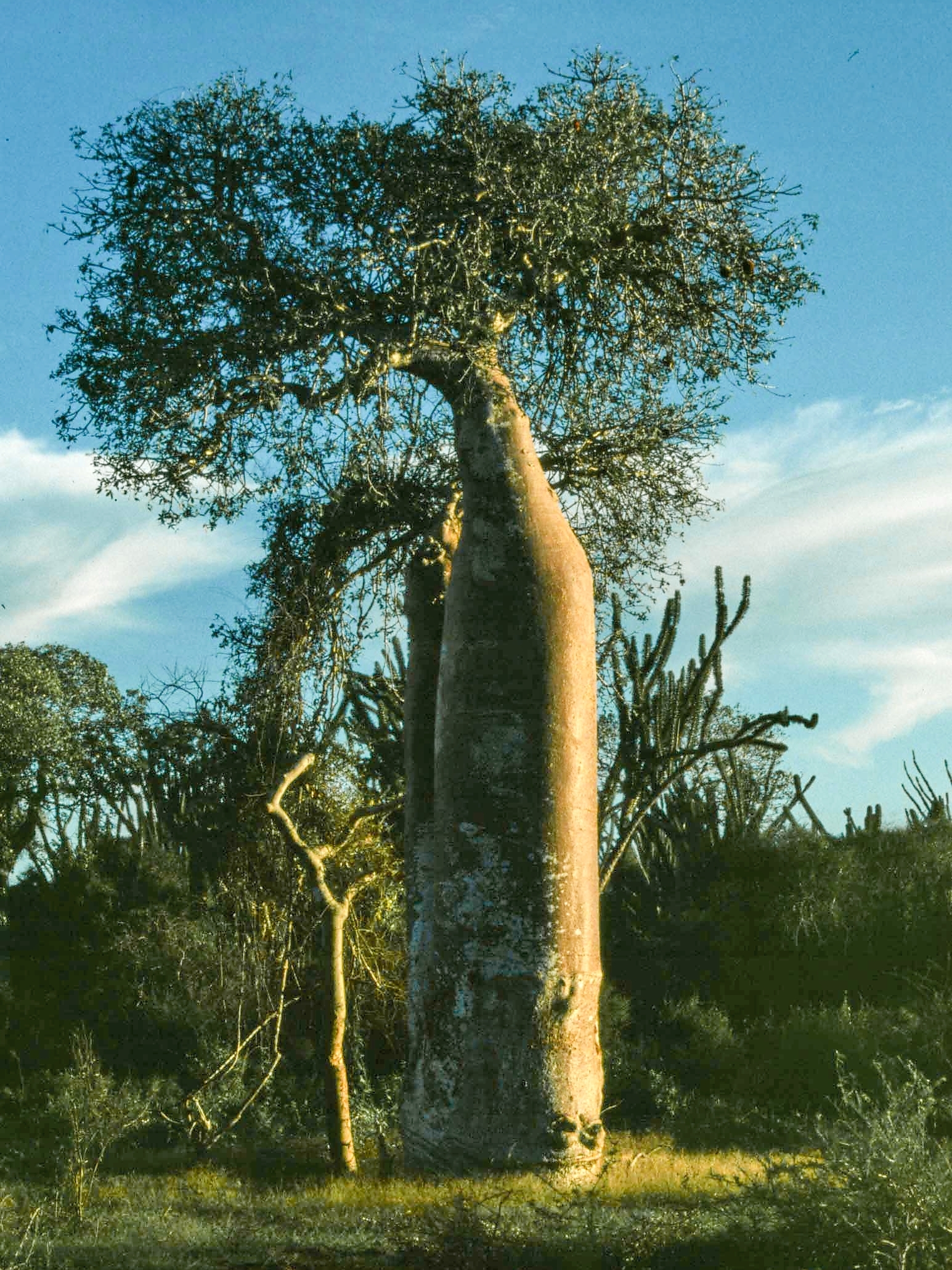
Along with France & South Asia, this is the other origin of my community in Mother Sea, so hints of Malagasy culture fed into the book. This country is a biologist’s dream and heartbreak all in one – the most mindblowing evolutionary wonders alongside some of the most heart-rending poverty and worst habitat destruction I’ve ever seen. For Mother Sea though it gave me ‘tsingy’ landscape (limestone karst) & baobab forests, pirogues & feminism & day geckoes.

Fav folklore – I was told once that bats hang upside down to show their arse to god as revenge for an offence. I cannot remember what the offence was but I love this so much.

Fav experience – An aye-aye there-&-gone in the dark, indri singing in the dawn, being unutterably lucky.

Seven – The Outer Hebrides

Finally to the place where Mother Sea began – with the history of St. Kilda & it’s abandonment. That tale of population decline, of grief and a terrible communal turning-inward because of that grief was the seed that everything else in Mother Sea grew around. And the islands of North & South Uist, Benbecula, Eriskay and Barra were also there to teach me so much about island communities, the persistence of faith, carving a living from the liminal shore.

Fav folklore – The Blue Men of the Minch. They’re blue, they shout poetry slam challenges at ship captains, they raise storms. I love them.

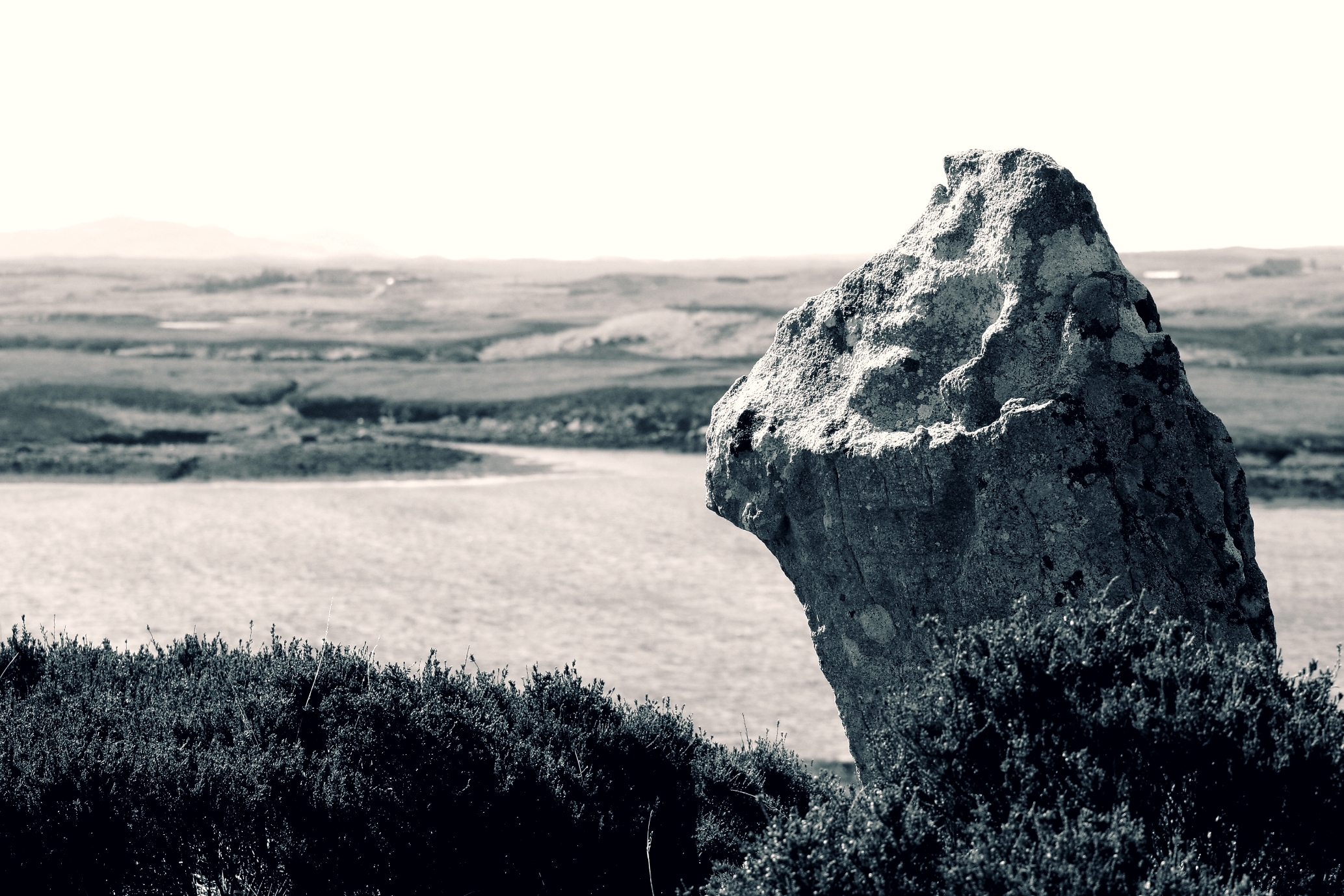
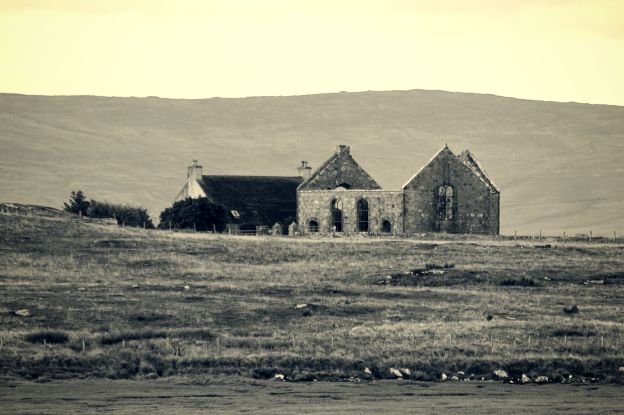
Fav experience – Just the startling, stunning bays – white sand and turquoise water and the steep, watchful dunes. The ruined silhouettes of churches and manor houses on lonely islets, the ghosts of brochs haunting the lochans.

Thank you for coming with me around the world! There are a couple of dozen more islands I read about, stalked online, talked to people about and dreamed of, that all fed into Mother Sea in other ways. But these are (some of) the ones I’ve lived in and loved, and left pieces of myself behind in.
Writing The Difficult Stuff

Mother Sea comes out tomorrow. I am so excited to share this book with you all, and so honoured at the care Fairlight Books have taken with it. I really, really, really hope it resonates with you.

Before it comes out though, I wanted to talk about some of the issues I explore in its pages because if you’ve read my previous blog, you’ll know that when I was writing Mother Sea, I never intended to seek publication. So I went into some places that perhaps I wouldn’t have been brave enough to venture into if I’d been writing with an external audience in the back of my mind.

With hindsight, I am glad that I wrote this book and that others will get to read it. I think it’s important to write the things that scare us as authors, or make us cry as we’re typing, the things that we put off writing for days because we fear them. Writing is, if nothing else, a way to reach out to strangers. It is a way to whisper to someone else, ‘I know how you feel. I feel it too.’ Which is why darker, sadder themes are so powerful, and so pervasive in stories, right? Because that quiet connection, that resonance is both a hand held out in companionship, and also at the same time, a hand held out to guide you through the unfamiliar terrain of someone else’s heart.

So although I think Mother Sea is as much a book about love and resilience as darkness, it does go into some deeply sad places. But my hope is that in doing so it might help someone feel less alone, it might help someone else understand a perspective or an experience in a way they hadn’t before. If it can do that then I will be content.

Aside from the wider themes of climate change and the global injustice of climate impacts, there are two specific events in Mother Sea that were incredibly hard to write. And talking about how I wrote them involves some personal details that are a little scary to put out into the world, so please bear with me. If you want to avoid spoilers please stop reading now, because although I won’t go into plot details, I am going to reference the nature of these two moments.

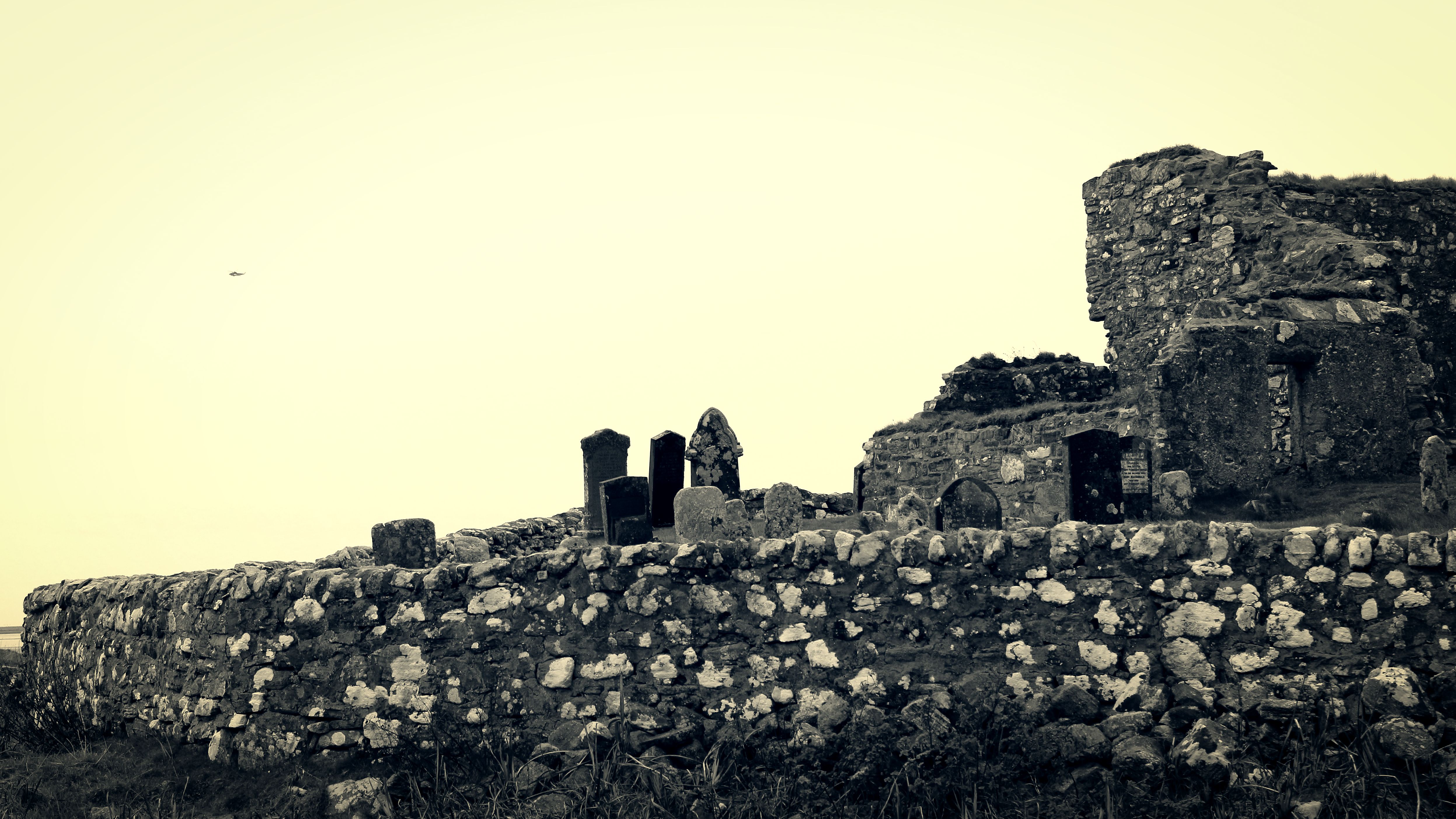
sepia tinted photo of a ruined chapel and old gravestones behind a low stone wall, taken on North Uist.

.

.

.

.

Okay, still with me?

The first, encountered in the opening few chapters, is some profound suicide ideation by Kit, one of the Point of View characters. His depression and the desire for release drive him to the edge of a cliff. Obviously, he walks away, otherwise that would be the shortest PoV plot thread ever. But writing his thoughts leading up to that moment, and writing some of his journey towards healing afterwards, drew on my own experiences more than I’ve ever really admitted to anyone. That was hard. It was so hard that at one point I realised Kit’s thoughts were bleeding into my own, and I had to put the book aside for several months until I felt able to return to it.

I don’t pretend to understand everyone’s experience of depression, but I understand my own. And I wanted to speak to anyone else who’s lived this terrible, lonely thing, but I also wanted to write accessibly enough for people to empathise with even if they’ve never known depression. Have I achieved that? I don’t know. But I’m glad I wrote the walk to the cliff top, and I’m even gladder I wrote the walking away. 

The second event isn’t something I’ve experienced myself. I wrote the death of a baby. Even typing that sentence makes me feel sick. It’s the worst thing I think I will ever write, and I put off doing the actual scene for weeks. I tried to rejig the plot to avoid it happening, I tried to narrate it from further away, I tried to make it something unspoken. But none of those changes were right. None of them did justice to the truth of the islanders’ situation, and the gravity of the death itself. It’s not gratuitous, it’s not even actually described at all. All you hear is the mother’s breathing change. That’s it. But it still left me wrung out and oddly guilty.

I haven’t experienced the loss of a child. But I have experienced multiple miscarriages, and although I’m not equating those two experiences, my own griefs definitely shaped my desire to tell this story. Because this – the neonatal tetanus epidemic – was the seed that started Mother Sea. It comes from real events on the islands of St. Kilda in Scotland, and reading about that was where this all began. I could not get the thought of those women out of my mind. What it would have felt like to be carrying a child knowing its chances of survival were so slim – how did you guard your heart from that? What would you be willing to do to try to change fate?

I couldn’t write the story of a community’s grief and fear, the story of their fight for hope, and not bear witness to the heart of that – a mother carrying her child, and losing it. I hope I’ve done it justice, I know I feel a kinship with anyone who is carrying the ghosts of their lost children in their arms.

The term ‘book of my heart‘ gets thrown around a lot by writers, doesn’t it? But Mother Sea could never be anything else because I wrote it for my own heart. I wrote it out of both my private griefs, and my wide-open, globe-spanning grief in the face of the climate crisis. And yet ‘What is grief, if not love persevering?’ as Vision said. So it’s just as much about love too, in all its forms from the private to the globe-spanning. Although it started as a very private thing, by the time I was editing I had begun to picture readers other than myself. I began to hope that a story about an island that doesn’t exist might perhaps feel true and precious to strangers. I know how you feel, my islanders whisper from the shade beneath the tamarind trees. I feel it too.

Thank you for reading this abnormally personal blog. I wanted to write about these two things by way of content warning and explanation. I also wanted to say to my readers thank you for venturing with me through such difficult terrain, I hope I carried you through safely to a place of hope.

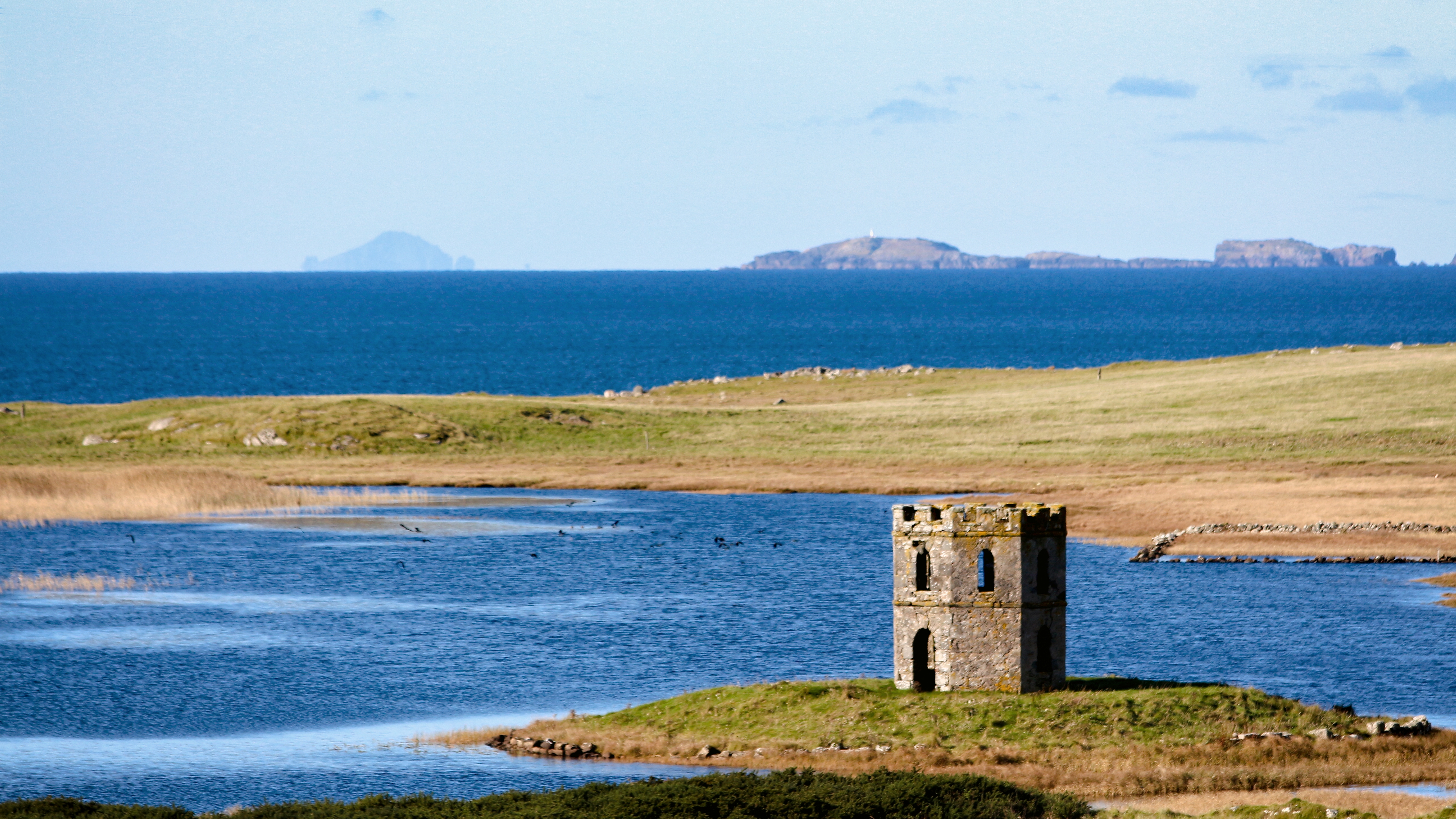
A photo from North Uist looking out across a lochan with an island fort towards St. Kilda.

Return to main blog page

Novellas – Writing Up Instead Of Down

I wrote my first novella a couple of months ago, and am editing it now (not right now – now I’m procrastinating & it’s set in Iceland, so you’re getting random Icelandic photos. Sorry, I don’t make the rules). This being my first novella experience I did some reading around to see what people’s advice was about structuring them. Almost everything I found boiled down to ‘It’s like a novel, but shorter’. Which is … not entirely helpful. Especially when my starting point was a short story.

So, having written the thing I am now clearly an expert, and wanted to share my thoughts on the art of novella writing when you’re coming at the thing from a small idea rather than a big one.

Photo of half frozen lagoon, distant snowy mountains and a glacier.

[FYI in case you weren’t sure, a novella is usually considered to be between 20-60,000 words, novels between 80-120k and short stories get defined pretty much any way that takes your fancy so long as it’s less than 20k (but usually lie in the 2–8,000 range).]

The advice ‘like a novel but shorter’ means this: It relies on similar narrative arcs, but those arcs are simpler, the plot is simpler, the character lists and worldbuilding are streamlined. It’s basically a novel-type idea but where the plot didn’t need 80,000 words to unfold. That makes sense, right?

But my starting point wasn’t a novel-type idea, it was a 2,500 word short story that felt unresolved and … squished. So if you’re like me & have short stories that want to grow, how do you reframe them to turn them into a functional novella?

I don’t know.

But I’m going to tell you anyway…

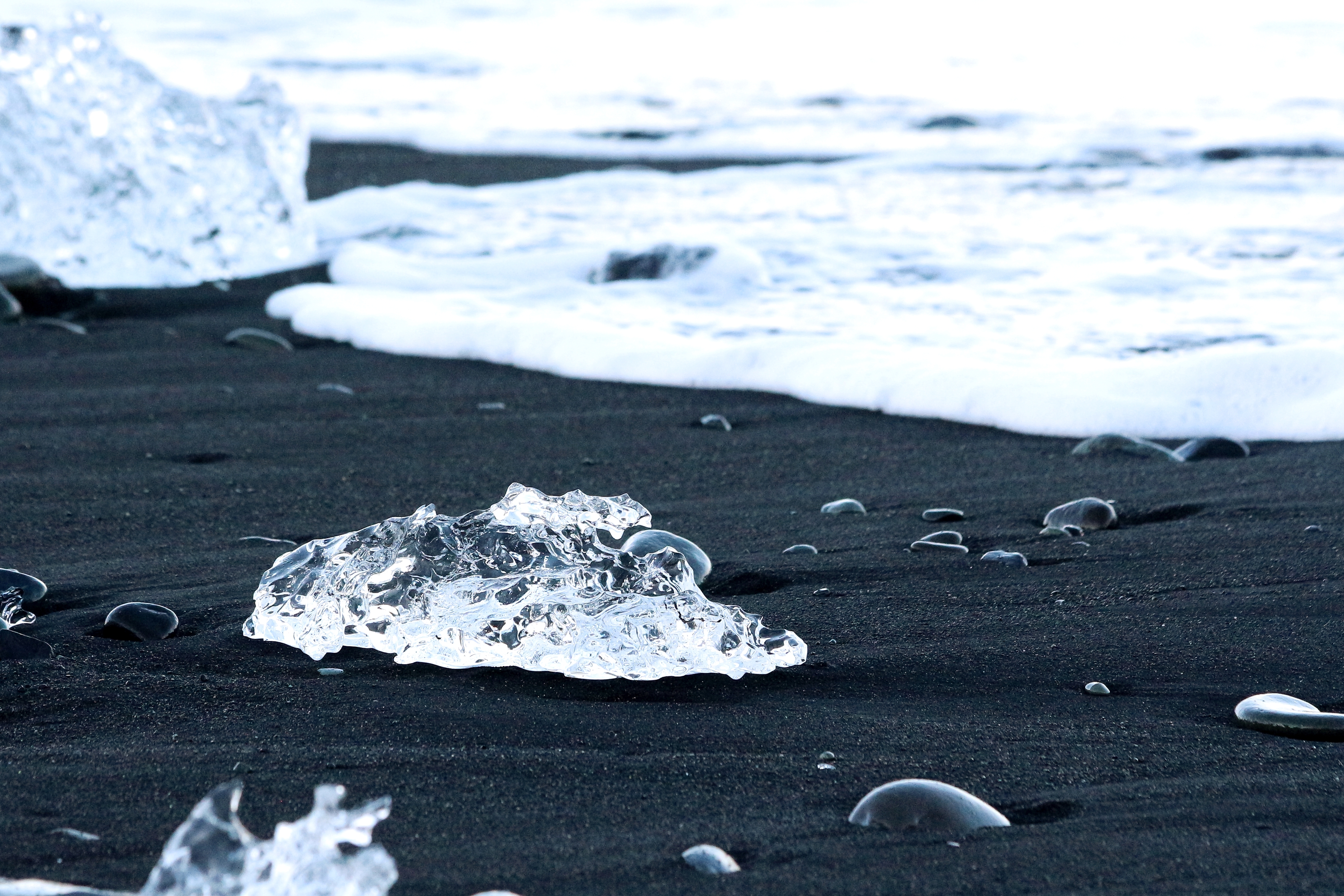
Photo of chunks of ice on a black pebble beach, backlit by sunshine with some rainbow refraction going on.

First, how do you know what’s a novella-worthy idea?

  1. Check whether your 2,500 word story really just wants to be a 5,000 word story. Was the plot or worldbuilding just a bit rushed & needs a wee bit more space to breath? Was there one more scene or one more bit of backstory that would really pull the whole thing together? If so, maybe just let it be 5,000 words.
  2. Or, did your plot feel like it was fundamentally lacking depth for the things it was trying to do? My short story was trying to explore PTSD and grief, and to map a descent into dissociation and a big moral choice. Add in ghost stories, family secrets, and a slightly cinematic setting and there’s really no way you can do justice to those things in 5,000 words, let alone 2,500. It wasn’t just that the story as it stood needed a bit more room, it was that the story itself needed huge structural changes to serve its function. Sound familiar? You’ve got yourself a potential novella.

Yay, so now, what’s the difference between your short story idea and your novella? What needs to happen to mutate the former into the latter?

Photo of a smooth black rock emerging from beach sand that is, on one side of the rock, blackish, and on the other pale yellow.

A short story:

  1. Can (although often doesn’t) pivot around an external plot alone – can be about an event rather than a character’s internal change.
  2. Can be slice of life – e.g. there’s no plot per se, no conflict or change, just … an exploration of a character’s mind, world or moment.
  3. Requires very little world building, or more importantly, can afford little worldbuilding. Which, especially if this is SFF, requires a very focussed setting so that the story’s world feels sufficiently explained within that limited word count.
  4. Generally has a single strand plotline following one question, theme or objective. The longer the wordcount, the more strands to the plot you can fit in & the more involved that plot can be, but for my purposes, a 2-3k short can only really carry one central plot convincingly. (That’s not to say it can’t be intricate or thoughtful or multi-layered thematically, but the external plot & the internal narrative? Fairly streamlined.)
  5. Both 3 & 4 above lead to – a very limited cast. There are only so many people we can meet and care about in 3,000 words. Honestly, there aren’t many more we can truly care about at 10,000.
Close up photo of chunks of blue glacier ice resting on the glacier mass, which is white streaked with black lines.

To expand that into a novella, we need to think about:

  • The internal character arc of your main character(s). What is the theme of your story and how does your character’s journey reflect that? How does their psychological landscape change from beginning to end and why does it change in that way (what events drive it externally and what motivations are driving it internally)?
  • Bring your secondary characters to life more – you may have more characters to play with, but a smaller cast will still serve you well so don’t go looking for more than you need. Those characters you have though cannot get away with just being a foil for the MC, or passive or 2-dimensional. They will need to have their own development, their own motivations and psychological landscape. Their arcs are likely to be less pronounced compared to the MC but they need to have something going on that’s independent of the MC.
  • Where a short story often has a very limited setting, or a narrow focus within a wider setting, you now need to think about developing your setting more. Whether that’s allowing your characters to move around, explaining more of the world’s context, or simply bringing the setting to more vibrant, interactive, dynamic life. I’m a big fan of the power of setting, and focussing that urge down for short fiction is always a bit of a struggle, so it was nice to be able to really lean into that particular area again.
  • Plot structure (deep breath) …
    1. Now, in our short story, this was streamlined down to the bare minimum number of strands and a fairly simple progression. At novella length we are looking more at the kinds of plot structures we talk about for novels, which I guess is the point all that advice I found was making. 3-Act Structure, but fewer turning points, Save The Cat, but cut down the B-plots or Road Apples or whathaveyou. Writing up from a short, I needed instead to think about adding complexity – where can I make this revelation or decision harder, how about more misunderstandings, or another foreshadowing motif, or adding in a failure or two? Plus, as mentioned above, how do I develop my secondary characters’ own arcs?
    2. One of the things I love about short fiction is that you can more easily be experimental with form and voice than you can at novel length, but I think there’s still a lot of scope for playing around outside the ‘norms’ at novella length too. I took the well known kishōtenketsu 4-Act Structure as my guide here because I wanted to focus on the internal change rather than a ‘conflict’ as such. I don’t think this approach, for this story, would have maintained its power over a longer wordcount, but at 28,000 it felt really powerful and right.
    3. You need to find the sweet spot between developing the story more, but making sure that all your development gets fulfilled. If you’ve added more characters, make them engaging and important; if you’ve added a sub-plot, make sure you give it closure; if you’ve introduced wider worldbuilding, make sure it is definitely contributing to the story. Your novella can be pacey and full of action or it can be subtle and dreamy and intricate, but it still has to answer its own questions.

My 2,500 word short story is now a 28,000 novella. Because it was trying to do too much in the first place, I didn’t need to add more characters or sub-plots really, I just needed to actually do justice to all the ideas I was trying to address. So my work was mostly on plot development, backstory, secondary character arcs and setting. Your approach will depend on your starting point, and on the themes and voice you are working with.

Photo of a small human in blue winter coat, blue leggins and blue snow boots sitting on a black sand beach with black basalt columns in the background.

I find that novellas can sometimes disappoint if you come to them wanting the complexities of a novel (I read on kindle, so I often don’t realise something is a novella until I’ve started). But where they blow me away is when although the plot might actually be simpler, it doesn’t feel it, because the atmosphere of the story is so unique and strong that the emotional depth is somehow more concentrated. There’s something incredibly powerful about paring a theme back to its absolute heart and then giving that heart richness, depth and nuance. Like a gin & tonic, versus a damson gin liqueur, if you will.

Hopefully this particular gin liqueur will be out in the world at some point, full of Icelandic ghosts, trippy midnight wanderings, the sea and the terrible lure of bargaining for things we have lost. Now I’ve totally and utterly mastered the art form though, I may well return for more…

Go back to Blog homepage

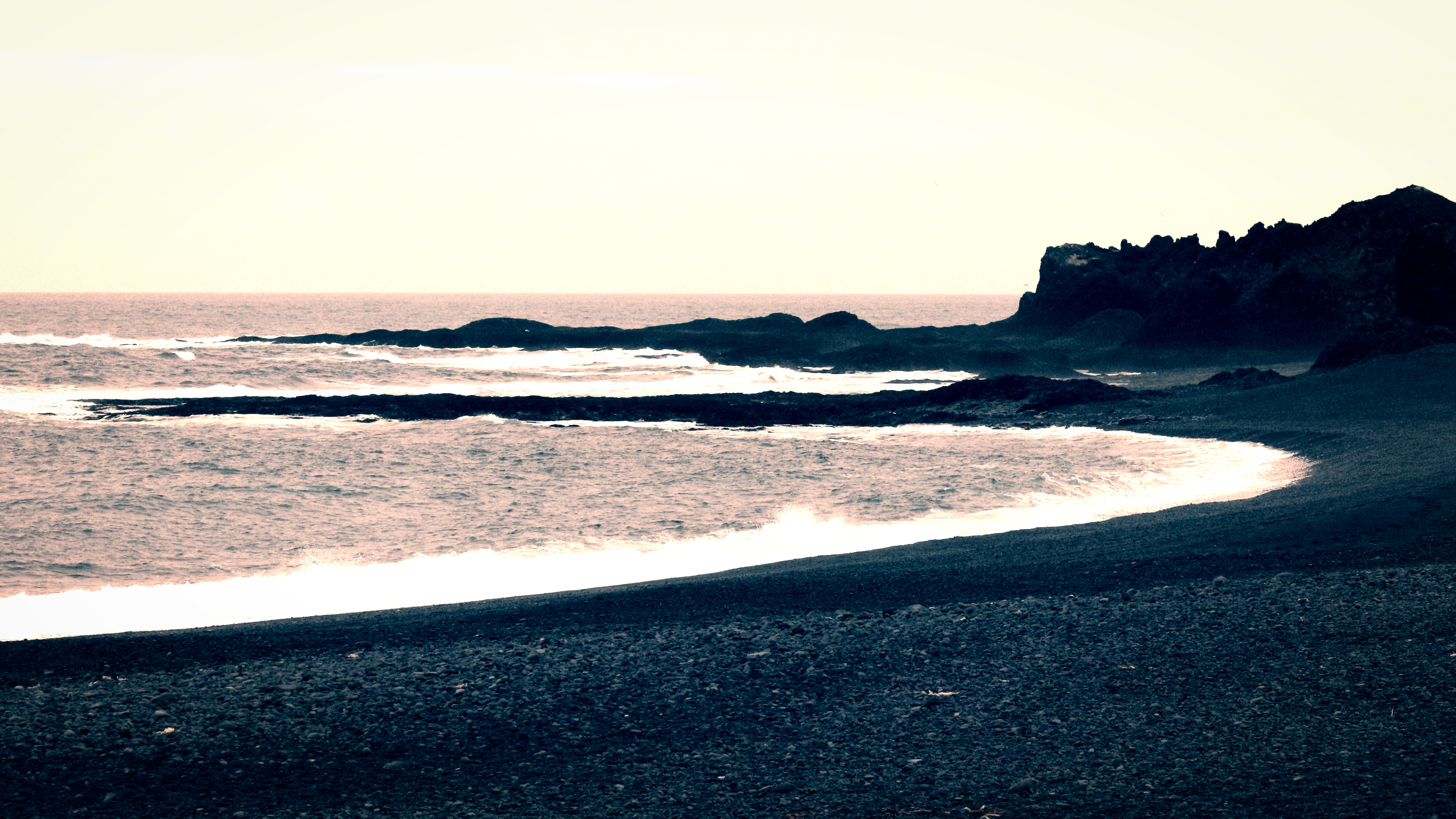
sepia tinted photo of a black sand beach, showing two bays, some rocks and bright white surf line.

The Dreaded Cover Letter

Covid has found the household and I can see my productivity slipping away, so to make myself feel like I’ve achieved something, I’m posting this! That counts as work, right?

Anyway … I’ve been looking at a fair amount of submission packages over the last few months, and have noticed some common patterns. So, on the offchance that you’re struggling with yours and are looking for a few pointers, here they are. (Please note, the internet is full of people offering advice on cover letters and synopses, and none of us are omniscient. But most of us have some useful tips & hopefully I do too). I’ll cover synopses if I’m ever feeling brave but today is all about The Cover Letter. Oh we agonise over this, don’t we? And the moment we press send, we spot a spelling mistake anyway. Sigh. But here goes…

The first thing to remember is that this is, effectively, a job application.

I know the relationship goes the other way in the end, but at the point of submission you are trying to persuade the agent/editor that they want to work with you. So it’s a job application. Treat it like one. By that I mean:

  • Be professional in all correspondence. But most of all…
  • BE CLEAR.

This is the fundamental point, I think. Just as you would with a CV or application form, you want to make the relevant information absolutely easy to spot. You want it right there, all in one neat package for the agent/editor to locate and understand quickly. They don’t have a lot of time, and you are up against people whose letters are clear, so don’t bury the key information in random places or beneath non-essential details.

So what is this key information and where is it meant to be?

As with all things, annoyingly, there is a degree of variance here – US cover letters often lead with the pitch, for example, and some agents/editors will ask for a different format or content to the standard. But I’m going to go with what appears to be the industry standard in the UK, interspersed with calming pictures.

So herewith lies my model cover letter structure:

  • Dear [Get their name right, goddammit. Double check. Triple check.]
  • Opening Paragraph. 2-3 short sentences containing:
    1. If you’re submitting to a specific call (e.g. BIPOC writers or a Twitter pitch event request) then open with that. Otherwise…
    2. Title and word count (standard phrase is ‘complete at n words’.
    3. Genre. Don’t get bogged down with ‘but my books straddles 27 genres’. Pick one, add a second term if you have to, e.g. ‘Thriller with speculative elements’, ‘Literary mystery’, ‘Romantic space-opera’. They need to know where your book will sit in a bookshop, they also need to know you understand your book enough to know where it will sit in a bookshop.
    4. Why you’re submitting to that person in particular. Don’t wax lyrical about 14 of the authors on their list, or cite an interview they did 15 years ago. Do say that you saw their recent MSWL (manuscript wish list) and think your book might interest them because of X, or that your book shares themes of Y with their author Englebert Humperdink. If you’ve met them, this is where to remind them of that.
    5. If this particular book has been listed for any awards, mention that here.
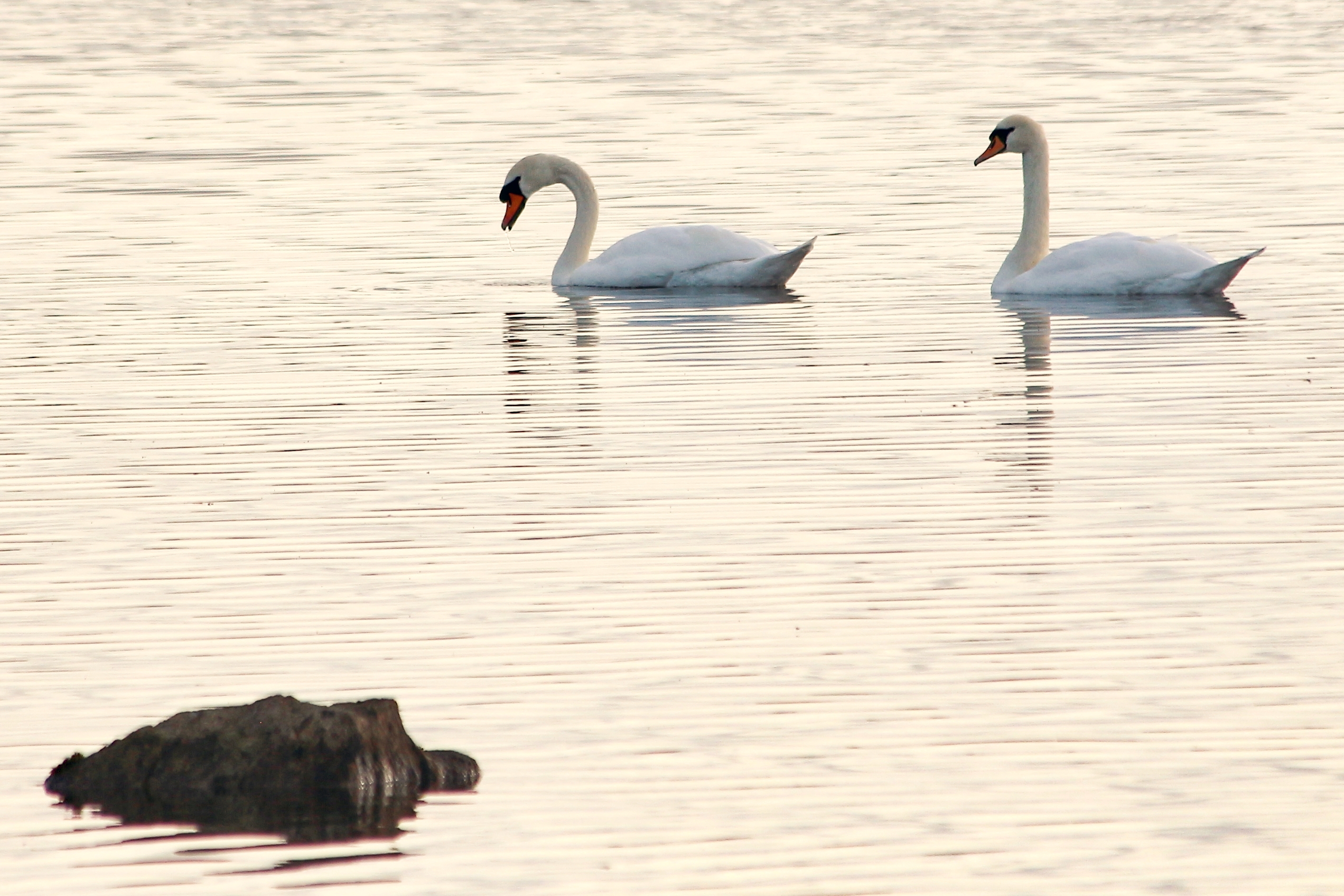
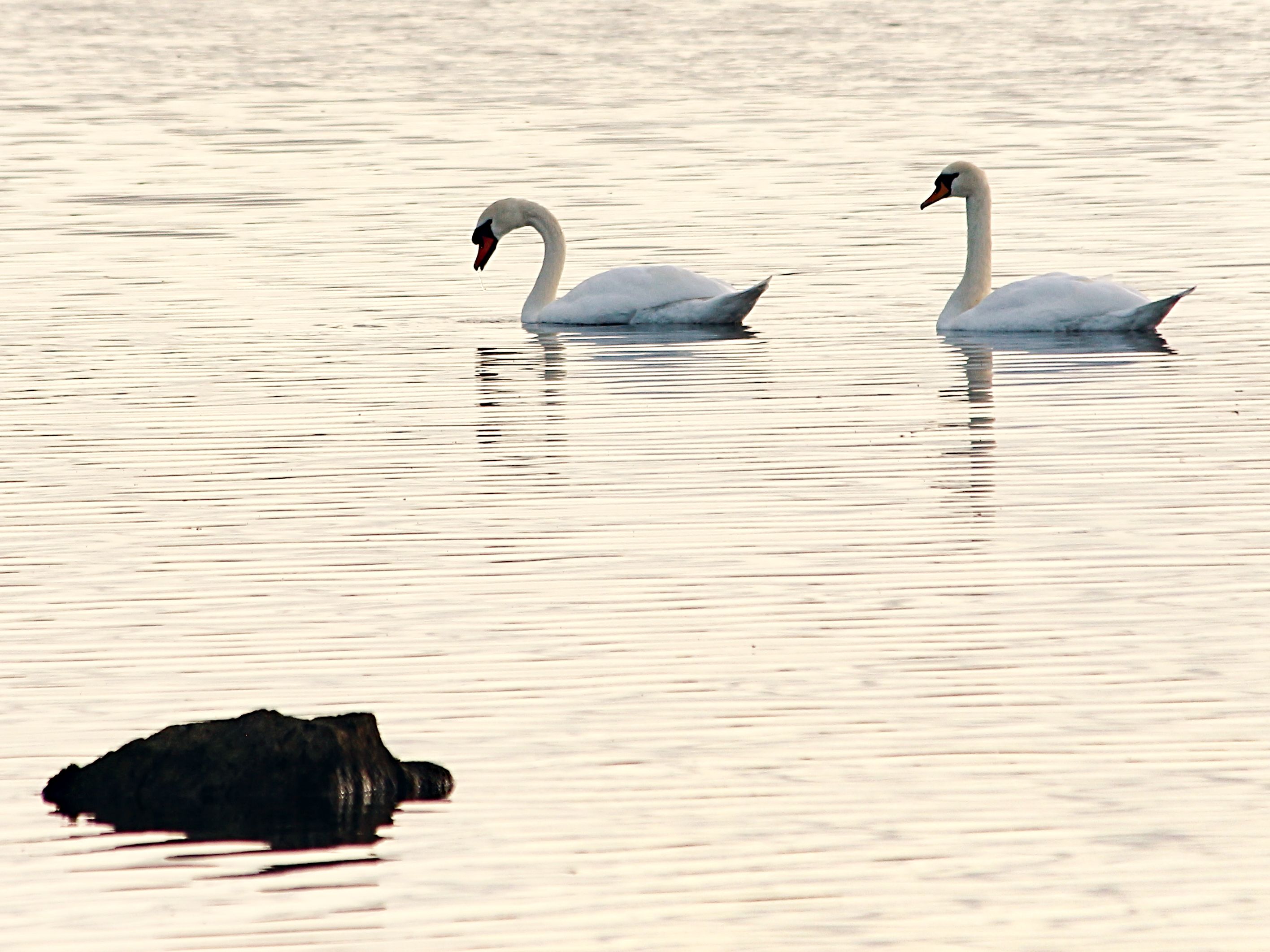
Photo of two mute swans on silvery water. There are lots of small ripples and a broken reflection of each swan. It's all pale and calming.
Have some swans. Take a deep breath.
  • Background Paragraph. 3 sentences containing:
    1. Your personal connection to this story – whether a life experience, professional expertise, cultural identity, spotted a news article that prompted it. What was it that made you write it; and if it’s potentially sensitive, what makes you the right person to write it.
    2. Comparative titles. Yes, we all hate them. No, your book isn’t unique and incomparable. Yes, it’s important. Again, this is about showing the agent that you understand who your readers are, and that you have some awareness of the market you want them to launch your book into. Markets change, so keep the comps <5yrs old and try to strike a balance between utterly niche and the obvious big names. JKR is not a good comp, and neither is Aristotle, probably.
  • It’s worth noting here that your comps don’t have to be perfect plot/setting matches. Yes, a little similarity is good – comping your space opera to a romcom in Dagenham is probably stretching it. But think about the themes of your story, the tone of it. It’s okay to compare, say, a historical story with a contemporary one if the feel of the story is similar.
  • Also worth noting, you aren’t being egotistical & claiming you’re as good as Margaret Atwood (although naturally you are), you’re saying ‘my book may appeal to readers of…’ and that’s okay.
photo of my thumb & finger holding an eroded scallop shell up to a pale winter sun. The light through the shell is kind of a mosaic, it's weird and pretty.
You’re getting there. Here’s some sunshine through a gnarly shell.
  • The Pitch. 3 sentences. Oh isn’t it hell? Some pointers:
    1. First off, some people swop this with the Background Paragraph. That’s fine. I think it flows better this way around but it’s not a life or death decision. Do what feels right.
    2. This (otherwise known as your elevator pitch) is essentially a back-cover blurb. The pithy, dramatic hook that presents: 1. the main character(s), 2. the thing they need to achieve, 3. why they need to achieve it, and 4. why that’s so bloody hard. (Note the ending isn’t included here). Read lots of back covers to get a feel for them.
    3. It’s nice, but not essential to have a ‘tag line’ – one short sentence/line that tells us the unique concept of your book. Again, check out a few books – the tag line is often on the front cover, or at the top of the back cover blurb. Mine for This Is Our Undoing is ‘Could you condemn one child to save another?’ Some people don’t like questions but hey, I couldn’t resist – it summarises an absolute moral dilemma in the book that’s both a little unusual and dramatic.
    4. It’s ridiculously hard to summarise your intricate 90,000 words into 3 sentences isn’t it? So don’t. Think about the heart of your book, the feel of it (I’m fond of that image), and write down 10 words that come to mind. Then pick the most emotive of those, grab your four facts from point 2. above and see what you can come up with. Remember to use a few deliberate specifics to show us what’s unique about this story. ‘A woman’ is less engaging than ‘A Victorian adventurer’ for example. ‘To prevent disaster’ is less interesting than ‘To save the world’s last stiltwalkers’.
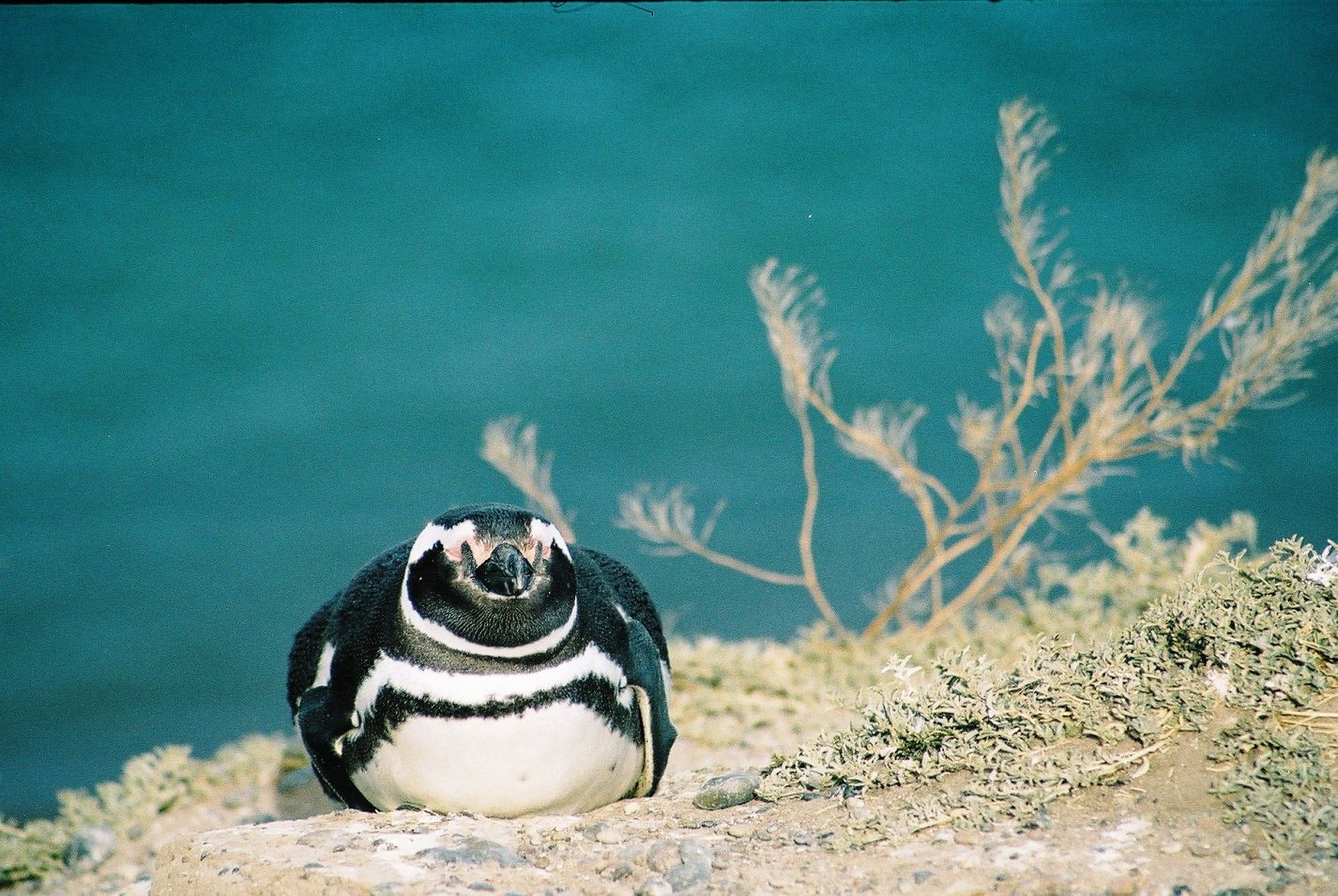
Photo of a sleeping penguin lying on it's belly facing the camera. Against a backdrop of distant sea.
The penguin says you’re doing great. Nearly there.
  • Your writing credentials. 2-4 sentences. Yes really, we don’t need to know much here. This is where a lot of early-career writers get nervous, but don’t. It’s the least important paragraph to be honest. If you have credentials then that’s fabulous and eye-catching, but if you don’t, then remember that everyone loves to discover a hidden talent, so trust your story to stand up without props. Some things you might include are:
    1. Previous novel/novella publications. Say what they are, who published them and when. If you self-published, you can mention it, but some folk say they’re only interested if it comes with a measure of success – lots of reader reviews, an Amazon bestseller flag, a trade review etc.
    2. Short fiction. Say where they were published. You don’t need to put story titles or dates, and if you’ve got quite a few, just pick the biggest publications (e.g. the ones that pay pro- or semi-pro rates, or the ones with the largest social media accounts).
    3. Prizes & prize listings, scholarships, awards, creative writing courses. Say what the prize/course/award was, and it’s probably good to say which year, although if you’ve quite a few, don’t bother. Again if you’ve a few, pick the most prestigious & recent.
    4. Any other important information. You might want to mention your profession, your location or identity. You don’t need to tell us about your cats, your non-writing hobbies, or that you love reading. You can tell us about the cats if you really want to, I guess. Regarding disclosing marginalised identities – the jury is out on whether to do that or not and honestly, I think it’s entirely up to you. If it’s relevant to the story then you’ll already have mentioned it in the Background Paragraph. If it’s not relevant but you’re submitting in response to a specific call, then you’ll have covered that in the Opening Paragraph. Disclosing it isn’t going to put a good agent off. Anyone it does put off is clearly not someone you want to work with anyway, so perhaps it’s useful as a filter if nothing else. Do what you feel comfortable with.
  • Sign off. ‘Please find attached…’, ‘Thank you for your time…’, whatever your personal approach. And ta da. That’s it. Well done you. Have some chocolate.

That was quite a long blog! If you’ve made it to the end then a) well done, b) hope it was useful and c) I love lists.

To repeat what I said at the start, this is all subjective … to a degree. Make it your own, but the essential point of clarity and succinctness stand regardless of the structure you prefer. Good luck! Let me know what you think. But don’t come at me with your ‘I got 6 offers of representation and my cover letter was an acrostic poem’ – we’re not all called Tarquin. Sit down.  

Go back to Blog homepage

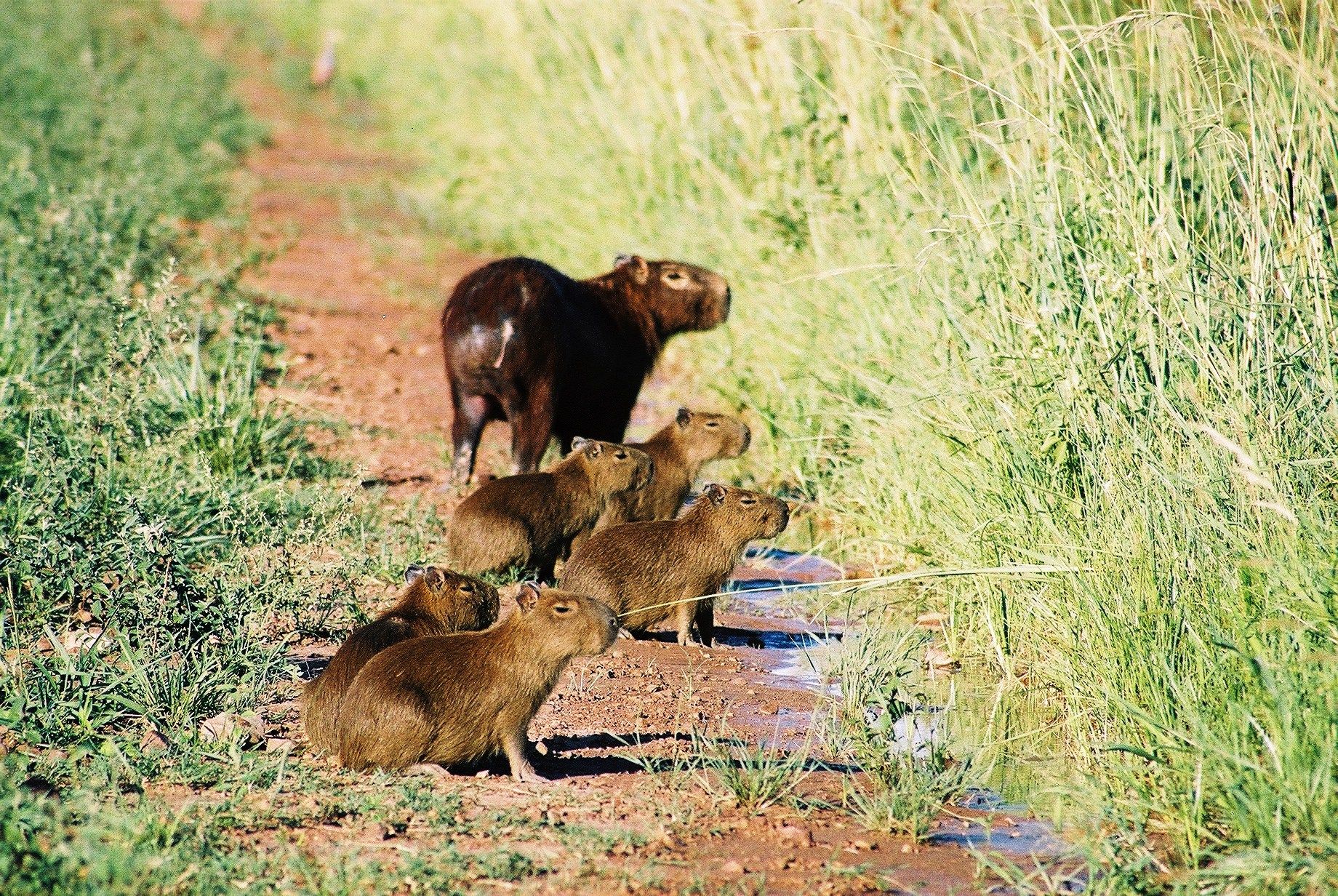
Photo of a mum and five baby capybaras sitting on a narrow dirt track, looking, like they do, rather sleepy and smug.
Here’s some baby capybaras, you deserve it.

Diversity in Publishing, Mentoring, and Imposter Syndrome.

I was half way through writing a very different blog post last week when UK publishing had a rather drastic explosion on social media. I won’t go into the details but it started with someone commodifying the work of vulnerable children whilst writing about those children in terms that were racist, ableist, weirdly appearance-obsessed and basically pretty cruel; and ended with a very, very high profile white male author calling women of colour Taliban/ISIS terrorists for expressing (politely, courageously) their discomfort with the book.

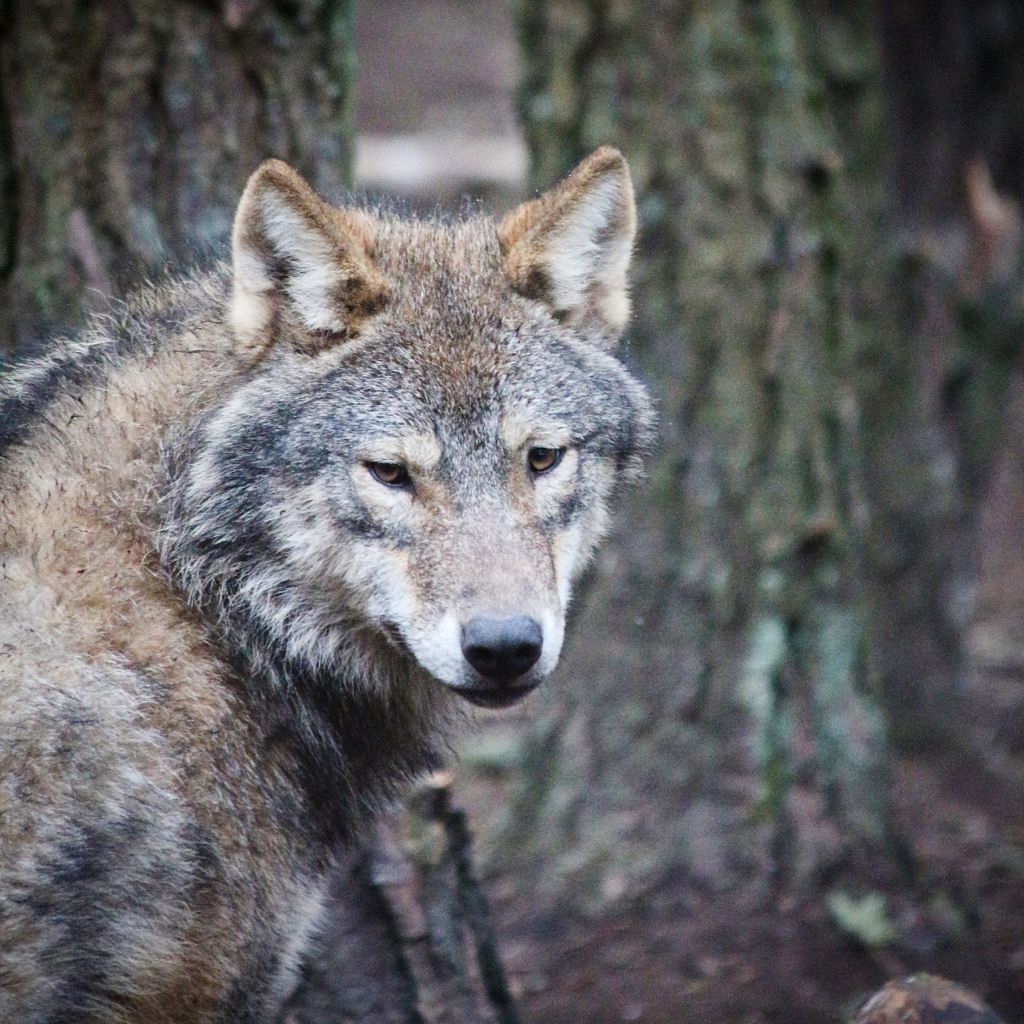
Photo of a wolf watching the camera.

It’s not been a fun few days to be a ‘minority’ author, watching the great and the good of the world you are trying to navigate throw people like you to the wolves to protect those they see as righteous (hello white saviours) from the slightest slight. And no, ‘throw to the wolves’ isn’t melodramatic, the bigot bots were out in force against the women of colour at the centre of the backlash, which made the deliberate comparison to terrorists even more despicable.

The thing is, this isn’t the first time this kind of thing has happened. And although this incident is the industry playing its cards very openly, we know that even when the black squares and the rainbow logos etc are up, the cards don’t necessarily change. You don’t have to look very far to find statistics which prove that. We know that such a damaging book made it through countless hands on its road to publication & award, so what proportion of those people were from marginalised groups? What proportion were uncomfortable with the text but felt unable to speak up, or were ignored when they did? What proportion didn’t see anything wrong with treating vulnerable children that way at all? Will any of that systemic bias actually be changed by the publisher’s talk of ‘revising the book for re-issue’? These are not encouraging thoughts to have if you’re marginalised, or comfortable ones if you’re a decent person from a majority identity, and so it’s very easy to feel powerless to do anything. And, incidentally, afraid of doing anything. These are powerful people, they can shape your publishing prospects, and it’s frightening raising your head above the parapet. Other than express my views in a Twitter post then, what can I, a newbie and fairly insignificant author, do?

Black and white photo of lone child silhoutte against a backdrop of bay and mountains. The atmosphere is a bit bleak and lonely. Taken in Iceland.

Not an awful lot, really. Buy books from marginalised authors? Well, that’s the majority of my books already. Not buy books from those authors who’ve shown their bigot card? Yes, I’ve got a new name to add to that list, sadly.

The one thing I can do is this: try to help other marginalised writers. The only way books like this will get dealt with before they do harm, the only way better, more positive books will make it through the system is if more marginalised voices are in the room – both the literal editorial meeting room, and the figurative UK publishing community space. I can’t do anything about the former, but perhaps I can do something about the latter.

I’ve been wanting to provide some sort of service to other under-represented writers for a long time, but not done anything because … well, the Big & Recalcitrant Imposter Syndrome, basically. But I decided when I signed my publishing deal for This Is Our Undoing that once the book was out and I was officially A Published Author, imposter syndrome could go jump in the sea & I’d Do Something…

…The book came out last week, UK publishing did a giant racism/ableism and I guess there’s no better time than the present.

So, I’m going to start out small, partly because I have no idea whether there’ll be any demand, and partly because I have to manage my own health and there’s only so many extra commitments I can take on. But here’s the page outlining what I can offer, and how it will work. Let me know what you think.

Go back to Blog homepage

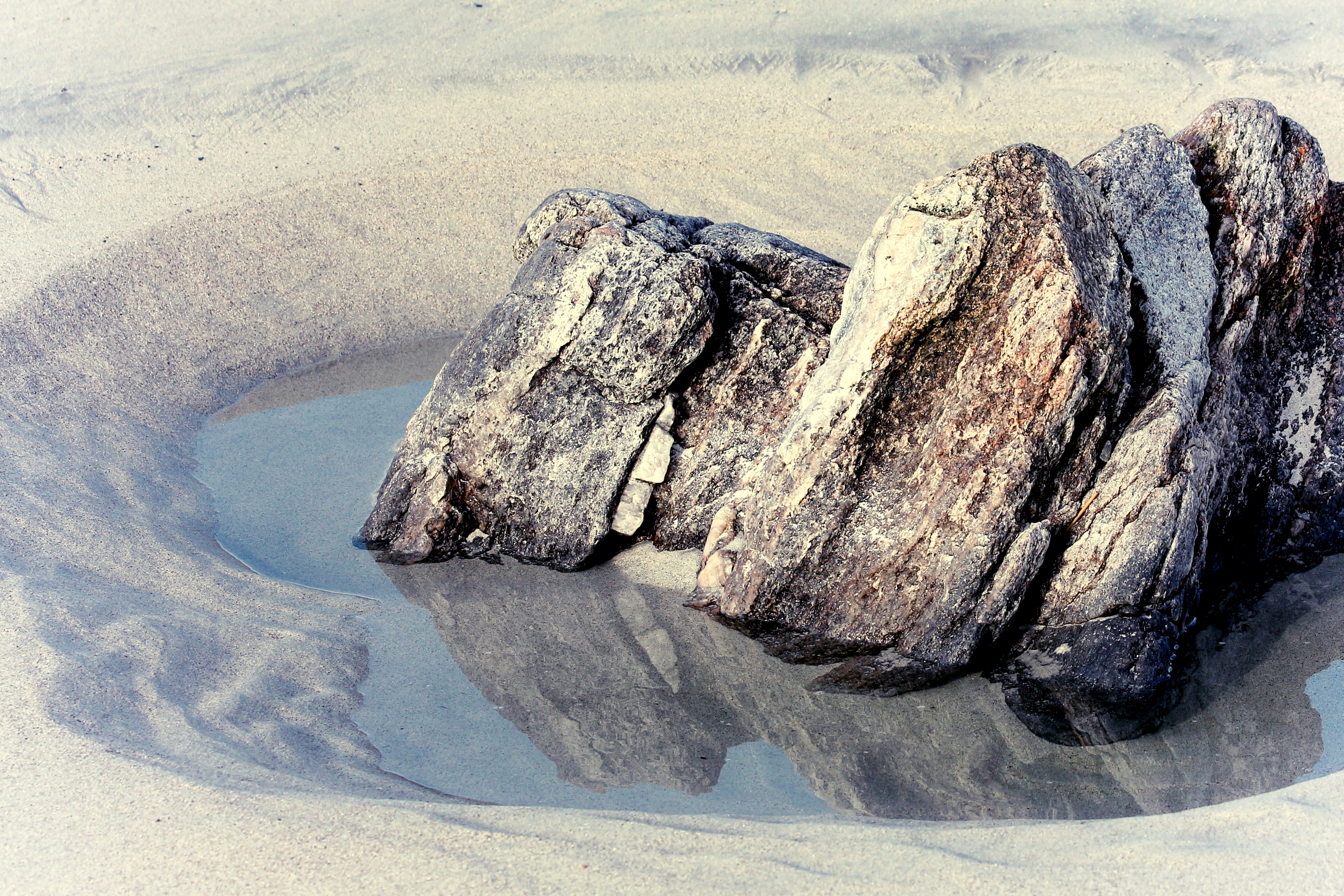
Photo of a granite rock & its reflection in a tide pool in pale sand.

The Art of Waiting

Being a writer involves a lot of waiting, doesn’t it? I’ve been living on tenterhooks for the past couple of months, and finding it (along with everything else going on) really affecting me. More so than normal, which has annoyed the hell out of me because I guess I’ve previously felt a little smug about how good I am at compartmentalising and getting on with stuff rather than obsessing over inboxes. Oh how the mighty are fallen, or the not-so-mighty-at-all, in my case. So instead of staring at my inbox, doom-scrolling Twitter or whinging to the cats, I figured I’d write a post about things that can make the waiting easier. And I’m going to fill the post with flowers because they’re nice.

First, in case you are new to writing/not a writer, you might be wondering what all this waiting is for. Well, at first it can be small things like waiting for some alone-time to write, or waiting for the cranky old laptop to decide whether to start, or, a little later on, waiting for critique partners to get back to you. Then comes the big one: Waiting for agents/publishers/magazines to respond to submissions, which they might never do, of course, leaving those not-answered emails in a Schrodinger’s state of rejected/not-read-yet for the rest of eternity. That sucks, by the way. I’d rather a rejection, however formulaic, than radio silence. But there we go. This stage – the ‘being on submission’ stage is horrible and happens throughout your publishing career over and over again, so buckle up.

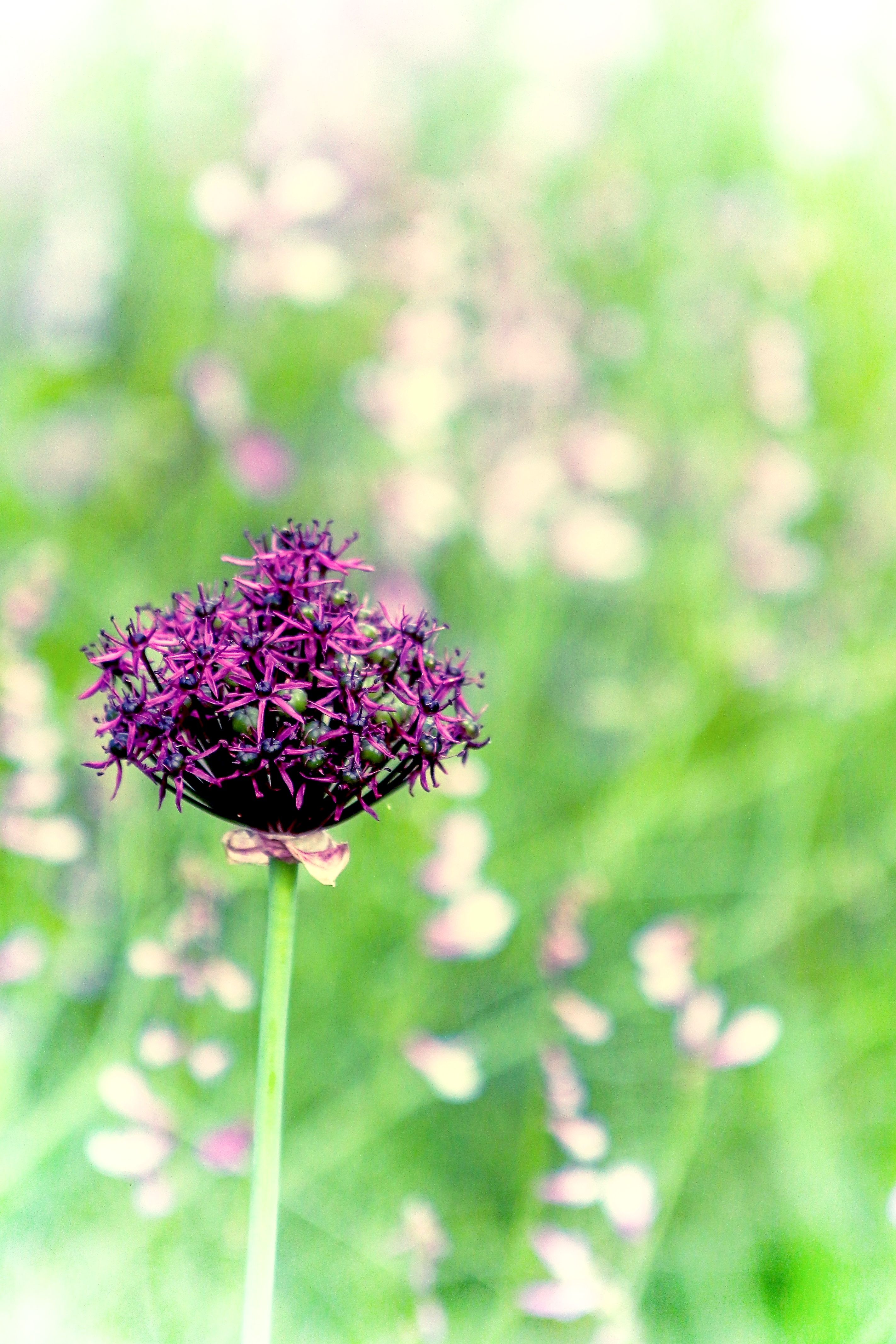
flowerhead of an allium against a backdrop of meadow flowers.
Wild allium in meadow

I’m currently in the ‘on submission’ hellpit for two books with various agents/publishers, (and some short stories actually, but I find them easier to forget about once I’ve sent them off). I’m also, though, in an ‘out for review’ limbo for This Is Our Undoing. This is a whole new world to me. I am waiting for early reviewers, my first ‘professional’ readers, to let me know what they think, potentially for quotes to go on the cover of the book. This is nerve-wracking in a whole new way and to be honest, I wasn’t prepared for it. I was so honoured and delighted and excited that these authors who I hugely admire were willing to read and provide a review for the book that I didn’t really brace myself for how agonising it would be waiting for them. Waiting for these people you admire so much, the first people outside of your publisher to read the actual finished book, knowing that they get asked to read other books by (better) bigger names and how can you possibly compare to that? Fun, huh? Anyway, that’s where I am. Please send hugs. And then read this collection of things that have helped me cope in the past…

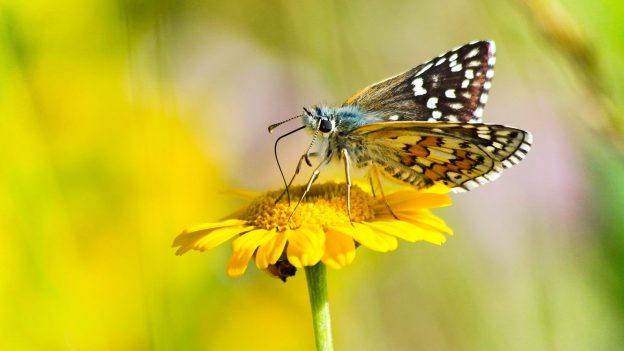
a yellow banded skipper butterfly sitting on a corn marigold flowerhead.
Yellow banded skipper on a corn marigold
Mystery pink species from a montane meadow, Bulgaria

1.Be honest with yourself about your wider situation. For me, I know that other factors are at play at the moment – my health is not great, I’ve just done another term of homeschooling and am suffering some serious pandemic fatigue. My resilience is lower than normal, and my ability to concentrate on tasks is rubbish as well, making it harder for me to dive into other things. How is your mental health at the moment? If it’s a wee bit wobbly, you’ll be finding the uncertainty of waiting harder. Accept that, cut yourself some slack. Give yourself treats.

2. Work on something else. I’ll repeat that, cos it’s really important. WORK ON SOMETHING ELSE. Not only does it provide a distraction, it also spreads the load of your hope and expectations. If your submitted project doesn’t go anywhere, then all is not lost – you have this shiny new thing you’re developing & perhaps that is The One which will succeed. It doesn’t have to be a whole book, it can be flash fiction, short stories, research for an idea, revisiting an old idea. It could even be writing a blog post 😉

3. Get physically away from your inbox. That thing clings doesn’t it? It’s right there on the computer screen, it’s on your phone, it’s like a little devil on your shoulder whispering ‘Check me! Check me!’ Turn your notifications off so you aren’t getting buzzed & fleetingly excited for every Kinde Daily Deal email or whatever. Go do some gardening or walk the dog & don’t turn mobile data on. Take some photos instead & then when you come back & your inbox still hates you, you can post a nice photo instead of endless crying emojis.

4. Remember the person you are waiting on is only human.

They really are. Even the agents. And they’ve endured the last year too, and are suffering for it too. I’m struggling to read more esoteric books & am re-reading a lot instead, so others are likely struggling to keep up with reading too. Be kind even in your own head, it makes a difference.

5. Drink Tea.

Close up & backlit photo of a wild blue delphinium flower.
Wild delphiniums, Crete.

6. If it’s a circumstance where it’s okay to prompt, be realistic about when you can do so, and stick to that. Again, the other person is only human, and if you pester them, they’ll respond the same way you would if someone was pestering you. You don’t want that. The situation will determine a lot of this – if it’s a service you’ve paid for, you are allowed to expect timely delivery; if it’s an unsolicited submission, the agent/publisher website will often tell you what timescales to expect & whether it’s okay to prompt. If, as in my current case, it’s an entirely voluntary, generous favour, you need to make sure you remember that.

7. Work on something else. Hell, submit something else. If you’re obsessing about B, then you’re not obsessing so much about A, are you? Ha.

black and white photograph of stems of a bellflower.
Peach-leaved bellflower, the Pyrenees.

8. This is veering into The Art of Handling Rejection which would be a whole other post … but remember it’s a numbers game sometimes. If you’ve sent out six submissions, you frankly won’t hear back from all of them & some will take several months to respond (if it’s publishers, they can take up to a year for heaven’s sake). That leaves what? one or two? which you might realistically hear from soon. If you send out twenty submissions (could be different short stories or the same novel), then your chances of hearing something from someone has just gone up. (Obviously though, each submission has to be taken seriously – so don’t spam, it’s not that kind of numbers game).

9. I feel like I ought to round the list off at 9. Buy yourself a new notebook. Don’t check your phone until you’ve written something in it.

So there you have it. Waiting sucks, it makes you powerless, and when you have invested so much of yourself into your writing it is hard to step back from it enough to be patient with a world that isn’t all *grabby hands*. But you’ll get through it. They’ll respond, or they won’t, but either way you’ll keep writing because that’s what we do. Good luck, and know that you’re not alone. Now go make a cup of tea and write something pretty. 

Go back to Blog homepage

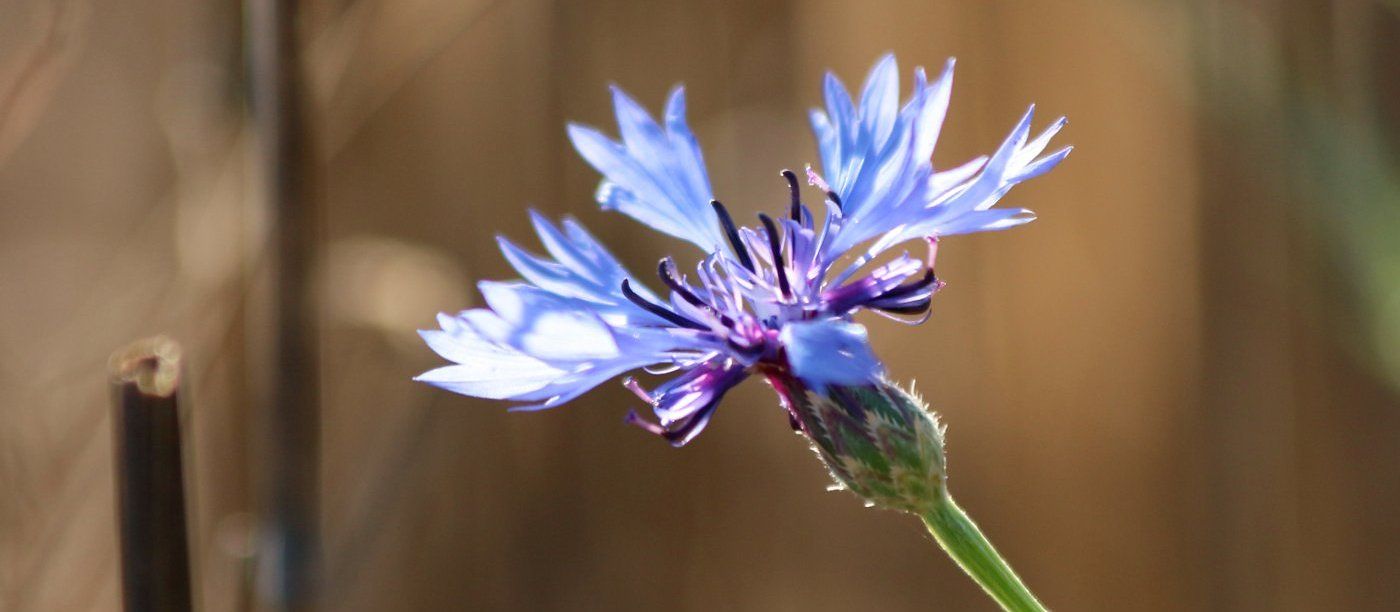
Close up of a cornflower flowerhead.
Cornflower